Main Content

Surge Protector Buying Guide

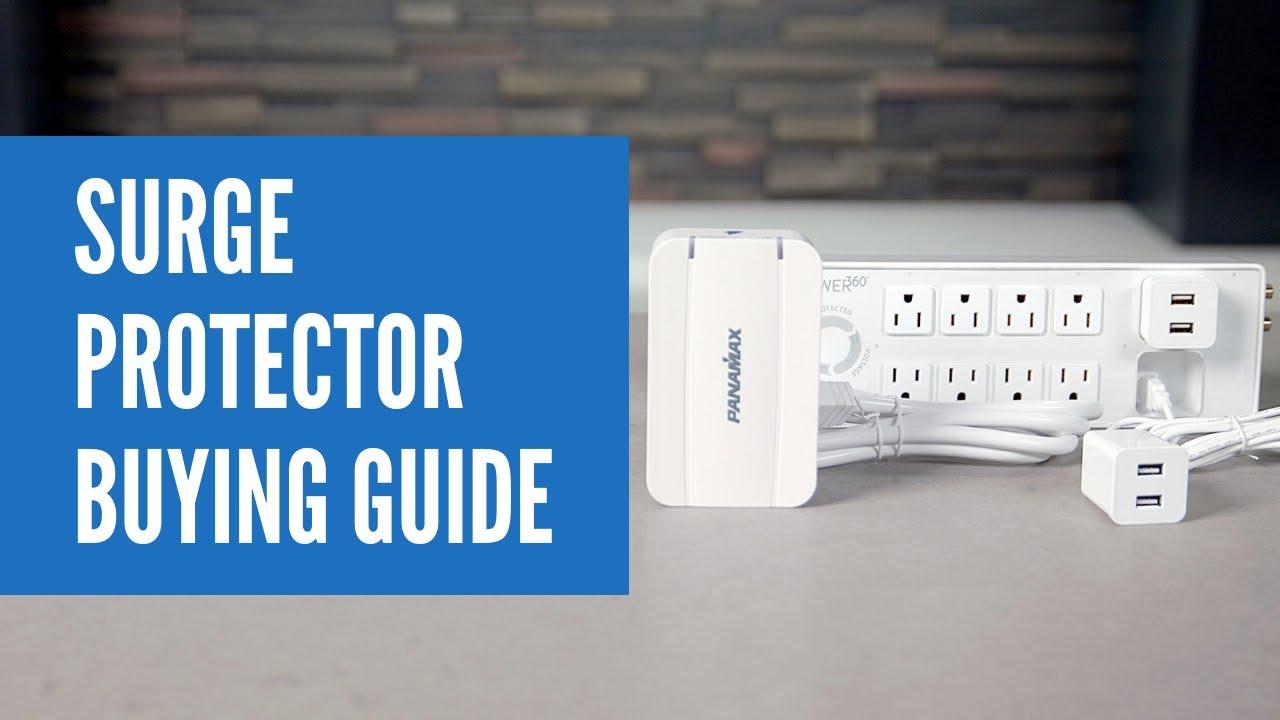
A comprehensive guide to surge protectors that will answer questions like "What is a surge protector?" and "How does a surge protector work?" while teaching you what to look for in a surge protector.
Getting Started
After picking out an expensive new electronic, you may be hesitant to spend any more, but a dependable surge protector could very possibly end up saving you money. While you probably have a surge protector or two in your home, spending a few minutes to think about shielding your new electronics from potential harm could wind up saving you hundreds or even thousands of dollars. It's also important to realize that most surge protectors will save your devices from only a single surge. So if other devices in your home seem to have been affected by a power surge, it's probably a good idea to replace your surge protectors.
What Is a Surge Protector?
Electronics require power to function. This power typically comes from either a battery or a wall outlet. If your electronics are plugged directly into the wall, or into a power strip without a functioning surge protector, sudden jumps in the flow of electricity can overwhelm the circuitry in your electronics, potentially frying power supplies or circuit boards beyond repair. Lightning strikes are probably the most familiar source of these surges, but they aren't the only danger or even the most common. That honor goes to power-hungry devices like refrigerators and air conditioners that use large amounts of electricity to turn on or off, disrupting the flow of voltage in an electrical system, potentially causing damage to nearby devices either instantly or over time. Power outages, downed power/phone/cable lines, tripped circuit breakers, and mishaps at the power company can all result in a flood of electricity making its way to your electronics. A surge protector prevents these sudden influxes of electricity from making their way to your devices.
How Does a Surge Protector Work?
Standard outlets in the United States provide 120 volts of electricity to any electronics connected to them. If the outlet puts out more than 120 volts it's considered either a spike or a surge. A spike lasts for one or two nanoseconds. Anything longer is dubbed a surge. Surge protectors are meant to be plugged directly into your wall outlet, allowing them to intercept spikes and surges before they can damage your electronics. In the most common designs, when the electricity from a spike or surge finds its way into a surge protector, a metal oxide varistor (MOV) inside the surge protector redirects the excess energy toward a grounding line which funnels the electricity into the earth.
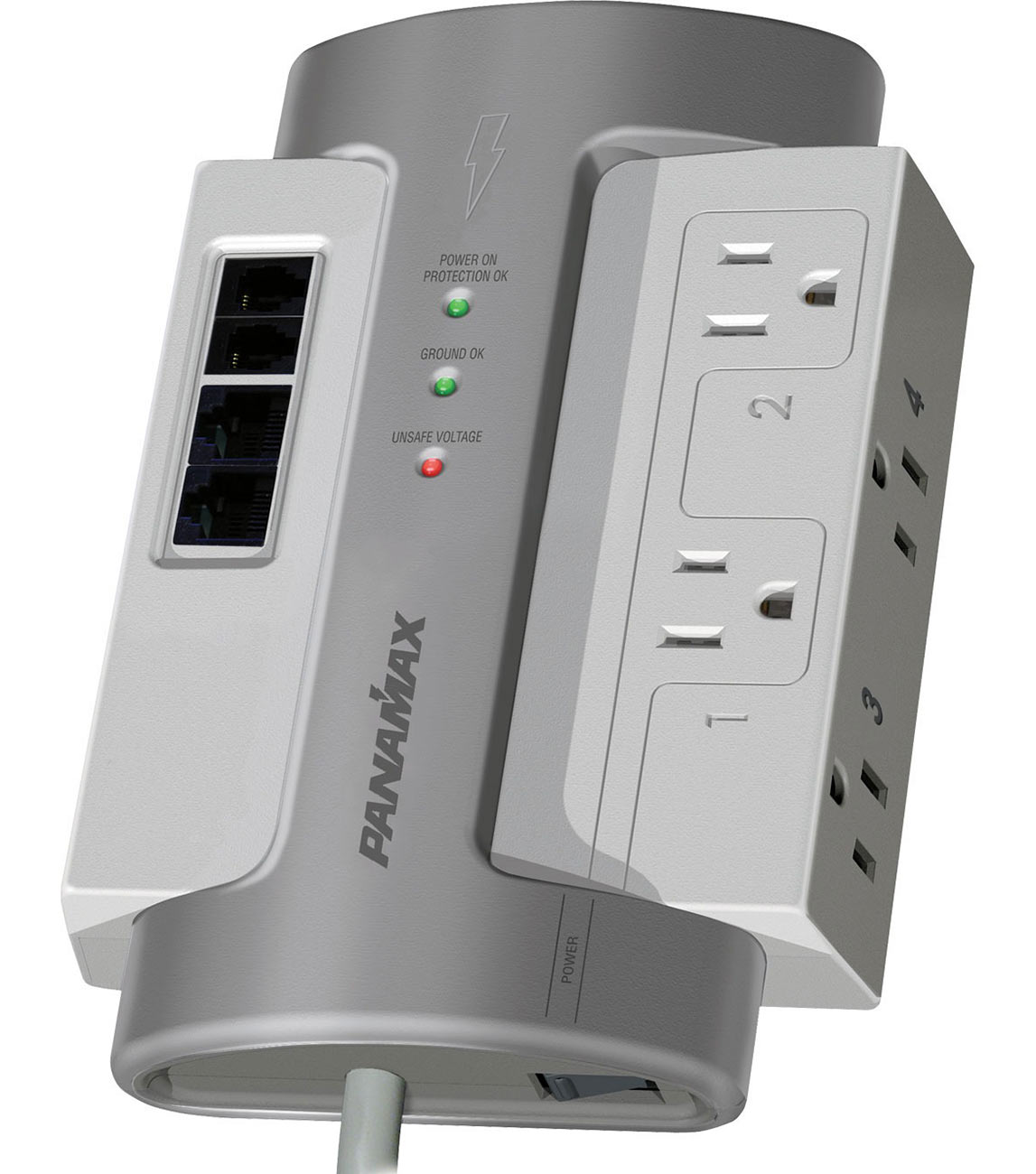
Because the grounding line is the safety valve of the system, so to speak, it's important to make sure you use a grounded outlet. Surge protectors will have a three-pronged power cord. The third prong is the grounding line. Using an adapter to connect a surge protector to an ungrounded outlet will prevent the surge protector from doing its job. So make sure to use a grounded outlet. And while all three-pronged outlets should be grounded, it's possible that the path to the ground has been interrupted. Many surge protectors offer indicator lights that confirm when the device is connected to a grounded outlet. Alternatively, you can use a multimeter to check the outlet.
What to Look for in a Surge Protector
Now that you understand what a surge protector is and how it works, let's dive into what to look for in a surge protector.
Surge Protector vs Power Strip
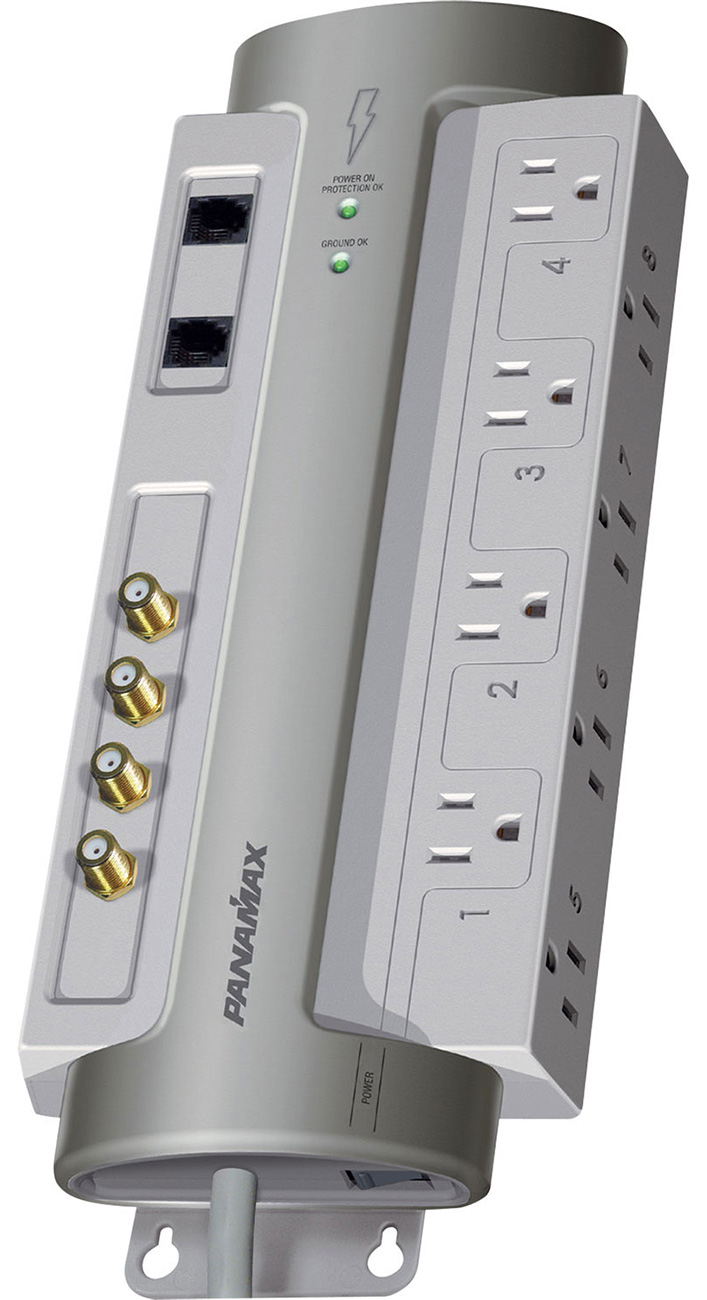
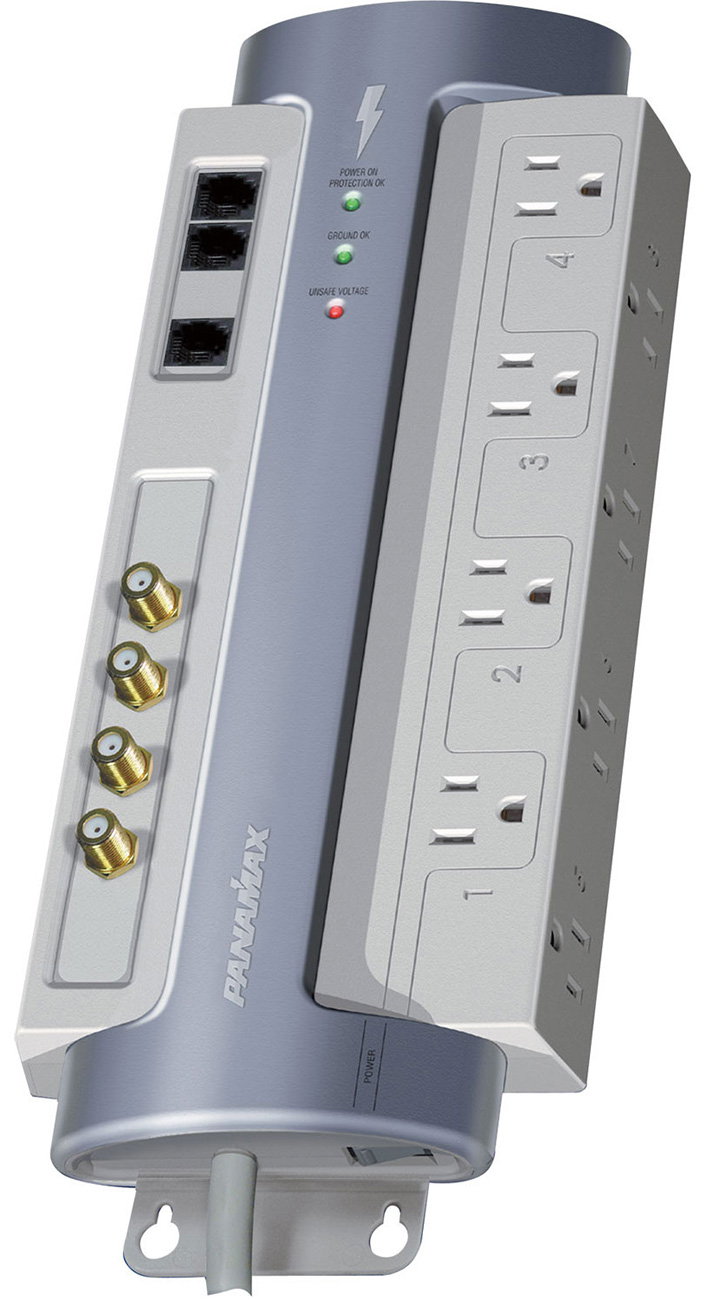
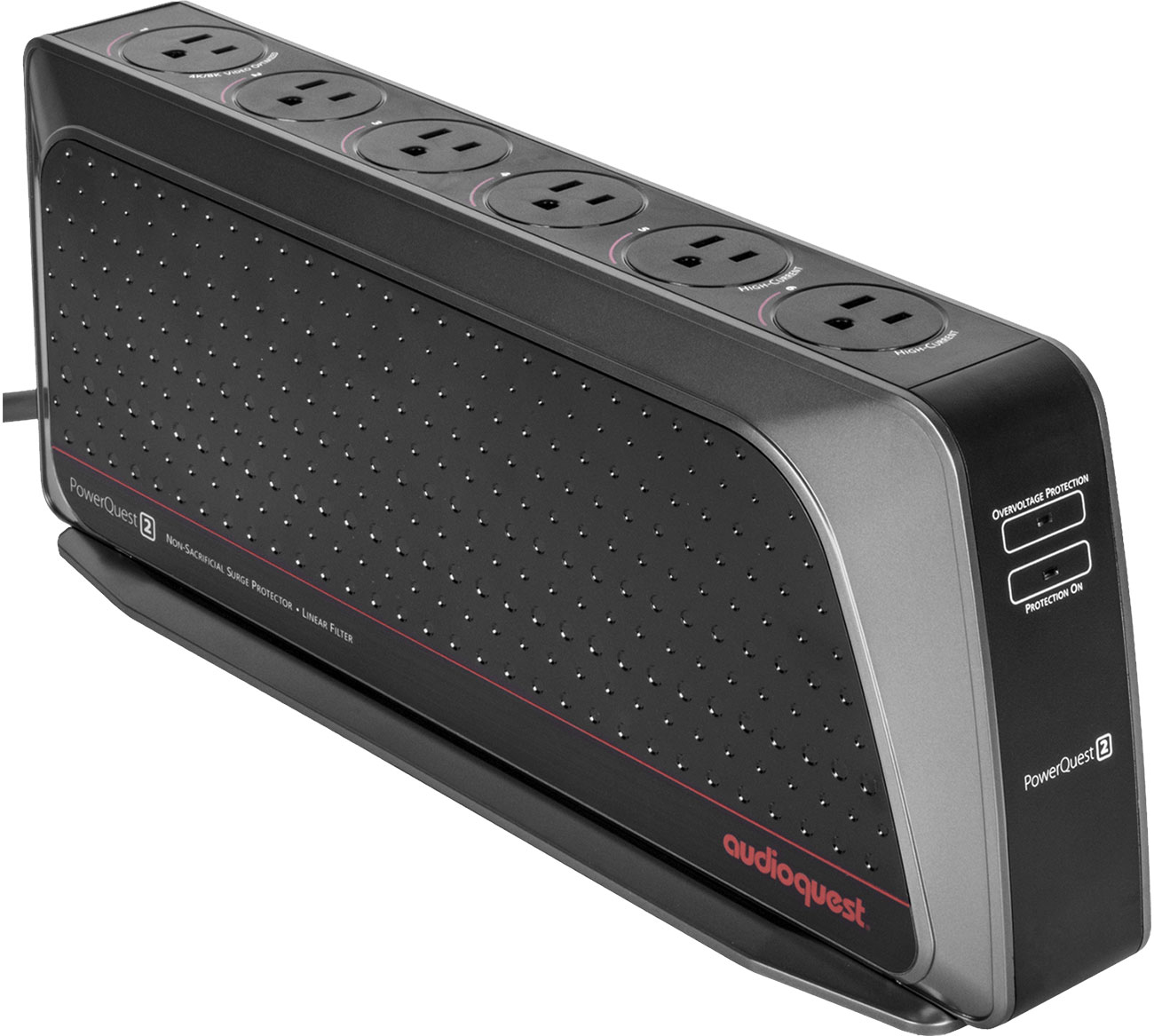
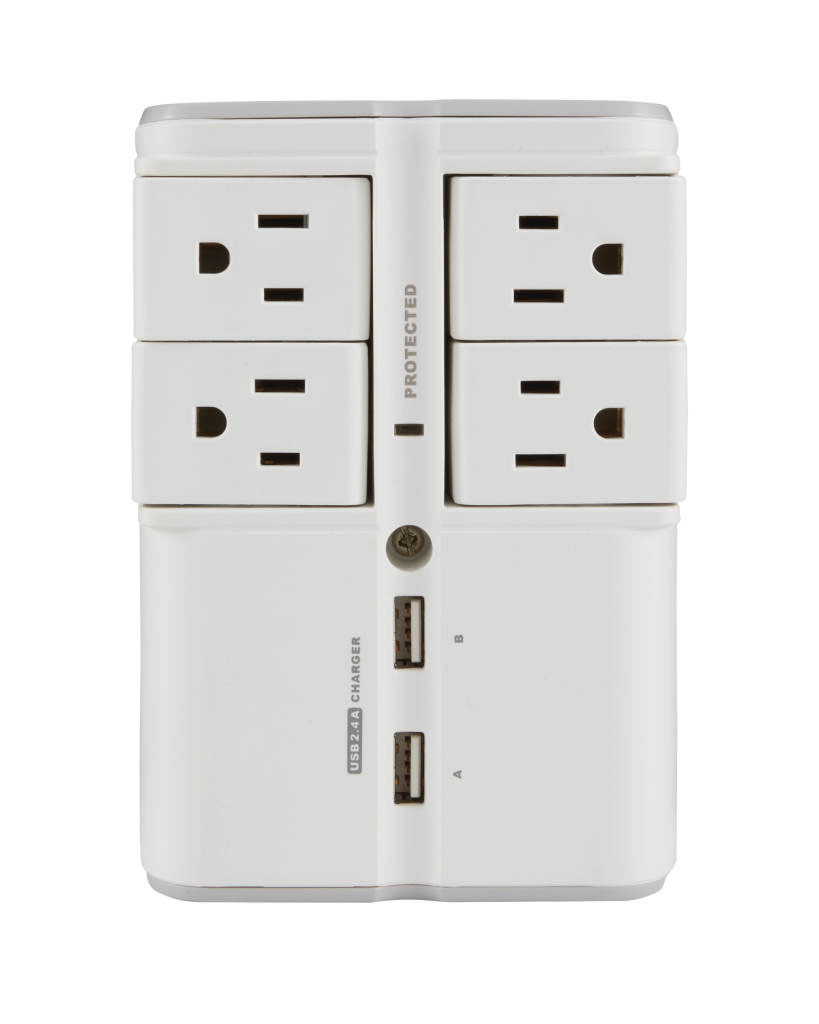
Not all devices that provide additional outlets are surge protectors. Power strips allow you to plug multiple devices into a single wall outlet but won't protect your devices from electrical spikes or surges. Surge protectors often feature a light labeled "surge" or "protected," distinguishing themselves from power strips and confirming that they're still functional. If your surge protector features one of these lights but it isn't illuminated when plugged in, there's a strong chance it needs to be replaced.
The bottom of a surge protector should also indicate any certifications the device has. Look for the Underwriters Laboratories logo (UL) or see if the device identifies itself as a "Transient Voltage Surge Suppressor" (TVSS) or "Surge Protective Device" (SPD). Underwriters Laboratories is a not-for-profit that tests the safety of various electronics. Their symbol or either of the above titles (TVSS or SPD) indicate that a surge protector meets the UL 1449 minimum performance standards for a surge protector. If you're debating the merits of a surge protector vs a power strip, the only benefit to a power strip is its slightly lower price. Spending literally just an extra few dollars to buy a surge protector could save you hundreds or thousands of dollars in the long run.
Battery Backups - UPS
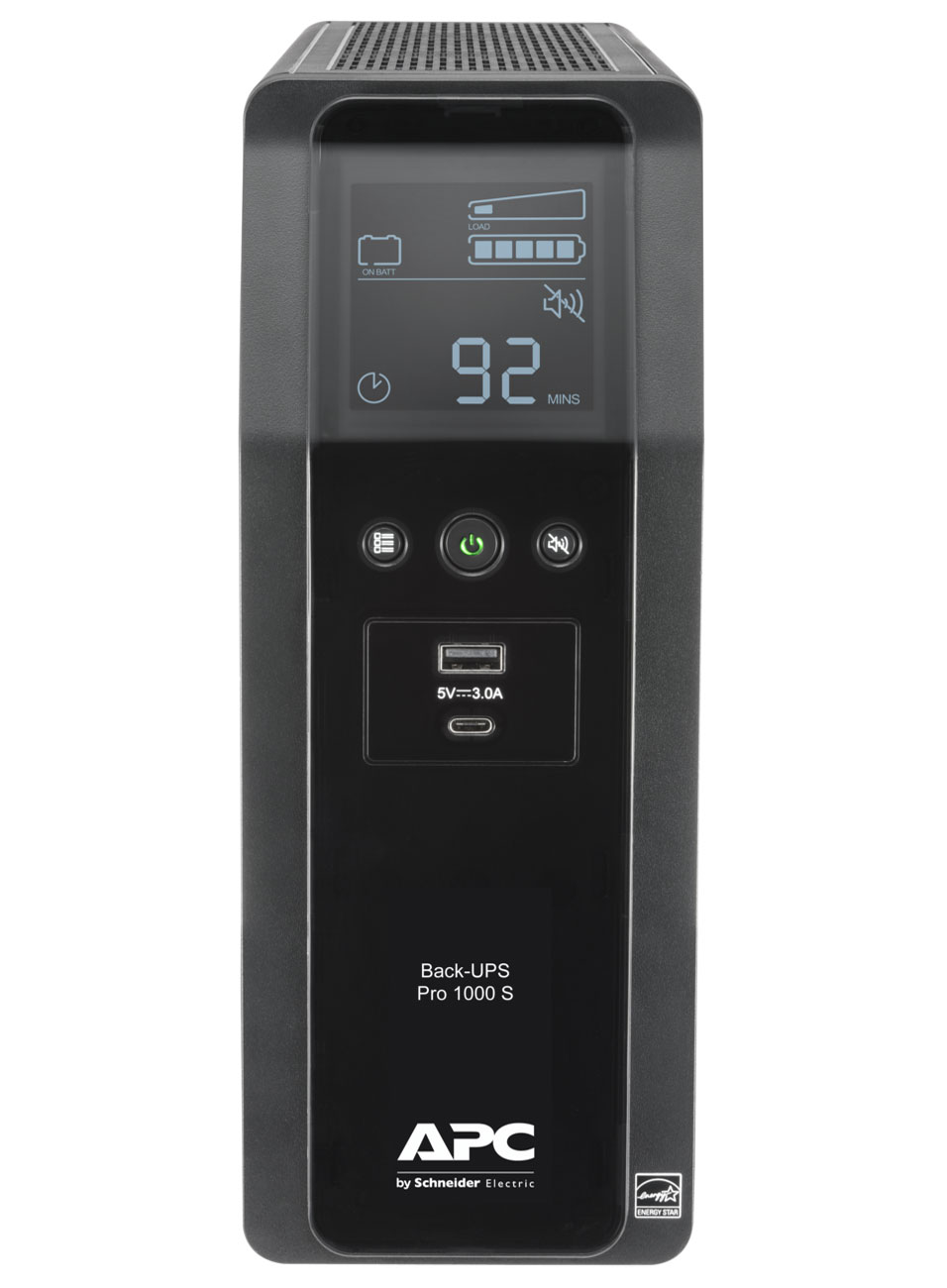
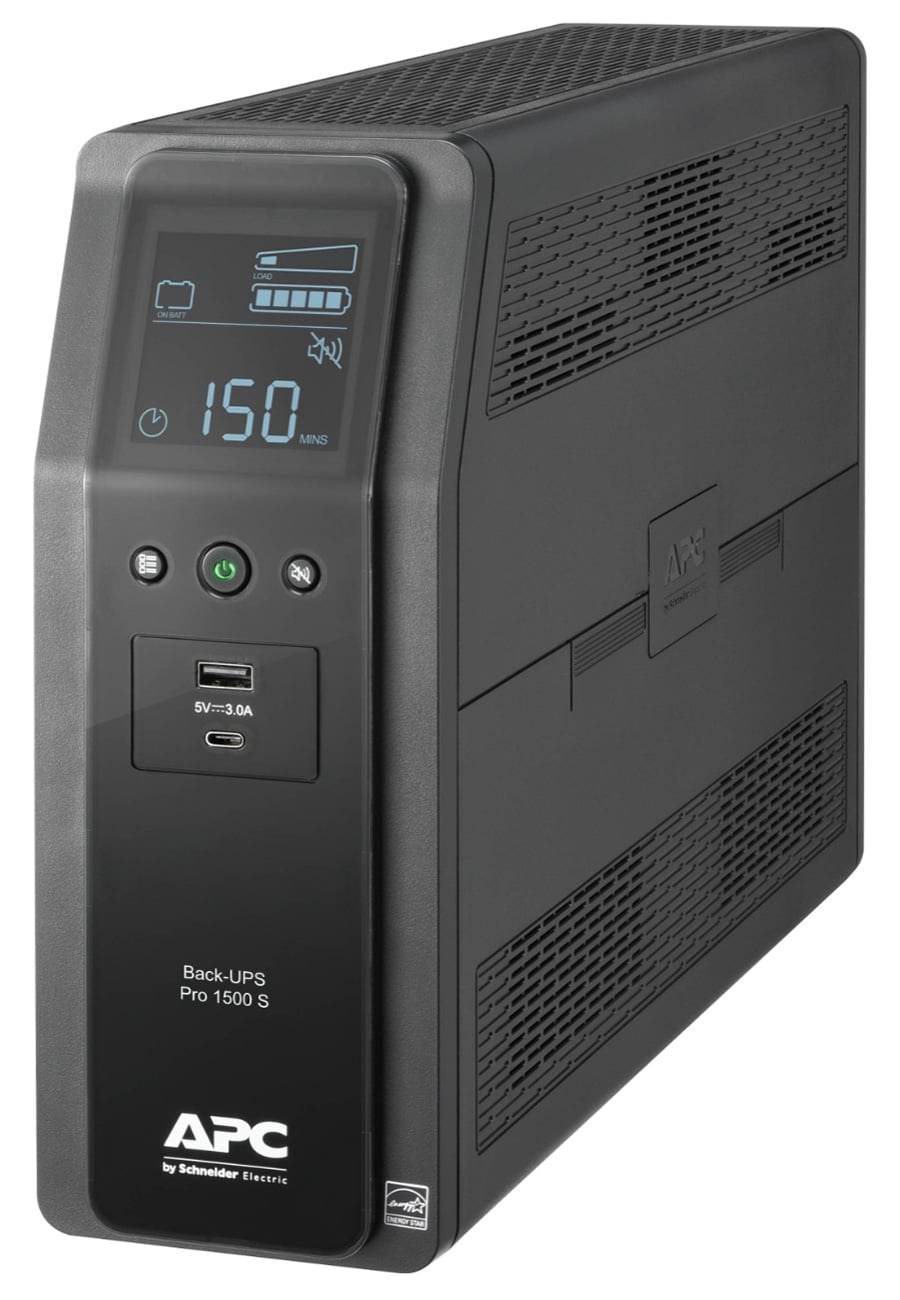
Some surge protectors include a battery, preventing your devices from losing power immediately in the event of a surge or power outage. These devices are called Uninterruptible Power Supplies (UPS) and are primarily used for computers or other devices that store important data. When power stops flowing from the outlet, the battery inside the UPS gives your computer time to safely shutdown. Software linking the two can actually give your computer the command to shut down when the UPS switches over to battery power, ensuring your data stays safe.
Number of Outlets
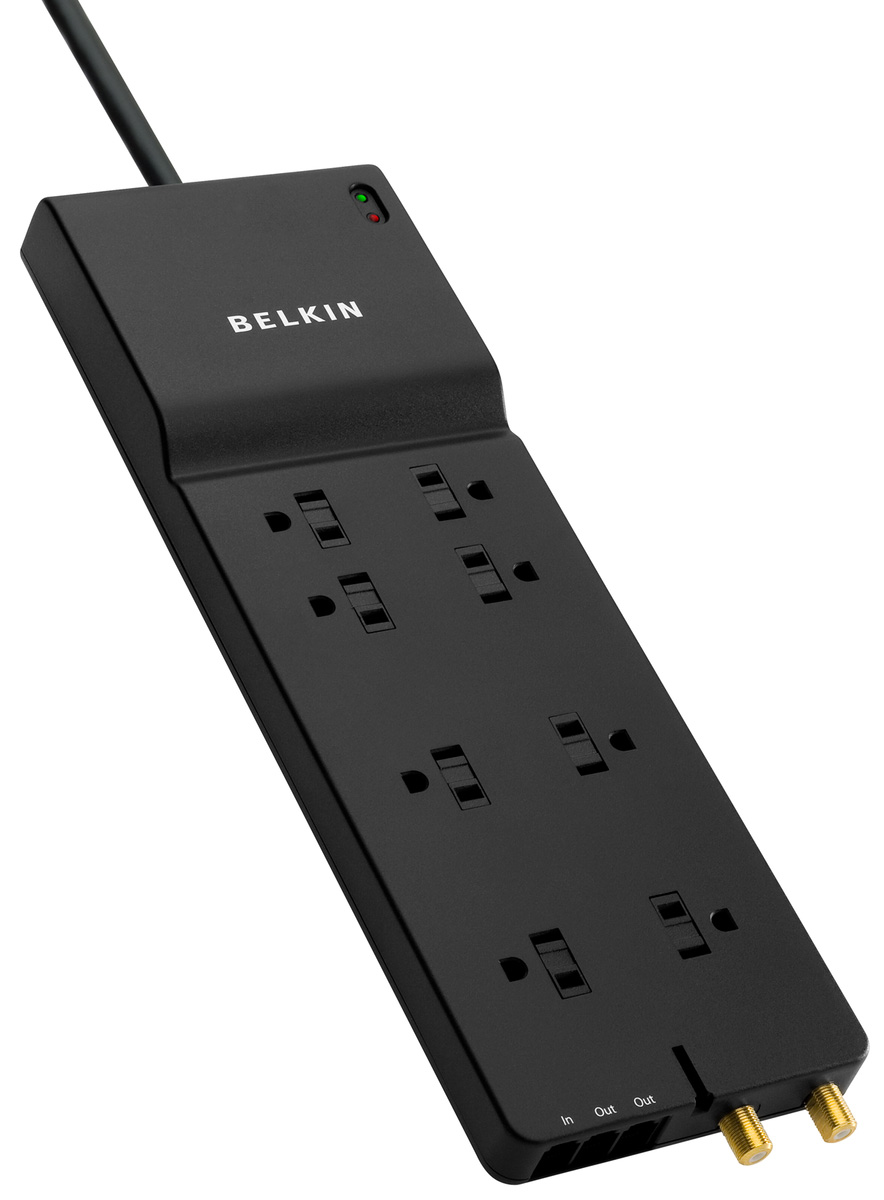
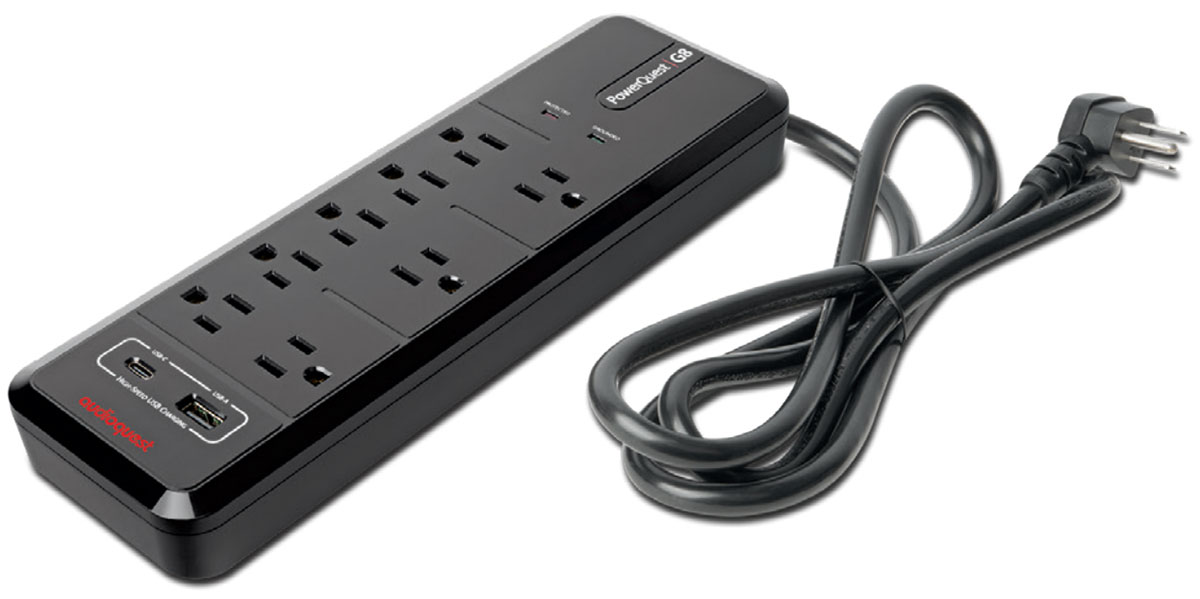
One of the most important considerations when buying a surge protector is the number of outlets it provides. If you're connecting an entertainment system or a home office, you need to make sure you have a spot on the surge protector for all of your devices and ideally a few extras should you choose to add devices to your setup in the future. And remember that the number of outlets doesn't necessarily equal the number of devices you can plug in; many devices feature oversized power adapters that can block adjacent outlets. Some surge protectors are designed with large plugs in mind, offsetting their outlets from one another and/or placing outlets on multiple edges. Whatever design you choose, make sure you have both the appropriate number of outlets for all of your devices and enough excess space to accommodate oversized power adapters.
Connections
While it's understandable to think that power surges can only come over power lines, dangerous amounts of electricity can also flow through phone lines, cable lines, satellite lines, and even ethernet cables. Many surge protectors have in and out ports for all of these types of cable, ensuring that your devices are safe from surges no matter the source.
Warranty
Surge protectors often offer a warranty to repair or replace devices connected through the protector in the event of a surge. However, it can be difficult to definitively prove that a power surge that made its way through your surge protector is the source damage. And without definitive proof, manufacturers are understandably hesitant to cut a check. The process often involves shipping your surge protector back to the manufacturer at your cost and paying to have a professional diagnose your electronic(s). Because of this, warranty claims often only make sense on big-ticket items.
Features
When shopping for a surge protector, it can be difficult to undersand all of the terminology and what it means. The following features can be useful to take into consideration when picking out the model that will work best for you.
UL 1449 Clamping Voltage
Underwriters Laboratories (UL) rates the clamping voltage of surge protectors. The lower the rating, the better the protection. The lowest UL rating for clamping voltage is 330 volts. UL tests household surge protectors at 500 amps. Other types, such as whole-house or heavy-duty, industrial models, have a multitude of differences in their testing program. When comparing clamping voltages, make sure the rating reflects 500-amp test results.
3-Line Protection
Surges can occur between hot, neutral and ground lines. Choose a unit that protects along all three lines.
Response Time
This rating indicates how fast a surge protector can react. The faster the better.
Power Shut-Down Protection
This feature shuts off power to all outlets once the unit has reached its capacity to protect. Power shut-down prevents additional surges and spikes from reaching connected equipment before the surge protector is replaced. This assures you that if the unit has power, it's protecting.
EMI / RFI
Electromagnetic interference (EMI) and radio frequency interference (RFI) are types of noise on the power line that can interfere with equipment performance and possibly cause memory loss. When comparing EMI / RFI specs, the wider the frequency range (kilohertz to megahertz) and the greater the noise reduction in decibels (dB) across that frequency range, the better the filtering.
Alarm
An audible alarm lets you know the surge protector is no longer protecting and should be replaced. This feature is important when the unit doesn't feature power shut-down protection or when the indicator light is out of sight.
Safety Tips
As long as you take care of your surge protector, your surge protector will take care of you. Be sure to follow these safety tips to get the most out of your protector and the electronics it protects.
- Use surge protectors indoors, in a dry location.
- Don't exceed the electrical rating of the product.
- Don't use surge protectors with aquariums
If the surge protector features a power cord, follow these guidelines:
- Uncoil the cord before use.
- Don't not cover the cord with any material, that is a potential fire hazard
- Keep children and pets away from the cord to prevent pets from chewing or children from getting electrocuted
- Don't plug a surge protector into an extension cord. It will drastically reduce the effectiveness. Instead, plan ahead and make sure you get the right size.