Main Content

Antenna Buying Guide

A comprehensive guide that will give you all the information you need on how to buy a new antenna.
Getting Started
Most of us have TVs. Some of us have satellite, and some have cable. The rest of us have an antenna to get reception. All are great ways to watch High Definition TV (HDTV).
Types
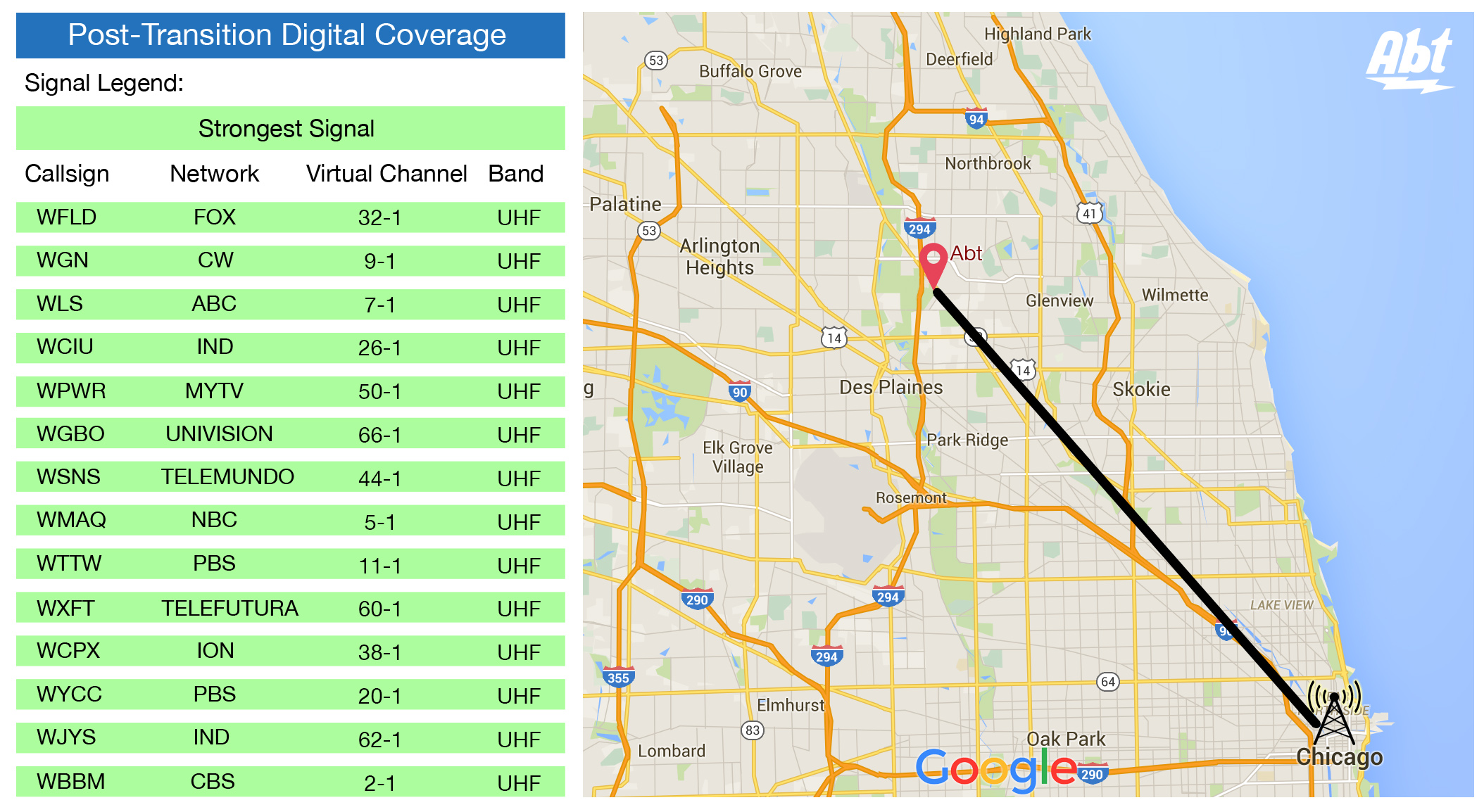
The best and most reliable way to choose an antenna is to FCC's DTV (Digital Television) Reception Map. It will help you narrow the choices between different antennas available to you and the best option for your area. Or if you are one of our Chicagoland customers, check out our local reception map.
Features
After the digital TV transition in June of 2009, analog programming has been eliminated and now all programming must be digital. What that means to antenna users is the reception that you previously had will be better than ever and you will get HDTV channels.
Having an antenna will not eliminate the need for having a DTV converter box. It will provide viewers with better picture quality, better sound quality, and more channels. Most networks broadcast primetime programming in HDTV while daytime programs are still in standard definition.
With an Antenna local programming, as well as some out-of-area programming is available (up to 50 miles away). The strength of the antenna that you buy will determine a few things.
If your antenna is too big for your needs then you will not get a good signal there could be interference from the local broadcasters. If you have an antenna that is not powerful enough then you won't be able to pick up a signal.
Other complications could be signal blockage from the building in which you reside (what it is composed of-like a lot of steel), mountains, valleys, buildings, and power lines.
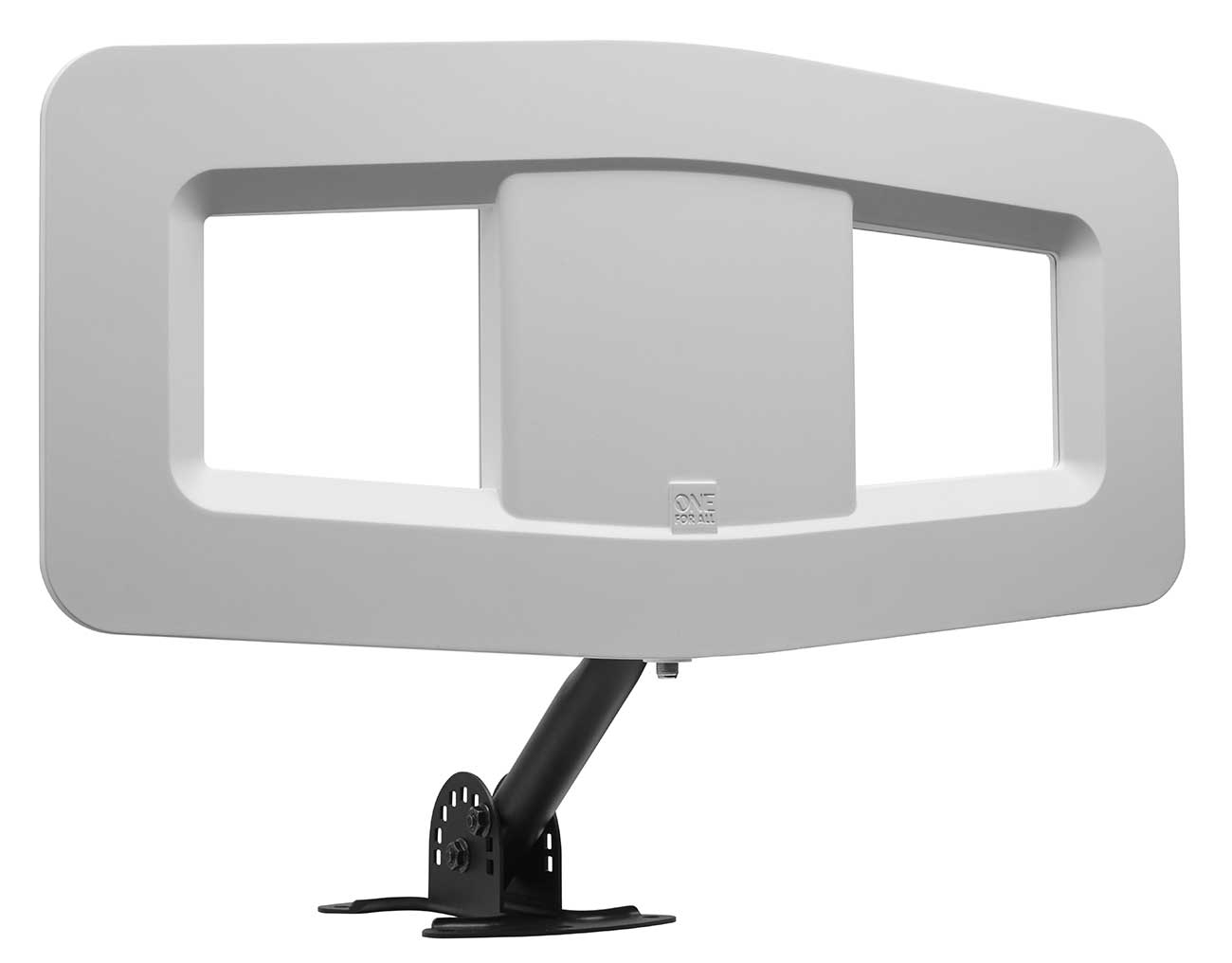
"Directional Antenna" is a term that you might hear when you are shopping for a TV antenna. A directional antenna will pick up signals from a specific direction only while omni-directional antenna are capable of picking up multiple signals from multiple directions.