Main Content

New Game System Buying Guide

New game systems come out all the time—check out our comprehensive guide that will give you all the information you need on which video game consoles are right for you.
Getting Started
The world of gaming is always evolving. With the ever-expanding variety of new game systems, crowning any one of them the "Best Gaming Console" simply doesn't make sense. Each one brings something different to the table. Figuring out which features matter most to you will make it easy to pick out the best console for you.
Over the last two decades, the battle between classic consoles has boiled down to a choice between three companies: Nintendo, Sony and Microsoft. Nintendo reinvents itself with unique play styles and names with each new game system. Sony and Microsoft take a different approach, focusing on more and more life-like graphics, better performance and using the same basic name for every generation of consoles. The current battle for the top spot pits the Nintendo Switch 2 vs PS5 vs Xbox Series X/S. We'll dive into the details of each below so that you can pick out the best console that fits your playstyle.
Nintendo Switch 2 and Nintendo Switch - The Best Consoles for Kids
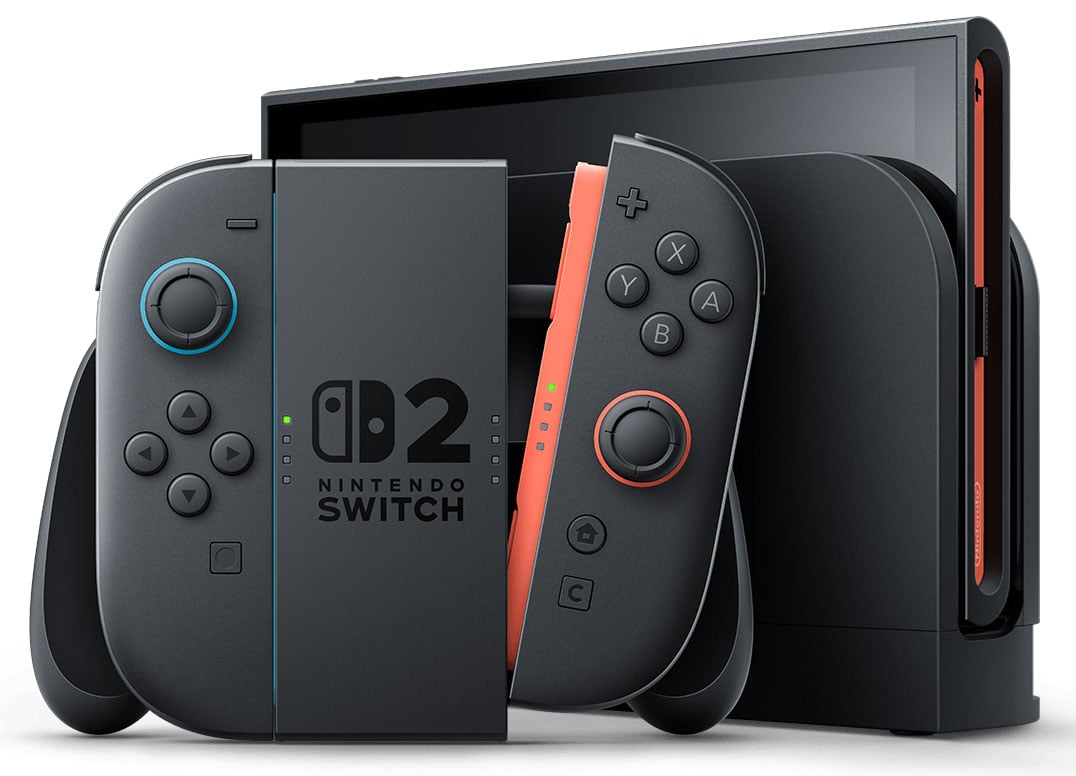
First, we'll discuss the new Nintendo Switch 2, which was released on June 4, 2025—though the original Nintendo Switch is still popular and sold in stores. In June of 2025, Nintendo released the Nintendo Switch 2, a follow-up to the wildly popular Nintendo Switch video game console. It brings all of the impressive tech that gamers loved from the Switch, but every aspect is completely upgraded. Players are greeted with a larger screen, magnetic Joy-Cons, quicker and more powerful performance and even backwards compatibility—users can play nearly all of their favorite Switch games on the Nintendo Switch 2. Below, we'll dive deeper into what makes the Switch 2 so unique, as well as the classic Switch.
Released on March 3rd, 2017, the Nintendo Switch is the oldest console on this list that was built from the ground up. In October of 2021, Nintendo launched the Switch OLED, a model with a larger, more vibrant screen that makes gaming even more immersive. Even though the Switch, OLED model and even the Nintendo Switch 2 have some of the lower processing power among the consoles on this list, don't write these game systems off on that alone. From the beginning, Nintendo has focused on providing unbelievably fun and unique experiences rather than the lifelike graphics and frame rates other companies have aimed for—and you'll be hard-pressed to find this brand's unique type of fun anywhere else.
Pick Your Favorite Way to Play
The most unique aspect of the Nintendo Switch 2 is its versatility. Unlike most new game systems, the Switch 2 has a built-in 7.9" screen and a battery, allowing you to play anywhere. There's even a stand to play in tabletop mode. While you can play it on the go, the console also connects to TVs or monitors with an included dock. Two detachable Joy-Cons magnetically fit the edges of the portable screen, making it easy to hold the console while playing in handheld mode. A single person uses both Joy-Cons to play when in handheld mode. However, both Joy-Cons can be detached from the console and function as individual controllers for certain titles, allowing you to share the fun with a friend.
Share the Screen
Playing with friends is another highlight that sets both the Nintendo Switch and Switch 2 apart from others. While all of the latest game systems have multiplayer titles you can enjoy with friends both locally and online, Nintendo is known for its true dedication to fun that groups can enjoy together. Much of the success earned by Nintendo's wildly popular Mario Kart and Mario Party titles stems from the fun friends have competing and cooperating while sharing a couch. On a single Switch or Switch 2, each of these games supports multiple players locally so that everyone can get involved in the action. Some titles may even support more players by linking up two or more consoles and extra controllers. With the Nintendo Switch 2, multiplayer takes multiple steps forward with the C-button's online chat feature and the ability to share your screen—things get social. Players can even use a compatible USB-C camera (like the Nintendo Switch 2 Camera) to allow friends to see your face as you all play together.
Fun for Everyone
The Nintendo Switch 2 is now considered the best game console for kids because of the brand's cartoony heroes and a general aversion to adult themes. However, Nintendo's avoidance of adult themes doesn't exclude adults from the fun. Engaging gameplay paired with universally relatable storytelling makes Nintendo's action enjoyable at any age. Plus, tons of third-party games do offer the shoot-em-up or darker play many users enjoy. However, the Switch 2 makes it easier than ever to get even non-gamers to join the fun. Many titles make use of sensors in the controllers, allowing you to mime the action you want to perform onscreen. Even grandma can enjoy twisting the controller like a steering wheel to navigate while driving, or swinging it like a tennis racket to return a serve.
In Summary
With an abundance of family-friendly action and a dedication to the social aspect of gaming, the new Nintendo Switch 2 has earned its title as the best console for kids—and kids at heart. Its built-in screen makes it the best handheld new gaming system, too. And its innovative playstyles make it the greatest gaming console for both party games and casual gamers, too. Nintendo has been making video game systems for a long time, and the brand's unique vision of this art continues to set them apart from the pack, even with the Switch 2. We can't wait to see how it evolves over the years.
PlayStation 5 - The Best Gaming Console for Exclusive Games
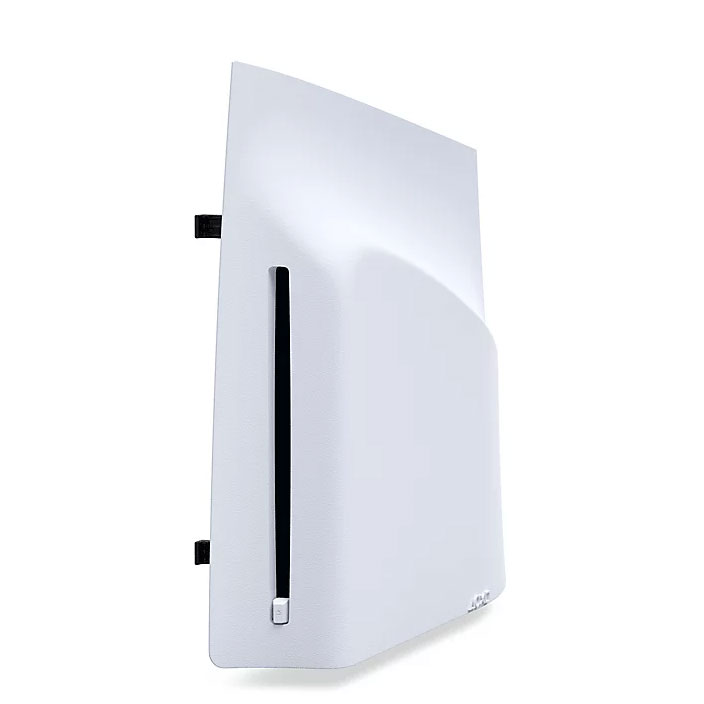
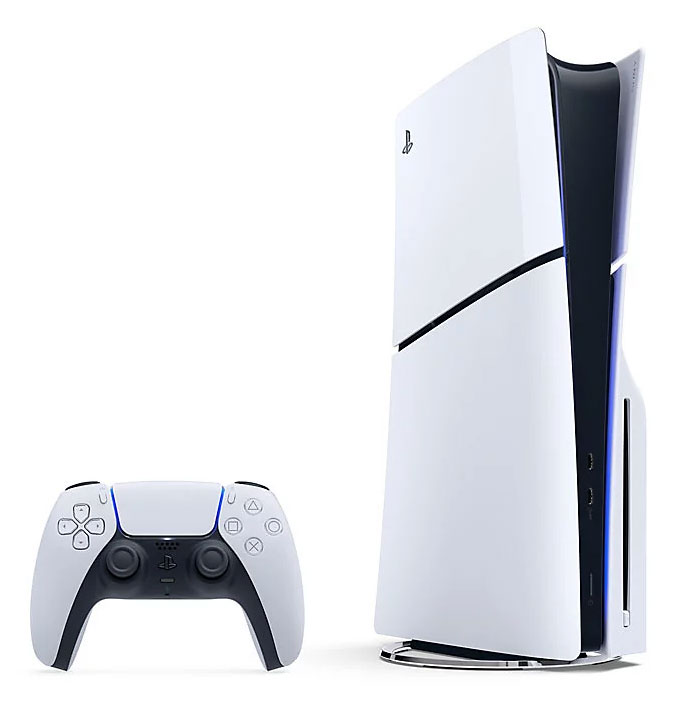
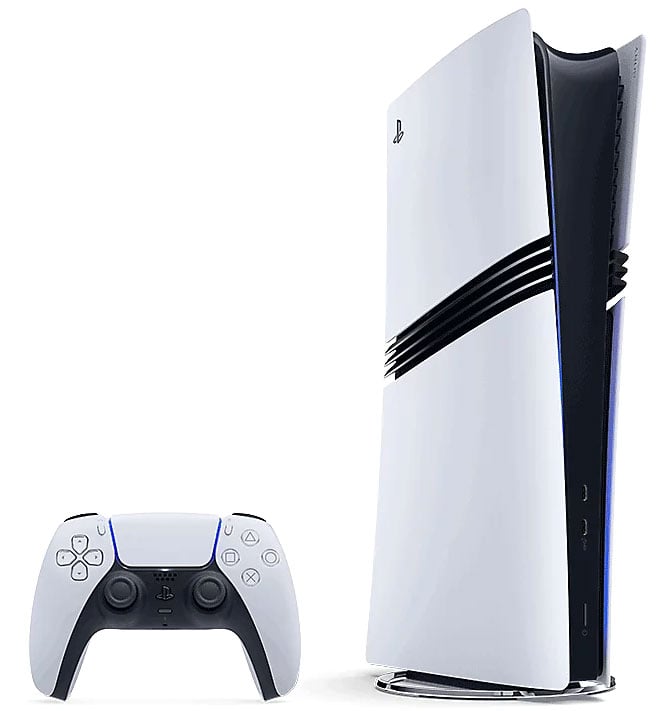
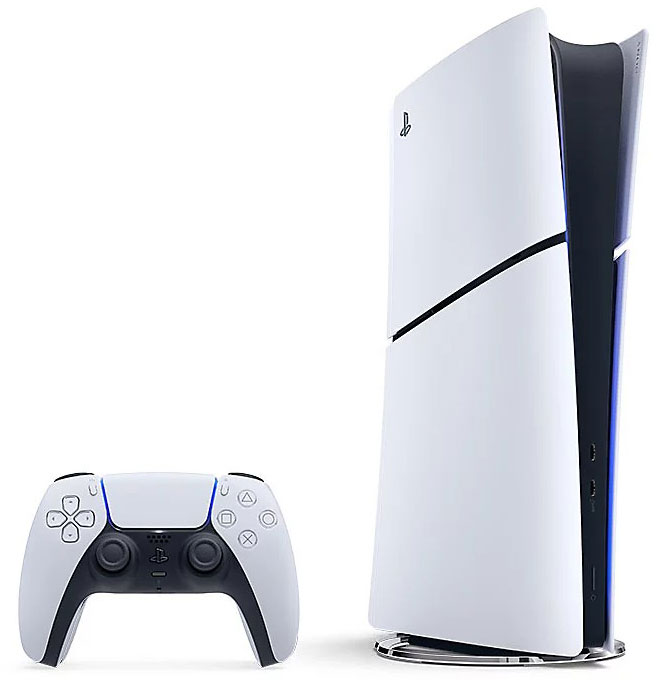
The coveted PlayStation 5. First launched in 2020, it has long been hard for players to get their hands on this console due to supply issues. Whenever they hit the shelves, they're gone almost as quickly. But for many, it's been worth the wait. The PS5 sports stats that can rival many powerful gaming computers. A mighty GPU (graphics processing unit), CPU (central processing unit) and quick SSD (solid-state drive) that can load over 15 times faster than its predecessor: those upgrades all make this the contender for true gamers who commit to their art. Whether you're playing first-person shooters or swinging axes at legendary dragons, this new game system allows for immersive play. Meanwhile, boosted visual capabilities make everything onscreen look more realistic than ever. Latent 4K definition makes everything crisp, while ray tracing provides natural light and shadow effects that are becoming more and more popular. Two versions exist; one with a disc drive and one without. You'll be saving some money with the disc-free version, but downloading every title onto your device will take up some space—which you could eventually run out of. However, you can always free up space by deleting a game and saving your save file, all so that you can redownload it the next time you want to play.
Exclusive Choices for Gamers
The hard-to-match processing power offered by the PS5 allows it to bring large, open-world games to life on a scope rarely seen. Series like God of War and Uncharted have drawn gamers to PlayStation for years with a mix of compelling narratives, striking visuals and challenging puzzles that are only available on Sony's video game systems. Younger gamers can enjoy the action-adventure classics Ratchet & Clank that offer action/adventure gameplay with a bit of platforming. Artistic games like Little Big Planet and Shadow of the Colossus pull in another crowd altogether with beautiful imagery and unconventional gameplay. With several titles available only on the PS5 (and with many more on the way) plus several non-exclusives, Sony's PS5 has earned the honor of being the best gaming console for exclusive titles. When looking at PS5 vs Xbox Series X and S, Sony's library of exclusives becomes all the more impressive, given that Xbox Series X and S has only a handful of games that can't be found elsewhere. You can even play PS4 games on this baby.
The New World - PlayStationVR2
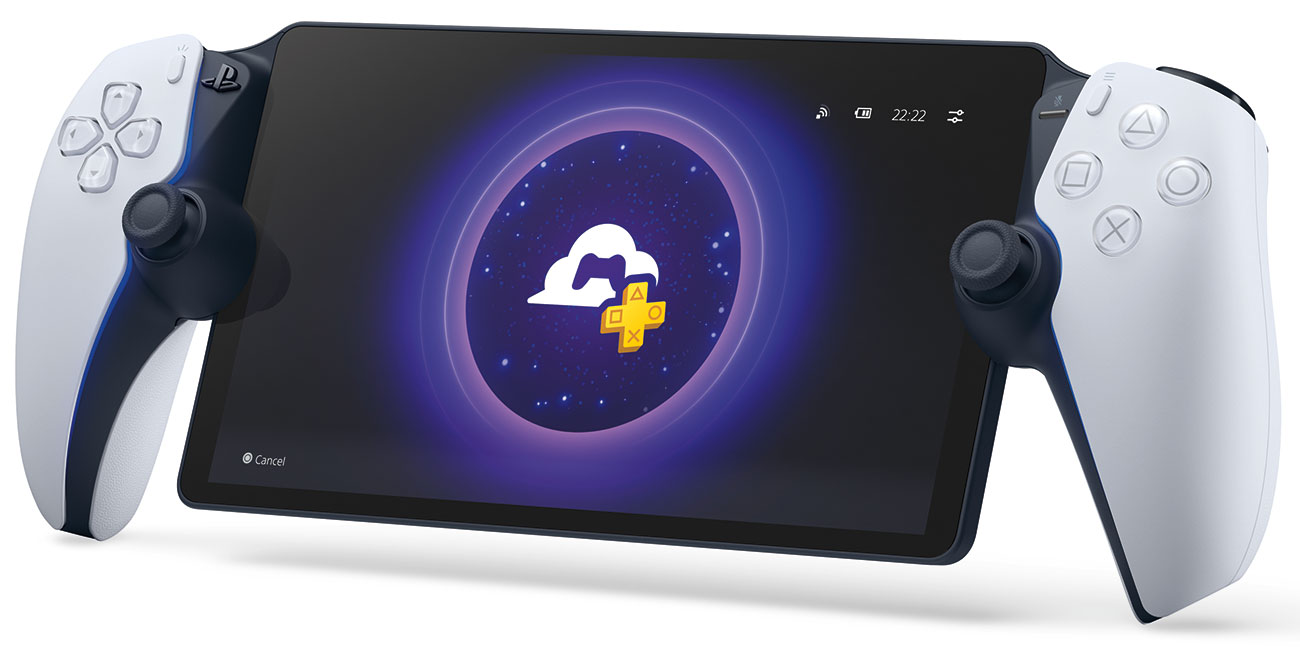
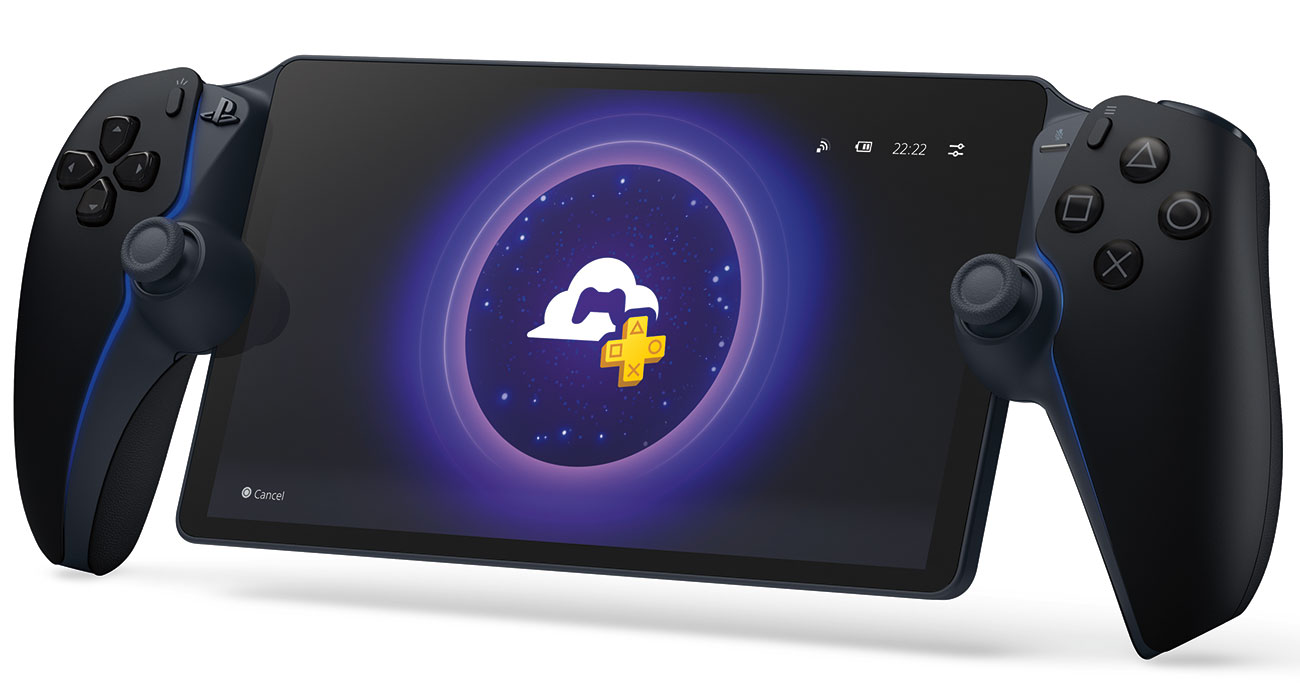
Standing apart from the other new game systems, the PS5 will likely let you play hundreds of games in virtual reality with the addition of a PlayStationVR2 (PSVR2) headset. While Nintendo does dip their toe into the waters of virtual reality with their Labo VR Kit for the orgiginal Switch, Nintendo's product is literally a pair of goggles secured to the console's screen with cardboard and a very limited library of worthwhile experiences. Meanwhile, the new and last generation of PSVR will compete with demanding headsets like the Meta Quest—an entire console that connects to your smartphone. While it isn't out yet, the PSVR2 will let players experience games in a new way, through the lenses of a headset that completely obscures their surroundings and replaces them with the world of the game. A screen within the headset offers up slightly different images for each eye similar to the way 3D glasses work. The result is a truly immersive gaming experience similar to the Quest. Turning your head lets you investigate the world around you in a way that convincingly tricks your brain into believing you're actually there. To navigate the world, most games will use handheld controllers that sense motion and respond with haptic feedback. With these, you can physically act out tasks like swinging a sword or throwing a punch to perform them in the game. The latest evolution of Sony's gaming technology pushes beyond what's real for an in-depth experience gamers will love.
In Summary
If you want the biggest library of exclusives or have an interest in the immersive world of virtual reality, the PlayStation 5 is the best gaming console for both. With two versions of the console available, the digital and disc, deciding between the two mainly boils down to storage (and purchase) preferences. If you can afford it, the disc version allows you to both purchase titles online and head out to retail stores and buy them in person, giving you a hard copy you can rely on. Meanwhile, the digital version only allows you to purchase titles online, and those storage limitations could eventually be a problem for some. All PS5 games can be played on either system. So if you don't have much of a preference and are hoping to save some money, stick with the digital versions, one of the best new game systems ever created.
Xbox Series X and Xbox Series S - The All-Around Best Gaming Consoles
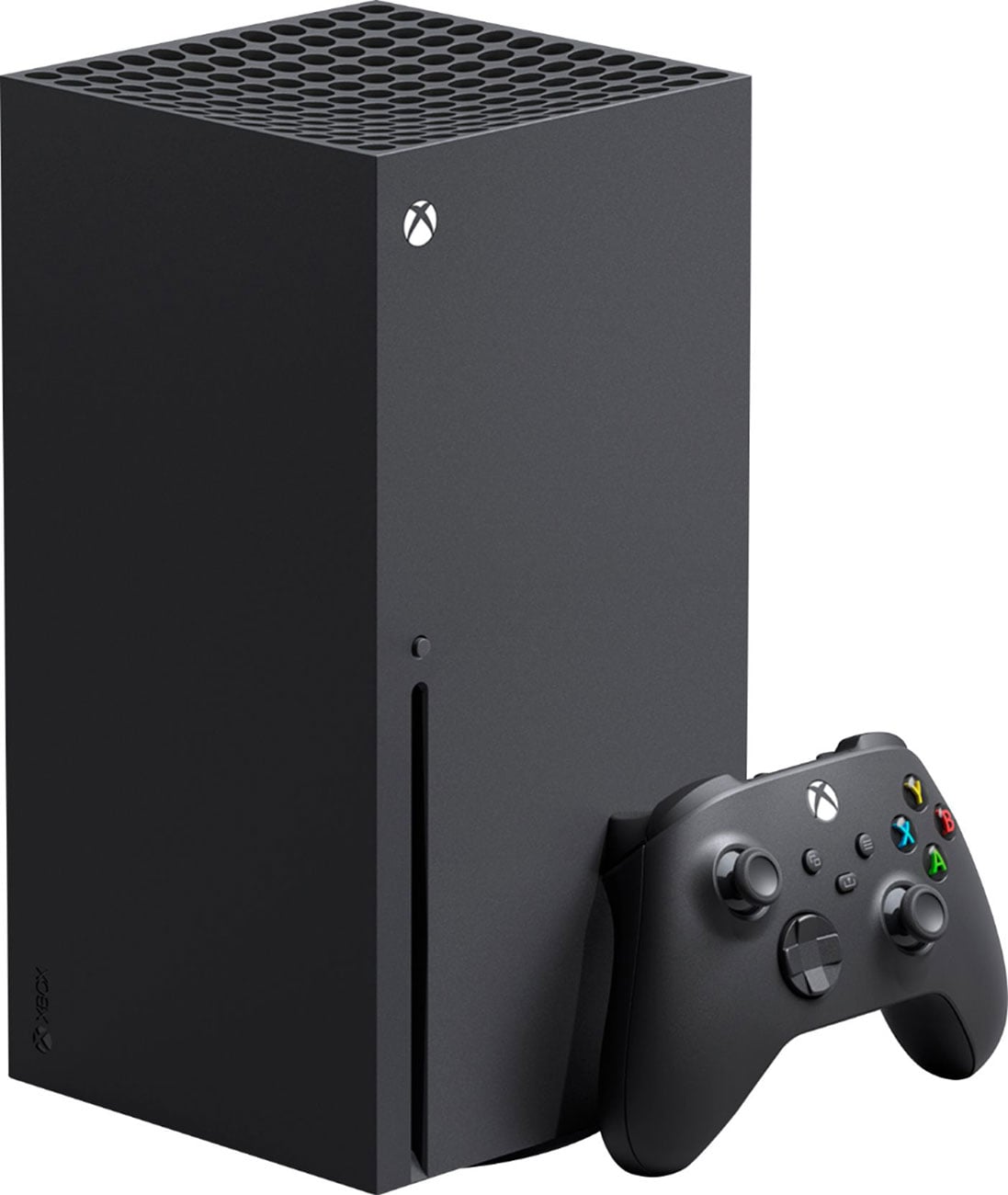
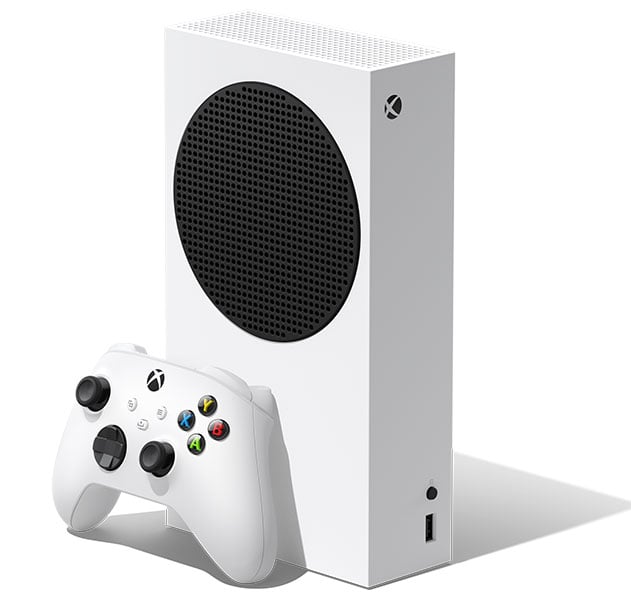
The Xbox Series X and S first hit stores November 10, 2020. Like with the PlayStation 5, these two alternate versions of the same new game system differ in disc drive hardware and style, but the Series X also pushes for more power and supports 4K gaming. Here, the style difference is much more prominent as well: The Series X is a tall black tower with a cube-shaped base, while the white Series S boasts an ultra-slim frame and black detailing. Of course the Series X needs a bit more room for its disc drive, but it should be noted that the dynamic difference in design and naming convention has caused some confusion for players. Both of these consoles can play next-gen games, though their specs differ. The Series X boasts a high GPU that supports up to 8K resolution and the same ray tracing abilities that the PS5 does, along with a speedy SSD that makes load times a breeze. Meanwhile, the more budget-friendly Series S knocks the power down a bit in terms of graphics and internal storage, with no ability to manage 4K or 8K displays. Instead, the display stays at 1440p and 60 fps, but can be boosted to 120 fps if necessary. Storage is chopped nearly in half from the X's full TB to 512 GB in the S. However, the powerful processor is the same across both devices. And if your budget is truly important to you, those extra hundreds of dollars might really mean the difference between the ability to play new games or not play them at all. Make the choice that's best for your playstyle—no matter what, you'll have access to tons of titles.
So Many Games!
Even though Sony consoles tend to have a bigger library of exclusive titles, the Xbox Series X has (and will grow) the biggest games library of all the new game systems. To achieve this somewhat counterintuitive feat, Microsoft made hundreds of games from the Xbox One, 360 and the original Xbox playable on the Xbox Series X/S. Additionally, several games that are available on the Xbox One are not available on the PS5 but still don't count as exclusives because they are available on PCs. Popular franchises like Forza, Gears of War, and Titanfall are all examples of these Xbox/PC exclusives.
Microsoft also offers the Netflix-like Game Pass, a subscription service that provides access to more than 100 high quality games like Among Us and Hades. The collection is ever evolving, so as old games are phased out, new games will be added.
Entertainment for All
The Xbox Series X and S want to be a one-stop-shop for all of your favorite forms of media. Both the Xbox One Series X model and disc-drive PS5 double as a 4K Blu-Ray player. And, like the PS5, these two models support 4K streaming via Netflix, Disney Plus, Prime Video, other streaming services and more. Similarly, music apps like Spotify are available for all versions of both Xbox and PlayStation. While both systems offer excellent online experiences, Xbox has historically been more reliable in this regard when compared to its competitors, which have had a handful of prolonged outages over the years.
In Summary
The Xbox Series X and S are mighty game systems, offering high-powered gaming and streaming for a wide variety of titles. These have the largest game libraries of any modern video game systems thanks to backward compatibility. And with Xbox Game Pass you can play dozens of games for a low monthly fee. Plus, the ability to purchase a next-gen console at under $400 with the Series S is truly unmatched. If you're deciding between the Series X and Series S, you'll be weighing your budget against graphics performance and storage as your deciding factors. If you don't need top of the line performance, stick with the Series S. Otherwise, enjoy one of the best gaming consoles available today, the Xbox Series X.
Don't Forget…
When the dust settles in the epic battle of Nintendo Switch 2 vs PS5 vs Xbox Series X/S and you've decided which of these new game systems you'll be taking home, you'll want to find at least one game and potentially some accessories to go with it.
Play with Friends
If you want to share the experience with friends, you'll need at least two controllers or a subscription to your new game system's online service. For online play, Xbox Game Pass and PS Plus both cost about $10 per month. Nintendo's online service only runs $20 a year and also offers a family plan for up to 8 accounts at just $35 per year. All three of these subscriptions include access to a variety of games. However, Nintendo's games are decades-old NES games while Xbox and PlayStation offer more recent games, occasionally top-tier titles. Nintendo's network also struggles with issues like lag significantly more often than Xbox or PlayStation.
If you want to play with friends in the same room, you'll need to buy another controller, or two or three. The Nintendo Switch 2 comes with two Joy-Cons which can be used together as a single controller or (in many games) as two distinct devices to bring friends into a game. However, if you plan on playing with friends regularly, you might want to consider the Switch Pro Controller, a more ergonomic option that resembles a classic controller. Alternatively, you can purchase another pair of Joy-Cons so that four people can play together.
The Xbox Series X/S and PS5 have more familiar controller options. The DualSense wireless controller is an incredibly comfortable one and the only official option. The Xbox has a few controllers, offering wired and wireless options, as well as a highly customizable Elite Controller. The Xbox Series X and S also offer an incredible Adaptive Controller that was designed for individuals who find it challenging to use traditional controllers, making the system infinitely more accessible to a wide variety of gamers.
Frequently Asked Questions…
Which gaming console is best, period? Many consider the Xbox Series X and S and PS5 to be neck and neck with each other. In the end, it might all come down to what you prefer: exclusive titles or a larger library to choose from altogether. If you prefer the former, the PS5 might be yours. If you prefer the latter, the Xbox is your choice. And if you're choosing for children (or kids at heart), then the Nintendo Switch 2 is the right choice for you.
What is the most accessible console? Hands down, that's the Xbox One Series X and S. That's thanks to the Adaptive Controller that helps folks who might have a hard time using classic models. Here, users build their own, with large-scale buttons, triggers and control "sticks" that fit their needs.
What are new video game consoles coming out? True fans are always on the cusp of what's next, and most suspect that a pro version of all the above versions will be coming out in the coming years. Ideally, it'll be smaller and a bit less clunky, just like the last-gen PS4 Pro and the Xbox One S. However, even now virtual reality is taking the industry by storm. Keep an eye on the PSVR2 and for updates to the Meta Quest (formerly known as the Oculus Quest). The Quest connects to your cellphone with no necessary external hardware. Explore the world, beat back bad guys and more with the Quest.
Can you play Nintendo Switch games on the Nintendo Switch 2? Yes, you can play nearly all of your Nintendo Switch games on a Nintendo Switch 2—physical games and even virtual ones that you've downloaded.