Main Content



Abt’s Recycling Center
Driven by Dedication, Powered by Sustainability
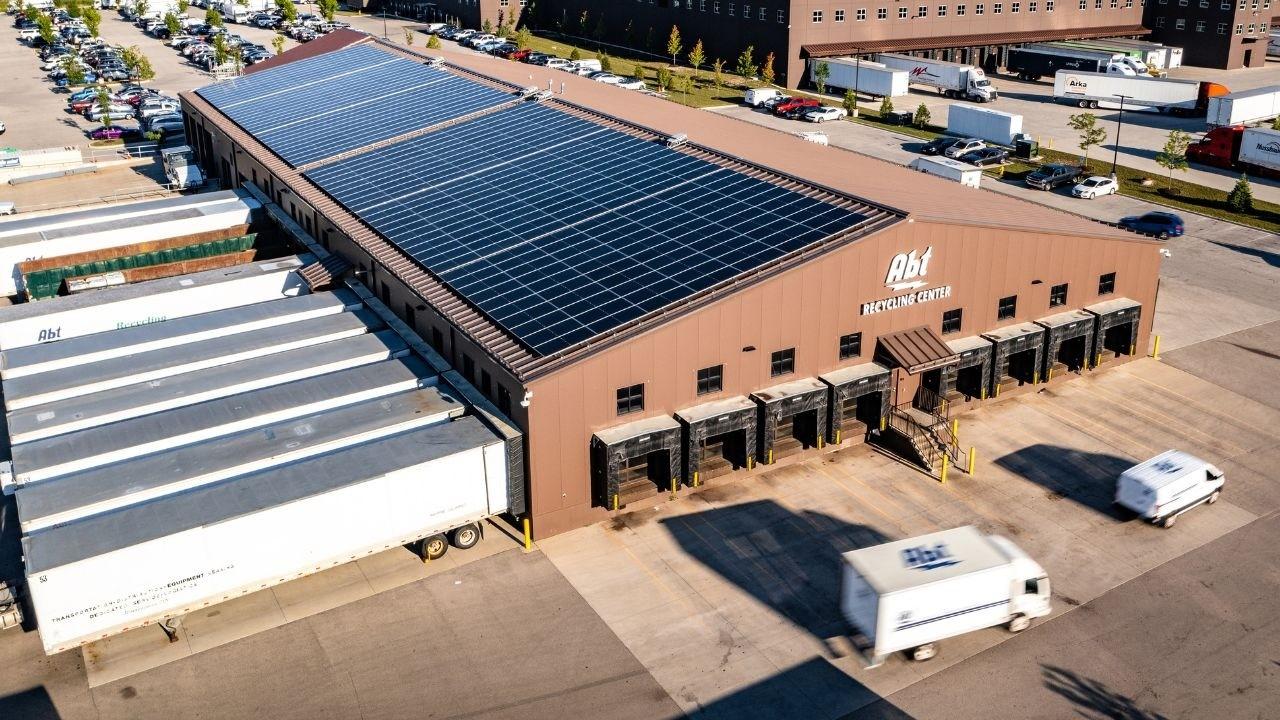
Abt Recycling Center
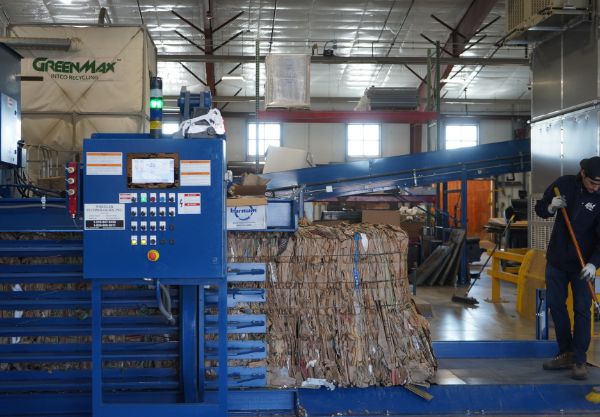
In the past year the Abt Recycling Center saved 4.6 million pounds of cardboard and paper from going to the local dump, over 800,000 pounds of Styrofoam from going to the landfill, and over 24 million pounds of appliances and 1.4 million pounds of electronics.Styrofoam
Styrofoam takes 1,000 years to biodegrade. Instead of just disposing Styrofoam, Abt has a special machine that densities the EPS by 90% (making it look like a coiled snake). These Styrofoam coils are bagged and reused to make picture frames or plastic woods.Abt Recycling Program
What used to be a necessary once daily-garbage pick-up now has been reduced to one time per week. For a company that has over 1,000 employees and serves hundreds of customers each day in the store, it is a true accomplishment to have such little waste.
Abt Green Initiatives
How we go green
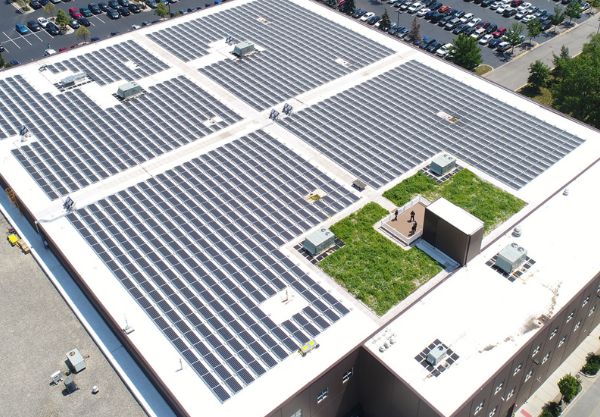
- Rooftop solar array consists of 6,080 solar panels which produce 2.6 megawatts of electricity.
- We use LED bulbs which use 80% less energy and can last up to ten years.
- Reduce waste by providing an on-site employee gym and eliminated paper catalogs.
- Recycle everything that comes back from a delivery (packing material, old products, etc.).
- Our 10,000 gallon barrel collects renewable rainwater from our roof to supply our irrigation system.
- Tesla Megapack battery at our Recycling Center that stores sustainable energy for backup power, keeping the power grid consistent and providing frequency regulation.
Collaborative Green Initiatives
How we can go green together
-
- Bring your appliances to our Recycling Center for free recycling. You can also bring in your TVs for a $29 recycling fee. Check our store hours for availability. Beforehand, please visit the merchandise pickup desk inside the store for help with your recycling.
- We also haul away home or kitchen appliances from your home with the following fees:
- We can also haul away your old electronics with the following fees:
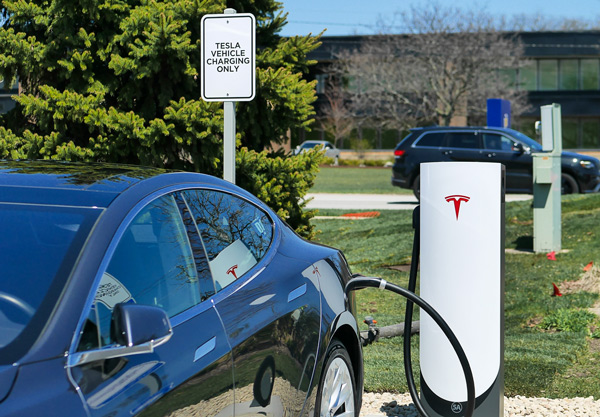
- Charging stations for electric vehicles, including a Tesla Supercharger, let you charge your vehicle while you shop.
-
- Recycle materials at the Abt Recycling Center.
We accept:- Wood pallets
- Cardboard
- Styrofoam (white only, food containers excluded)
- Recycle materials at the Abt Recycling Center.
-
- We do not accept:
- Glass
- Light bulbs, including Christmas lights
- Broken tube TVs
- Ink & Toner Printer cartridges
- Household batteries (AAA, AA, C, etc.)
- CDs/DVDs/VHS tapes
- Water or air filters
- Styrofoam Packing Peanuts
- Plastic Bags (Local Grocery Stores)
- We do not accept:
Green Initiatives For You
How you can go green at home
- Donate, recycle, or sell used appliances and electronics instead of throwing them away.
- Double check that your old appliances or electronics are repairable.
- Don’t live in Glenview, IL? Find a recycling center near you.
- Upgrade to ENERGY STAR® certified appliances and electronics to reduce energy usage.
- Unplug devices when not in use to avoid phantom energy drain.
- Use smart power strips to manage multiple electronics efficiently.
- Switch to LED lighting throughout your home.
- Properly dispose of batteries, light bulbs, and other e-waste.
- Opt for reusable items (like water bottles) over single-use products whenever possible.
Energy Saving Tips
Easy ways to start saving energy today
-
- Energy Star certified appliances and electronics could save you nearly $750 over the lifetime of the appliance.
- Unplug electronics and appliances when they are not in-use. Even if they are plugged in but not "on", your units can still consume the energy of a constantly running 75-100 watt light bulb (which should also be turned off when you're not in a room). Try using a Surge Protector or Power Strip that has an on/off switch to safely and easily power down.
- Use sleep or hibernate modes instead of turning your Computer completely off. Sleep mode is best for short bursts of inactivity since it can still drain your battery, while hibernation mode is recommended for longer periods of time. Also, keep the brightness down on your monitor and turn it off when you're not using it. Screensavers can actually waste energy.
-
- Rechargeable batteries greatly reduce waste by allowing you to reuse the same pair, potentially for years. This is especially helpful for digital camera batteries, which can be quite power hungry when shooting video or even high resolution images
- Adjust the temperature of your Refrigerator between 37-42 degrees Fahrenheit and freezer between 0-5 degrees Fahrenheit. It's always best to use any energy-save options on appliances as well since they will conserve the most energy. Also, make sure that the seals on the doors are working properly so cold air doesn't escape.
- Use short cycles for full loads in the Dishwasher. Then, turn the dishwasher off during the dry cycle and air dry instead.
- Keep the Oven door closed while you're cooking. Ovens can use a lot of energy, but if heat stays inside, an oven uses less energy to maintain its temperature.
-
- Use a Microwave to reheat and cook smaller meals. Microwaves cut down on energy consumption since you're not using the energy it takes to heat an entire oven.
- Do bigger loads of laundry at once. Use cold water and increase the spin speed in your Washer to cut down drying time, which should be timed instead of automatic. And regularly clean the lint screen and Dryer ducts to improve air circulation and prevent fires.
- Install a Programmable Thermostat to keep your house warmer while you're away. Smart Thermostats and Programmable Thermostats can save you an estimated $180 on heating & cooling costs yearly.
- Maintain your Heating and Cooling System. Annual maintenance checks & regularly replacing your air filters ensures that your HVAC system runs at peak performance.
Over 90 Years Of Experience


Your recently viewed items:
Sony MP3/ATRAC CD Walkman Player In Silver

Sony MP3/ATRAC CD Walkman Player In Silver
Contains 16 Reviews
16


