Main Content

Air Conditioner Sizing & Buying Guide

An in-depth guide to buying an air conditioner. Learn everything you need to know before purchasing an AC unit to keepy your home cool.
Getting Started
Take the edge off of smoldering summer heat with an air conditioner that perfectly fits your needs. Whether you're in the market for a small window unit or a whole-house central air system, you've come to the right place. This guide covers BTUs, Voltage, Styles, and Features in detail to make sure you find the perfect air conditioner for your home.
What Size Air Conditioner Do I Need?
A common misconception about air conditioners is that bigger is better. However, if the space you are trying to cool is smaller than what the AC requires, it will leave the room feeling cold or humid. As air conditioners lower temperatures, they also remove moisture from the air. When an AC's cooling capacity matches the room size, it will effectively manage both temperature and humidity.
Getting an air conditioner that's too small for the space comes with a different set of issues. Most importantly, it will struggle to lower temperatures. As a result, the unit will run constantly, waste power and ultimately not cool the room properly.
To avoid these types of issues, the first step to buying an air conditioner is measuring the space you want to cool. Room sizes are measured in square feet. To find the square footage of your room, simply measure the length and width of the room and multiply the two numbers. Once you know how large your space is, check the chart below to see what size AC you need.
| Room Size (Sq. Ft.) | Room Size (Sq. M.) | BTU |
|---|---|---|
| 100 up to 150 | 9 up to 14 | 5,000 |
| 150 up to 250 | 14 up to 24 | 6,200 |
| 250 up to 300 | 24 up to 28 | 7,000 |
| 300 up to 350 | 28 up to 33 | 8,000 |
| 350 up to 400 | 33 up to 37 | 9,000 |
| 400 up to 450 | 37 up to 42 | 10,000 |
| 450 up to 550 | 42 up to 51 | 12,000 |
| 550 up to 700 | 51 up to 65 | 14,000 |
| 700 up to 1,000 | 65 up to 93 | 18,000 |
| 1,000 up to 1,200 | 93 up to 112 | 21,000 |
| 1,200 up to 1,400 | 112 up to 130 | 23,000 |
| 1,400 up to 1,500 | 130 up to 140 | 24,000 |
| 1,500 up to 2,000 | 140 up to 186 | 30,000 |
| 2,000 up to 2,500 | 186 up to 232 | 34,000 |
As you can see, the effectiveness of an air conditioner is measured in BTUs (British Thermal Units). A BTU is defined as the amount of energy required to increase or decrease the temperature of a pound of water by one degree Fahrenheit. The BTUs outlined in the above chart are a good starting point, but keep in mind that there other factors you should consider that can affect your AC’s cooling capacity:
- Does the room you're trying to cool face the sun most of the day?
- Are the ceilings taller than 8 feet?
- How many people typically occupy the space?
- Is the air conditioner going to be used in the kitchen?
All of these scenarios will affect your unit's cooling capacity.
What To Know Before You Buy An Air Conditioner
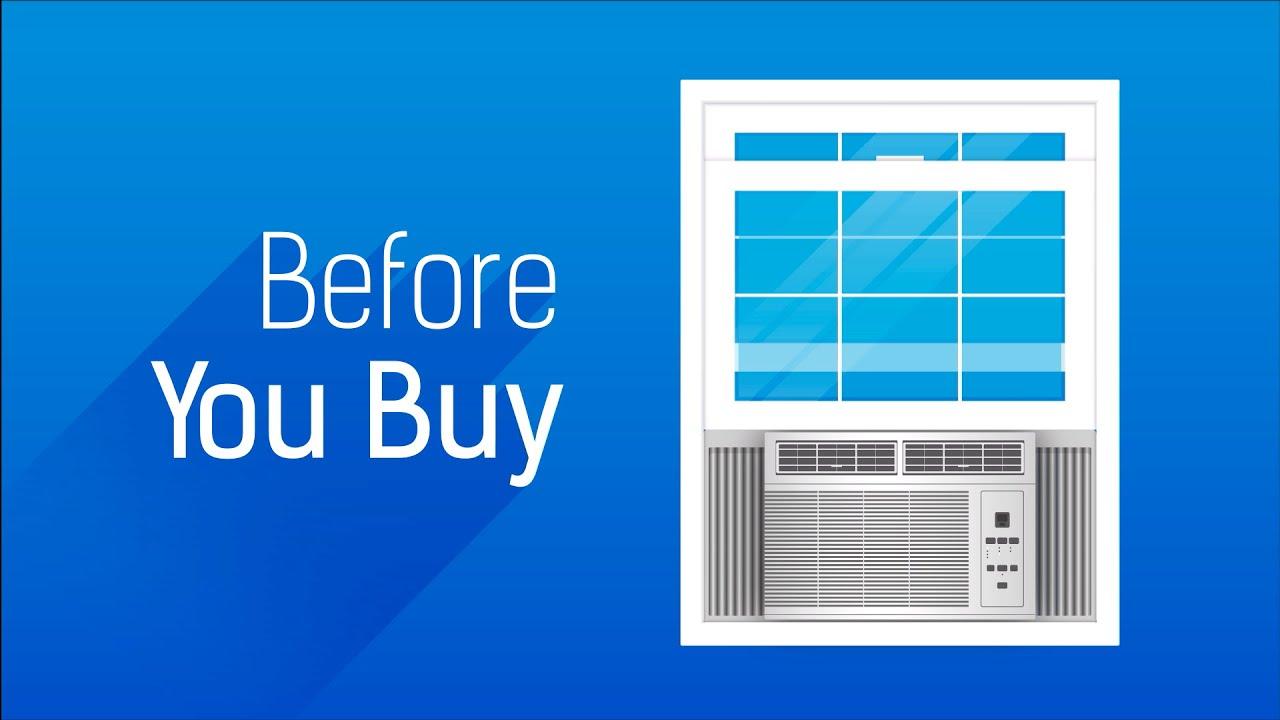
Types of AC Units
After figuring out the right size for your unit, you need to determine which type of air conditioner makes sense for your space.
Window Air Conditioners
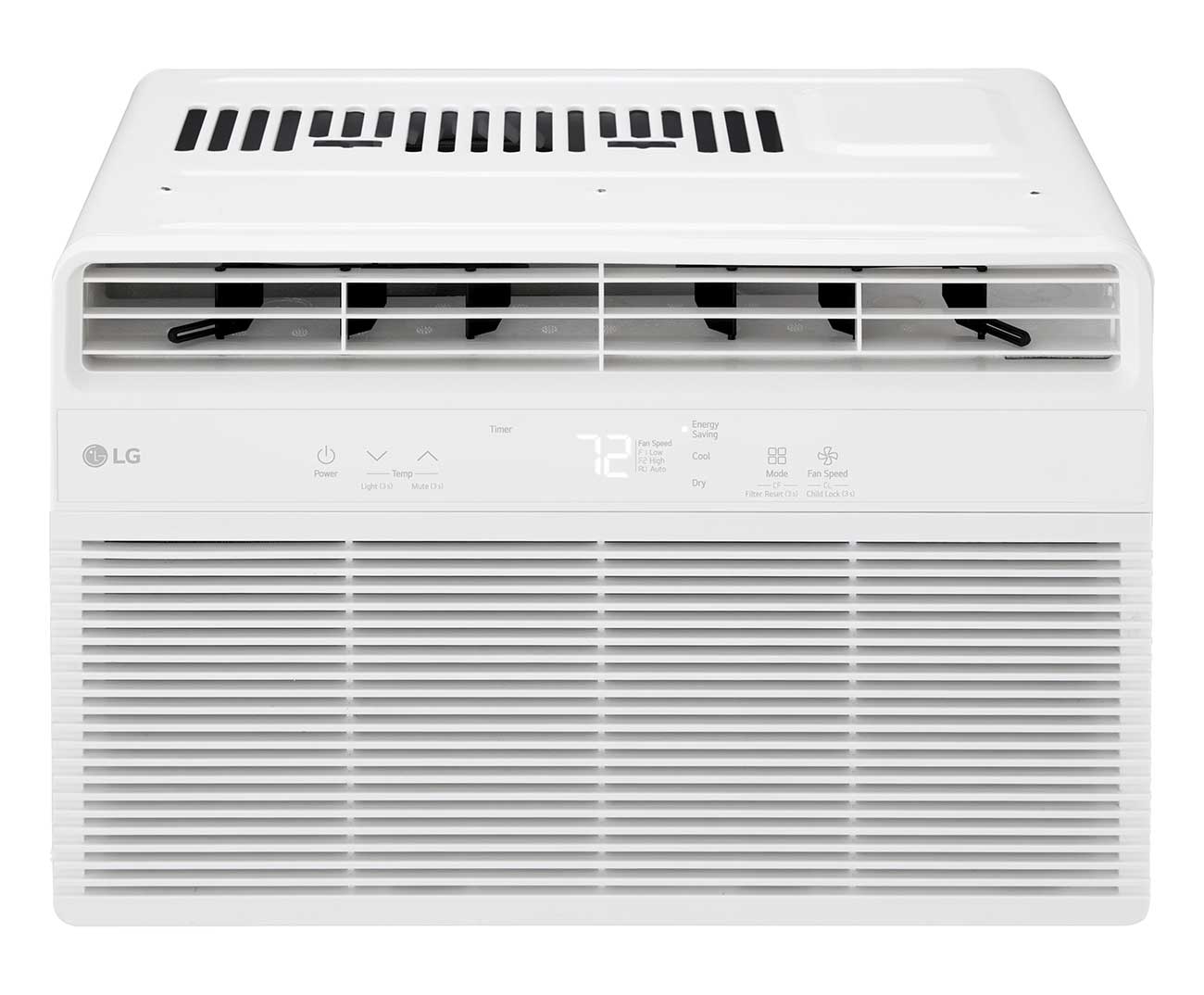
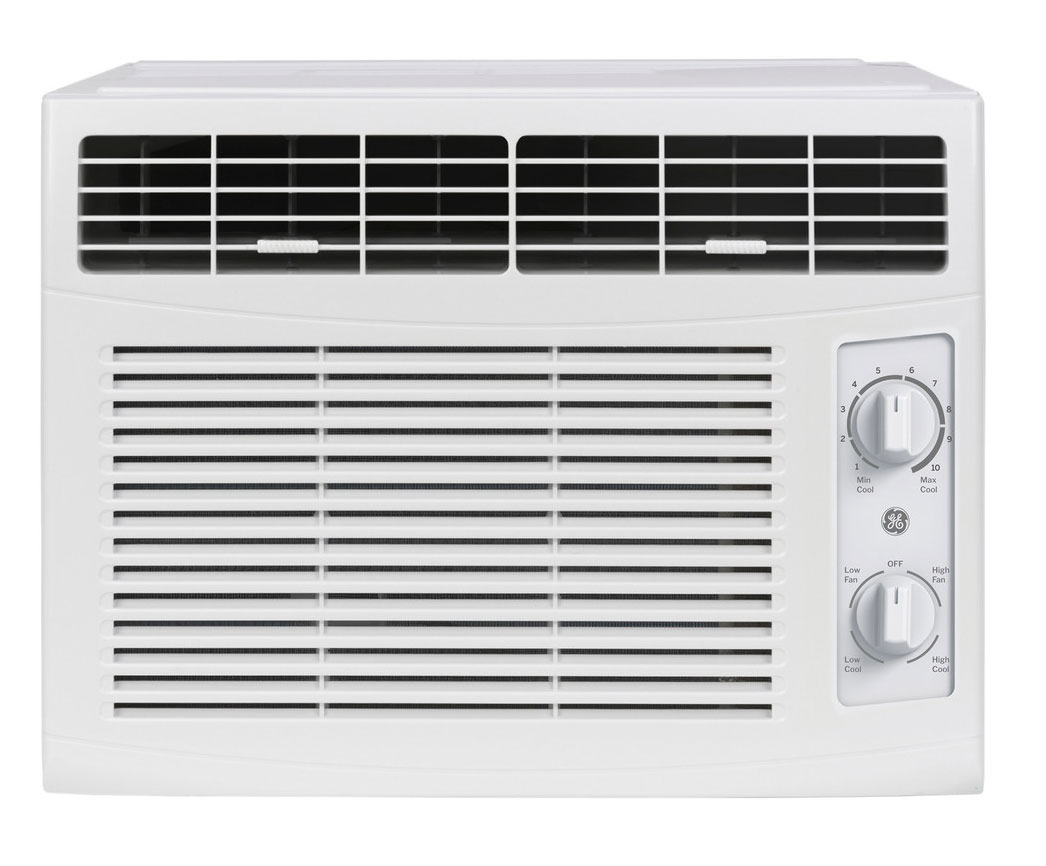
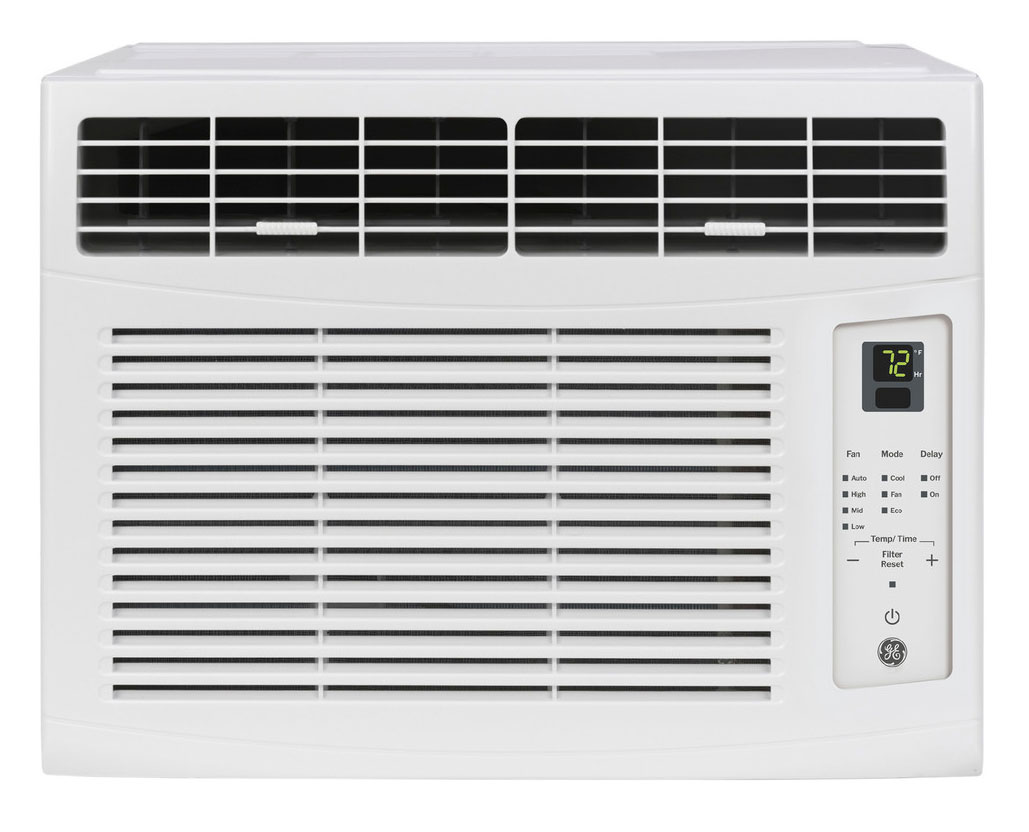
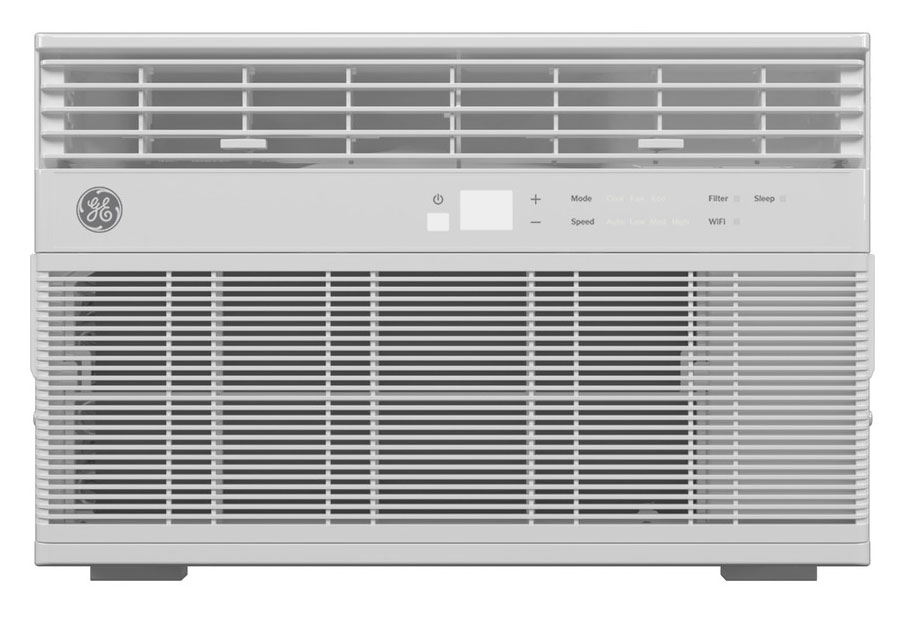
The most common room air conditioners are window units. Designed for double-hung windows, the kind that opens by sliding the bottom half up, window ACs are easy to install and easy to remove come fall.
Just slide the window open, rest the AC on the sill, close the window, and secure it in place. If the air conditioner isn't as wide as your window, most include side curtains to fill the gaps. While it's common to put window ACs in storage when the weather cools, they can also be installed permanently.
Window air conditioners pull in the hot air from your room and run it over a cooling coil before returning blowing it back into the room. Passing the hot air over the cooling coil also pulls moisture from the air, creating dew. The dew is funneled outside, as is the heat produced to keep the cooling coil cold.
Innovations in designs have greatly improved the energy efficiency of window air conditions in recent years. From high-efficiency compressors to energy-saver settings, these improvements help you save money while staying cool. Look for ENERGY STAR certified models to cut down on electricity costs. Even better, compare the Energy Efficiency Ratio (EER) or the Seasonal Energy Efficiency Ratio (SEER) of any models you're interested in. The higher the number, the more efficient the air conditioner.
The SEER details a model's average efficiency over a range (65°F to 104°F) of outside temperatures. The EER bases its figure on a steady outside temperature of 95°F. If you primarily use your AC when outside temperatures are 95°F or higher, the EER will be a more accurate figure. Otherwise, look to the SEER. Don't worry if the model you're interested in only provides one or the other. Either number will still give you a general sense of the model's efficiency.
Casement Air Conditioners
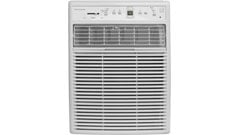
A casement air conditioning unit is designed for windows that open horizontally or swing-out (usually with a hand crank) instead of vertically. Casement ACs are basically taller (typically 20" or taller), skinnier (less than 15") window units. They tend to cost a little more than standard window ACs, but if you have swing-out windows, you must use a casement air conditioner. Because these air conditioners are made for a specific type of window, they require fewer modifications than a traditional window AC, and still allow for full operation of the window.
Portable Air Conditioners
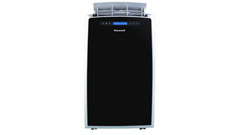
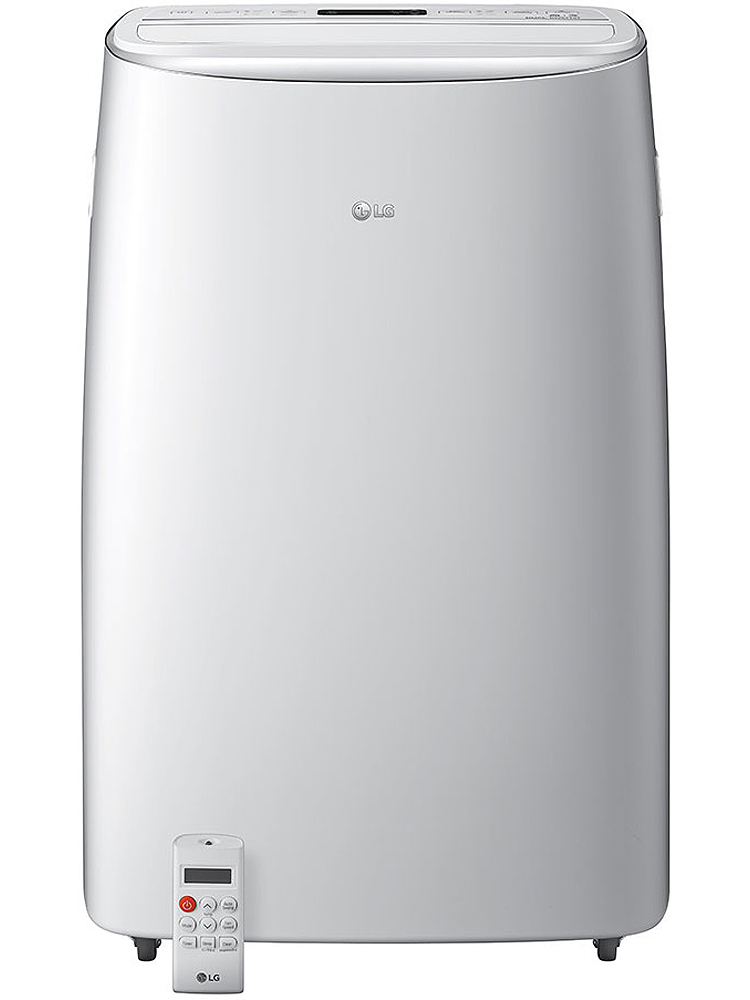
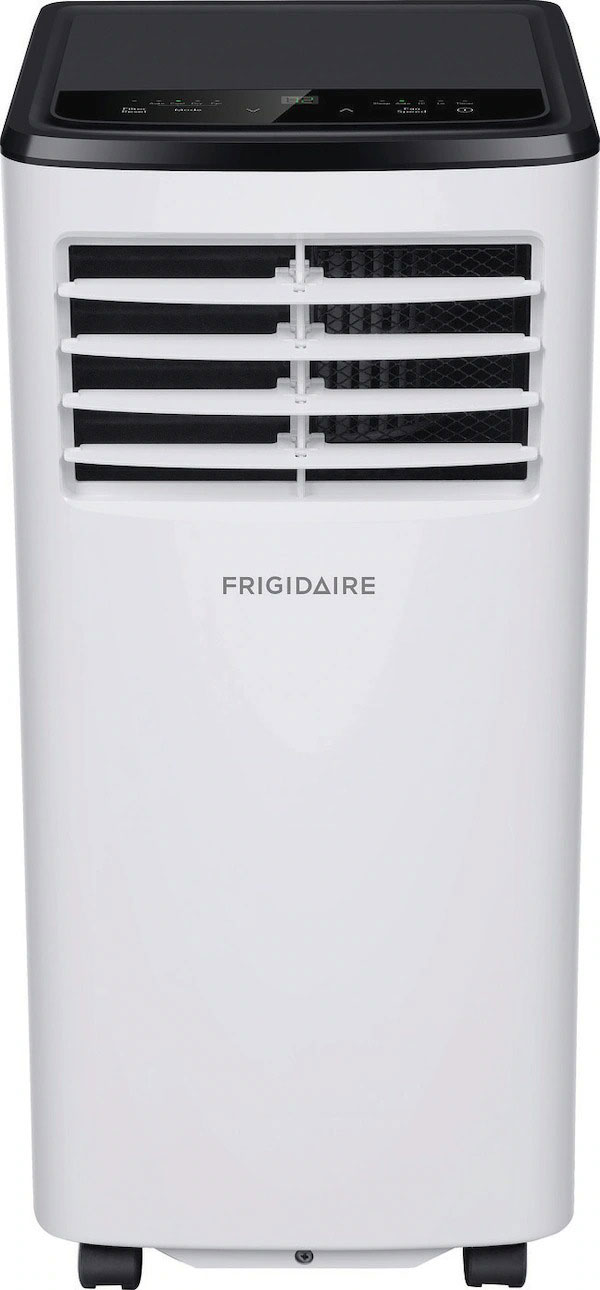
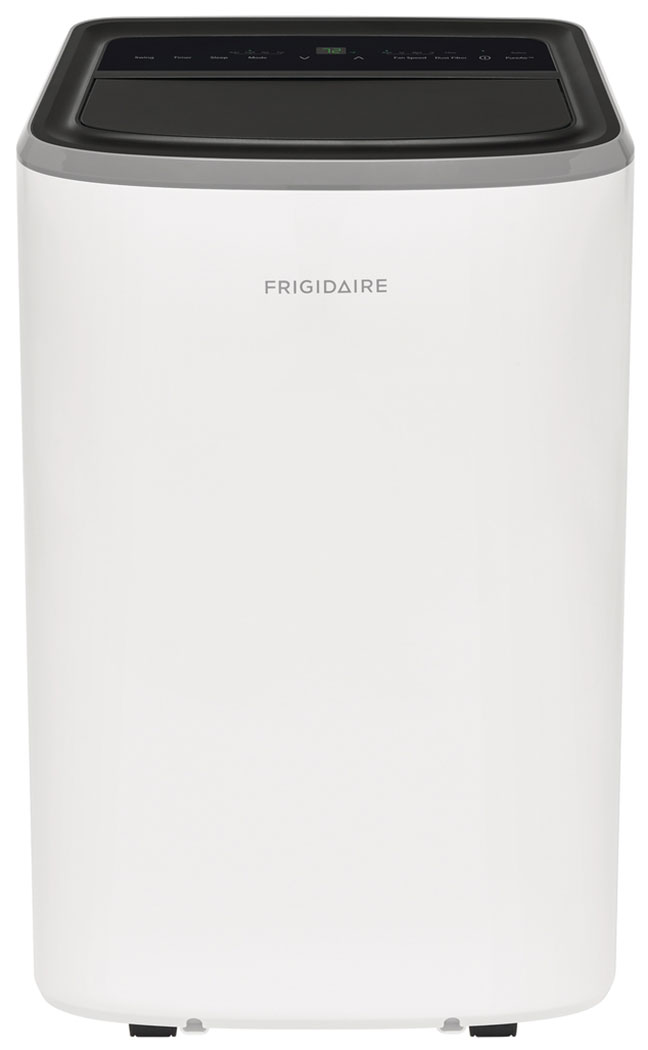
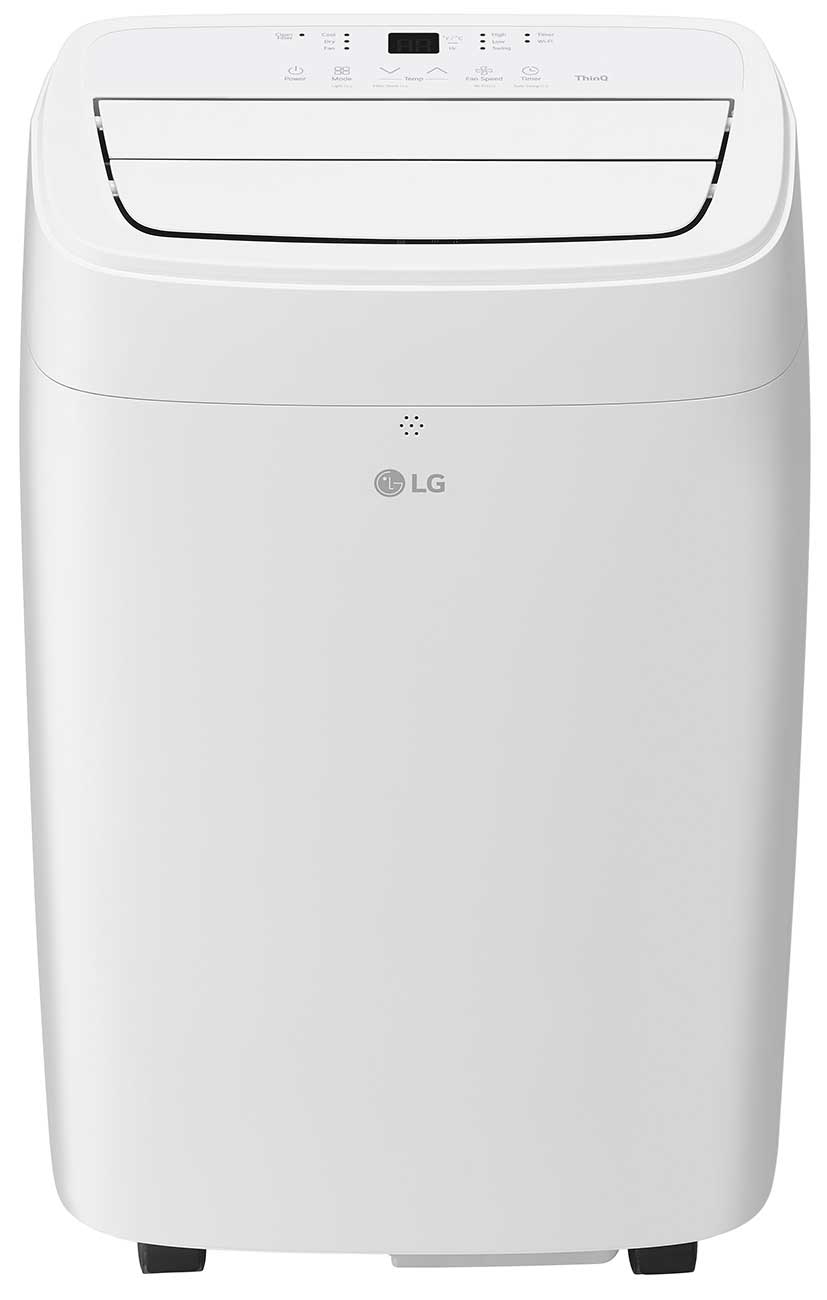
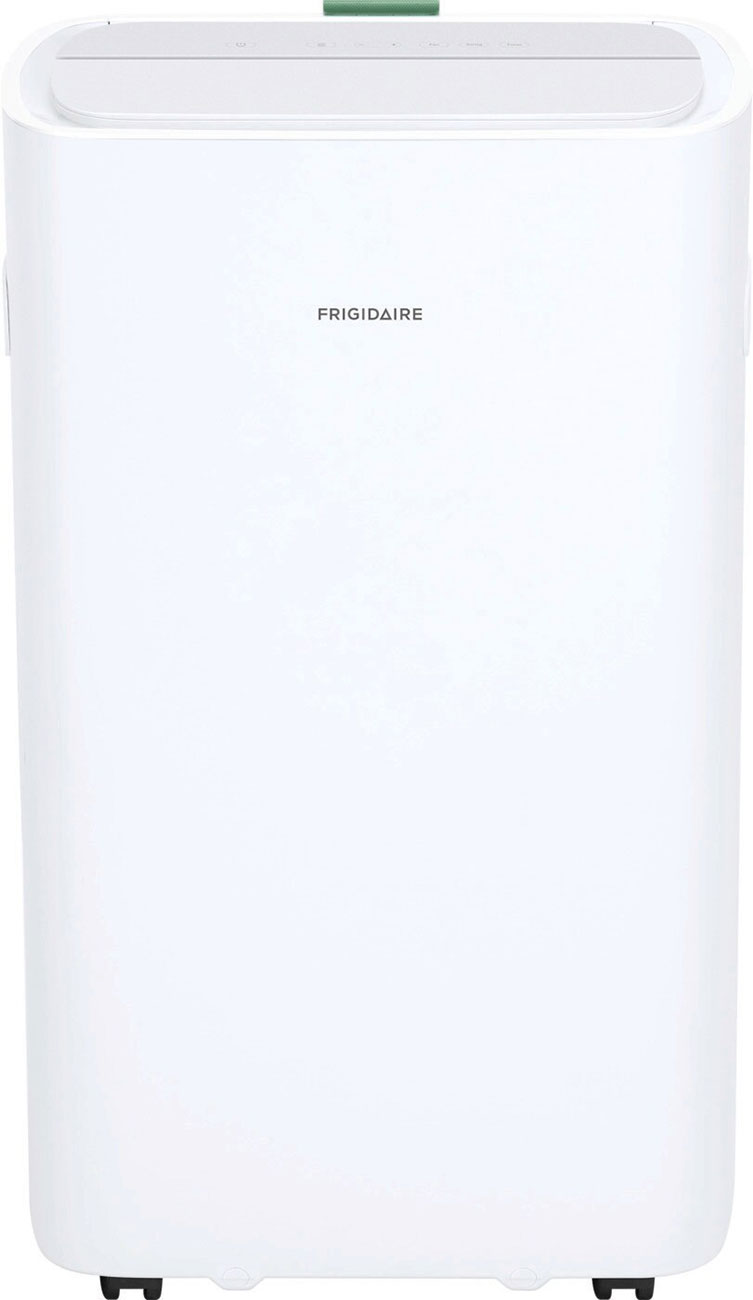
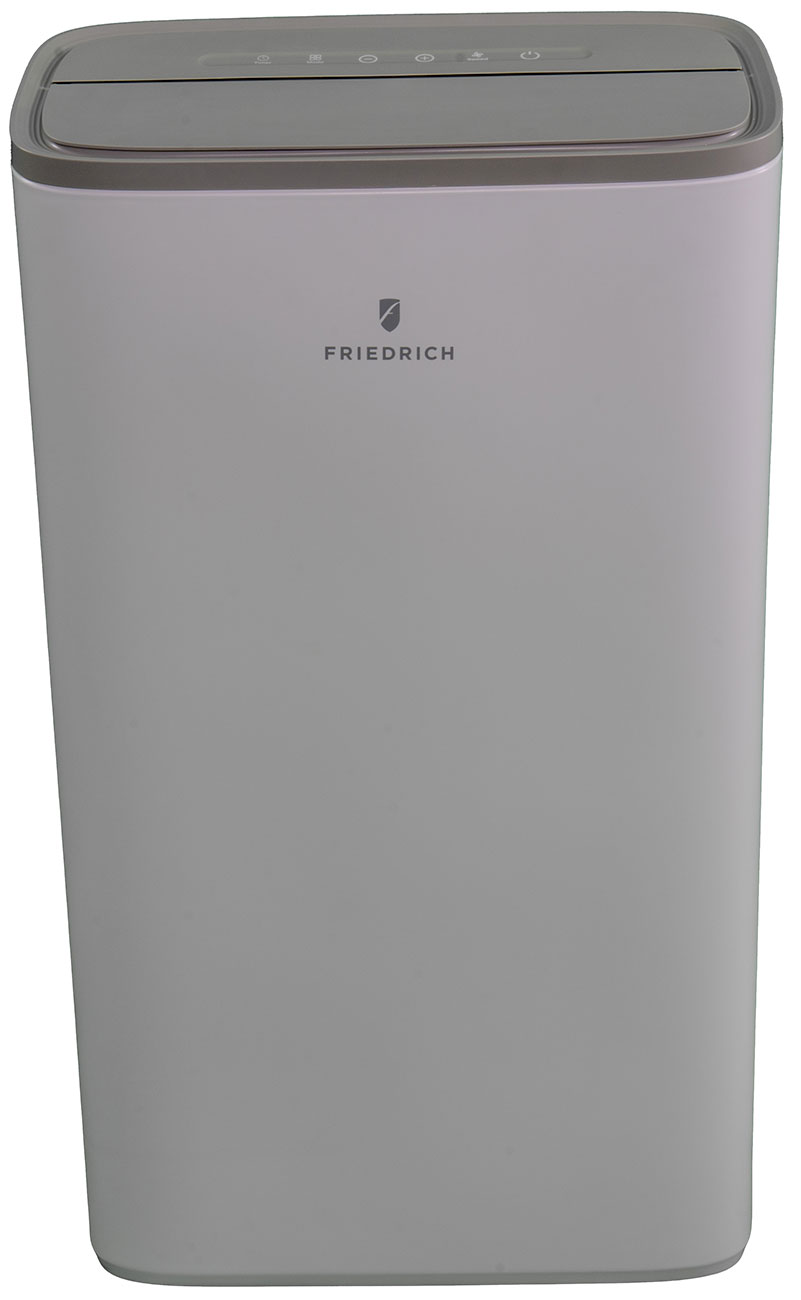
If you can't mount an AC to your windows, a portable air conditioner might be the best option. These models usually rest on the floor and use a flexible hose to vent hot air outside. The venting hose can usually fit through a small space, such as the center vent often found in basement glass-block windows.
While it can be convenient to roll your AC between rooms, portable air conditioners have their share of drawbacks. Most notably, they're less efficient and noisier than window units. While window models can project their noise outside, a portable air conditioner doesn't have that option. Similarly, portable ACs need to spend energy pushing excess heat outdoors while window units can let that heat passively radiate out.
Portable air conditioners also remove moisture from the air just like window units. But, unlike window units, they can't just drip the moisture outside. Most portable air conditioners collect the water in a tank that must be manually emptied from time to time. Self-evaporating models need to be emptied less often but aren't entirely hands-off. Other models allow you to attach a drainage hose to manage the water it collects.
Wall Air Conditioners
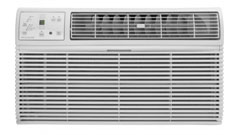
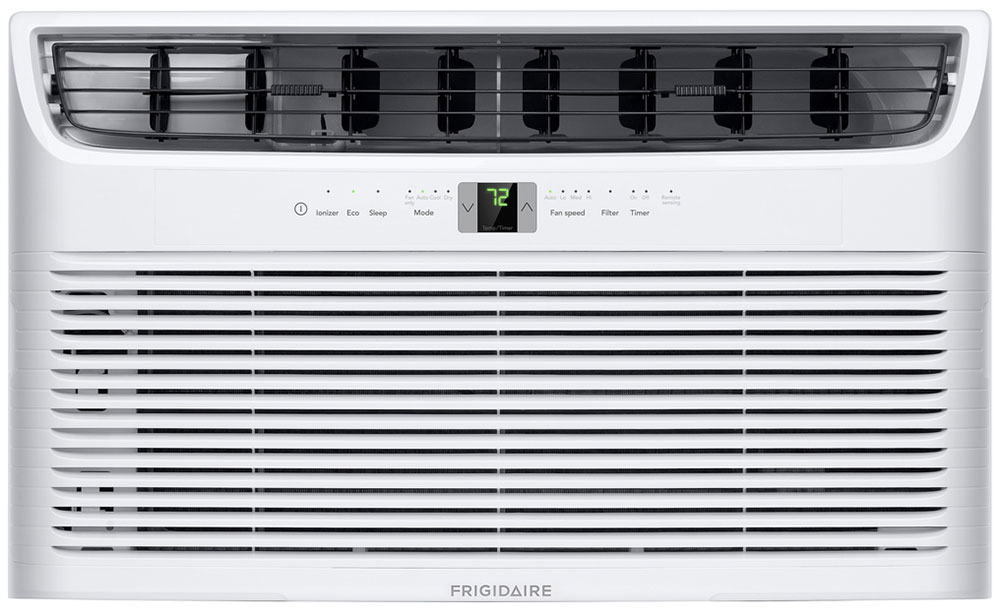
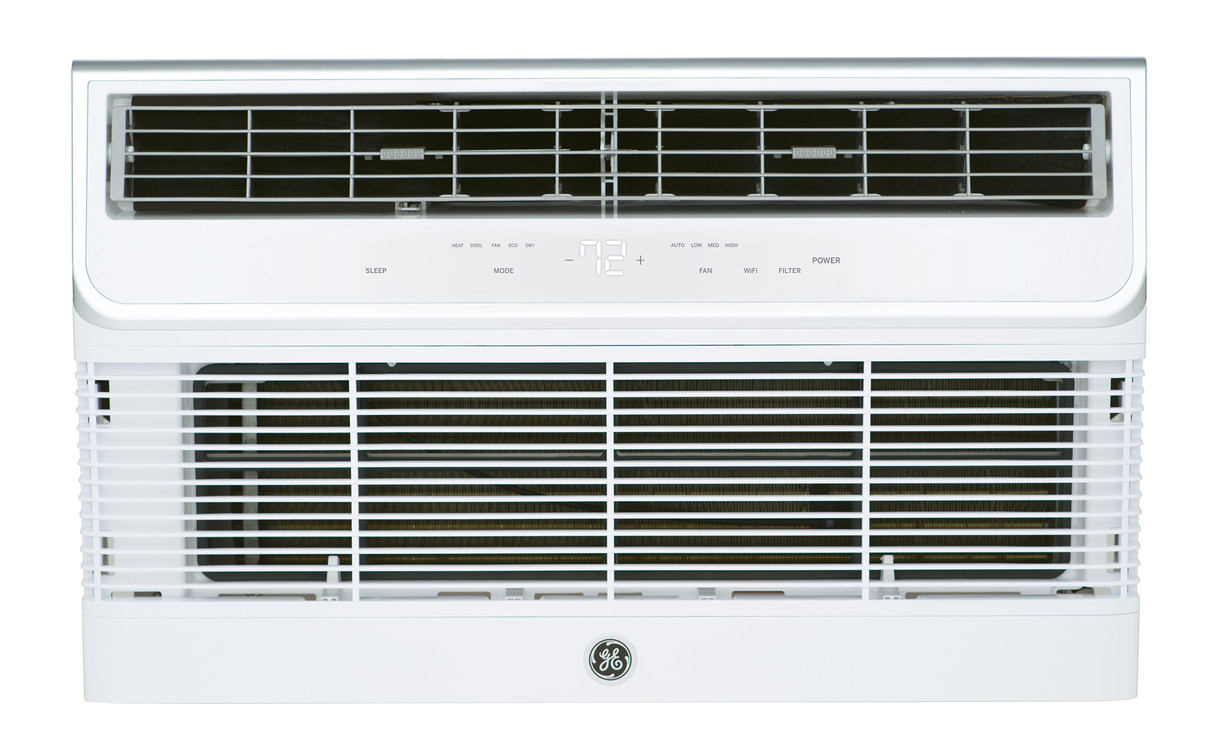
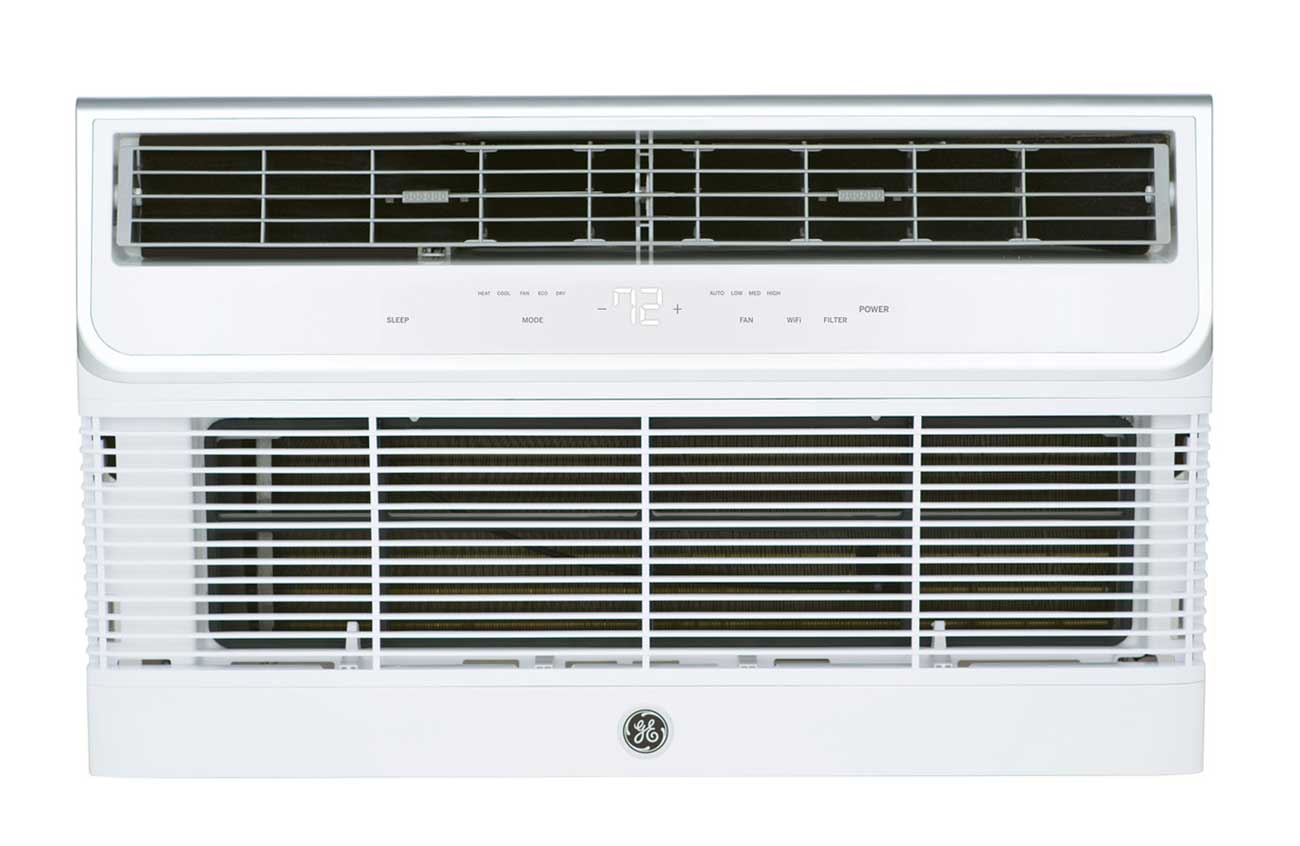
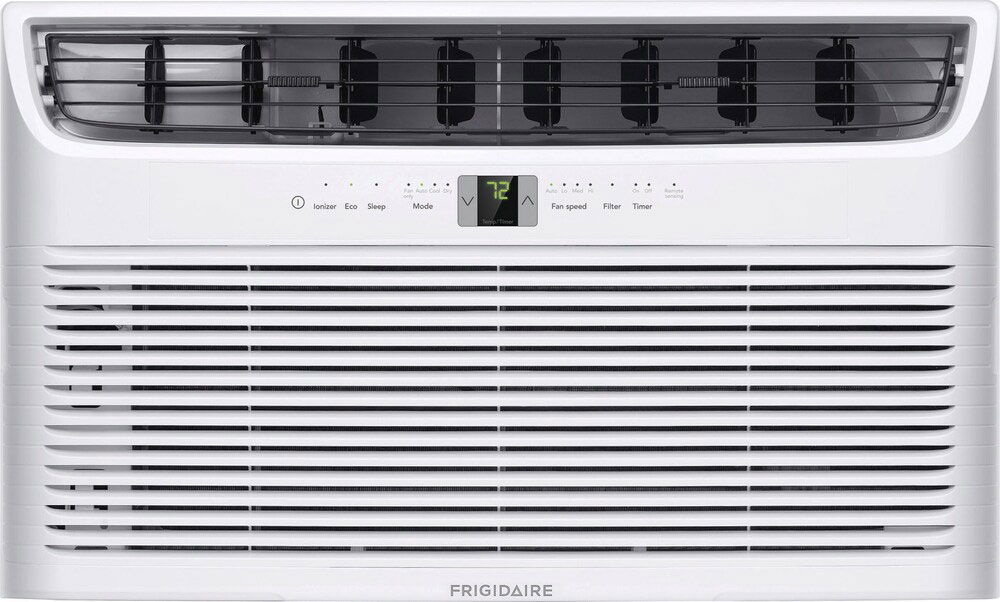
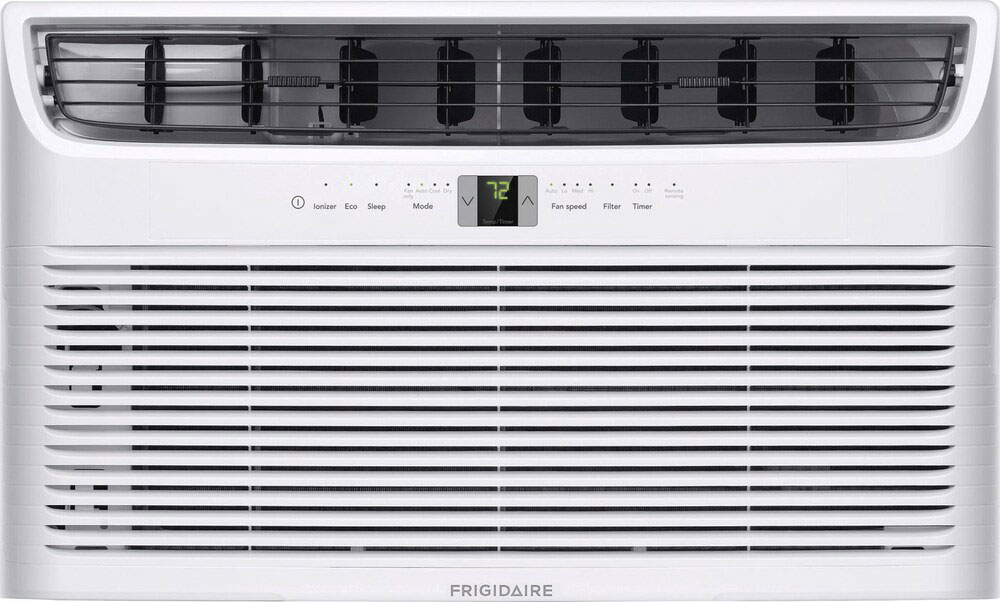
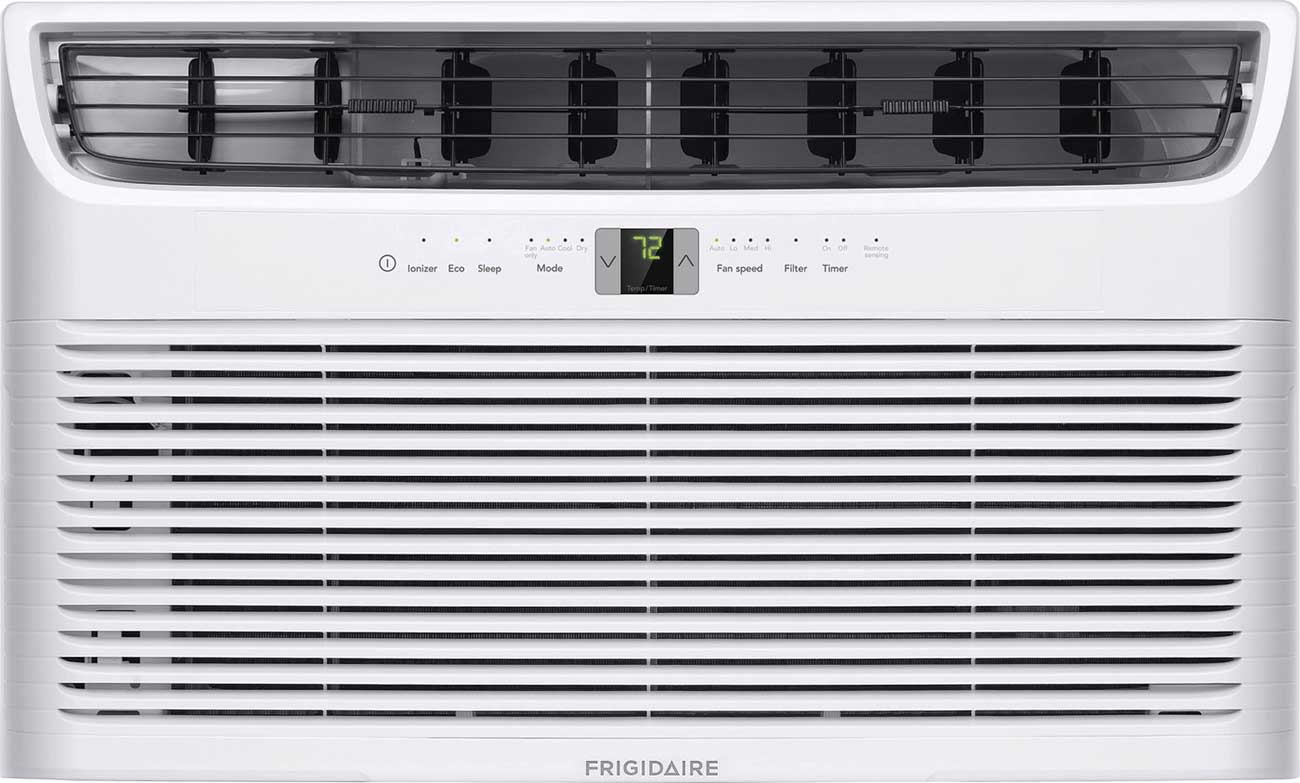
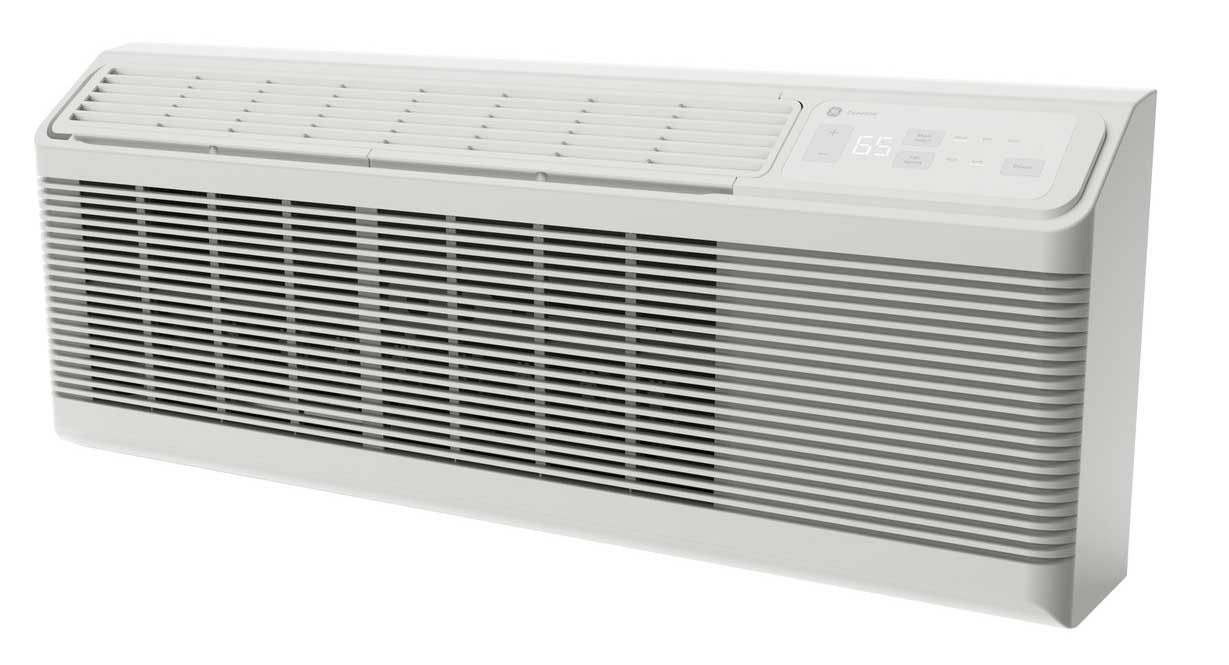
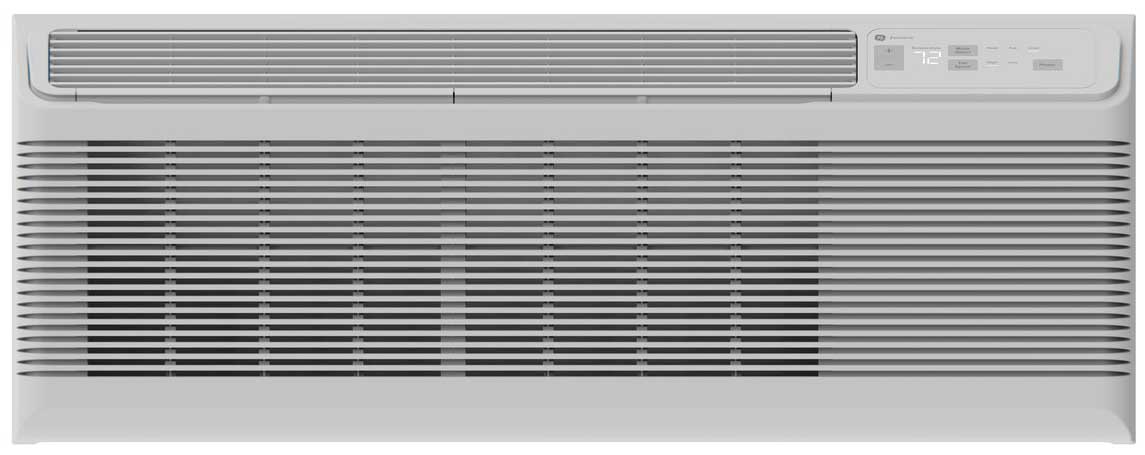
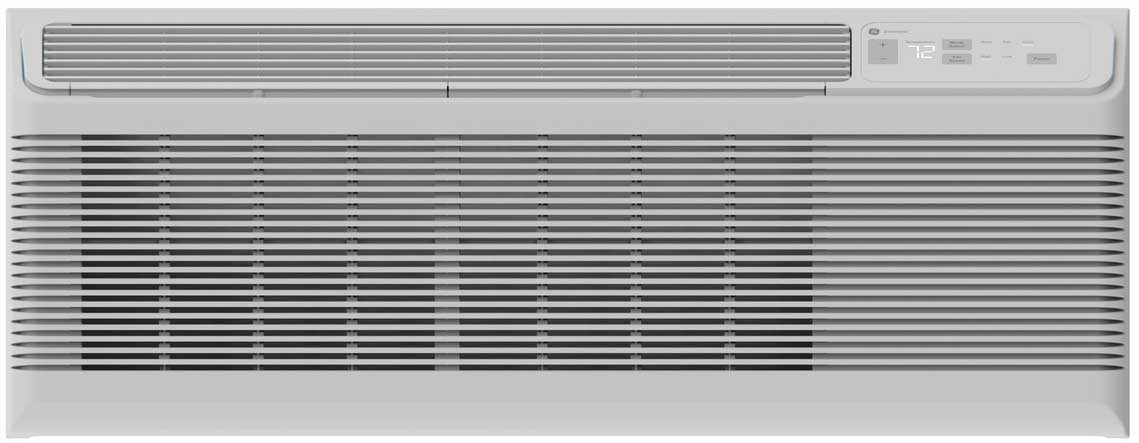
For a more permanent solution, consider a wall air conditioner. These models extend from a wall instead of a window and require a sleeve to be properly installed. Often more efficient than window models, through-wall air conditioners are a good way to stay cool without sacrificing one of your windows. However, installing an in-wall AC isn't as easy as installing a window unit. Unless you're comfortable cutting holes in your wall, hire a contractor. If you're in the Chicagoland area, we here at Abt would love to help!
Packaged Terminal Air Conditioners (PTACs) are in-wall units that can heat and cool your space. In-wall units are left in place year-round. Having one appliance to warm you up in the winter and cool you down in the summer just makes sense. If winter temperatures even approach freezing where you live, be sure to get a PTAC with electric heat. The alternative, heat pumps, are less expensive. But they're also less efficient.
Central Air Conditioning Systems
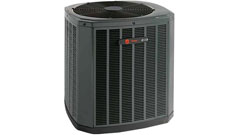
If you're looking for a whole-home solution, Central Air Conditioning Systems are the way to go. Usually, one main unit pumps cool air through ducting to each room in the building. While these systems are more expensive than the other options, they are much more convenient. Upfront and energy costs are both higher with a Central Air Conditioner. Because instead of using room air conditioners to manage specific areas of your home, central air keeps your whole house cool.
Central air systems with zone controls combine the convenience or a whole house system with the localized controls of window and portable ACs. These systems include thermostats in each room so that you can precisely manage temperatures anywhere in your home. This versatility can be especially useful for poorly insulated or especially sunny rooms.
If you are looking to do away with portable or window air conditioners, Abt is licensed to install central air systems. This service is only for our Chicagoland customers. Give us a call at 800-860-3577 so we can find a time to come look at your home and provide an estimate.
Mini-Split Air Conditioning Systems
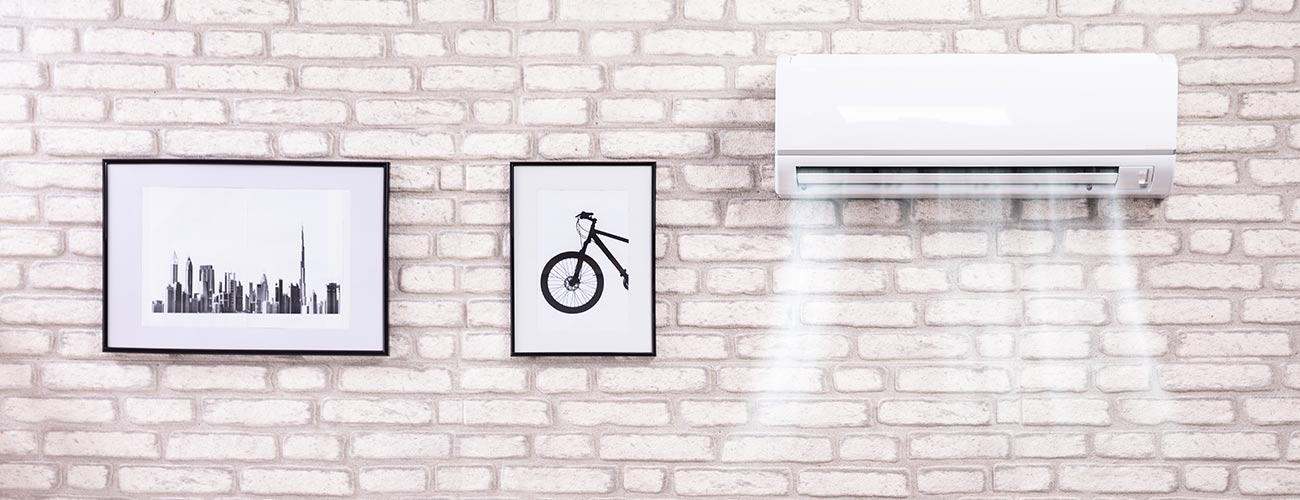
Mini-split AC systems are electric heating and cooling systems that do not require ductwork. They consist of an indoor unit and an outdoor compressor. The indoor units install above a doorway or just below the ceiling. These highly energy-efficient devices are a great whole-home climate solution. By installing indoor units in every room, each member of your family can dial in their ideal temperature for maximum comfort. Depending on the model, one compressor can control up to eight rooms.
Other Things To Consider
Once you've decided which type and size AC unit to buy, you need to figure out which features you want in your air conditioner. Features like AC controls, remote controls, as well as integrated air filters are all key things to consider.
Ability to Direct Air Flow
Even the most powerful air conditioners won't be much help if they can't direct the cold air where it's needed. With this in mind, most models use adjustable louvers that allow you to direct airflow vertically or horizontally.
When selecting an AC, consider your room layout. Directional airflow is especially important if you plan on installing the air conditioner in a window that sits behind a couch or other obstruction. Make sure to buy an AC unit that can direct the cool air above or around any obstructions.
Controls
The most basic air conditioning units will have very simple controls: a knob for temperature and a knob for fan power. These models are great for getting a blast of cold air into a room but don't allow for subtle climate controls. More advanced models are equipped with digital controls that can monitor and maintain precise temperatures.
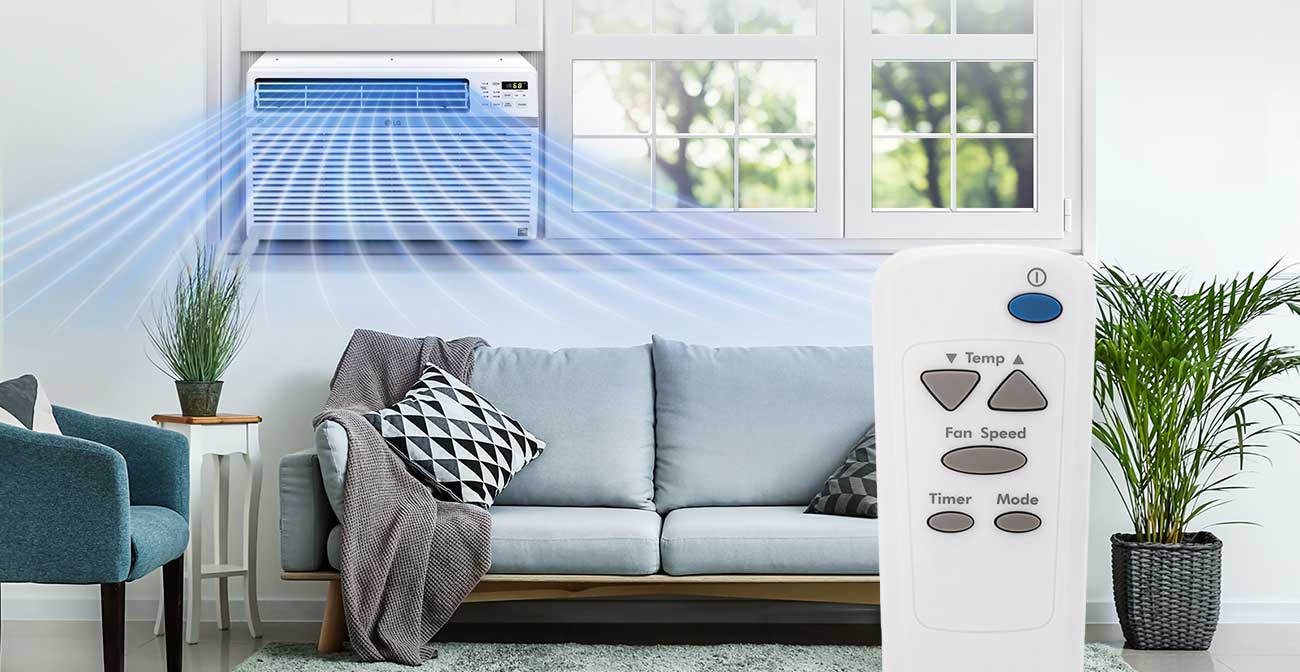
Remote controls are another convenient feature to consider. With a remote, you can make temperature adjustments from anywhere in the room. Keep it on your nightstand and you'll be able to cool things down at night without even rolling out of bed.
Many air conditioners can be programmed to turn on or off at preset times of the day or week. This money-saving feature makes it easy to have a comfortable house to return to after work without wasting electricity while you're gone. Just program it to turn off before you leave in the morning and then kick back on a bit before you come home.
Some newer air conditioners even offer smart controls. These models can be adjusted with an app on your smartphone from anywhere. Many smart ACs will even respond to voice commands via digital assistants like Amazon's Alexa or Google Assistant.
Inverter Technology
Some air conditioners have an inverter, which means they have a variable speed compressor. Why does this matter? The variable speed compressor adjusts its motor speed to regulate the temperature, which makes them more energy efficient while still cooling effectively. Plus, this variable speed means inverter ACs have a wider range of speeds than non-inverter units, making them better suited to a variety of temperature conditions. They're also more quiet, which is great for living rooms where you relax or watch TV, or in bedrooms where quiet is a must while you sleep.
Heat
A few models provide heat as well as AC. This is a great option for those times between seasons when it's a little chilly, but not cold enough to turn your home's furnace on.
What's my plug type and what voltage do I need?
Your plug type will let you know the voltage and amperage requirements of your new AC. Make sure your new AC Unit matches your existing electrical requirements. Attempting to plug your AC unit into an outlet with a different plug type or voltage can be very dangerous. Below is a chart illustrating plug types and their corresponding electrical information.

Air Conditioner Buying FAQs
How much is a new air conditioner?
How much an air conditioner costs depends on several factors, including its type and power. Window units vary from $180 to over $1,500. The vast price difference is due to the amount of cool air a unit can create and features like smart connectivity. Portable ACs are often between $400 and $800, while wall air conditioners cost more with prices that start at $700. For pricing on central air conditioners, call us at 800-860-3577.
Why is my air conditioner not blowing cold air?
If your air conditioner isn't blowing cold air into your space, you may simply need to fix your thermostat. Other options: the refrigerant may be leaking, leading to ice buildup in your evaporator coils. If you suspect this, turn your AC off, as refrigerant leakage can be toxic. Otherwise, troubleshoot by cleaning or replacing the filter or unclogging the drain. If you're still having trouble, call HVAC specialists for help, like our team at Abt: 800-860-3577.
How do you clean an air conditioner window unit?
Cleaning a window unit air conditioner is relatively easy, but check your product manual for instructions. Turn off and unplug your air conditioner, then remove the cover and the dirty air filter. Soak or spray filter with water from a hose or faucet. For a more detailed clean, use a toothbrush and a water/dish soap solution: no harsh chemicals. Next, clean the interior coils very gently to avoid damaging the fins. Remove large debris with a vacuum. Use a soft paintbrush or makeup brush for detail work. Finally, clean the condensing coils outside the same way, gently brushing off debris. When the filter is dry, replace and plug the unit in.
What size AC unit do I need?
The correct air conditioner will have the right cooling capacity (BTUs) for your room's size. For example, a 250-300 sq. ft. room will need an AC with 7,000 BTUs. Check our chart above to see how much power you need. And keep in mind that size does truly matter; if your AC is too small, it can't cool your space and will waste power. Meanwhile, an extra-large model will leave your space feeling too cold and with the wrong humidity level.
How long does an air conditioner last?
That depends on the type of air conditioner. Central air conditioners can last as long as 20 years with proper maintenance, though most modern ones last around 10-15 years. Meanwhile, window, wall and portable ACs last around 10 years if properly maintained.
What is BTU on an air conditioner?
BTUs stand for British Thermal Units and express the power required to increase the temperature of a pound of water by one degree Fahrenheit. There is more to keeping your room cool than just raw power, though. Consider environmental factors that could drive the temperature up or down, like how much sunlight gets into your room, how tall the ceiling is, if the AC is in the kitchen and how many people are normally in the room at once.





Over 90 Years Of Experience


Your recently viewed items:

Panasonic SDR-SW21 Silver SD Card Standard Definition Camcorder

Panasonic SDR-SW21 Silver SD Card Standard Definition Camcorder
Frigidaire FGHS2334KB Black Gallery 23 Cu. Ft. Side By Side Refrigerator

Frigidaire FGHS2334KB Black Gallery 23 Cu. Ft. Side By Side Refrigerator
Frigidaire FGHS2367KE Black Gallery 23 Cu. Ft. Side By Side Refrigerator

Frigidaire FGHS2367KE Black Gallery 23 Cu. Ft. Side By Side Refrigerator

GE 30" Stainless Steel Built-In Electric Double Wall Oven

GE 30" Stainless Steel Built-In Electric Double Wall Oven
Contains 36 Reviews
36
Apple 4th Gen iPad With Retina Wi-Fi + Cellular 32GB For Sprint

Apple 4th Gen iPad With Retina Wi-Fi + Cellular 32GB For Sprint
Jenn-Air 30" Pro Style Stainless Double Electric Wall Oven

Jenn-Air 30" Pro Style Stainless Double Electric Wall Oven
