


Emergency Preparedness: Preparation & Recovery

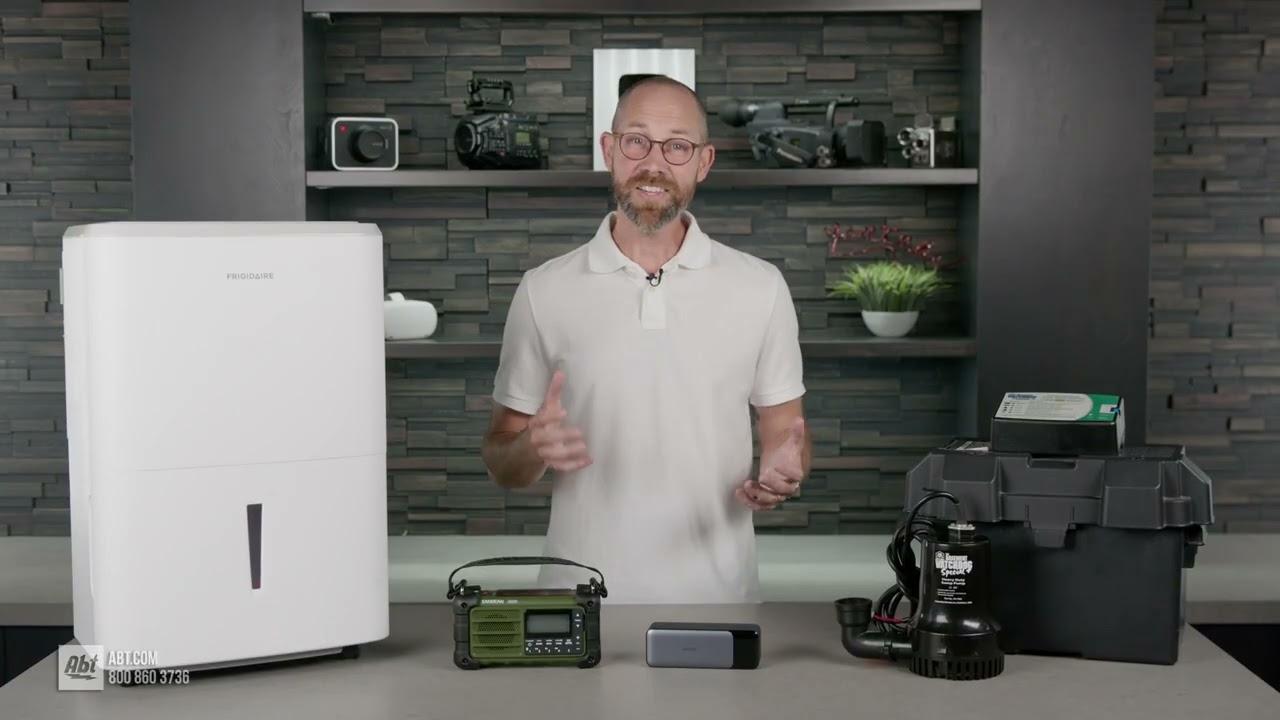
Welcome to one of the best times of the year, when warm weather dominates and delivers summertime fun. This is a dangerous time of year in many ways, though. Tornadoes, hurricanes and other natural disasters all happen in the late spring or summer, so it's time to make sure you're ready for any emergency. Emergency preparedness is important no matter where you live, from Chicagoland (with our occasional tornado warnings) to further into tornado country, or if you live along the Atlantic and know that you'll likely experience tropical storms this year. When you're ready for natural disasters, they're a little less disastrous. Upgrade with top emergency preparedness gear from Abt and you'll be ready for anything, from a short power outage to a longer-lasting storm. Check out our video below for a quick overview, then read on to learn more about emergency preparedness.
When Are Tornado, Hurricane, and Fire Seasons?
To prep your emergency preparedness kit, it'll help to know what kind of timetable you're running on. But the US is large, and we're made up of different climate zones-meaning that tornado season in Illinois won't be the same as tornado season in Oklahoma. According to NOAA,, the peak tornado season in the Gulf Coast is in April and early spring, for the southern plains is from May to early June, and for the upper midwest it's in June or July. However, it's important to keep in mind that tornadoes can happen at any time of the year.
Meanwhile, fire season is powerful and damaging on the west coast, and usually runs from May through October (though it's becoming harder and harder to predict). With extended droughts, fires are more dangerous and last longer than before
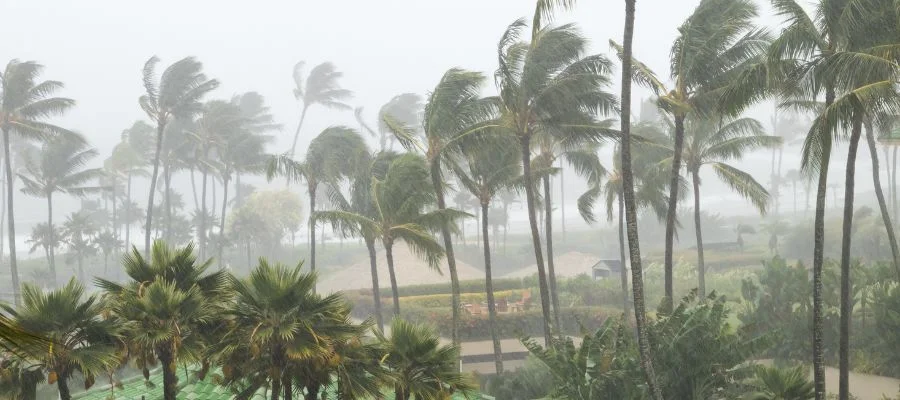
Hurricane season is on its way, too. The Atlantic hurricane season normally peaks in September and October, but tropical storms can sometimes develop early in the summer or as late as November as well. With summer systems sure to leave a mark, it's important to be ready with a proper emergency preparedness kit-and to prep your home however you can. While that can mean clipping back tree branches or upgrading your home with storm shutters, it's important to have an emergency preparedness kit at the ready and to keep your home ready in other ways, too. Abt has lots of the gear you need to be ready for tropical storms-and even hurricanes.
If the Power Goes Out
Whether there's a blizzard, a storm, a hurricane or a tornado, natural disasters can knock out the power with a gust of wind or a fallen tree branch. That can take out the power in your house for who knows how long. The power could come back on within a few minutes, a few days or even longer. And power outages can cause significant damage to your home. Instead of just a dark home with lamps that don't work, you could be left with a refrigerator full of food that is no longer being cooled. If you live somewhere hot, your air conditioner is no longer keeping your home cool, too. Maybe you rely on electricity for something even more crucial, like a medical device. Make sure you're ready with emergency preparedness from Abt with a powerful generator.
Generators
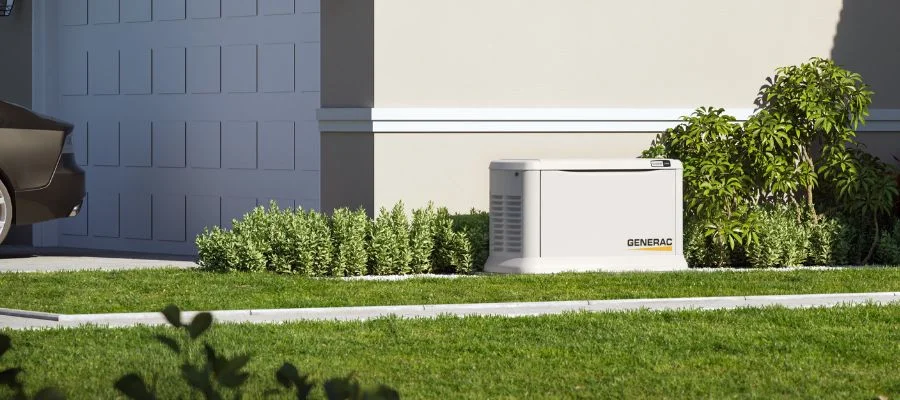
To keep power going in your home even when the electricity goes down, you'll want a generator like those at Abt. We sell home standby generators that are installed outside your home. These backup generators kick into gear as soon as the power goes out, keeping your necessities running-and when the power comes back on, the generators turn off immediately. Every generator needs fuel, too, and these models are powered by natural gas or liquid propane. When choosing your generator, keep in mind that these often require a permit depending on where you live.
There are other types of generators that bring different functionalities to emergency preparedness, like portable models. Portable generators are popular for their flexibility. These run on gasoline and tend to be much more affordable than home standby models, making them a good choice for those who need that extra flexibility. Some of the cons with these portable generators are built into their very nature-home standby generators can power your whole home, while portable models are less powerful. You can plug in your refrigerator and run an extension cord to any medical devices you need to keep your must-haves powered, but the rest of your home will remain dark. Since these generators only run on gasoline, they can be less reliable for extended outages, too. If emergency preparedness is your goal, you'll want to consider what you need from a generator. For a deeper dive, explore our guide to choosing a backup generator.
Your Shelter Space
Whether you're creating an emergency preparedness shelter for extreme storms, a tornado or some other weather event, it's important to have a space set aside that's as safe as you can make it. That emergency shelter will look different depending on the extreme weather events that occur most often near you, but follow the guidance of local authorities. For some storms, that can look like bringing the family and your pets into the basement (or a room without any windows if you don't have one). But you'll also want to upgrade your emergency preparedness kit in your home, along with foods that can last a few days in case you're required to shelter in place.
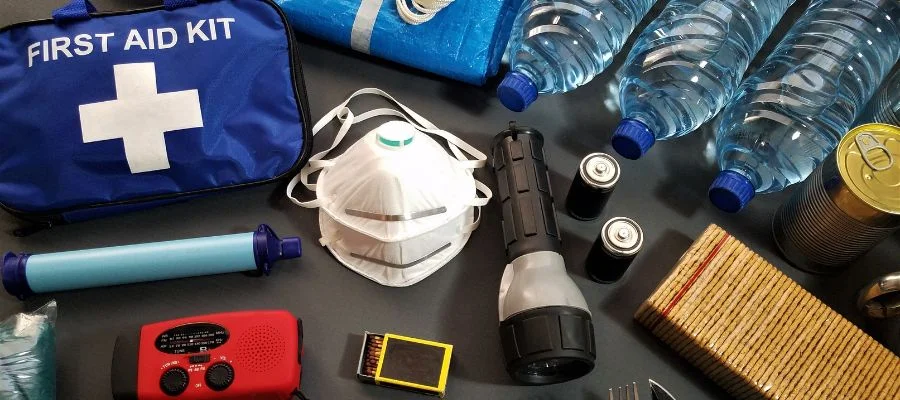
Your Shelter's Emergency Preparedness Kit Should Include:
- Boxed or canned foods
- Manual can opener
- Sleeping bags
- Maps
- Pet supplies, if needed
- Water (enough for a few days)
- First Aid Kit
- Any essential medications
You're Going to Need Emergency Tech, Too:
- Portable charger(s)
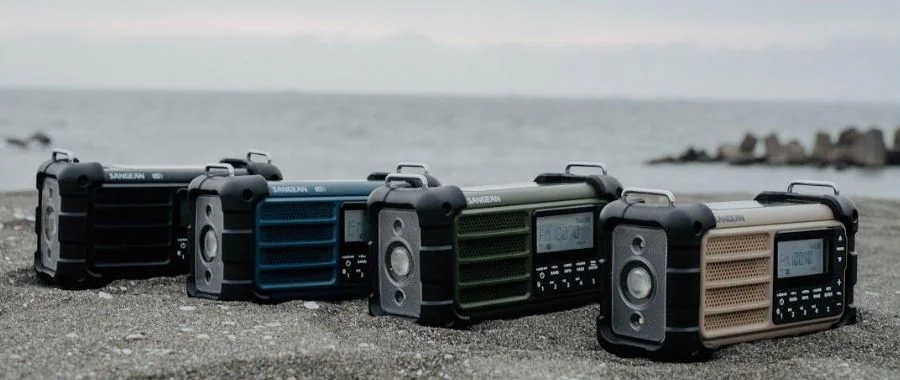
- Hand crank emergency radio
- Flashlight
- GPS
Now, depending on where you live and how severe your weather events tend to be, you may not need an emergency preparedness kit that's this well outfitted. But these are the basics, the must-haves, especially if you'll be sheltering in place-or if you'll be packing up and evacuating.
Evacuation
Those who live near the ocean or the gulf have certainly heard evacuation orders before, and know that they're not to be taken lightly. That's just one reason why you'll need a portable charger and a hand crank emergency radio in your emergency preparedness kit-with these, you'll be able to stay on top of the news and receive emergency weather alerts. Know when to evacuate, how far away you need to go, and when it's safe to return to your home.
With an emergency preparedness kit that's as light as the one we discussed above, it should be easy to pack up and leave as soon as you need to. Make sure to follow the instructions of local officials and experts. Evacuation orders aren't given lightly, and while everyone would rather hunker down and stay home, natural disasters are getting stronger by the year. Even if you and your home were able to outlast a strong storm from 2020, a 2025 hurricane might be more powerful than you'd expect. Fill your car with gas and leave early with a destination in mind.
If you have time before a hurricane or tropical storm comes your way, there are a few things you can do to keep your home safe before the storm hits. We recommend boarding up your windows, placing anything loose that's outside indoors, and anchoring what's too large to move inside to the ground. That's to keep things like potted plants and outdoor furniture from being picked up and flung around—potentially endangering your home and your neighbors' homes. Next, lock your garage door, or barricade it with sand bags. Finally, consider water and utilities. Before you evacuate, fill your bath tubs with fresh water. When you come home, you may not have running water, and this could be a good source of fresh water to drink, cook with and use for sanitation. Finally, shut off all utilities, then evacuate. DO NOT touch your utilities if your home is flooding—you could be shocked.
If you have the time as you evacuate, it's a good idea to grab important documents, like insurance policies, IDs, bank accounts and more-all in a waterproof container. For more suggestions on what to do and bring during an evacuation, check out www.ready.gov/evacuation.
The Aftermath
After a natural disaster like a tornado, blizzard, tropical storm or hurricane, you may not know what to expect. If the only thing that happened was a short power outage, you're in luck. But other disasters require some rebuilding and repurchasing. Maybe you want to invest in that new generator, or your refrigerator could use replacing after a week without power. Whatever your home needs, there's a good chance that Abt can help you and your home recover from a natural disaster. Whether you live nearby, in the Midwest or somewhere else in the United States, Abt can help provide you and your home with just what you need.
Call us at 800-860-3577 for assistance from our team of experts, or order your must-haves online at Abt.com for quick delivery. Our goal is to get you back on your feet, whether you've been through a minor weather event or something more extreme.


