How to Clean an Induction Cooktop

The Modern Power of Induction
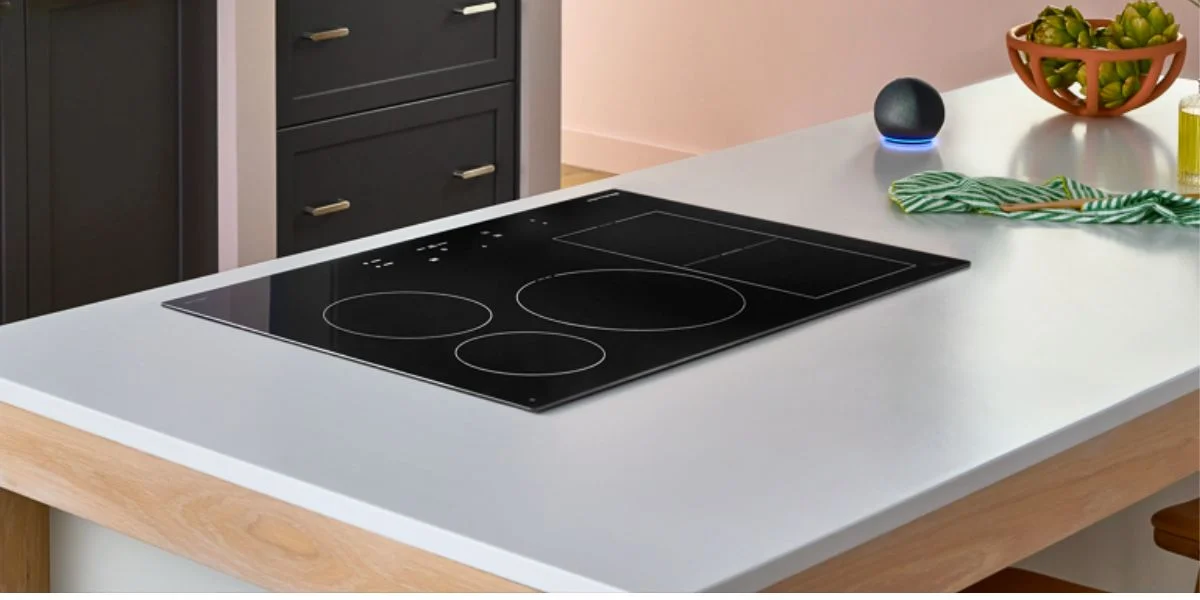
Induction cooktops are growing in popularity, offering home chefs an enhanced way to prepare delicious meals. And since these models only heat the cookware, spills and splatters can often be cleaned right away. After each use, it's good practice to wipe down the surface. Due to the smooth surface and lack of raised burners, this process shouldn't take longer than five minutes.
What You'll Need
The glass surface of an induction cooktop is designed with easy maintenance in mind, meaning only a few items are needed for proper cleaning. If you're unsure if something is safe for your cooktop, please refer to the owner's manual. The manufacturer usually provides information on what to avoid and recommended cleaning products for your specific model. To clean your induction cooktop, you'll need:
- A soft, non-abrasive cleaning cloth, sponge or pad
- A soft, non-abrasive dry towel
- Warm water
- Mild dish soap
- A spray bottle or small bowl
- A gentle cooktop scrapping tool (optional)
Step One: Let the Surface Cool Completely
Though heat isn't generated, your cookware might have transferred heat to the surface. This is a great time to clean up the rest of your kitchen and dining area.
Step Two: Remove Burnt-On Grime
Grab a scraping tool and carefully remove grease and stuck-on bits. To avoid accidental scratches, hold the tool at a flat angle and move in one direction. Repeat as needed. If there are no burnt parts or residue, this step can be skipped.
Step Three: Create Your Cleaning Solution
Add a drop or two of dish soap to some warm water in a spray bottle or small dish. If desired, you can also use a mixture of baking soda and diluted vinegar. If using an approved cleaner, simply spray the surface.
Step Four: Wipe Down the Surface
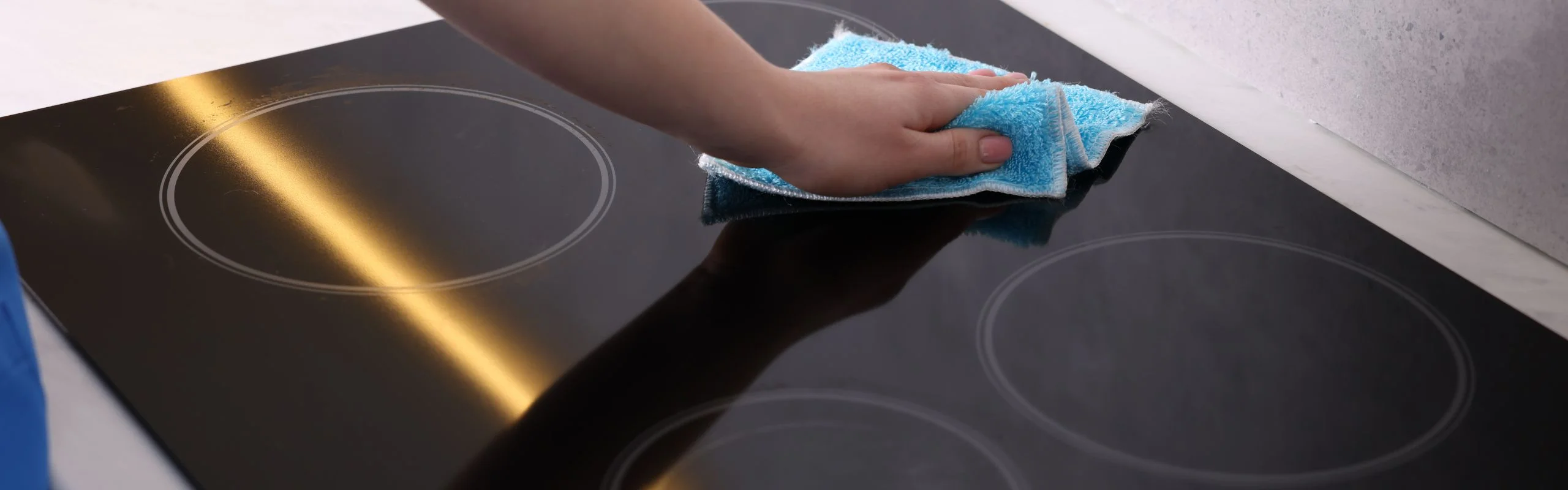
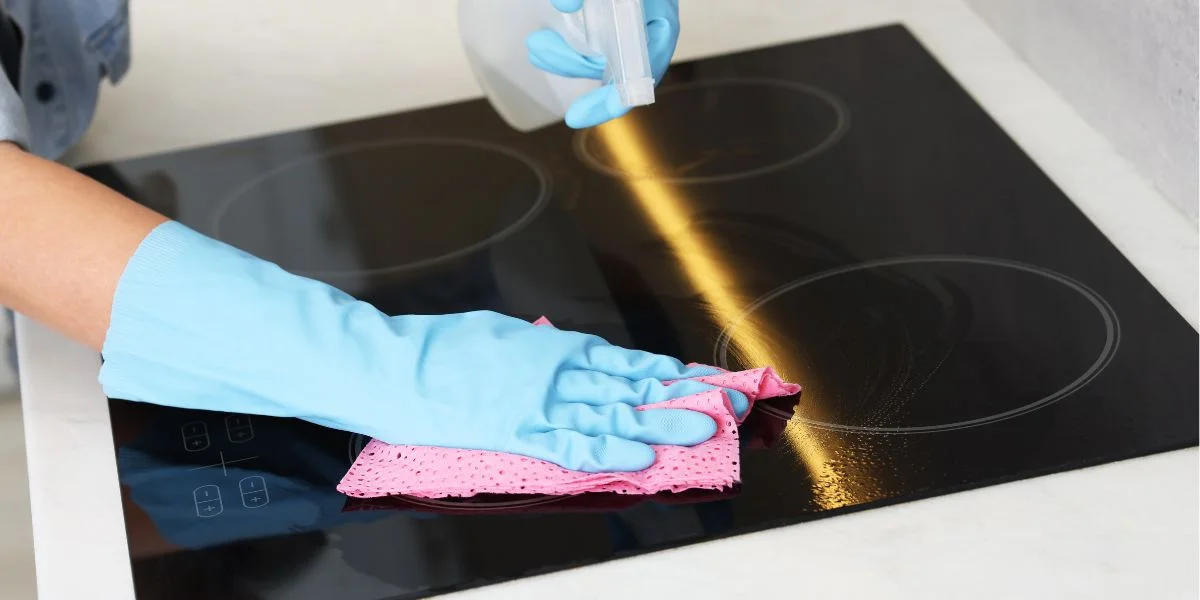
Either spray the cooktop or wet your non-abrasive cloth or sponge with your chosen cleaner. Then, gently wipe the surface. Pay attention to any areas that may need more attention, particularly if there's any sticky residue.
Step Five: Dry with a Non-Abrasive Towel
Once the entire surface has been cleaned, use a soft, dry towel or cloth to remove any excess moisture. This helps prevent streaks and unwanted watermarks.
What About Stubborn Grime or Burn Marks?
Depending on the mess, there may be stuck-on residue or lingering burn marks, either caused by a boil-over or a spill. If you find yourself in this situation, don't panic. Grab your scraper and gently remove any food or sticky residue. Then, spray white vinegar onto the spot, being sure to cover some of the area around it. Sprinkle some baking soda over the vinegar and let the mixture fizz for a few minutes. Once the fizzing has stopped, grab a clean, non-abrasive towel and wipe away the vinegar and baking soda. Repeat these steps if needed to ensure no food remains.
What to Avoid
Though induction cooktops are known for their durability, there are still certain materials and chemicals that you want to avoid to keep your appliance looking and performing properly. Remember, you can always check the owner's manual if you're ever unsure what can and can't be used. In general, it's good practice to avoid:
- Abrasive materials, such as scouring pads, heavy-duty scrubbers, and steel wool
- Bleach and ammonia
- Glass cleaners
- Rust removers
Upgrade Your Kitchen with the Power of Induction
In the US, the popularity of induction cooktops has been growing, making its way into many homes and commercial kitchens. In addition to their easy maintenance, these appliances use electromagnetic energy to heat cookware. This means faster heating times, increased energy efficiency and a safer cooking space, as no residual heat is produced. This makes induction cooktops a great option for households with young children. Contact our experts at 800-860-3577 or visit our Learn Center to learn more about induction cooking.
How to Clean an Induction Cooktop FAQs
-
No, glass cleaners are not recommended for cleaning induction cooktops.
-
To remove burn marks from an induction cooktop, use a scraper to remove any residue. Then, spray white vinegar on the surface and sprinkle baking soda on top. Let it sit for a few minutes before wiping it away with a clean, non-abrasive towel or cloth. Repeat if needed.
-
It's best practice to clean your induction cooktop after each use.