How To Buy an Outdoor TV

Not sure how to buy an outdoor TV or which one is best for you? Get ready to enjoy afternoons on the patio and evenings on the outdoor sectional in a whole new way—all with screens that can withstand the weather, the sun and even extreme temperatures. Whether you're hoping to watch the game out back with the boys or enjoy a movie over a crackling fire pit, discover what you need in your backyard with our outdoor TV buying guide.
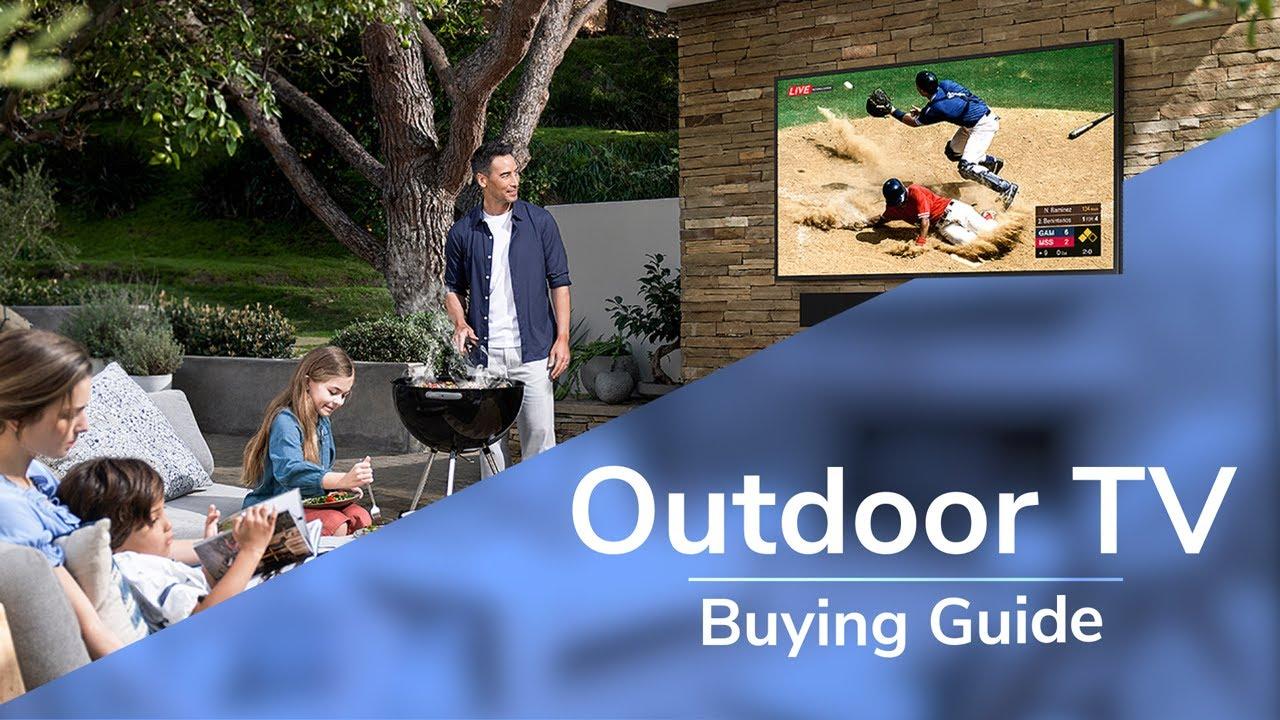
Do I Need An Outdoor TV?
Entertainment doesn't have to stay indoors anymore. Nice weather means everyone wants to head outside, whether they're taking a nap in a hammock, playing ball outside, hanging out with friends or just lounging. A big outdoor TV elevates your entertainment experience, but the main reason anyone would want one? You get to enjoy the best of nature all while keeping up with your favorite entertainment. Stay updated on local news, watch the baseball game, smash past friends online on your favorite video game console and more. And you can do it all as you soak up the sun. But they're not all the same, so make sure you're making an educated choice when you buy.
Before You Choose, Consider Your Outdoor Space
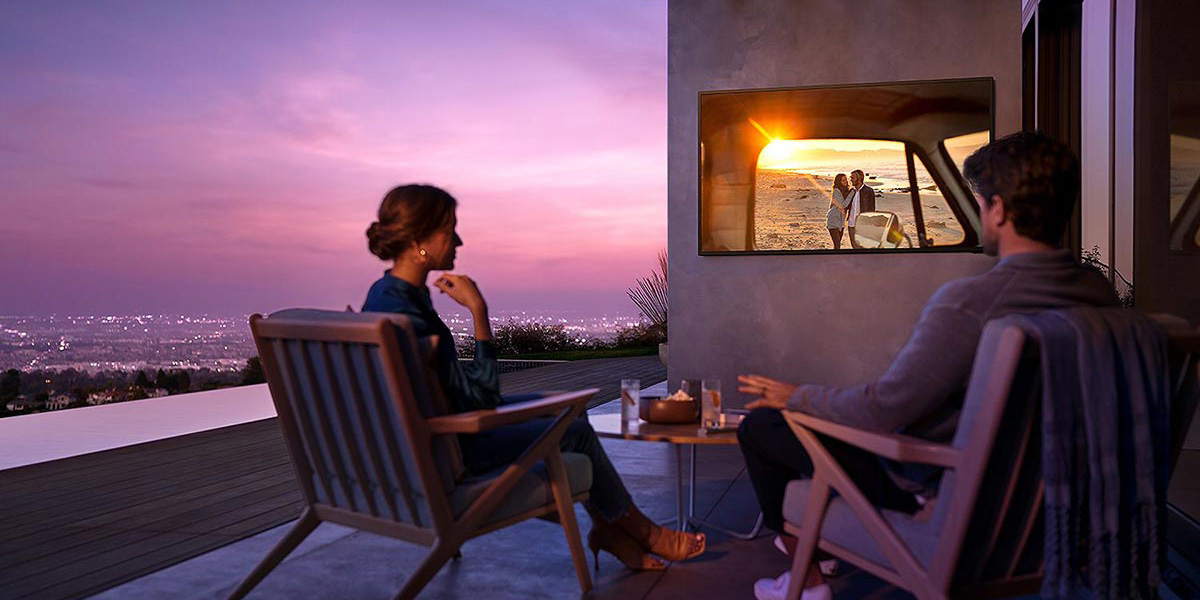
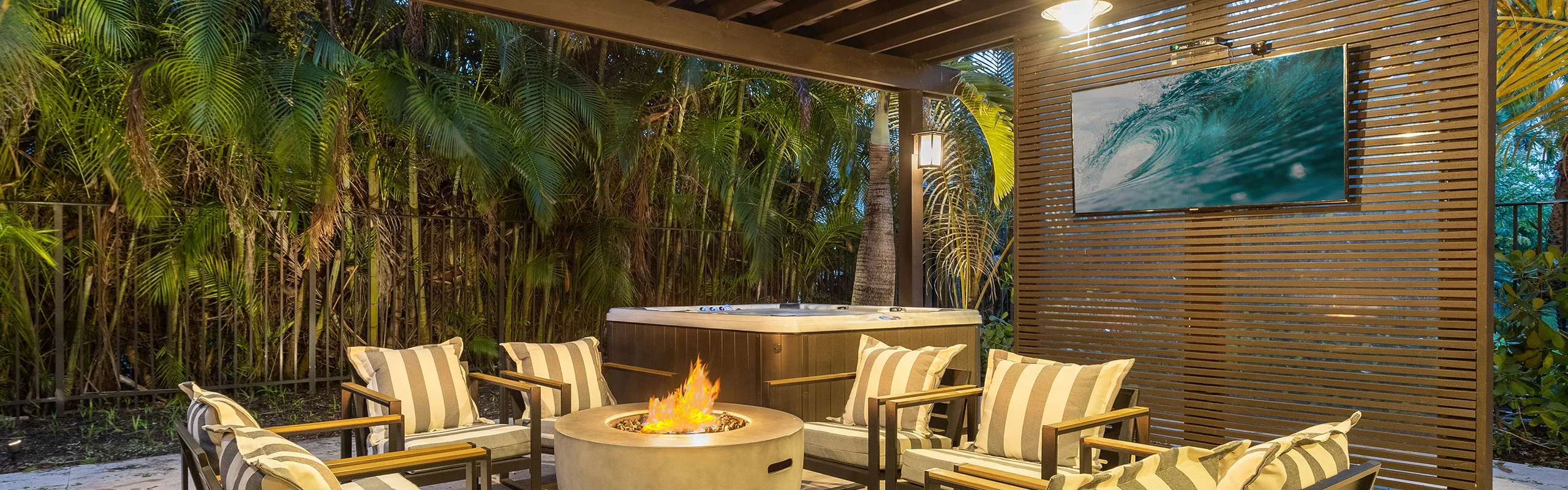
Think about where you want your outdoor TV to live, no matter what you'll be watching. You might mount it onto an outdoor fireplace, attach to the side of the home for some cover or find complete cover from a shaded porch that blocks the sun's rays. Where you place your outdoor TV is more important than you might think is, and that's all about how much sunlight it receives. Make sure you keep in mind the direction your screen will face—east vs west, north vs south. That will determine the amount of sunlight you get.
Full Sun, Partial Sun or Full Shade?
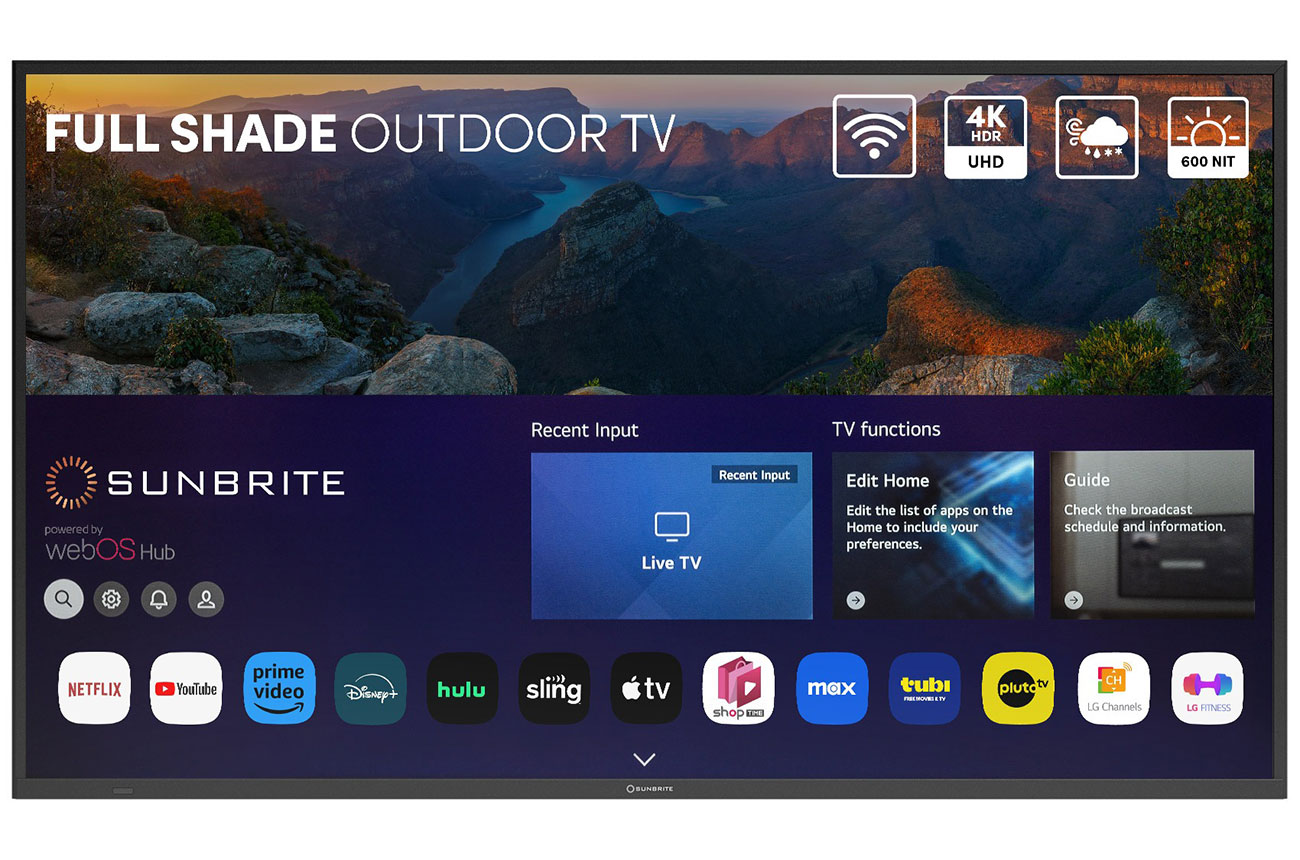
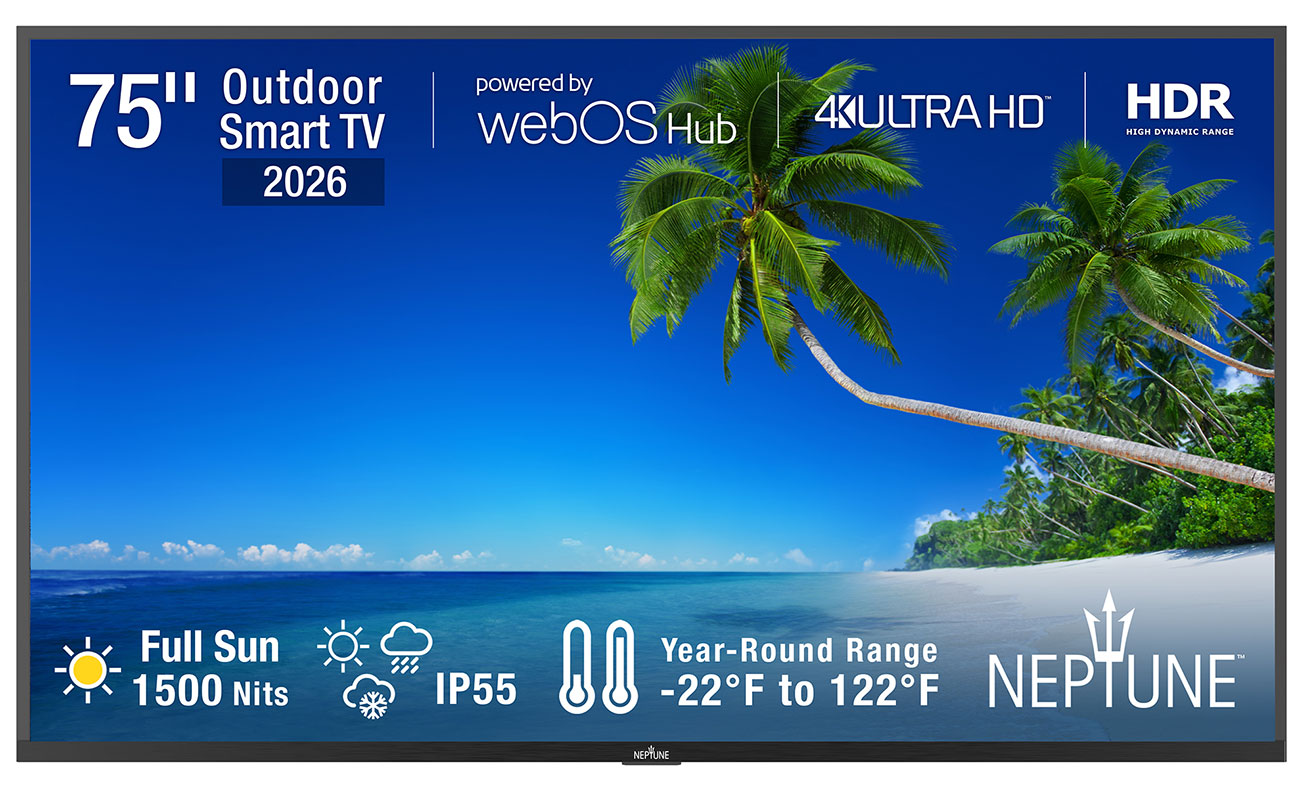
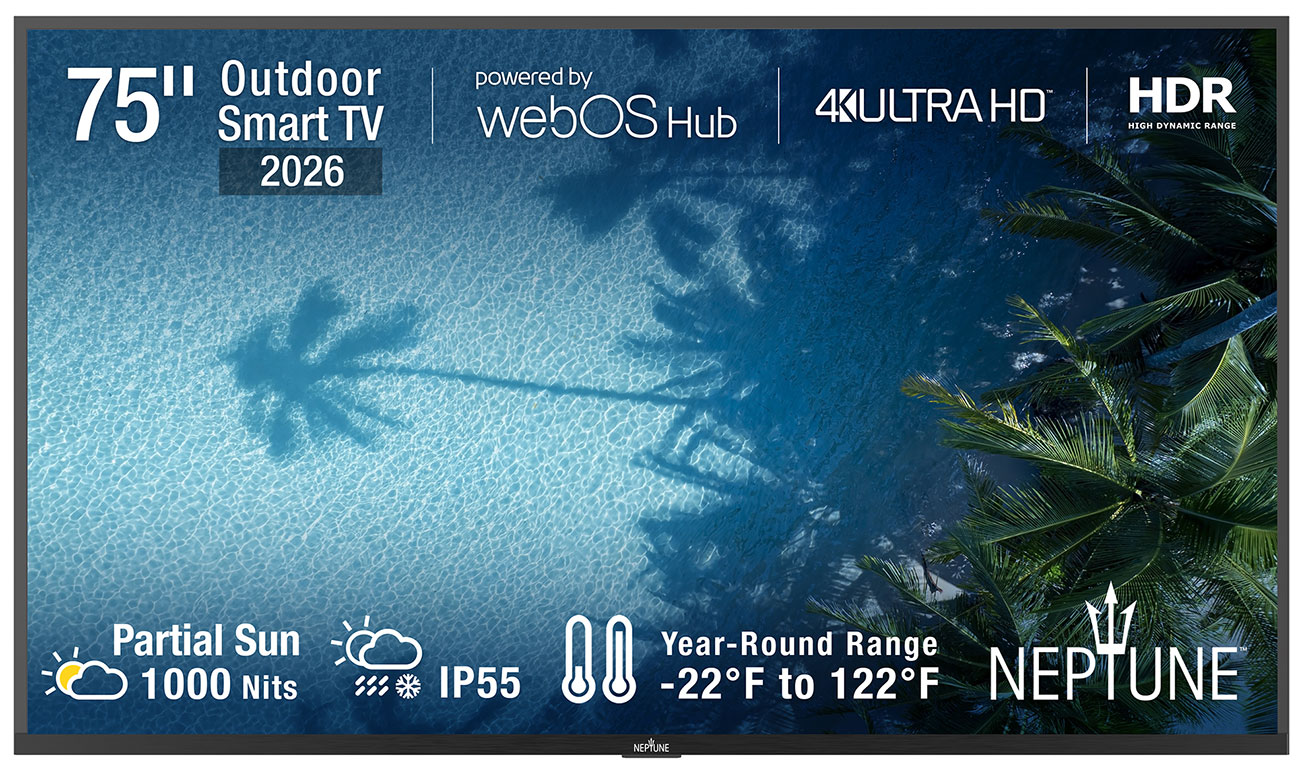
Before buying, make sure that the outdoor TV you love is rated for the sunlight your space receives. For TVs installed in a location with full sun exposure, be sure to only use a model rated for that level of sunshine. Anything else will break down quickly and void the manufacturer's warranty. Meanwhile, partial shade outdoor TVs are made specifically to be placed beneath a covered space like a porch or pergola. And while both full shade and partial shade models will have significant weatherproofing effects on the interior, their exterior elements are not made to sit in the sun or rain all day. The screens themselves are designed with different brightness levels as well, making them hard to view in bright light.
Meanwhile, outdoor TV models designed for full sun are created with a higher degree of weatherproofing in mind. These outdoor TVs are crafted with corrosion-resistant internal parts along with ultra-bright displays. With all of that power, they can stand up to direct sunlight and still provide a great picture. Additionally, their external frame is made to be as weather-resistant as possible.
What Size Outdoor TV Should I Choose?
Just like standard televisions, it's important to choose the right size outdoor TV for your space. The biggest one you can afford isn't always the best choice—consider how large your viewing area is and the distance you'd be from the screen as viewers watch. If you'll be relatively close, going all out on a 90-inch model will be overwhelming. But you'll have a hard time seeing a small outdoor TV if you're sitting far away. The general rule is to buy what fits your home best; you'll enjoy being able to watch your media from the pool, the patio and all across your space. Use our calculator below to check the best outdoor TV size for your space.
TV Screen Size & Distance Calculator
Or
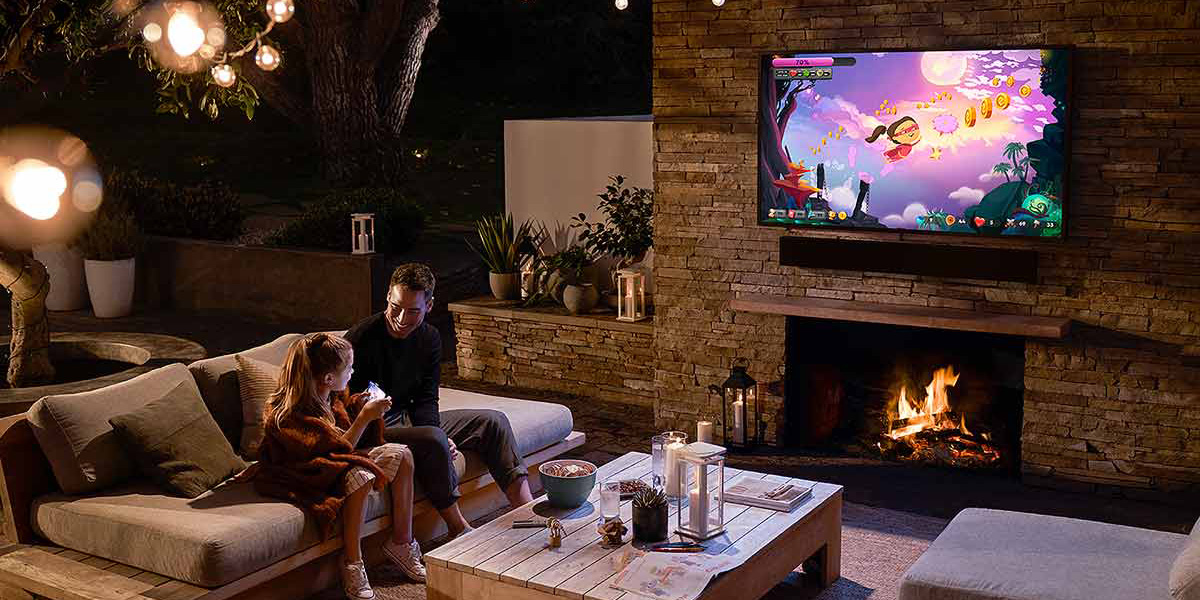
Mounting Your Outdoor TV
Once you've picked out the model that's perfect for your needs, it's time to figure out how it'll stay in place. Choose between a few different options, like mounting your outdoor TV flat, choosing a mount that pivots or placing the stand atop some weatherproof furniture. Flat mounts are best for watching from one spot or side of the yard, while pivoting mounts are great for if you'd watch from different seating areas, like the backyard sectional in front or the dining table off to the side. Meanwhile, you might opt for the classic way—don't mount at all. Instead, you'll be installing a stand and placing it atop a weather-resistant console table.
Connect to Cable, Satellite, Wifi, Speakers & More
Finally, you'll want to make sure that your outdoor TV has everything it needs to function correctly, and that includes a nearby electrical outlet. Once you're plugged in, you're going to want to watch something, too. Streaming and cable boxes are going to have to live somewhere if you use them; you can hide these in a cabinet below if necessary. If you have a smart TV and choose to only use that internet connection to stream content, you might run into a different problem—connecting to the internet. If you're far from your Wi-Fi router, you might experience a slow connection (or no connection at all). This problem can be easily solved by Wi-Fi range extenders or boosters. Hoping to do it the old-fashioned way? Pick up an antenna to watch local stations for free.
Do I Need A Soundbar?
Finally, you'll want to make sure you can hear your outdoor TV as well as you see it. Like many indoor screens, most of these electronics come with low-volume speakers built in (that's because screens are made skinnier these days—there's no room for the speakers inside). Make sure you can hear everything with a sound system that meets your needs: choose between all-in-one systems like a soundbar, or adjustable and positional speakers you can place all across the yard. There are even some that masquerade as rocks and other backyard tenants if you'd like to keep your look as natural as possible. For help choosing the sound system or screen that's best for your space, call us at 847-954-4140 or check out our speaker buying guide article and our article on indoor TV buying. Whether you spend your time out back grilling for friends and watching the game or just streaming your favorite shows, you'll have a blast enjoying the best of nature with your new outdoor TV.
Outdoor TV FAQS
Do I need an outdoor TV?
That depends on a few factors, such as how much time you spend outside, how much you enjoy being out there, how well-outfitted your space is and whether you like to entertain. If you've answered "very" and "yes" to all of these questions or even some of them, you should consider buying one. Whether you're grilling up dinner or enjoying mingling with friends, it's the perfect entertainment to give you a break.
Do I need an outdoor TV cover?
Absolutely. While different models are designed with some to high degrees of weatherproofing against the elements, a cover will help to prolong the lifespan of your device (and keep it working like new). No matter what brand you buy, make sure you always cover it up after you finish watching—even if there's no rain in the forecast.
Can any TV be used outdoors?
No, outdoor TVs are made to withstand sun, water and weather, while indoor TVs have none of that protection. Indoor televisions are fragile and are made to stay indoors. Even if you find a spot to hide your television under the eaves, it will likely still sustain considerable damage from the elements.
What is the best outdoor TV?
That depends on your needs. You'll want one that's the right size for your space and that can withstand the elements you expect in your own space. Samsung The Terrace brings impressive performance, while brands like Peerless-AV and SunBrite have more budget-friendly choices that still deliver beautiful video. Explore your options here at Abt to make sure you're choosing from top outdoor TVs.
Do you need an outdoor TV for a covered patio?
Yes, you do. That's because covered patios can't protect a TV from extreme temperatures. Outdoor TVs are relatively weather-resistant and operate well at both low and high temperatures. That means that even on a covered patio where temperatures can reach high or low peaks, your outdoor TV will be functioning well. Even if your covered patio keeps the sun and water off of a regular indoor TV, temperature changes will cause damage.
Are all outdoor TVs weatherproof?
To a degree. As a general rule, partial sun versions tend to have partial weatherproofing and produce a lower brightness (in Nits) than a full sun version. Meanwhile, the opposite is true of ones designed for full sun: they're made to withstand rain, sun, pollen, insects and more, 24/7. That being said, keep in mind that these completely-weatherproofed screens will be more expensive than models made to exist beneath a porch or pergola. No matter what, keep that cover over your device when not in use to prolong its lifespan. To measure just how weatherproof one is, check its IP rating. Weigh your budget against your weatherproofing needs, and that will help you make a decision and choose the right product for your home.
What is the best outdoor TV antenna?
With so many options for how to access visual content, the classic TV antenna can get left in the dust—but they offer free local stations, helping users to access one of the only subscription-free sources of news, shows & more. The best outdoor TV antenna will be able to catch a strong signal, which differs depending on where you live. Explore ratings online and check to see how far different models can reach and what quality they'll provide, from simple HD to full 4K resolution. There are even indoor TV antennas, but they may not have as strong a signal as the models that sit atop your roof.