Tankless vs. Tank Water Heater: Which Is Best?

What Is a Tank Water Heater?
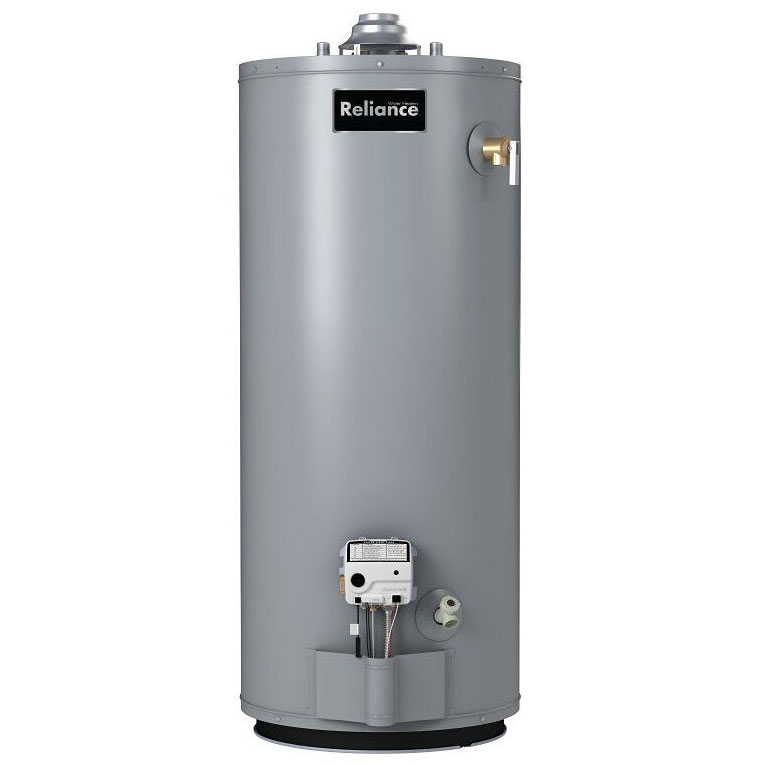
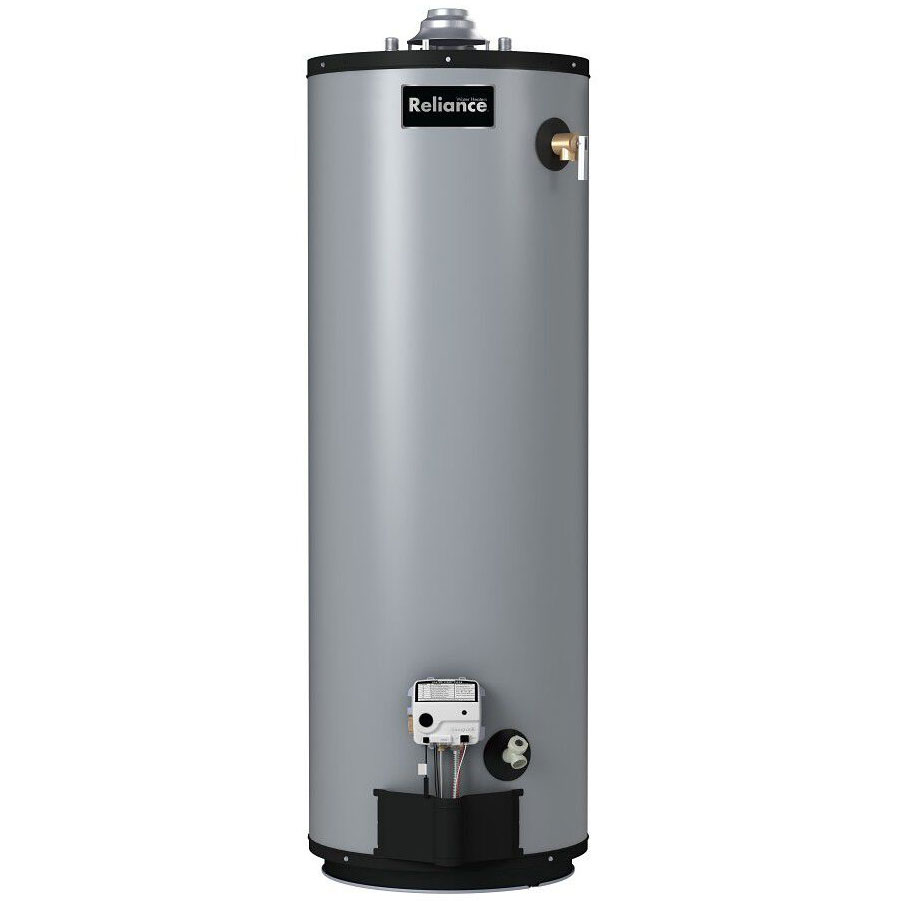
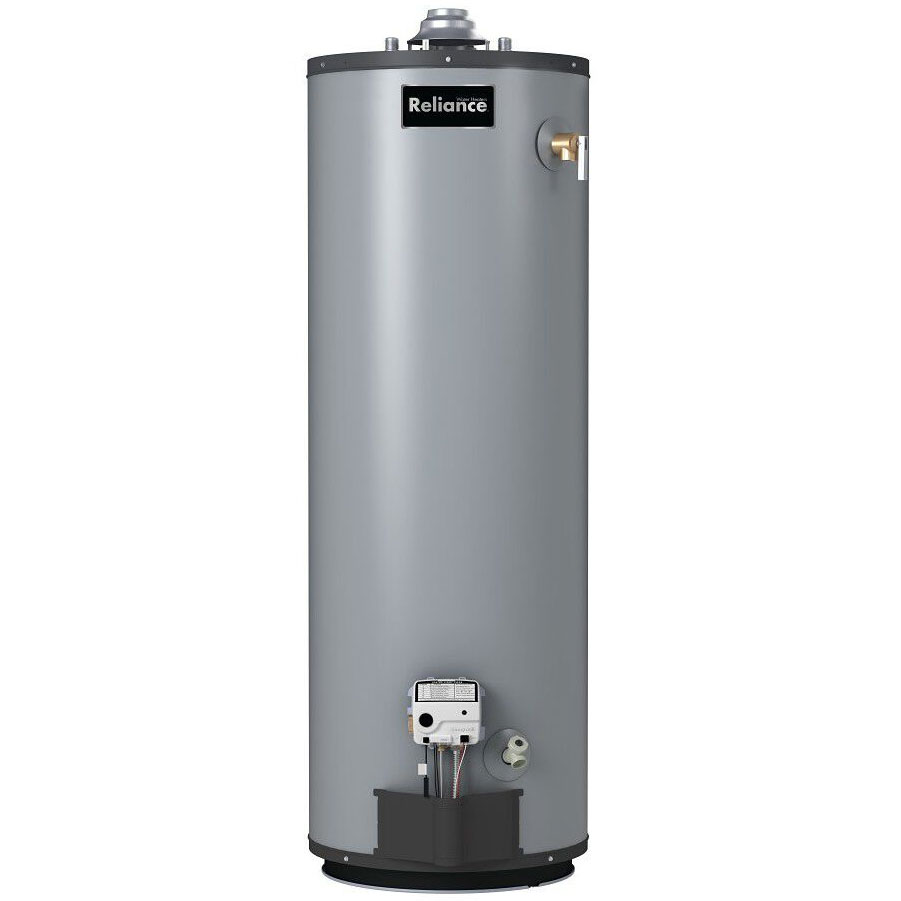
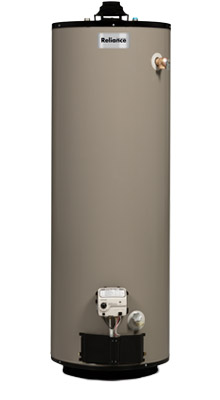
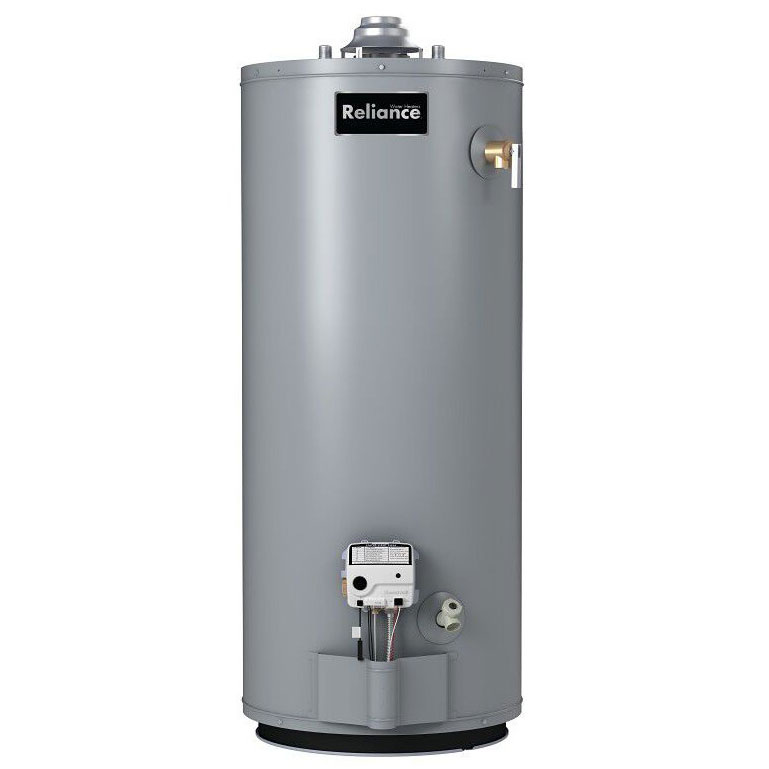
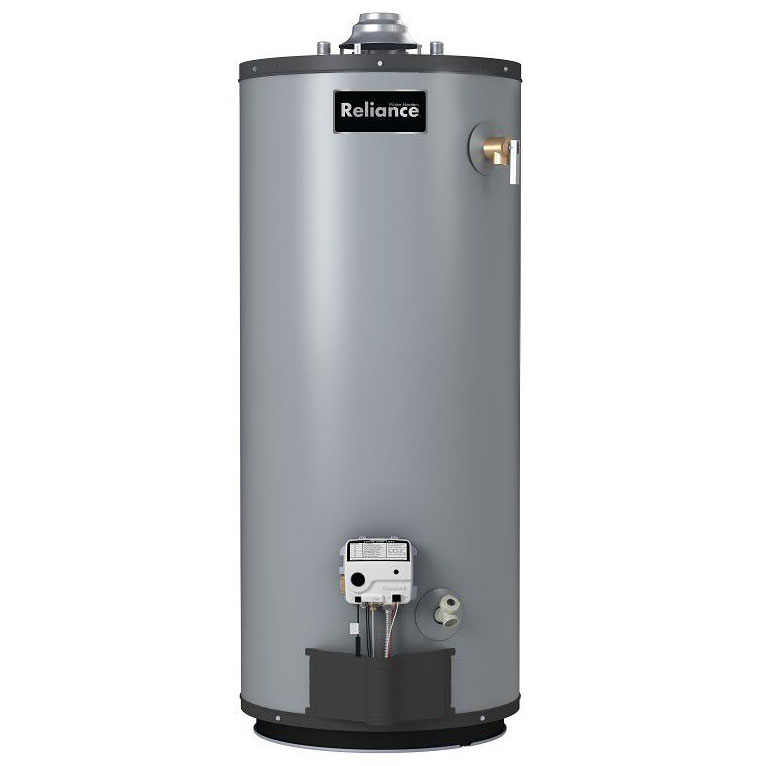
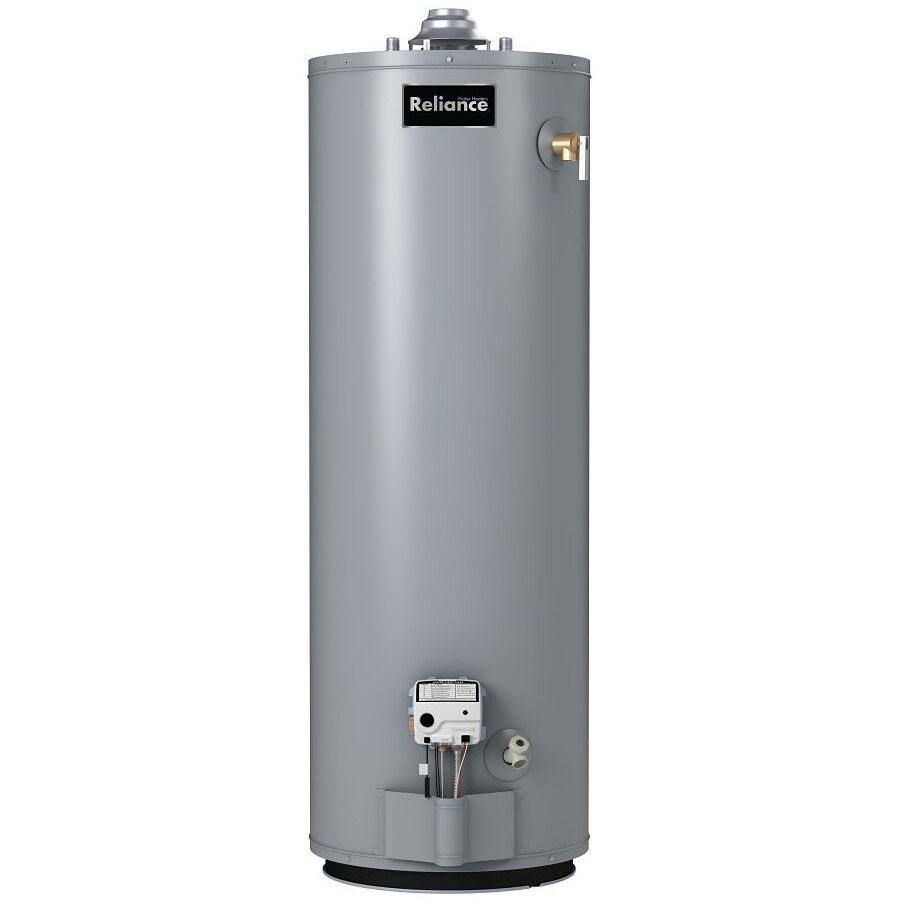
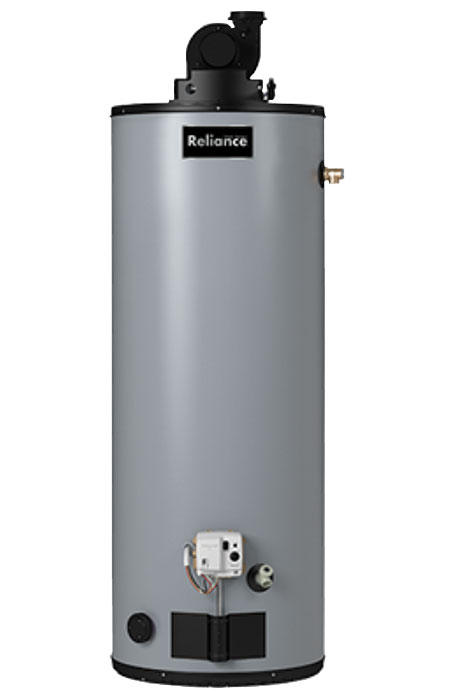
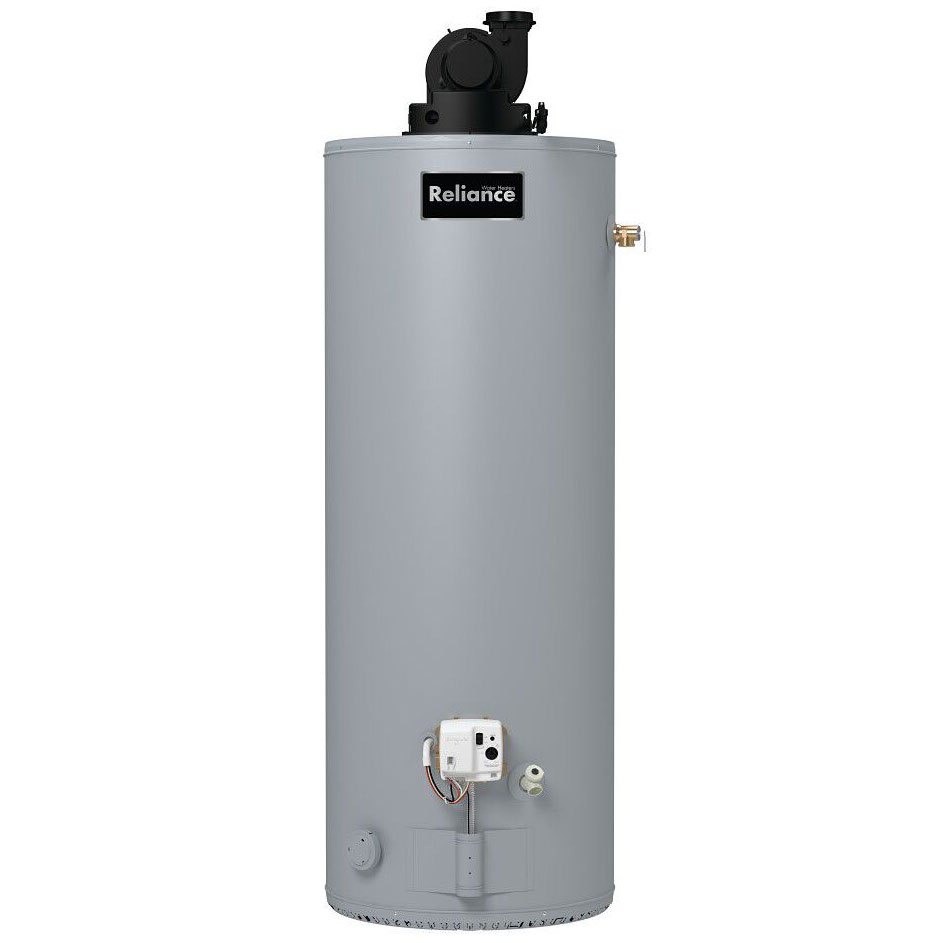
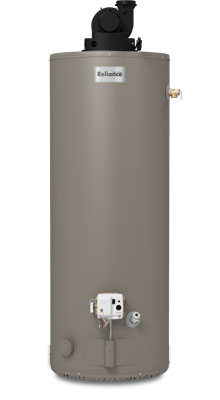
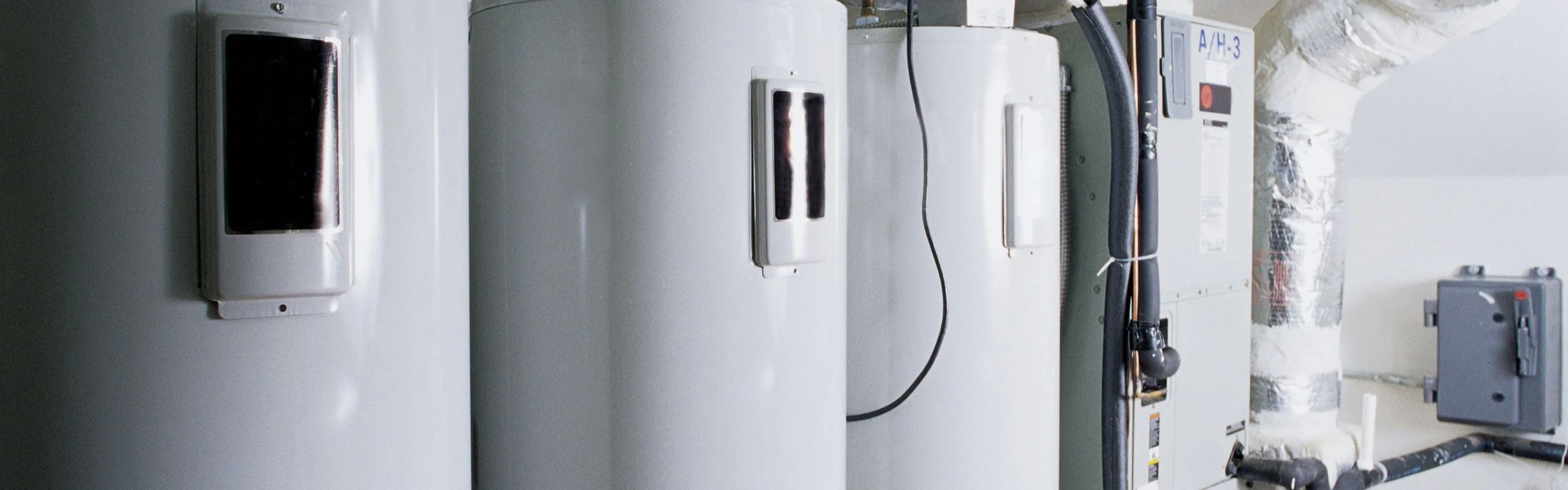
Before we compare tankless vs. tank water heaters, it's a good idea to understand both types-along with their pros and cons. Tank water heaters are the more traditional of the two. An insulated tank fills with and holds water while a heat source like natural gas or electricity keeps the water hot. Once the water is used (during a hot shower, while washing dishes or any other way) the tank refills with cold water and begins to heat again. You have different sizing options to choose from, and you'll want a larger size if more people live in your home. A good rule of thumb? Dedicate around 15 gallons of water to each person-or more if they tend to take longer showers or frequent baths.
What Is a Tankless Water Heater?
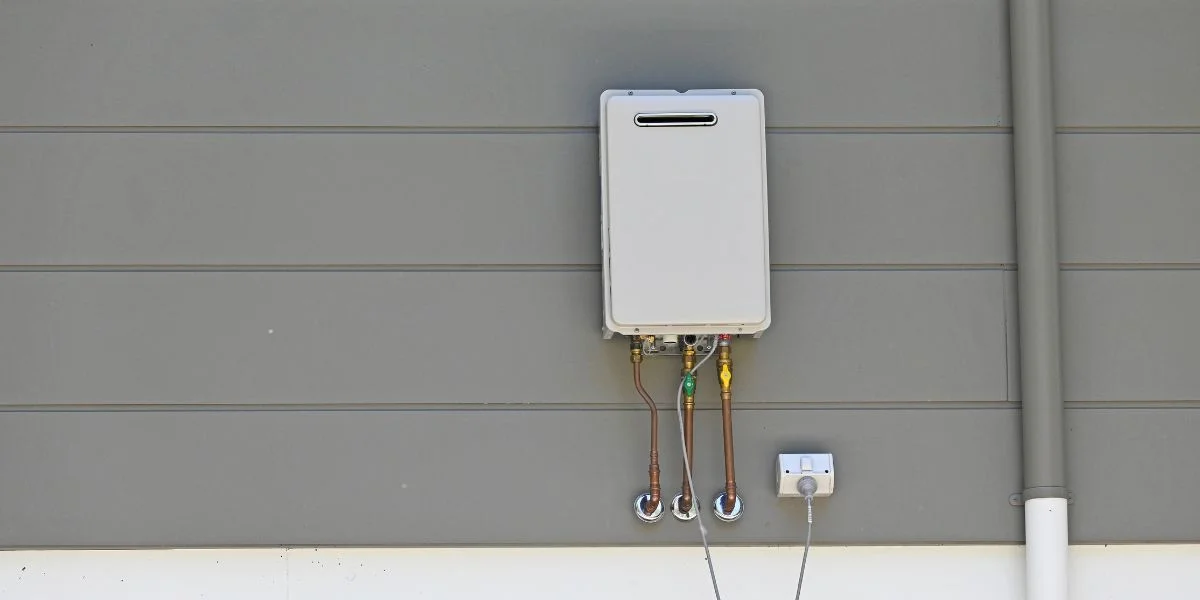
When comparing tankless water heaters to tank models, tankless water heaters are the exact opposite in that there is absolutely no storage for hot water at all. Instead of an extra-large tank that stays in your utility closet or basement, these units are slim and mounted on the wall. Water flows into the tankless water unit, is immediately heated, and the hot water flows out and on to its destination, be it the restroom, kitchen sink or somewhere else. The idea is that you'll have endless hot water with a heater like this. While you won't need multiple "gallons" of storage space if you have many people in one home like with a tank water heater, you may still need more than one tankless water heater, especially if you have an extra-large house with a large family.
Tankless vs. Tank Water Heater: The Good and the Bad
Whether you're building a new house from the bottom up or it's time to replace an old system in your current home, water heaters of any kind are investments-and they last a long time. You'll want to make sure you pick the right choice for you, your family and your home. That's why we've laid out some of the pros and cons of a tankless vs. tank water heater.
Tank Water Heaters: Pros
- Tank water heaters are common, making them easy to find, choose, replace and maintain.
- They cost less to install upfront, making these a serious option to consider if you're on a budget.
- Many homes are designed with tank water heaters in mind, making them very compatible with all kinds of living spaces.
- A reliable supply of hot water is always at the ready if you choose the right size tank for your home.
Tank Water Heaters: Cons
- Tank water heaters aren't very energy efficient-heat is lost as water waits to be used, leading to high energy bills.
- The tanks are physically large and take up extra space in your home.
- When tank water heaters are empty, you're out of hot water and have to wait for yours to refill and reheat.
- Tank water heaters tend to last between 8 and 12 years, while tankless heaters can last as long as 20 years.
Tankless Water Heaters: Pros
- Tankless water heaters are becoming more popular with new homeowners as they choose between tankless vs. tank water heaters.
- These are designed for energy efficiency. There's no heat loss, like the kind you may find from the hot water waiting to be used in a tank water heater system.
- A compact tankless water heater takes up little space and is installed directly on a wall, giving you back extra square footage.
- Users get unlimited hot water. There's no tank that runs out of water and needs refilling; instead, water enters through the unit, heats here and heads right to you on demand-and for as long as you'd like.
- Tankless water heaters can last as long as 20 years, while tank models only last between 8 and 12 years.
Tankless Water Heaters: Cons
- The higher upfront costs in both purchase and installation drive some away-though costs can be recouped in energy savings in the long term.
- Installation can be more difficult than it would for a classic water tank, as tankless models may require electrical or gas line upgrades.
- A single tankless water heater can have trouble meeting the home's hot water needs, especially if many are using the hot water at the same time. The result can be wavering water temperatures.
Does It Come Down To Budget?
It can, but that's certainly not the only factor. One of the top considerations in the fight between a tankless vs. tank water heater is undoubtedly a homeowner's budget. And this can be tough to grapple with, because either option may be better for your budget depending on the situation. If you need to keep upfront costs as low as possible, then a tank water heater might seem like the perfect option. But it's important to think about the long term as well-while tankless models are expensive to buy, the long term is where tankless models truly shine. These are made for energy efficiency, cutting down on utility bill costs (and making the world greener in the process). Both are great options, but it depends more on what works for you, your budget and your home. And if your space was designed for one or the other, there may be some additional concerns there, too.
Zooming In on Energy Efficiency
Energy efficiency is one of the most important factors you can consider when purchasing a new appliance, especially one that's going to live as long as a water heater-and that you'll be using multiple times every day. A tankless vs. tank water heater: we've mentioned that tankless versions are far more energy efficient since there's no standby loss of heat, but here are some numbers. According to the U.S. Department of Energy, these water heaters can be 24-34% more energy efficient than conventional tank models in homes that use 41 gallons or less of hot water daily. That number decreases for homes that need more and more water. For example, they can be 8-14% more energy efficient for homes that use 86 gallons of water a day. However, energy savings increase if you install more than one tankless water heater. Those are just some of the generalized numbers for the average home-to learn more about which would win in the tankless vs. tank water heater competition for your home, come to the experts, like our certified specialists at Abt.
Which Is Right for You?
Making the choice can be tough: tankless vs. tank water heater. Which one is right for your home? Going into the process, you've got all the info you need to make an educated decision (and you can find even more info from our water heater buying guide). But what you can't find from skimming through articles is expert help. Abt's team of trained, skillful and certified specialists can help you along the entire journey. Whether you're not sure which model to buy, are having trouble choosing a size or have questions about the installation process, our team is here to help every step along the way. From purchase to installation to future maintenance and beyond, we're here to help-and we can assist with other plumbing needs as well. Call us at 800-860-3577 if you have questions, or reach out to our team using the form below.
Get Plumbing Assistance from Abt
Contact Us
Tankless vs. Tank Water Heater FAQs
How long does a water heater last?
Tank water heaters often last between 8 and 12 years, while tankless heaters last as long as 20 years.
How does a tankless water heater work?
Tankless water heaters heat water on demand. Cold water flows in, is quickly heated, then flows onward to your dishwasher, shower, kitchen tap or other destination.
How much does a tankless water heater cost?
Tankless water heaters cost more than tank water heaters. You're often looking at a cost between $3000 and $6500.