Main Content

Satellite Radio Buying Guide

A comprehensive guide that will give you all the information you need on how to buy mobile satellite radios.
Getting Started
Satellite radio has become increasingly popular since its launch in the consumer market in 2001. For those who don't know what satellite radio is, it's time to turn off your home radio and your car stereo and step into the next generation of on-the-road entertainment.
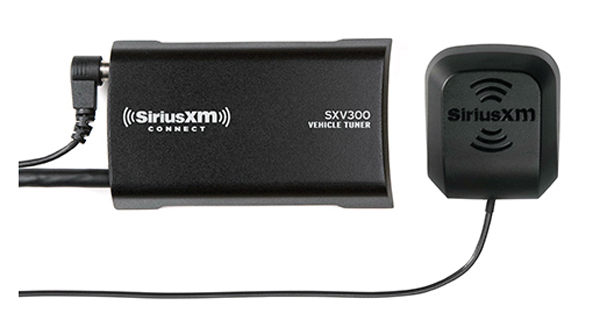
Satellite radio allows listeners to enjoy hundreds of radio channels provided by, you guessed it, satellites. News, sports, entertainment, talk-radio, and music are all brought to you in crystal-clear, commercial-free audio. Until recently, satellite radio had been dominated by two separate satellite radio providers: XM Satellite Radio and Sirius Satellite Radio. In 2007, a merger between the two companies was approved by their respective shareholders. In late 2008, the FCC approved the merger, and now SiriusXM Radio, Inc., is the holding company for the two satellite services. Sirius also offers a mobile app so you can enjoy your satellite radio subscription even if you're not driving.
Frequently Asked Questions
Is There A Monthly Fee?
Yes, just as with cable and satellite TV, there is a monthly fee. SiriusXM has packages that range from $10.99 per month to S19.99 per month (prices are subject to change). These fees are paid directly to the satellite radio companies. For an additional $4.00 per month (available with some packages), subscribers can receive SiriusXM Radio for your PC, Mac, smartphone or tablet.
Are There Different Programming Packages With Different Rates?
Yes, SiriusXM offers a few different packages that range from $10.99 per month to $19.99 per month.
Does Satellite Radio Have Commercials?
SiriusXM offer commercial-free music channels with genres like: Rock, Hits, Urban (Hip-Hop), Decades, Jazz, Blues, Classical, Pop, Bluegrass, and more.
How's The Sound?
Just like listening to a CD or MP3 Player, the sound is usually flawless. This means that there will be no static, which is typical with AM and FM signals. However, like a TV satellite dish, satellite radio CAN be affected by large objects directly blocking the signal. Also, traveling through a tunnel or heavily dense woods can deteriorate the signal. Things like highway overpasses and trees won't usually cause any problems.
Over 90 Years Of Experience


Your recently viewed items:
GE Hotpoint 1.4 Cu. Ft. Capacity Spacemaker Microwave Oven - RVM1435BK

GE Hotpoint 1.4 Cu. Ft. Capacity Spacemaker Microwave Oven - RVM1435BK
Contains 1 Reviews
1
GE Profile 27" Built-In Single Convection Wall Oven - Bisque Finish

GE Profile 27" Built-In Single Convection Wall Oven - Bisque Finish