


Can You Grill in the Winter?
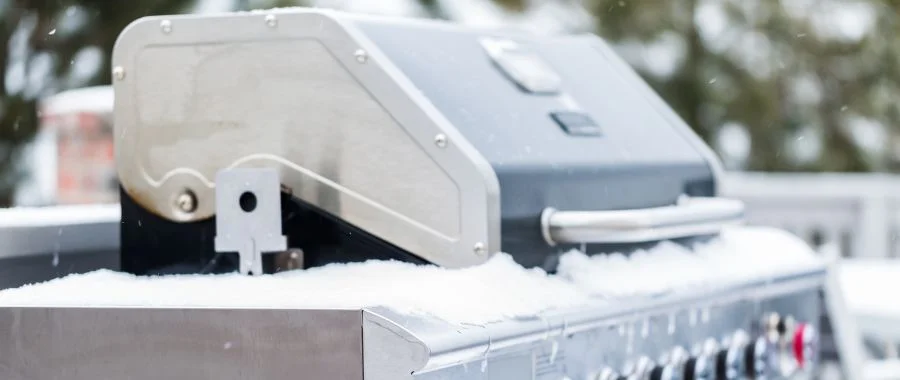

The colder months are often filled with freezing temperatures and snow-covered outdoor spaces. However, this season doesn't mean your outdoor hobby needs to be put on hold. You can keep enjoying the tasty flavors of roasted vegetables and charred meats made in your outdoor kitchen with a few simple tweaks to the process. For example, the sun sets much earlier than in the summertime, so you'll need to make sure you have enough light, either by cooking earlier in the day or via outdoor light fixtures. Below, we dive into more tips, tricks and expert recommendations for grilling in the winter to keep you safe and your food tasting delicious.
Abt's Winter Grilling Tips
Extra Fuel and Cook Times
Before firing up your grill, make sure you grab some extra fuel and block out more time than usual. The frigid temperatures mean preheating and cooking times will be longer than during the typical patio season. To boost heat retention, place the grill perpendicular to the wind and try to keep the lid closed as much as possible. While it might be tempting to check on your food, the chilly air rapidly cools the chamber, which might affect the results. That's why sticking to what you know is highly recommended during the colder months. If it's a recipe you're comfortable with or know by heart, then you won't feel as tempted to open the lid, and you'll have a good idea of any adjustments to get the results you want.
Remember to Bundle Up
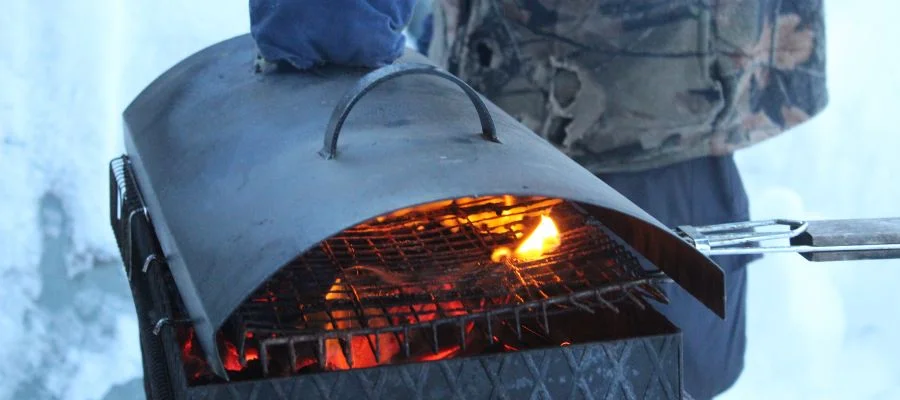
Even though you'll be cooking over an open flame, you'll still need to dress for the temperature and outdoor conditions. This includes items like gloves, hats, and insulated coats or jackets. However, stay away from accessories that dangle, such as scarves. As you prepare to brave the cold, keep in mind that snow gloves do not equal grill gloves, and vice versa. Instead, wear your mittens first and switch them out before opening the lid. This will keep you as protected as possible from both excessive heat and below-freezing temperatures. Grilling in the winter doesn't need to be a hassle, but proper attire is important to keep you protected against the frigid temperatures.
What if There's Snow?
Depending on where you live, there might not always be snow during the wintertime, meaning grilling in the winter isn't much of a challenge. However, if your area tends to get some of these frozen flurries, it's wise to invest in a grill cover. These protective shields prevent unwanted rust and corrosion, which can shorten the lifespan of your appliance. Whether you own a cover or not, you'll want to brush off any snow from the grill and shovel a mini patch around the area. Once you've shoveled, salt the area to prevent ice from forming. By removing excess snow from your cooking space, the ground's stability increases. This is particularly helpful when the snow is slushy or is difficult to move in, so you'll stay steady while flipping burgers or roasting vegetables.
Keep Your Grill Ventilated
No matter how tempting it might be, be sure to keep your grill in a well-ventilated area. Avoid moving it into a garage or a shed, unless you don't plan on using it until springtime. Proper ventilation is not just important for safety reasons, but it also helps prevent overheating for both food and the appliance.
Colder weather doesn't mean your grilled favorites need to go on pause; it just means there are a few extra steps to get the desired results. If you have additional questions about grilling in the winter, give our team of experts a call at 800-860-3577. Interested in upgrading your outdoor kitchen? Check out our in-depth grill buying guide to find the best model for your patio space.
Grilling in the Winter FAQs
-
Yes, you can use a propane grill in the winter.
-
Yes, you can use a charcoal grill in the winter.
-
Yes, you can use a pellet grill in the winter.
-
Yes, if you plan on using your grill in the winter, then it's recommended to leave it outside for proper ventilation.


