


Furnace vs. Boiler: What's Best for Illinois Winters?

The Main Difference Between Furnaces vs. Boilers
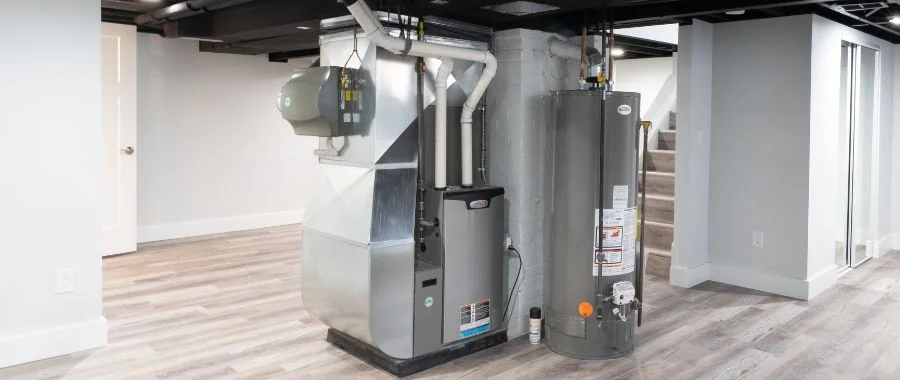
Before we get into the details of these heating methods, what is the main difference between them? The difference is how they heat your home: a furnace heats up air and pushes it through the ductwork in your home with a blower. On the other hand, boilers heat up water to high temperatures, then use a pump to heat radiant flooring systems or baseboard radiators throughout your home.
Fuel Sources for Furnaces and Boilers
Furnace systems can run on natural gas, propane, electricity or oil. Boilers, on the other hand, can use natural gas, propane, oil, electricity and even wood pellets as fuel sources.
Pros and Cons of Furnaces
One of the biggest pros of furnaces is that they're incredibly common; chances are, if you've lived in a home with central heating, you had a furnace. Additionally, they tend to cost a little less upfront and are typically easier to install. They also pair well with air conditioners for a complete central HVAC system. Plus, furnaces don't use water in the heating process, so you don't have to worry about frozen pipes on those particularly chilly winter days.
The main con of furnaces is their ductwork; this ductwork can potentially cause drafts and can help spread dust and dander. Of course, solutions like insulation and regularly changing your furnace filter can alleviate these concerns. Overall, furnaces require more maintenance.
Pros and Cons of Boilers
You may be interested in a boiler because it produces draft-free radiant heat, circulates fewer pollutants and allergens because of the lack of forced air and less overall maintenance. There's also no ductwork required. Additionally, boilers are potentially more fuel-efficient than furnaces, though there are furnaces on the market designed specifically for energy efficiency.
However, boilers have their cons, too. They tend to cost more upfront, and installation and setup is a more extensive process. Additionally, there's potential for major repair costs in the event of leaking or freezing water pipes.
Energy Efficiency of Each Heating Method
The energy efficiency of furnaces and boilers is expressed in Annual Fuel Utilization Efficiency (AFUE) ratings. To be considered a high-efficiency model, a furnace must have AFUE ratings of 85% or higher. For context, you can buy a furnace with a 96% AFUE rating at Abt. For boilers, AFUE ratings depend on the type of boiler and fuel source, with steam vs. hot water being one factor and gas vs. oil being another. Generally, boilers are more fuel-efficient.
Another efficiency factor to consider is the lifespan of each; the average lifespan of a boiler is 15 years, but with regular maintenance, you can potentially have one last for 30 years. Furnaces can last at least 15-20 years with proper maintenance. In short, boilers are more expensive upfront in terms of price installation, but offer more longevity and can potentially offer greater efficiency. Furnaces have a slightly shorter lifespan, but they're easier and cheaper to purchase and install.
Contact Abt's HVAC Team for Boiler or Furnace Installation
Whether or not you've decided between a furnace versus a boiler, the next step to take is contacting our HVAC department; either they can guide you towards the best heating solution for your home, or you can schedule installation service before temperatures really drop. Fill out the form to connect with one of our HVAC experts and get your home cozy before Chicago winter strikes.
Start Your HVAC Project
Get a Free Quote
Furnace vs. Boiler FAQs
-
The price range for a new furnace varies widely, depending on fuel type. Prices range from around $2,000 to $10,000. You'll also need to factor in the cost of installation; for a quote or to explore options in your budget, contact Abt's HVAC team.
-
A furnace typically lasts 15-20 years. Regular maintenance and tune-ups will prolong its lifespan.
-
Furnace filters should be changed every 2-3 months, or when noticeably dirty.
-
Boilers are typically more expensive upfront than furnaces; a new boiler can cost anywhere from $4,000 to $10,000. Again, be sure to also factor in the cost of installation.
-
The average lifespan of a boiler is 15 years, but with regular maintenance, they can easily last for 30 years.


