


How to Winterize Your Plumbing for Chicago Winters
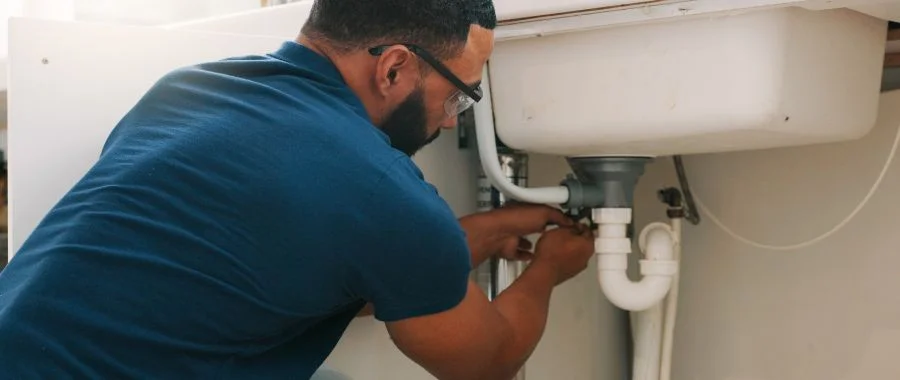

Locate Your Water Shutoff Valve
Even if you're at home, using water and running the heat, there's still a small chance that pipes can break or burst in extreme weather. Knowing where the water shutoff valve is in your home will help you respond quickly in the instance of pipe damage.
Turn Off Your Outdoor Water Supply
Gardens and pools are closed for the winter, so you don't need to access your outdoor water supply; plus, you don't want water freezing in your spigots or hose, which can cause extensive damage. Drain and store your hose indoors, whether in a shed or your garage.
Ensure Your Water Heater is Running Properly
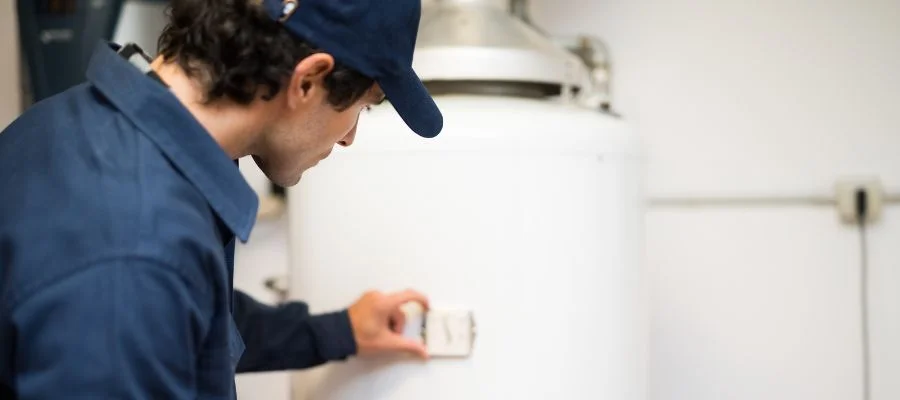
Hot water is especially important during the winter-no one wants to take a cold shower when it's below freezing outside. Make sure your water heater is running properly (if you're not sure how to assess your water heater, call a professional). You shouldn't set the heater higher than 125°F.
Inspect Your Attic Insulation
The attic is often unheated, but is also where pipes are often found. Ensure that the insulation around piping is in good condition to help prevent freezing. Do the same for any other areas in your home that aren't heated but contain piping (this can include the basement or crawl spaces). If needed, add insulation. Do the same for any exterior pipes.
Open Cabinet Doors
This step is less preventative; if temperatures drop below freezing, opening the cabinet doors under your kitchen and bathroom faucets will help keep them warm with your home's ambient temperature.
Let Your Water Drip
Another step you can take on particularly cold days is to let water barely drip from your faucets. Having water run through the pipes will help prevent freezing.
Winterizing Your Vacant Home
If you're leaving your home for an extended period of time, like those who escape the harsh Midwest winters to Florida or Arizona, there are certain steps to take to protect your plumbing. These simple steps can help ensure you don't come home to a flooded basement or other costly plumbing damage:
- Shut off the main water supply valve.
- Open all the faucets in the home to fully drain the pipes.
- Flush all the toilets to ensure they're empty, then pour a small amount of environmentally-safe antifreeze into the toilet to prevent standing water or dry rotting.
- Turn down the settings on your water heater.
- Don't turn off the heat entirely; instead, set it to a lower temperature around 55° to prevent your pipes from freezing without needlessly using energy.
- Insulate any exposed exterior pipes or those in unheated areas like the garage or crawl space.
Get Help From Abt's Expert Plumbers
If you're not sure where to begin to winterize your plumbing for the impending Chicago winter, Abt's in-house plumbers can help. We offer maintenance, repair and installation to ensure your home's plumbing is in the best position for harsh weather. We can do preventative work like servicing your water heater to help prevent pipe damage. Or, if you discover a potential issue as you're protecting your plumbing, it's a good idea to give them a call before temperatures drop. Complete the form below to get in touch with our plumbing department, or call Abt's award-winning customer service at 800-860-3577 for additional assistance.
Get Plumbing Assistance from Abt
Contact Us
Winterizing Pipes and Plumping FAQs
-
To winterize a home's plumbing, you'll need to:
- -Insulate any exterior or exposed pipes
- -Open cabinet doors to keep pipes warm
- -Shut off the water supply valve if you're leaving for the winter
-
You should only turn off your water heater if you're leaving your home for the winter, like if you spend winter in a warmer climate. If you shut off your water heater, you must also shut off the water supply in your home.
-
To prevent your hot water heater from freezing in the winter, ensure it is on and set to the proper setting. You can also buy an insulation blanket that wraps around the heater, which is ideal for homes whose water heater is in the garage or another unheated space.


