


JBL Charge 6 vs. Flip 7
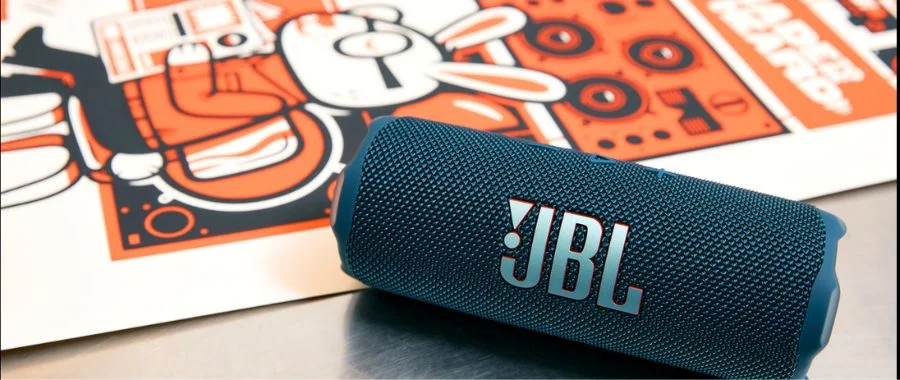

JBL Charge 6 vs. Flip 7: which is right for you? Let's take a step back before we zoom in on these two speakers. JBL has been one of the largest names in convenient portable speakers for years. Don't believe us? We've been selling these and writing about them for years. Over a decade since these two speakers first launched, the Charge and the Flip are some of the most popular members of the JBL portable speaker lineup-so much so that people have trouble deciding which to buy. And while they're both incredible, there are key differences between the two (and you probably don't want to buy both if you only need one). Below, we break down the key differences: it's the JBL Charge 6 vs. Flip 7.
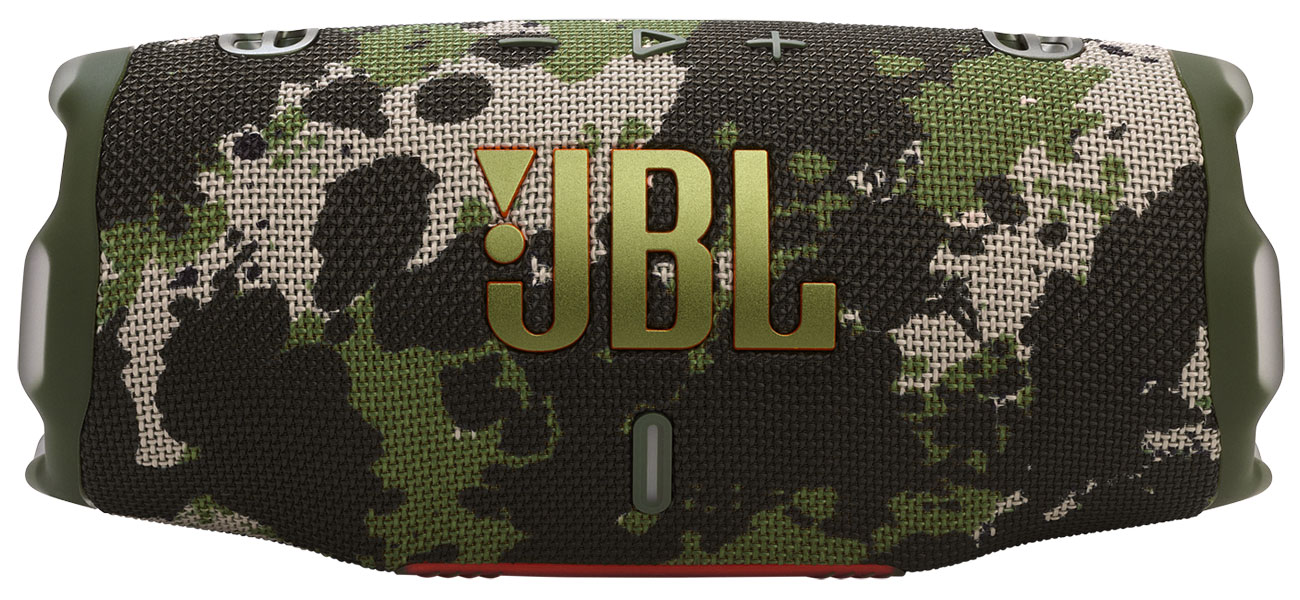
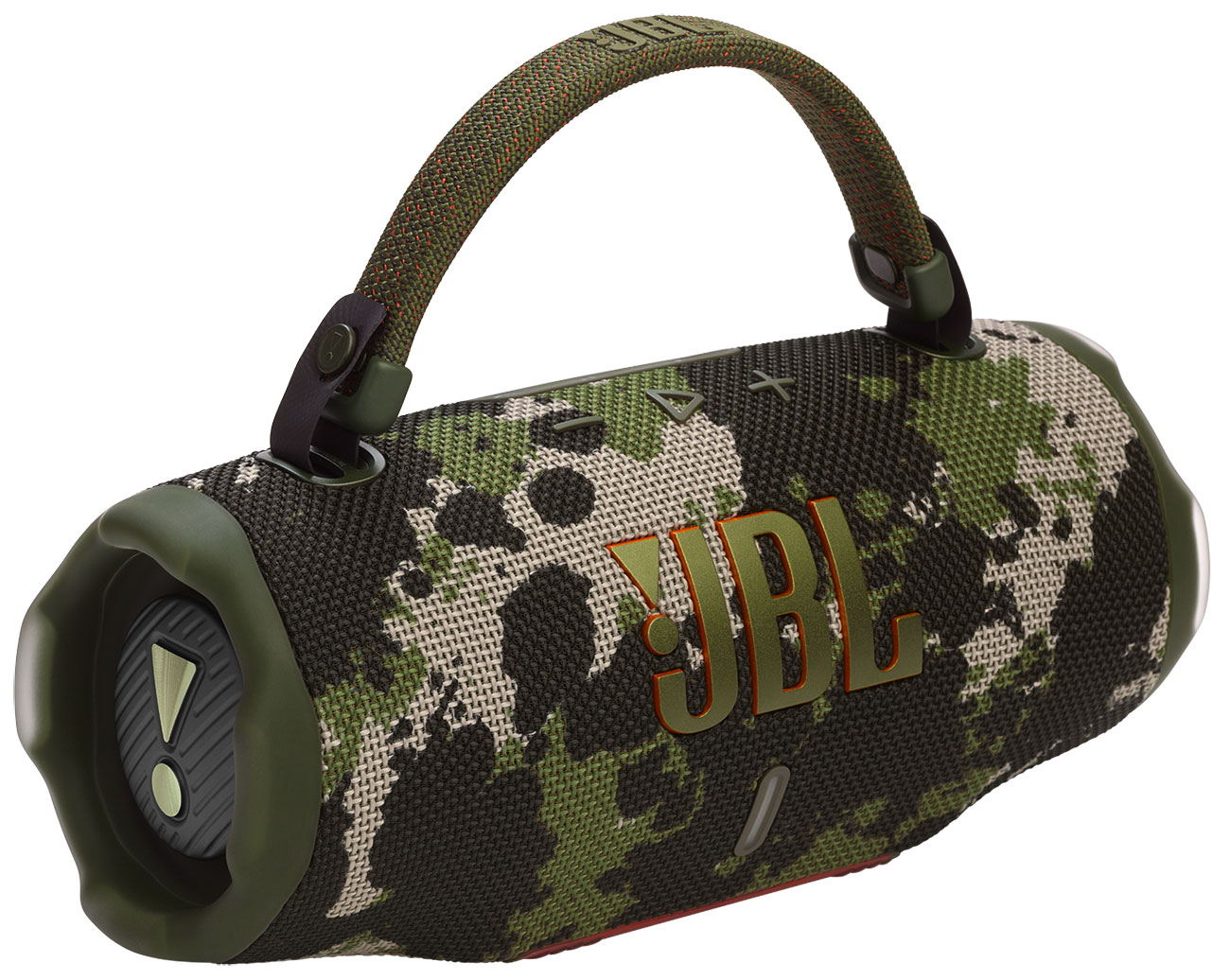
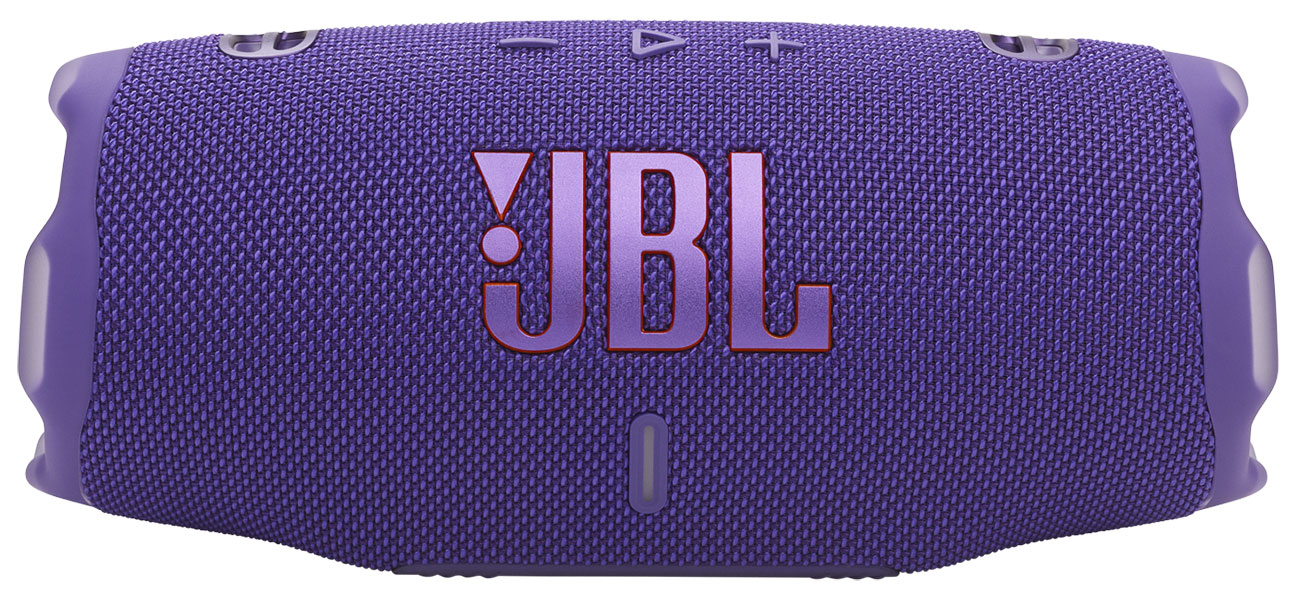
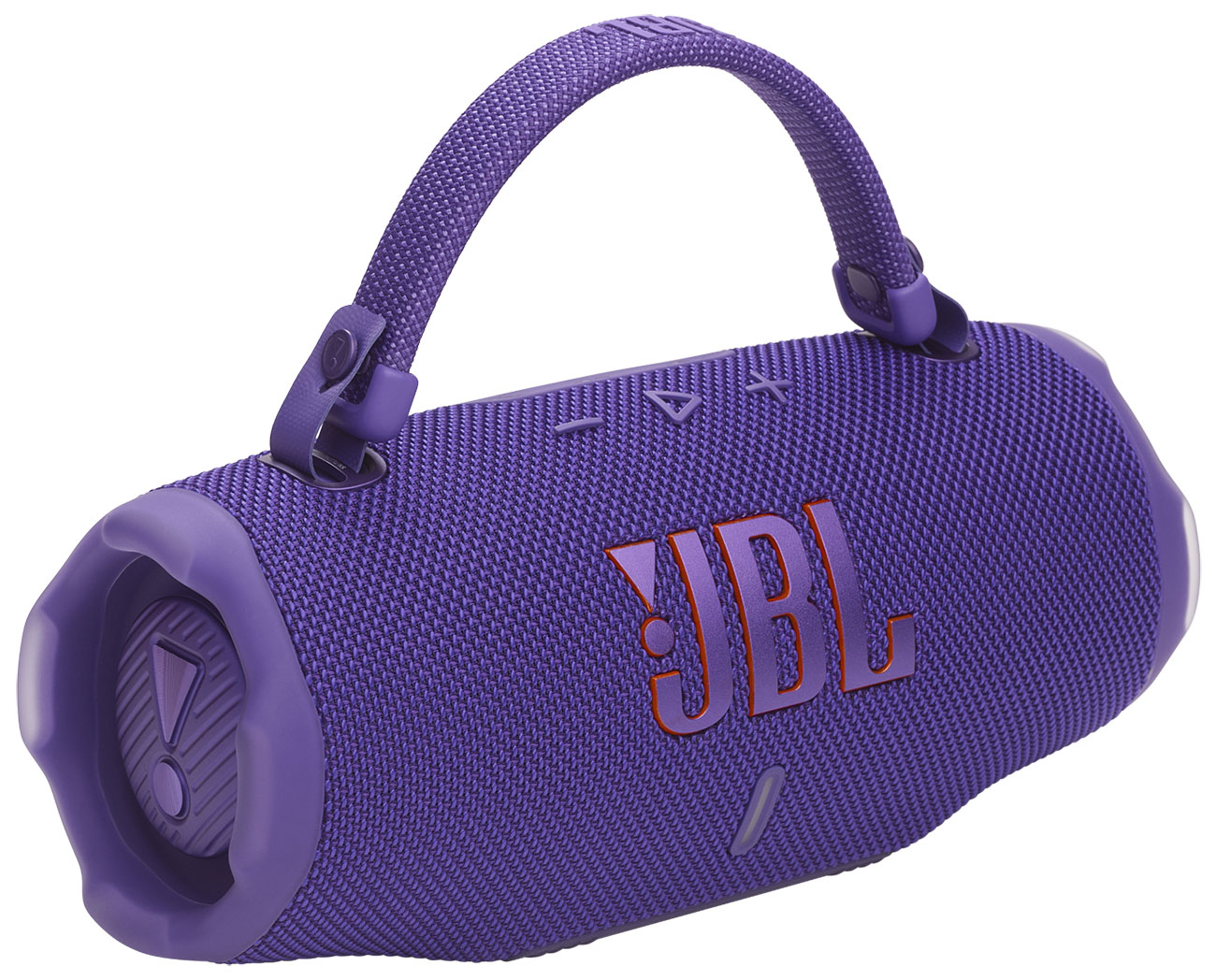
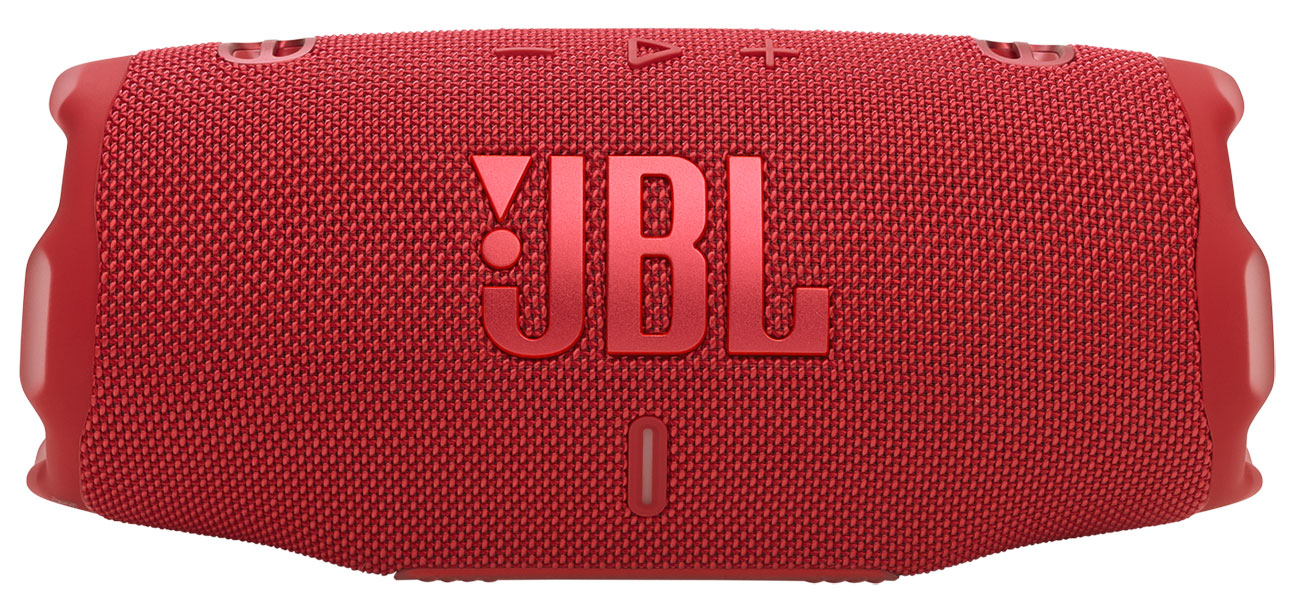
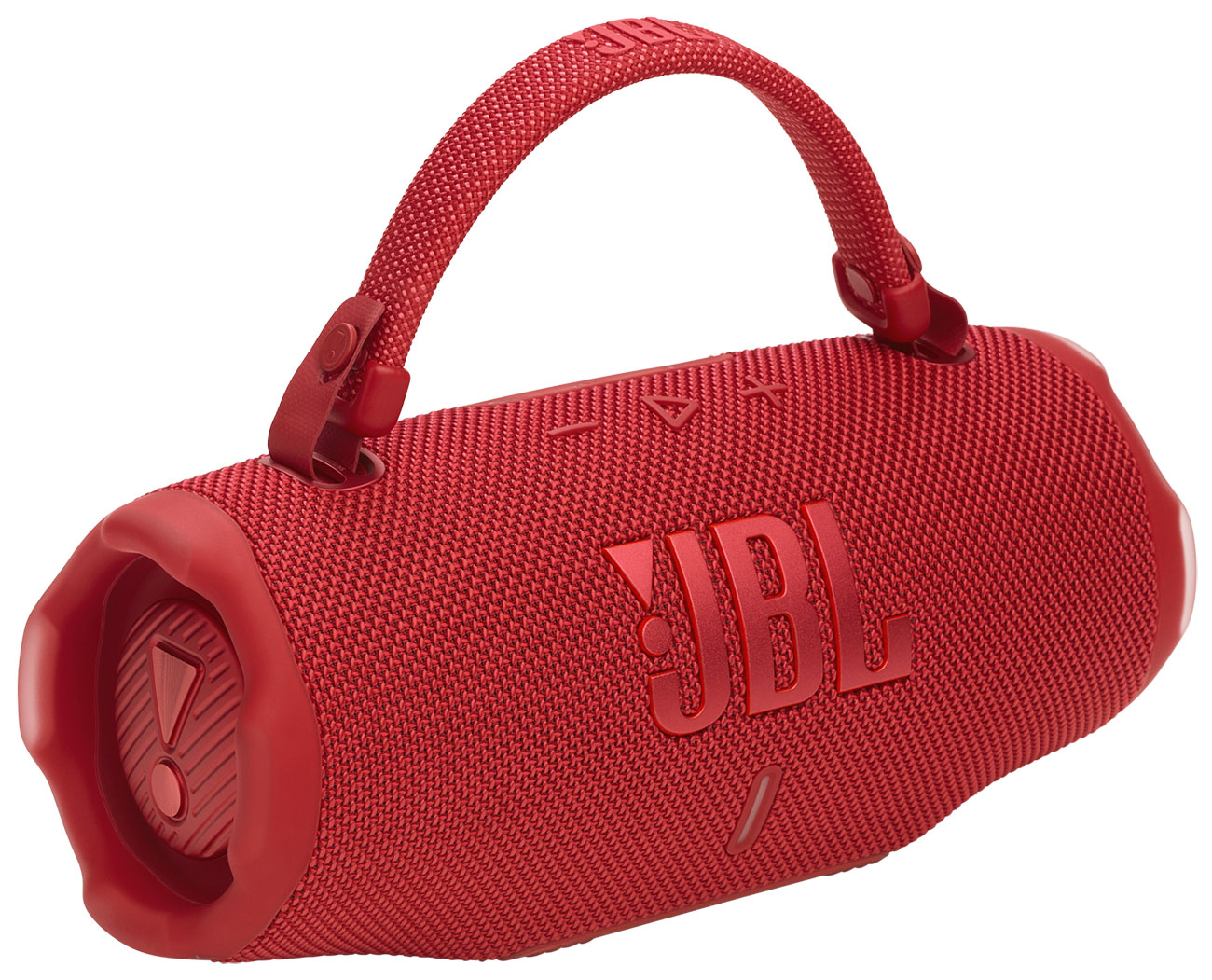
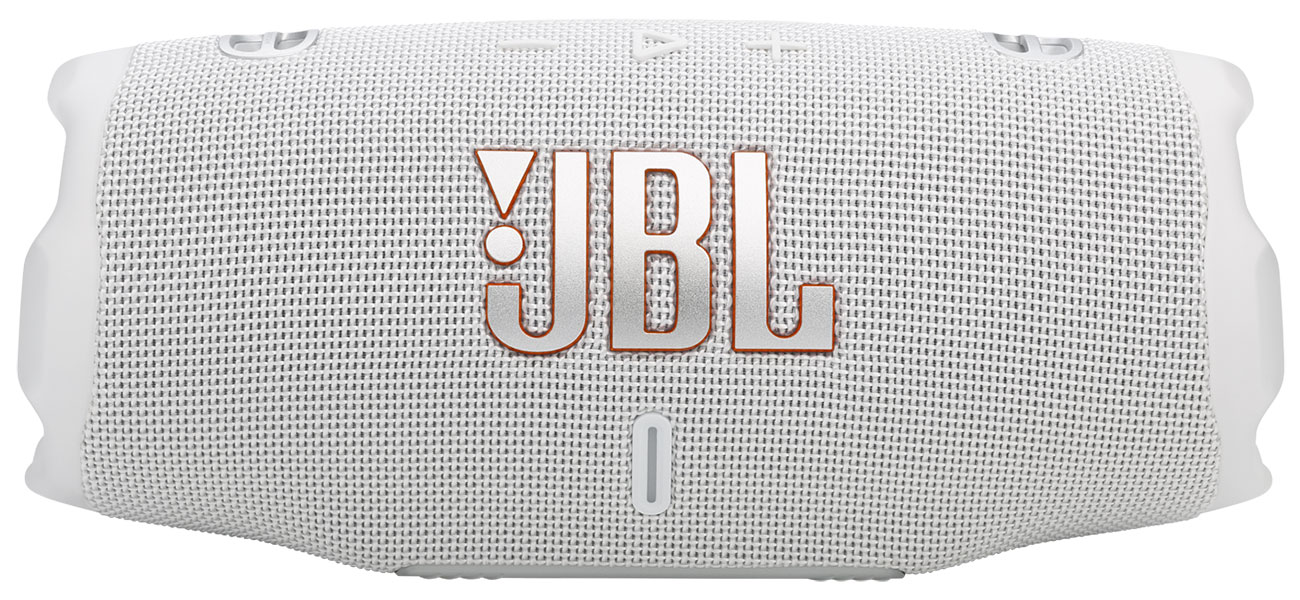
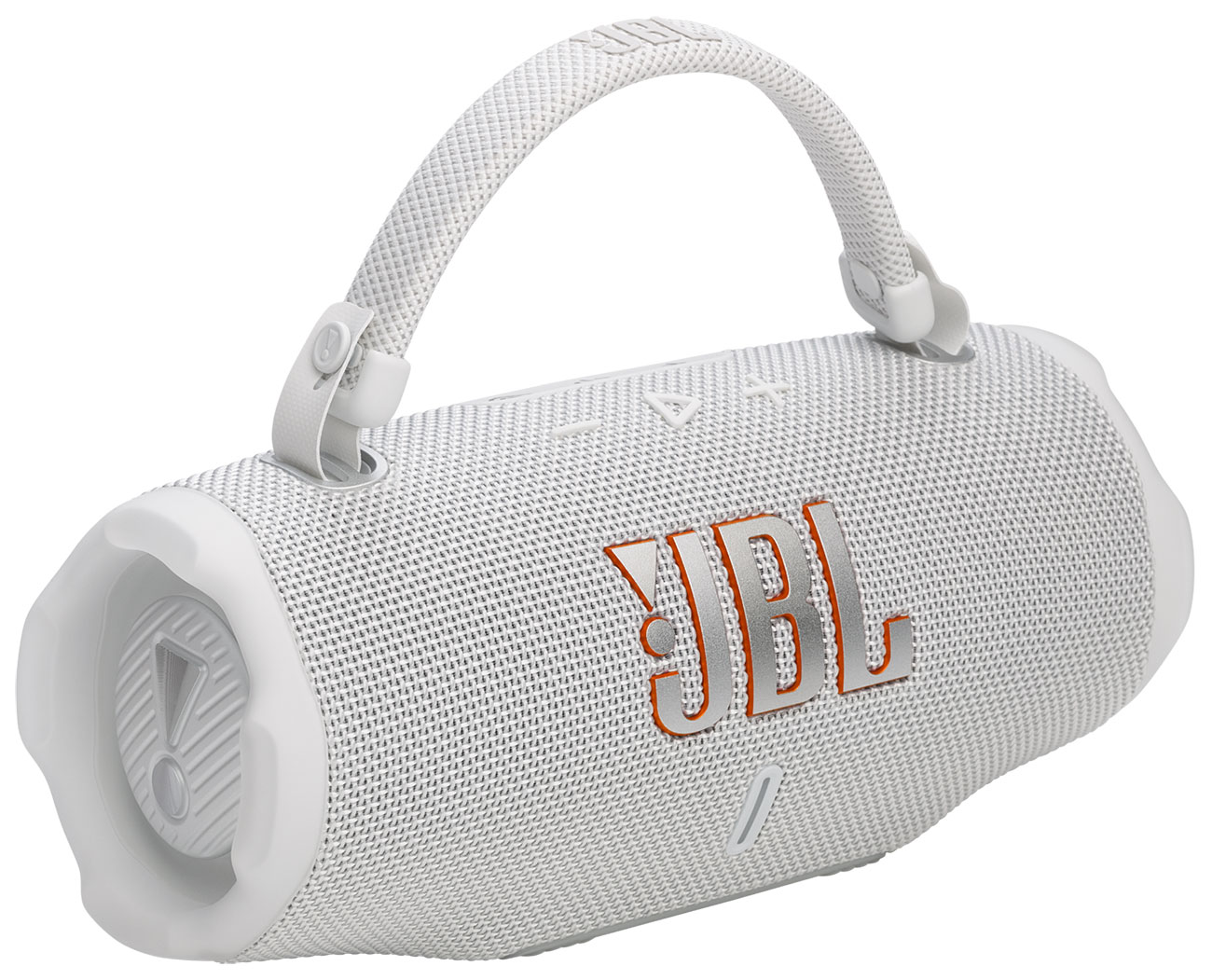


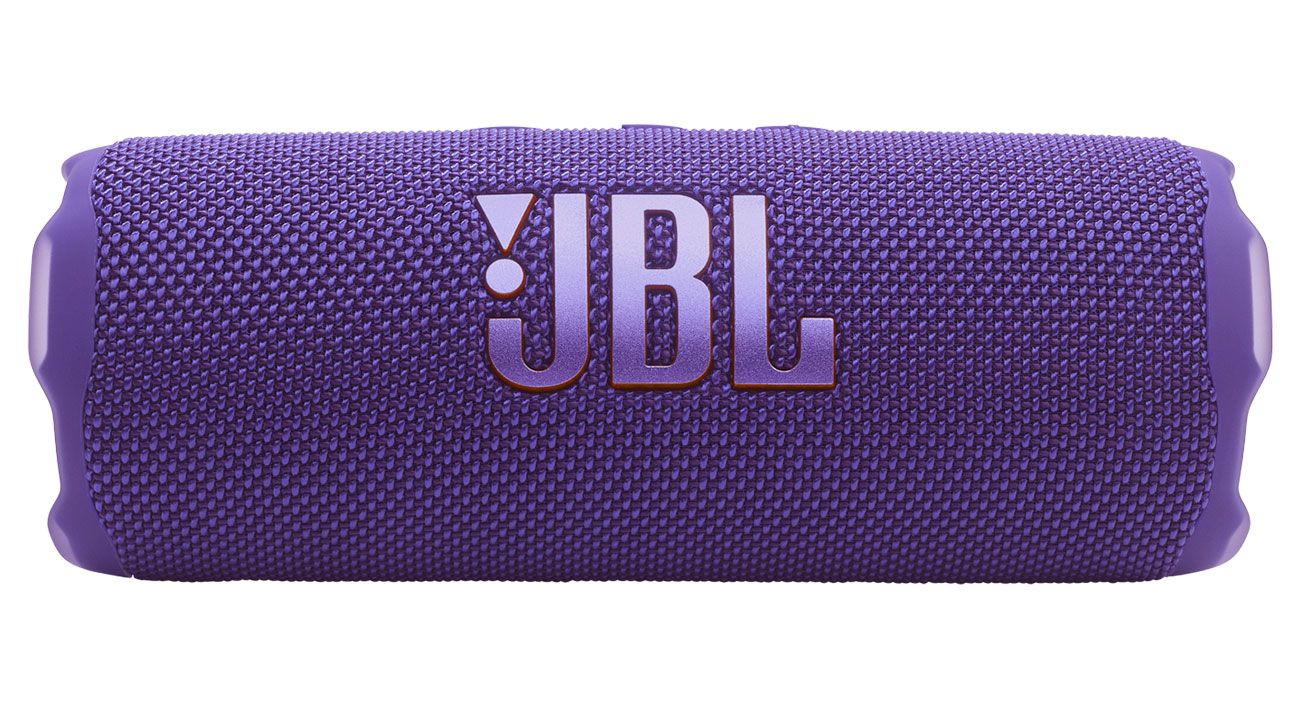
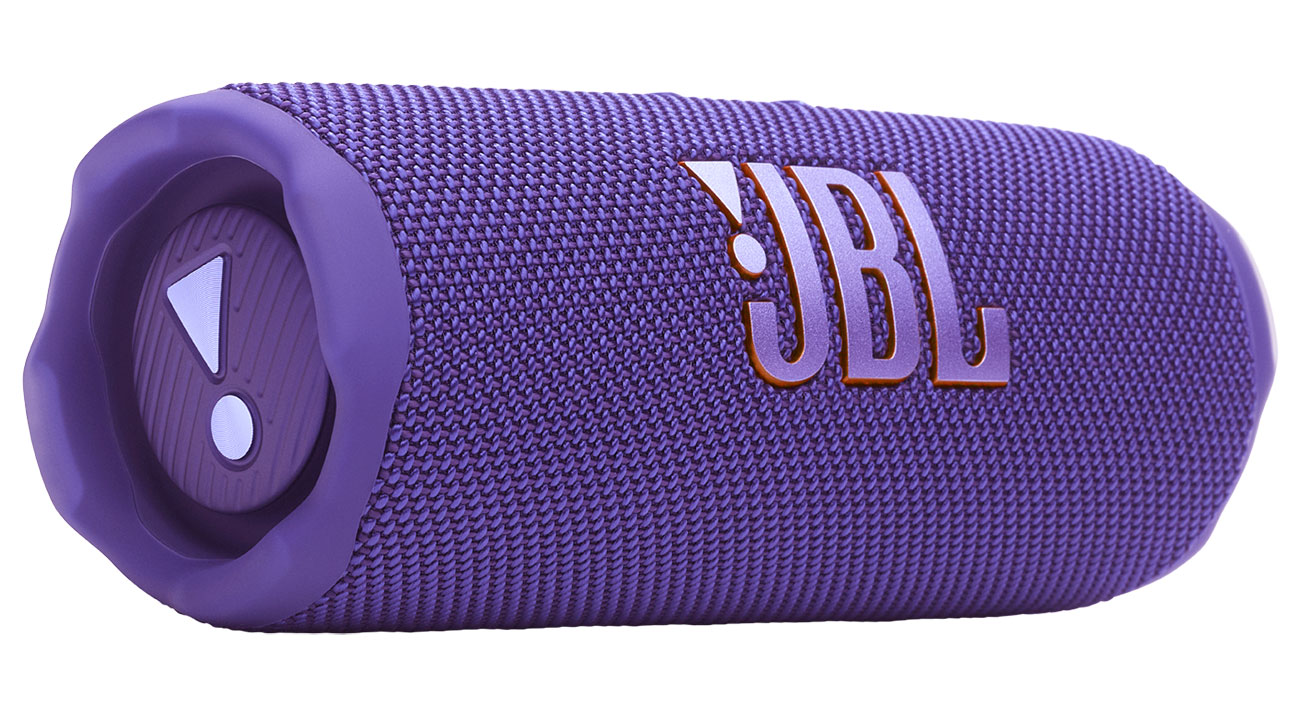
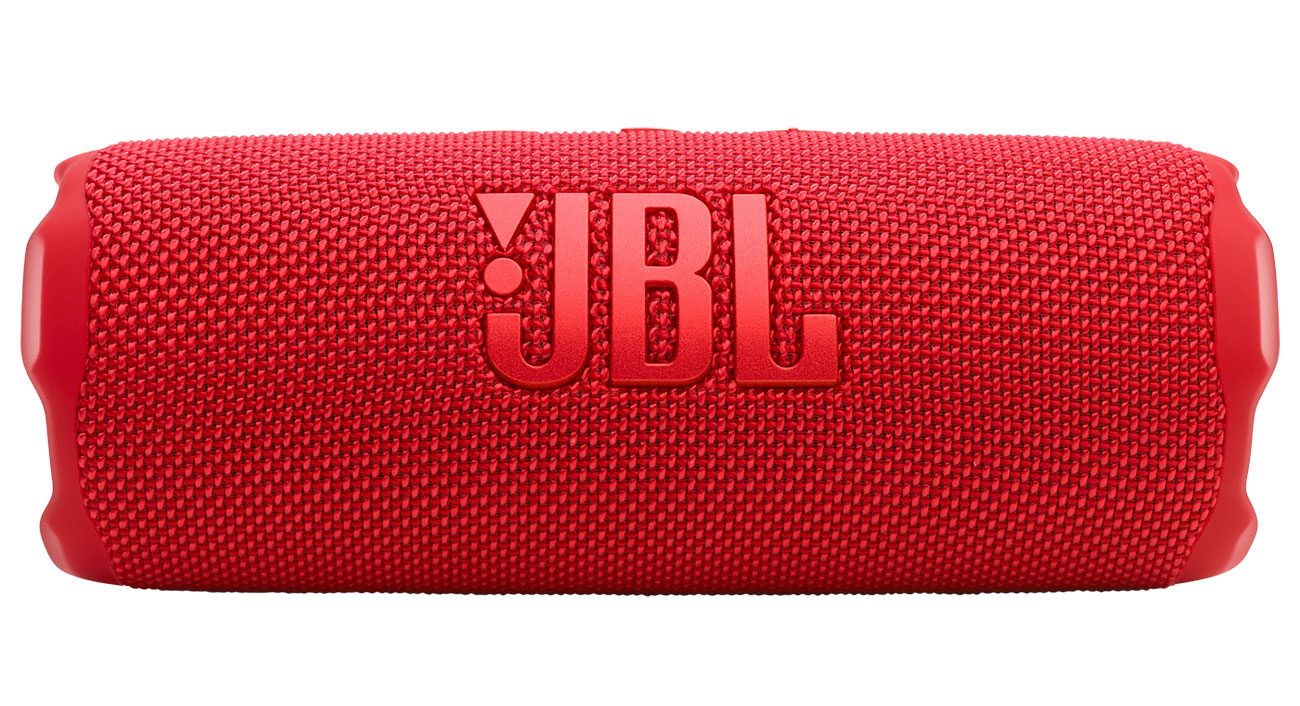
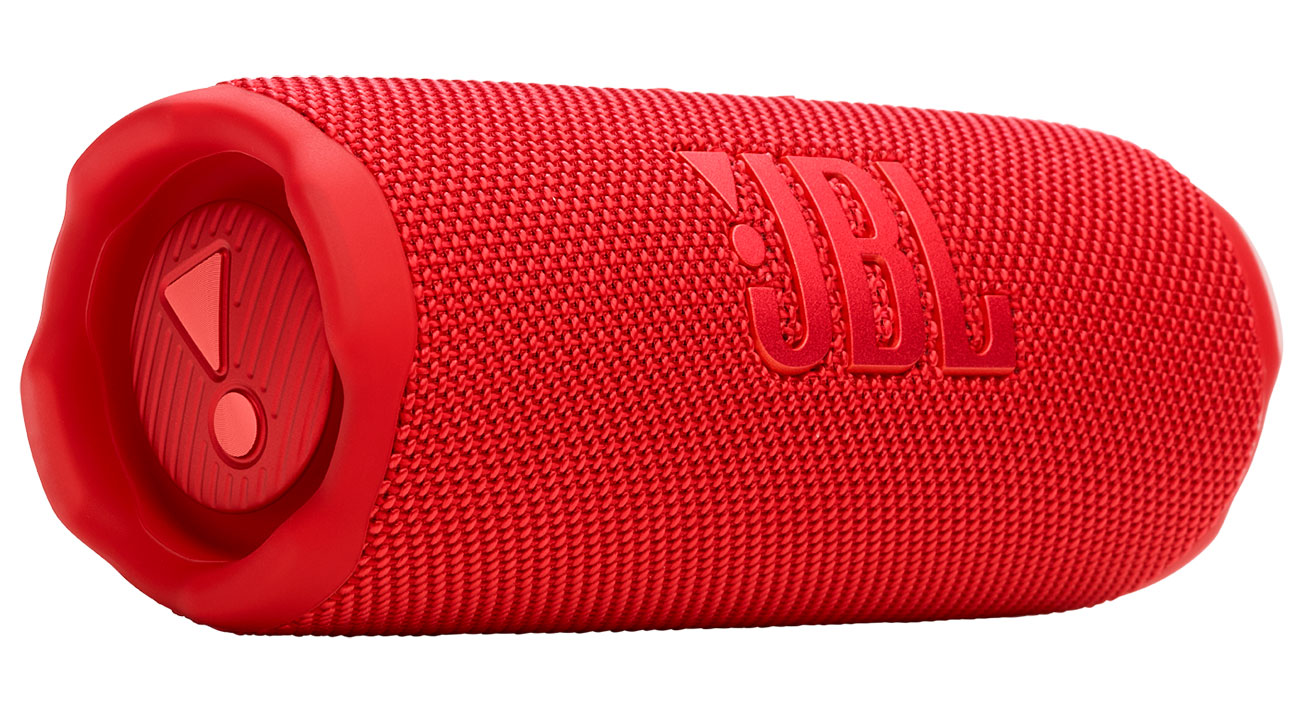
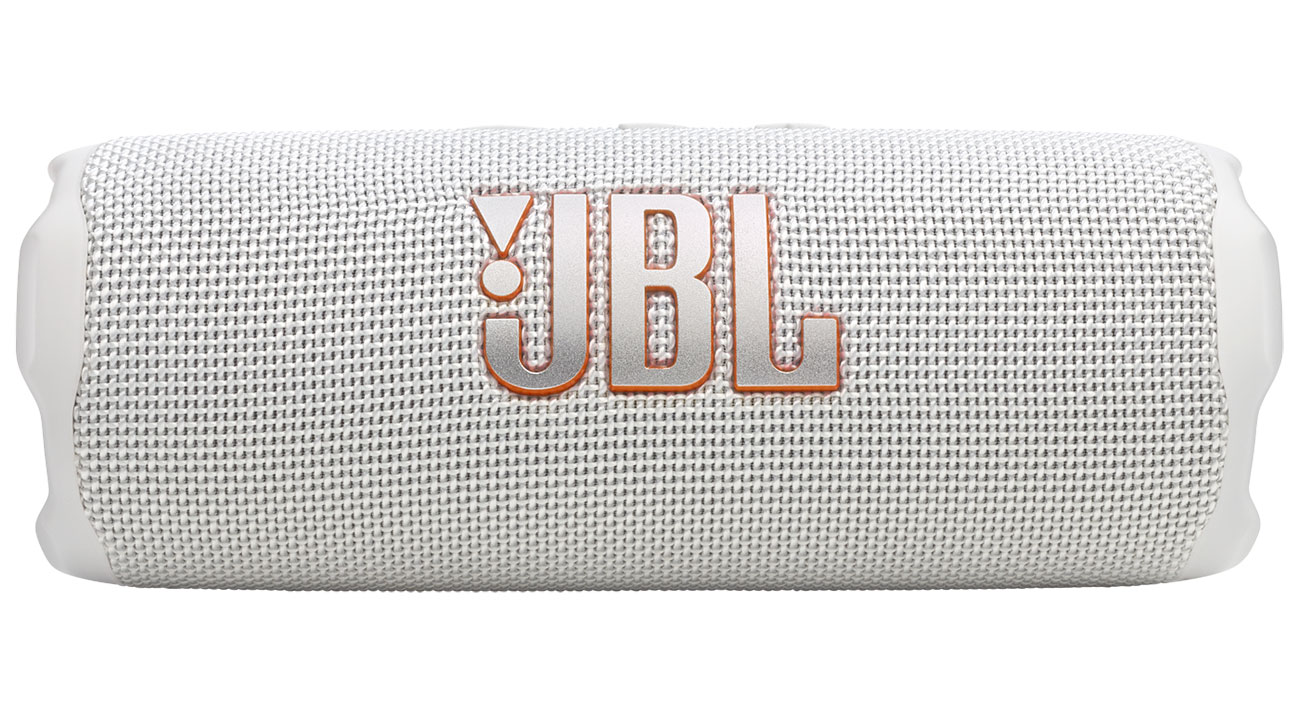
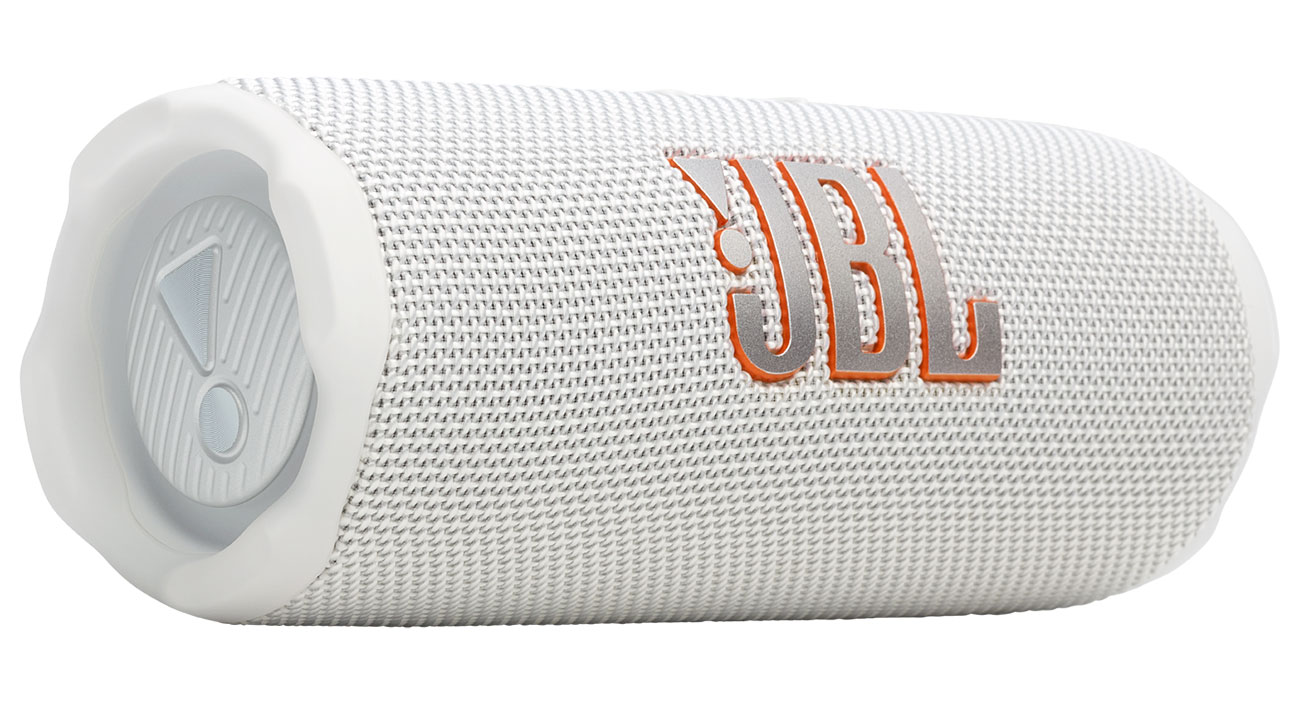

Grab & Go: Speaker Size
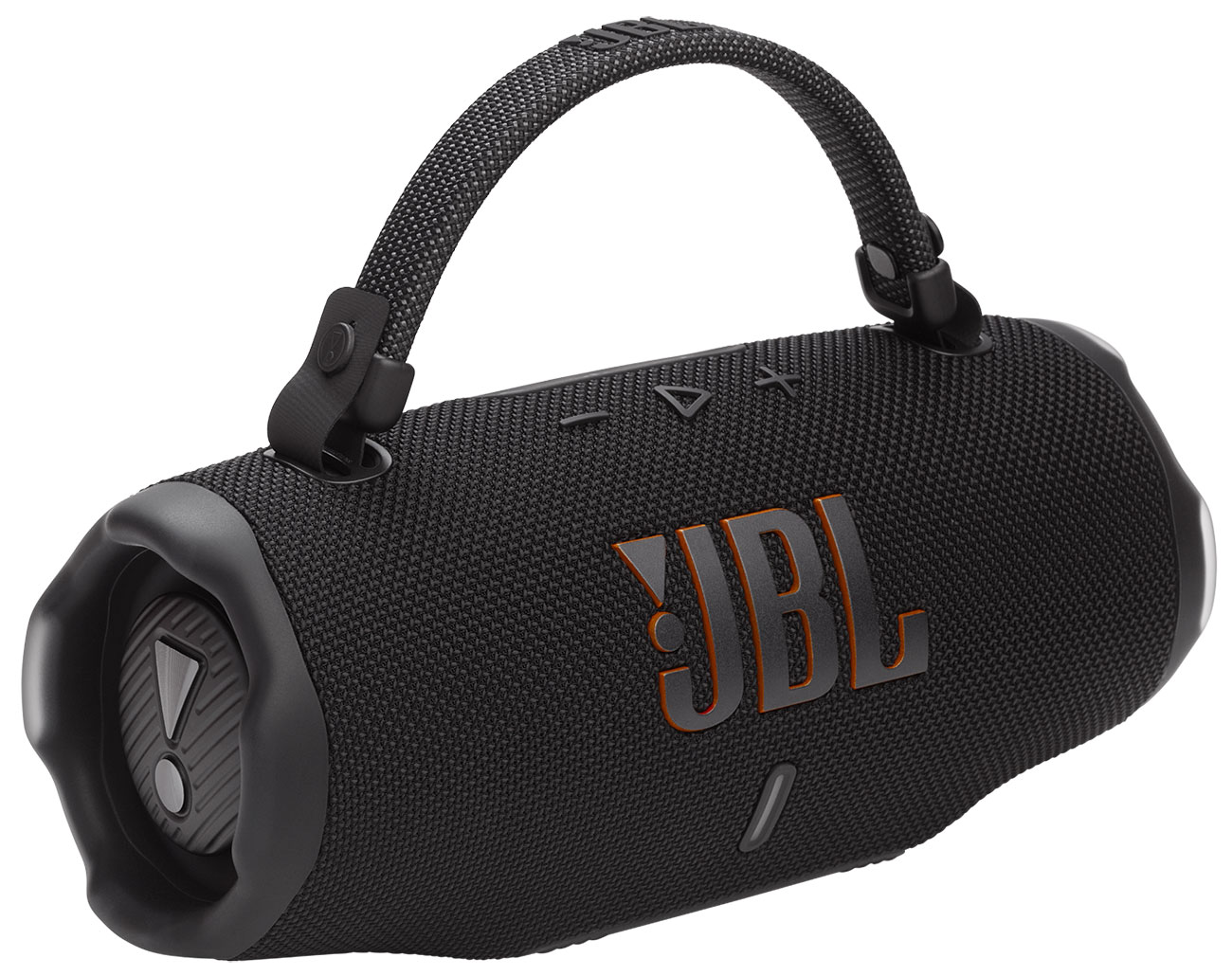
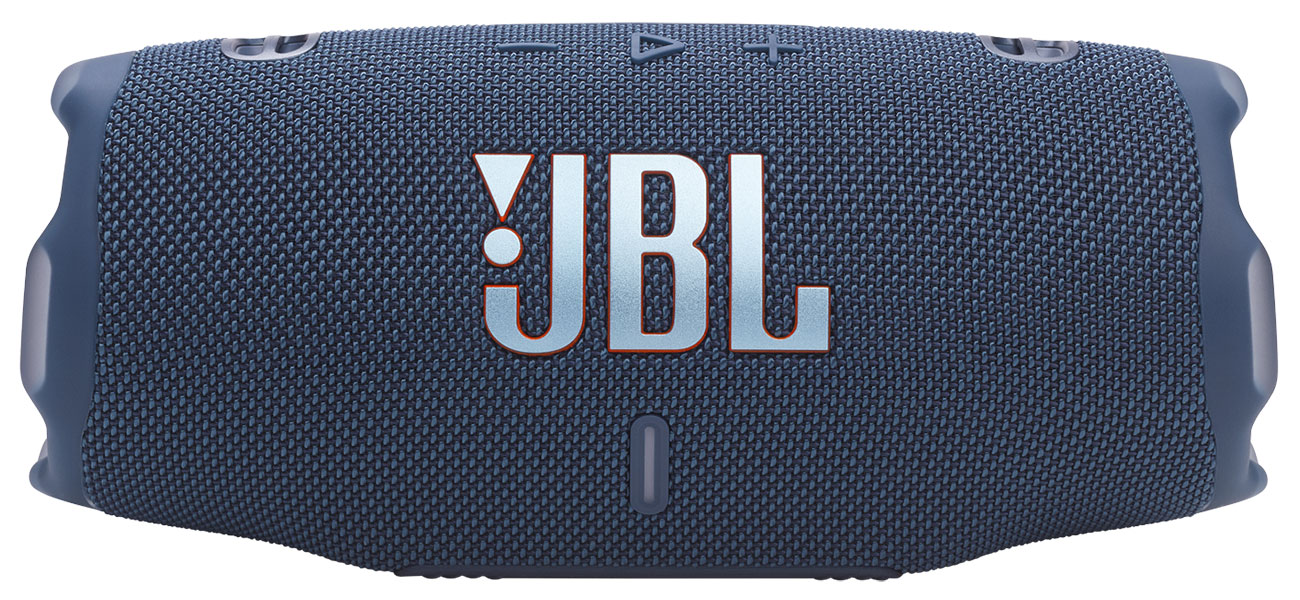
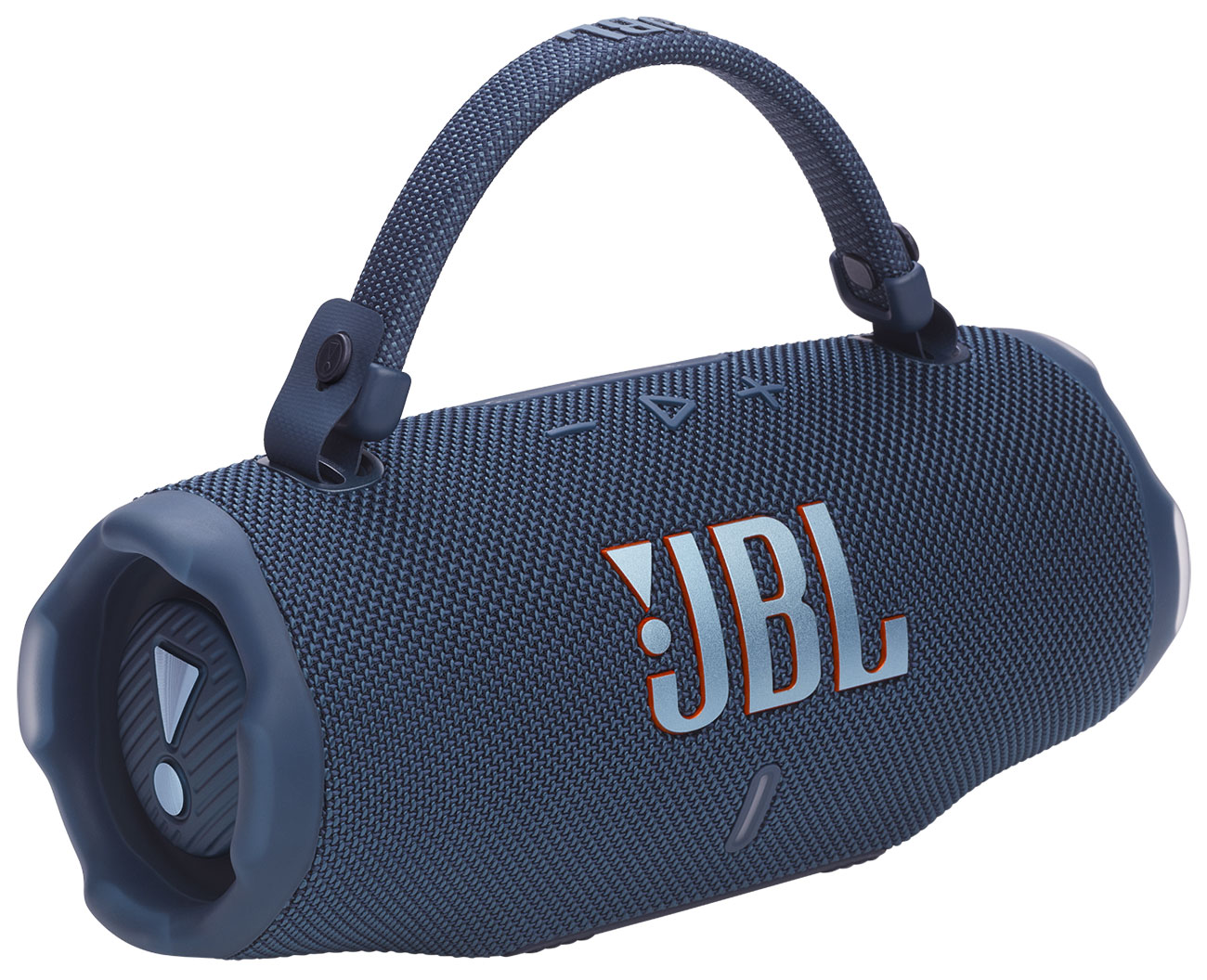
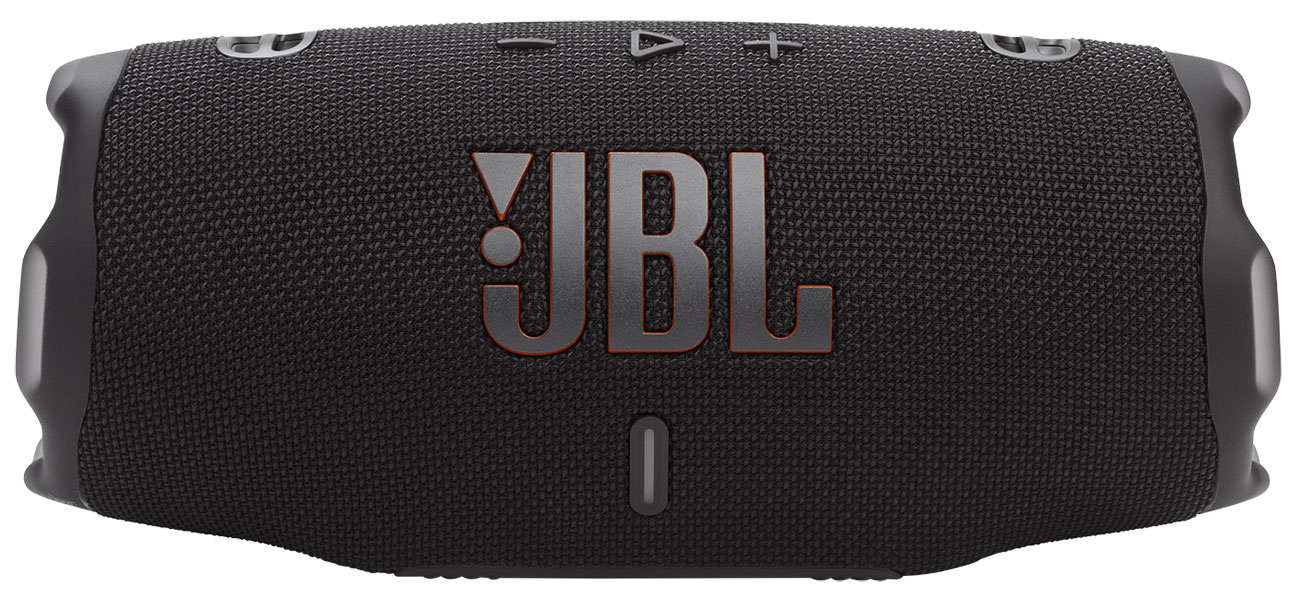
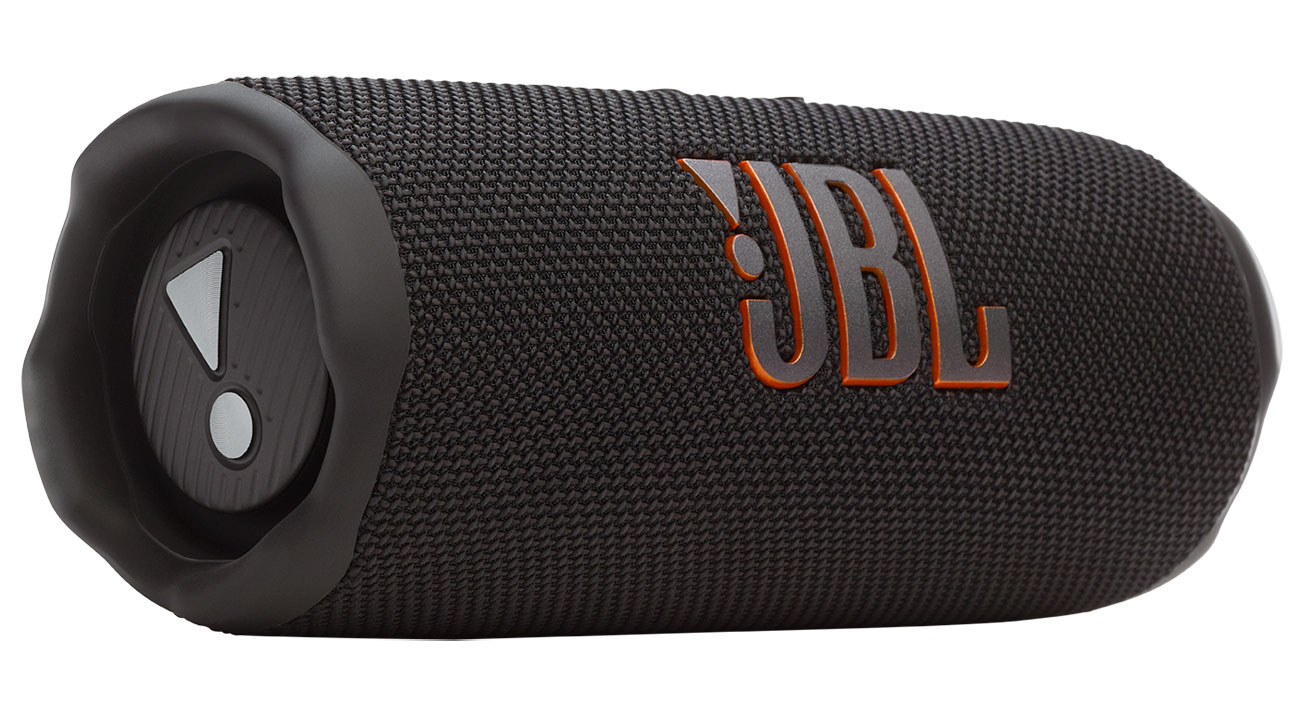
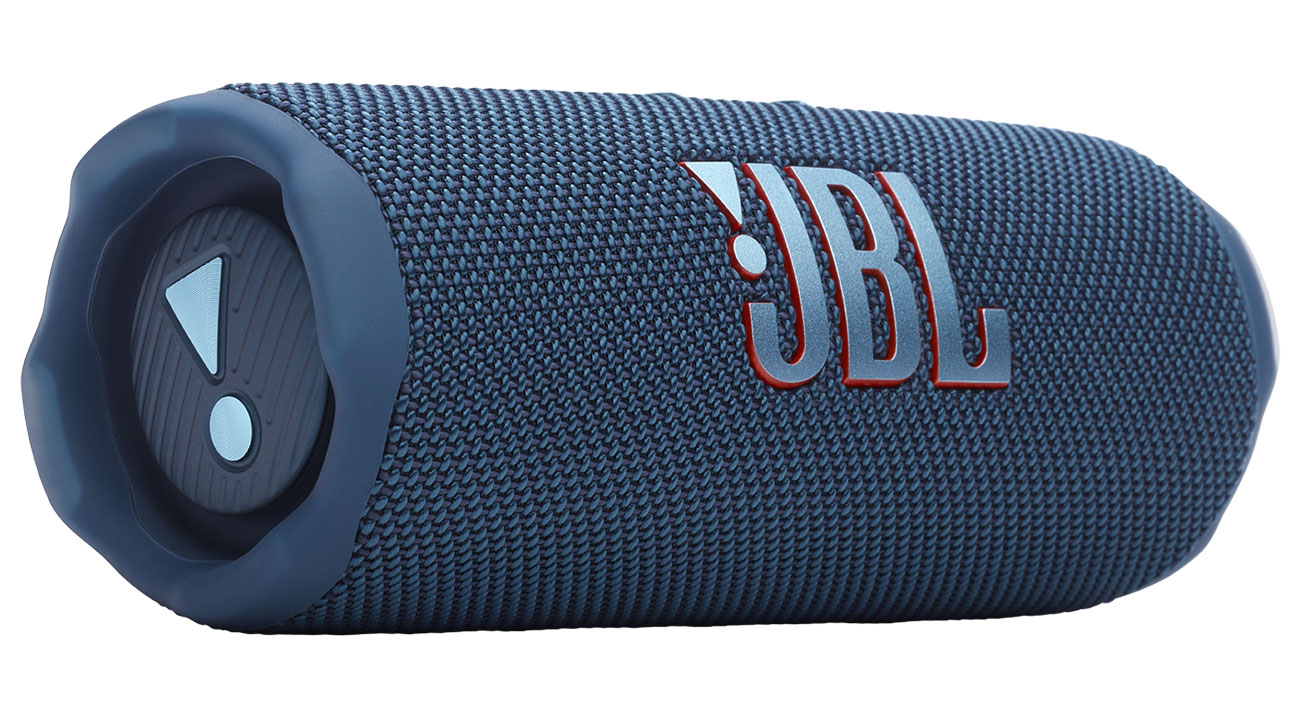
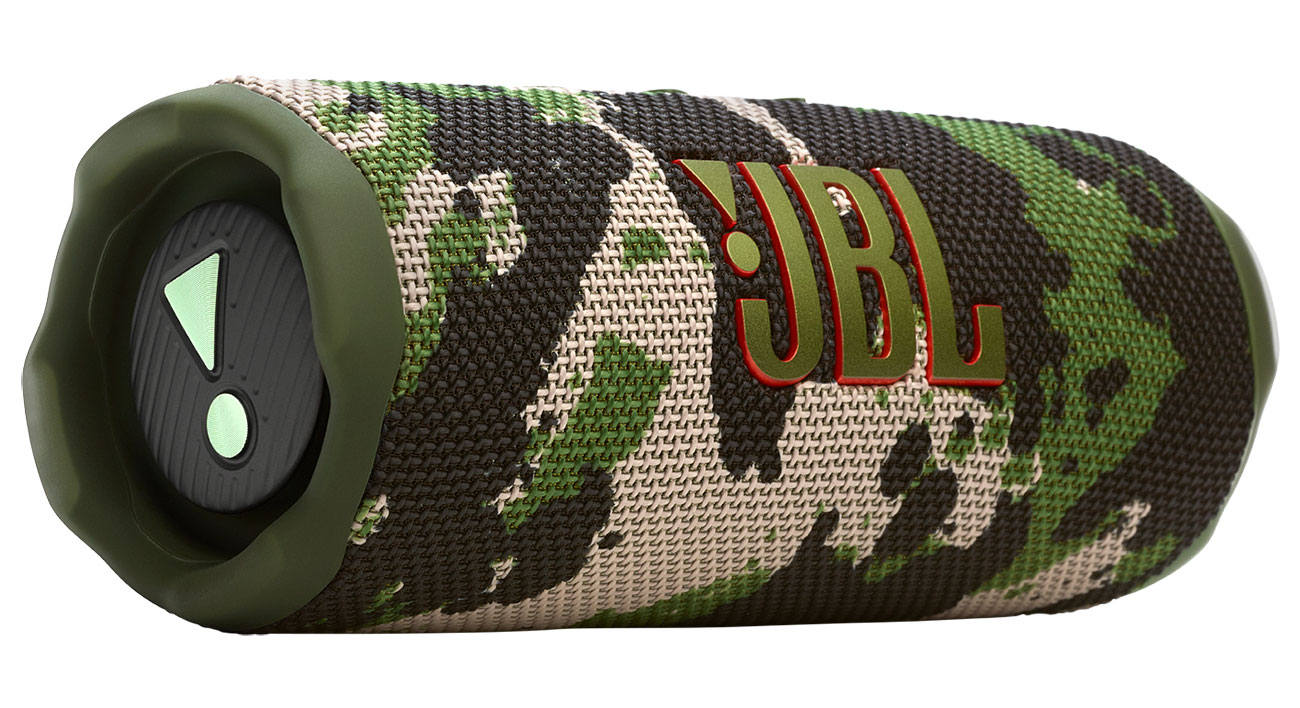
When it comes to a speaker comparison, hearing about the difference in audio quality is the thing folks are often chomping at the bit for-and we promise we'll get there soon. But first, let's introduce the two as we compare them: the JBL Charge 6 vs. Flip 7. When looking at the two speakers, you can see some immediate similarities and differences. One, they both use similar materials in their build, like the durable mesh fabric and a tough rubber housing. Even better, both are made with post-consumer recycled materials. In the battle of the JBL Charge 6 vs. Flip 7, they can both stand up to persistent tumbles and splashes, too; each speaker is IP68 rated, making it waterproof and dustproof. While they have lots of similarities at first glance, the most glaring difference is in size.
The JBL Flip 7 is the smaller of the two, with a grabbable width that's reminiscent of an extra-large beverage can. The Charge 6 is bigger and has a different shape; where the Flip 7 has a straight length and width like a cylinder, the Charge 6 is a bit more curved and swells out. The smaller Flip 7's dimensions are 7.2 x. 2.7 x 2.8 inches, while the Charge 6's dimensions are 9 x 3.9 x 3.7 inches. It's clear to see which one is larger-but the Flip 7 is significantly lighter as well. At 1.82 lbs, this pick is easy to bring with you anywhere—slip it into your backpack or use the included carabiner to attach it to a bag strap. While the Charge 6 is just a bit heavier at 2.18 lbs, it does come with its own removable handle-which can also clip your speaker to a bag to keep you hands-free. The weight difference isn't massive, but it is something to factor in when comparing the JBL Charge 6 vs. Flip 7. Consider the difference between a simple carabiner and a larger handle, too.
Most Importantly, The Audio
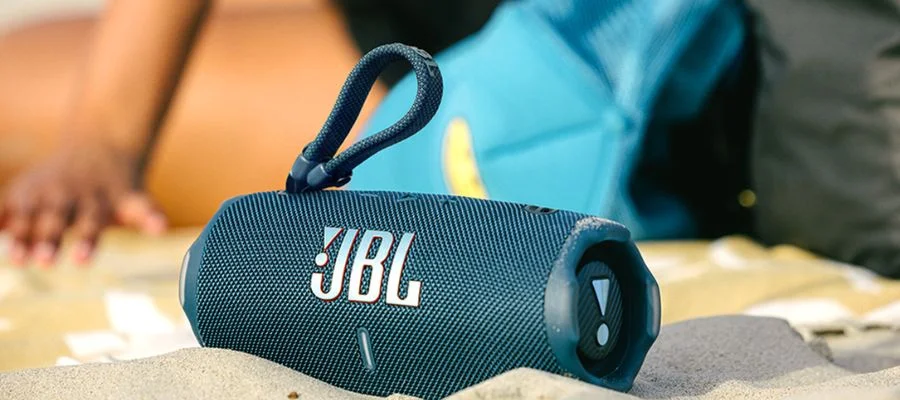
It's the JBL Charge 6 vs. the Flip 7; so which has the better audio quality? Just from looking at the two speakers, you could assume that the Charge 6 is louder than the Flip 7-it is larger. That being said, the Flip 7 is still a powerful speaker that shouldn't be left in the dust. With a powerful woofer, tweeter and dual radiators at each side of the speaker, music comes out sounding its best, whether you're hoping for powerful lows or authentic acoustics. The Charge 6 has the same internal arrangement, with a woofer, tweeter and a radiator at each end. That being said, everything is a bit larger, so your music sounds louder and fuller. Some might describe it as more authentic, but the Flip 7 is not easily outmatched. With sound that can only be described as "punchy", the audio here is by no means bad, or even average. In both models, you'll find a lack of distortion and rich timbre. That being said, the Charge 6 is, again, the bigger pick and delivers bigger bass with mellower low notes. If bass is your biggest factor, the Charge 6 is certainly going to capture your attention. And with this model's AI Sound Boost, your favorite music is analyzed in real time with AI. The result? Less distortion than ever-and an acoustic boost.
Lossless audio, in a JBL speaker. That becomes possible in both the JBL Charge 6 and the Flip 7. Instead of losing sonic data over wireless connections, users can plug their music sources right into the speaker's USB-C port. As long as you're providing lossless audio, you'll hear it played back.
There are many other audio features that these portable speakers share aside from their woofer-tweeter-dual radiator construction. Both are mono, meaning they have a single channel within-no two-channel stereo system to be seen. That can be changed with Auracast, though. Auracast allows you to connect one JBL speaker to another for a complete stereo pair. Or if you have other JBL speakers you can connect to three, four or five other models-JBL says you can broadcast to an unlimited number of nearby speakers for a sonic boom that makes your party unbelievable. With Auracast, the speakers connect via Bluetooth LE for a broader connectivity range than you might expect. Whether you have a small JBL Go or a large PartyBox model, including your Charge 6 or Flip 7 in your Auracast sonic ecosystem is bound to bring you better audio quality, whether you're lounging poolside or enjoying a house party. In the battle of JBL Charge 6 vs. Flip 7, keep in mind that both have the Auracast feature.
What's The Twist?

If you know anything about JBL speakers, you know this: there are a lot of them. From the tiny "Go" or clip-on "Clip" to the largest "PartyBox" each member of the family is unique. When comparing the JBL Charge 6 vs. the Flip 7, their distinctive features are some of the most important ones to take into account-and weigh against the audio quality, too. With the JBL Flip 7, you're looking at a classic Bluetooth speaker that's cylindrical and easy to carry. With its slim body, you can easily bring it anywhere, from a road trip to a flight's packed bag to a larger purse. That's something you can't do with a big speaker, though. But what's so special about the Flip 7 is in its name. You can flip it on any side and still hear your music perfectly. With some other versions, you need to keep them in a certain position, but the Flip 7 is as flexible as you need it to be.
Next up, the Charge 6. In the battle of the JBL Charge 6 vs. Flip 7, the Charge 6 has already proven that it brings great sound quality and boosted bass to any space. And while it can flip and stand on its head too, the shape does make things look off-kilter if it stands vertically. But more importantly, that's not the Charge 6's main upgrade. The true feature that sets this one apart is its ability to charge other devices as you listen to music. Plug your phone in when it's low on battery to charge it up as you listen. Even better, the Charge 6 uses that extra USB-C port to play lossless audio (which we mentioned above). With this speaker, it's all about power and connectivity. If you have lossless music files on your phone, this is the perfect speaker to play them on-and the perfect place to keep your phone powered up. Parties that rage into the night can sometimes use up a phone's battery, and the Charge 6 is the complete solution for that very real problem.
In the battle of the JBL Charge 6 vs. Flip 7, the key feature that matters the most might be enough to tip the scales.
Connectivity & Battery Life
Next up, connectivity. With the JBL Charge 6 vs. Flip 7, connectivity is similar. Both can connect wirelessly via Bluetooth 5.4 or establish a wired connection via USB-C. One thing that both speakers lack is an AUX input, meaning that you can't connect a microphone or wired guitar here. If you're looking for something that can handle a performance or a karaoke night, check out one of JBL's PartyBox speakers.
When it comes to battery life, both of these speakers are impressive ... but they do play in different ball games. Battery life is important in any Bluetooth speaker (or electronic) so let's dive into the topic as we compare the JBL Charge 6 and the Flip 7. The Charge has ten more hours than the Flip, with up to 24 hours of battery, or an extra 4 hours with Playtime Boost. The Flip 7 is advertised as having 14 hours of battery power instead-or an extra two hours with PlayTime Boost. So, what's Playtime Boost? This feature adjusts the way your speaker produces sound, tuning and tweaking to keep extra power reserved and ready to go. The catch is that the equalizer is disabled while using Playtime Boost. On days when you know you'll need extra battery to keep your music playing long into the night, tap the PlayTime Boost button and you'll have extra hours of music.

One thing to keep in mind no matter what speaker you choose is that the higher the volume, the faster the battery will deplete.
The Easy-To-Use App & Onboard Controls
In the JBL Charge 6 vs. Flip 7 battle, both are designed to work well with the JBL app, a sonic hub where users can easily adjust things like EQ to power the bass, acoustics, treble and more up or down. It's the perfect spot to customize your audio. The app is the same place to find support and updates for either speaker as well. And while adjusting from the app on your smartphone is easy, you can tweak things from each model's onboard controls, too. Users can press buttons for volume controls, connect via Bluetooth and turn on Auracast, as well as play or pause the music and skip between tracks. These controls are the same across both speakers, so they won't help you choose between the two-but they're important to know about before you make a purchase.
JBL Charge 6 vs. Flip 7: The Bottom Line
We've broken down both of these models entirely, from their hardware to special features and beyond. In the fight of the JBL Charge 6 vs. Flip 7, which is better? That truly depends on what you're looking for, though some things are obvious. One, the Charge 6 is larger, and with that extra space and larger hardware comes more bass and extra volume. But bigger isn't always better-the Flip 7 still has great quality sound and volume for its size, and it's easy to travel with thanks to that compact body. In truth, it depends on what's more important to you: the extra convenience of a speaker you can quickly grab and throw in a bag, or one that has so much battery power that it can charge your phone.
Here's how we see it: if sound quality is the most important factor for you, choose the Charge 6. The ability to charge your phone is a nice bonus, but the audio is what's truly impressive here. And if the opportunity to bring sound with you anywhere-truly anywhere-is a more important factor, choose the Flip 7. The smaller size makes it incredibly convenient, all without sacrificing too much in terms of volume and quality. You can find both here at Abt-shop online for fast delivery or see them in person at our Chicagoland store. To learn more about speakers before you buy, check out our wireless speaker buying guide.
JBL Charge 6 vs. Flip 7 FAQs
-
Both the JBL Charge 6 and Flip 7 are waterproof, dustproof and drop-proof with an IP68 rating. Take yours to the beach, the pool, the forest and anywhere you go.
-
No, the JBL Flip 7 is not stereo. Instead of having a left and right channel, both the JBL Flip 7 and JBL Charge 6 are mono. When you connect multiple JBL speakers via Auracast, you can easily create a stereo system.
-
Yes, the JBL Charge 6 is better all across the board. While they may look similar on the outside, the extra power, louder volume, booming bass and higher IP rating are just a few traits that make the Charge 6 an all-around better speaker. One thing to note is that the JBL Charge 6 uses Auracast to pair with other JBL Auracast speakers, while the Charge 5 used the PartyBoost feature instead. The two are not compatible.


