


What is a Garage-Ready Refrigerator?
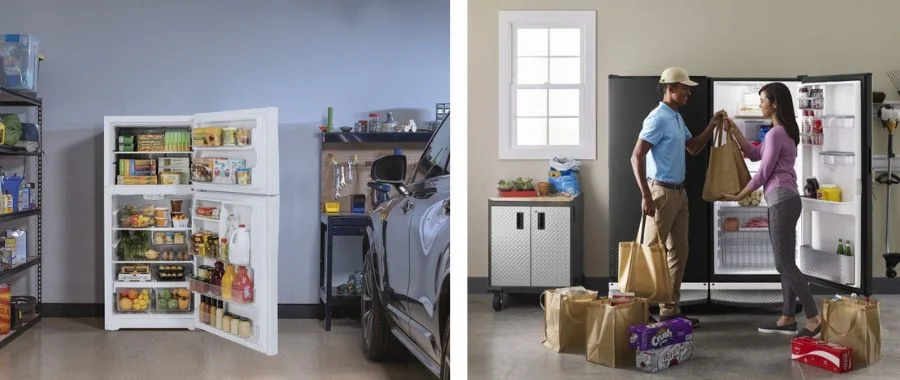

Ah, the garage refrigerator. You may have fond memories of hanging out in a friend's garage, heading to the couch to watch the game and grabbing a cold one from their refrigerator before you sit down. Or maybe it's where your parents would hide ice cream cakes while they defrosted. They're convenient and offer extra storage (whether you place yours in the garage, basement or somewhere else entirely). But not all refrigerators are made to go in the garage—in fact, most of these traditional appliances can't survive in extreme temperatures outdoors and will suffer damage. Unless you have a climate-controlled garage, you'll want to look for a garage-ready refrigerator that's made to weather some of the tougher temps. Explore what makes the garage-ready version different below.
What Is a Garage-Ready Refrigerator?
So, what is a garage-ready refrigerator, and what makes them different from standard models? Garage-ready refrigerators are made to withstand indoor and outdoor temperatures. With thick insulation, the ability to handle massive temperature fluctuations and lots of space inside, a garage-ready refrigerator is made to handle temperatures between 38° and 110° Fahrenheit. Some refrigerators are labeled to handle lower temperatures as well, so when you're buying, keep an eye on the temperature limitations. But what about when outdoor temperatures go lower or higher?
Should I Unplug My Garage Refrigerator in the Winter?
No, that isn't necessary. If you live in Chicagoland or somewhere else that experiences tough winters, you'll know that the temperature here drops below 38° Fahrenheit every year—and often. So, what are your options when winter strikes or temperatures soar? We suggest keeping your refrigerator on and sealed, and that you open it as little as necessary to keep the right level of cool inside. In low temperatures, the external cold air should keep your refrigerator and what's inside perfectly chilled, even if your compressor turns off. And if the temperature reaches over 110°, know that proper airflow is crucial to food preservation. One of the best ways to preserve your foods in the heat is to keep the interior humidity low. To do that, avoid overloading your refrigerator and allow cool airflow to move around your foods and beverages. Finally, ensure that your refrigerator stays closed as much as possible; the thick insulation of your garage-ready refrigerator should ensure that your foods stay cool, even in hot temperatures.
Do I Need a Garage-Ready Refrigerator?
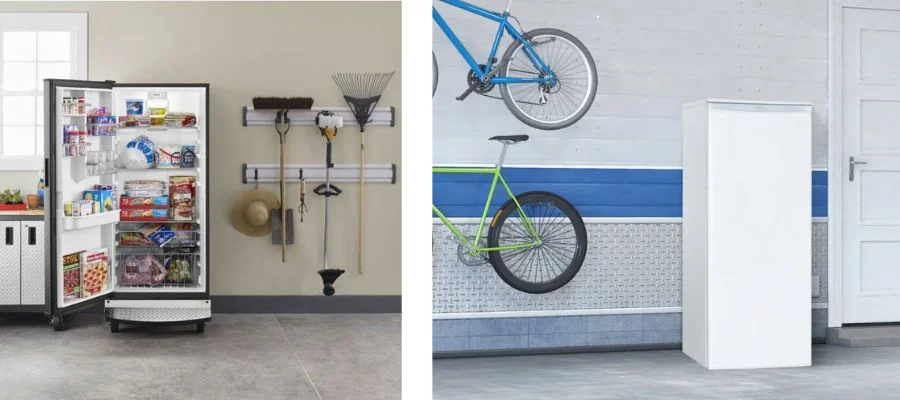
So with all of that taken into account, it's time to ask yourself, "Do I need a garage-ready refrigerator?" These are a must-have for many, especially families who are searching for extra room to keep more groceries, anyone looking for beverage storage, and of course, people who hang out in a fully-finished garage and need quick access to snacks. If you're an entertainer, it's the perfect place to keep catered foods until the party starts, too.
If you're just looking for extra cold storage for placement in a temperature-regulated space in your home, there may be other options you'd prefer. You can choose from classic refrigerators, chest freezers, upright freezers and more. These are great for storage in basements, and if you're looking for something that's beverage-specific, a mini fridge or beverage refrigerator behind the bar is a great idea. But no matter what you choose, adding a refrigerator to your home is going to up your energy bill—and that's something to keep in mind, though choosing an Energy Star® Certified model will drive costs down.
Why Not Use an Old Refrigerator Instead?
You may have heard the idea that "older is better" when it comes to refrigerators, and there's a point to that—some of the older appliances from the '90s are still working today thanks to proper maintenance and great build quality. And while you may have a friend with a 30-year-old refrigerator in their garage, the standards have changed, mainly to save energy. That 30-year-old refrigerator may cost hundreds a year in energy use, while many modern versions are Energy Star® Certified instead. On top of the danger of your old refrigerator breaking down and spoiling your food, old refrigerators may just be too expensive energy-wise to justify using. You're also looking at an expensive future repair bill—for an ancient appliance. Instead, go for something dependable and energy-efficient with a garage-ready refrigerator from Abt.
Are Garage-Ready Refrigerators for You?
Still not sure if garage-ready refrigerators are right for you? Consider again how you'd use it, as well as your grocery habits and beverage needs. If you still have questions, our experts are here to help. Head into our store in Glenview, call us at 800-860-3577 to learn more, or do some research with our Learn Center's refrigerator buying guide.


