Air Purifier vs. Humidifier: Which One Is Right for You?

If you've ever questioned whether to get an air purifier or humidifier, but are unsure which one is right for your home, you're not alone. Fortunately, Abt is here to help guide you through their differences to determine the best choice.
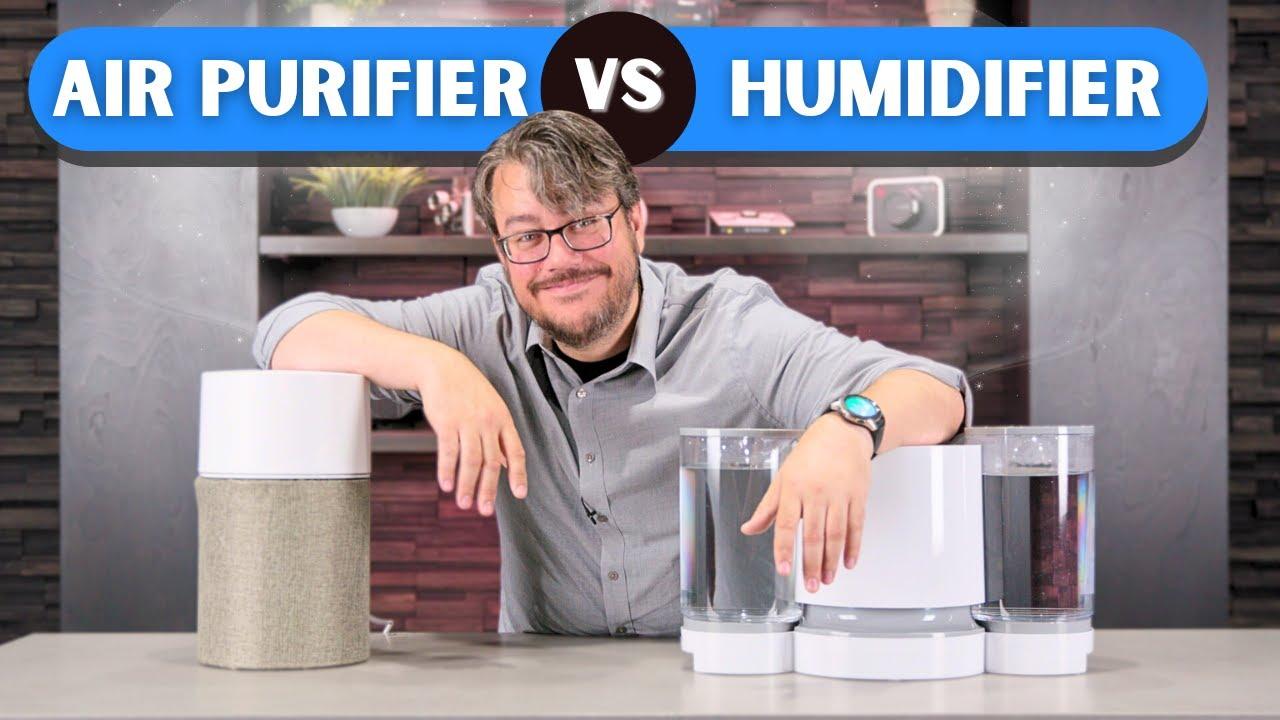
The Main Purposes of Air Purifiers and Humidifiers
Air purifiers and humidifiers can substantially improve our indoor air quality. However, it's difficult to determine the best option for you and your home's specific needs.
Air purifiers and humidifiers each have a designated purpose as well as their own separate advantages and benefits. Let's talk about each of their functions to gain a better understanding.
Air Purifiers

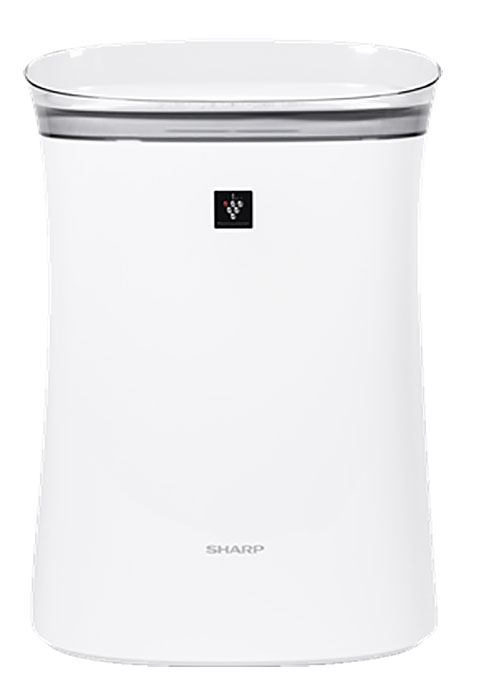
Air purifiers remove airborne particles and contaminants through a filtration system. These airborne contaminants can be anything from allergens such as dust, pet dander, mold, bacteria, dust mites and even smoke from cigarettes or fireplaces.
Whatever size space you have, there's an air purifier to match. Models vary in the square footage that they can cover, making themselves suitable for any room size. Plus, most models are small enough that they can be moved from room to room as needed.
There are also various types of air purifiers. A simple filter-based purifier is the most popular for homeowners as they're easy to maintain. However, there are other options such as Electrostatic Precipitators and Ionizer Purifiers.
Take a look at Abt's comprehensive air purifier buying guide to explore the many options.
Humidifiers
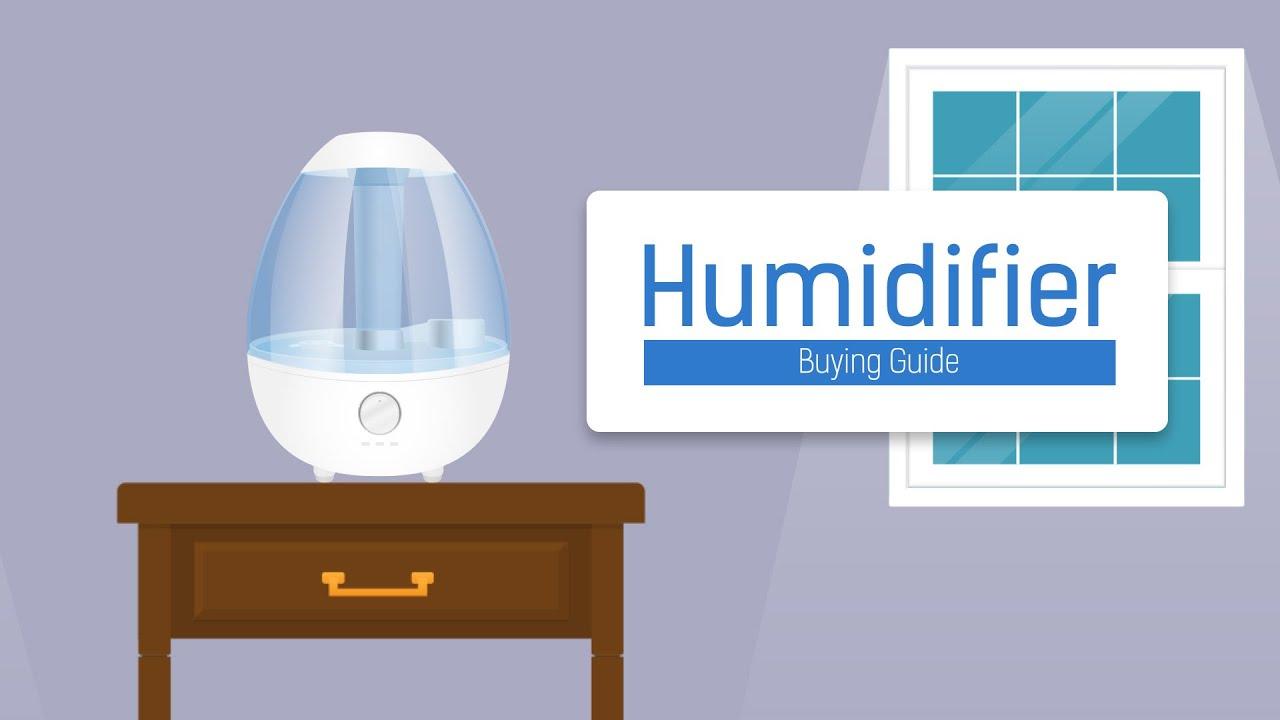
Humidifiers increase moisture levels in a home. Much like air purifiers, humidifiers are beneficial to those of us with asthmatic conditions. But unlike humidifiers, air purifiers provide the most benefit to those whose respiratory issues are worsened due to dry air.
Humidifiers are excellent for use in winter months when air is dry. Homeowners tend to turn up the heat to compensate for the cold, but in doing so, it saps the air of all moisture. This is one of the main reasons that our skin dries out in the winter.
However, like air conditioners, it's important to have the correct rating for your home or room size. For example, a humidifier that puts out too much moisture can result in unwanted consequences such as mold, which can diminish air quality. Pairing a humidifier with an air purifier is a common practice because of these kinds of issues. To reach a balanced and optimal humidity level, a room requires a properly-rated, appropriately-sized humidifier.
Reputable Brands of Air Purifiers and Humidifiers
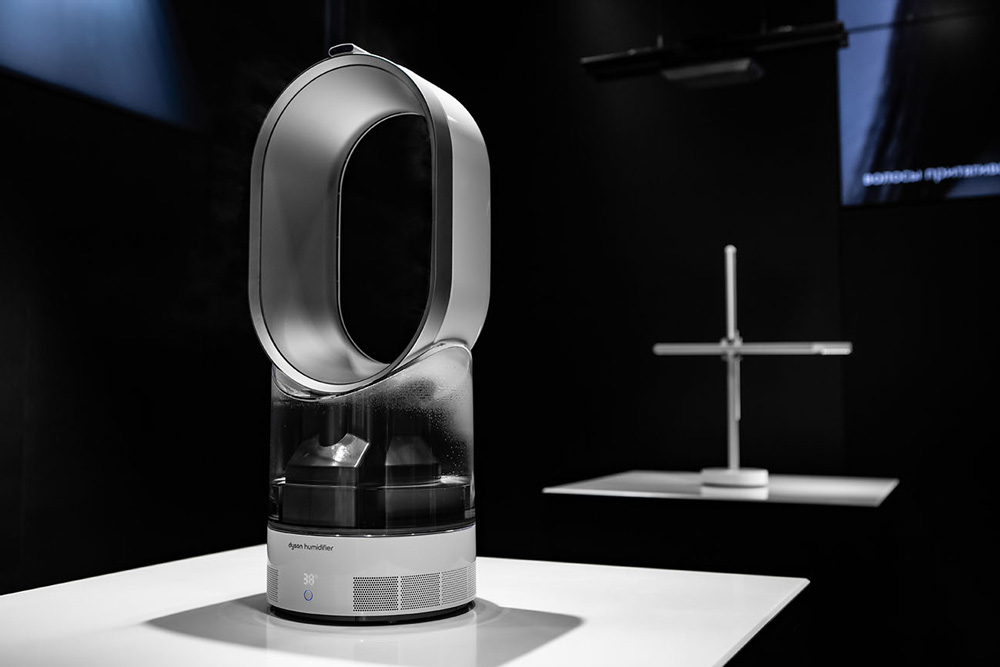
There are a variety of air purifiers and humidifiers available to homeowners. Let's take a look at some of the reputable brands and manufacturers that Abt offers.
Air Purifier Brands
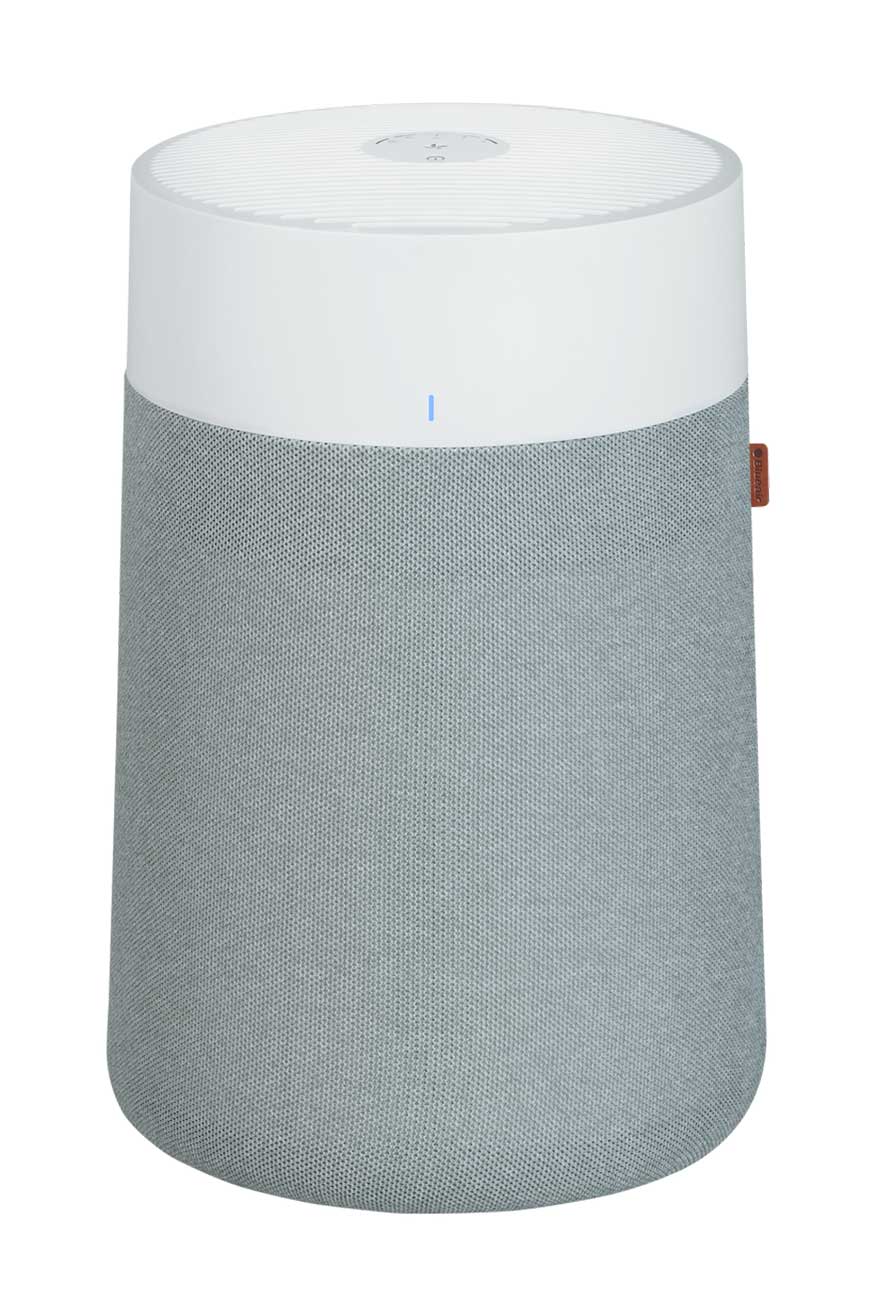
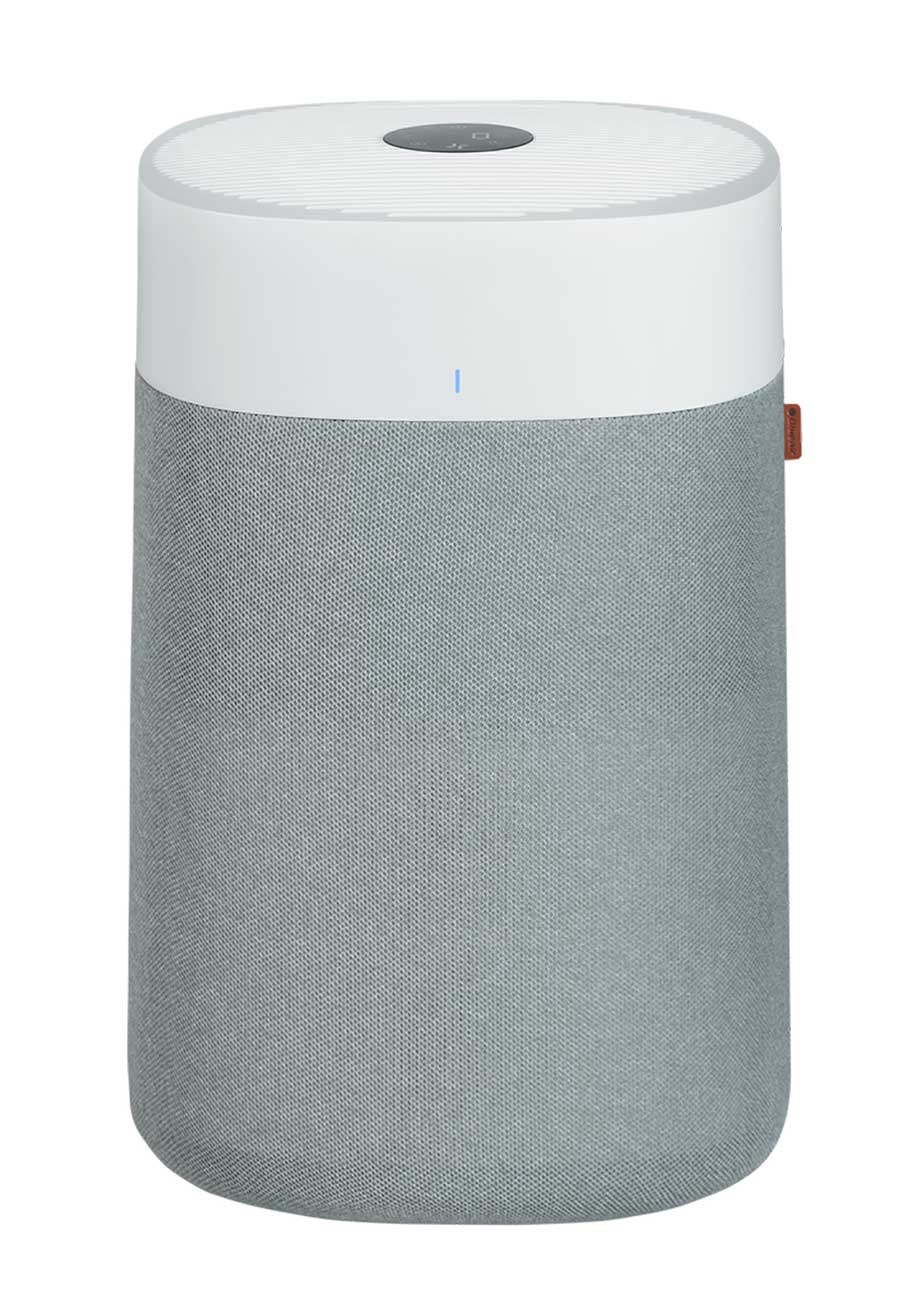
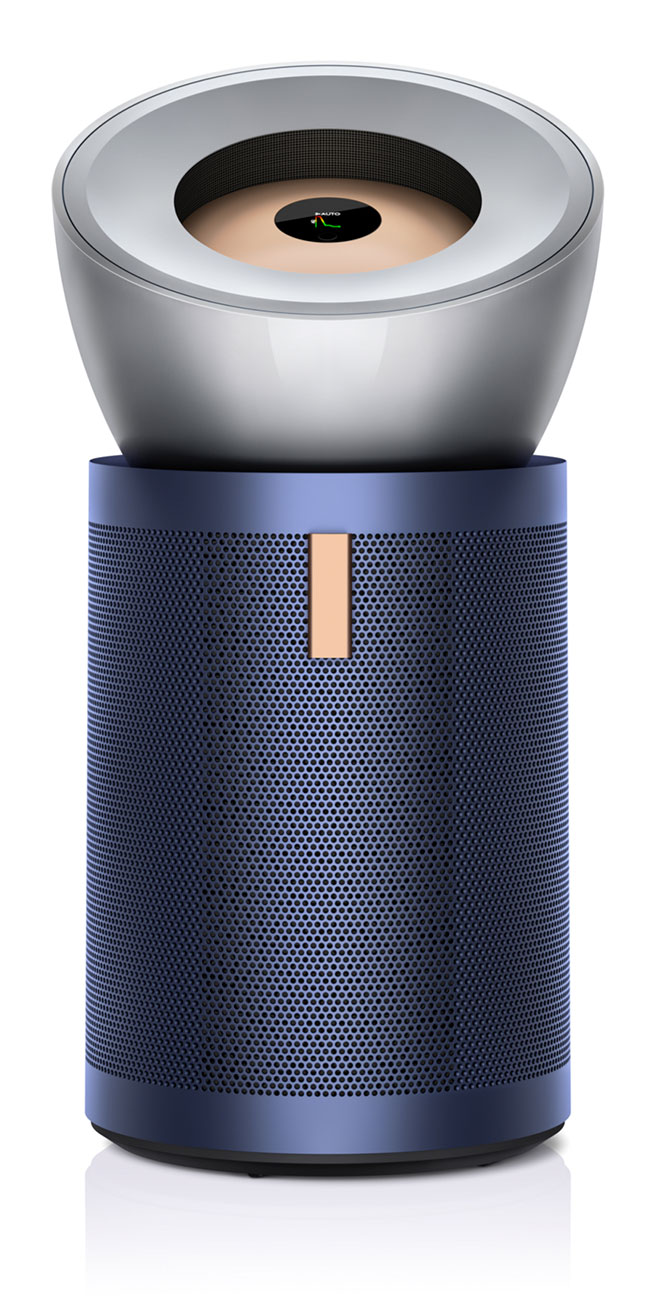
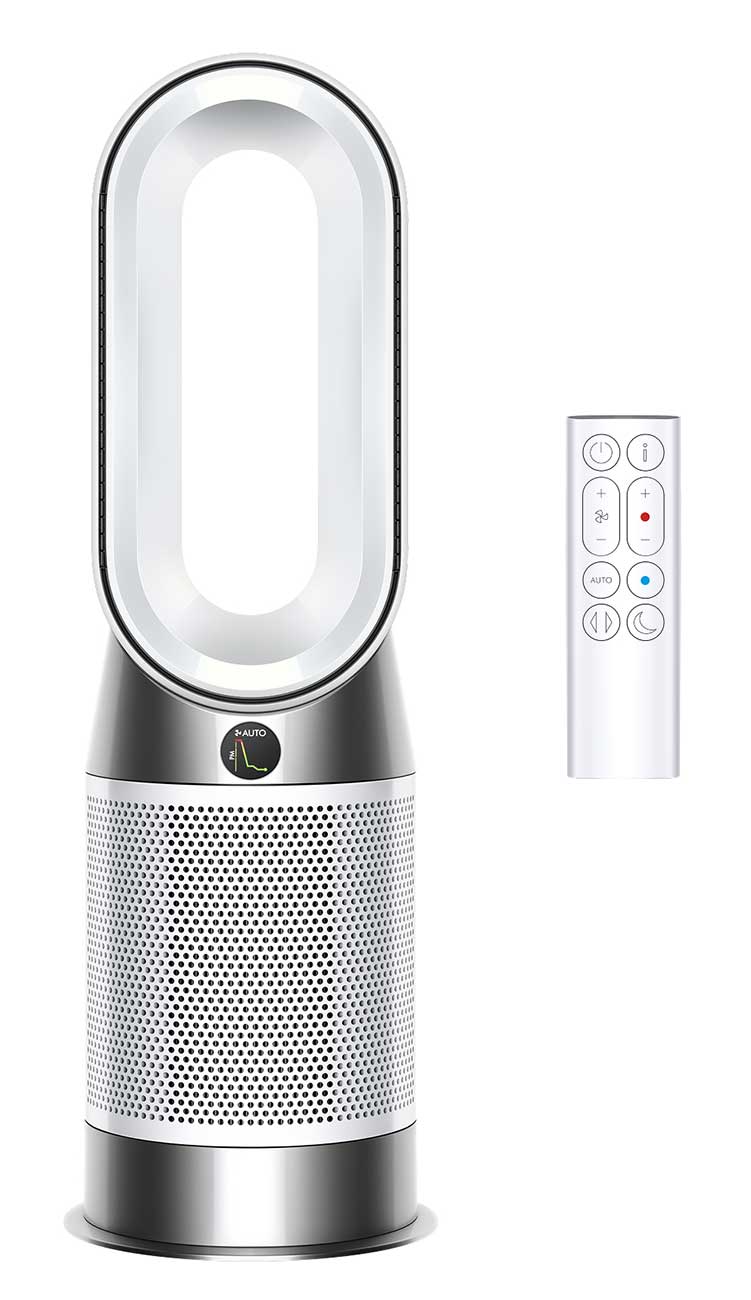
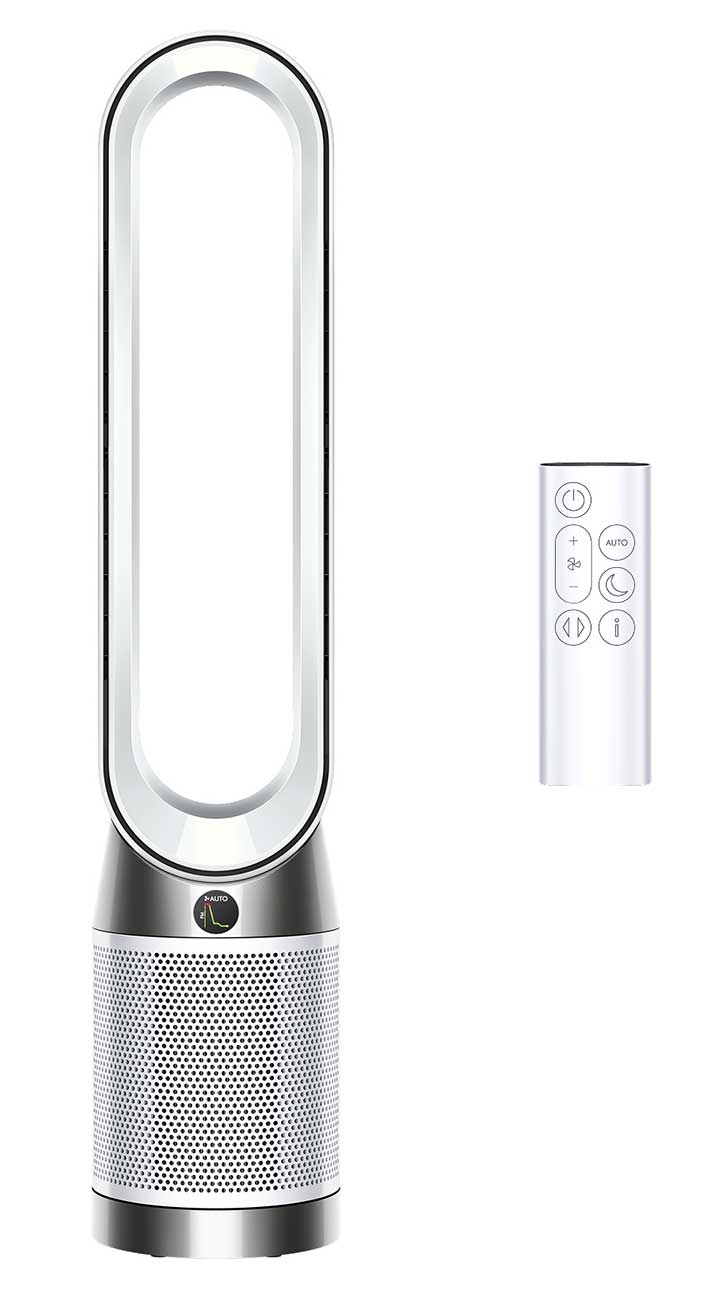
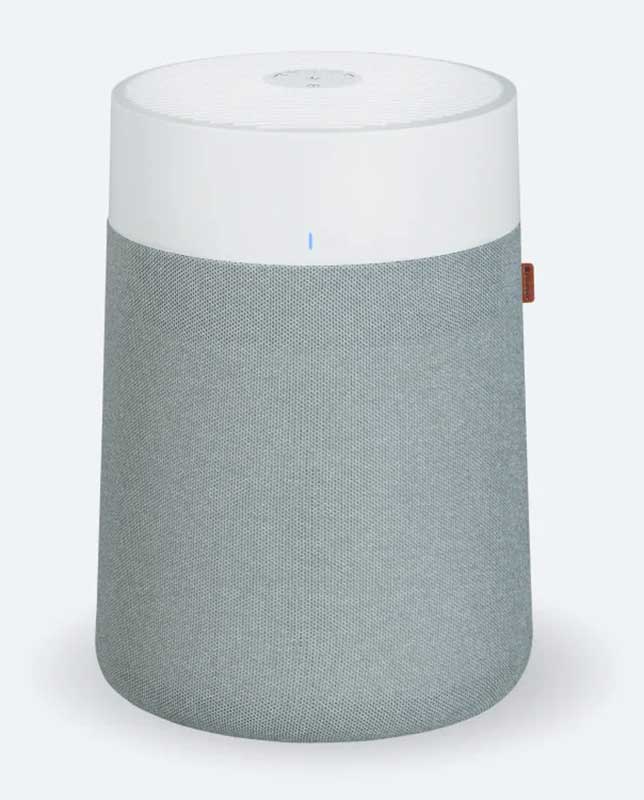
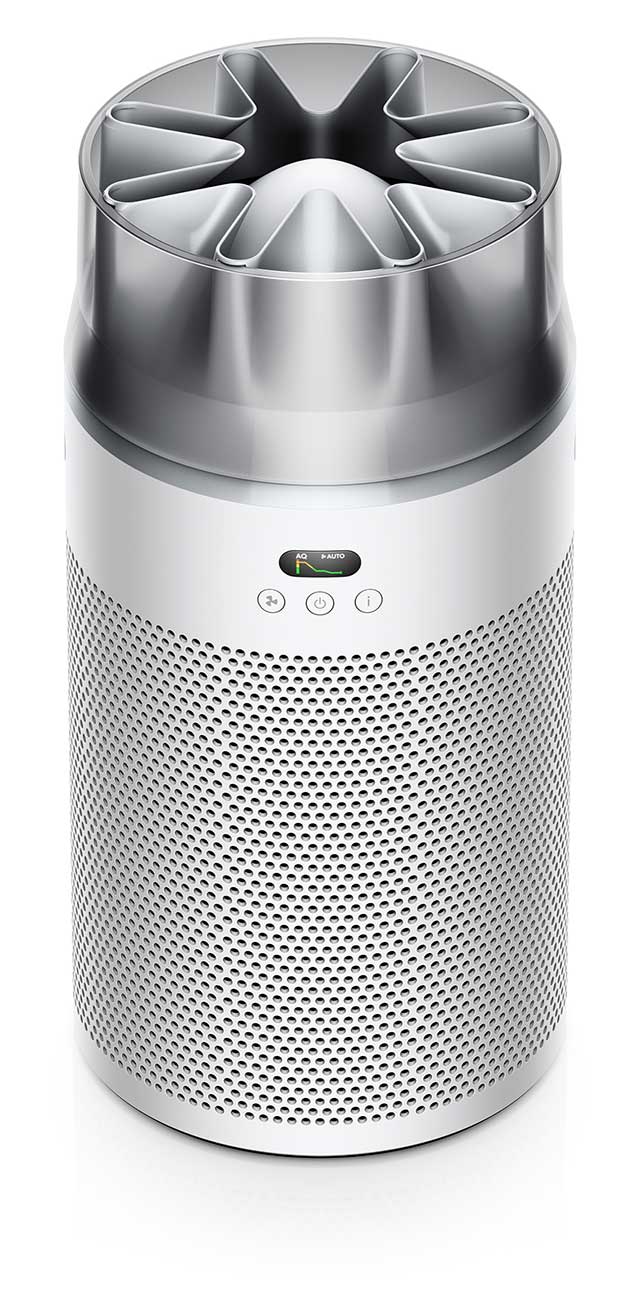
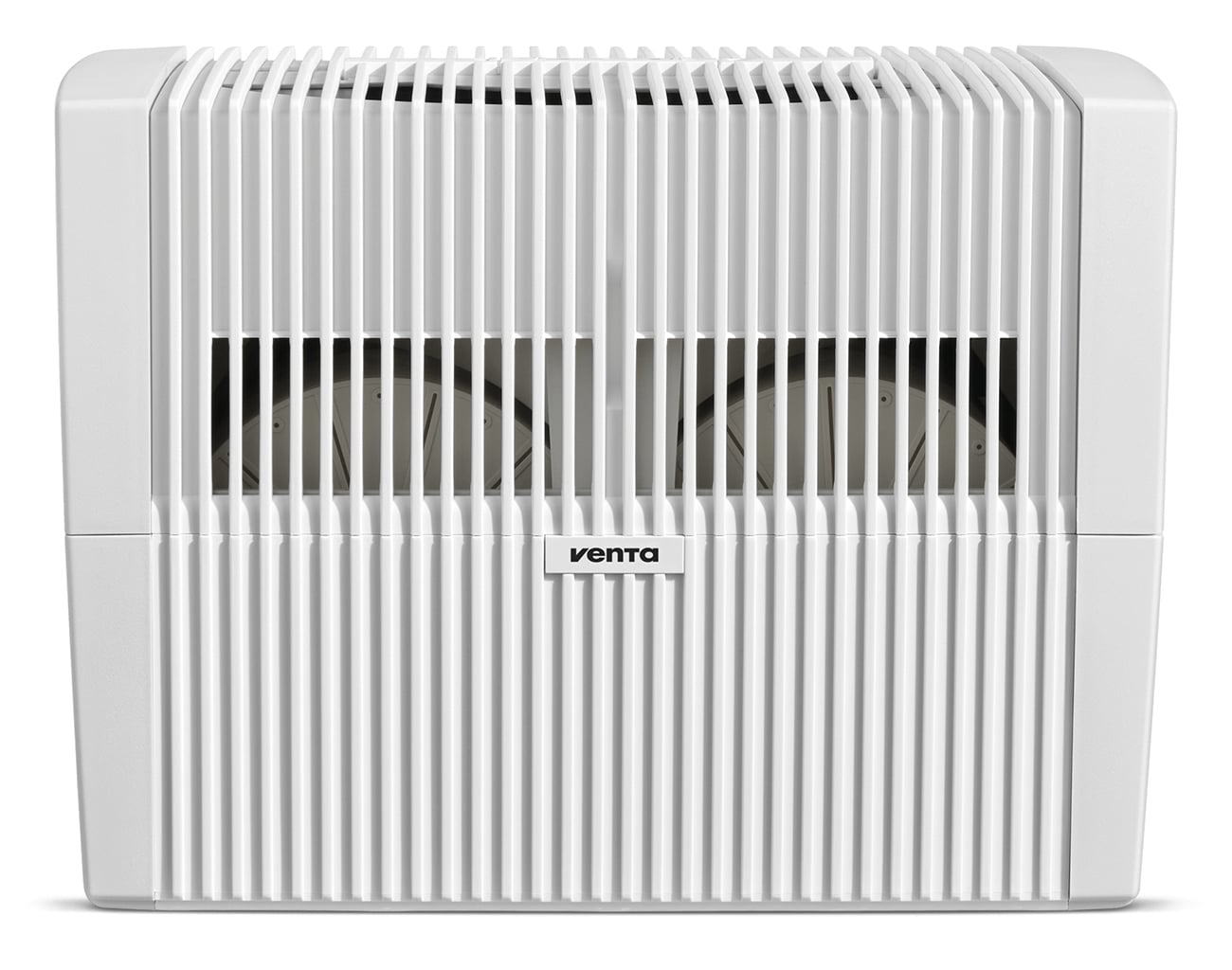
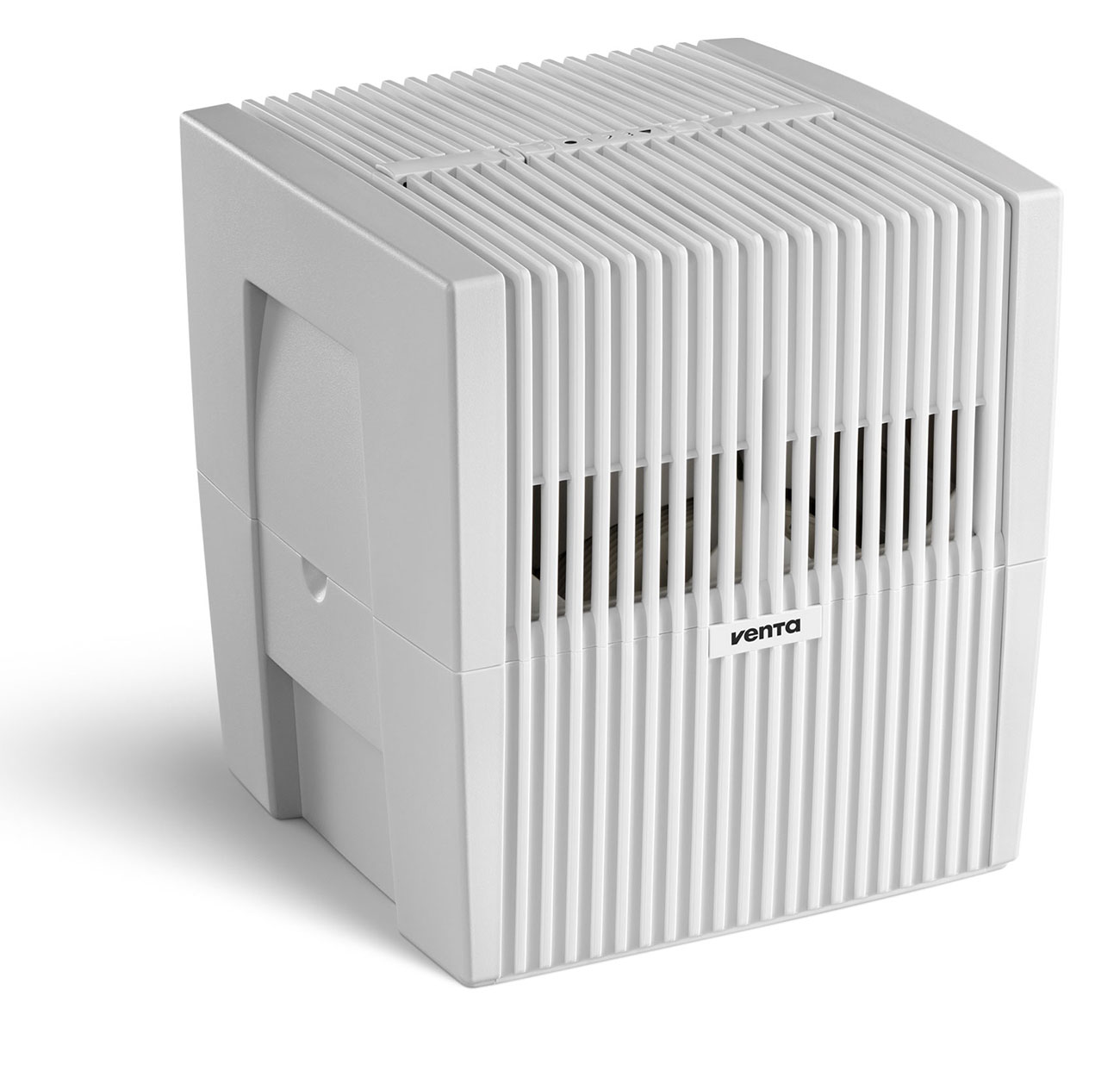
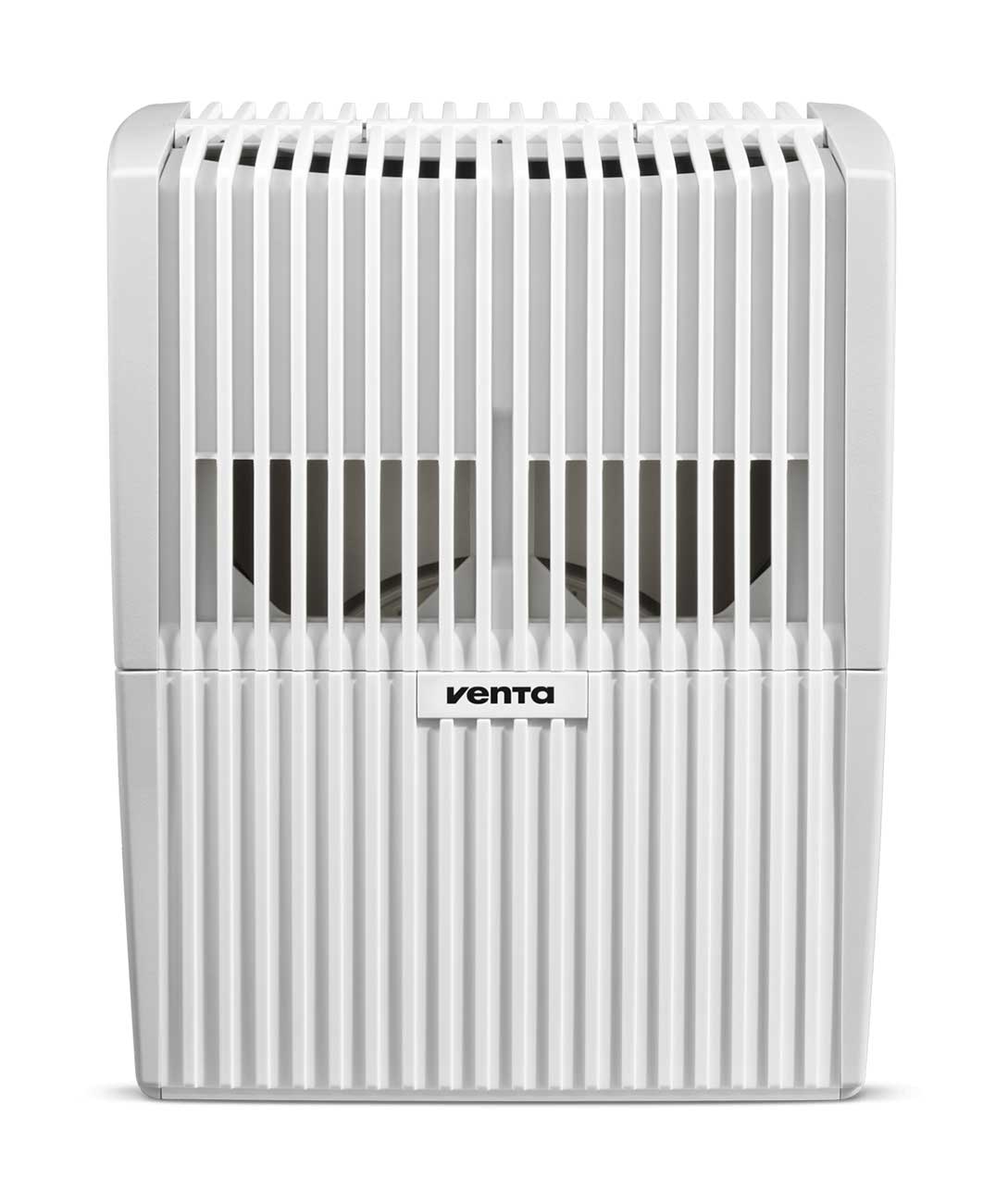
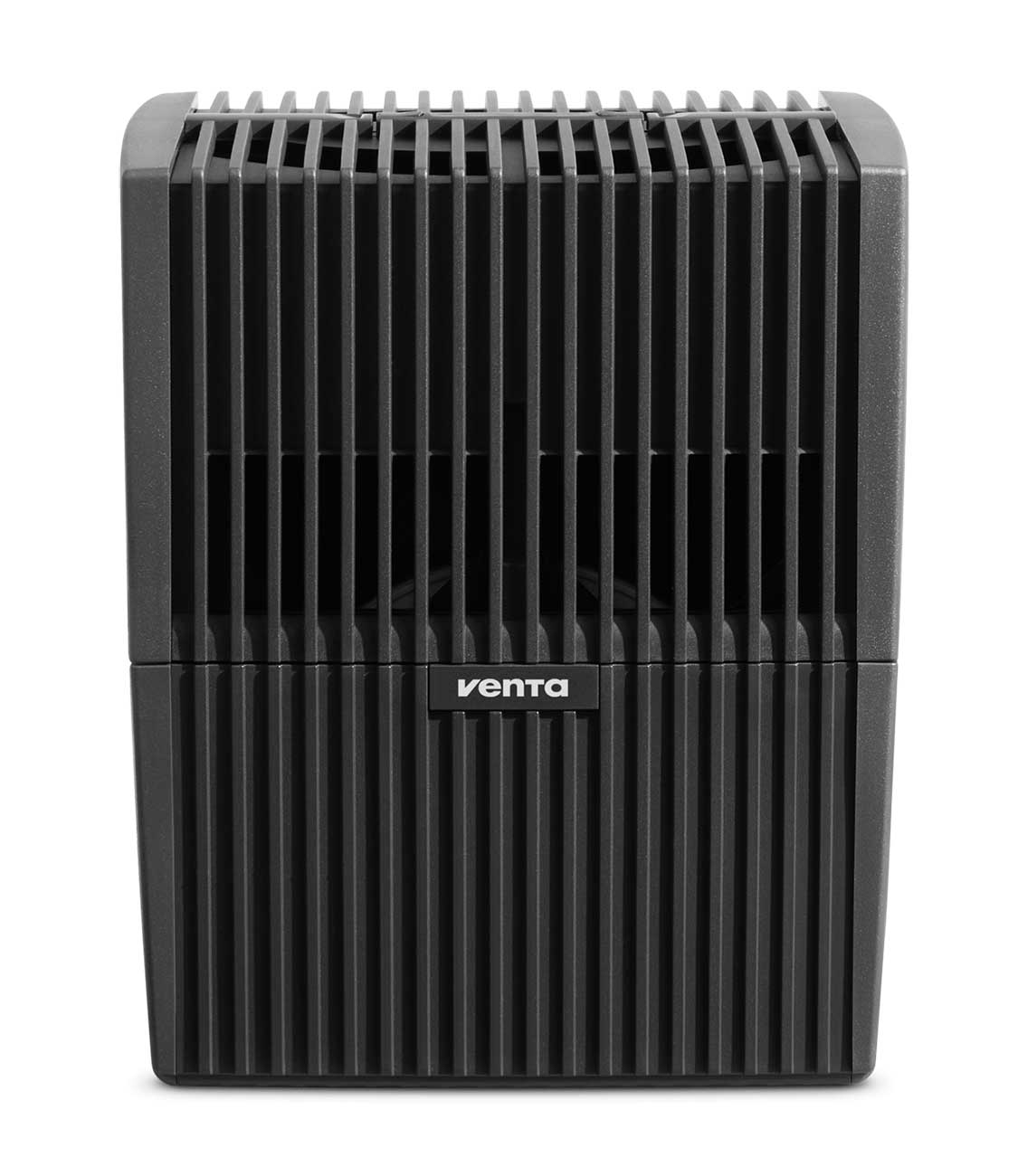
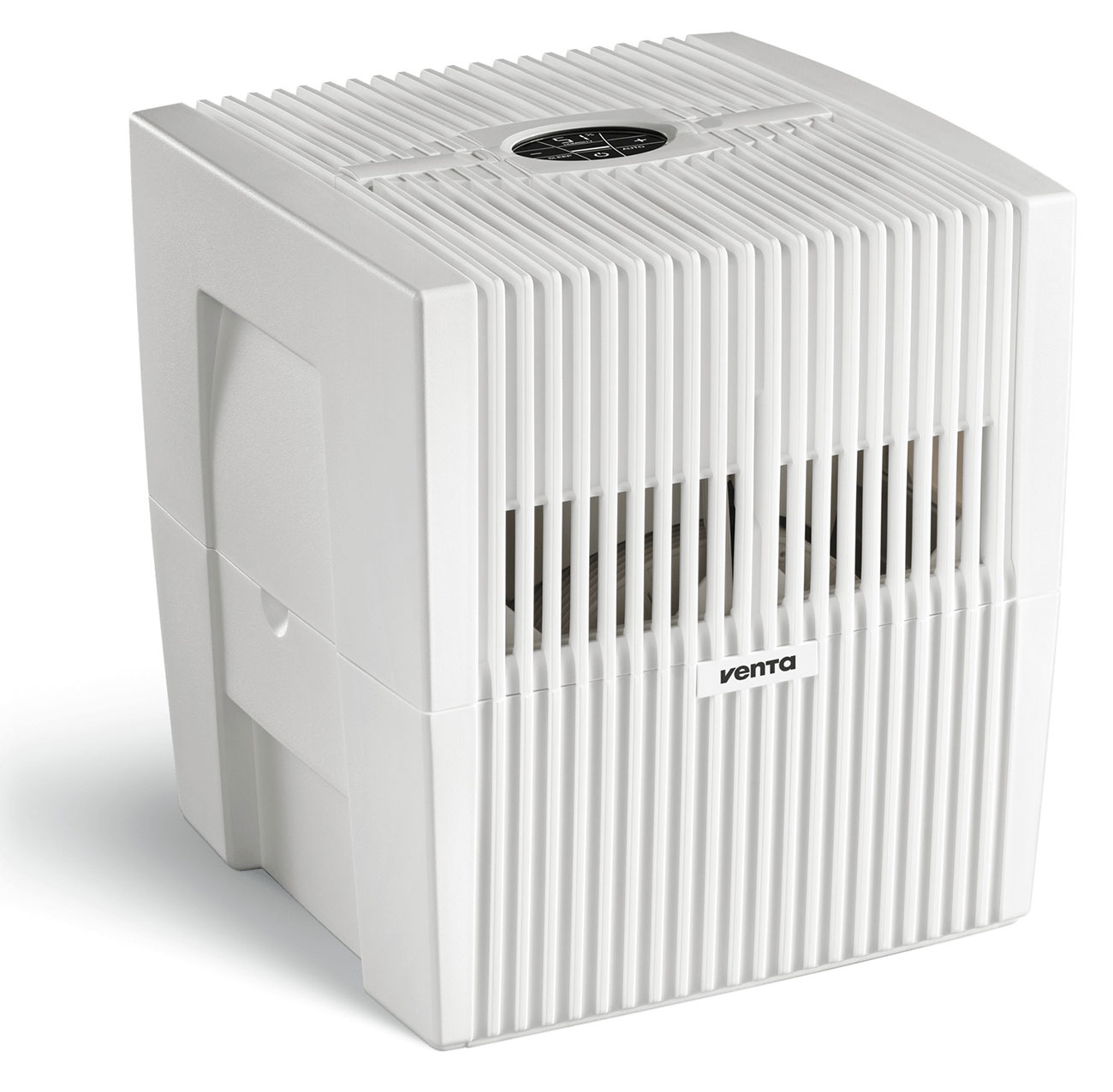
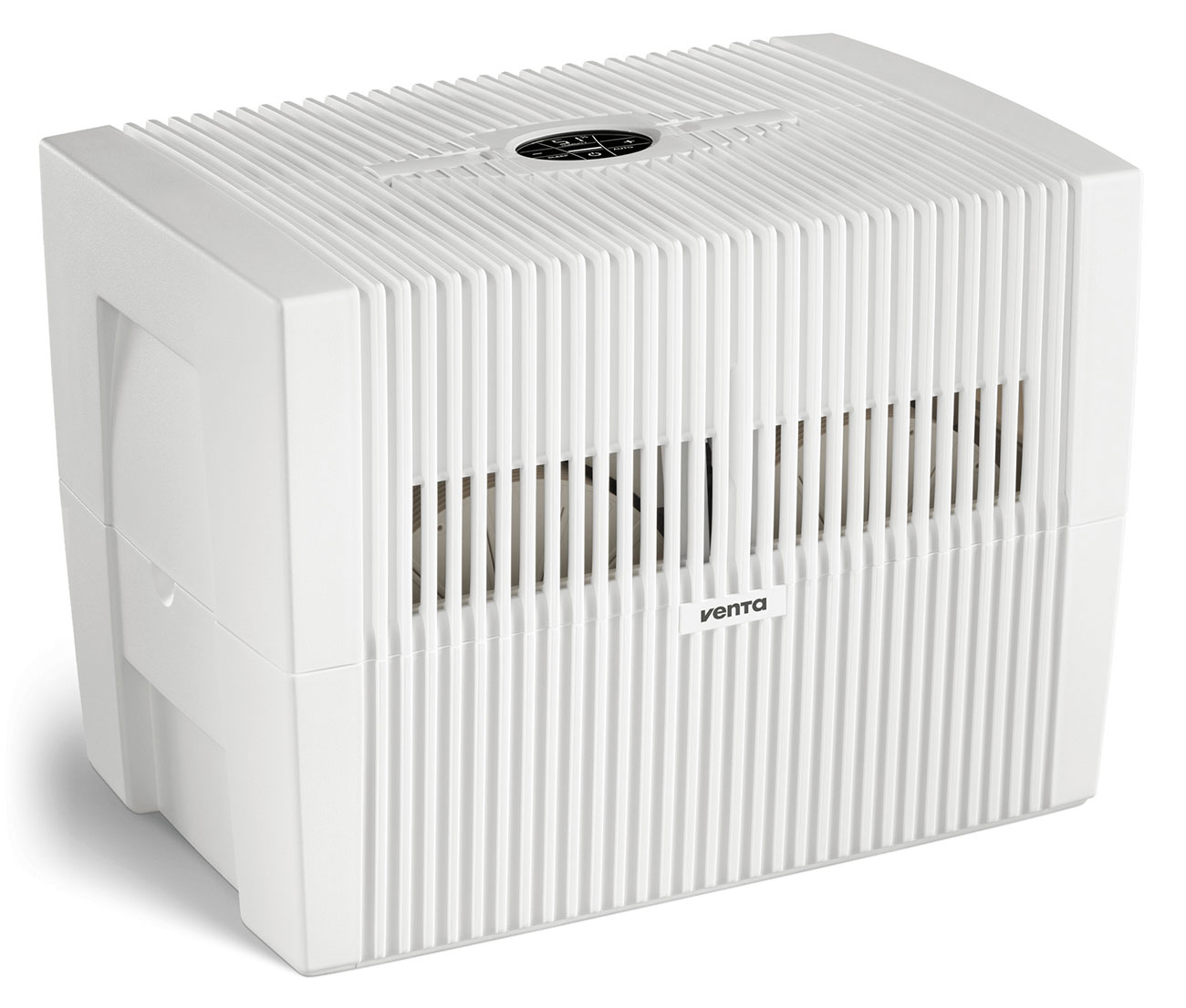
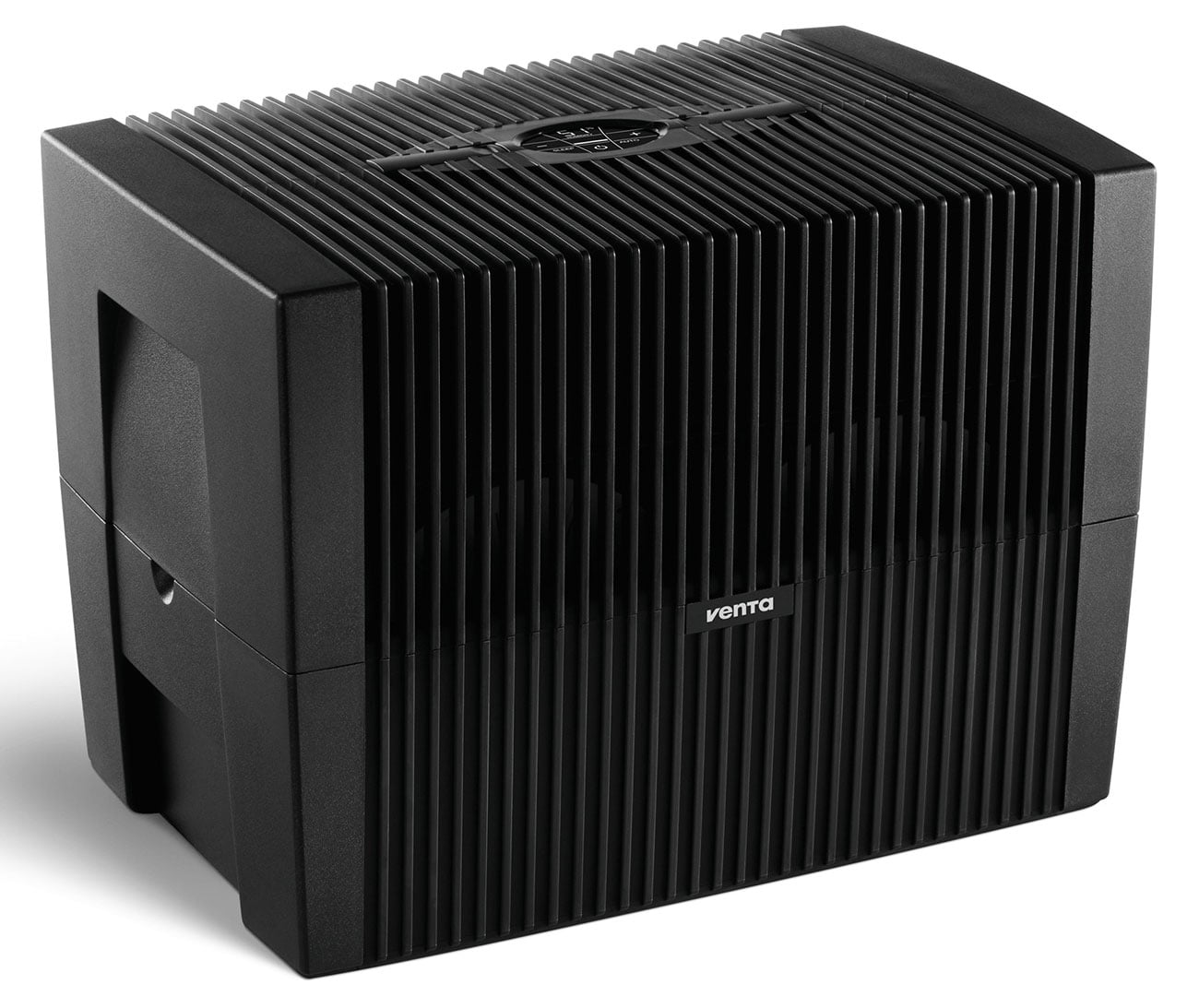
Abt carries models from some of the best air purifier manufacturers, including Blueair, Dyson and Venta.
- Blueair Air Purifiers: Blueair's revolutionary HEPASilent™ captures 99.97 percent of airborne particles using electrostatic and mechanical filtration with an ion particle charging chamber.
- Dyson Air Purifiers: Dyson uses both activated carbon and HEPA filters, removing 99.97 percent of microscopic indoor pollutants.
Humidifier Brands
Abt offers many humidifiers, ranging from built-in furnace humidifiers to install into your home's heating system to single room-size humidifiers.
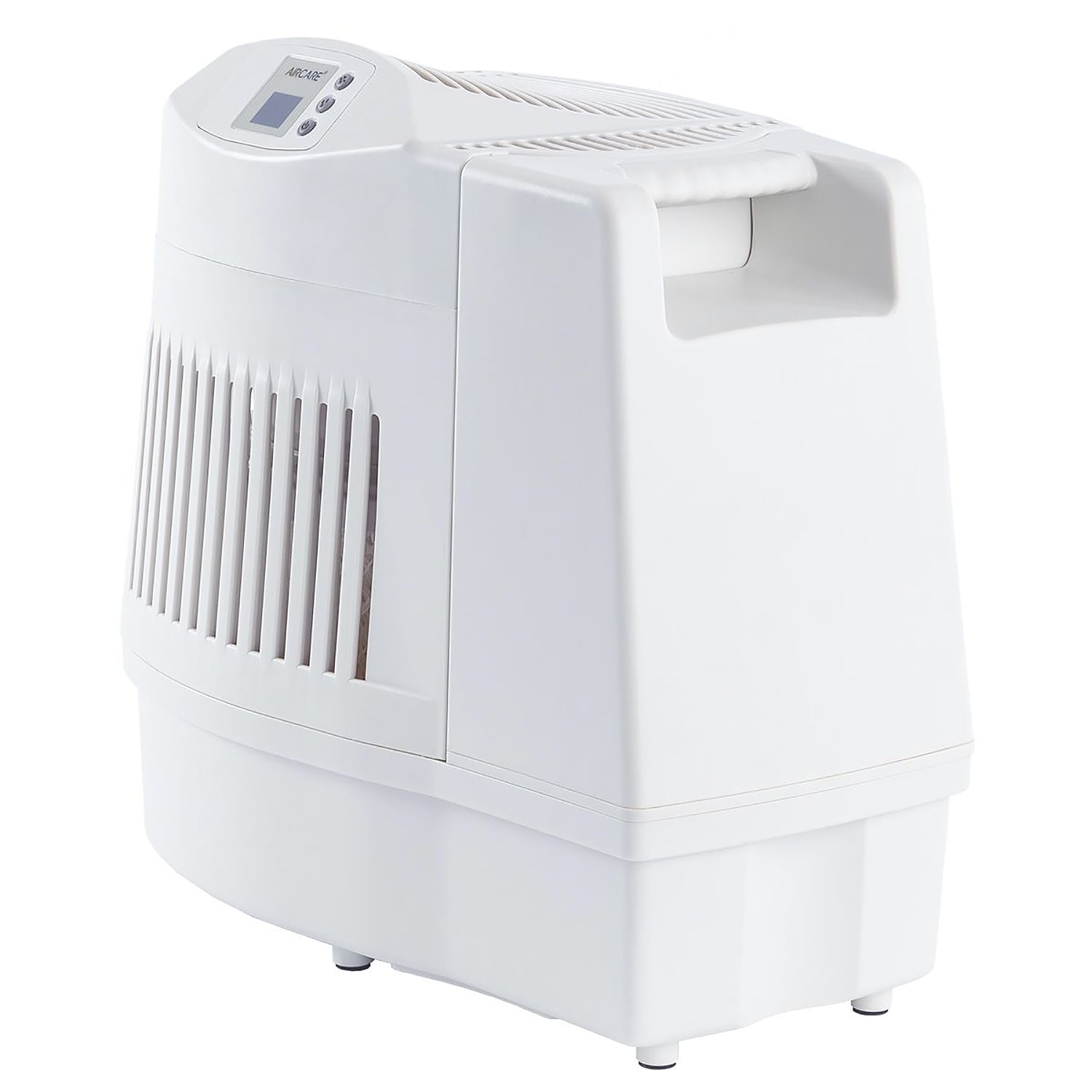
- AIRCARE Humidifiers: AIRCARE offers a range of humidifiers to suit every homeowner's needs. There is a medium-sized, six-gallon humidifier, as well as a large 12-gallon humidifier that covers up to 3,600 square feet of your home.
- Rowenta Humidifiers: Rowenta offers an exceptional humidifier with a large 1.6-gallon tank that accommodates rooms up to 650 square feet. It also provides convenient features such as an auto-shutoff and remote control activation.

Air Purifier vs. Humidifier: Which Should You Get?
Now that you understand the main differences and advantages of air purifiers and humidifiers, which one will you choose? Here is a breakdown to help you decide:
Choose an air purifier to:
- Reduce pet dander and allergens
- Decrease indoor dust particles that tend to accumulate
- Eliminate household odors from cooking, pets and mold
- Prevent reactions from severe respiratory conditions such as asthma
Choose a humidifier to:
- Combat arid, dry environments
- Increase a home's moisture levels
- Reduce respiratory issues caused by dry air, such as nosebleeds and sinus pressure
- Provide relief for dry, itchy skin or other skin conditions like eczema
Air Purifier vs. Humidifier FAQs
Can you use both an air purifier and humidifier?
You can absolutely use both an air purifier and a humidifier simultaneously. While the air purifier cleans the air of indoor allergens, the humidifier will replace dry air with moisture. For those with respiratory issues, this provides the ultimate comfort for easier breathing. However, keep in mind that each device should be placed away from each other, preferably at opposite ends of the room. Otherwise, the humidifier's moisture could result in a clogged filter of the air purifier, which could lead to mold and bacteria growth.
Do air purifiers help with dust?
Yes. They remove larger dust particles they catch floating in the air. This is especially true of models with HEPA filters, which keep dust particles stuck to the filter. How effective they are depends on the device, so make sure you read the fine print if this is one of the most important aspects in a filter for you. HEPA filters capture particles at 0.3 microns with 99.9% efficiency, and that includes dust particles. To boost the dust removal, consider factors like filter placement and size.
Do air purifiers help with mold?
In general, no, air purifiers are not considered helpful when it comes to mold removal. A dehumidifier can help to reduce moisture issues that may cause mold, and an air purifier can help take care of extra-small particles floating in the air, but air purifiers cannot eliminate the underlying problem causing the mold growth.
What does a humidifier do?
As mentioned above, humidifiers increase the moisture in your space. This keeps dry air from irritating your skin, lips, sinuses and other parts of the body. From tough coughs to dry eyes and beyond, several symptoms can be combatted with the correct amount of moisture in the air.
Do humidifiers help with allergies?
Yes, and they can help with more than allergies: common colds, sinus infections, asthma and other respiratory issues can all be eased by humidifiers. Extra moisture in the air helps to soothe irritated nasal passages, coughing, dry skin and itchy eyes.