Garage Door Buying Guide

Determining the Proper Size for Your Home
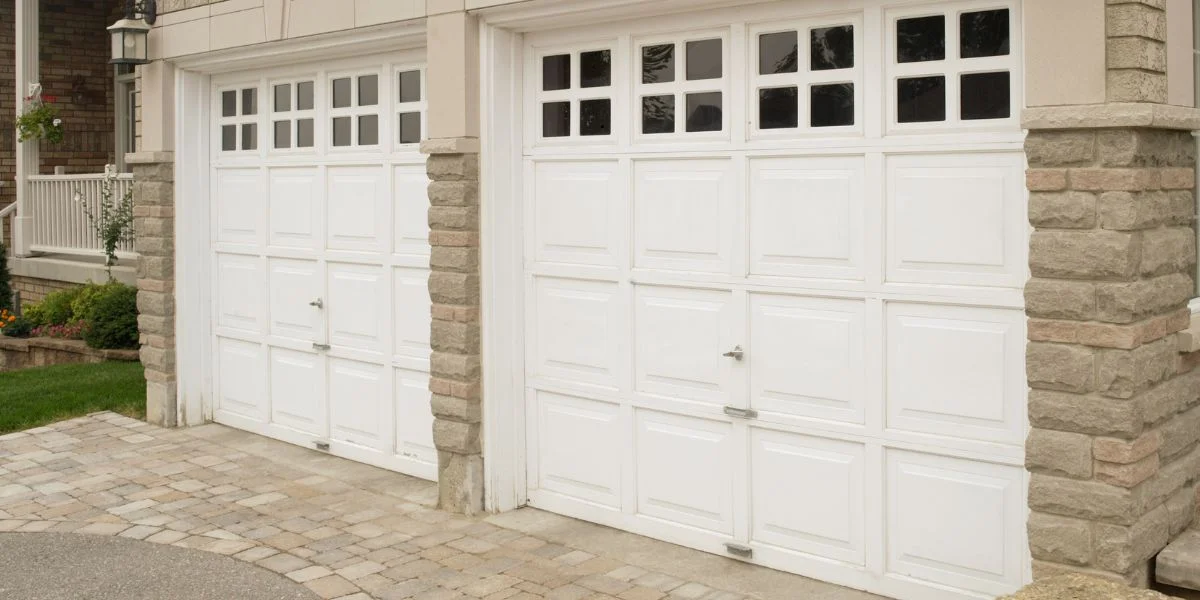
The process of buying a new garage door begins with deciding on which size fits your home. If you're only replacing your current door, then you already know which size to go with. If you're planning on expanding or building a new garage, then you'll need to consider how many vehicles need to be accommodated. To do so, measure your vehicle to get the length, width and height. As you measure, think about how much additional space you want in between the walls and other vehicles. A single door typically fits one car and comes in two different sizes: eight feet wide by seven feet tall or nine feet wide by seven feet tall. If you have a compact vehicle, sedan or mini SUV, then a single door will provide plenty of room for parking. However, you might need to order a custom size if you have a larger vehicle, like a truck or SUV. A double door easily fits two vehicles and offers extra clearance for roof racks or taller vehicles. If you think a double door would suit you better, then you'll need to choose between 16 feet wide by eight feet tall and 12 feet wide and seven feet tall.
Setting Your Budget
Once you know the size of the door, it's time to plan out your budget. The cost of a new garage door depends on several factors, such as the material and design details. While certain materials look great, they can be more expensive than others, like high-end wood compared to steel or aluminum. Depending on which material you choose, you might need to add additional insulation to the door. While the initial cost might seem pricy, keeping your garage warm helps save on costs in the long term. Furthermore, custom colors, windows and hardware enhance the appearance, but bear in mind that these customizations can cause the bill to be higher than originally anticipated. As you complete your budget, be sure to include door openers and standard renovation costs. For reference, a typical two-car garage door at Abt ranges from $1,800-$3,000.
Selecting the Material
As mentioned above, there's a range of materials to choose from when customizing your new garage door. When exploring the different options, be sure to consider the typical weather your area experiences year-round and the overall maintenance that you're willing to put into the door. Some materials naturally possess insulation properties, which help maintain stable temperatures within the space. This protects your vehicles and other items that you choose to store in the space. Including proper insulation within your new garage door also means achieving greater energy efficiency for your home and potentially reducing your energy bill.
- One of the most common materials for garage doors is steel, as it offers substantial durability for areas with extreme weather. This affordable option is easy to customize and requires less maintenance compared to other selections, such as wood. If you choose to go with this material, you'll need to decide between having a single, double or triple-layer door. A single layer is more economical but tends to be a poor insulator and could be loud during opening/closing. A Double-layer door sandwiches insulation between the two layers, which provides greater levels of energy efficiency. Double-layers also offer better soundproofing than a single layer. For maximum strength and durability, you'll want a triple-layer door. This is also a great option if you plan on using your garage as an extra space for entertaining guests. Regardless of which layer you choose, it's important to note that this material is prone to denting and rust when exposed to moisture for long periods.
- Aluminum garage doors are known for being corrosion and rust-resistant; however, they're prone to dents from bumps or hail. In terms of insulation, you might need to add additional layers as the material doesn't have natural insulating abilities. However, the design options for this material are endless, and you can even add custom colors so the door matches your home. Aluminum is also one of the more eco-friendly choices, as it's typically made from recycled materials. Plus, this lightweight option is easy to lift manually in the event that the power goes out or your door opener breaks.
- A wooden garage door offers a beautiful touch to your home and can be customized to match nearly every aesthetic or home design. With this material, dents, scratches or similar damages won't be a concern as the thick material uses sturdy headboards and hemlock frames to maximize its strength. However, you'll need to keep an eye out for any warping or rotting, particularly if you live in a humid environment. Repainting or staining helps reduce the chance of moisture getting into the wood, but increases the overall lifetime costs. It's also good to note that wood tends to be more expensive compared to other options, although the price range is quite large. More common, lightweight options will result in a lower bill, while heavier, higher-quality woods could greatly increase the end price.
- Garage doors made from composite wood are great for places with intense humidity or heat when compared to their real wood counterparts. Plus, excessive exposure to sunlight or high temperatures won't cause the door to warp, crack or rot, meaning the material will last longer with minimal maintenance required. Even colder temperatures won't have much of an effect on this weatherproof material. While the natural insulation isn't great, it's a simple process to add either polyurethane or polystyrene. The eco-friendly material almost perfectly imitates the appearance of true wood, so you get a sophisticated touch to your home without breaking the bank. If you plan to stick with the natural color, then you'll love the low maintenance requirements. Even if you've chosen to paint over it, only a few repainting sessions are needed to keep up the stunning appearance.
- Choosing fiberglass for your new garage door means you won't need to worry about rust, rot or insects causing any unwanted damage - perfect for areas with high levels of humidity. This affordable, lightweight option provides great insulation and is more energy efficient due to the multi-layer design. Unfortunately, the material is not as durable against intense pressure, such as strong winds, which can cause significant damage if left unchecked. If you're not looking for a lot of customization options, then this is a great option, as there are limited colors and designs to choose from. In terms of lifetime costs, you won't be spending much after the initial cost. If appearance is something you're concerned about, note that prolonged exposure to sunlight might cause the door to turn slightly yellow. However, repainting is always an option. Plus, regular cleaning with mild soap and water can also help reduce the chance of yellowing.
- Vinyl is a budget-friendly option that comes with a range of benefits for your new garage door. For starters, the durable material means you won't need to worry about rust, rot or warping as time goes on. Though it's not a great insulator by itself, you can easily add additional insulation without taking a hit to your budget. Depending on your desired aesthetic, there are countless customization options to choose from during the design process. Once the door is finished, you won't need to worry about scratches or other marks since the chosen color is embedded into the entire framework. However, this means that you won't be able to change the color once the door is installed. Plus, it's recommended to stick with lighter colors as darker ones could fade over time due to UV rays.
Choosing Between Different Designs and Styles
When it comes to the appearance of a new garage door, think about the architectural design of your home. Does it lean more towards a ranch style? Or maybe you've embraced a modern or contemporary feel? Whether you want to match the overall aesthetic of your home or want to make a statement, there are several options to choose from that will enhance your home's appearance.
- If you have a traditional home, then a traditional door is just for you. These models don't steal the show while providing a timeless touch. This design is great for architectural styles like Tudor, Southern, and Georgian. Traditional Doors are known for their symmetry and include features like raised panels or decorative windows placed in a grid pattern. When it comes to materials, wood and steel are typically used; however, you can often choose from any material that the manufacturer offers.
- Farmhouse doors are perfect for rustic-style homes like ranches, cabins and French country houses. Typically made from wood or composite materials, these options offer a variety of panel choices, including double cross, recessed or raised panels. Windows are often included in the final product along with vintage-style hardware to recreate the look of barn doors.
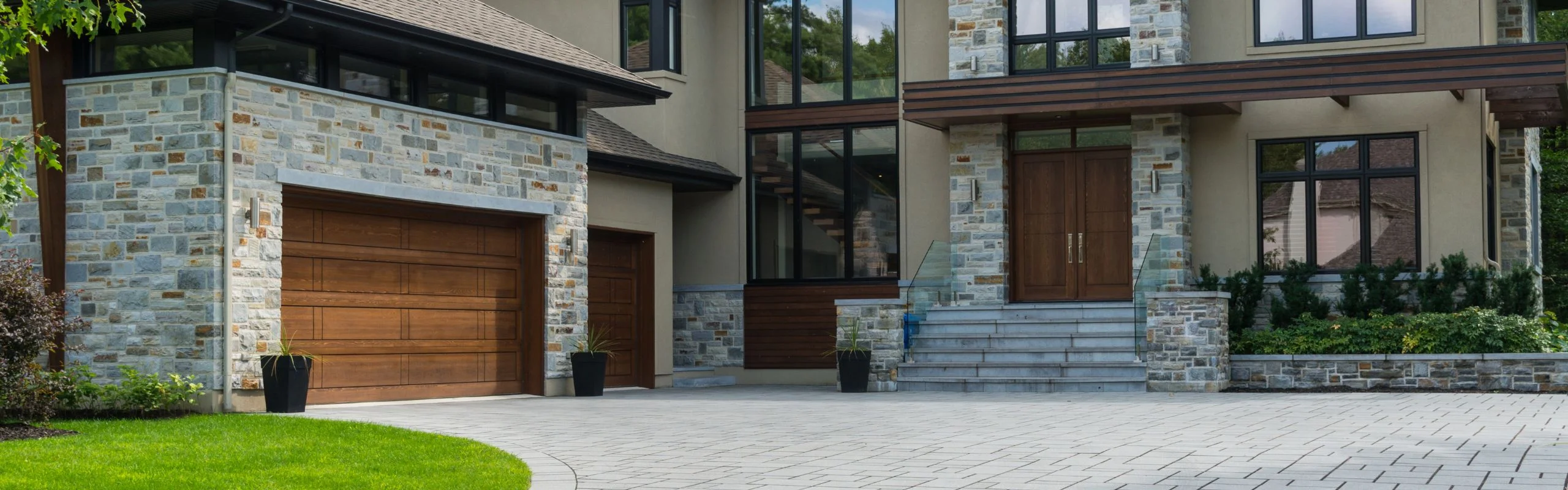
- While not as decorative as other selections, contemporary and modern doors offer a cleaner, more simplistic look. These designs tend to be made from aluminum, steel or, occasionally, glass. Though contemporary and modern doors are made to be more minimalistic, they are great options if you are looking to add a pop of color to your home, since they are easy to add custom colors to.
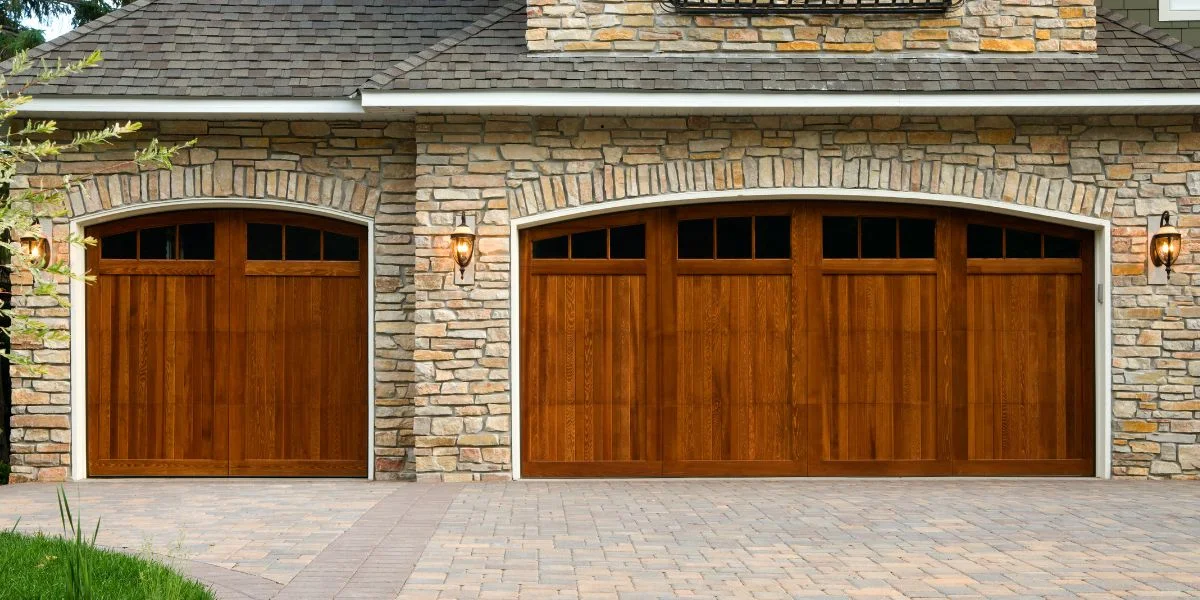
- Traditionally made from wood, composite or steel, carriage house garage doors are a timeless option that will never go out of style. These designs are perfect for almost any home except for contemporary and modern ones. If you decide on these doors, you'll have the chance to choose between horizontal or vertical raised panels, along with arched or square windows with grid panes. Decorative, vintage hardware tends to be added, which tops off the aesthetics.
- A Tudor garage door offers a unique touch to your home with various customization options - from angular designs to detailed panels. Richer colors are typically placed onto wood or composite materials. The grand proportions of the doors make your home appear more robust and add a twist of medieval or Renaissance motif.
- A craftsman garage door is great for classic architectural homes like Craftsman, Cape Cod or even ranch. While wood and metal are the more commonly used materials, you'll have a vast array of colors to choose from to ensure the door matches your home just how you want. Vertical recessed panels are typically found on these doors, along with straight lines and more structured molding. Additionally, vintage-looking hardware is often added to give these designs it's unique look.
Selecting the Opening Motion
A functioning door opener is a must when creating a custom garage door. Though there are various opening motions to choose from, it's important to note that some options might not be as compatible with certain materials.
- Sectional garage doors are by far the most popular option in the United States. These models consist of several panels connected by hinges. As the door opens, the panels roll up on the vertical track until the door sits parallel to the ceiling. This style is often made from steel and is relatively low-maintenance.
- A roll-up door is typically found in commercial buildings rather than residential; however, this style is great for homes with limited space on the ceiling. These models are built with steel sections that roll around the upper drum as the door opens. If you would prefer this opening style, you should note that you won't have as many material options to choose from, as real or composite wood tends to be too heavy.
- While you might not have seen a side-to-side garage door, this option is also great if you have limited ceiling space. Instead of resting on your ceiling, the door moves to the side and sits along the walls. However, this means that you'll have restricted storage space. It's also good to know that wood doors are less suited for this opening motion, as it can increase the risk for warping or cracking.
- A canopy garage door means your door won't have separate sections. Instead, the door remains one, full piece and uses a hinge mechanism to open. It's important to note that when open, this model will extend past your home. It's also not recommended to use wood for this opening motion, as the material could be too heavy.
- Similar to canopy designs, a retractable garage door has larger panel sections and requires ample room to operate, but won't stick out from your garage. Instead, each panel moves to rest completely parallel to the ceiling. It's also good to note that a retractable garage door tends to be more expensive compared to other designs.
Additional Garage Door Features
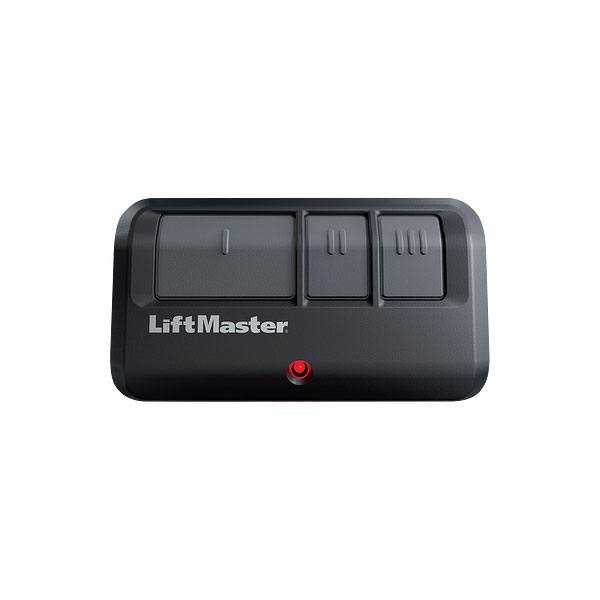
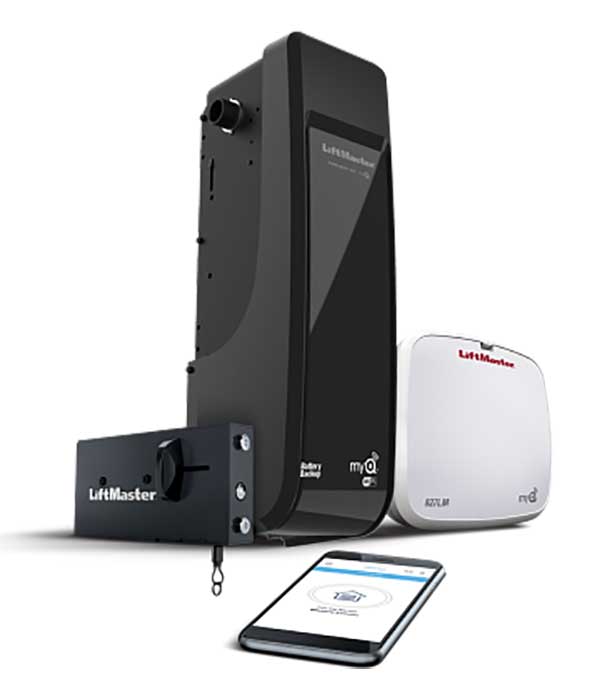
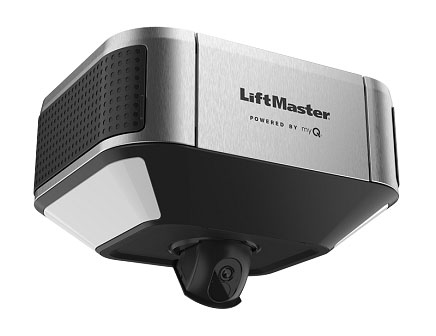
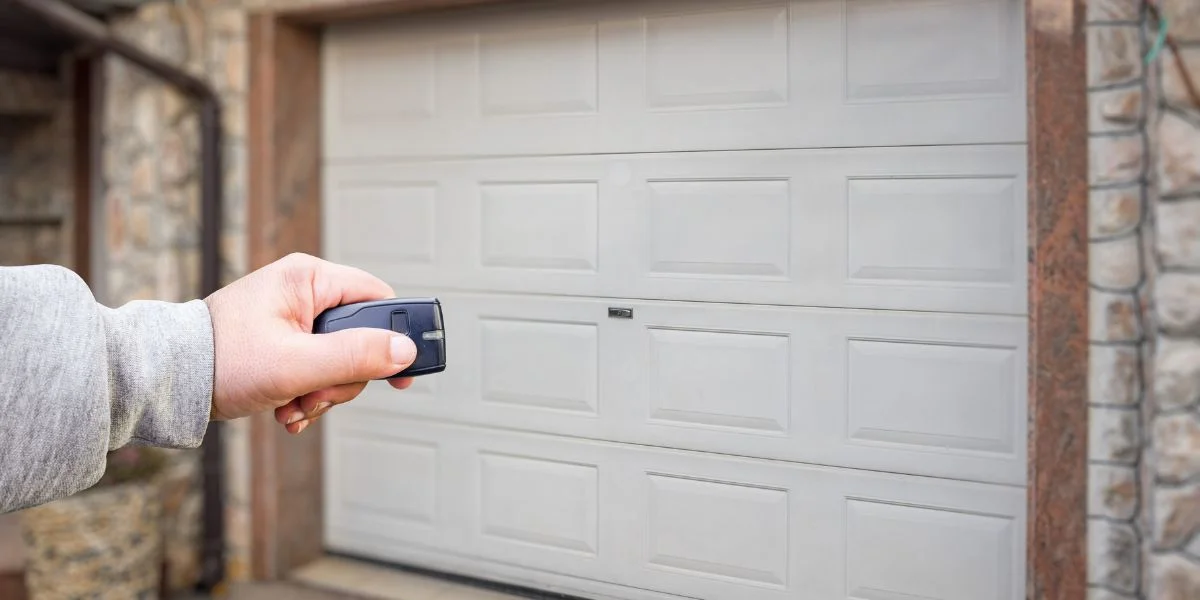
Once you have selected each of the core components for your garage door, it's time to think about other features that you might want to include within the final design of your new garage door. Hinges, handles and windows are some of the most common options, as these architectural enhancements allow for the door to fit into your home aesthetic further. Some designs, like craftsman and carriage house, already come with these features included. Windows are a great way to bring some natural light into the space, but can have a sizeable impact on the end price. In addition to artistic features, a new garage door opener means you'll have a convenient way to remotely control the door from your mobile device or key fob. Some models can be integrated with your home automation system, so vocal commands are all you need to open and close the door.
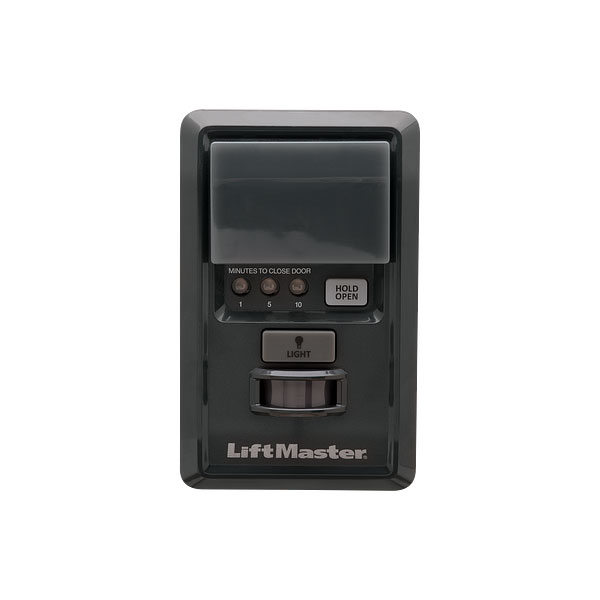
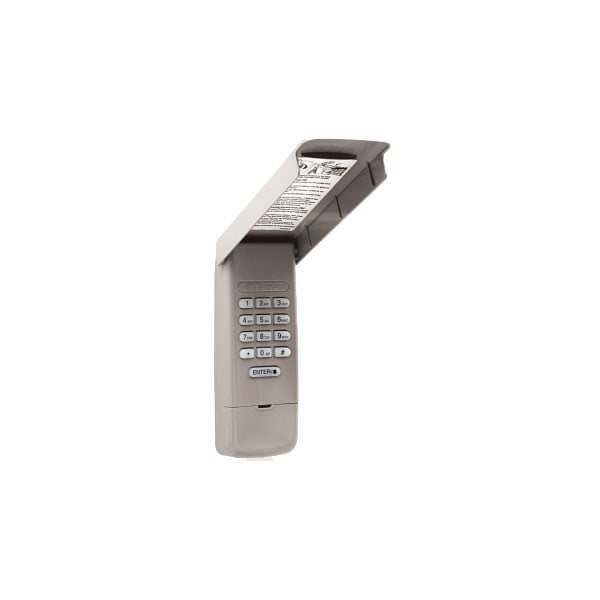
Including security features within the final product goes beyond the typical design and gives your home an extra layer of protection. As mentioned above, including a smart door means incorporating it into your home automation system. This not only makes opening/closing easier, but also allows for notifications to be sent to your phone each time the door is open. You can even set the door to automatically shut after being open for a certain amount of time. Adding an auto-reverse feature means the door will sense if something or someone is standing in the closing path. Should something be detected, the door will stop closing and automatically reverse its path, so you don't need to worry about kids, pets or personal items getting caught. Depending on where you live, investing in a keypad with a security camera could be wise. Similar to a video doorbell, these products help you remain aware of anyone attempting to open the garage door.
Maintenance for the Years Ahead
Regardless of the type of garage door you choose, regular maintenance is essential. Here at Abt, our in-house trained specialists won't only install the door for you, but will also provide any required services needed in the future. From diagnosing issues to preserving the overall quality, our team of garage door experts not only brings the necessary skills but professional care that helps define the Abt experience. If you would like to schedule a service or request a quote, reach out to us at 800-860-3577.
Let us assist you
Contact Us
Custom Garage Door FAQs
-
An insulated garage door is highly recommended if you live in an area with varying temperatures. This helps maintain a stable internal temperature for your garage, which promotes greater energy efficiency.
-
Depending on where you live, the best material for a custom garage door differs. For example, steel is great for areas with extreme weather conditions, while fiberglass is great for high levels of humidity.
-
Windows enhance the overall aesthetic of the door and allow for more natural light to be let into the garage.