Why You Need Seasonal Garage Door Maintenance

How Often Should You Service Your Garage Door?
You'll want to check up on and maintain your garage door twice a year. When it comes to garage door maintenance, you'll likely be able to tackle many of the simpler tasks on your own for a DIY experience. If you take care of your garage door properly, you'll extend its lifespan and keep serious issues at bay-and when problems do arise, you'll be ready to tackle them. If you're less confident in your skills or just want to make sure you're in expert hands, call for help from specialists (like our garage door team at Abt). Below, we'll discuss some of the best practices for DIY garage door maintenance and checkups, as well as how to troubleshoot some common issues.
Some things you may need include garage door lubricant, a brick or 2x4, a damp cloth and dry microfiber cloth, a socket wrench, a screwdriver, a replacement battery and bulb for your garage door opener, and your recommended garage door cleaner.
Bi-Annual Garage Door Maintenance Steps
Inspect the Door
Before you go further, start by opening and closing the garage door while it is functioning normally. Do you notice anything out of place, like odd and jerky motions, crooked sliding or a loud operating volume? Perhaps your garage door parts aren't even in alignment. If so, your door might be unbalanced.
Test its Balance
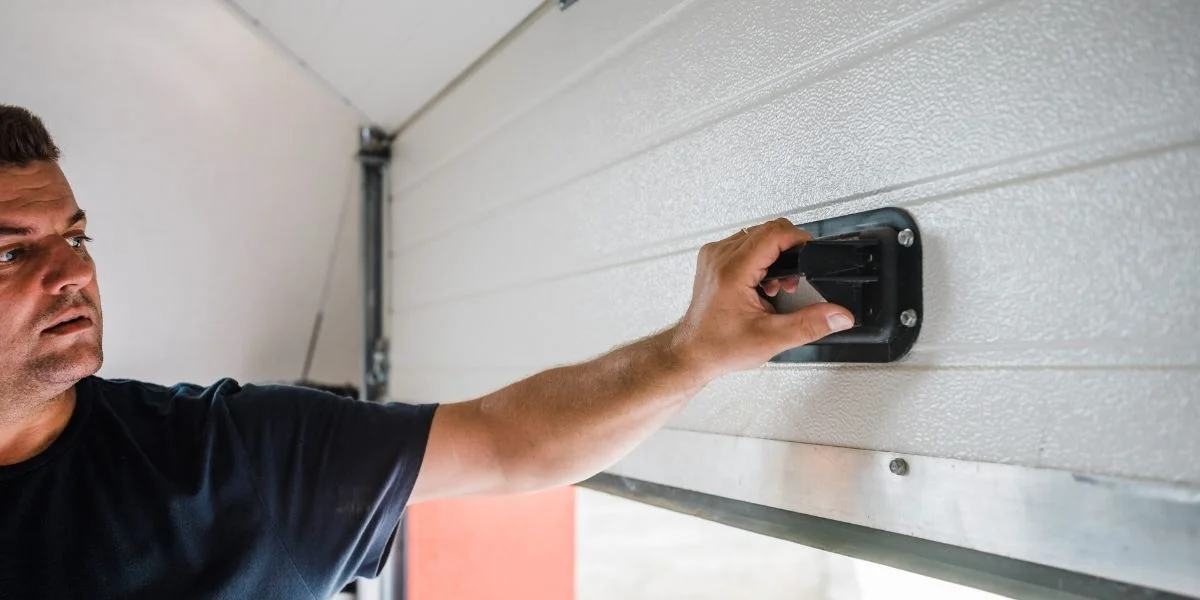
Testing your door's balance is a key part of seasonal garage door maintenance. To test the system, close the door and disconnect the carriage from the chain or belt. Pull the release handle-from here, you'll be able to lift the door manually. Lift up the door to its halfway point and see if it stays in place. If so, your garage door is properly balanced. If not, you'll need help from garage door experts to rebalance things. Abt's team of experts can help with garage door maintenance if you're a local customer.
The Contact Reversal Test
These doors are almost always equipped with safety contact reversal systems-a system that can detect when it makes contact with an object, then immediately reverses the door and sends it away from the object.
As part of your seasonal garage door maintenance, check to see that your safety contact reversal system is working. Place a sturdy object like a brick, a 2x4 or even a cinderblock in the door's path. Close the garage door, and watch what happens when the door makes contact. It should immediately reverse its direction and try to stay open. If not, you'll need help from a technician.
Proper Photo Sensors
This might be the area most people consider when they think of garage door maintenance. On either side of a garage door you'll often find photo sensors, or "eyes," that must align if the garage door is going to close. If there's something in the way or if the two photo sensors don't align, the door won't close.
When performing this garage door maintenance test, make sure the photo sensors are both aligned. On either side, you'll see an indicator, like a light that turns on or stays on. Next, activate the garage door and wave an object in between the sensors. If the sensors are aligned, the door should immediately stop and reverse direction. If it continues and closes, try cleaning the sensors yourself using a damp cloth or even cotton swabs; there could be debris in the way of the sensors.
The Door's Tracks & Hinges
Now's the part where you'll inspect the garage door's tracks, springs, hinges and other hardware. Here, you'll be watching for normal movements and checking to make sure all hardware is in good shape-with no corrosion or rust.
Begin by taking a close look at the door's hinges, then use garage door lubricant to lubricate the hinges. If you come across loose bolts and screws on the door's moving parts, use your socket wrench and screwdriver to tighten them. Next, look along the track. Do you see any wear and tear on the rollers? Steel and nylon rollers will need to be replaced as they age, and both will show wear, lopsidedness or even cracking over time.
Next, the cables and chains. Do you see any damage or wear in the cables attached to the door? Rust and corrosion on cables are an accident waiting to happen; if you see these, it's no longer a DIY job. Time to call for service from experts, like those at Abt. In no situation should you try and replace the cables yourself. Cables are under high pressure-they could snap and lead to injury.
The Chain or Belt
There are some aspects of the chain or belt that you can fix, like a bit of sagging or a groaning/slapping sound as the door functions. To do so, disconnect the opener from its power, raise the garage door a few feet off the ground, detach from the opener, and close it by hand. Next, look for the adjustment bolt on the chain or belt. You'll see nuts on either side; these are designed to adjust the drive.
Use a properly-sized wrench to turn the first nut counterclockwise, then turn the other clockwise. You'll see the chain or belt tighten-keep going until the chain is a quarter inch from the bottom rail. Make sure you don't overtighten. When finished, connect the door to the opener and connect the opener back to the power supply as well. Finally, use garage door lubricant on the chain and screw to keep things smooth and protected.
Springs & Seals
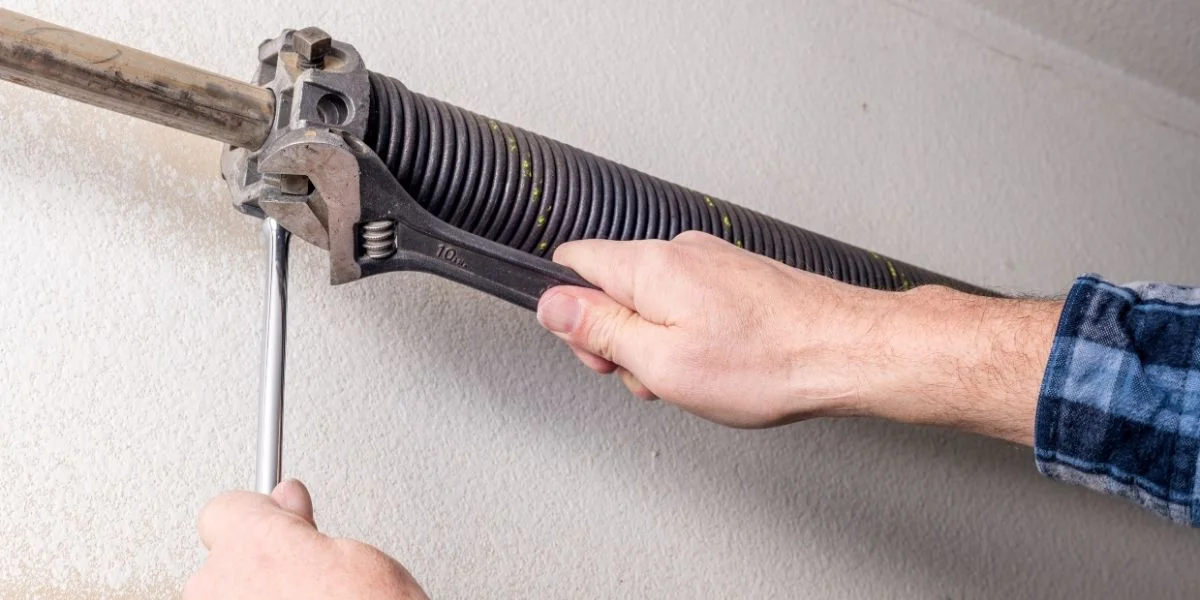
Maintaining your springs and seals is key when it comes to seasonal garage door maintenance. Here, garage door lubricant comes back into play. Coat the overhead torsion springs or extension springs above the roller tracks and look to see if all of your springs are looking strong and healthy. If any of them are corroded or broken, it's time to turn to a professional for help.
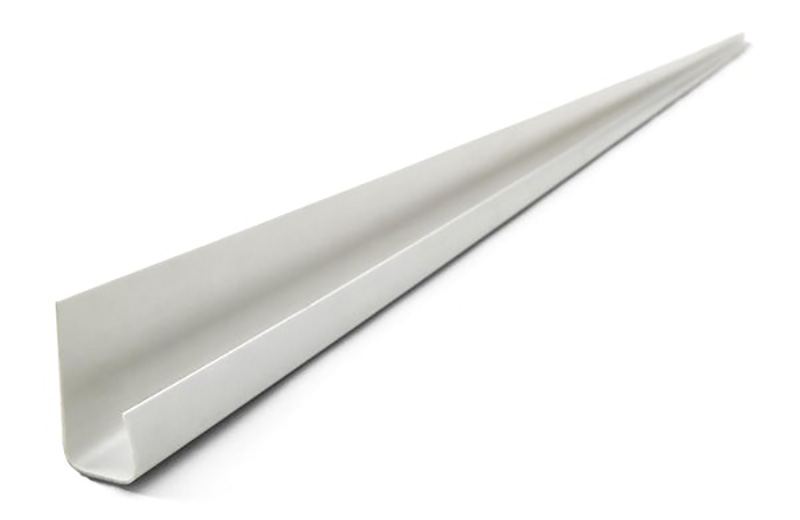
When it comes to the weather seal at the bottom of the garage door, you may need to replace it if it has any cracks or it's starting to look worn and brittle. Depending on your door material, you may be able to use a classic seal or a U-shaped astragal. You can perform these seasonal garage door maintenance tasks yourself, though doing so will involve some necessary measurement, effort and elbow grease.
Overhead Lightbulbs & Batteries
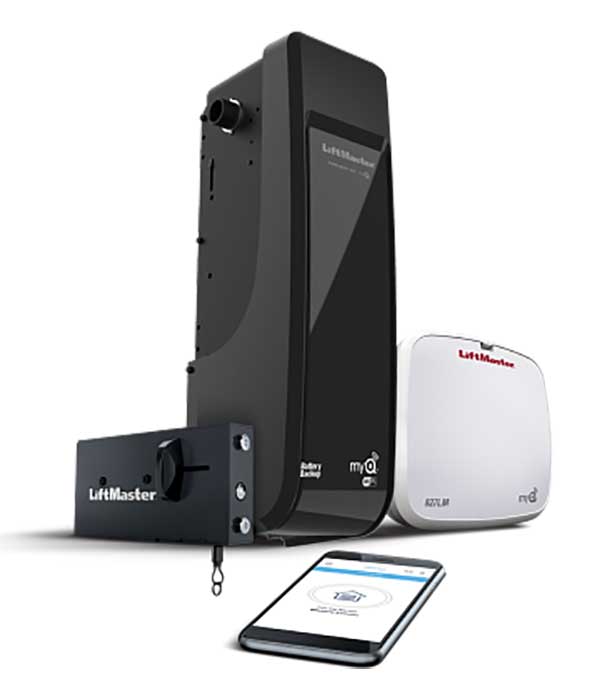
One of the final steps of your seasonal garage door maintenance is checking on and potentially replacing the overhead lightbulb(s). This might seem unnecessary at first glance, but no one wants to get caught in a garage with no lights. The battery is a backup; to test whether it's working or not, unplug the garage door opener, then try and open it. If it won't open, you'll need to replace the battery.
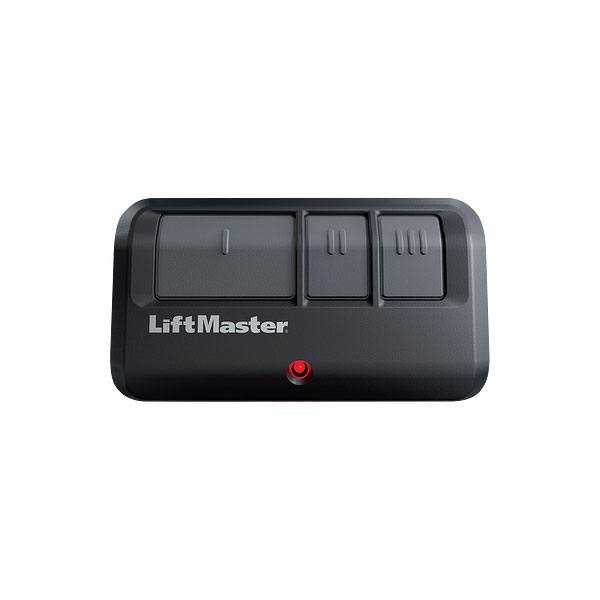
To open up the garage door opener, you'll likely need a screwdriver. Remove the cover, replace the battery with a new one and reattach the cover. Do the same with the light bulb if necessary. If your remote control for the garage door is out of battery, replace those as well.
Wash the Garage Door
Potentially the easiest part of seasonal garage door maintenance is the final step, a quick door cleaning. How you clean your door does depend on what it's made of. Most types of garage doors made from vinyl or other synthetic materials can be washed with a soft cloth and the recommended cleaner, then sprayed down with a hose. Dry the surface off with a microfiber cloth.
For wood garage doors, wipe them down with a dry cloth, inspecting for spots that show signs of damage or areas that just need repainting. If your wood door needs a bit of patching, you can easily take care of small holes with wood filler, then sand and paint as necessary. Don't forget to take care of the garage door's interior, too; remove cobwebs with a brush or dry cloth, and tackle any stains with a slightly damp cloth.
Come to Abt for Expert Help
If you keep up with seasonal garage door maintenance—lubricate parts as needed and replace bulbs and batteries—you'll extend the life of your home's garage. But not all parts of a garage door can be adjusted and fixed by a homeowner. That's why Abt's custom garage specialists are here. Between installation, flooring solutions, custom storage and maintenance, our team of experts knows garages inside and out. And if you don't want to handle garage door maintenance on your own, we have yearly maintenance plans you can sign up for. Give us a call and we'll be happy to help with routine inspection and tune-ups, along with all kinds of other services. To learn more about what we can do, check out our site, reach out with our form below or give us a call at 800-860-3577.
Let us assist you
How can we help?
Garage Door Maintenance FAQs
Do garage doors need maintenance?
Yes, they do. With all of these moving parts and how often they function, garage door maintenance ensures that your garage door will function well for as long as possible.
How often do garage doors need maintenance?
Garage doors need to be maintained once or twice a year.
What maintenance does a garage door need?
Testing a door's balance, the contact reversal test, ensuring that the photo sensors are properly working and lubricating a garage door's hinges are just a few steps in the process of maintaining your garage door.