A Guide to Dishwasher Noise Levels

What Makes a Dishwasher So Loud?
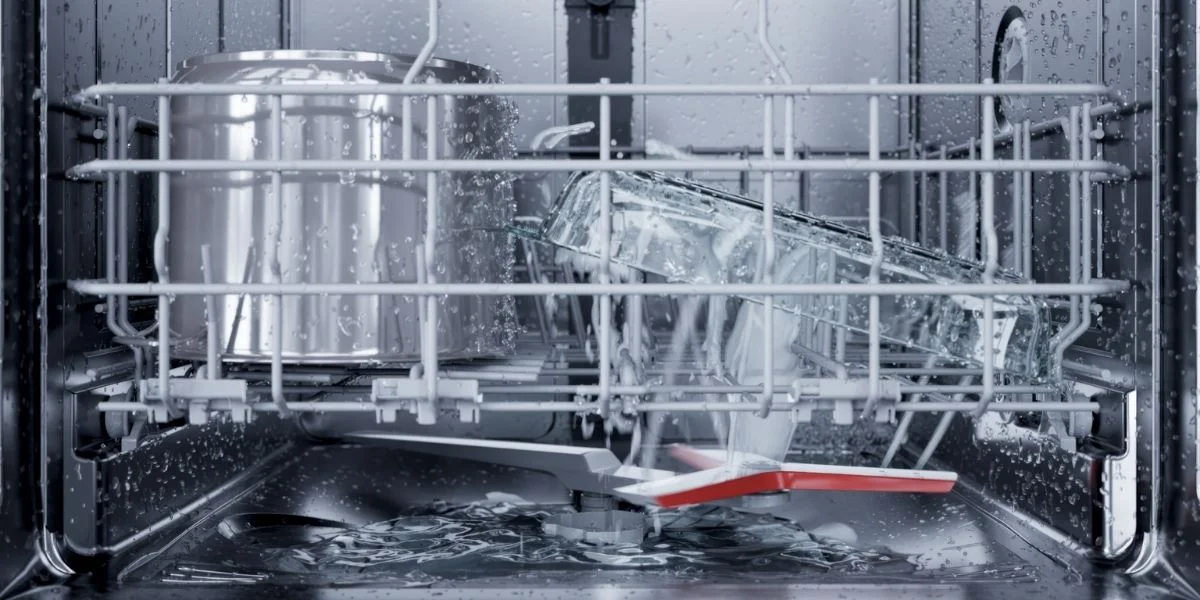
Before we dive into different dishwasher noise levels, let's talk about what makes dishwashers so loud in the first place. It's not something we worry too much about with other kitchen appliances like ranges or microwaves. But that's because dishwashers function very differently than some of the more passive appliances in your kitchen. Instead of sitting back and cooling off produce like a refrigerator, every dishwasher cycle includes spinning spray arms, mighty water jets, pumps, motors, food debris, filters, and the resulting motion inside. Think of how much sound it takes to turn on your kitchen sink faucet and scrub down your dishes. That's all happening mechanically inside your dishwasher, and it's why things can easily become so loud.
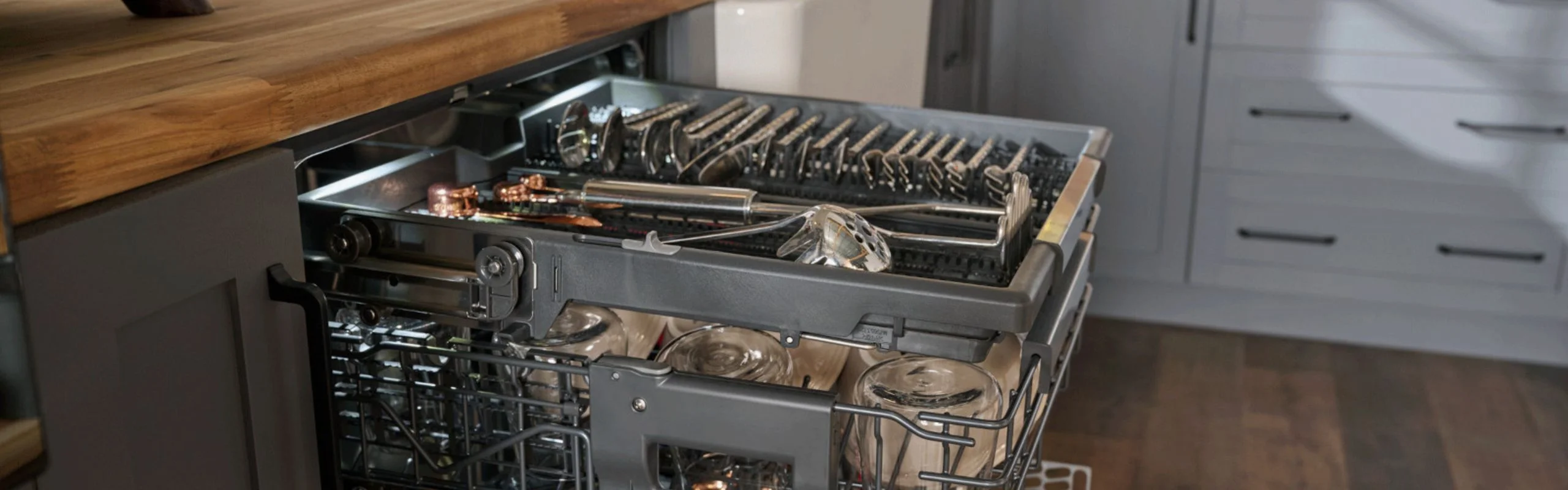
Modern dishwashers have features that get your cookware even cleaner, but the extra cleaning power can sometimes bring a massive boost in volume. That's where the latest sound-dampening technologies step in. Some models are designed with great insulation, stainless steel tubs, advanced inverter motors and filters. You might have an advanced dishwasher, but if it's not built to dampen sound, it might still be louder than you'd like.
What is a Decibel?
Dishwasher noise levels are measured in decibels. While you've likely heard of decibels before, they can be hard to describe. Decibels (dBA) are units that measure the intensity or power of sound, and they're measured logarithmically. The lower the decibels, the quieter the sound power. That means that with a 10 decibel increase from zero, what you hear is ten times louder, but a 20 decibel increase is 100 times louder. Keep that in mind when shopping—one or two extra decibels might not seem like a big difference, but that logarithmic decibel scale means that increases matter, especially as you climb higher up the scale.
Common Dishwasher Volumes
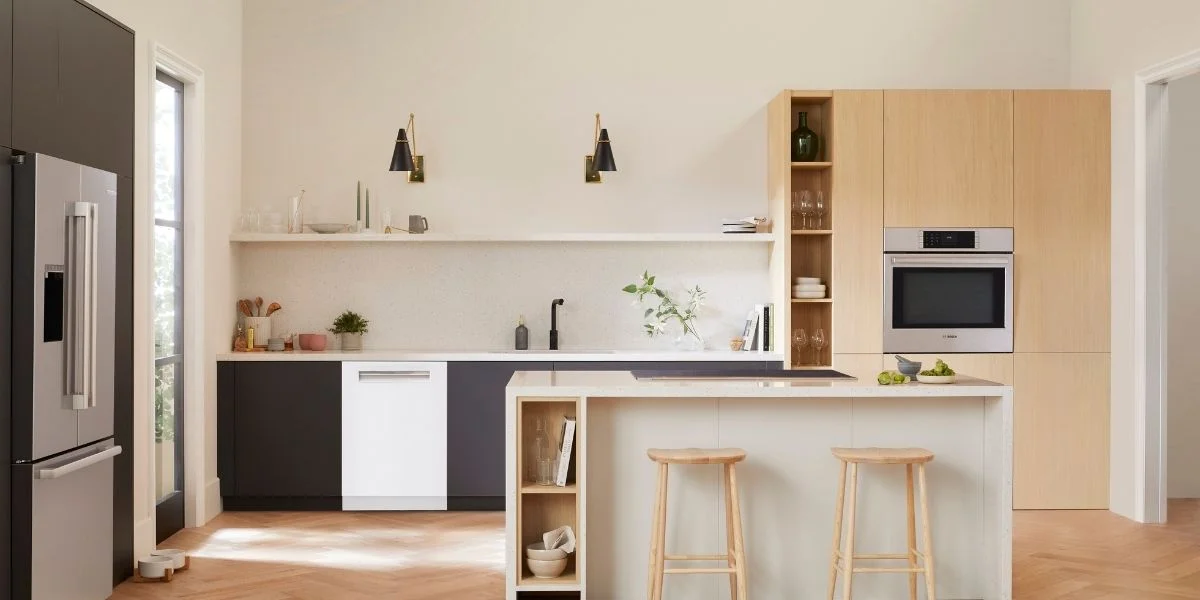
So, when you're shopping for one of these appliances, what's the sweet spot for choosing a lower dishwasher noise level? Many modern dishwashers sit between 40 and 50 decibels, with some going even quieter. It's hard to find louder models than 55 dBA available now, thankfully. That being said, you get what you pay for. Quieter dishwashers often cost more and have extra features. To get a better idea of dishwasher noise levels, check out our chart below.
| Decibel Rating | Comparable Sound | Perception |
|---|---|---|
| 37-40 dBA | Nearly silent, quiet library | Operation is hard to notice and fades into the background |
| 40-45 dBA | Light rain, a refrigerator's hum | Hard to notice as you chat or watch TV |
| 45-50 dBA | Quiet office, background music | A noticeable volume that doesn't interrupt |
| 50-55 dBA | Moderate rain, conversation volume | Could interrupt low-volume entertainment or conversations |
| 56 and over dBA | Louder conversation, air conditioner | Distinct and audible, potentially distracting |
Which Dishwashers Are The Quietest?
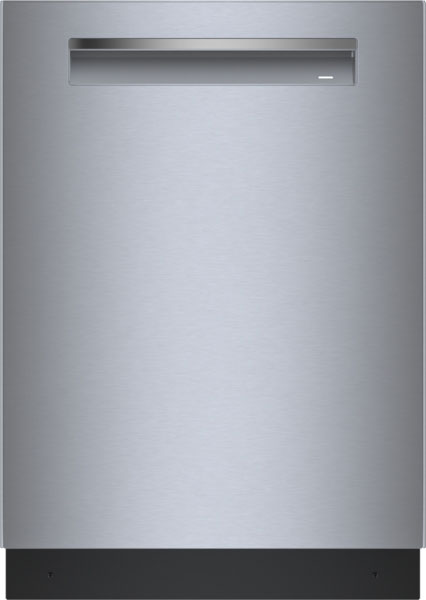
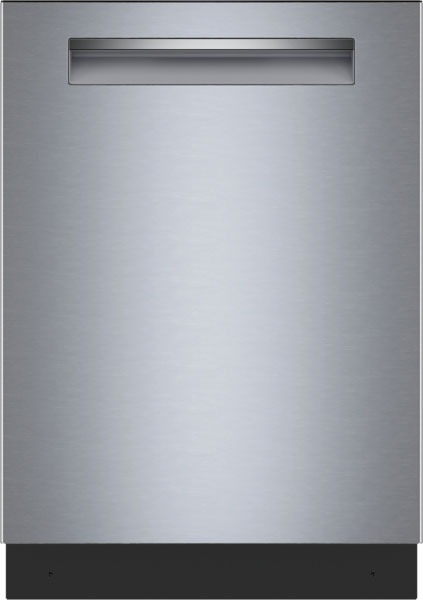
Some brands have a reputation for low dishwasher noise levels, and people hunt them down based on reputation. Top brands known for their quietness are Bosch and Miele, while more luxury brands like JennAir, Bertazzoni and Viking can stay just under the 40 dBA benchmark depending on the model as well. Some choices from Samsung's Bespoke line and other more budget-friendly options are creeping closer to the lowest dishwasher noise level rankings as well. When you're looking at these appliances, try and take multiple factors into account—while all of the above brands are ones we'd be proud to have in a kitchen, looking at the dishwasher as a whole is important, instead of just how quiet it can be.
Why You May Put Decibel Level on the Back Burner
If you grew up with older, louder dishwashers (55 dBA and above) and don't mind boosted sound, then higher dishwasher noise levels might be fine for you—and that gives you more flexibility when it comes to budget, features and appearance. It can sometimes be hard to find dishwashers with an extremely low decibel level that fit your other must-haves. If dishwasher noise level isn't the most crucial factor, you can focus on others like Wi-Fi connectivity, ADA compliance, a third rack and exterior (as well as performance). But if you've got a little wiggle room when it comes to the volume level you can stand, you'll have a wider range of products to choose from.
Where To Start the Search
Whether you're hunting for the quietest dish drawer dishwasher you can find or are just searching for a place to start, we can help you find an appliance with the lowest dishwasher noise level for you. Our sales experts have decades of experience with these kitchen mainstays and we've seen them evolve over time, so we know just what to look for—whether you are absolutely sure you need something from the Bosch 800 series or want something that won't wake a sleeping child. Call our experts at 800-860-3577 to learn more, or do some extra research with our dishwasher buying guide. We go in-depth on everything you need to know about the modern dishwasher, from styling and budget to features and filters. You'll learn everything you need to know before making that purchase and delivering an exciting, near-silent upgrade to your home.
Dishwasher Noise Level FAQs
What is a good noise level for a dishwasher?
That depends on a few factors, particularly how much you value that near-silent wash you can find in a few dishwashers. Anything under 40 dBA is about as quiet as it can possibly get, while over 50-55 dBA can be loud enough to distract from a conversation or a TV show. Check our table above for a complete breakdown.
What is the lowest noise level for a dishwasher?
The quietest dishwashers you're likely to find are close to 38 dBA and come from a variety of brands, though Bosch and Miele are reputable for their quiet dishwashers.
How do you measure a dishwasher's noise level?
Dishwasher noise levels are measured in decibels (dBA).
What is dBA in dishwashers?
dBA stands for decibels, the sound intensity at which dishwashers are measured.