How To Clean A Humidifier: A Maintenance Guide

Ready to take better care of your humidifier? Follow our step-by-step guide on how to clean a humidifier and our appliance maintenance tips today, so you can enjoy good health and even fresher air at home.
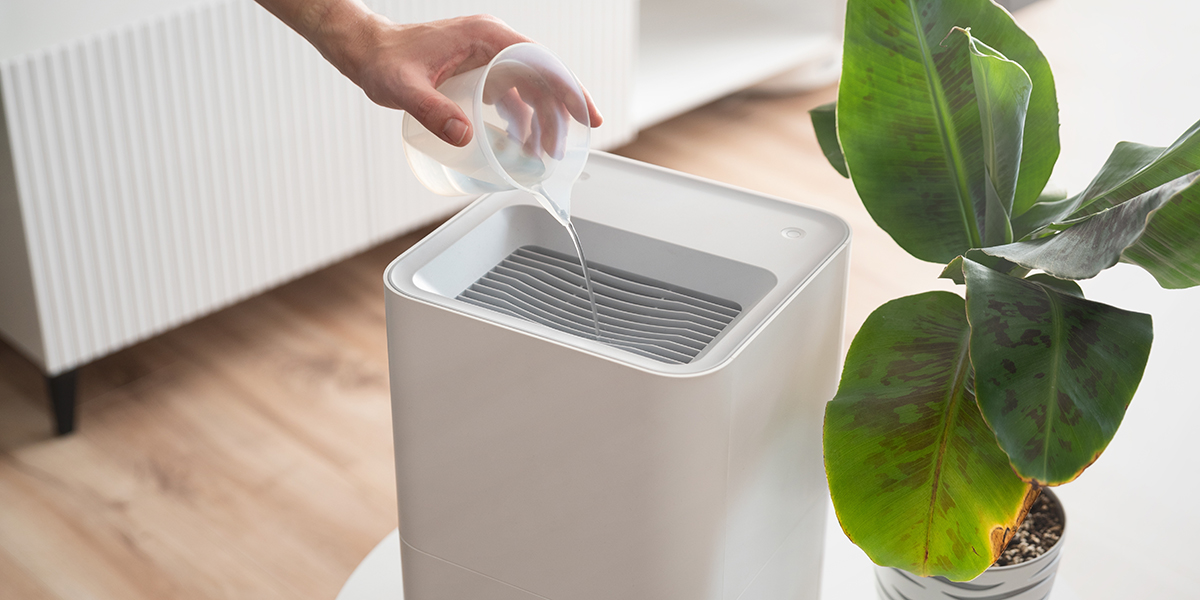
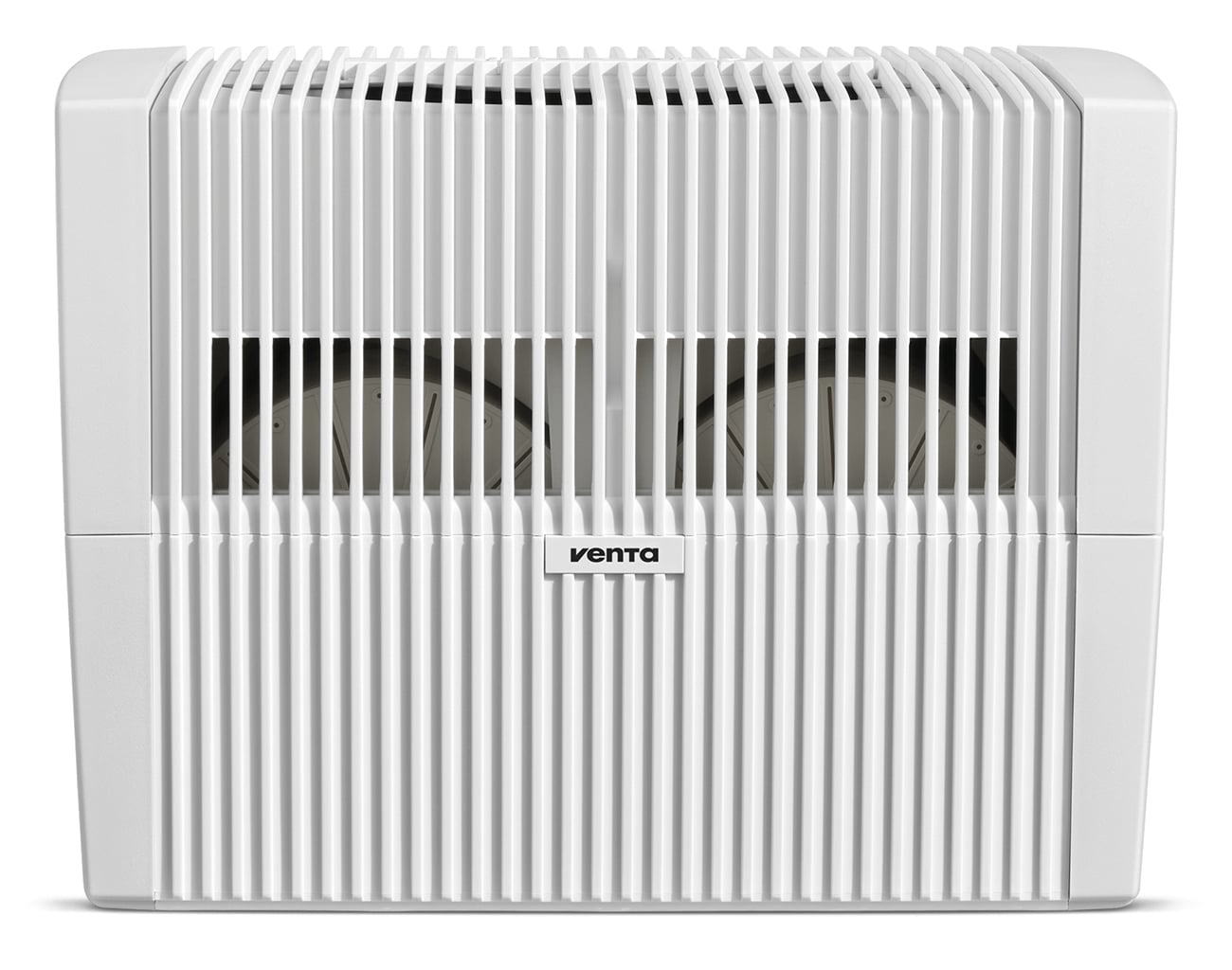
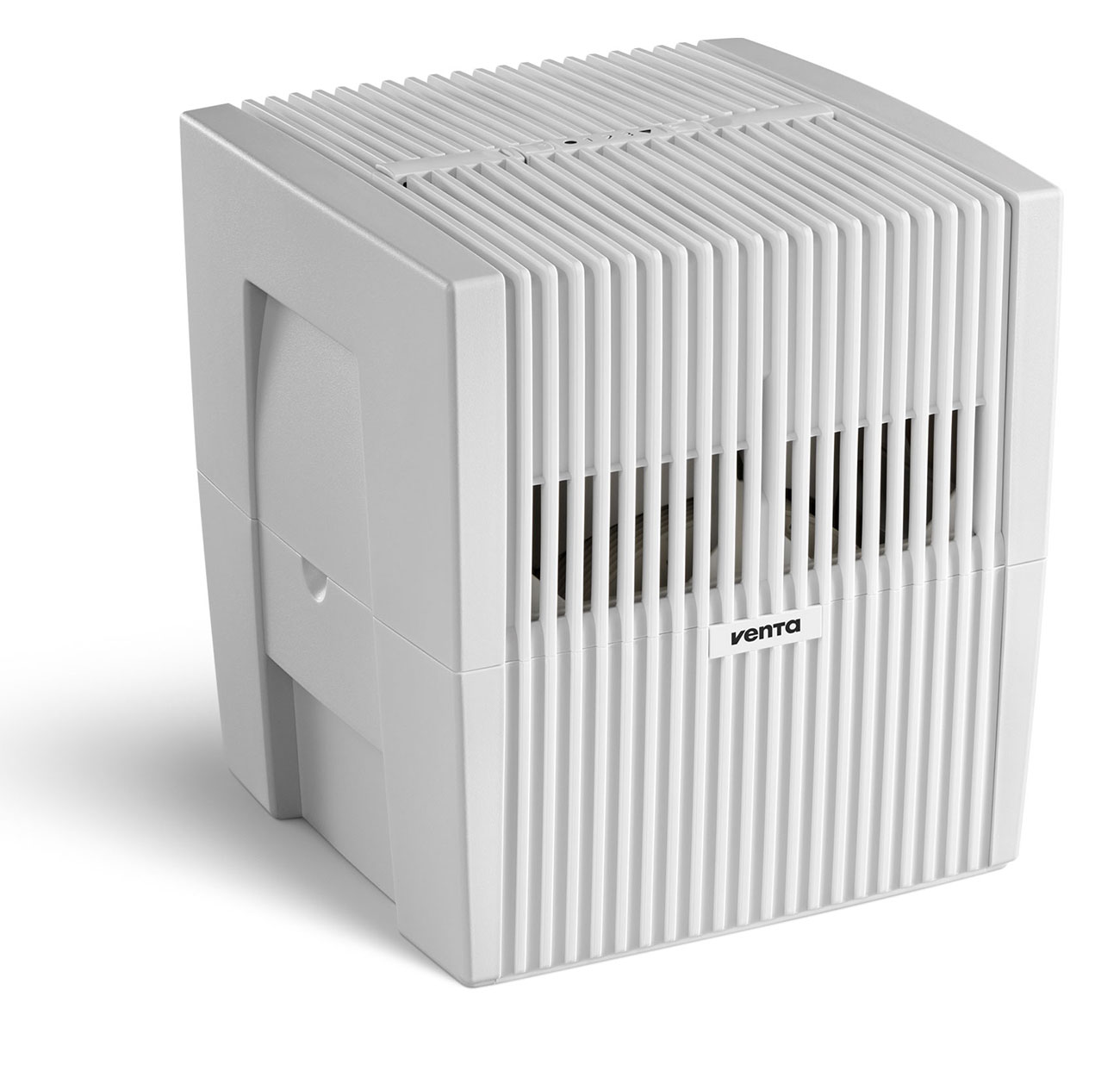
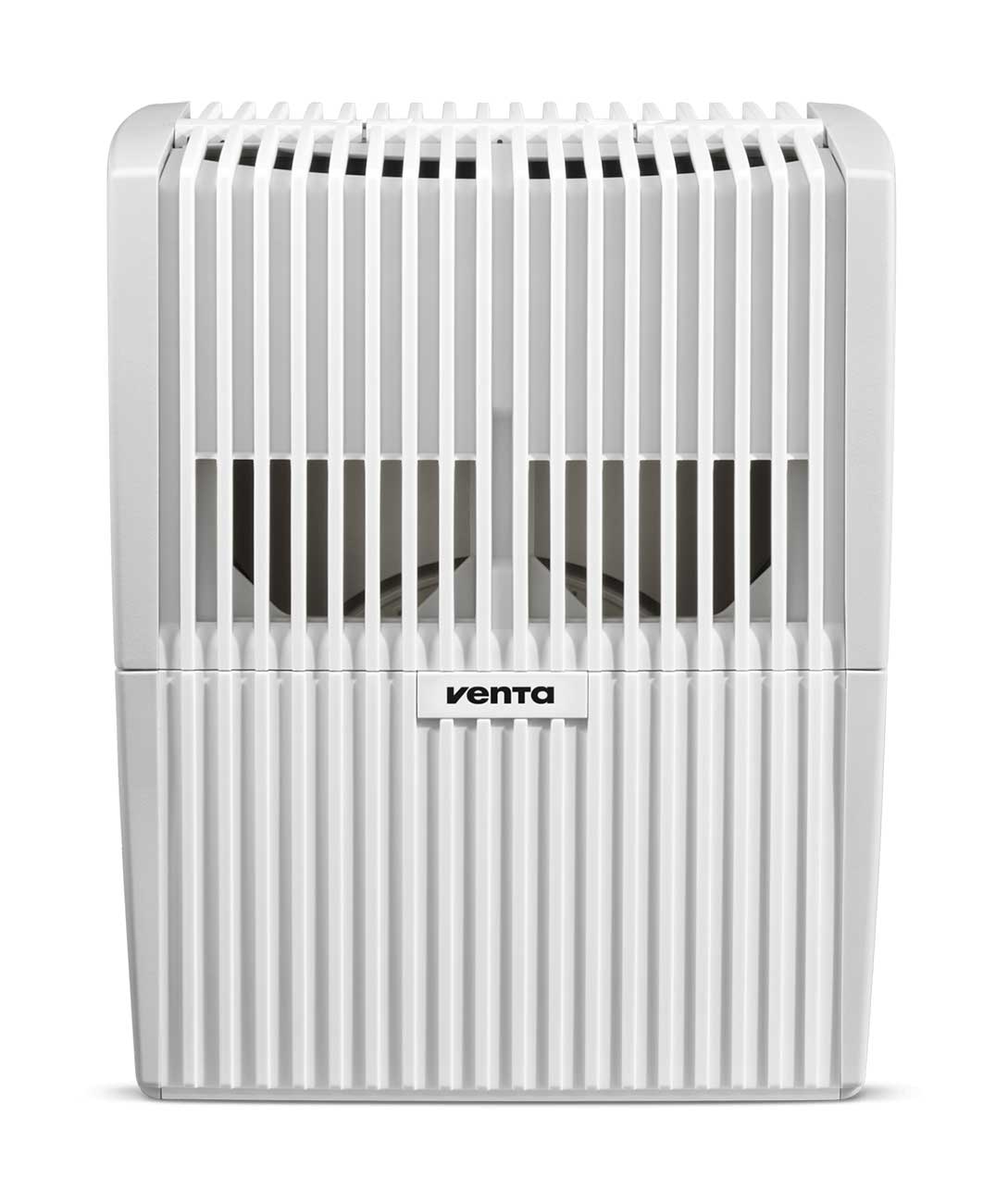
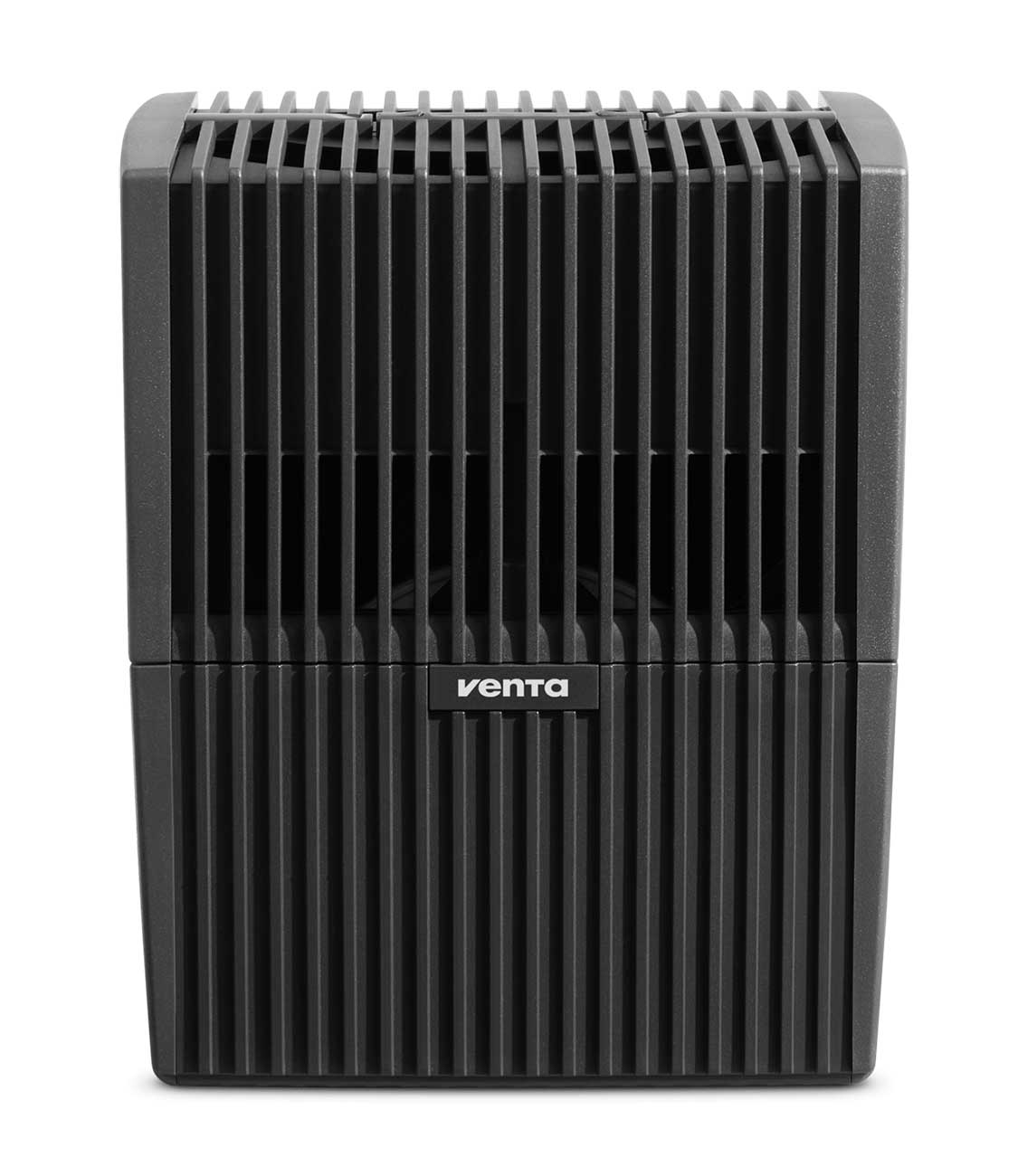
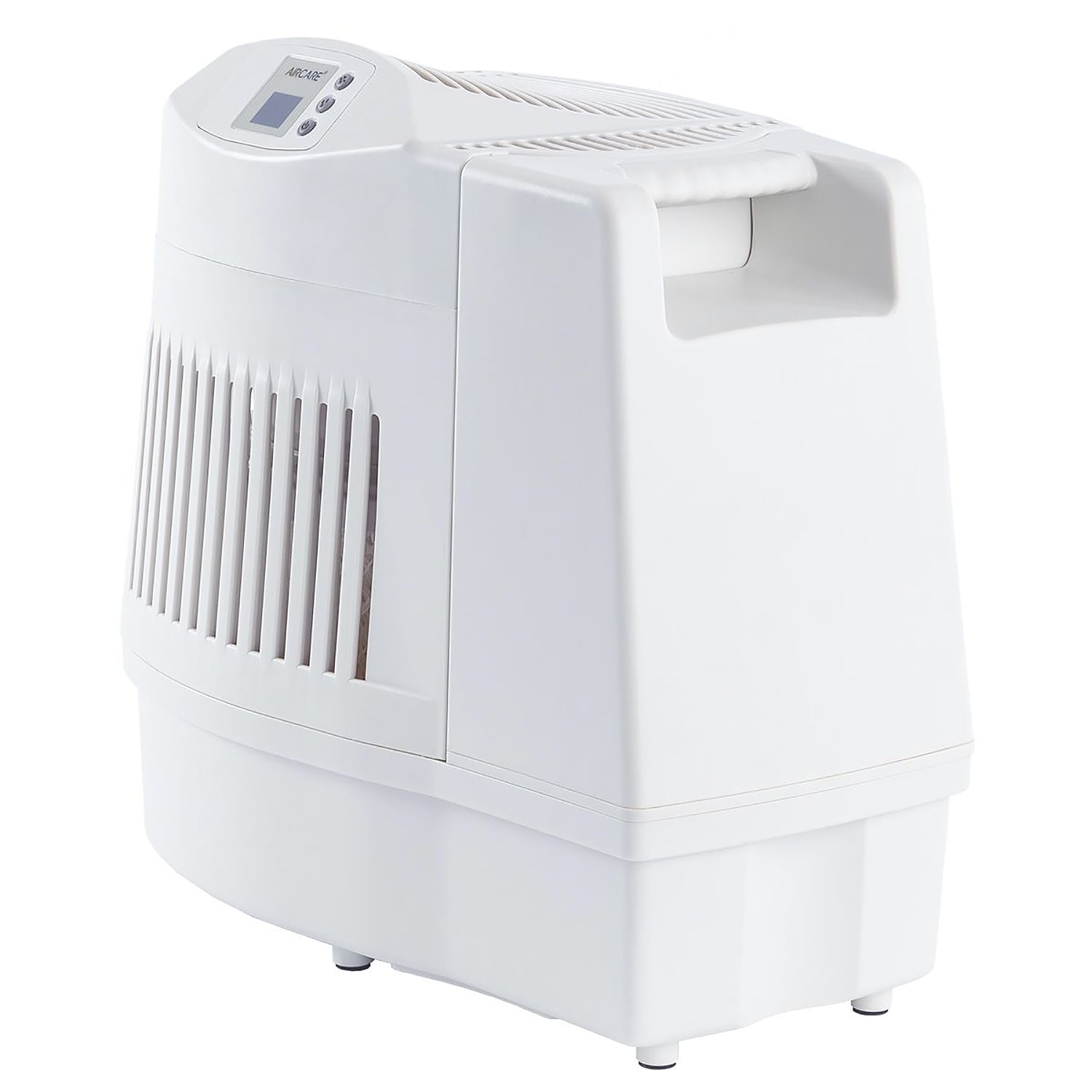
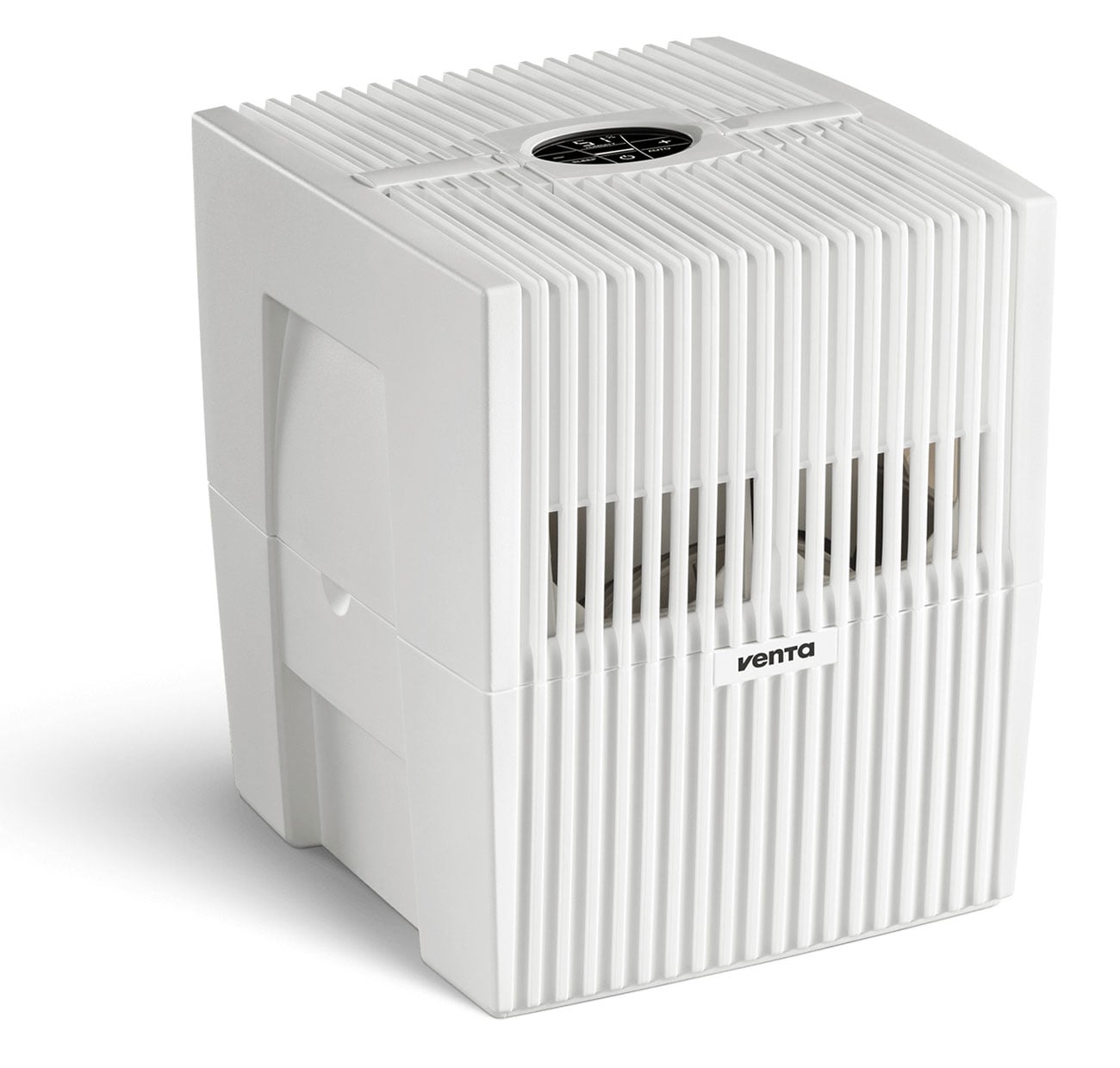
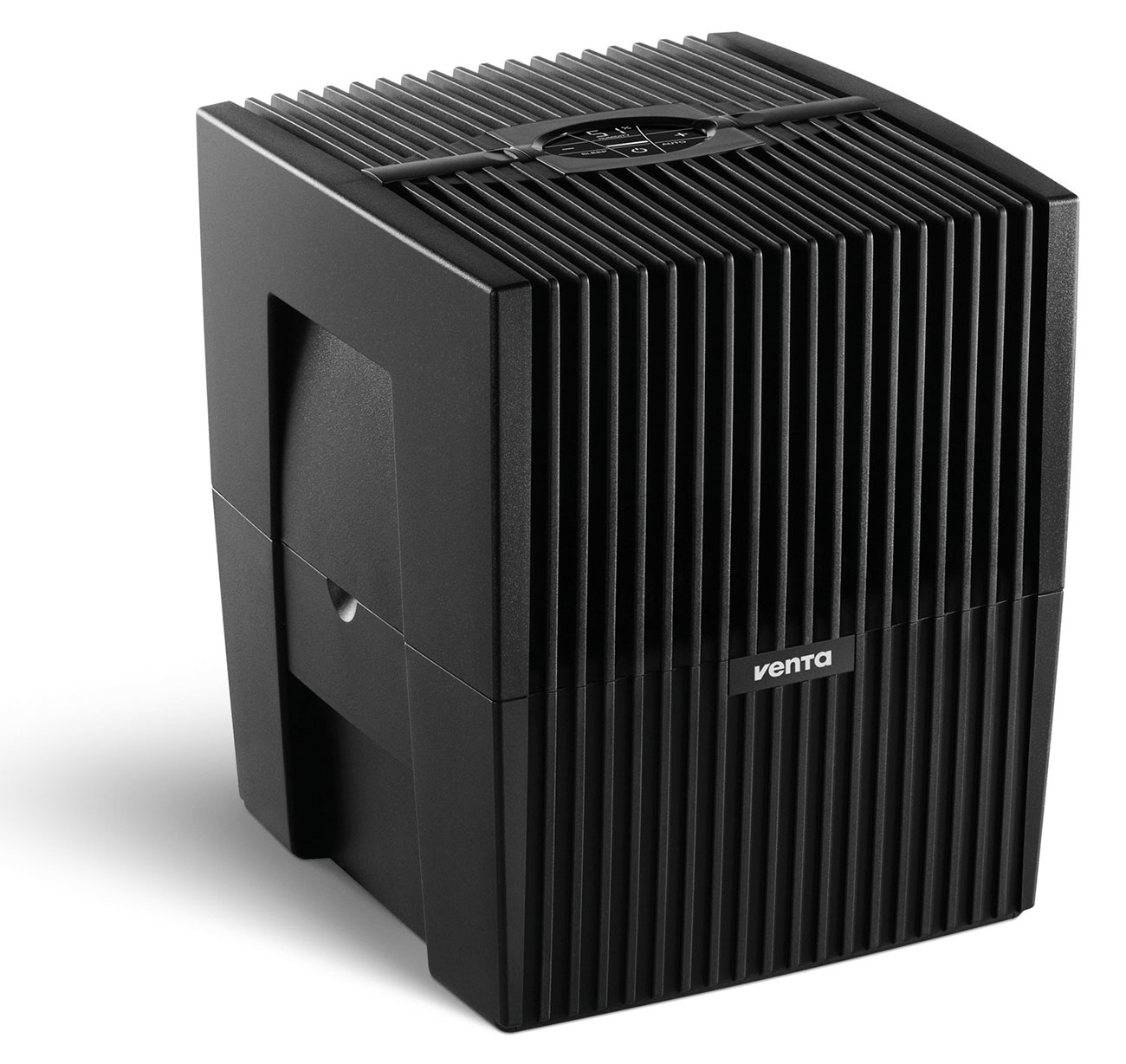
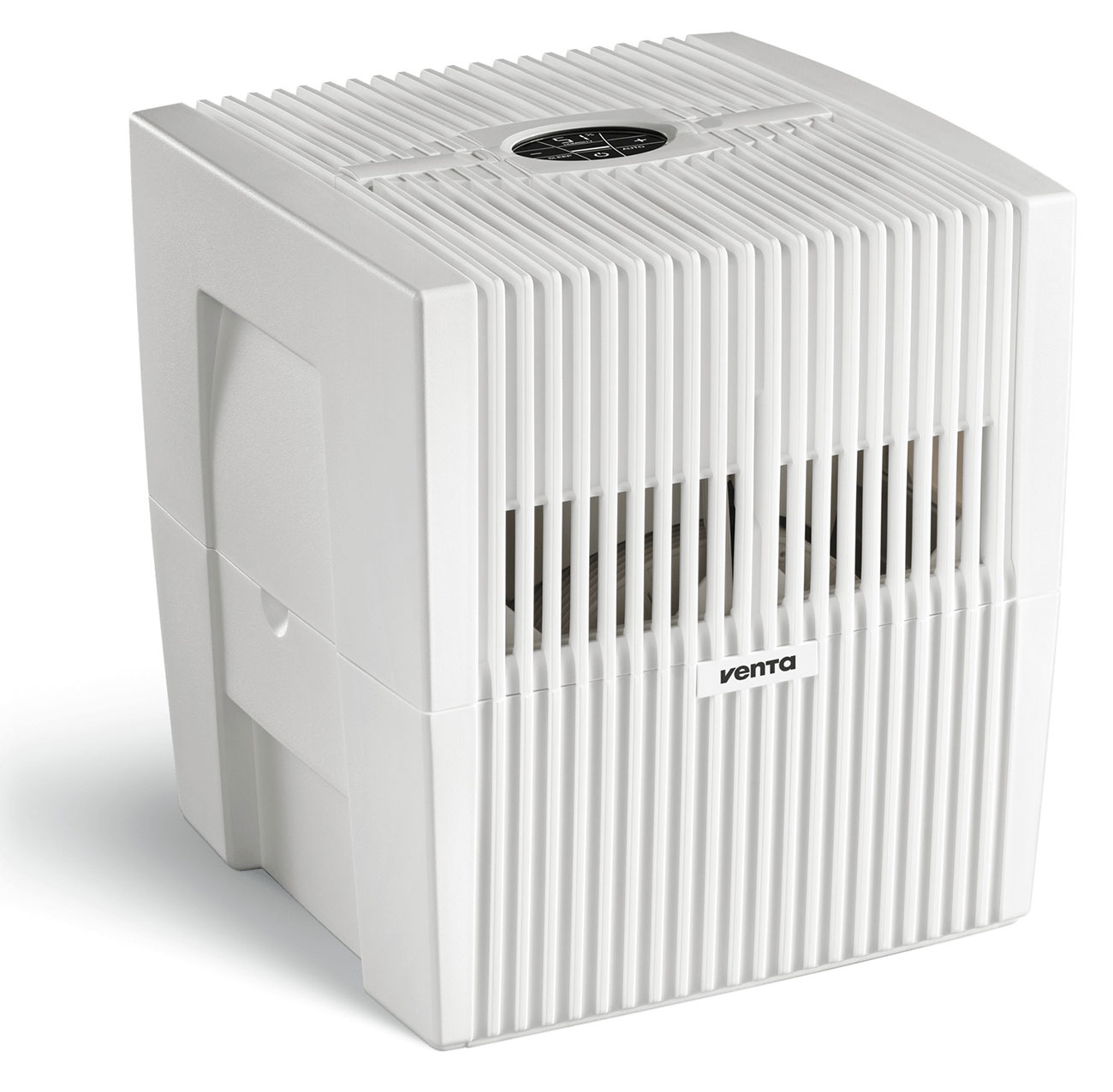
A humidifier is a small appliance for the home that's engineered to release water vapor into the air. By using these machines in your space, you'll be able to reduce dryness in the air during colder seasons and increase humidity. In turn, you'll experience fewer allergy symptoms and more comfort in your environment. Even if you don't have allergies, adding extra humidity to your living space can also help you battle respiratory colds, while preventing dry, itchy skin, cracked lips, nosebleeds and more. In fact, many experts say that the ideal humidity level in any home is 30-50%. But because humidifiers are directly affecting the air you breathe, it's crucial to keep your unit clean. Some brands claim their humidifiers are already designed to resist microbial growth, but these designs aren't always 100% effective. Regular humidifier maintenance, on the other hand, will effectively prevent mineral buildup, mold and bacteria growth within the appliance. Similar to the benefits of an air purifier, keeping your humidifier clean will also keep your air uncontaminated, so you don't have to worry about unwanted health issues. Not sure where to begin? Luckily, cleaning a humidifier is an easy process, and we're happy to break it down for you.
How Often Should I Clean My Humidifier?
According to the Environmental Protection Agency (EPA), it's best to clean your humidifier every third day. This will help prevent the buildup of bacteria and mold due to stagnant water, all while keeping your humidifier mist as clean as possible. At a minimum, we recommend cleaning your humidifier once a week. We should note, however, that your humidifier cleaning schedule will vary if you use it daily or if someone in the home has pre-existing respiratory problems.
Tips for Daily Humidifier Care
If you plan to use your humidifier every day, there are a few things you can do to keep your appliance in tip-top shape. First, you should rinse, towel-dry and refill the tank with fresh water daily to help prevent contaminants. While you can use tap water with your humidifier, you should know that it typically carries trace microbes and minerals that can often turn into biofilm. If you opt for demineralized or distilled water instead, biofilm development will be significantly reduced. When you're finished using the humidifier, be sure to empty the water and air the appliance out after powering it down to prevent slime or stagnant water.
Tips for Weekly Humidifier Care
While the previous section gave tips for daily care, there are other maintenance steps to take at least once a week to keep your humidifier performing its best. Every week, be sure to take your humidifier apart and rinse the plastic pieces (exclude ALL electrical components). Then, look for buildup. Typically, humidifier buildup, or lime scale, appears chalky white and comes from the water's minerals. Unfortunately, it can inhibit the performance of your appliance, so it's best to get rid of it. How? A deep cleaning. Humidifier deep cleaning can be done with either distilled white vinegar or bleach, and we'll provide steps for both processes later in this article. Distilled white vinegar is a great choice of cleaning solution as most homeowners already have some on hand, and it's fairly inexpensive. But vinegar is also gentler on humidifier parts, which is ideal if you want to make your machine last. Do note, though, that most white vinegar used for cooking has 5% acidity. We urge humidifier users to invest in white vinegar with 6% acidity, as it's about 20% more effective for cleaning purposes (do not use to cook).
Tips for Monthly Humidifier Care
In our section on weekly humidifier care, we dove into using vinegar to eliminate limescale. While this cleaning technique is effective, it doesn't necessarily eliminate mold or other microbes. That's why disinfecting your appliance is key, and it should be done once or twice a month. If you lose track of your disinfecting schedule, you'll likely be able to tell when your humidifier is due for cleaning by a dank smell. Rather than using vinegar, disinfecting requires you to use either a bleach or a hydrogen peroxide solution. If you opt for bleach, exercise caution as some plastics and watertight seals can be degraded by bleach. Never combine bleach and vinegar, though, as the mixture can form toxic chlorine gas, which can be deadly. Whether you choose hydrogen peroxide or bleach, the process is the same. Continue reading for the steps.
What You'll Need To Deep Clean Your Humidifier

Cleaning Supplies
- Water
- A bowl
- Distilled white vinegar
- A soft scrubbing brush or sponge
- A towel
- Liquid chlorine bleach (for bleach cleaning only, do not combine with vinegar)
How To Clean A Humidifier With Vinegar
1
Empty the humidifier
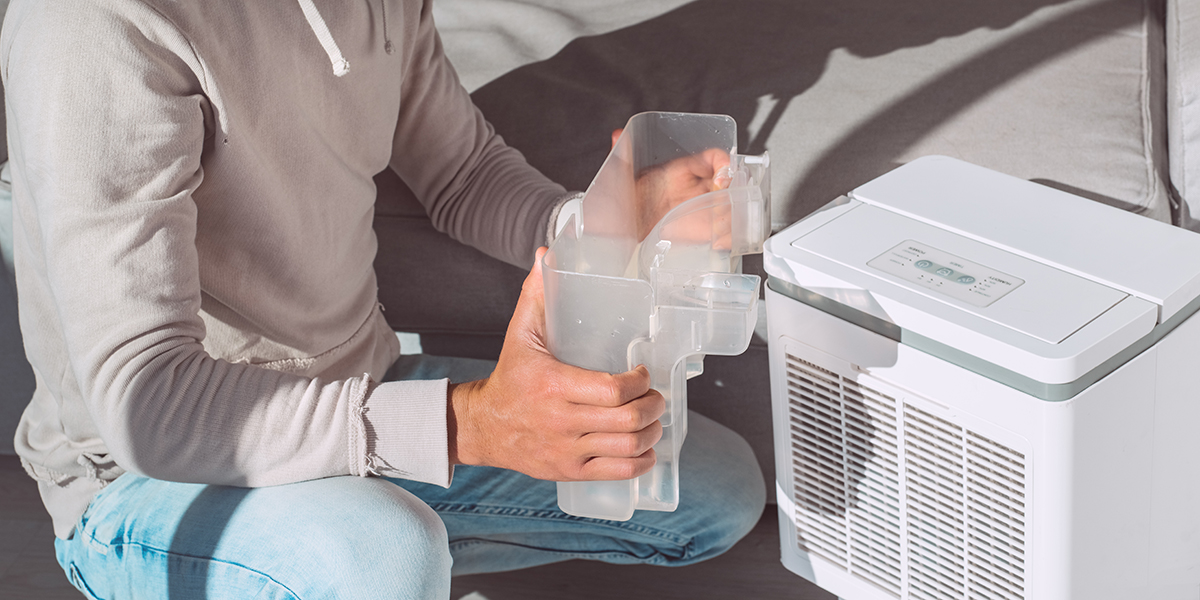
Unplug your humidifier and empty all water from the tank. Many manufacturers provide instructions on how best to empty your machine, and we recommend following these steps as they'll help you keep electrical and motor components dry. If water enters these parts of the humidifier, there's a good chance your appliance will break. No matter how you empty the water, though, be sure to remove the tank from the base.
2
Fill the base & tank with a vinegar solution
Mix a 1:1 cleaning solution of distilled white vinegar and water in a bowl (ex: one cup vinegar & one cup water), then fill the base and tank of your humidifier with this solution. Be sure to swish the liquid around to ensure the interior of both components is completely wet. Allow both the base and the tank to sit in the solution for 15 to 20 minutes.
3
Clean the base & water tank
Once the base and water tank are done soaking, shut the water tank and shake it to loosen grime. If your humidifier model features a valve at the bottom of the water tank, we recommend you empty the base, put the tank back in, press the release button and let the cleaning solution flow through it. After emptying both the base and tank completely, take a soft brush and scrub off any remaining limescale.
4
Rinse & dry
Rinse the cleaning-solution-soaked humidifier parts with water (remember to never wet electrical components) until the vinegar smell is virtually gone. Then, air dry or towel dry.
How To Clean A Humidifier With Bleach
Remember: never mix vinegar and bleach together. The two combined make toxic chlorine gas that is deadly for humans.
1
Fill the base with a bleach solution
Combine one teaspoon of liquid chlorine bleach with one gallon of water. Pour some of the cleaning solution into the base, then swish it around to cover the component's interior. Allow the solution to sit and soak for 15 to 20 minutes. Then, empty the base and towel dry.
2
Fill the tank with a bleach solution
Pour the rest of the bleach cleaning solution into the humidifier water tank and swish it around. Allow the tank to sit in this solution for 15 to 20 minutes.
3
Clean the water reservoir
Put the water tank back into the base and let the cleaning solution drain into the humidifier's water reservoir. Allow the reservoir to then stand in this solution for 15 to 20 minutes.
4
Empty, rinse & reassemble
Empty all excess water from the reservoir, tank and base. Rinse each component with water until the smell of bleach is gone. Towel dry each component and reassemble the humidifier.
How To Clean An Evaporative Humidifier Filter
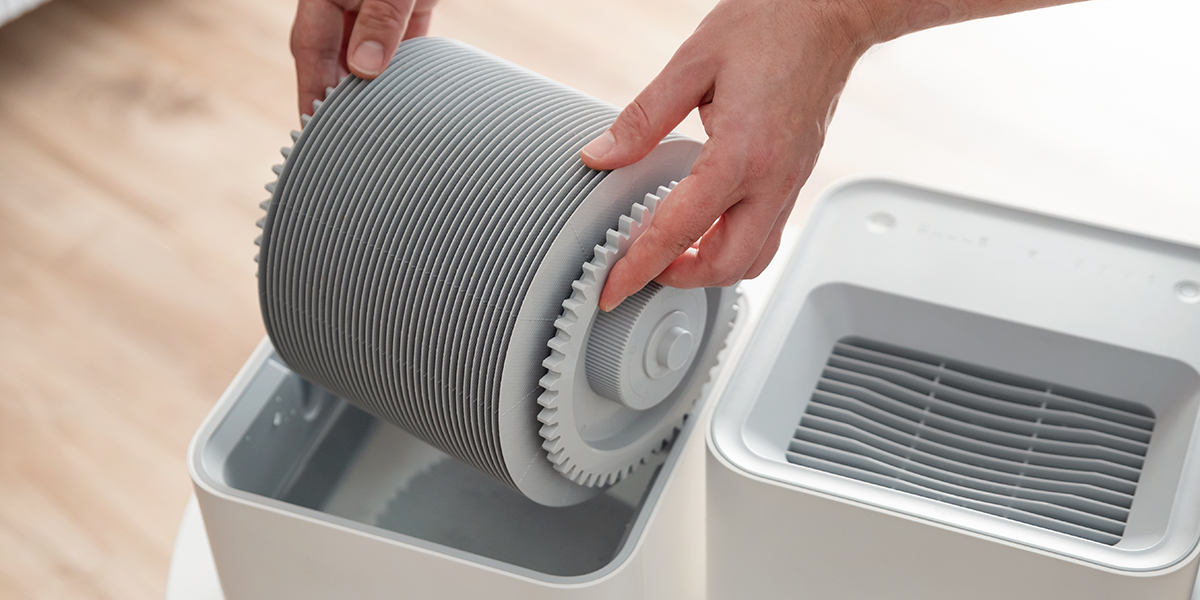
There are several different types of humidifiers, including impeller humidifiers, ultrasonic humidifiers, air washer humidifiers and central humidifiers. But another popular option is evaporative humidifiers. Evaporative humidifiers rely on a wick or a filter to carry water from the tank to the internal fan. Maintaining this filter is a great way to help expand your humidifier's lifespan, and there are several things you can do. First, each time you turn your humidifier off, remove the filter and set it out to dry. For the same results, you can run your humidifier for about an hour without water until the filter dries out. Yes, most filters are designed with antimicrobial coatings, but allowing a damp filter to sit for days at a time can still encourage bacteria growth. To clean the filter, first swish it around in cold water. This helps release minerals built up on the filter. Sometimes these minerals can appear brown and slimy as they slide off; don't worry, this is to be expected. After swishing the filter around, let it soak in the water to help loosen the buildup. Never use chemicals like bleach on your filter, as these solutions can destroy the antimicrobial coating. Regardless of how well you clean and maintain your filter, though, it still needs to be replaced every three to six months at minimum.
Tip: To increase the lifespan of your filter, we recommend turning the filter over every time you fill the water tank to help the filter age more evenly and to prevent the top from drying out.
Humidifier Cleaning Q&A
We're responding to the most frequently asked questions about humidifier cleaning, so keep reading and get ready to reach expert levels.
How do you clean a moldy humidifier?
Mold can be cleaned and removed from a humidifier with our vinegar process or our bleach process above.
How do you keep the water in a humidifier clean?
There are several maintenance tasks one can do to keep their humidifier water as clean as possible. Be sure to change the water daily and use only distilled water. Rinse, clean and dry your humidifier as recommended and be sure to replace your filter every three to six months.
How do I clean a humidifier with hydrogen peroxide?
Hydrogen peroxide is another great option for cleaning your humidifier, as it helps prevent mold. Combine one part 3% hydrogen peroxide with four parts water and pour the solution into the humidifier tank. Allow the solution to soak for 30 minutes, then empty and rinse the tank. Be sure to towel or air dry before putting the humidifier back together.
How do I clean hard water buildup in a humidifier?
Essentially, hard water buildup and limescale are the same thing. Therefore, if you use either our vinegar or bleach cleaning process, you'll be able to clean hard water buildup in your humidifier easily.
Can you clean a humidifier with dish soap?
Yes, you can clean your humidifier using water and dish soap. However, distilled white vinegar is recommended as it cleans your appliance, while also removing odors and killing bacteria.
Get Ready To Clean Your Humidifier Today
By learning how to clean a humidifier and perform appliance maintenance, you'll be able to breathe cleaner air and create a more hygienic environment at home for you and your loved ones. If you rely on our easy steps regularly and take proper care of your humidifier, you're guaranteed to keep your living space fresh and better support your health. Still left with questions about humidifiers and how to clean them? Reach out to our expert team at 800-860-3577 and we'll be happy to assist you. You can also dig into our humidifier buying guide for more helpful information, or check out our best air care of 2025 so you can bring home a humidifier model fit for you and your home today.