How to Clean a Refrigerator


The Benefits of a Freshly Cleaned Appliance
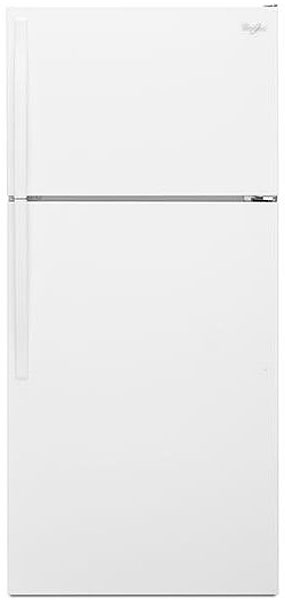
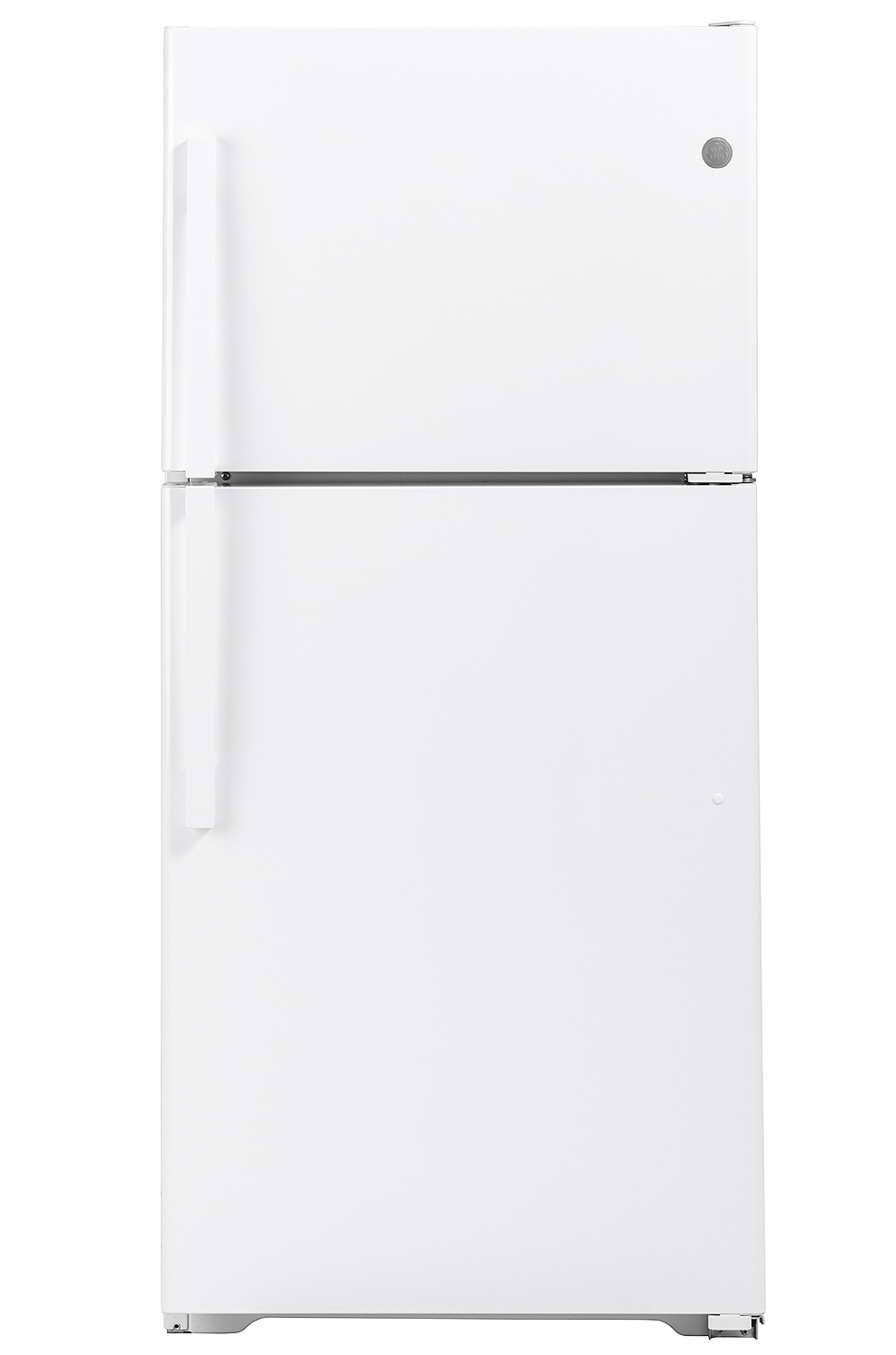
The refrigerator is the heart of the kitchen, preserving freshness for ingredients, snacks, leftover meals and more. In some homes, this is where most of the food is kept. That means the doors are constantly opening, food is getting shuffled around and spills occasionally happen. Over time, the shelves, drawers and door bins get dirty, even if you wipe up splatters right away. Knowing how to clean a refrigerator not only maintains a polished look but also prevents unwanted odors.
No matter what style of refrigerator you have, it's recommended to give your appliance a gentle cleaning about once a season and a deep clean about once a year. Every three months, or when your shelves look a little messy, grab a damp cloth and wipe away any grime or build-up from the interior. The winter months, particularly right before the holidays, are a great time for a deeper clean. We also suggest waiting until right before you travel or go grocery shopping, as there will be fewer items to remove. Regular upkeep boosts efficiency, maintains food freshness and prevents mold or mildew. Keep reading for a step-by-step guide on how to clean a refrigerator properly.
What You'll Need:
- Warm Water
- Dish Soap
- Clean, Non-Abrasive Cloth(s)
- Vinegar (Optional)
- Baking Soda (Optional)
- A Toothbrush or Small, Soft-Bristle Brush (Optional)
Step One: Preparing Your Refrigerator
If possible, it's recommended to unplug the refrigerator's cord before you begin a deep cleaning session, since the doors will be open for a while. Please note that this will cause any ice or frost build-up to melt. Even if you choose to leave the appliance plugged in, you'll need to remove everything from the interior. For anything perishable, you'll need to find a food-safe location to keep them chilled, such as a cooler. If anything has spoiled or passed the expiration date, be sure to throw it away. Once empty, take out any drawers, bins and shelves and set them aside.
Step Two: Make the Cleaning Solution
Whether you decide to make a homemade cleaner or use a store-bought one, double-check the owner's manual for specific instructions or ingredient recommendations, as some products might damage the appliance. For a basic, DIY solution, combine a dash of dish soap with some warm water. If you're tackling build-up or stubborn stains, a 1:1 ratio of warm water and vinegar will help soften the residue for easier cleaning. Baking soda is another way to remove forgotten spills or sticky messes. Simply combine one cup of hot water with about two tablespoons of baking soda and mix well. For this method, a toothbrush or other bristle brush may be used to get into deep crevices.
Step Three: Cleaning the Interior and Drawers
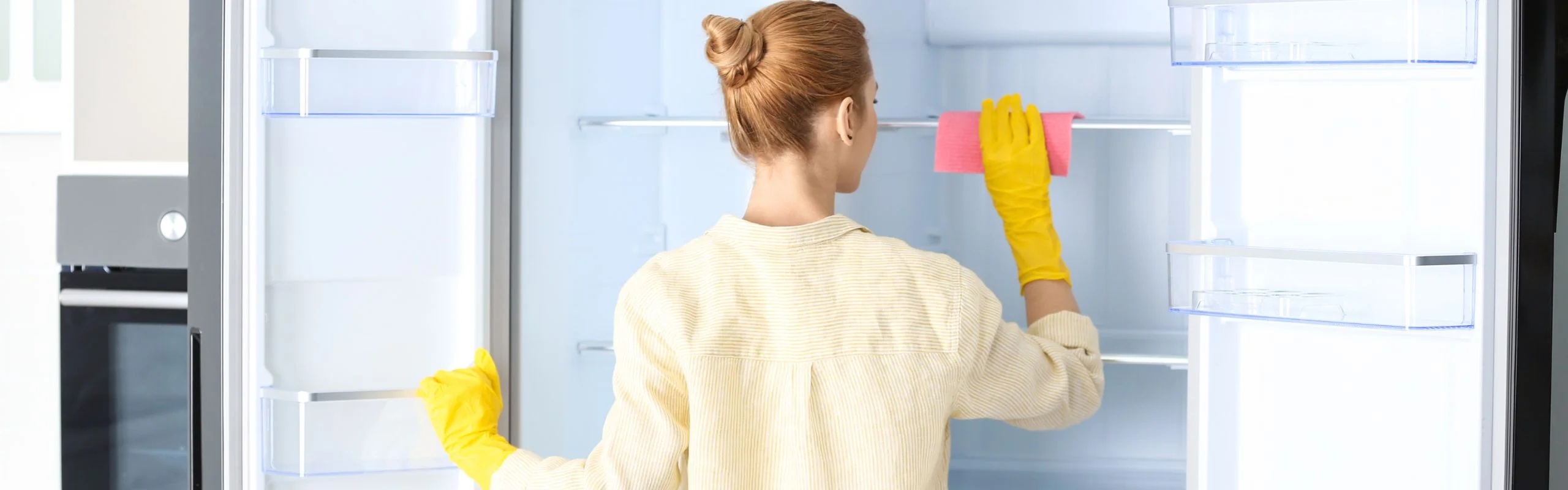
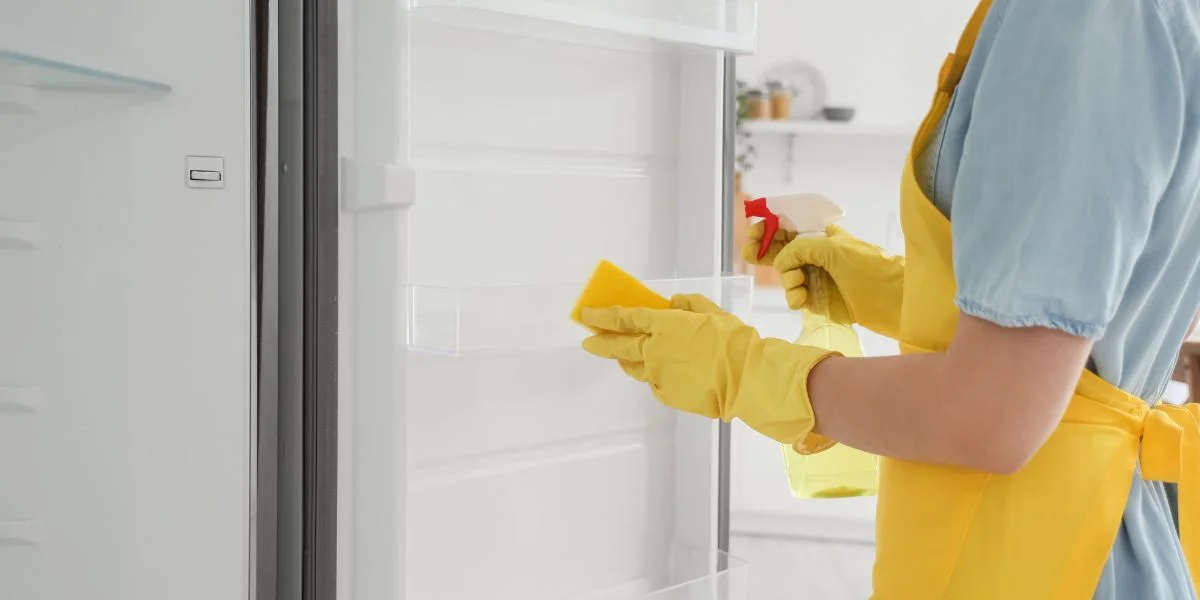
Before washing the inside of your refrigerator, take the time to hand-wash the removed shelves and containers with dish soap and warm water. Rinse well and set them aside to dry. Turning to the interior, grab your store-bought or homemade mixture and gently wipe the shelves, walls and ceiling with a fresh, non-abrasive cloth. Remember, if you find stubborn build-up or grime, use a vinegar or baking soda solution to make wiping them away easier. Once everything has been thoroughly cleaned, either let the appliance air dry or grab a second cloth to wipe away any lingering moisture.
Step Four: Wipe Down the Exterior
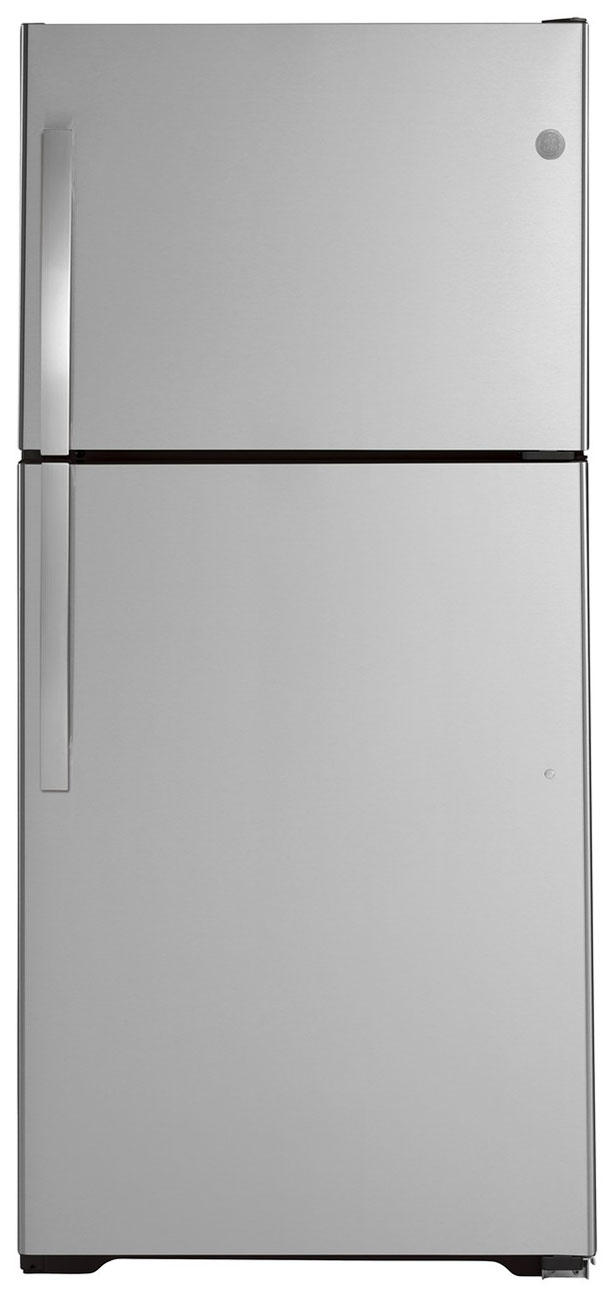
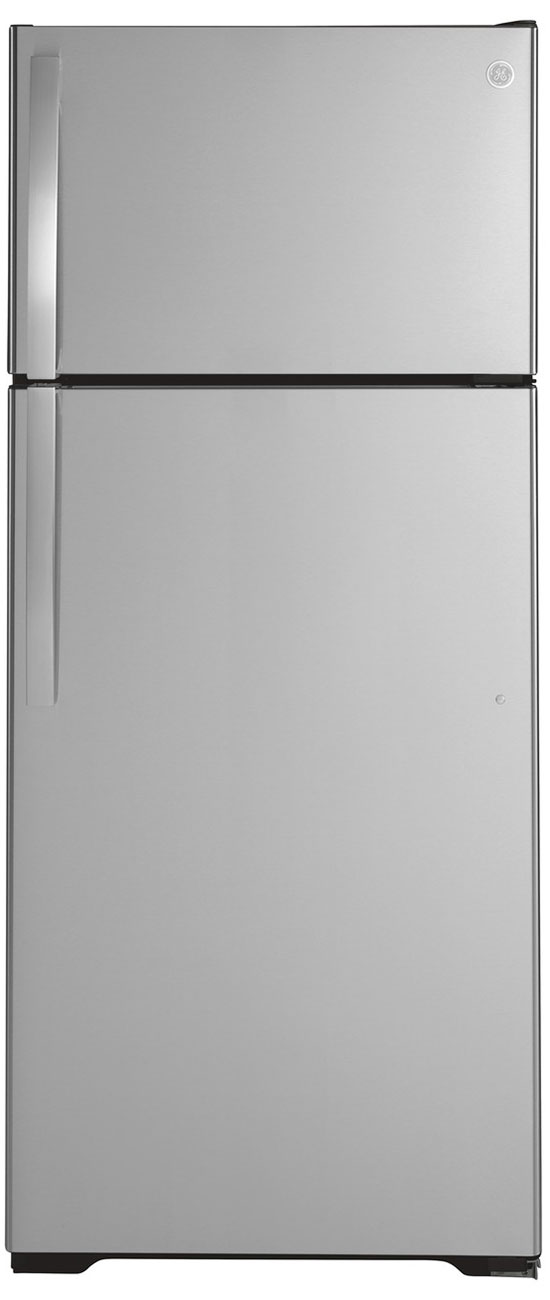
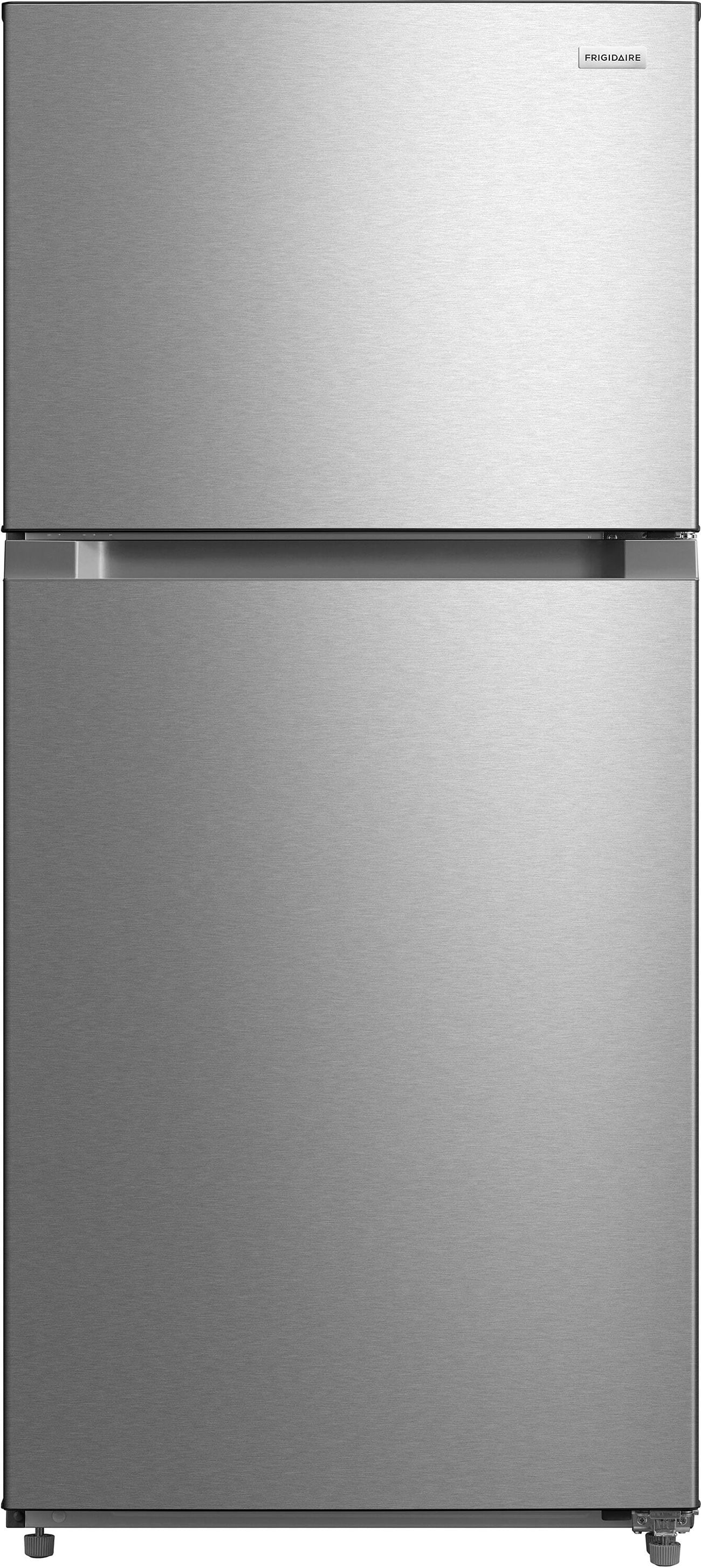
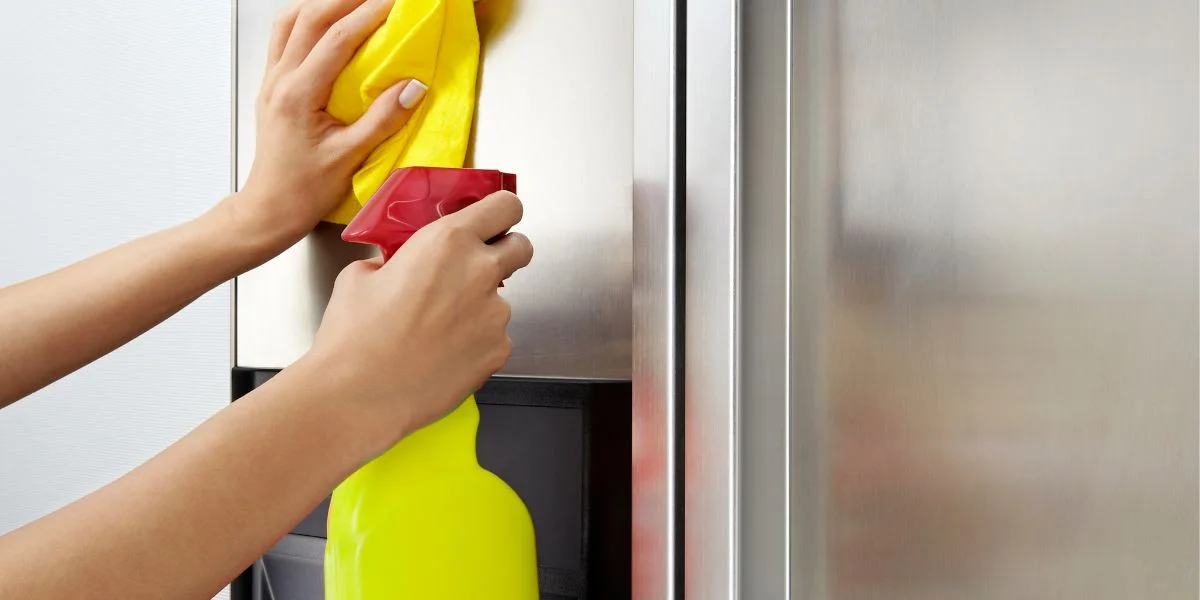
Now that the interior is clean, it's time to focus on the exterior. Stainless steel is a common finish, as it matches nearly any kitchen style. If your refrigerator has this polished surface, you can either use cleaning products made specifically for this material or make a homemade solution with dish soap and warm water. Before using a commercial agent, double-check the user manual or apply a test patch to make sure it won't accidentally damage the appliance. It's also recommended to move your microfiber cloth with the grain to prevent streaks or scratches and effectively lift out embedded grime. Check out our step-by-step article to learn more about cleaning stainless steel appliances.
Custom panels, such as Lexan and wood, or acrylic panels can be cleaned with a mixture of warm water and dish soap or with store-bought solutions. No matter what type of finish your refrigerator has, avoid scouring pads or steel wool, as these touch, abrasive materials can damage the exterior. Harsh chemicals should also be avoided unless the user manual explicitly states that it's safe to use.
What if Your Model Has a Water or Ice Dispenser?
To clean your refrigerator's water dispenser, grab a toothbrush or other soft-bristle brush and dip it in a 1:1 solution of warm water and vinegar. Gently scrub the nozzle to remove any mineral deposits or hidden mildew. Then, fill a glass or two with water to flush out lingering vinegar. If your dispenser has a drip tray, use a damp cloth to wipe away any buildup. If your appliance has an ice bin in the freezer, dump out the ice since cubes left for too long can absorb unwanted odors. Handwash the bin with warm water and dish soap and dry completely before placing it back into the freezer.
What if You Find Mold?
If you find mold or mildew while cleaning, you'll want to remove it ASAP. Unchecked mold can contaminate food, cause undesirable smells and even cause allergic reactions. To kill the mold and prevent new growth, spray undiluted vinegar on and around the area and let it sit for at least 10 minutes. However, longer is always better, so we recommend letting the vinegar sit for about an hour or while you clean the rest of the appliance. Then, wipe down the area with a fresh cloth and warm, soapy water. Dry completely with a towel and remember to thoroughly wash the cloth and towel before using them again.
While a light wipe down of the shelves and bins every three months is great for fresher food storage, deep cleaning your refrigerator promotes efficiency and helps prolong your appliance's lifespan. The winter season is an ideal time, as the cooler temperatures let you store perishable items outside. However, you can also place these foods into coolers during your spring cleaning routine. If you have further questions about how to clean a refrigerator, give our team of experts a call at 800-860-3577. Ready to upgrade your appliance? Check out our sizing and buying guide for refrigerators, which walks you through the process of finding the right size and style for your home.
How to Clean a Refrigerator FAQs
-
To clean a stainless steel refrigerator, either use cleaning products made specifically for the finish or combine dish soap and water. Wipe the microfiber cloth with the grain to remove smudges and embedded grime.
-
To clean the refrigerator's condenser coil, use the coil cleaning brush on your vacuum to carefully remove dust and other unwanted particles.
-
If odors still linger after deep cleaning your refrigerator, try placing a box of baking soda on one of the shelves. You can also use unscented cat litter, fresh coffee grounds or activated charcoal.