How to Clean an Electric Kettle: A Maintenance Guide

Tea kettles are handy to have around the house, whether you're a tea lover or not. In recent years, electric options have increased in popularity. From faster heating times to being more energy efficient, it's hard to go wrong with these products. Plus, you won't have to worry about the loud whistle alerting everyone around you. Regardless of your reasons for including one in your kitchen setup, remembering to keep your electric kettle clean is important.
What You'll Need
For Standard Cleaning:
- Non-abrasive cloth or sponge
- Warm Water
- Olive oil (for stainless steel exteriors) or dish soap
For Descaling:
- Non-abrasive cloth or sponge
- Water
- Choice of vinegar, baking soda, citric acid or 2-3 lemons
Depending on which cleaning method you prefer to use, the required materials vary. For standard cleaning, you'll want to have a clean, non-abrasive cloth or sponge. Anything rough or scratchy could damage both the interior and exterior of your electric kettle. If your kettle has a stainless steel exterior, then a little olive oil will come in handy later. When it comes to descaling the interior, things get more complicated. There are three main methods of descaling when it comes to cleaning an electric kettle: vinegar, citric acid and baking soda. Which method you choose mainly comes down to personal preference; however, it's always smart to check the owner's manual to ensure a specific substance isn't going to be damaging.
Knowing When to Clean
Depending on how often you use your kettle, build-up will accrue at different rates. You may start to notice a white, chalky substance on the bottom of your kettle. This is limescale, and it typically comes from hard water. Limescale is mainly made up of calcium and magnesium minerals. While not inherently harmful, if too much build-up occurs, then you might run into a few issues-primarily with heating. When there is too much limescale, heat transfer is reduced, extending the time needed to boil water. This means your kettle will be working harder and using more energy than necessary. In turn, damage can occur. For some, limescale affects the taste and smell of the water being boiled, creating a less enjoyable cup of tea. That's why remembering to keep your electric kettle clean is important.
Daily and Weekly Cleaning
Regardless of how often you use your electric kettle, always be sure to both empty and rinse it thoroughly after use. This helps reduce unwanted stains, smells and potential buildup aside from limescale. If you plan on using your teapot regularly, giving it a simple wipe down once a week is highly recommended. All you need to do is take a clean, non-abrasive sponge or cloth and dip it into warm water. Then, gently wipe the interior down until each spot has been covered.
Deeper Cleaning Every 1-3 Months
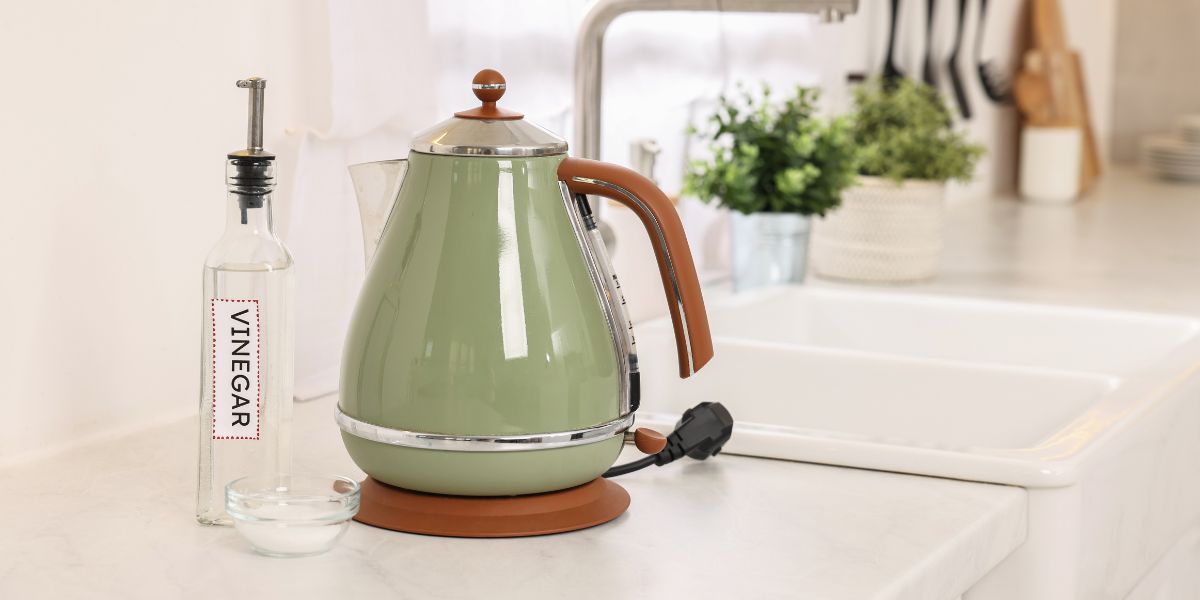
Whether you use your electric kettle on a regular basis or once in a while, descaling the appliance is a must. Now, how often you should descale depends on the hardness of the water. Hard water contains the same minerals as limescale, which is how the minerals find their way into your pot. The harder the water, the more often descaling is required. If you live in an area where the water is considered to be soft, then you'll only need to complete the process every two to three months. However, once you start to notice a build-up of limescale, it's probably a good time to descale - even if you use soft water. When you go to descale, you're essentially deep cleaning the appliance to remove unwanted particles and deposits from the bottom of the interior. This process prolongs the longevity and helps keep the product working properly.
Different Descaling Methods
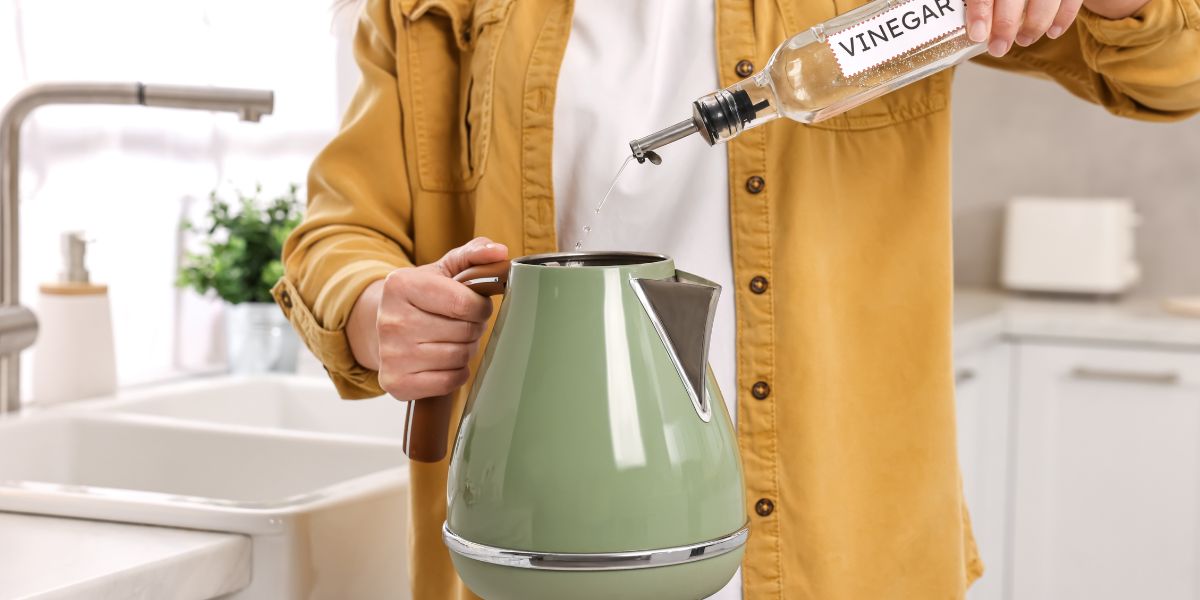
When preparing to descale, there are several methods that can be used: either with vinegar, citric acid or baking soda. Thankfully, most of these items are already in your kitchen, so you won't need to purchase anything special. Depending on the brand of your kettle and the materials it's made out of, the cleaning method can vary. If you aren't sure which method to use, make sure you refer back to the owner's manual for both care and maintenance tips.
Descaling with Vinegar
Descaling with Baking Soda
Descaling with Citric Acid
Descaling with Lemons
Cleaning the Exterior
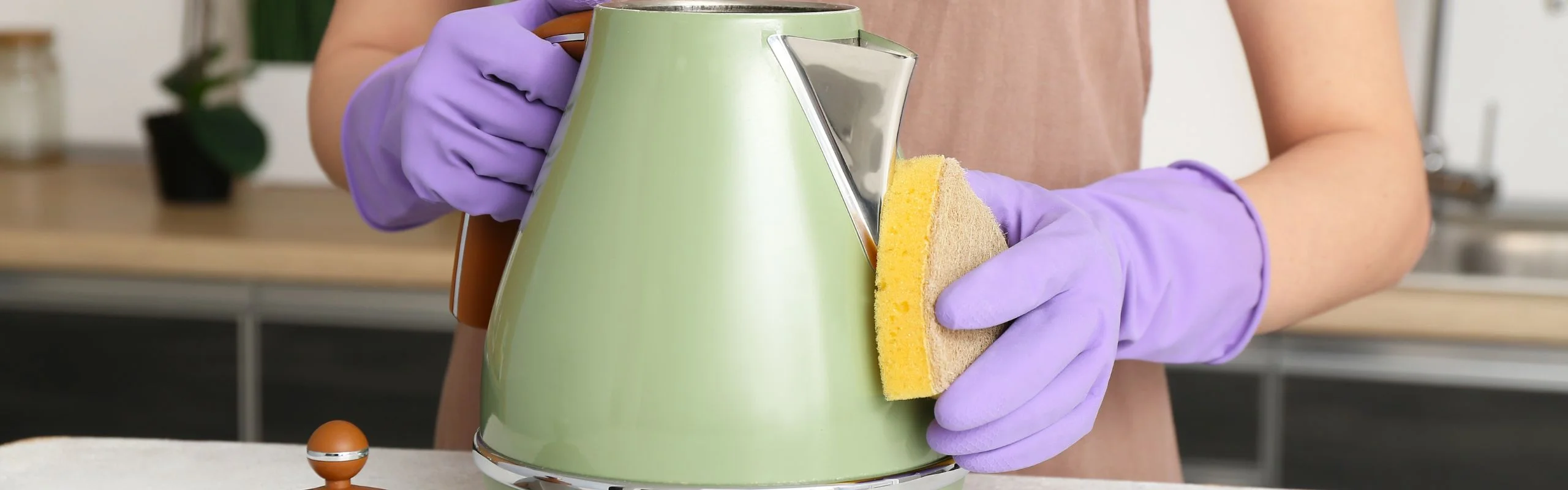
While keeping the inside of your electric kettle clean is important, we can't forget about the exterior. Depending on the material, the cleaning method will vary. Remember, if you aren't sure what you should be using, always check the owner's manual to ensure you aren't going to use a potentially harmful product. Warm water, soap and a soft cloth are always a safe and reliable cleaning method. In a small bowl, combine a small amount of dish soap with warm water. Then, take the cloth and gently wipe down the sides, being careful not to get any soap inside the cavity. Use another microfiber cloth with just water to rinse off the soap. Finally, either with the dry side of your cloth or with a new one, dry off the exterior. If you have a stainless steel kettle, then take a small amount of olive oil and dab about a teaspoon onto a microfiber cloth. Gently rub the outside of the kettle. Again, make sure you aren't using an abrasive sponge or cloth to avoid scratching the exterior.
Clean Your Electric Kettle Today
When you routinely care for your electric kettle, you can trust that you'll have countless years of fresh, delicious tea. If you aren't confident in your ability to clean the appliance properly, reach out to our team of specialists at 800-860-3577 for more information. Think it's time for a whole new teapot? Explore our electric water kettle buying guide to discover models that fit your needs.
Cleaning an Electric Kettle FAQs
What is the most effective method to use for descaling?
Typically, vinegar is the most reliable way to clean your kettle. However, refer to the owner's manual for additional information on keeping your device clean.
Is it safe to boil vinegar in an electric kettle?
Yes, it's perfectly safe to boil vinegar with your kettle. However, you want to make sure that you dilute it with water, as boiling pure vinegar could cause issues.
Is it safe to clean my electric kettle with water?
As long as you don't submerge the appliance, cleaning with water is safe. Instead, use a soft, clean cloth or brush when going to clean any smudges or grime, both on the inside and outside.
Can I leave water in my kettle for the next use?
While it's not encouraged, you can leave water sitting in preparation for your next session. However, if you choose to leave water sitting, then you might need to descale your kettle more often to keep the bottom of the heating surface clean.