Microphone Buying Guide

Whether you're recording a podcast, singing or on a work call, having the right microphone is important. In this guide, we'll cover the basics of how to choose the best one for your needs.
Types of Microphones
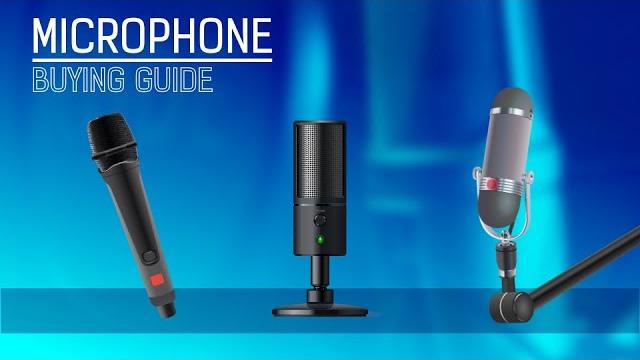
Different types of microphones are better for certain tasks. There are three main types of microphones and four different polar patterns (which refers to the ways in which a particular device picks up sound), giving you many options for any style of recording. The three microphone types we're covering today are dynamic, condenser and ribbon.
Dynamic Microphones
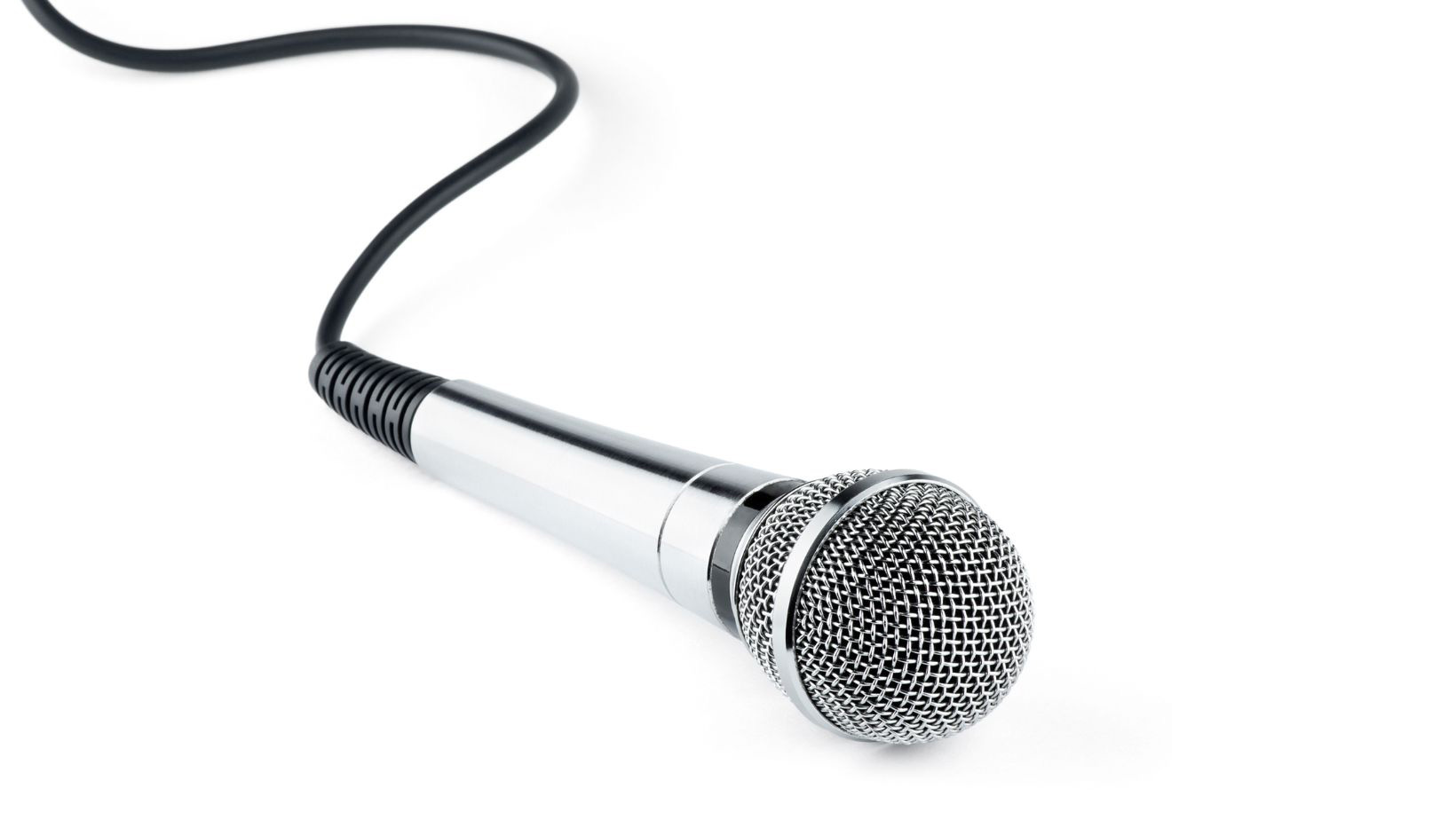
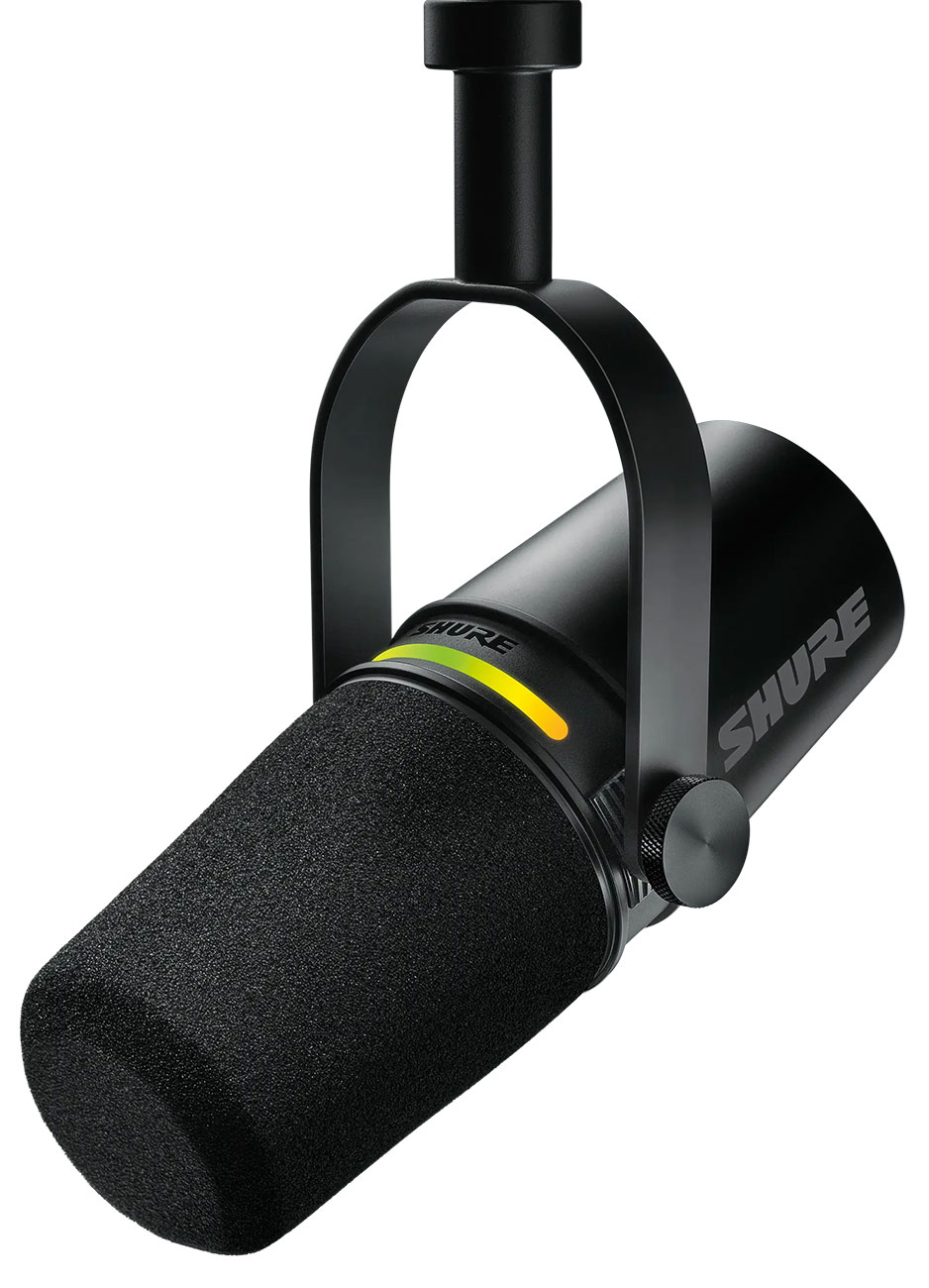
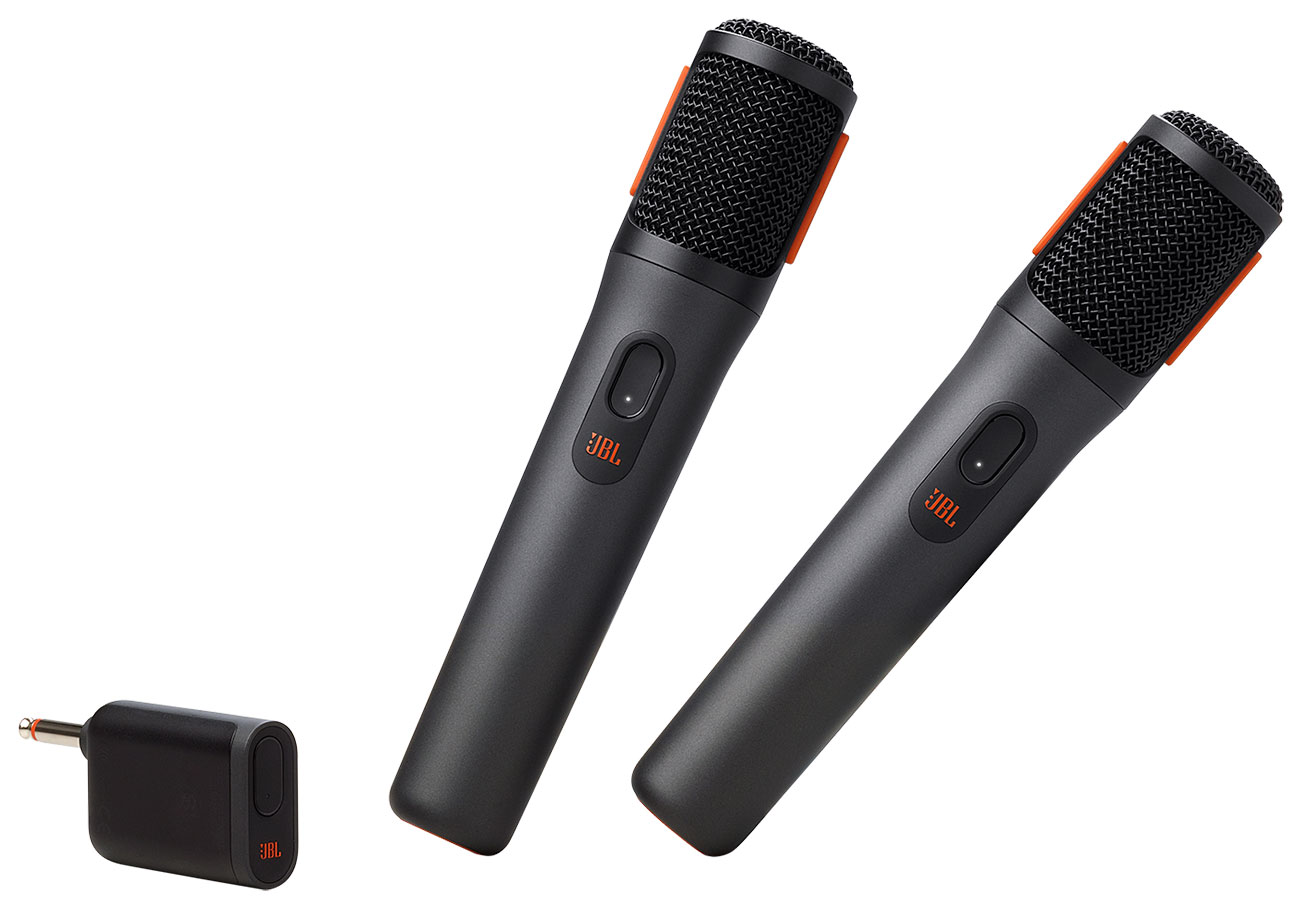
Dynamic microphones are commonly used onstage, but can be used for other applications as well. They're a popular choice because they can handle loud noises (like singing) without pickup up too much background noise. They're also typically more rugged than other types of microphone, so you don't have to be too careful with them; they also don't always require a separate power source.
Condenser Microphones

Condenser microphones are popular for different reasons. They're more sensitive than dynamic microphones, making them ideal for picking up small details in recordings. They tend to be lighter than dynamic models because they don't use magnets, but they do require power from an electrical source (called "phantom power"). Condenser microphones are most often found in settings where the ambient noise can be controlled, like a studio or soundproofed room.
Ribbon Microphones
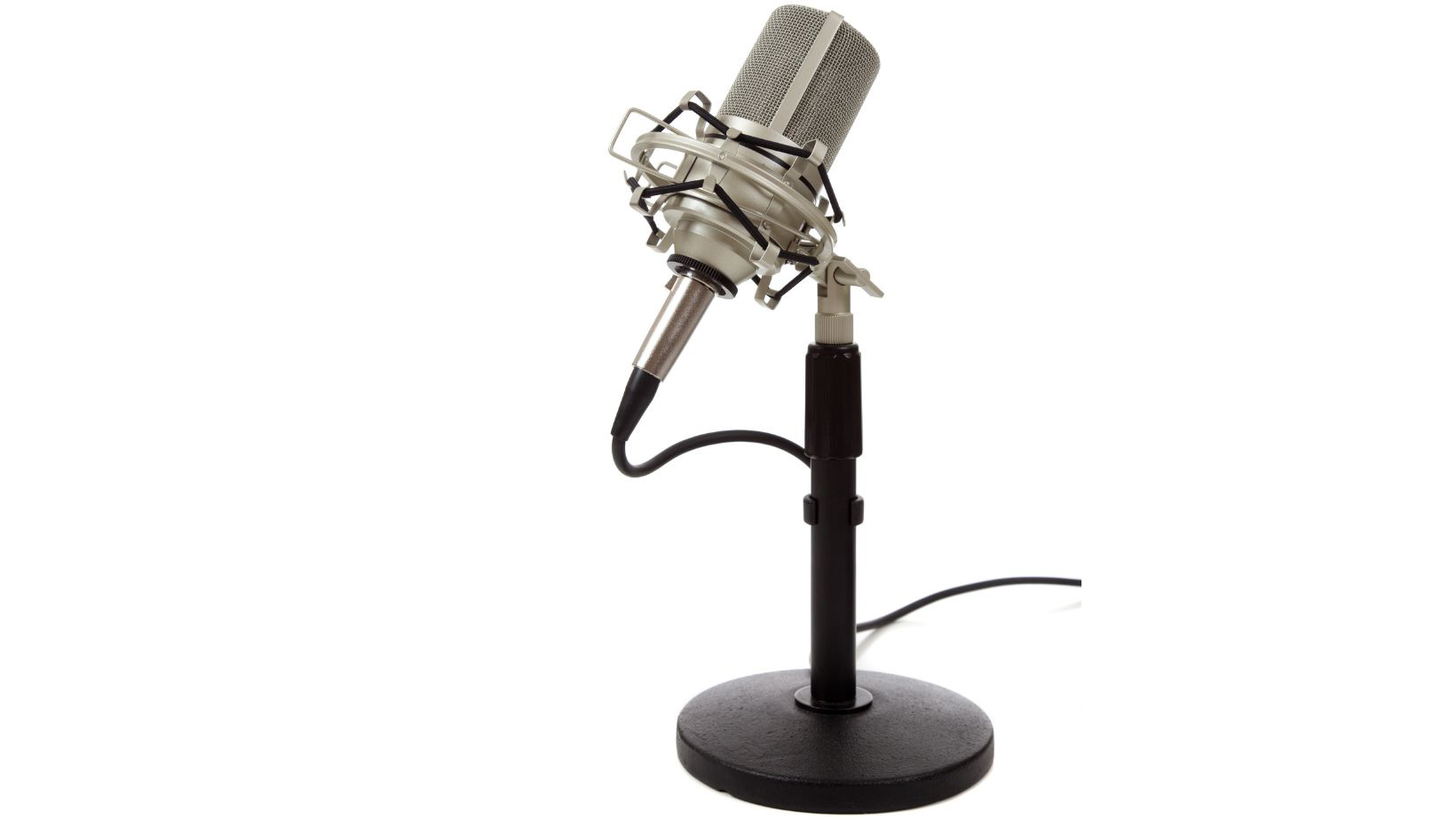
Ribbon microphones are the most delicate of the three types of microphone. They offer the smoothest sound, making them an ideal choice for music studios and TV broadcasts. They are also known for creating a sound most similar to the way our ears hear sound.
Polar Patterns
Now that you've weighed the pros and cons of each microphone type, it's time to consider the polar patterns. Polar patterns define how much of an audio signal is picked up by the microphone from different directions. The four most common patterns are cardioid, figure eight (or bi-directional), omnidirectional and supercardioid.
Cardioid
Cardioid microphones pick up sound mainly from the back and somewhat from the sides, while blocking noise from the back. These devices are best for a single person speaking into a microphone, like when recording a podcast or YouTube video.
Figure Eight/Bi-Directional
Figure eight or bi-directional pattern microphones pick up sound evenly from the front and the back, hence their name. They block sound from the sides, which makes them a great choice for conducting face-to-face interviews with a single microphone.
Omnidirectional
Omnidirectional microphones pick up sounds evenly from all directions (front, back, sides, above and below). These devices are a great option when trying to avoid wind noise when recording. They're also better at handling plosive sounds, like words with the letters P, T and B. As these devices can pick up sound from every direction, they can be used upside down if necessary.
Supercardioid
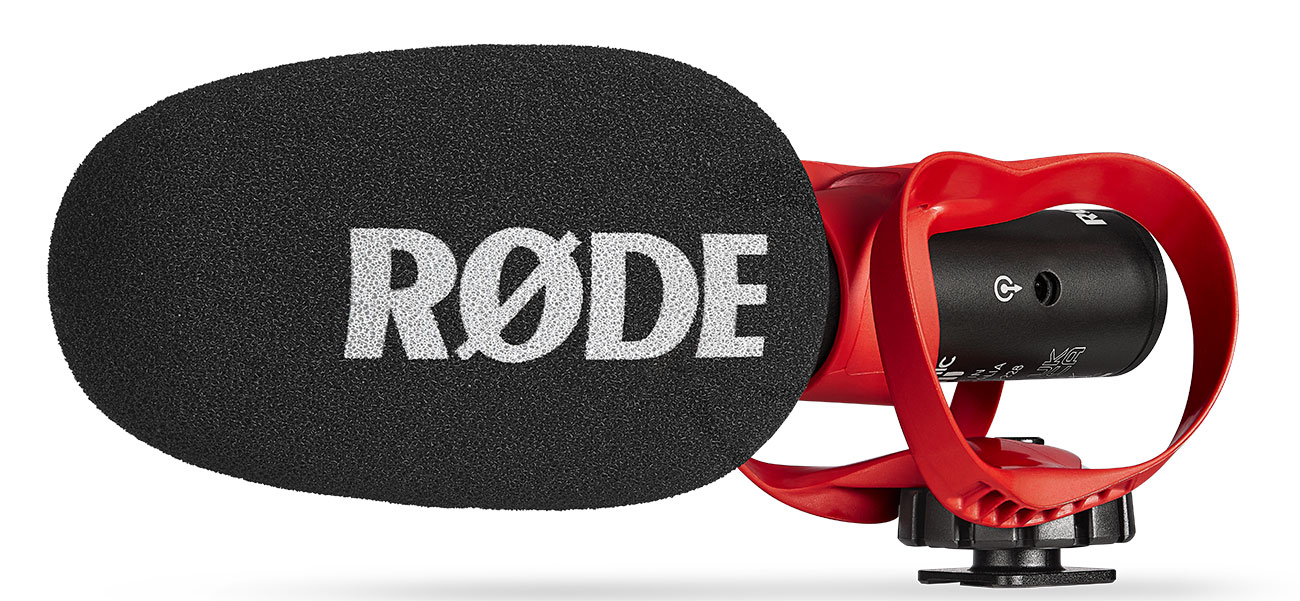
Microphones with a supercardioid pattern are highly focused on sound coming from the front. They can pick up some sound from behind them, but this pattern is the best for blocking sound from the sides. This polar pattern works well for speeches, singing or recording an individual instrument within an ensemble. Supercardioid is also the pattern of choice for film and video recording.
Shop Microphones at Abt
Now that you have knowledge about the types of microphones and the different polar patterns, you should have an easier time picking out one that works for your needs. Whether you're ready to launch your own podcast or want colleagues to hear you better in Zoom meetings, you'll be able to find the microphone you need at Abt. Browse all of our microphones to see the options we have, compare prices and more. If you have additional questions, give our experts a call at 800-860-3577 for more help.
Microphone FAQs
What are the four types of microphones?
The four main types of microphone are dynamic microphones, large diaphragm condenser microphones, small diaphragm microphones and ribbon microphones.
What is a condenser microphone?
Condenser microphones feature a thin, conductive membrane that vibrates in response to nearby sound. This construction makes them very sensitive microphones. They're best used in a recording studio.
What are the best microphones?
There is no one "best" microphone because different microphones are better suited to different recordings. Dynamic microphones are great for live vocal performances, loud sounds or room acoustics. Large diaphragm condensers are ideal for capturing "big" sounds like vocals or bass as well as low frequencies. Small diaphragm condenser models are great for recording bright percussion sounds or woodwind instruments, and ribbon microphones are best for capturing natural-sounding voices, instruments or ambience.
What are the best microphones for podcasts?
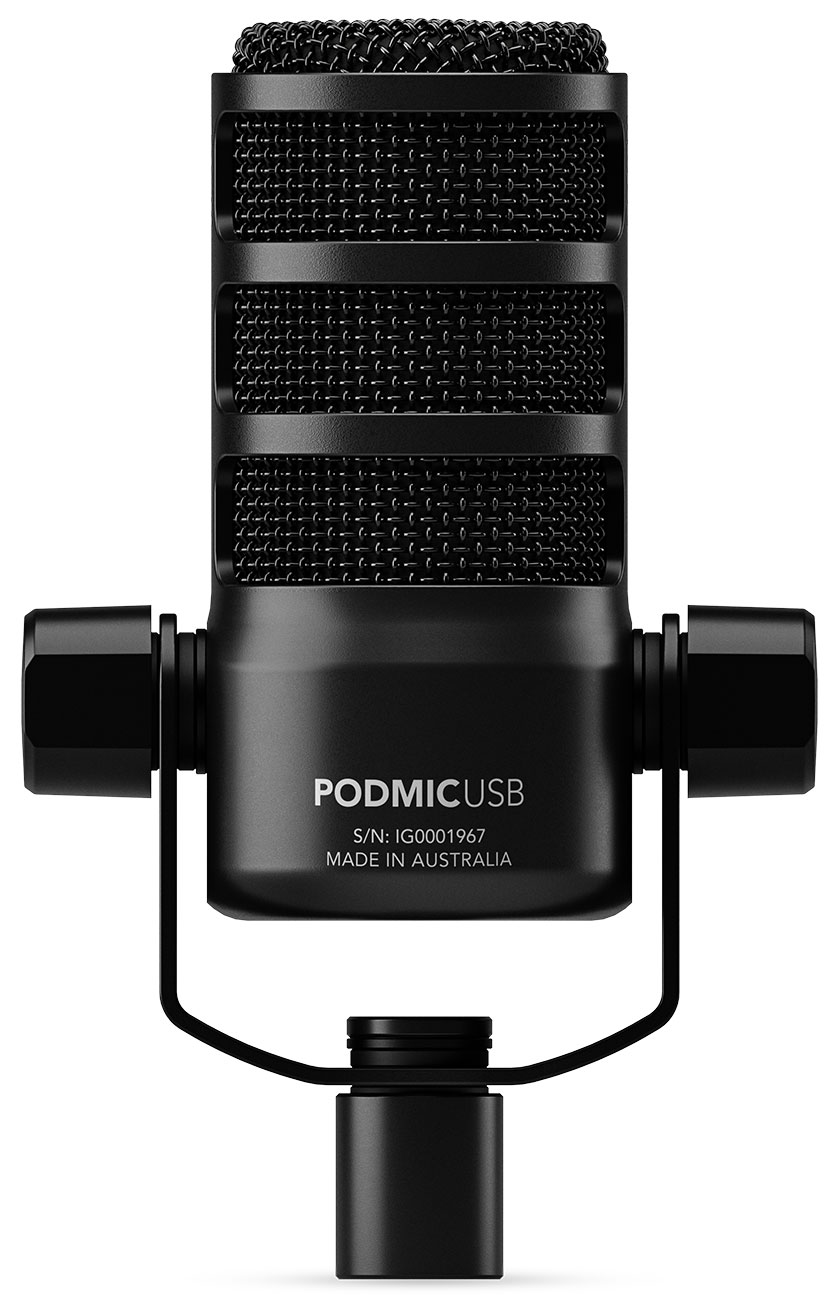
Condenser microphones are best for podcasts because of their sensitivity. Get a USB model that can easily connect to your computer for post-production.
What are the best microphones for streaming?
If your streaming setup isn't somewhere with a lot of background noise, a condenser microphone is best for streaming for the same reasons they're good for podcasting; their sensitivity makes it easy to pick up your voice clearly. If your setup is noisy, opt for a dynamic microphone instead.