What Are IP Waterproof Ratings?

From lovable Bluetooth portable speakers to smartwatches, more and more electronics are claiming resistance against dust and water. But how do you decipher IP waterproof ratings? We'll dive into the topic.

What's The Difference Between Waterproof and Water-Resistant?
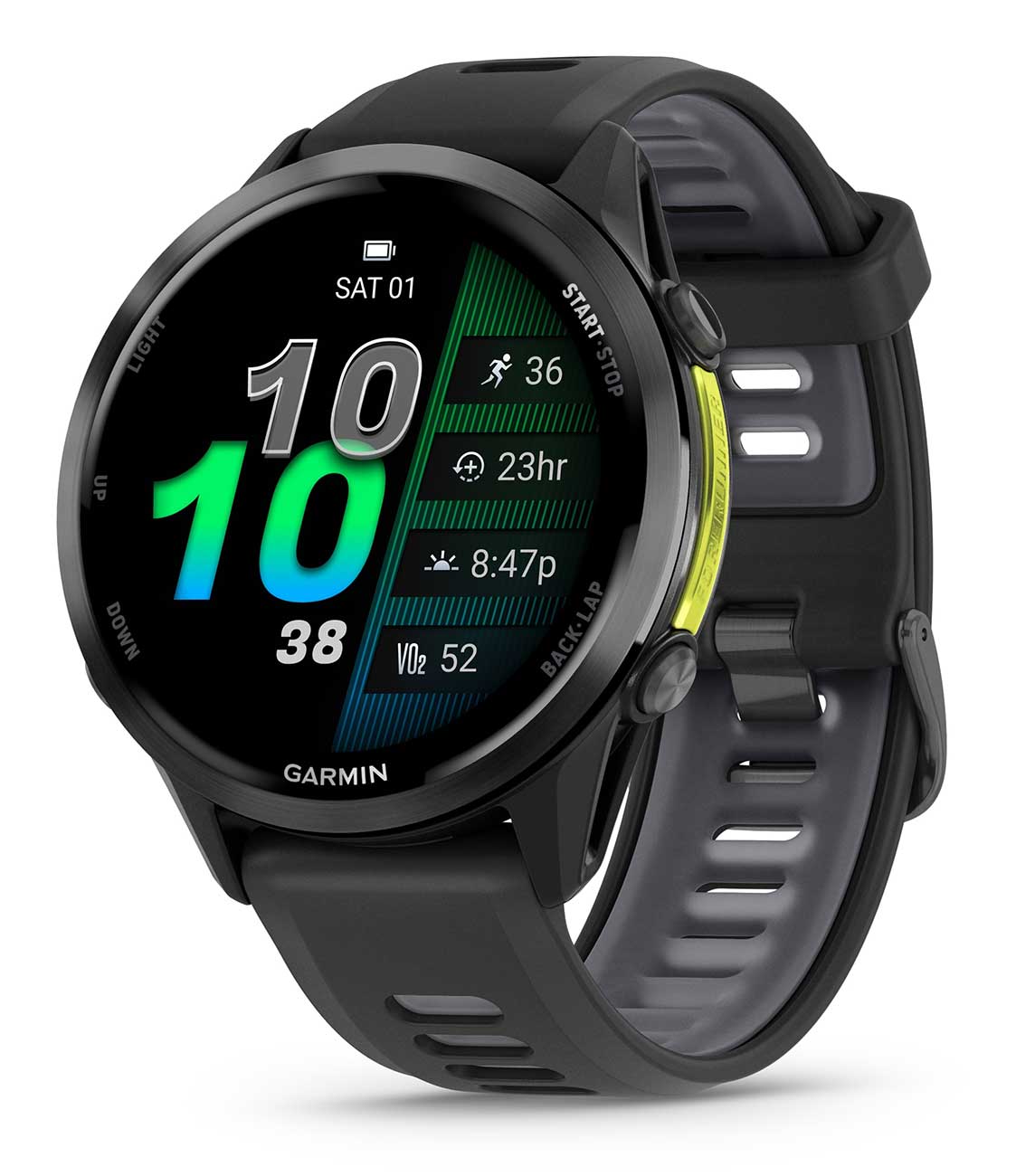
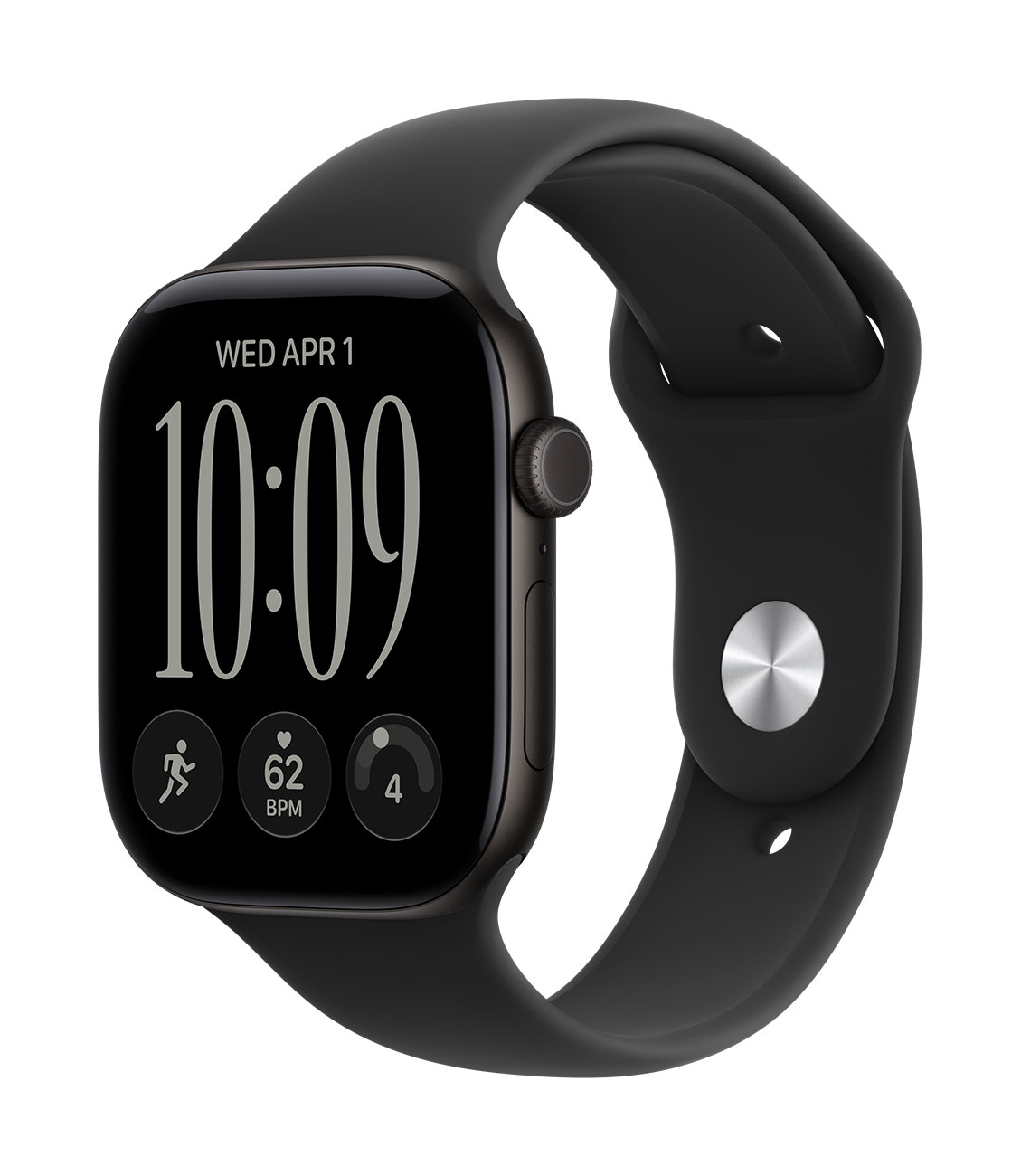
Before we dive too deep, let's cover some phrases and definitions to make understanding IP waterproof ratings easier. It's important to know that waterproof and water-resistant are not synonymous. Waterproof products don't allow water to cause any damage (at least for a period of time). Meanwhile, water-resistant products (like many smartwatches) can hold up against water or splashing to some extent, though not as thoroughly as waterproof models. When discussing IP waterproof ratings, other definitions to know include IP rating: IP rating stands for "ingress protection", and the standards are controlled by the IEC, or International Electrotechnical Commission.
Breaking Down IP Waterproof Ratings
IP waterproof ratings might seem like a science-laden, scrambled language that's difficult to decode. But each label is actually more like an equation crossed with a definition. There are four characters in an IP rating. The first two are "IP," then the first digit describes how the product handles solids, like dust. The second digit describes how well the product is protected from liquids. An example would be "IP67" or "IPX4." We'll break down what those numbers mean below.
1
IP Ratings: Solids
When addressing the question "What are IP waterproof ratings," the immediate reaction is to jump to how waterproof a device is. But solids can contaminate and damage an electronic just as easily. From dirt to dust and beyond, you'll want to keep your gear well protected from solids, and that starts with a strong IP rating.
- 0 There is no protection against entry of solids.
- 1 Nothing larger than 50mm can enter the enclosure.
- 2 Nothing larger than 12.5mm can enter the enclosure.
- 3 Nothing larger than 2.5mm can enter the enclosure.
- 4 Nothing larger than 1mm can enter the enclosure.
- 5 Nearly all dust and dirt cannot enter.
- 6 Completely dust-proof.
- X No data collected on entry of solids.
2
IP Ratings: Liquids
Now it's time to figure out what an IP waterproof rating looks like for liquids. The format is much the same, with varying degrees of water-resistance until you reach a true IP waterproof rating. Keep in mind that when it comes to IP waterproof ratings many different factors play a role, like depth and duration. We'll go into more detail below.
- 0 There is no protection against water.
- 1 Protection against water drops that fall vertically.
- 2 Protection against water drops that fall from multiple angles.
- 3 Protection against spraying water.
- 4 Protection against splashing water from every direction.
- 5 Protection against low pressure jets of water from any direction.
- 6 Protection against high pressure jets of water from any direction.
- 7 Protection against immersion into up to 1 meter of water for 30 minutes.
- 8 Protection against immersion into more than 1 meter of water for a duration outlined by the manufacturer.
- X No data collected on protection against water.
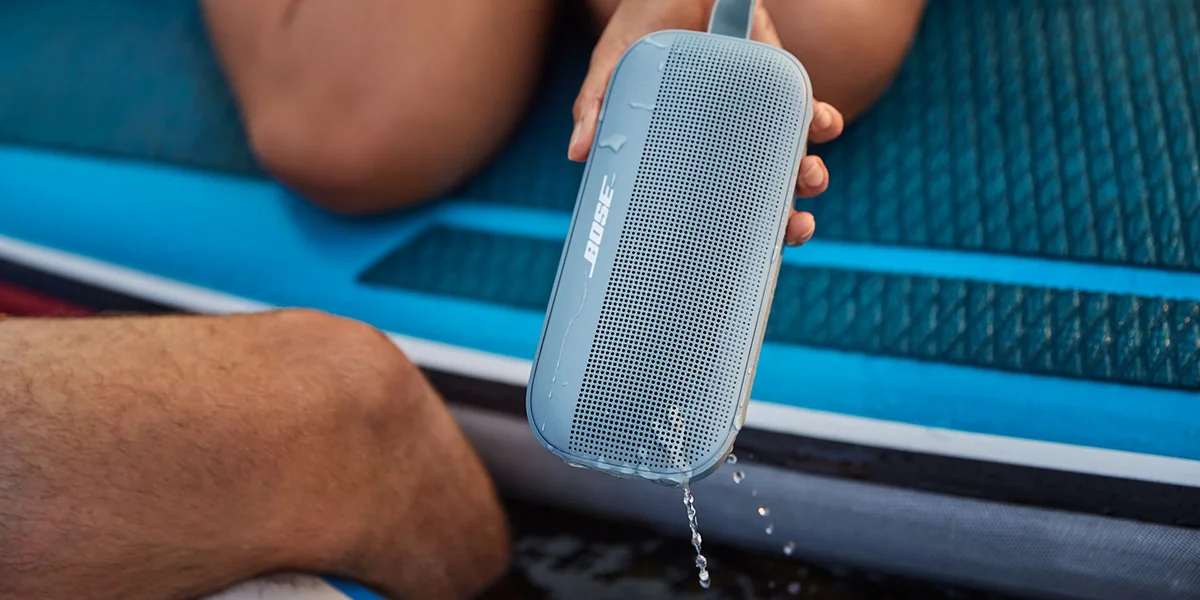
A rating of 7 and 8 would likely be classified as true IP waterproof ratings, while lower numbers would be a level of water resistance. These kinds of cell phones or speakers can hold up to a splash or spray, but the electronics that are truly waterproof can be dropped into water and survive. For example, that IP67 rating from earlier? That would be perfect for taking to the beach or the pool: it can keep out dust and survive a dunk in the water.
Now You Know The Numbers: What Ratings Are The Best For Me?
Before you start deleting all of the less water-resistant portable speakers in your shopping cart in favor of waterproof models, consider how you can best use this information. It's all about how you plan on using your electronics. The things you'll likely most want to protect will be spending a lot of time near dust or water, and you'll be using them a lot. This counts double if you're investing a lot of money in them. Those would include smartphones, portable speakers you take outdoors, and smartwatches. For picks like these, you'll want to invest in a higher IP rating if possible. Luckily, many smartphones are waterproof or resistant (to a point) as a standard these days. The same goes for Bluetooth speakers. When you're choosing a portable speaker, keep a keen eye, especially if you love going to the beach, the lake, or the pool. You never know when a stray splash may come your way.
If you're having a hard time finding the electronics with the right IP waterproof rating and dustproof rating for you, we're here to assist. Our team members can help you find the right electronics, whether you're looking for headphones for a rugged lifestyle or a tabket that can handle trips to the beach. Call us at 800-860-3577 to talk to the experts or shop online, where we display IP ratings when applicable. Alternatively, head into our store to see some of our favorite gear in person.
IP Rating FAQs
What are IP ratings?
IP, or ingress protection, ratings grade the water or dust resistance of an enclosure.
How do IP ratings work?
IP ratings feature two different numbers: the first is a number between 0 and 6 that refers to the degree of protection against solids like dust. The second digit is a number between 0 and 9 that refers to the degree of protection against moisture.
What is the highest IP waterproof rating?
The highest IP waterproof rating is IP68, which protects against full immersion.