| Are you purchasing
your first stereo system or upgrading your existing one? Either way, a new
system will have better sound and more playback options than a typical factory
stereo would have.
In-car entertainment options have come a long way from the choices of
AM and FM radio stations, the tape deck, and the CD player. The arrival
of compressed digital-audio formats such as MP3--and the enormous popularity
of portable music players such as the iPod/iPhone--means that people are
more able and willing to take their songs with them on the road. The advance
of satellite radio and the emergence of HD radio and DVD audio have added
even more options for in-car audiophiles. Bluetooth technology has given
drivers the means of streaming calls and music from their cell phones
through their car speakers.
There are a few questions you should ask yourself before purchasing a
new car stereo:
"Do you want your stereo to have updated technology features or is
FM radio enough for you?
"What type of music do you listen to?
"How long will you own the vehicle and the equipment you purchase?
"Do you want to connect something (like an iPod) to the car stereo?
Vehicle stereos consist of three components:
- Source: The source is where your music or sound is coming from.
It may include different options such as: AM/FM radio, cassette player,
CD/MP3/AUX player, satellite radio, etc.
- Pre-amplifier: All sound adjustments are made here. This may
include: controls ranging from simple volume, balance, fader, source
selection, time correction, etc.
- Amplifier: The amplifier boosts small audio signal into large
audio signals. This is then sent to the speakers.
Now that you know the parts of a car stereo, you need to find the one
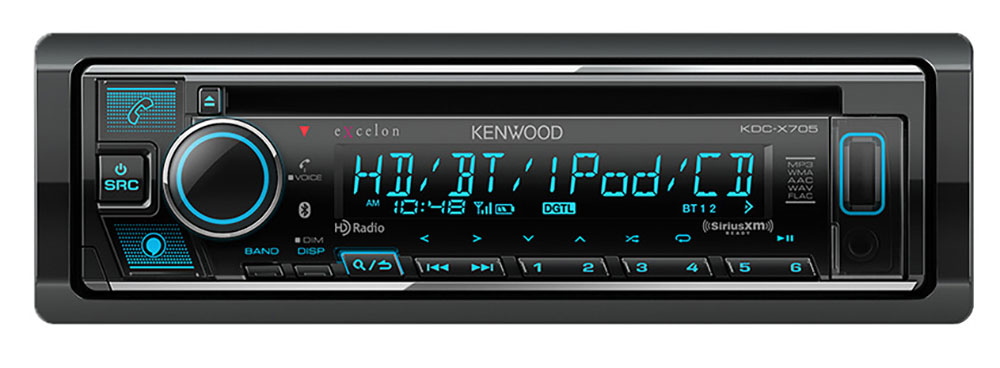
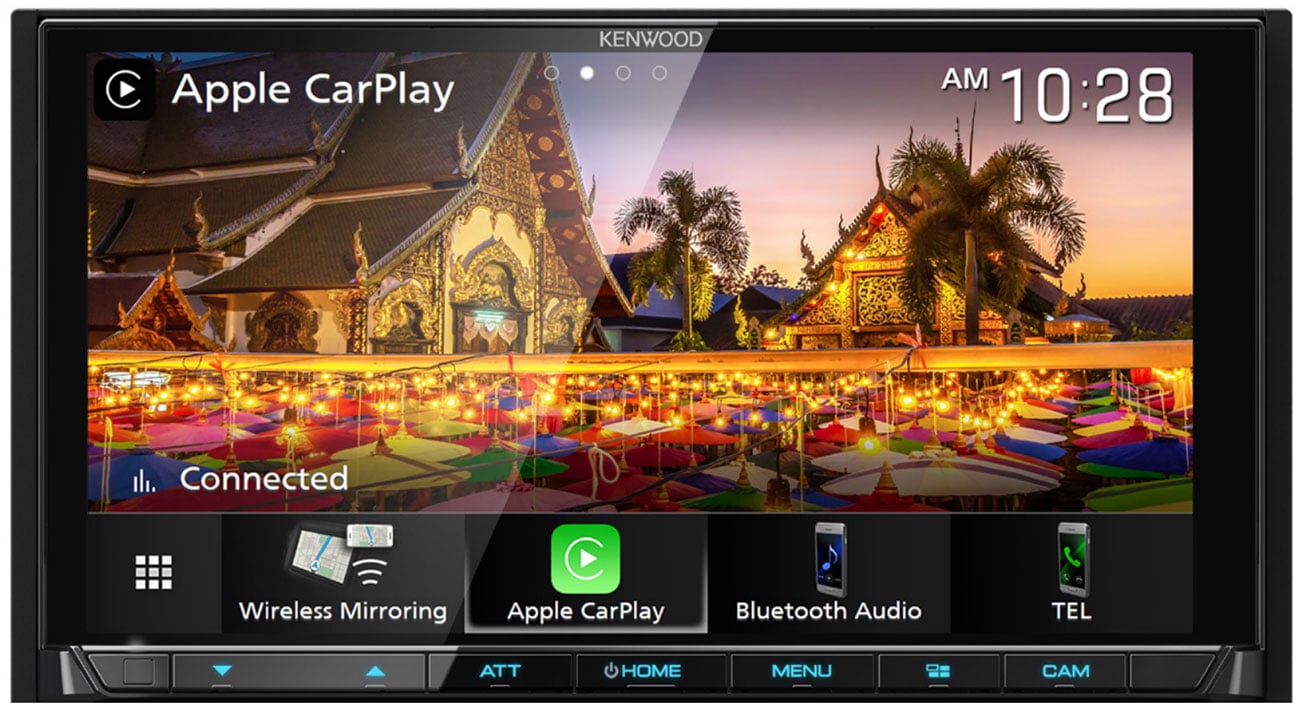
that is right for your vehicle and you. You should consider the size of
the stereo. Vehicle stereos are different sizes and will not fit all vehicles.
Before purchasing a vehicle stereo, make sure the unit will fit your vehicle.
Abt has a vehicle fit guide that will let you know which receivers will
best fit your car. You can always call our mobile installation experts
at 888-228-5800 and inquire about your cars make and model and compatibility.
Click here to view our fit guide. Once you have chosen the right size,
you have to learn the various car stereo specifications:
- RMS Power Output: This is the section where the amplifier produces
continuous power. The power is measured in watts. The higher the RMS,
the louder your music will be. More RMS does not mean cleaner sound.
The RMS number is what you should use when comparing different receivers
and amplifiers.
- Peak Output: Peak power is measured during a brief musical
burst. Do not confuse peak output to the RMS output.
- RMS Power Bandwidth: This is the frequency response used to
determine the built-in amplifier's RMS power rating. The best range
is 20-20,000 Hz.
- Preamp Outputs: This is the number of RCA jacks on the rear
of the receiver.
- Preamp Voltage: If you are planning to add an external power
amplifier now or in the future. Higher preamplifier voltage is better,
because it allows the amplifier to produce its maximum output.
- FM Sensitivity: This feature indicates how well the receiver
will pick up a FM signal.
- Signal-To-Noise Radio: This measures how well the radio silences
background noise. Higher ratings indicate less noise.
By purchasing a new stereo you will be able (depending on the unit) to
add more sources to it. For example, MP3/WMA playback, iPod support, satellite
radio, DVD playback, GPS navigation, internal hard drive storage and much
more. Additional options that may be available are full-color animated
displays, Dolby Digital and DTS surround sound decoding and precision
sound controls like digital time correction and parametric equalization.
It will also enhance appearance of your vehicle interior.
- AM/FM Radio: A digital radio tuner will allow you to pick up
free local radio stations wherever you are.
- Satellite Radio: If you want to have an option of listening
to the satellite radio, you should choose stereo that is "satellite
radio-ready". Several stereos are compatible with radios from XM
or SIRIUS, but some only work with one or the other. There are stereos
available with built-in satellite radio tuners. Satellite radio is a
subscription service so a monthly fee will be charged to you if you
want to listen.
- HD Radio: If you want to have static-free reception and a better
sound quality, an HD radio tuner is a great option. It can be a built
- in unit or an added feature to an outside component. There is no subscription
required for HD Radio, so the added channels are all free.
- Audio CDs: When it comes to CD players one of the most important
questions is the CD signal-to-noise ratio. The higher the rating, the
cleaner CD playback will sound.
- MP3/WMA disc playback: A CD player that accepts MP3 or WMA
discs can let you listen to 10 hours of music on a single disc (as long
as you formatted it that way).
- iPod Music: Choose a stereo that is compatible with an iPod
adapter. The stereo should also be able to charge your iPod's battery
and provide the best possible sound quality.
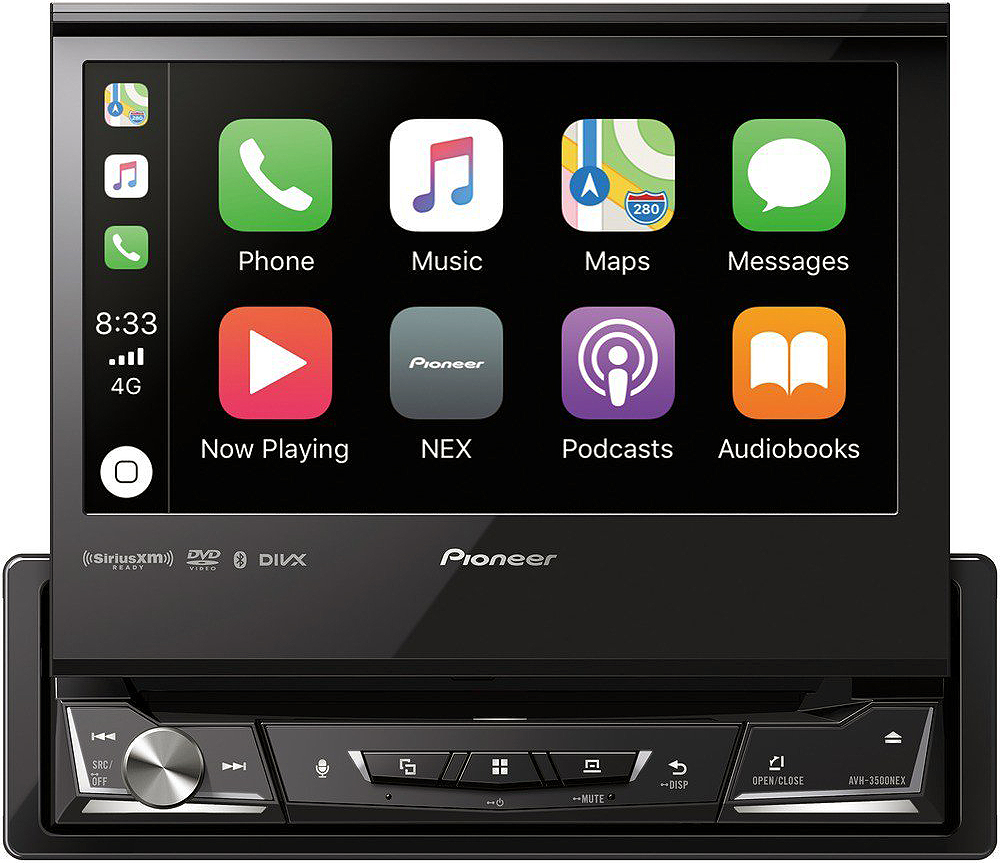
- DVD playback: If your stereo has DVD playback, you can listen
to movies through the system. If you want video playback, you must make
sure you have a monitor or pop-out screen attached to the unit.
Sound Control
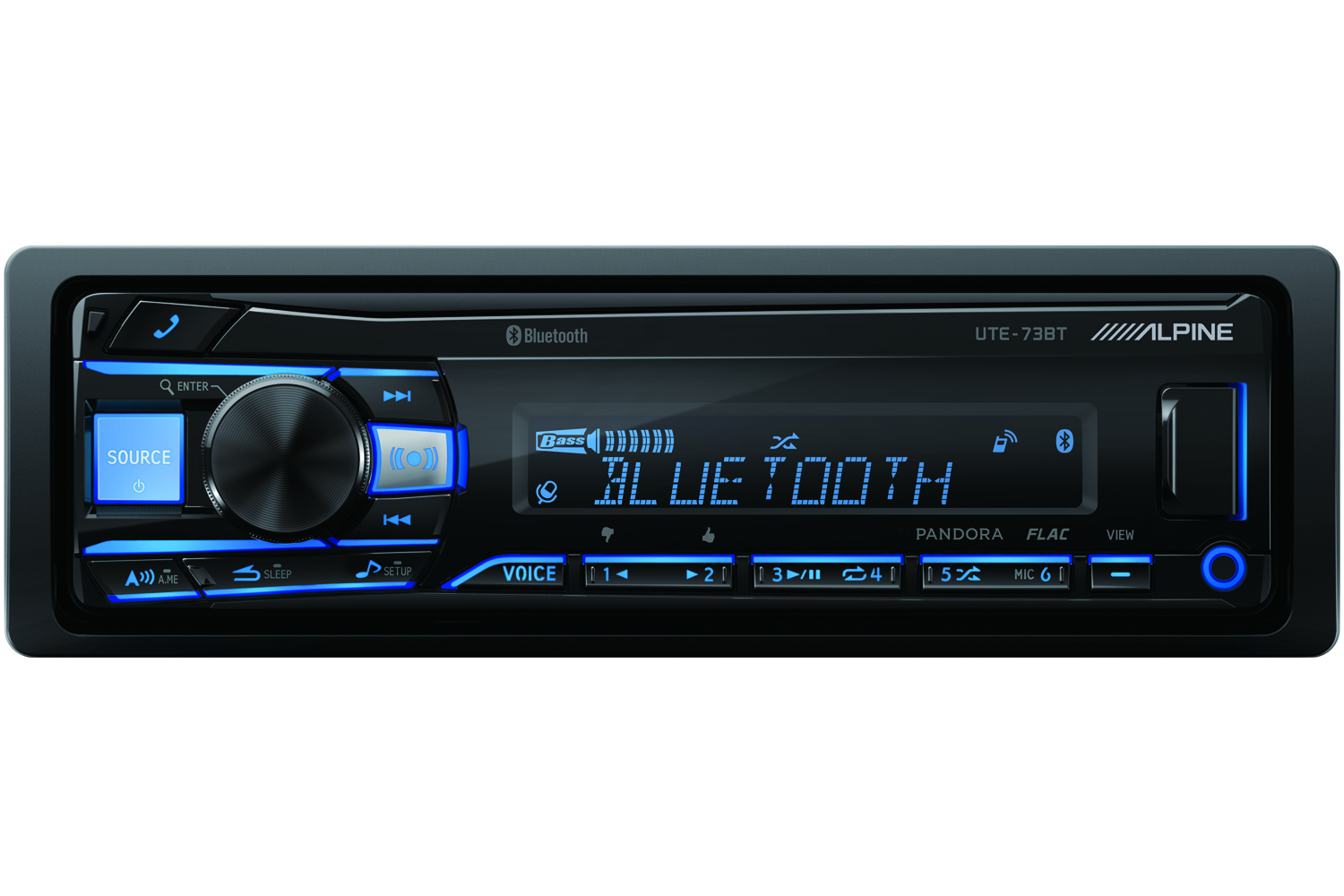
You should choose a stereo with treble, bass, and midrange control. These
features will improve the sound of your music. However, if you like to
experiment with the sound, you might want to choose a model that has more
features. The unit should feature digital signal processing (DSP) or digital
time correction. These types of sound controls will give you total control
over the sound of your music.
Click here to view all Single DIN Receivers
Click here to view all Double DIN Receivers
Click here to view all Mobile Products
Click here to view all Buying Guides
|

|