Main Content

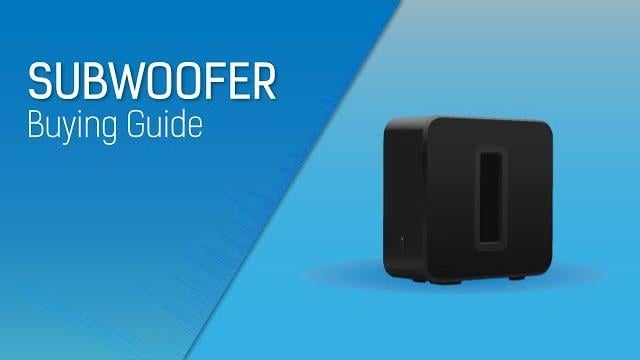
Subwoofer Buying Guide

A comprehensive guide that will give you all the information you need on how to buy a new subwoofer.
Getting Started: What is a Subwoofer?
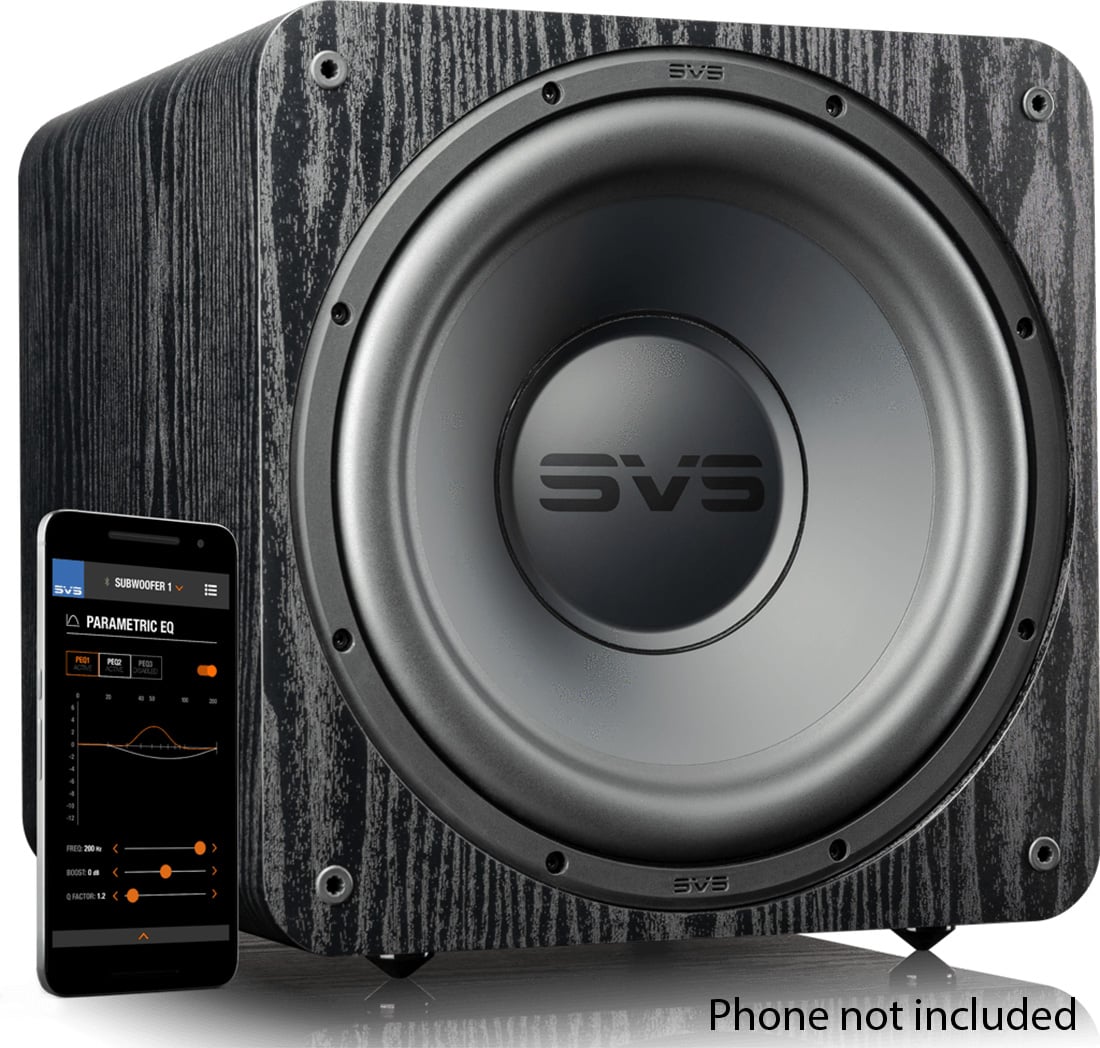
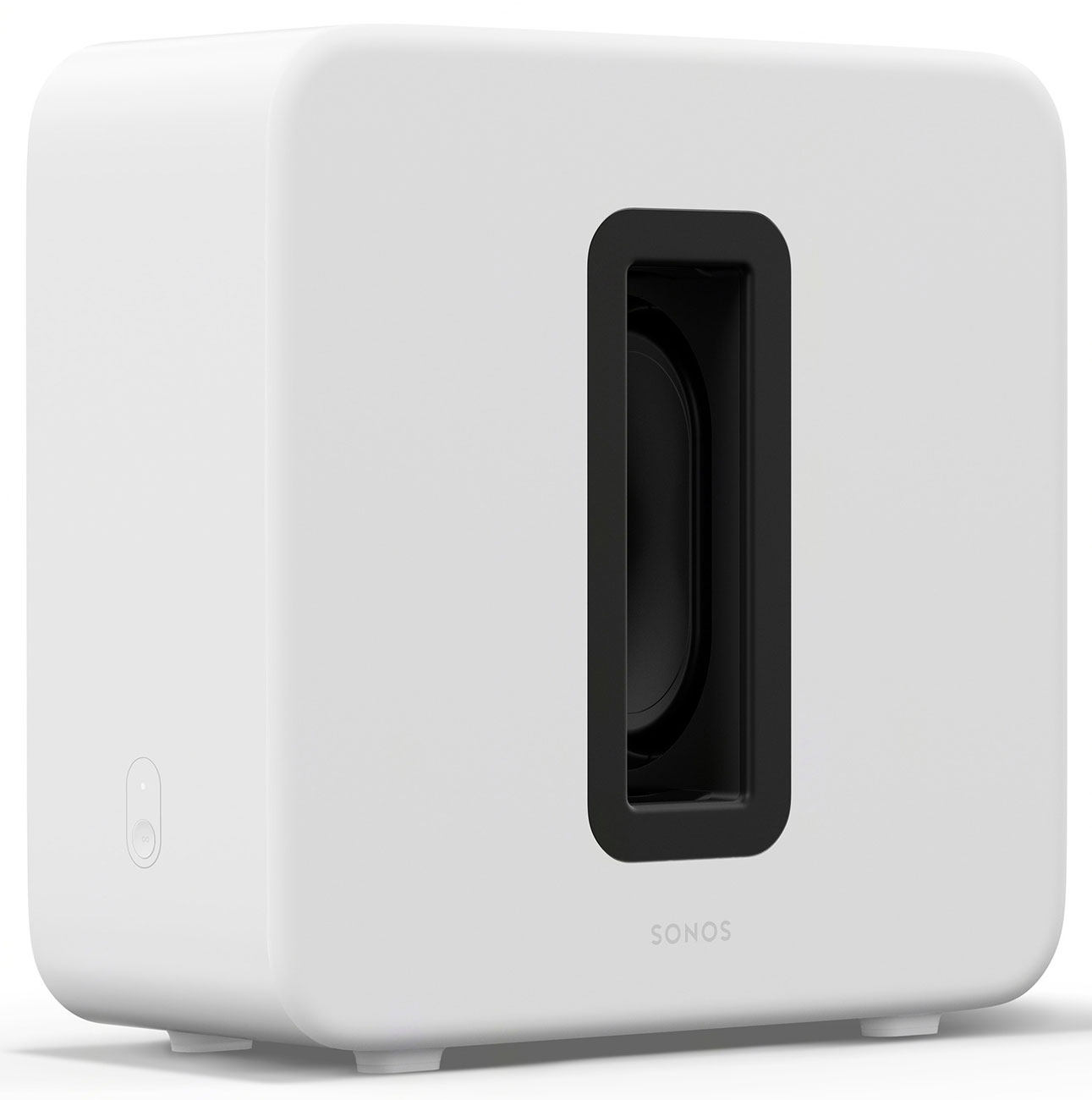
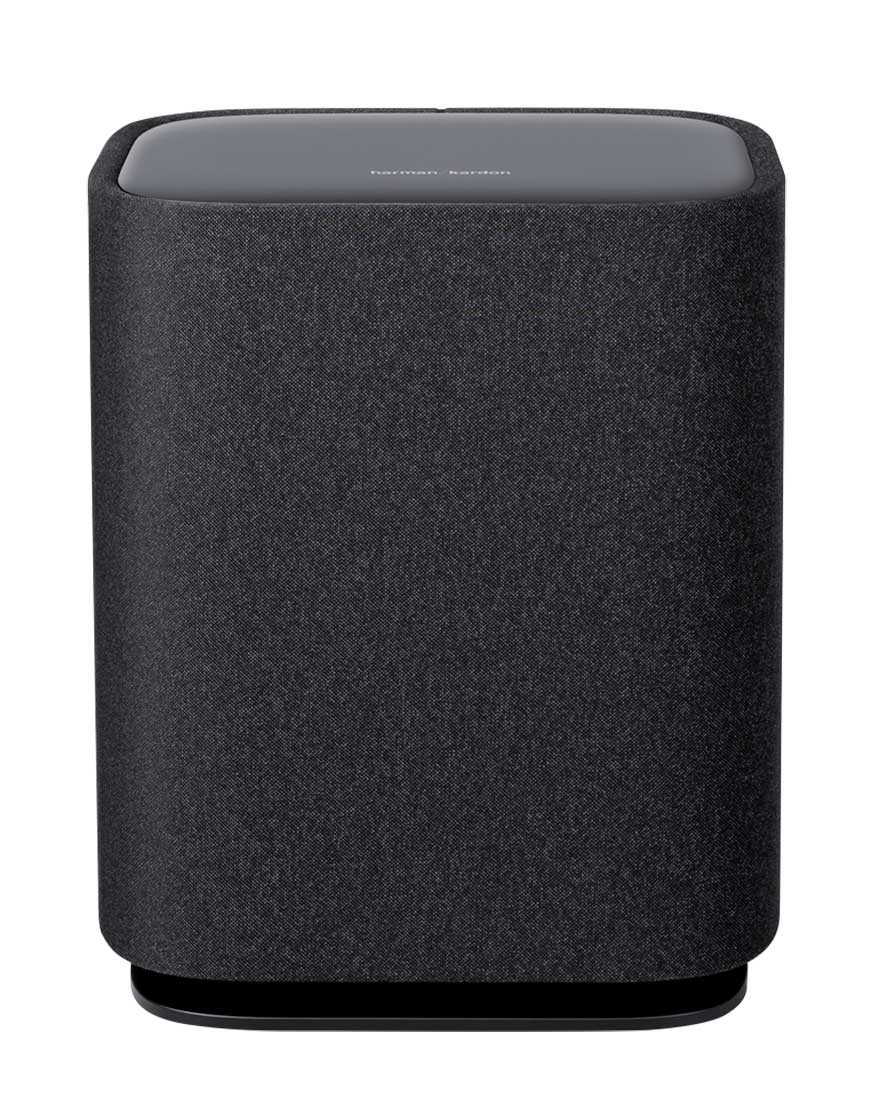
The subwoofer's job is to produce the lowest tones of your audio system's dynamic range. A true subwoofer will be able to reproduce a 20 Hz test tone, which will be felt more than it will be heard (making it great for home-theater applications), but 30 Hz will do very well in most listening environments and for most music. Most subwoofers today are "powered," meaning that they contain a built-in amplifier and a filter that lets you adjust the sub's frequency response so as to more effectively blend in with your main speakers.
Subwoofer performance is greatly affected by placement. Placement can vary from room to room. So where you place the subwoofer and where you sit are critical to getting the most from it.
Do I Need a Subwoofer?
Unquestionably, every music and home theater system will be enhanced with a subwoofer. Without a quality subwoofer you are missing exciting sound effects that modern digital technology has brought to today's music and movies. In the case of the new digital home theater formats and digital television, there is a specific, discrete output dedicated to just the subwoofer. If that sub isn’t in place, that audio information is not relayed to the listener.
Which Subwoofer is Right For Me?
A subwoofer's ability to offer good low distortion with ample output for the room (volume), and yet still offer very good definition (low distortion), can make or break a home theater and/or music system. Choosing the proper subwoofer for your individual room size is critical to creating a truly enjoyable home theater and music experience. Though there are individual considerations, the Shop by Category section will help you take the guesswork out of selecting the ideal subwoofer in your price range for your room.
What Should I Look For in a Subwoofer?
Setting aside for the moment your specific room size and tastes, or any unusual circumstances, let's discuss what makes a good subwoofer. A good subwoofer should have low distortion to create realism, good low frequency extension for authoritative bass you can feel, and ample output to ensure plenty of dynamic impact and excitement. The most elusive subwoofer quality is low distortion to achieve accurate bass tones. Unfortunately, most subwoofers have a distortion rate of 25% to 30% which translates into a severe lack of detail and clarity. These subwoofers sound muddy, booming and lack realism in home theater and accuracy in music systems. Choose a subwoofer low in distortion. Few subwoofer manufacturers illustrate distortion figures, so listening to a good music recording with deep bass content will be important. A subwoofer with low distortion will be able to unlock the important element of bass in today's entertainment.
The Shop by Category section on our website should help in assuring that you select a large enough woofer for your room. However, bear in mind that selecting a larger subwoofer than the minimum recommendation will increase low frequency extension, dynamics, output and the fun factor. One last thing to consider is the experience and reputation of the manufacturer as it relates to subwoofer design and production. A subwoofer is a very specialized product, highly dependent on the very precise matching of all its components. As you might imagine, manufacturers who specialize in subwoofers hold an advantage over those who produce a very wide variety of products. Some advanced technologies may provide better performance for the money and will offer a distinct advantage over other designs.
Using More Than One Subwoofer
While a subwoofer is a critical part of any serious home theater/music reproduction system, the benefit of using two (or more) subwoofers cannot be overstated. While adding a second subwoofer will result in higher overall output (volume) potential, the more important factor to consider is coverage. While one subwoofer produces low frequencies at high volume, it is susceptible to room anomalies, null points that suck bass energy from a location as well as areas that will boost certain frequencies to the point of distraction. By adding a second subwoofer the listener will smooth out those inconsistencies and acoustically imperfect spaces much more easily, resulting in much better (more even) coverage throughout the entire room, rather than only one or two “sweet spots” in the center of the listening environment.
Subwoofer FAQs
What is a subwoofer?
Subwoofers are just like speakers, but they deliver the bass-filled low frequencies that a normal woofer can't produce (between 20-200Hz).
What does a subwoofer do?
Subwoofers reproduce the lowest frequencies of your audio system's range. Whether you're watching a movie or listening to music, a subwoofer will help you fully hear and feel the bass.
Where should a subwoofer be placed?
Where you place your subwoofer depends on several factors, including the room's size, your furniture, and where you'll sit as you listen. Searching for the perfect placement is part of finding "the sweet spot": positioning your equipment around the sitting space for that perfect sound. You'll need to experiment, but a good idea is to turn it on, set it down and play bass-heavy music. Next, move it around the room until it sounds its best. Tips: corner placement brings extra volume, and placement against a wall creates an abrasive sound.
How do subwoofers work?
Subwoofers use a large driver to produce bass-filled sounds that speakers can't otherwise produce. Thanks to the vibrating drivers, subwoofers generate sound waves at frequencies so low (20-200Hz) that they can sometimes be felt more than heard.


Over 90 Years Of Experience


Your recently viewed items:
Electrolux Icon Designer Series Electric Double Oven In Stainless Steel

Electrolux Icon Designer Series Electric Double Oven In Stainless Steel
Contains 5 Reviews
5
GE Super Capacity Batch Feed Garbage Disposal

GE Super Capacity Batch Feed Garbage Disposal
Contains 20 Reviews
20

Yamaha 5 Disc Black CD Changer In Black

Yamaha 5 Disc Black CD Changer In Black
Contains 32 Reviews
32
GE Hotpoint 1.4 Cu. Ft. Capacity Spacemaker Microwave Oven - RVM1435BK

GE Hotpoint 1.4 Cu. Ft. Capacity Spacemaker Microwave Oven - RVM1435BK
Contains 1 Reviews
1
GE Profile 27" Built-In Single Convection Wall Oven - Bisque Finish

GE Profile 27" Built-In Single Convection Wall Oven - Bisque Finish