Main Content

Washing Machine Buying Guide: What You Need to Know to Buy a Washer

How do you choose between a front load or a top load washer? Which features should you look for? Our comprehensive guide to buying a washing machine will help you choose the best option for your lifestyle.
Getting Started
Buying a washing machine might seem overwhelming, but it doesn't have to be. Taking a few minutes to educate yourself about the different types of washers and their features can save you both time and money. Abt's Washing Machine Buying Guide will teach you everything you need to know to find a machine that meets all of your laundry needs.
Types of Washers
Most washers fall into one of two categories: front-loaders and top-loaders. For a quick comparison of these types of washing machines check out our Front-Load vs. Top-Load Washer article. Otherwise keep reading for an in-depth analysis.
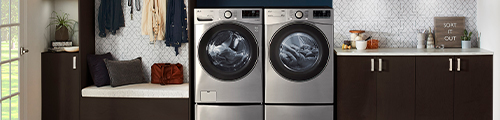
Front-Loading Washing Machines
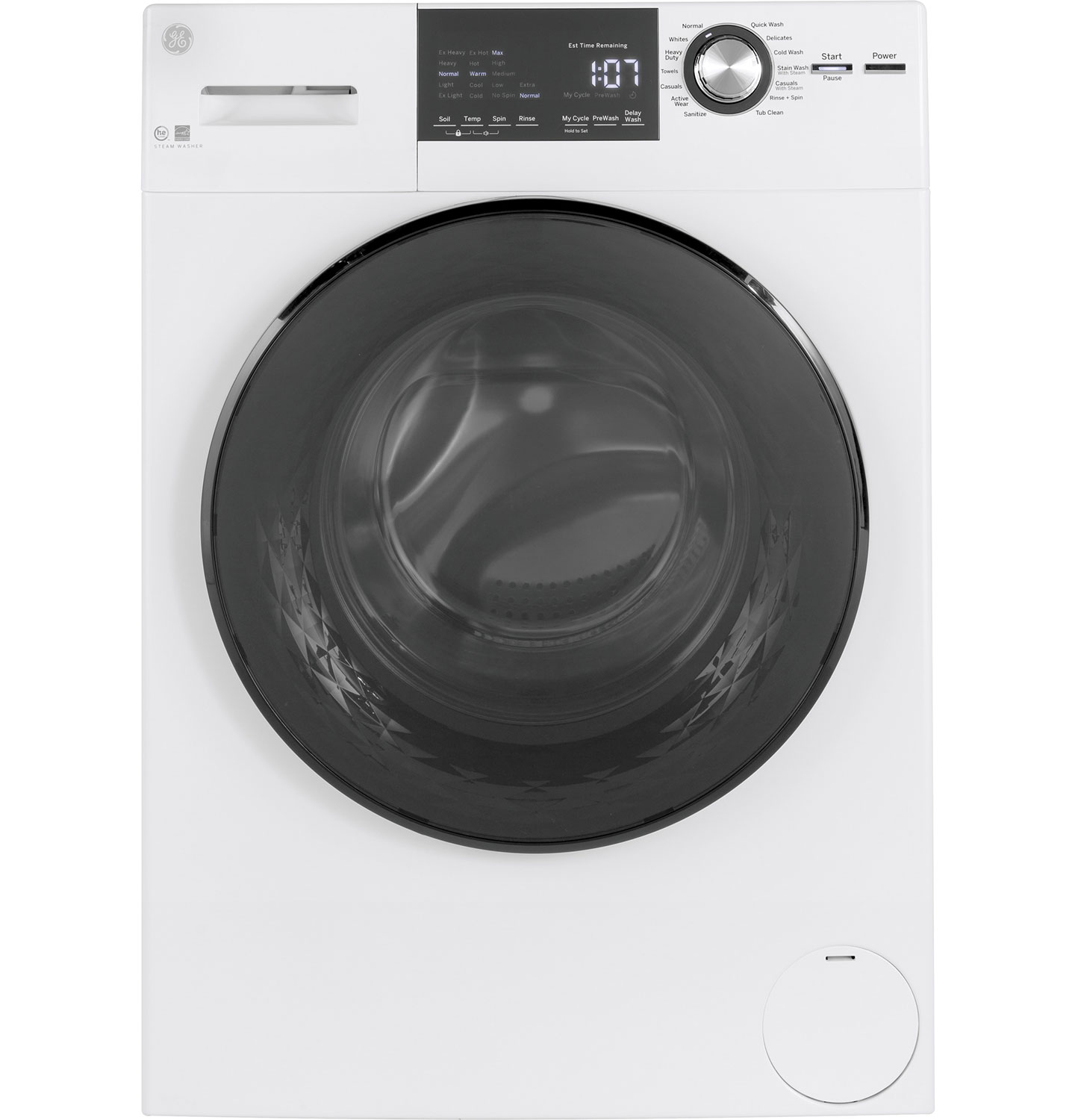
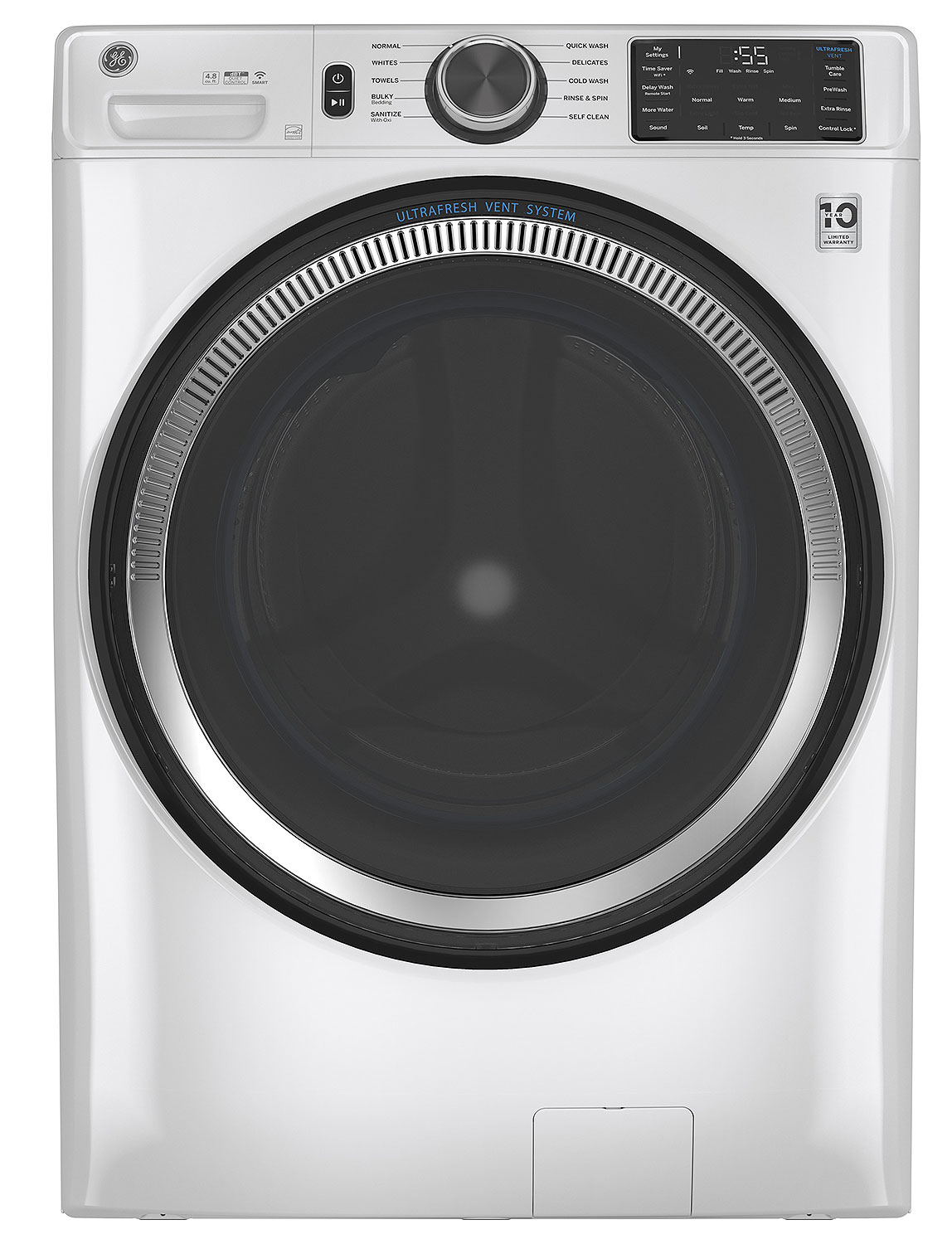
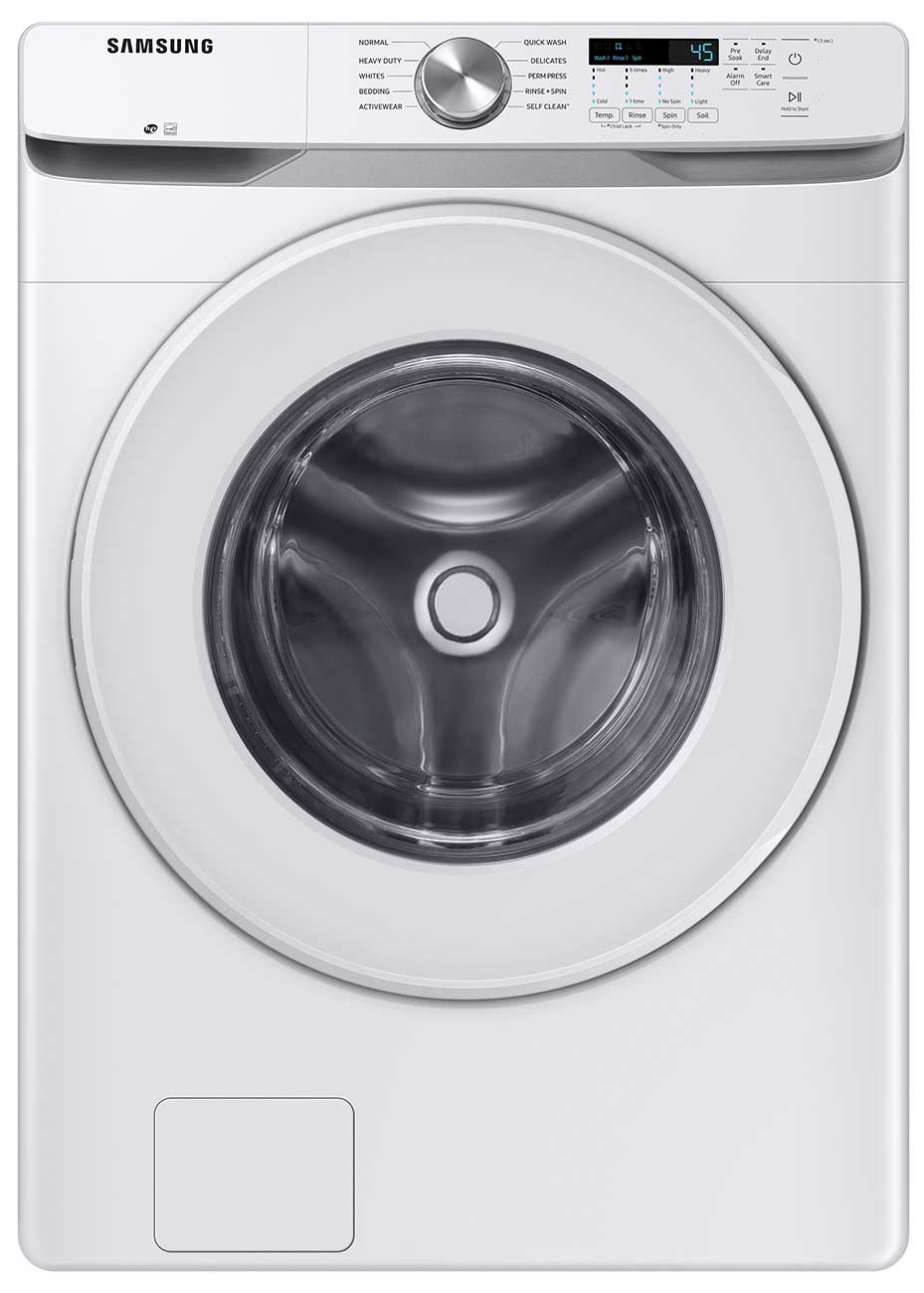
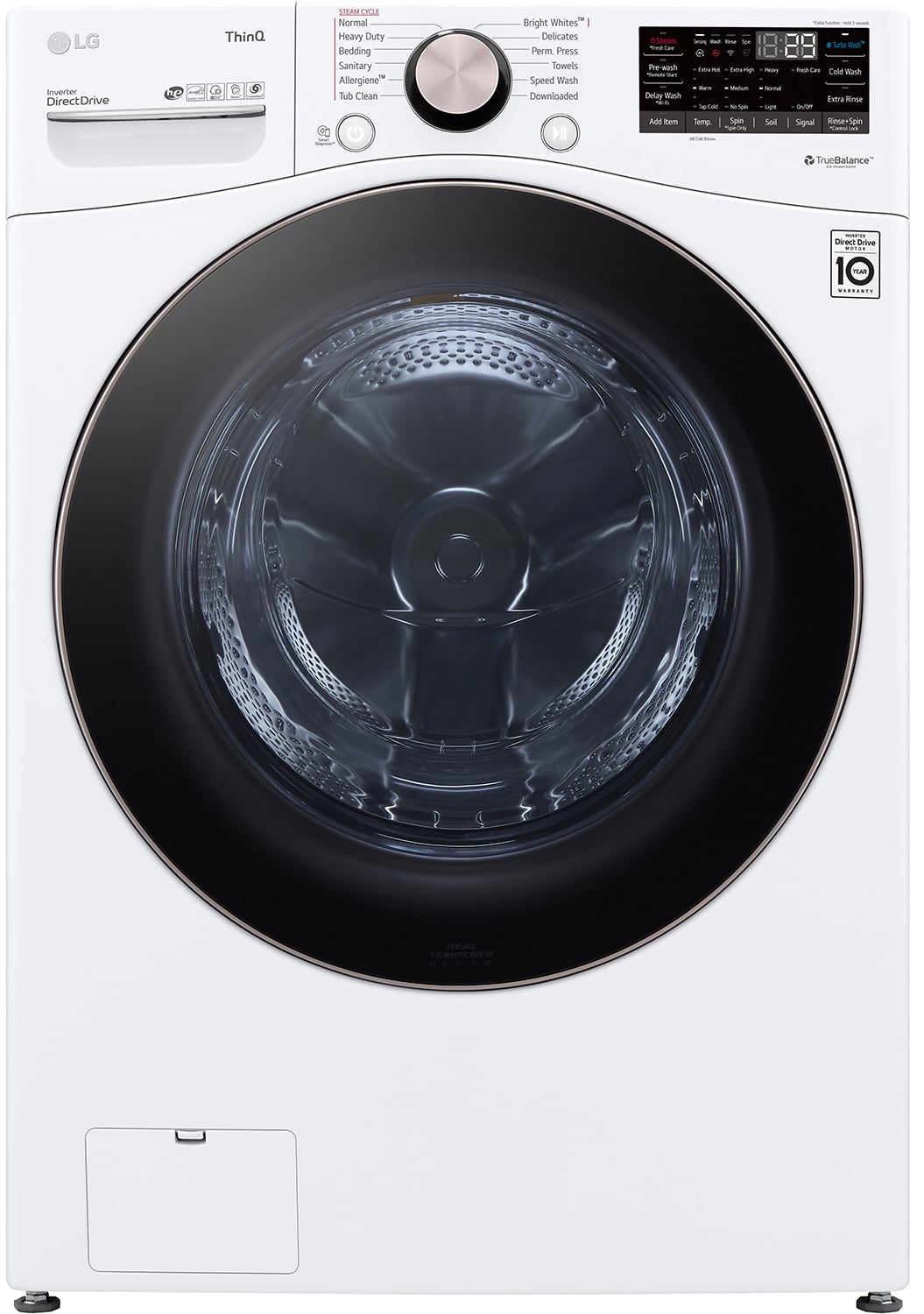
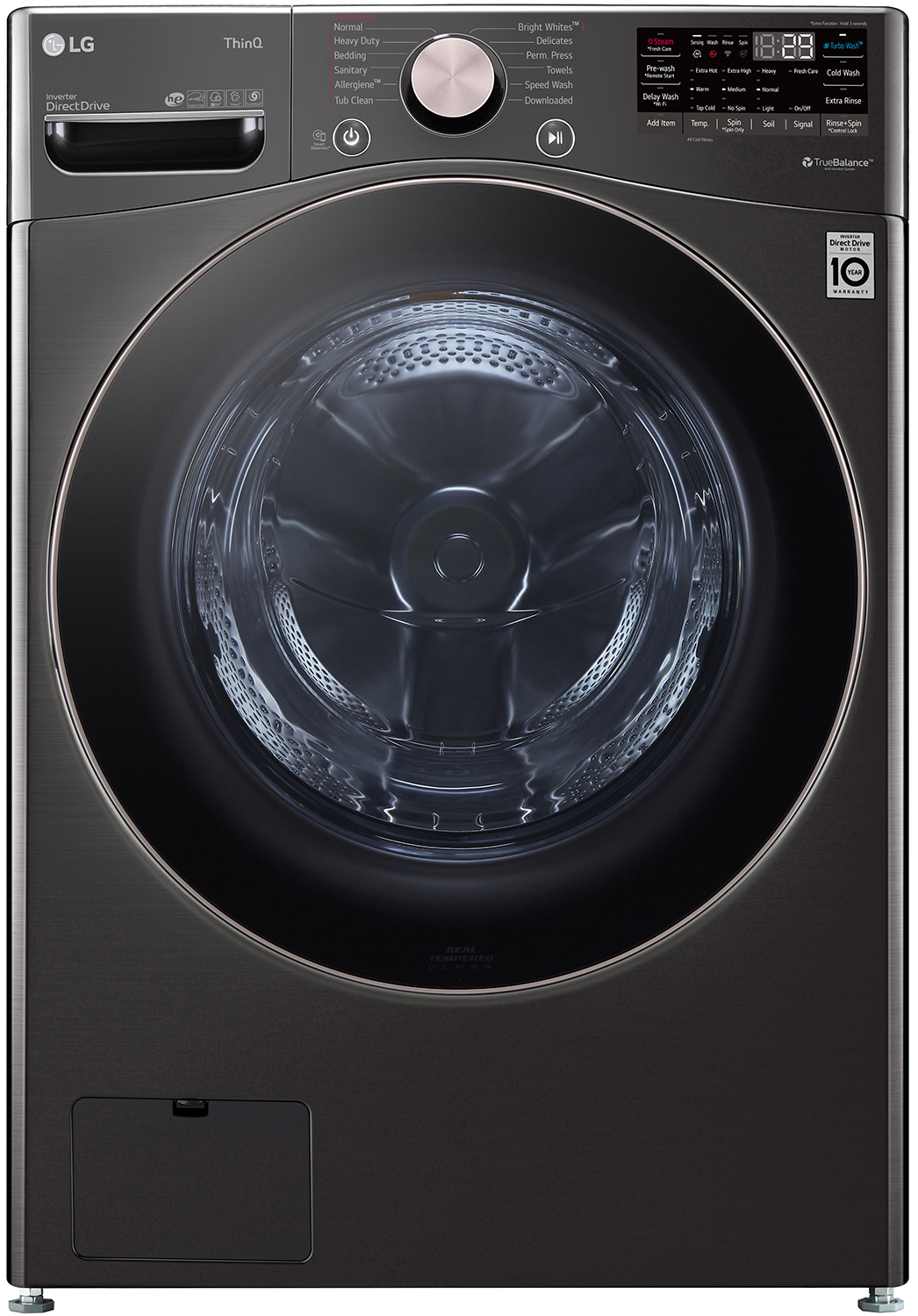
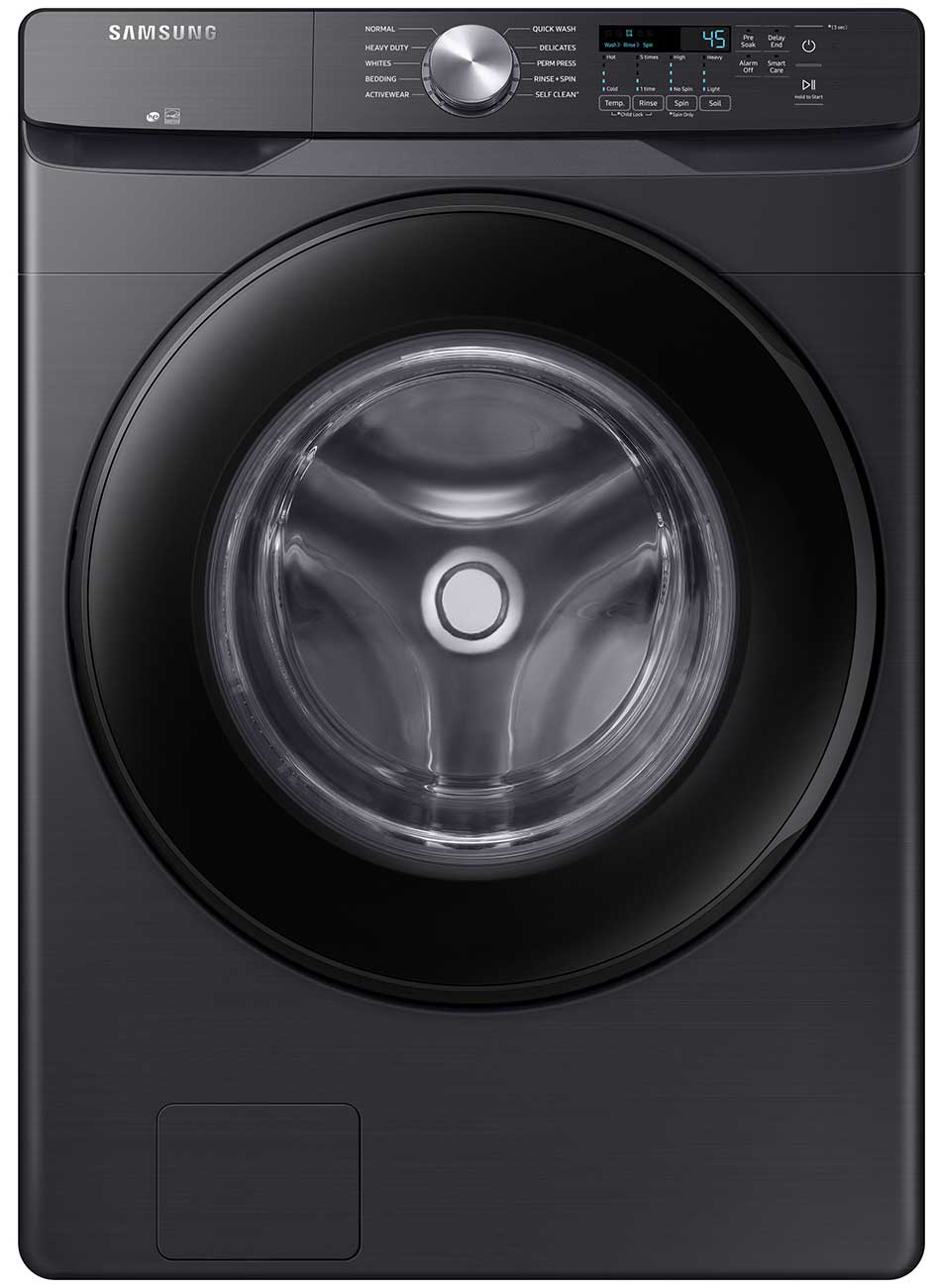
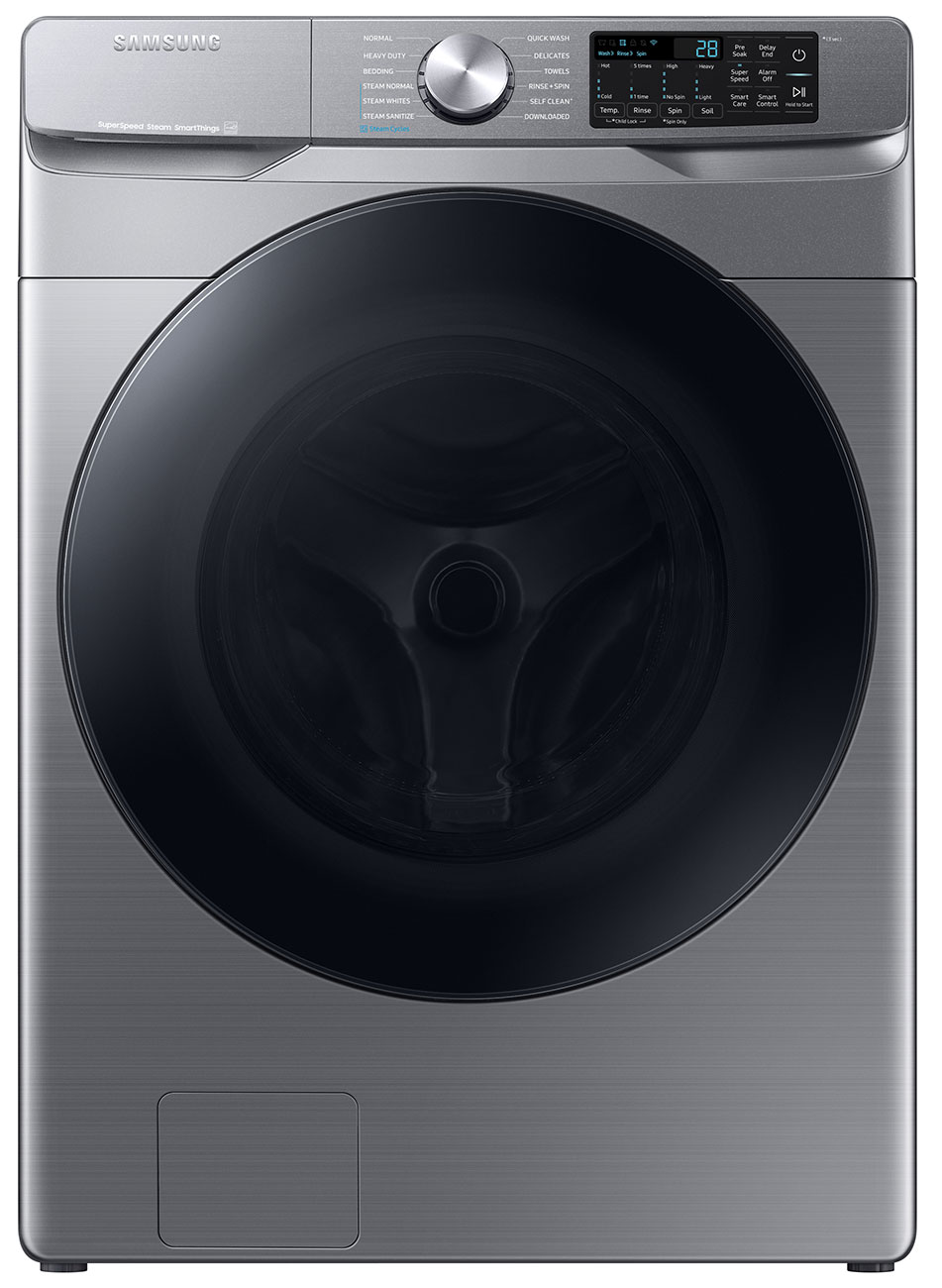
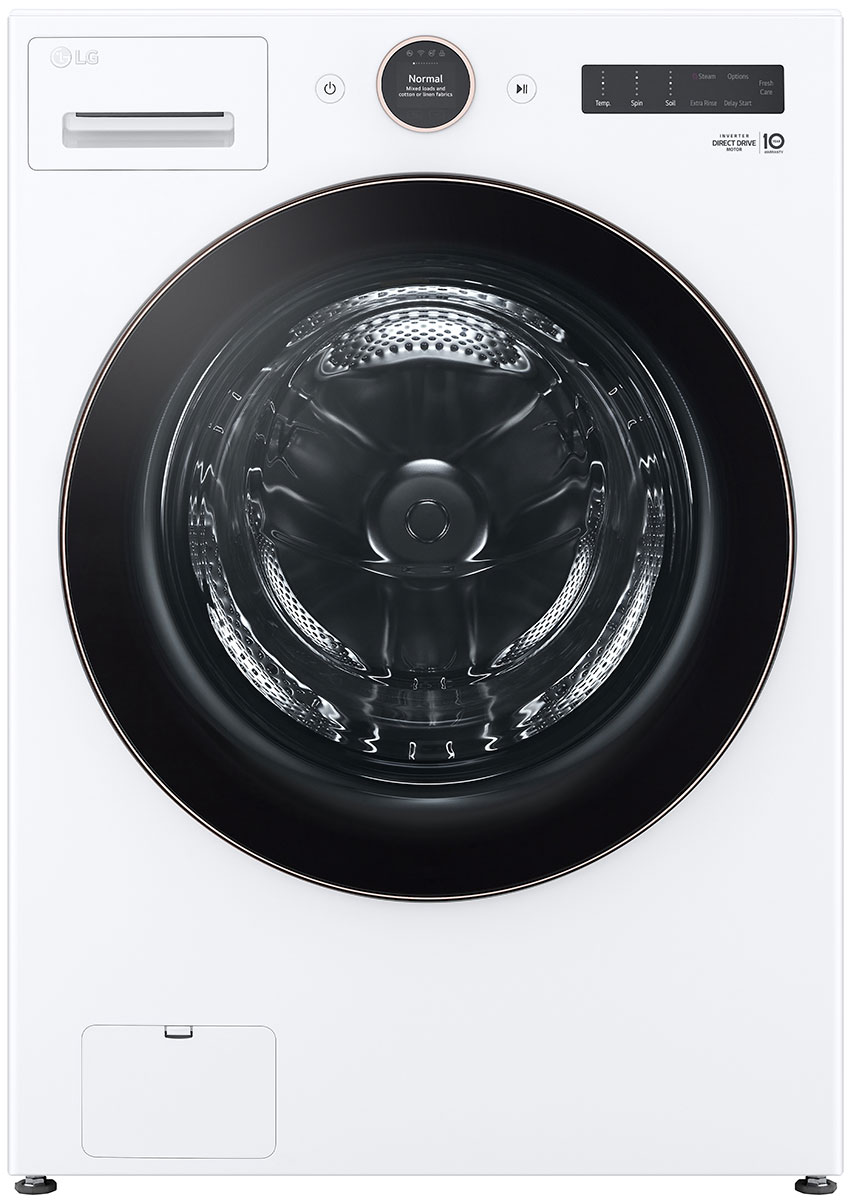
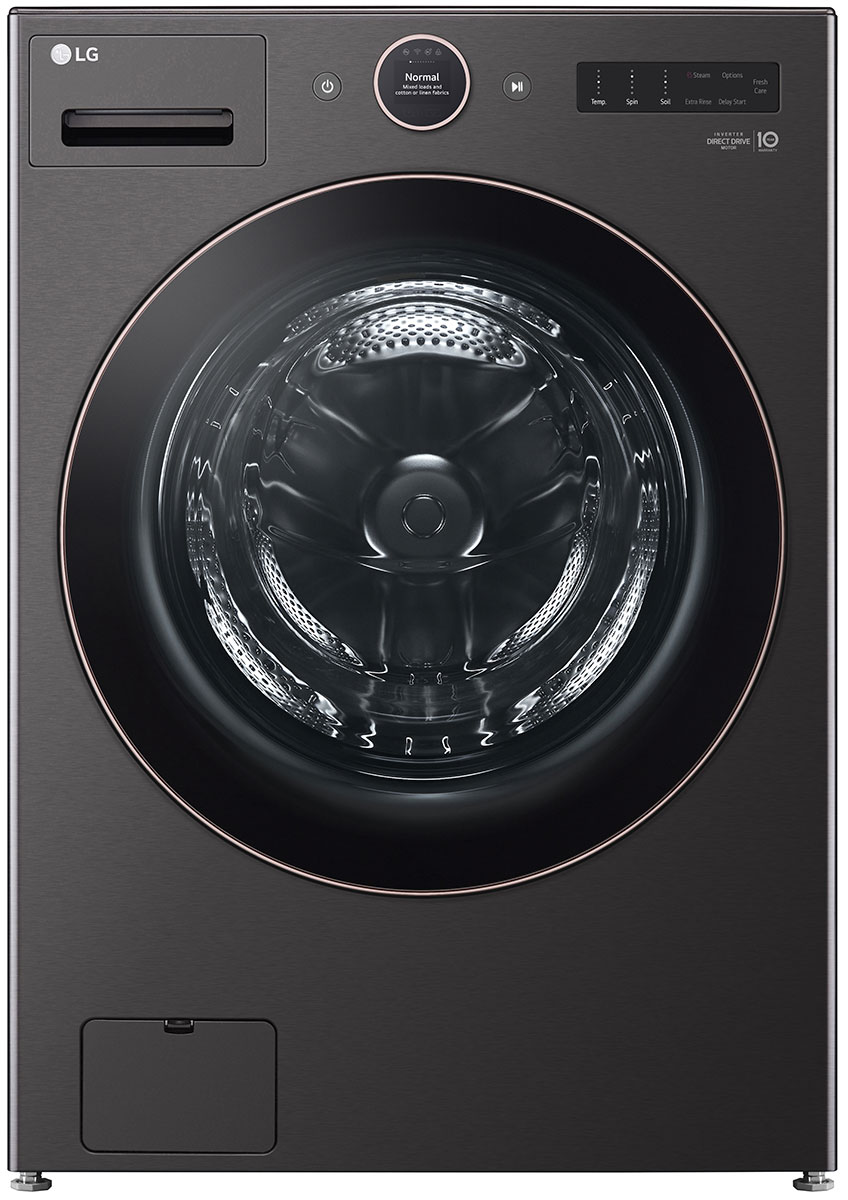
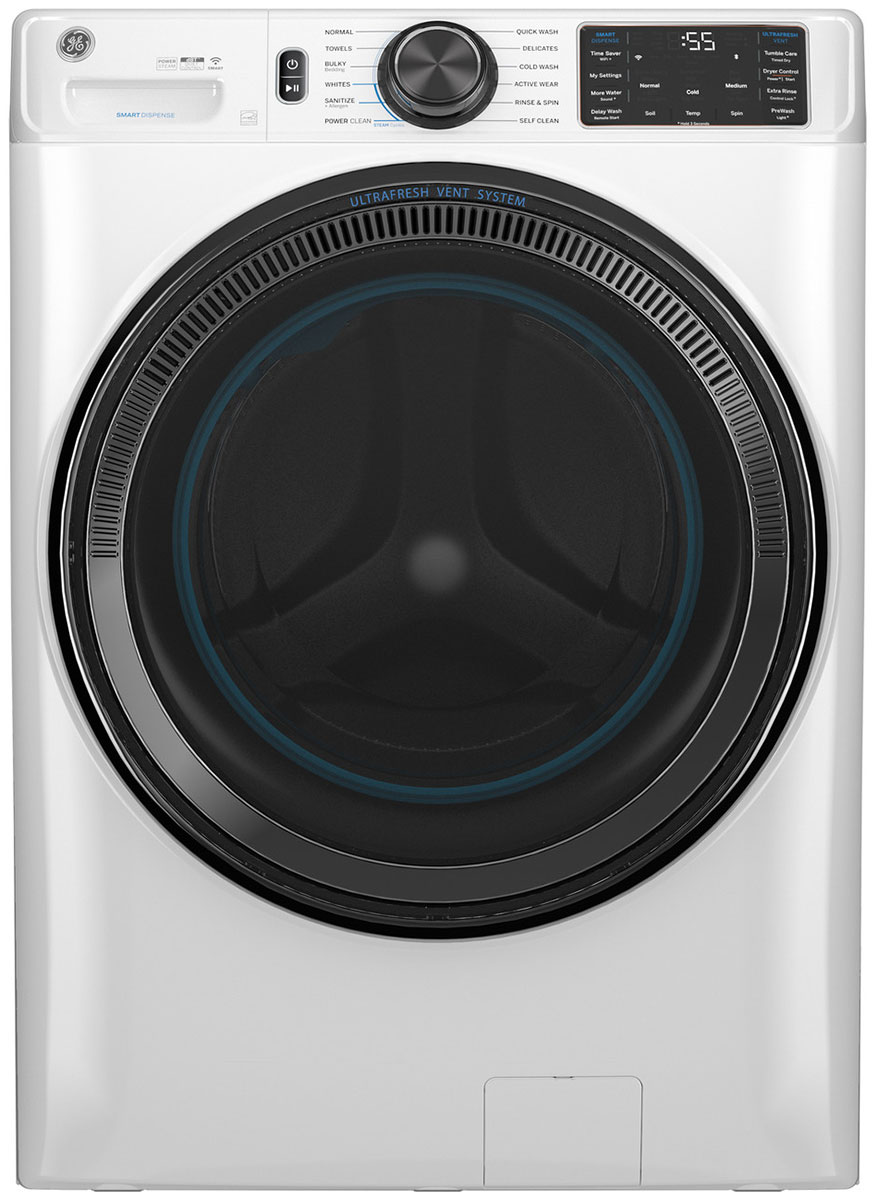
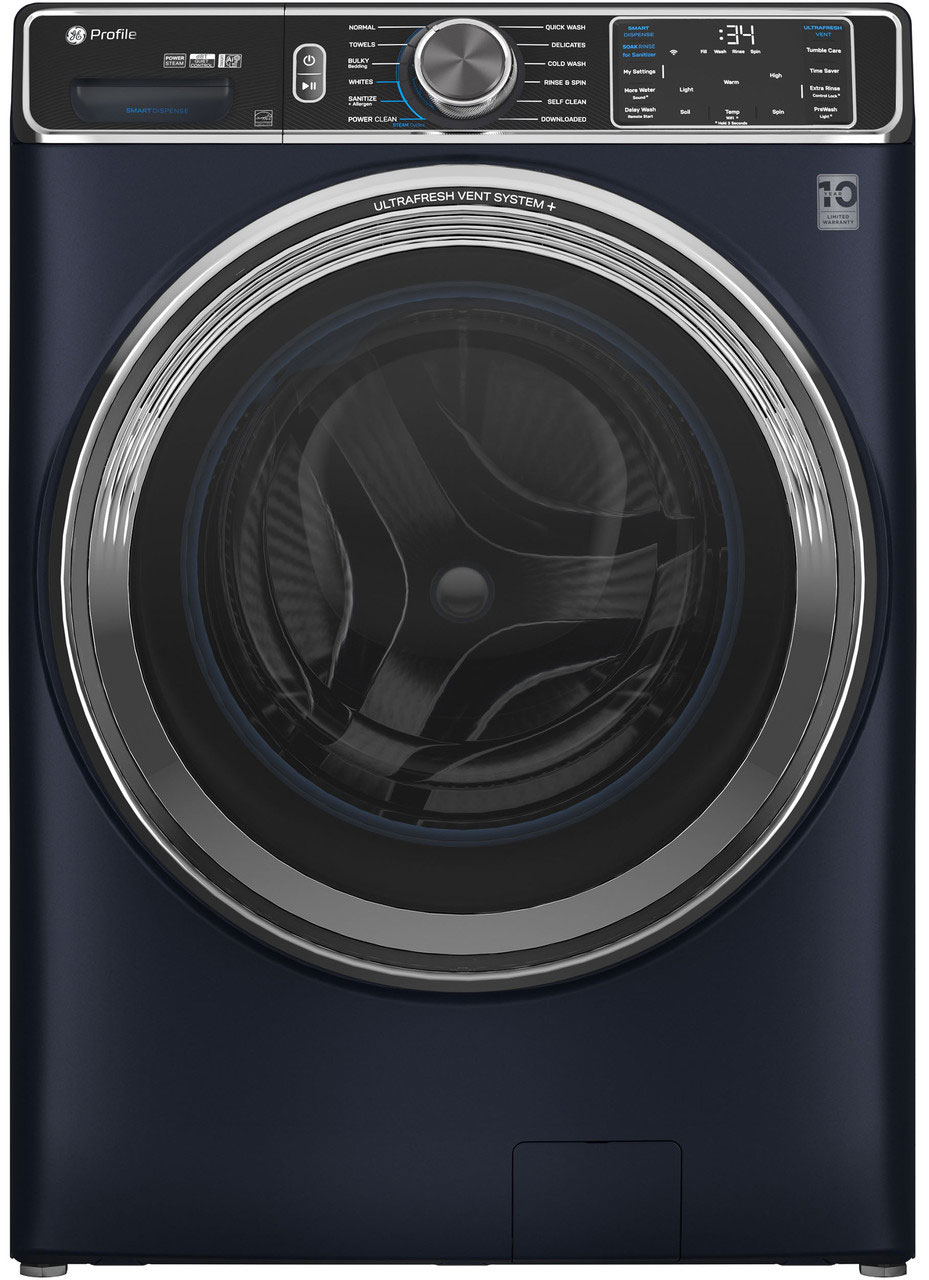
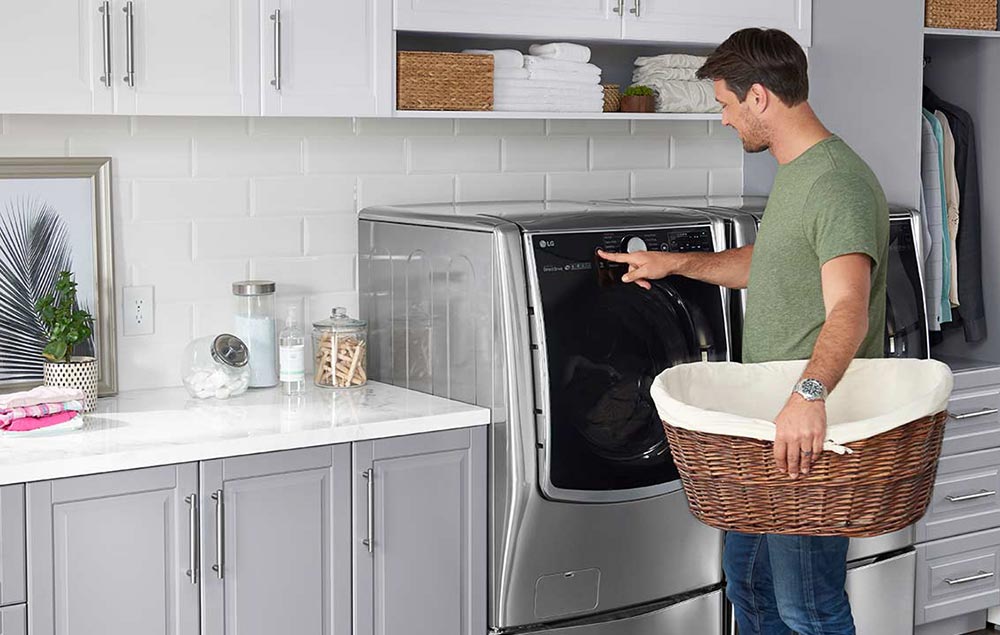
The aptly named front-load washers feature a door on the front panel through which you can load your clothes. Front-loaders are generally more efficient both in their use of water and power. ENERGY STAR certified front load washers use about 45% less energy and 50% less water than top load agitator washera. Compared to top load impeller washers, front load washers are still 25% more energy and water-efficient.
Even though they use less water and power, front-load washing machines are more effective when it comes to cleaning because they tend to have longer wash cycles and can take longer during the spin cycle. The longer spin phase means drying times are shorter.
The simple difference in door placement might seem like style choice, but there are functional advantages to the form. Grabbing that last sock out of the bottom of a top-loading washing machine might require leaning half of your body into the machine. Front-loaders provide much easier access, making them great for people who aren't overly tall or those with mobility issues. Just make sure your laundry room has space to open the door comfortably.
Front-load washers, while efficient, are prone to mold growth because of their design. However, it's fairly easy to prevent such growths with our handy step-by-step guide of tips on how to clean those front-load washers. Running the Sanitize Cycle once in a while is a great idea as well.
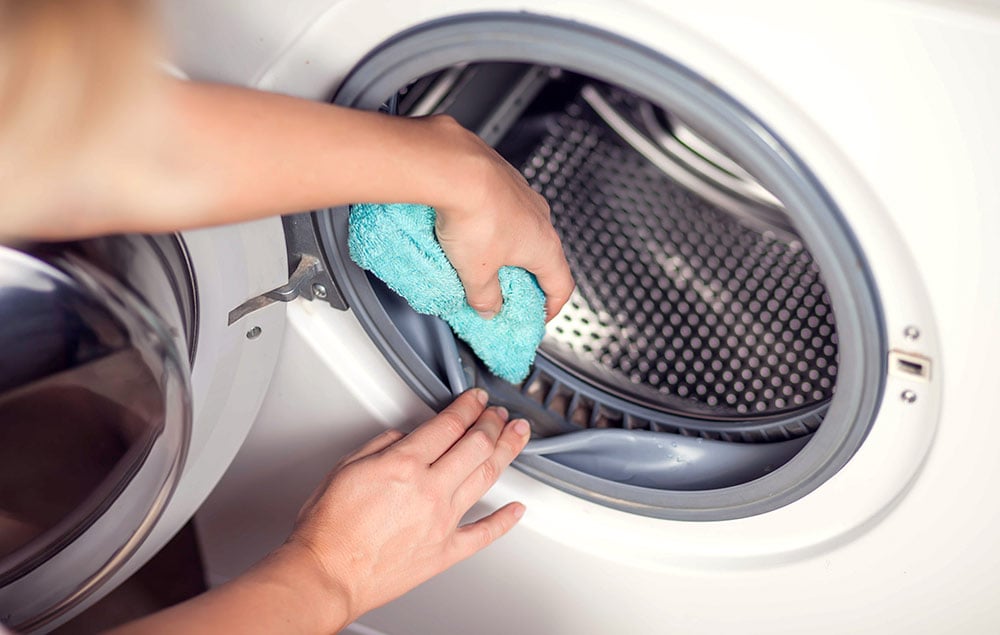
To combat the issue of mold and mildew, you should leave the door and soap dispenser ajar after each use to let the tub dry out completely. Remember, due to its design, front load washers have an airtight seal to prevent water leakage during the wash cycle. Because of this, we advise remove wet garments immediately after the wash cycle ends to let the unit air out. If you have small children just make sure the door to your laundry room is locked as there have been a few unfortunate deaths linked to children in front-load washers.
Wiping down the rubber gasket after your last load of laundry for the day is another effective way to prevent mold from forming. Similarly, you should remove the soap dispenser regularly to clean out any residual soap. While this might sound like a lot of maintenance, most of these tasks will only take a few moments. And properly caring for your appliances is the best way to avoid problems down the road.
Top-Loading Washing Machines
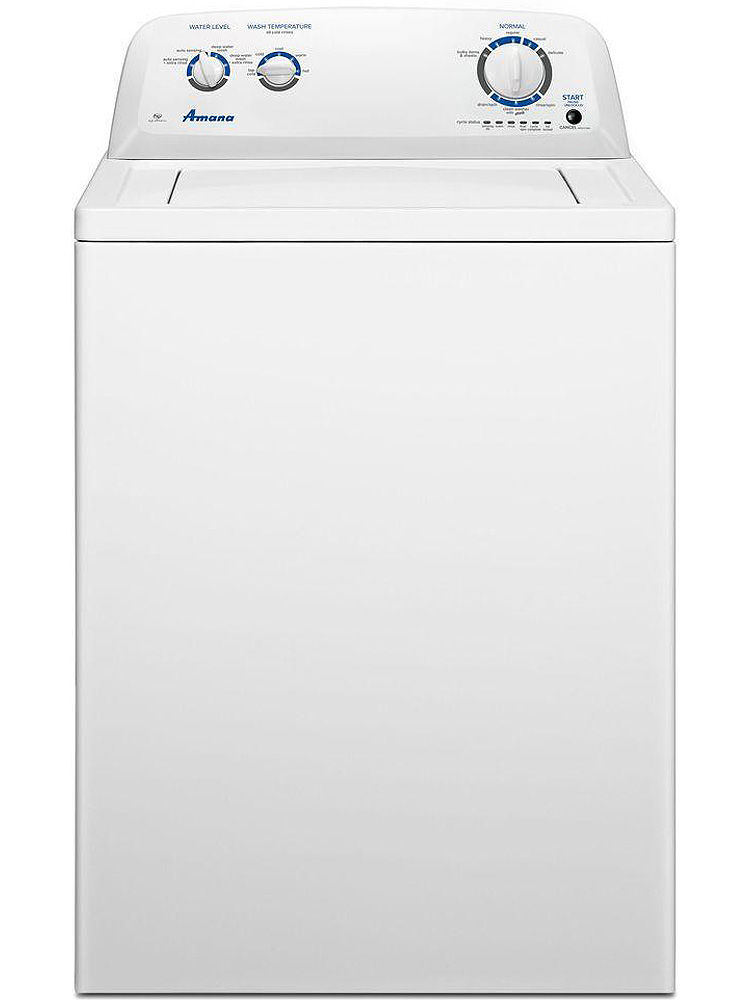
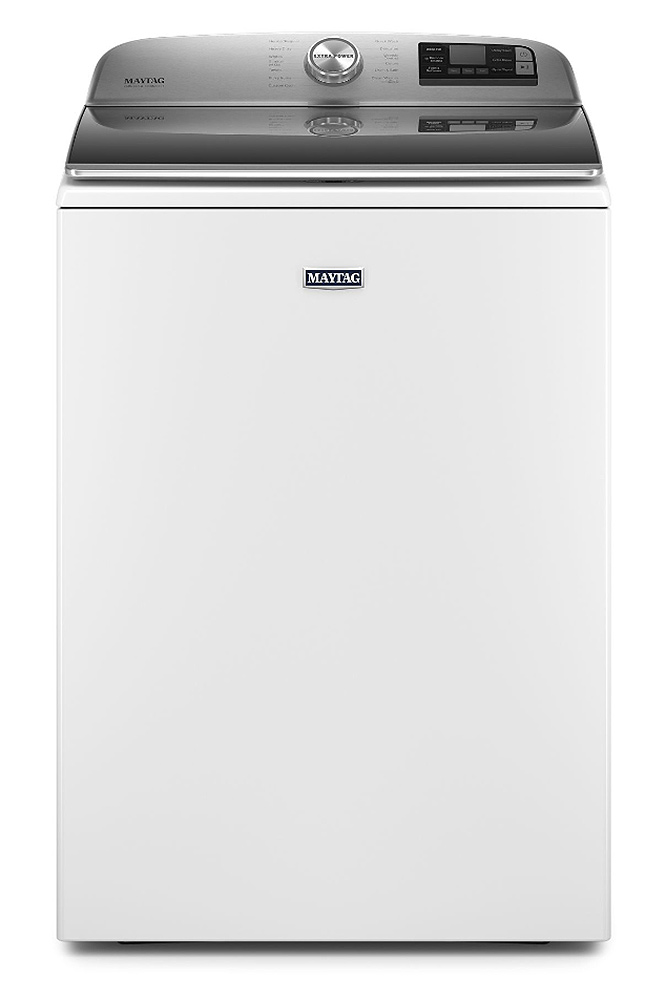
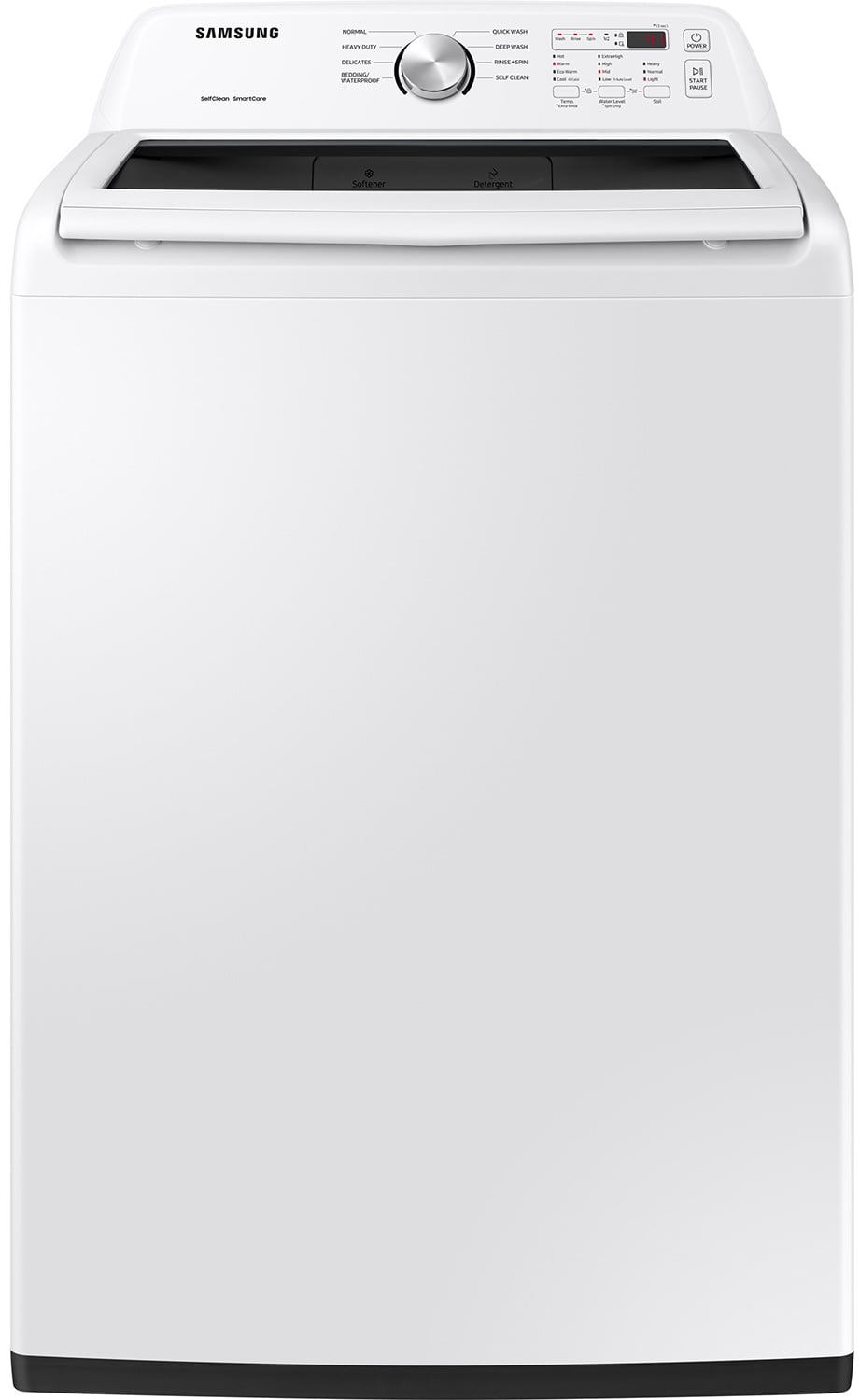
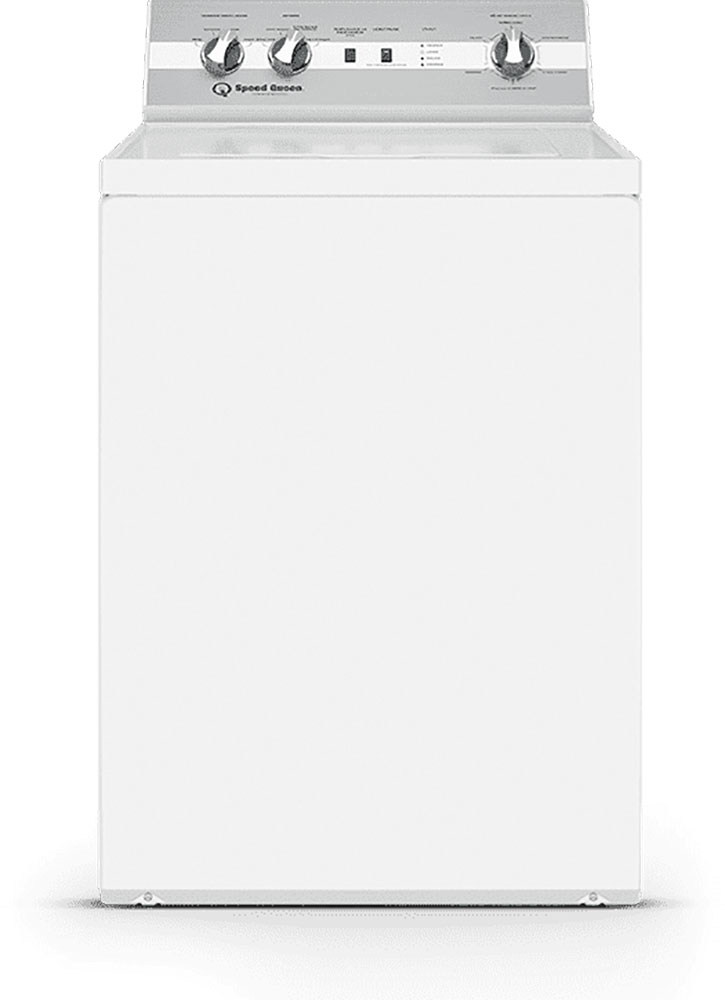
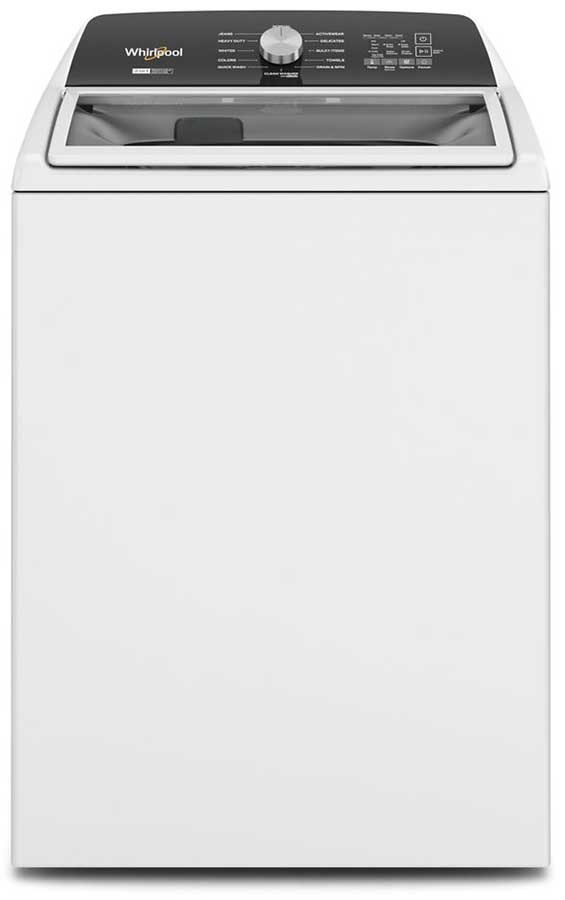
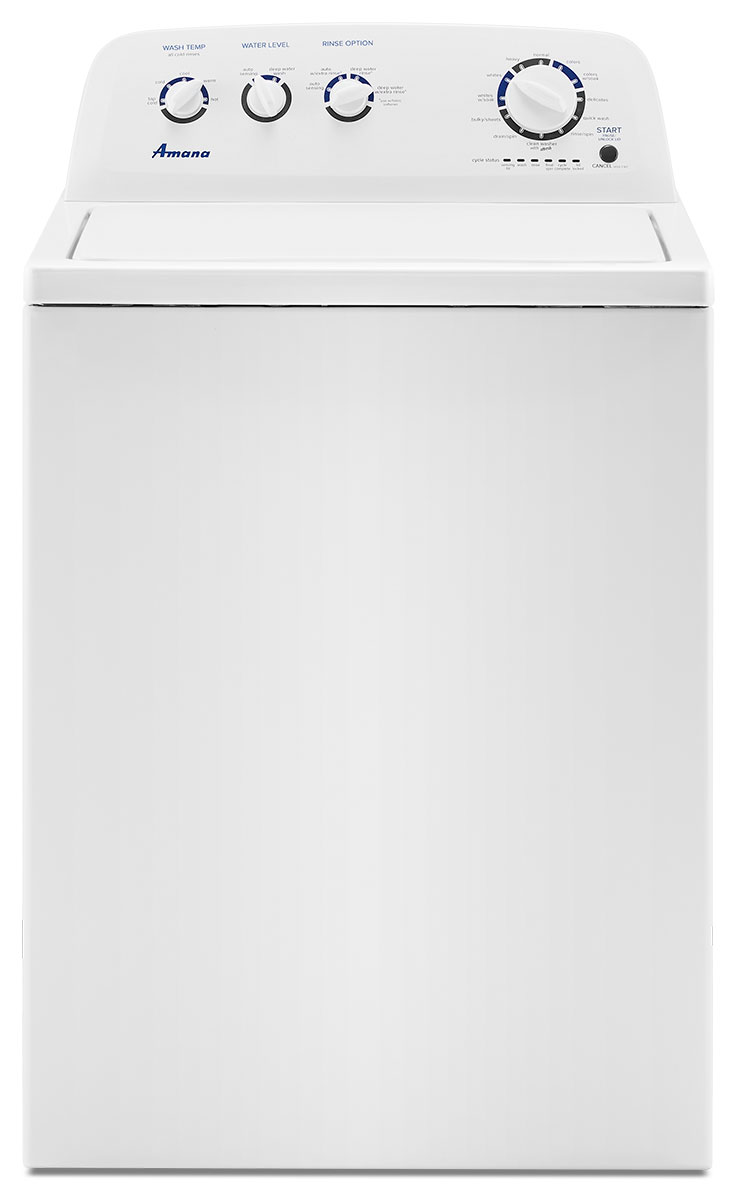
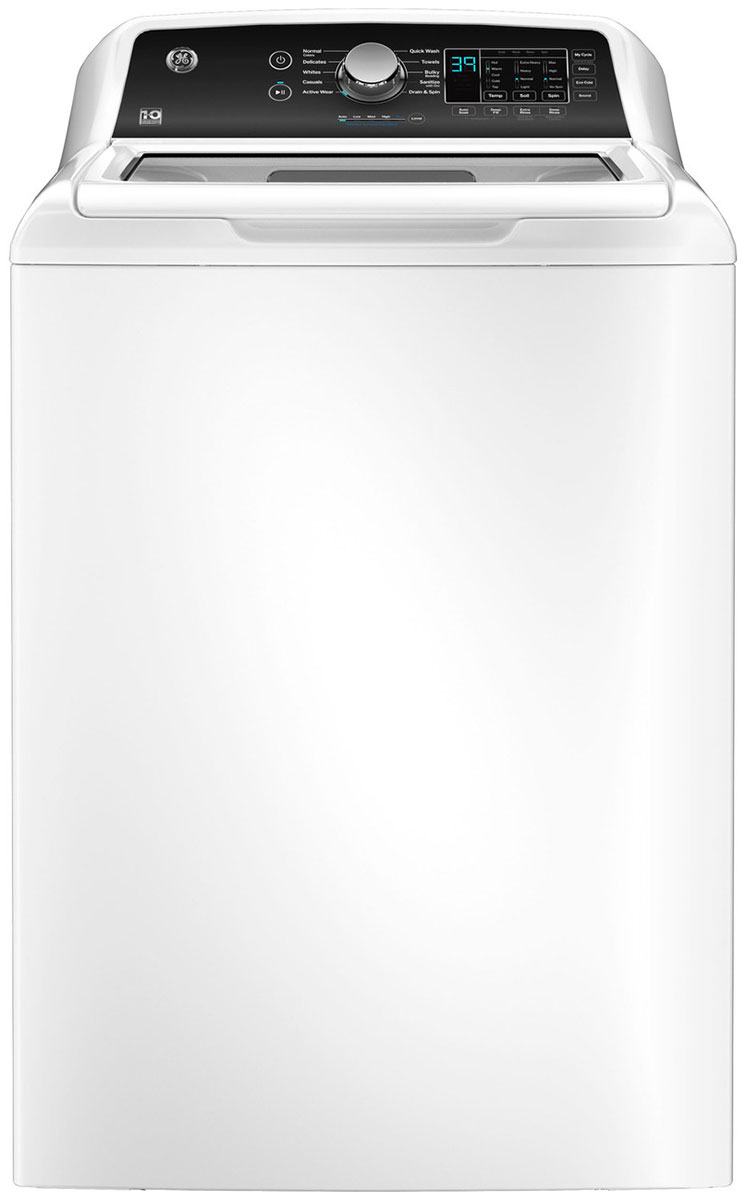
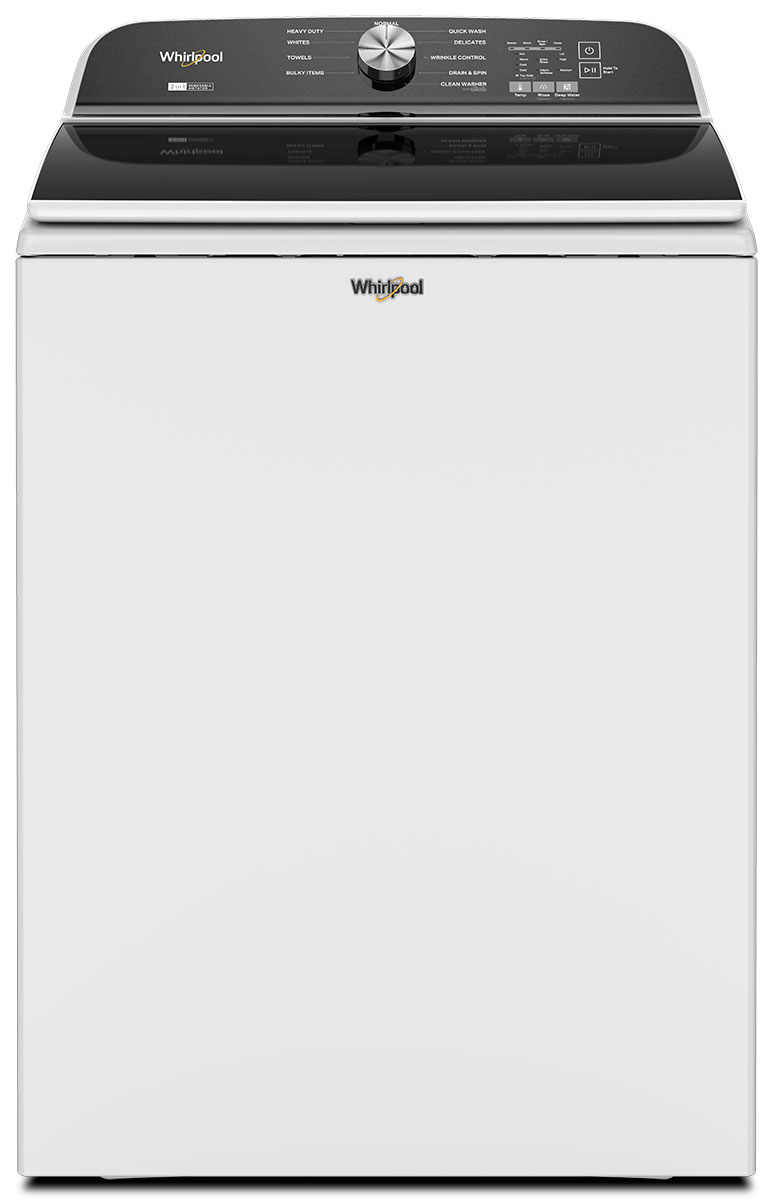
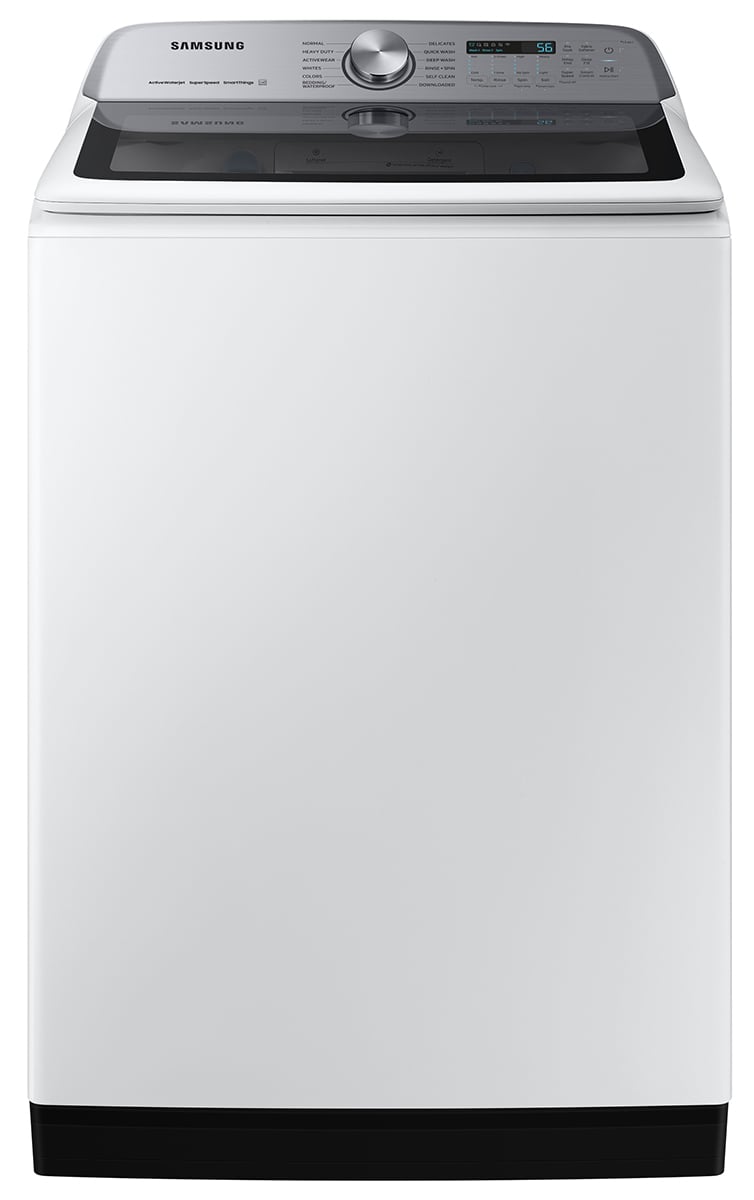
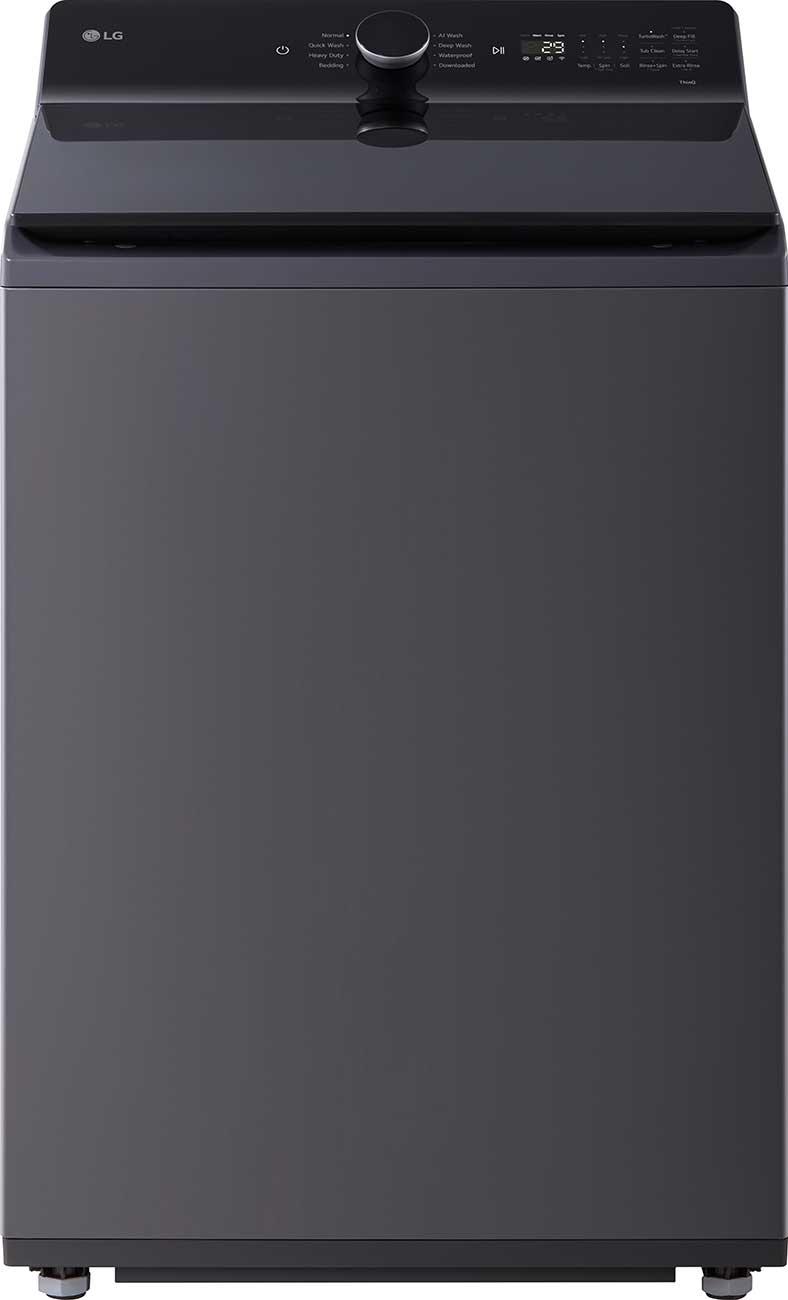
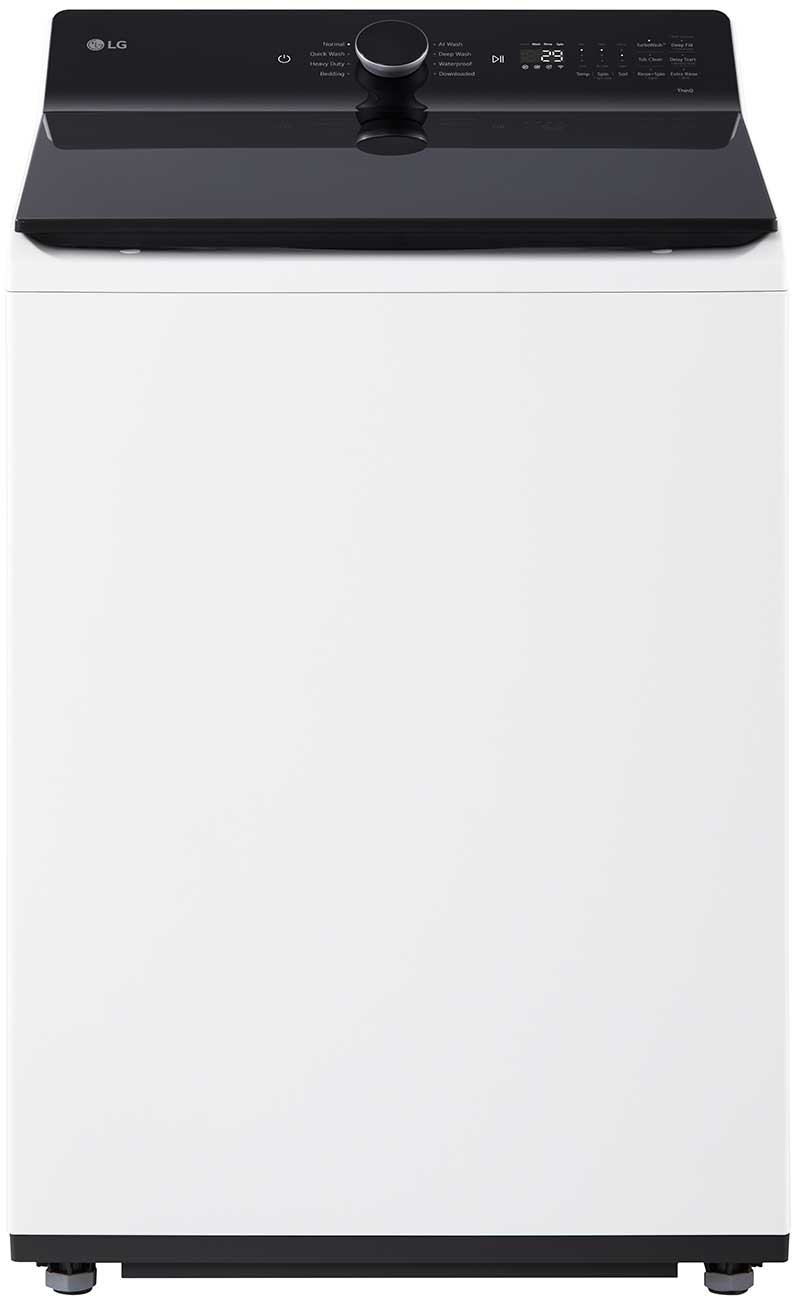
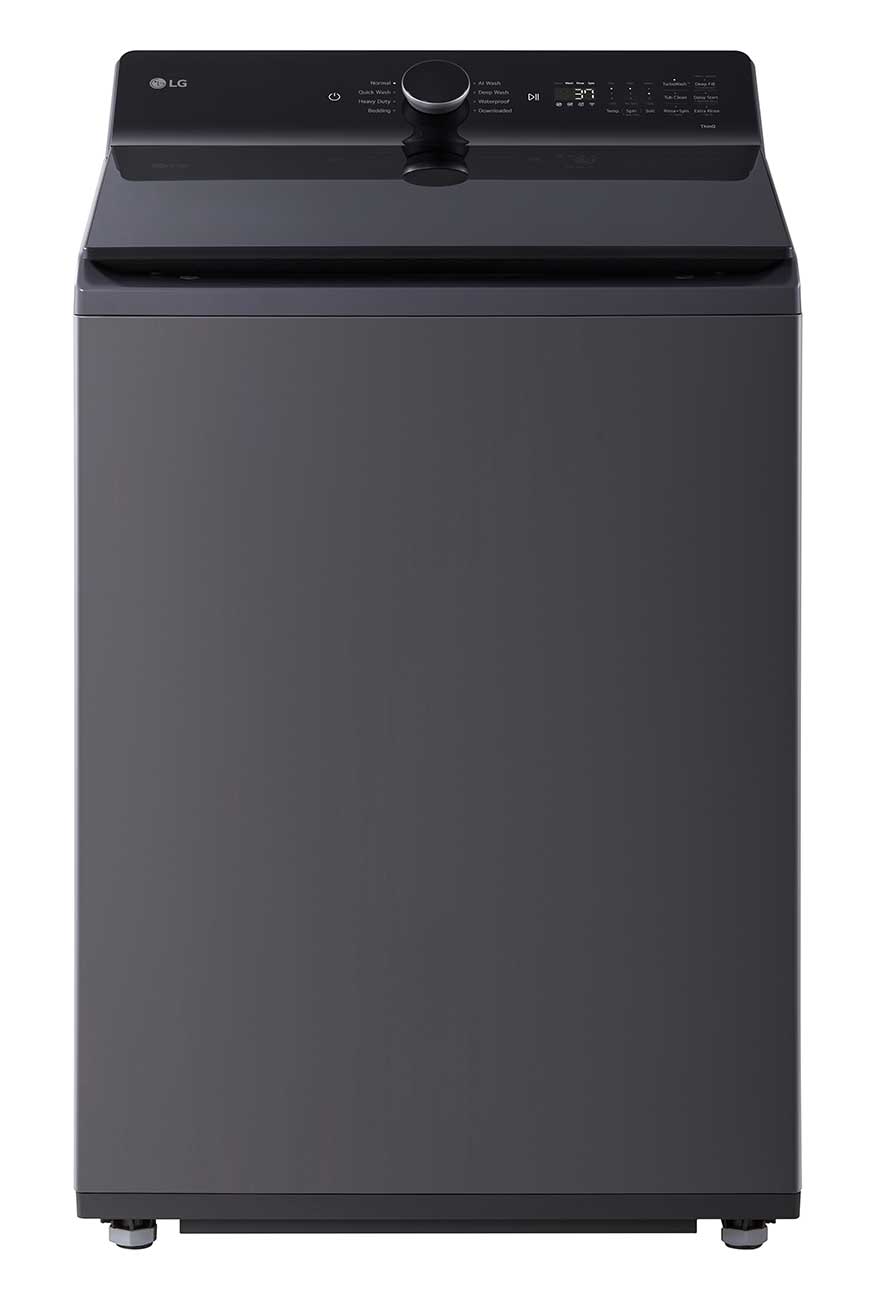
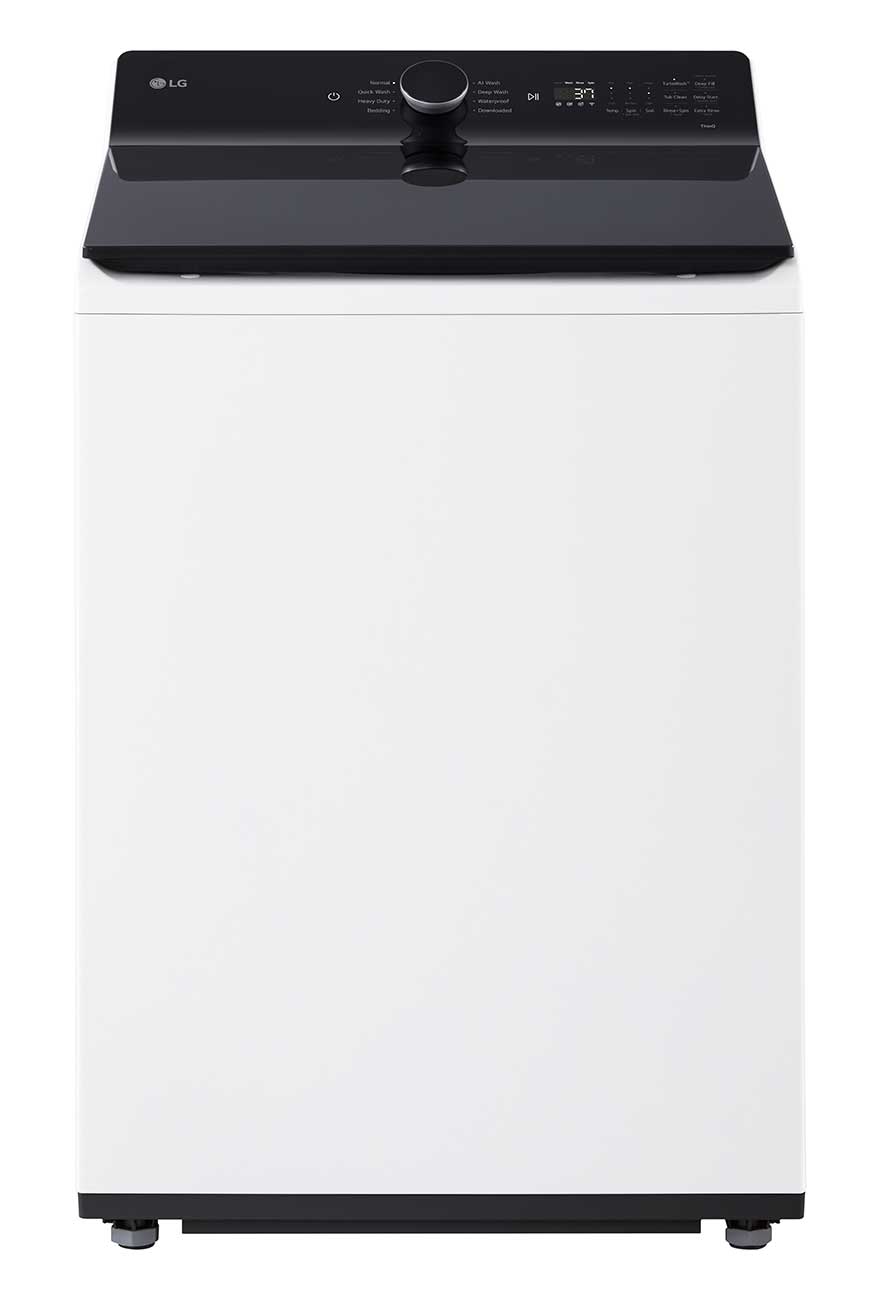
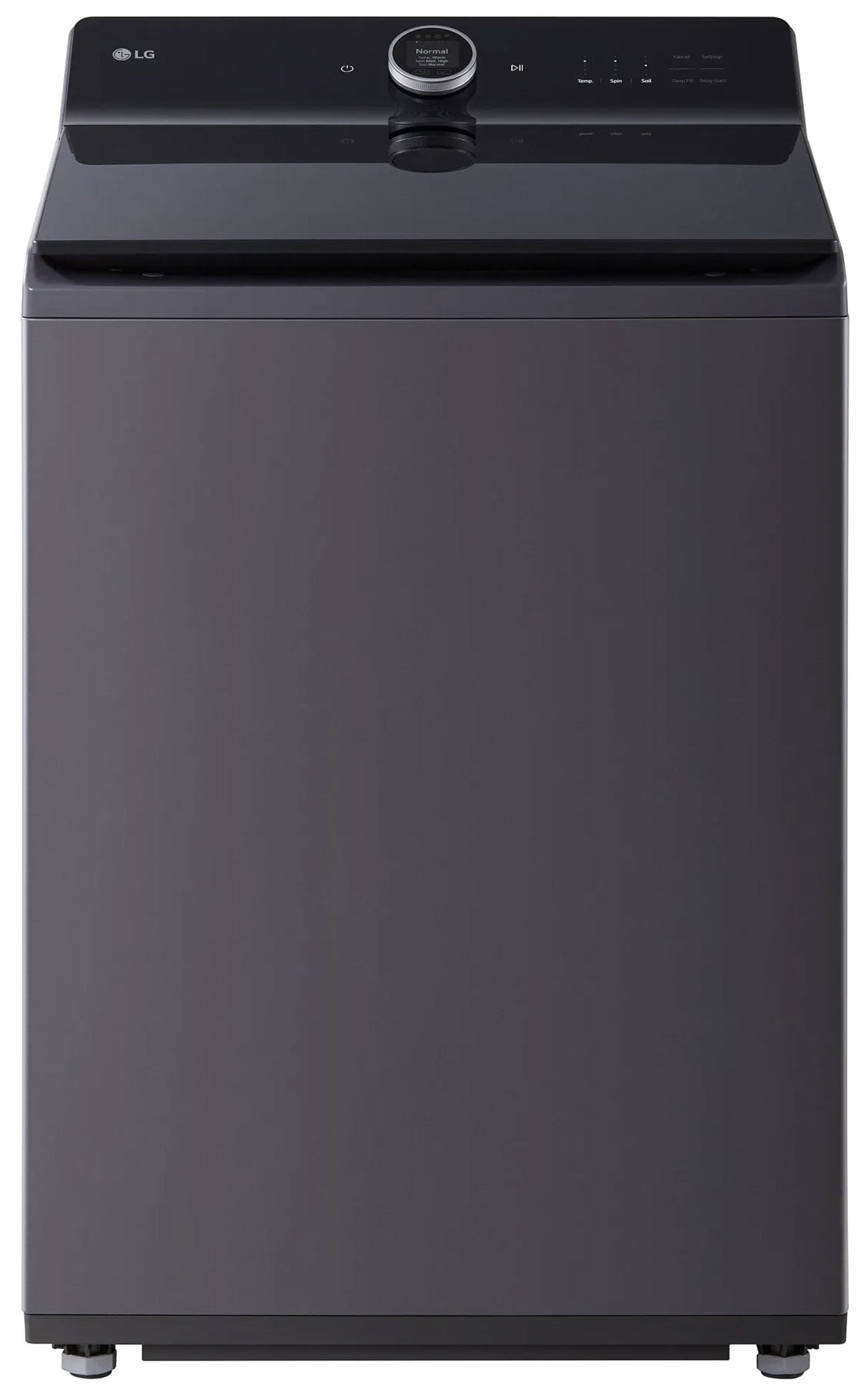
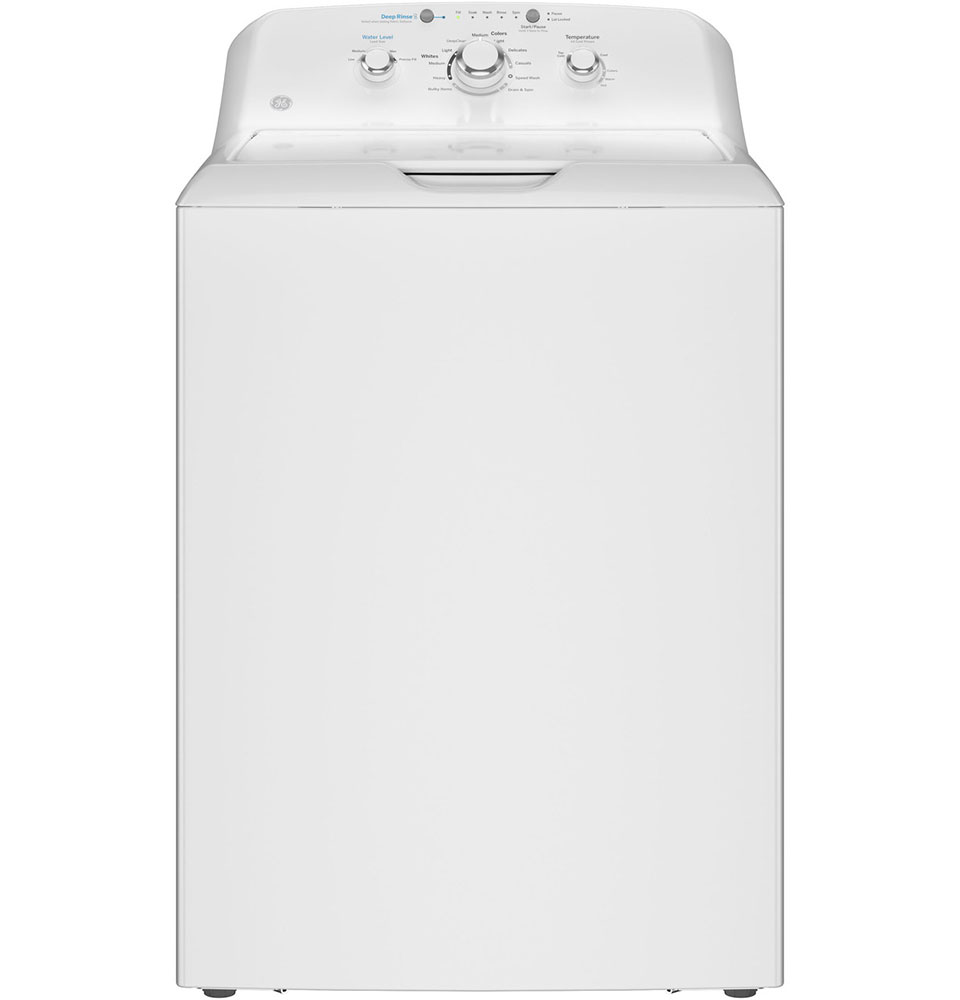
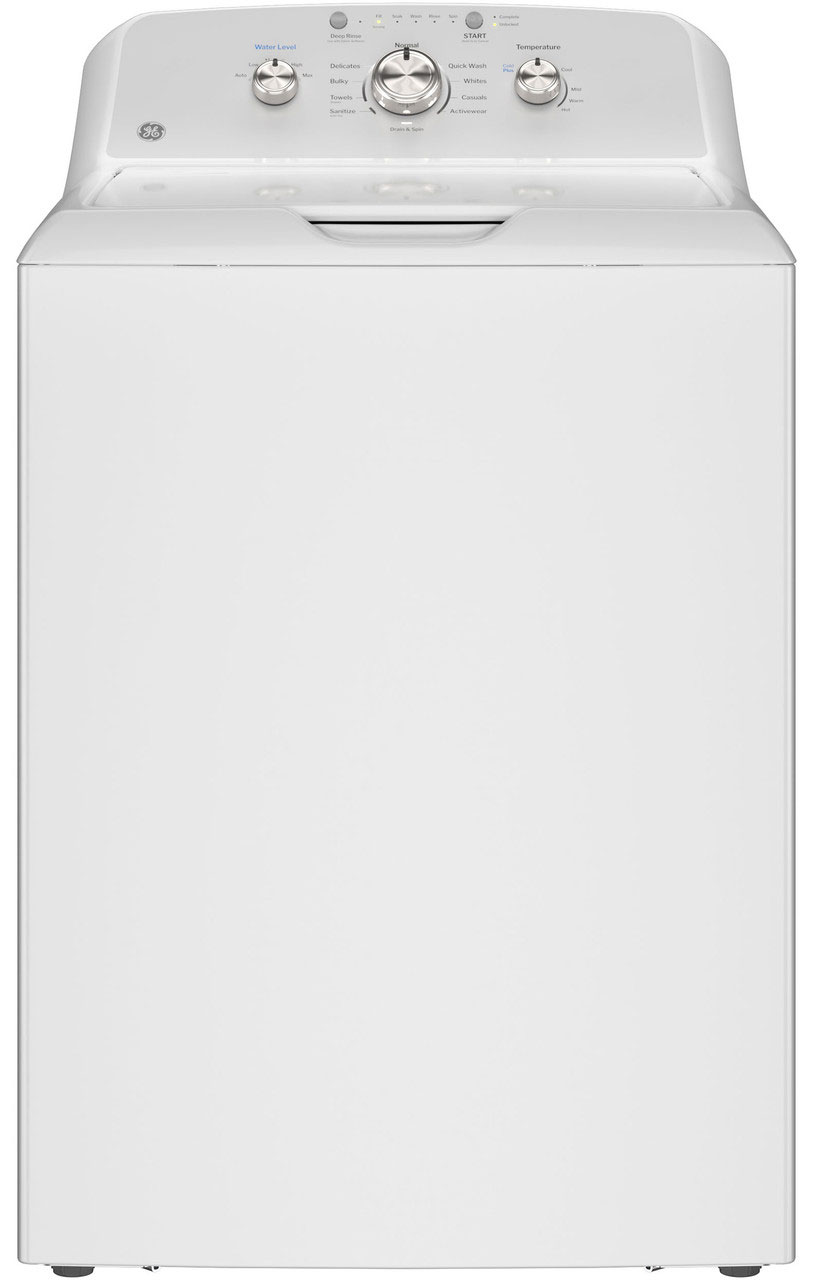
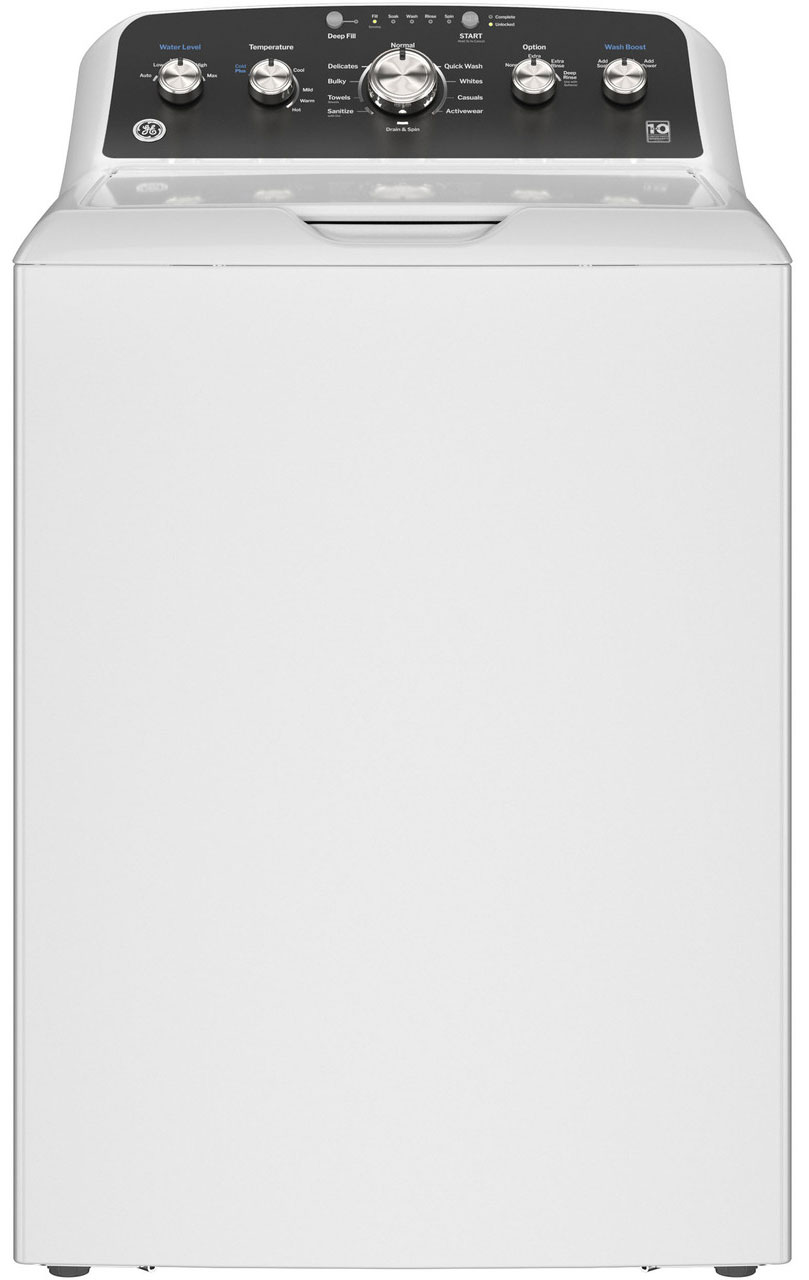
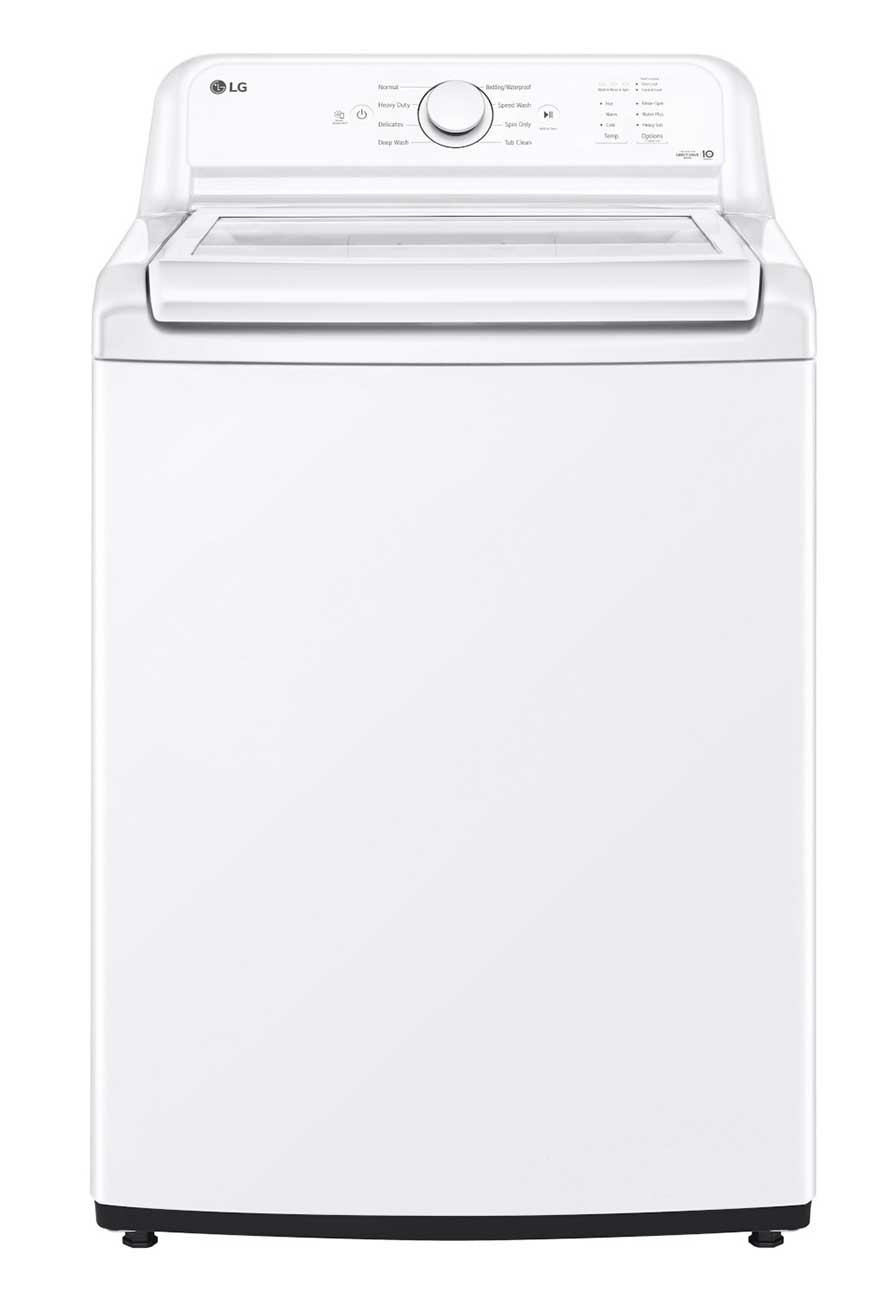
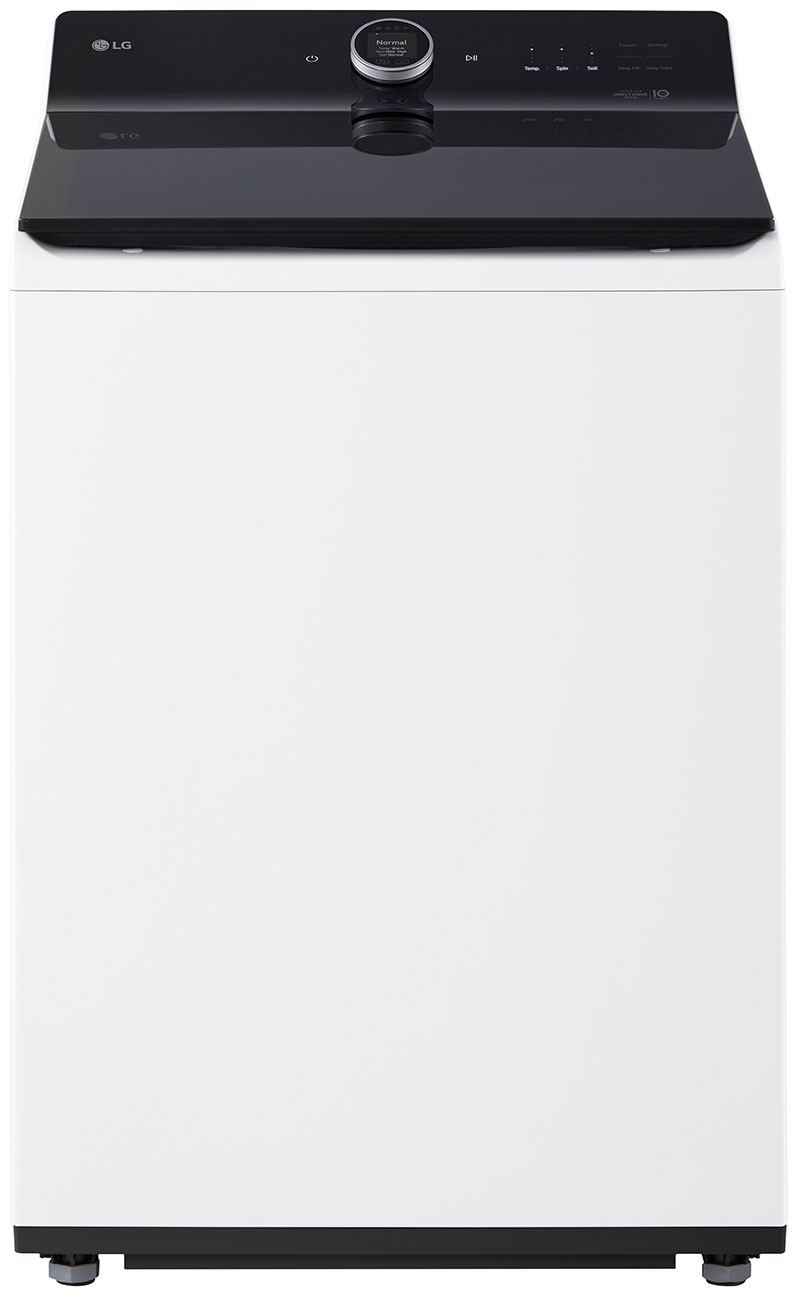
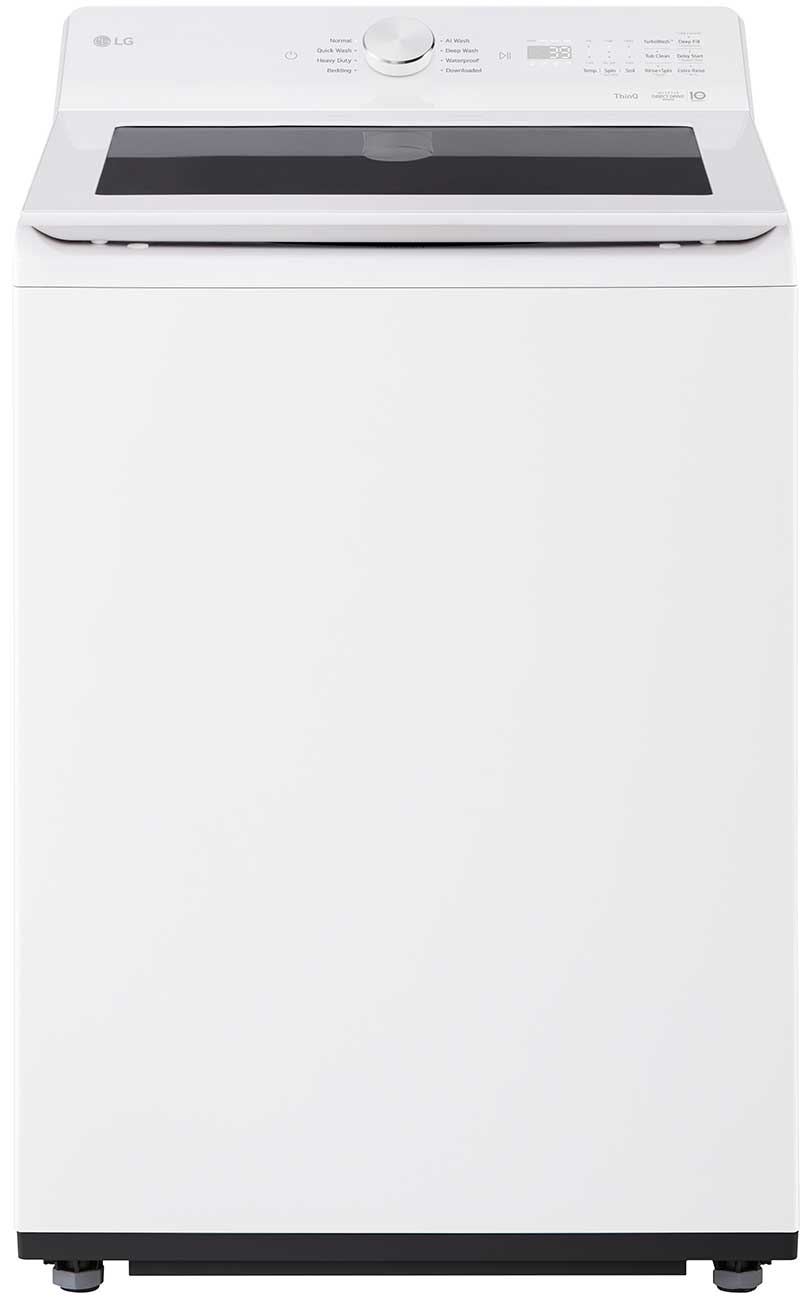
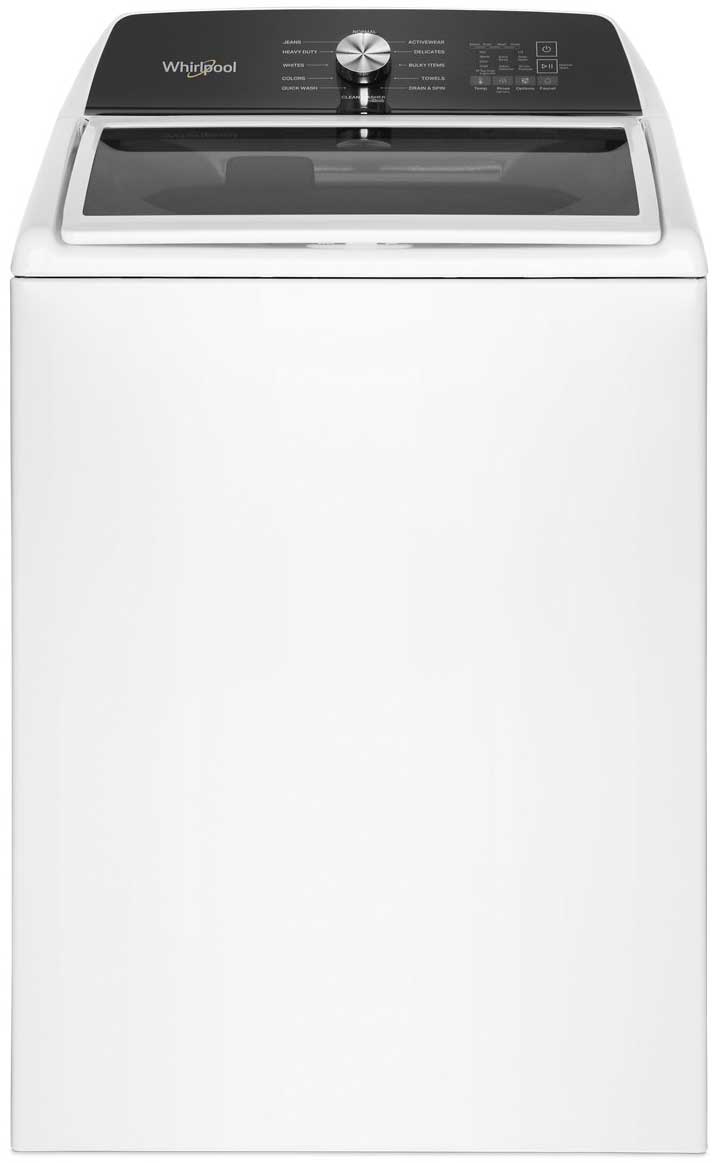
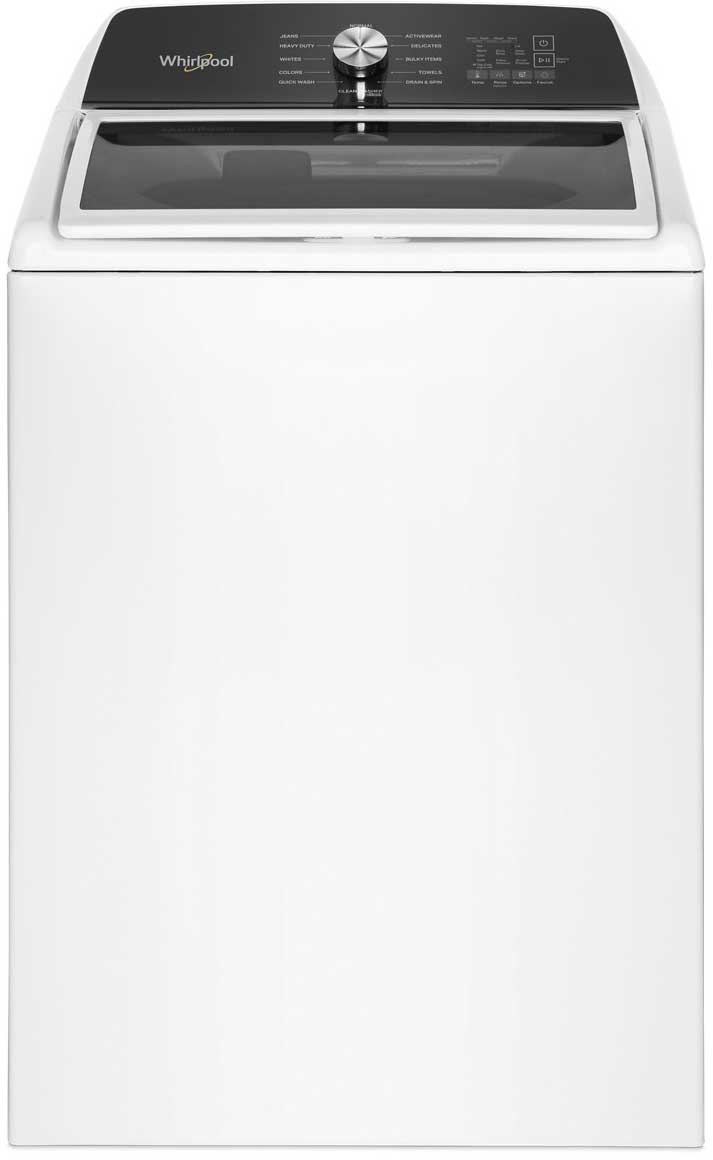
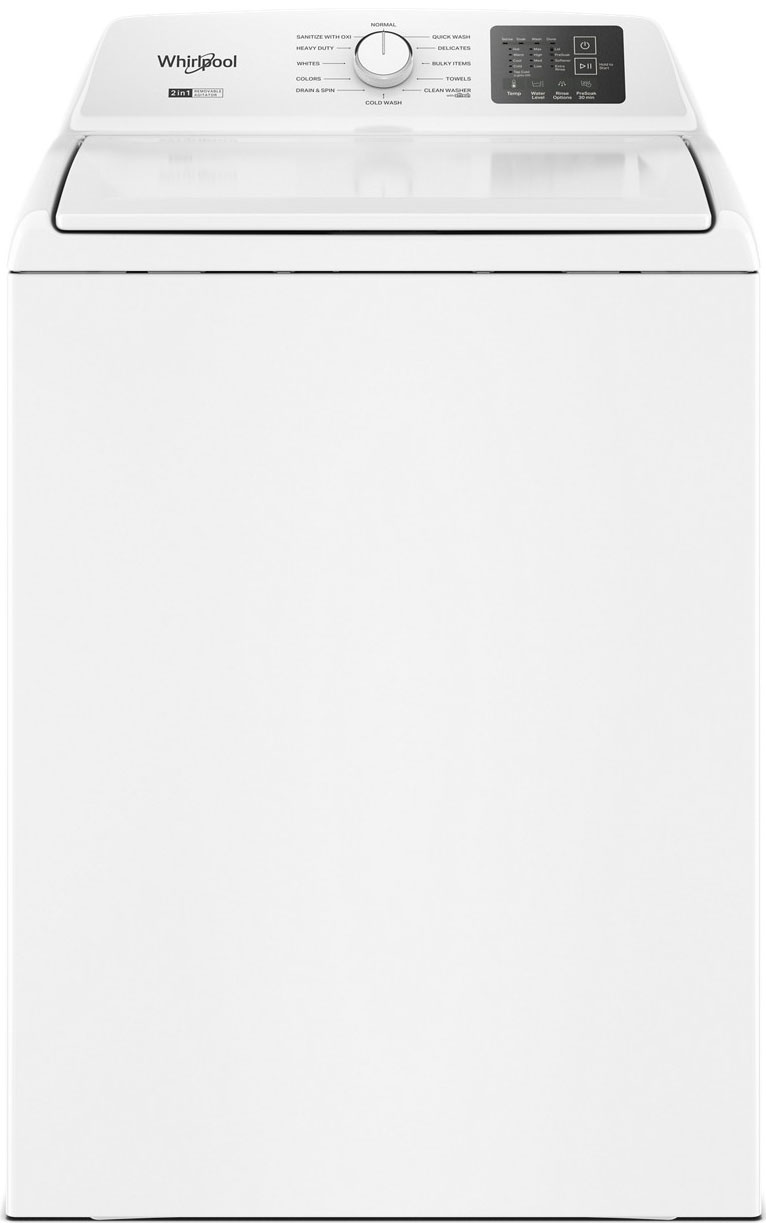
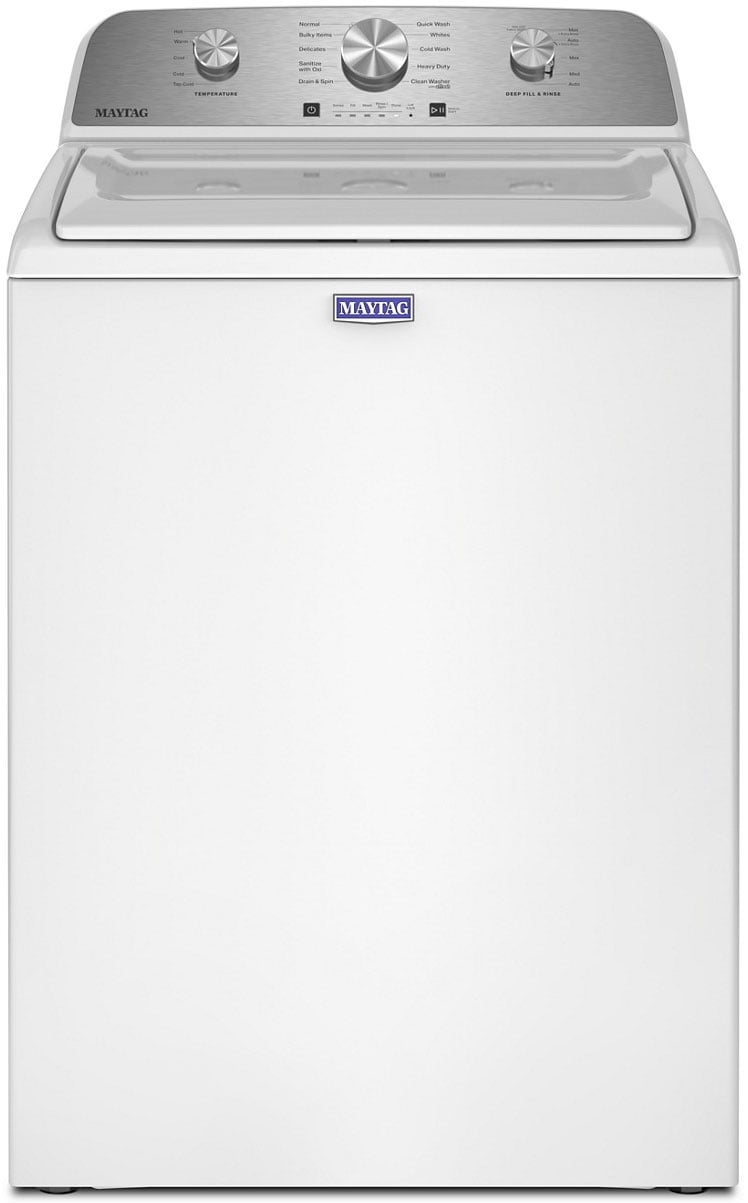
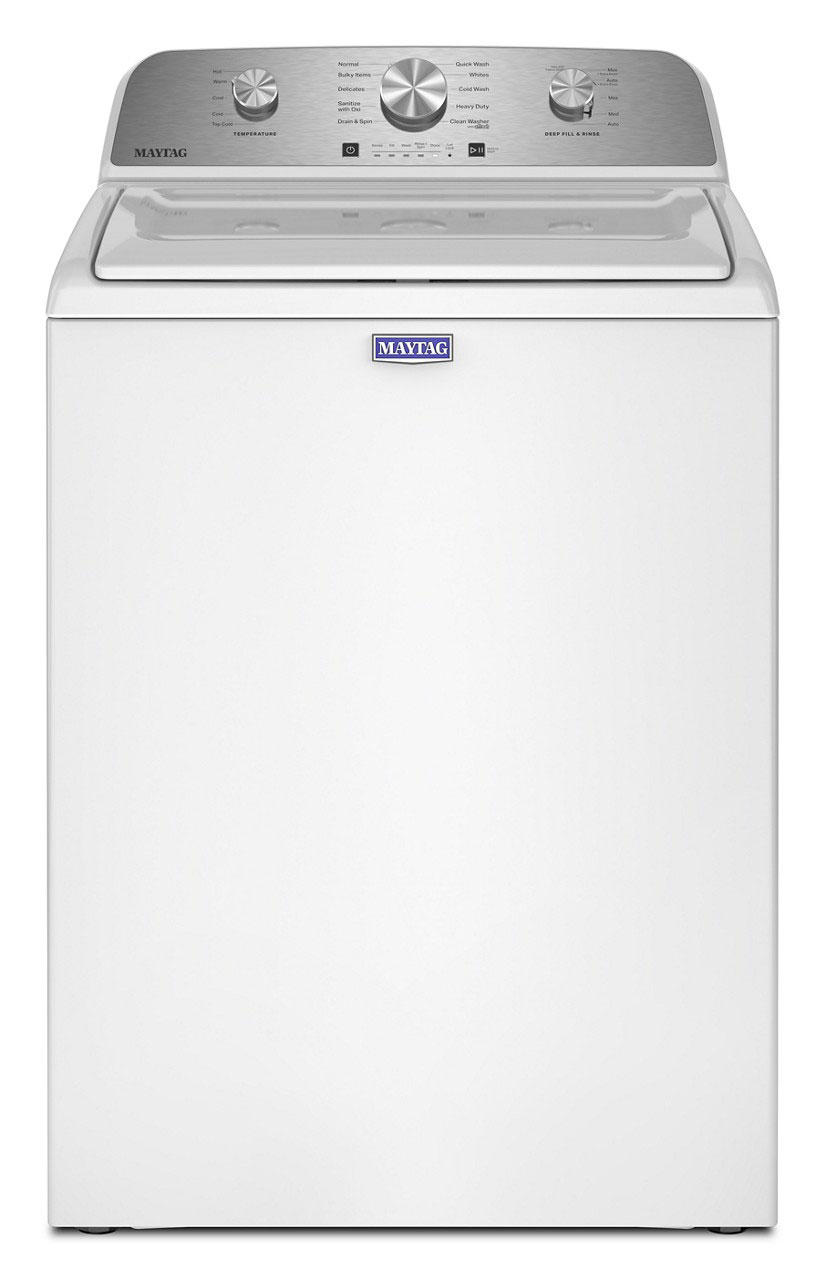
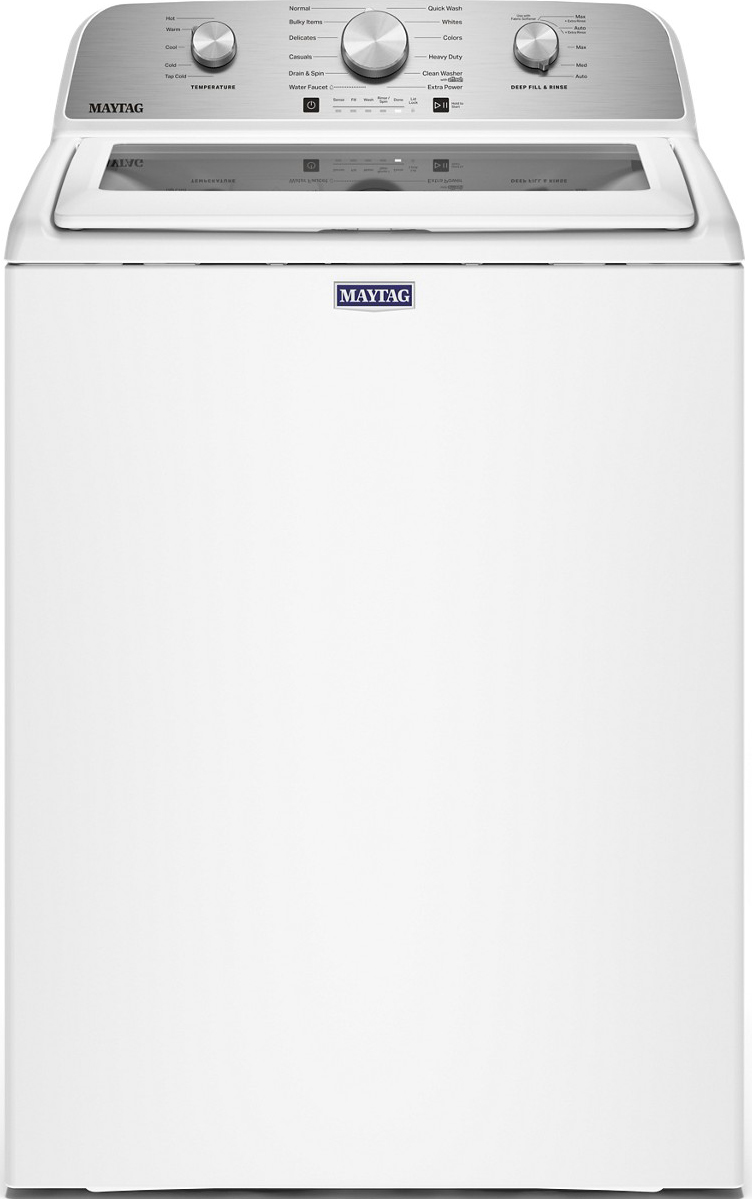
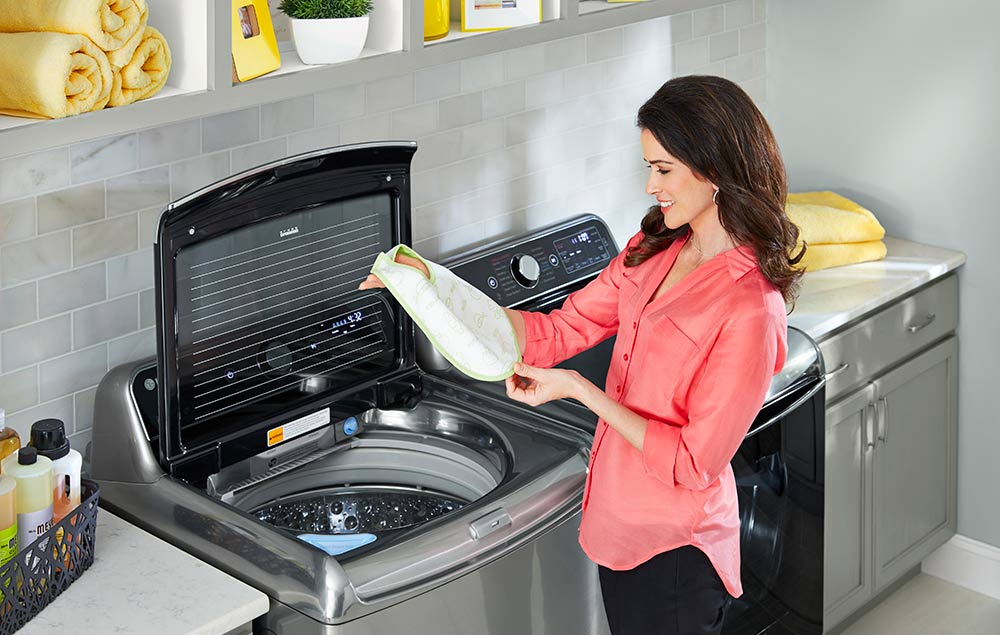
The classic washing machine design features a door on its top panel. These machines are appropriately called top-loading washers. In the past, it was standard that all washers used a cylindrical agitator in the center of the tub that would massage clothes to clean them. The first High-Efficiency (HE) top-loaders to hit the market replaced the agitator with an impeller, a smaller rotating hub that rubs clothes against one another for a gentler, more efficient wash. These days, you can still find HE top-loaders with an agitator, but most have an impeller. Almost every washing machine sold today is a High-Efficiency model.
Agitator Top-Loaders
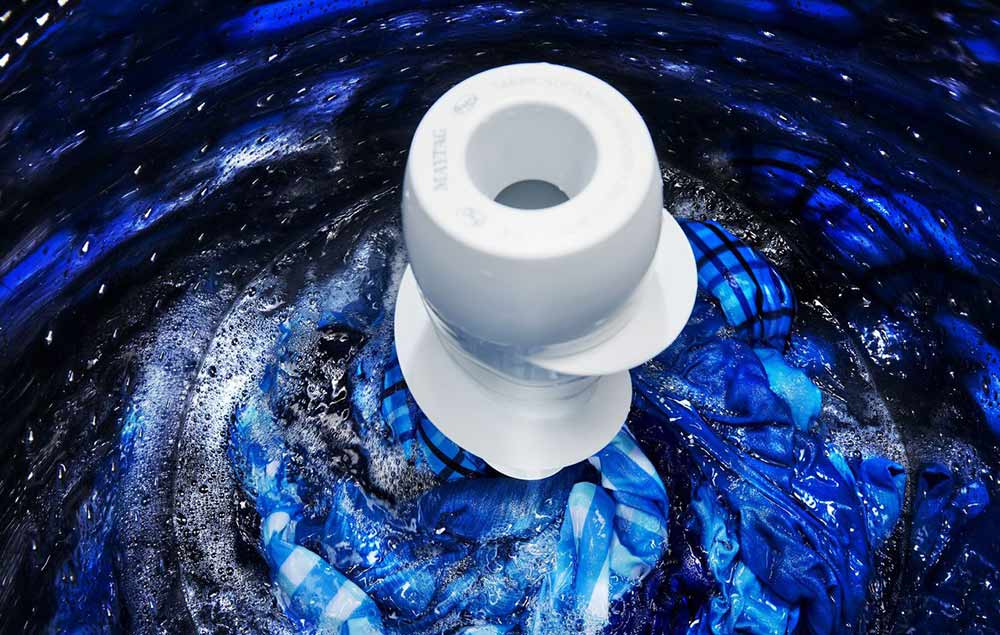
If you're looking for an inexpensive washer that gets the job done, agitator washers are your best bet. This simple design has been around for decades. While it might not be the most efficient option, it is fast. Cycles average 35-65 minutes. Plus, you don't have to worry about vibration with a top-loading machine.
As you might expect, agitator washers have their limits. Most notably, the agitator itself can be rough on clothes. It works by churning back and forth, rubbing against your clothes to work out stains and smells. Over time, this can wear down fabrics.
Gone are the days of standard top-loading agitator washers that use excessive water and power. These days almost all washers, even top-loaders with agitators, are High-Efficiency machines. The lower upfront costs make up for this in many ways. But with an aeverage life span of 10 years, the higher operating costs of the few low-efficiency top loaders still on the market could eclipse your initial savings.
Impeller Top-Loaders
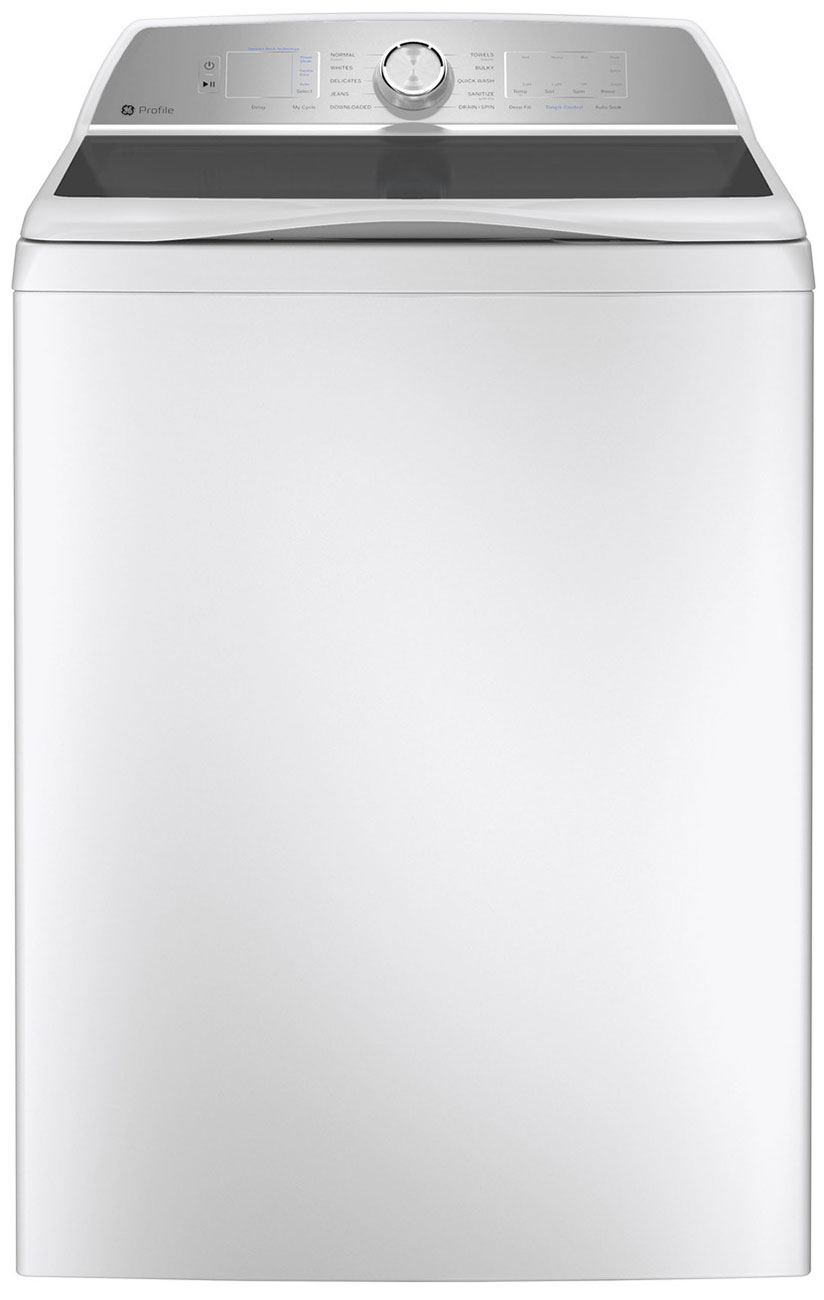
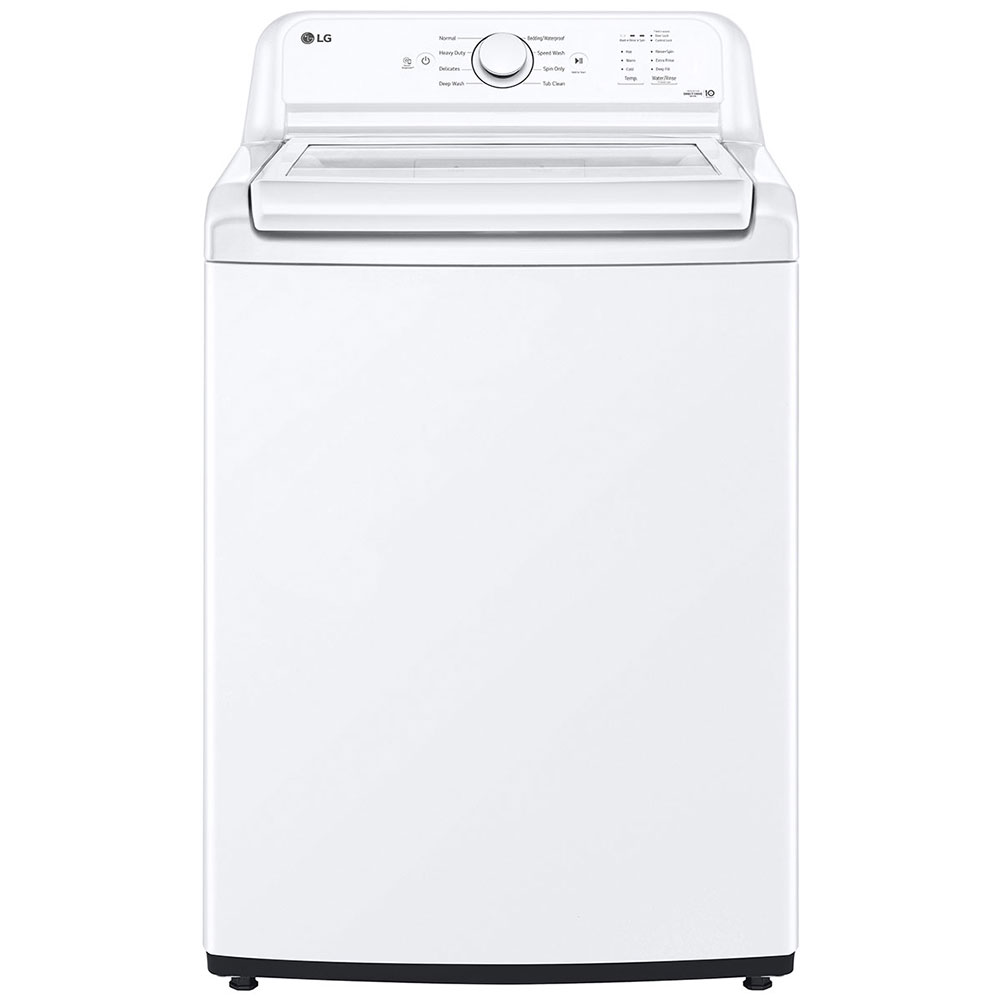
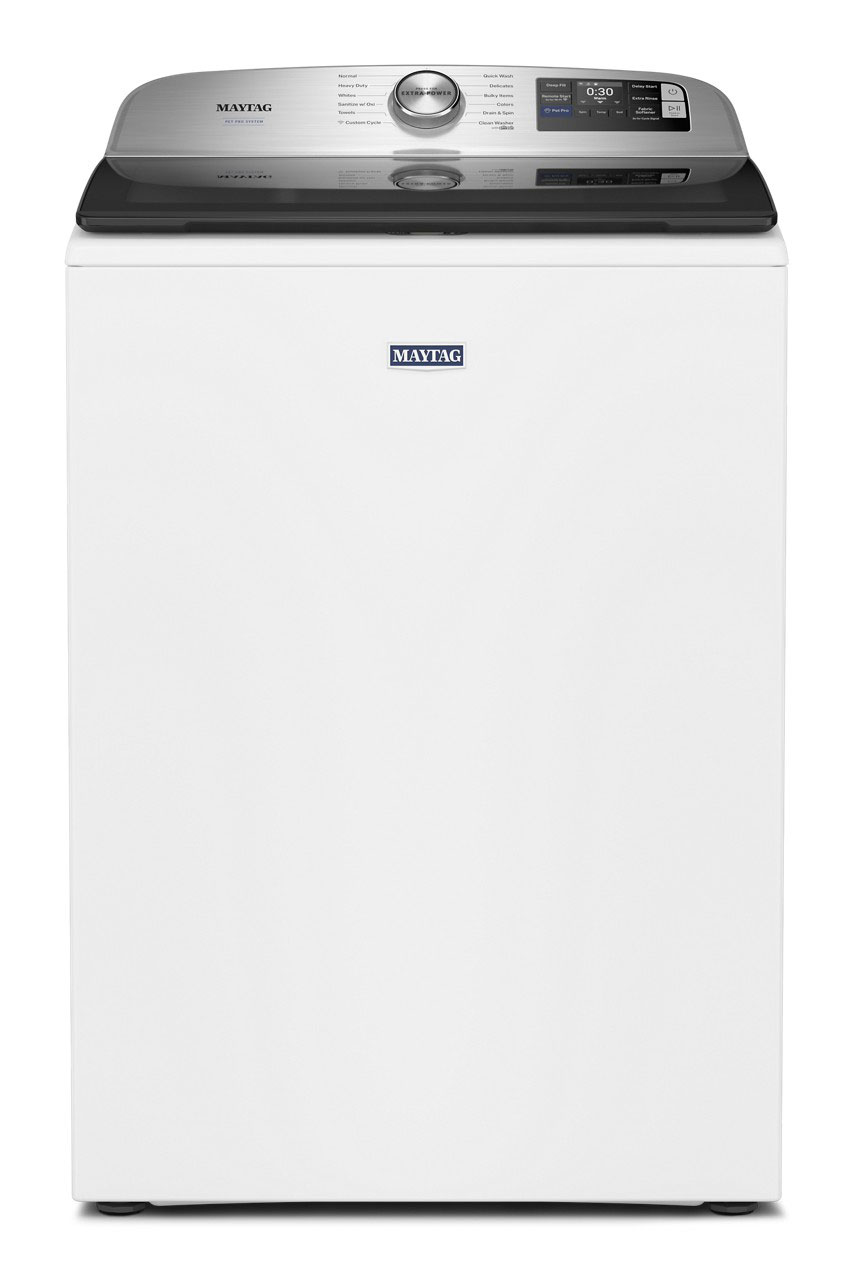
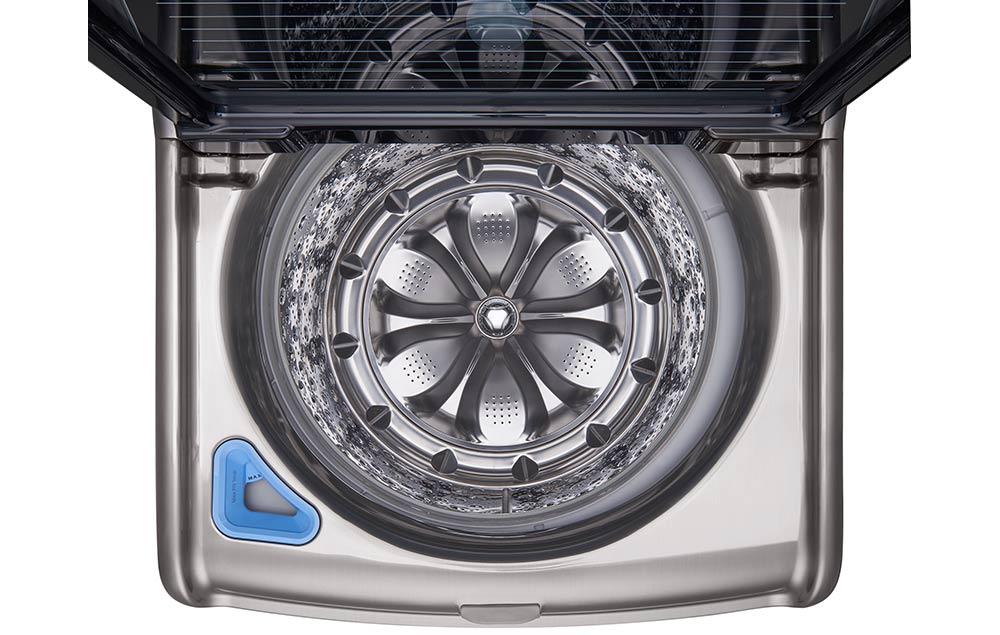
Due to government mandates and regulations, nearly all top-loaders are now High-Efficiency machines. These appliances use less water and power than washing machines from yesteryear. In the past, washers that used impellers in place of agitators were the only style of top-loaders that met the stringent HE standards. Impeller washers work by rubbing your clothes against one another to clean them. Doing so provides a deeper clean, nearly as effective as front-loaders. The friction of fabric against fabric can be a little rough on clothes. But washing machines with impellers are still gentler than those with agitators.
Using less water requires longer cycles, lasting between 60 and 80 minutes. But, similar to front-loading washers, the longer cycle removes most of the water, decreasing the time your clothes need to spend in the dryer. Plus, these machines are quieter than agitator washers and don't vibrate like front-loaders.
Impeller top-loaders do have their downsides though. The low water levels, long wash times, and quick impeller movement can cause laundry to tangle. But washing like items together and turning down the spin speed helps minimize tangles. Just be aware that turning down the spin speed on certain cycles will result in damper clothes. Consequently, drying times are longer.
Loads of laundry in high-efficiency top-loading washers can also become unbalanced. If this happens, the machine will attempt to improve circulation by adding water to the tub. Should the load stay unbalanced after a few bursts of water, the machine will stop and display an error message directing you to balance the load manually.
While unbalanced loads aren't common, they can happen, more regularly when washing waterproof items. As a result, some manufacturers advise against washing these items in high-efficiency top-loaders. If you're interested in a high-efficiency top-loader and regularly wash waterproof items like windbreakers or skiing gear, look for models with a waterproof cycle.
>
If you're short on space or need a machine that can handle more loads than the average household, look to one of these types of washers:
Laundry Centers (Stacked Washer Dryers)
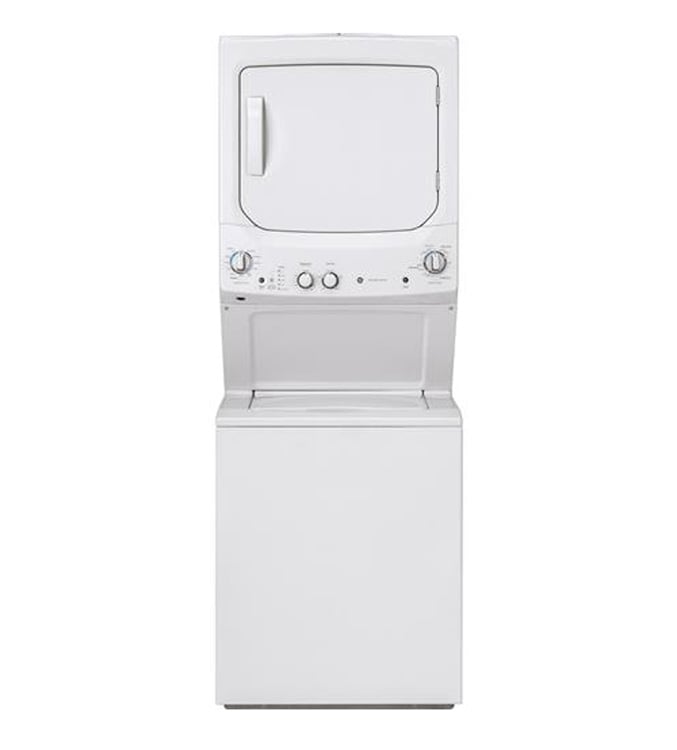
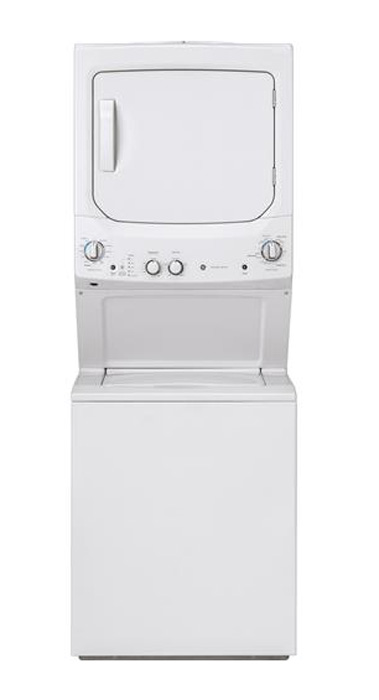
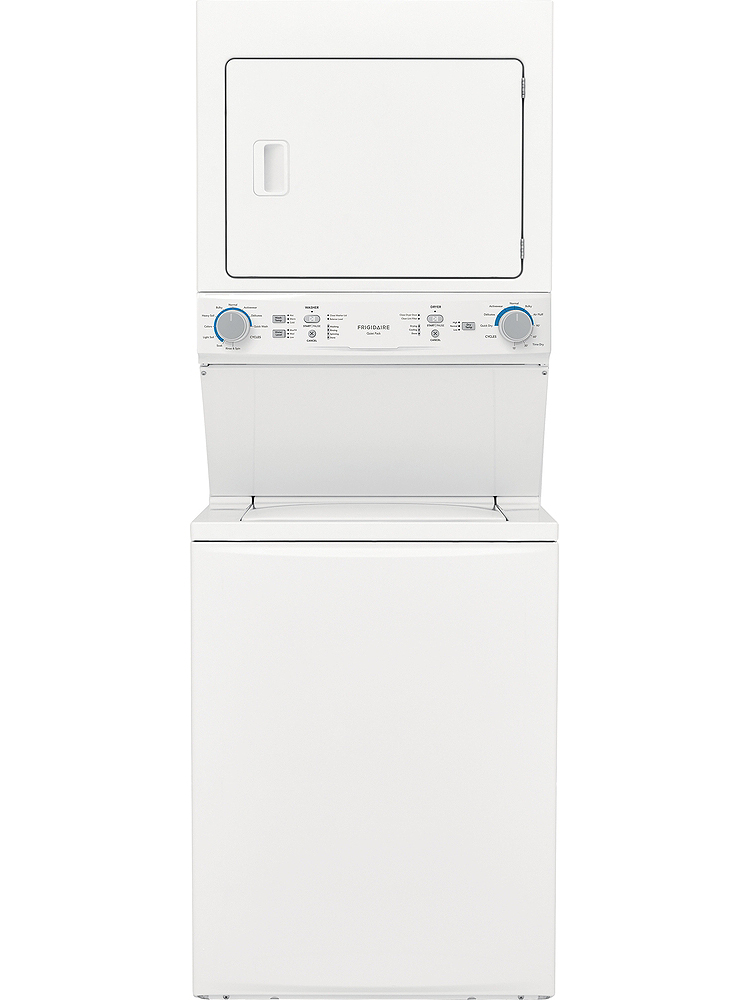
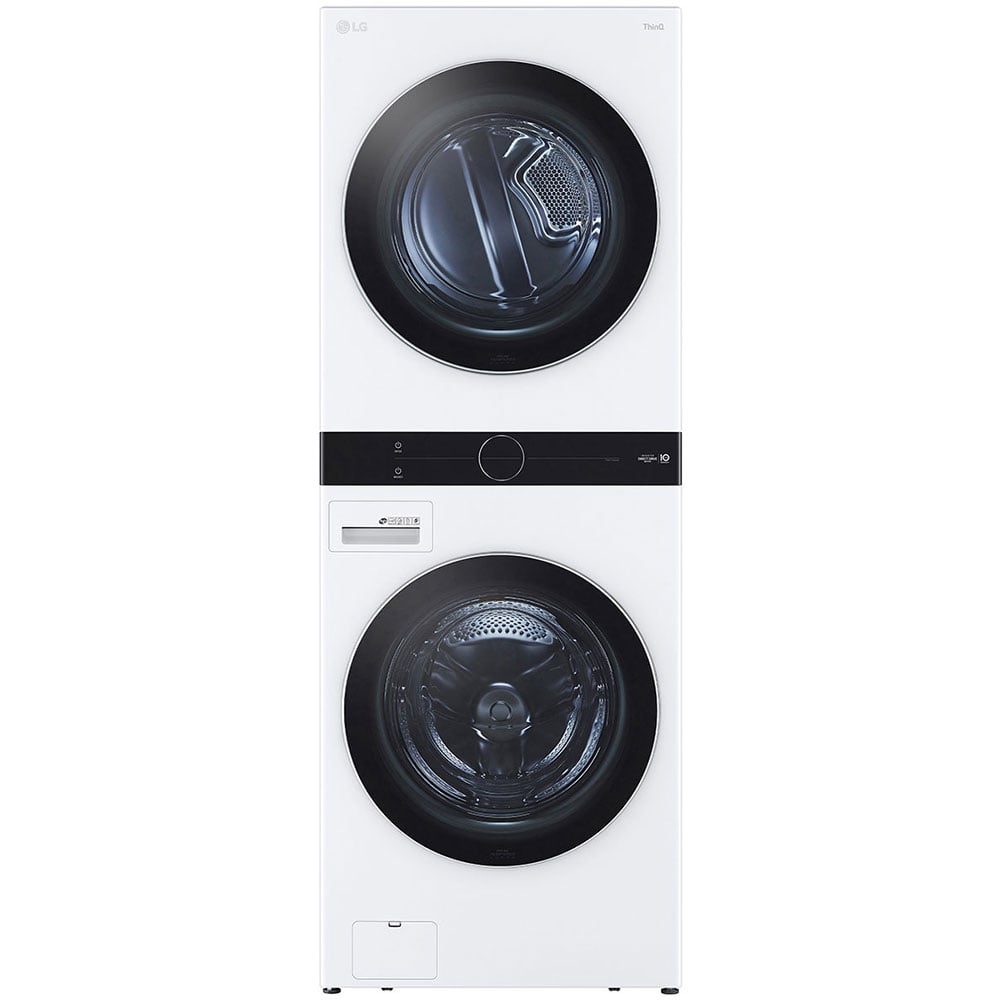
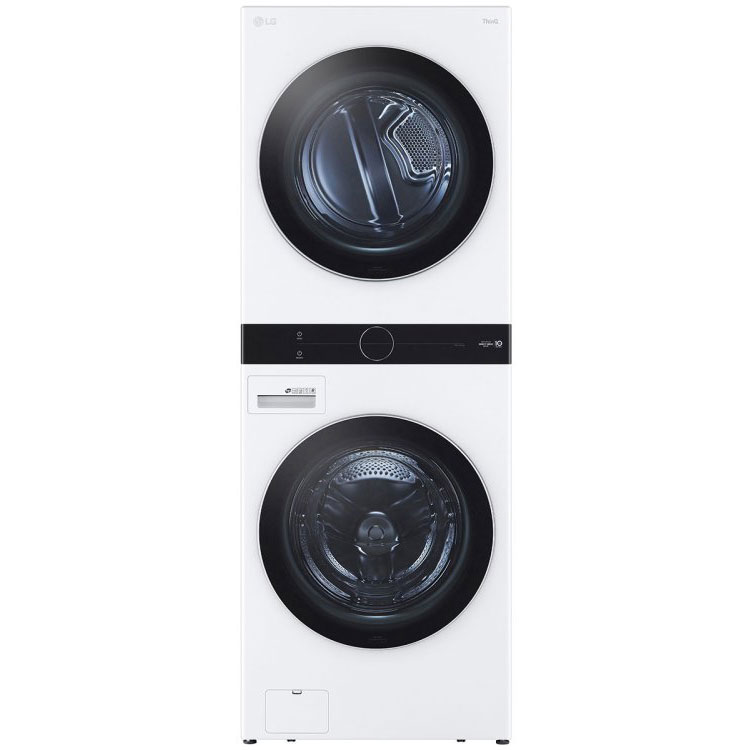
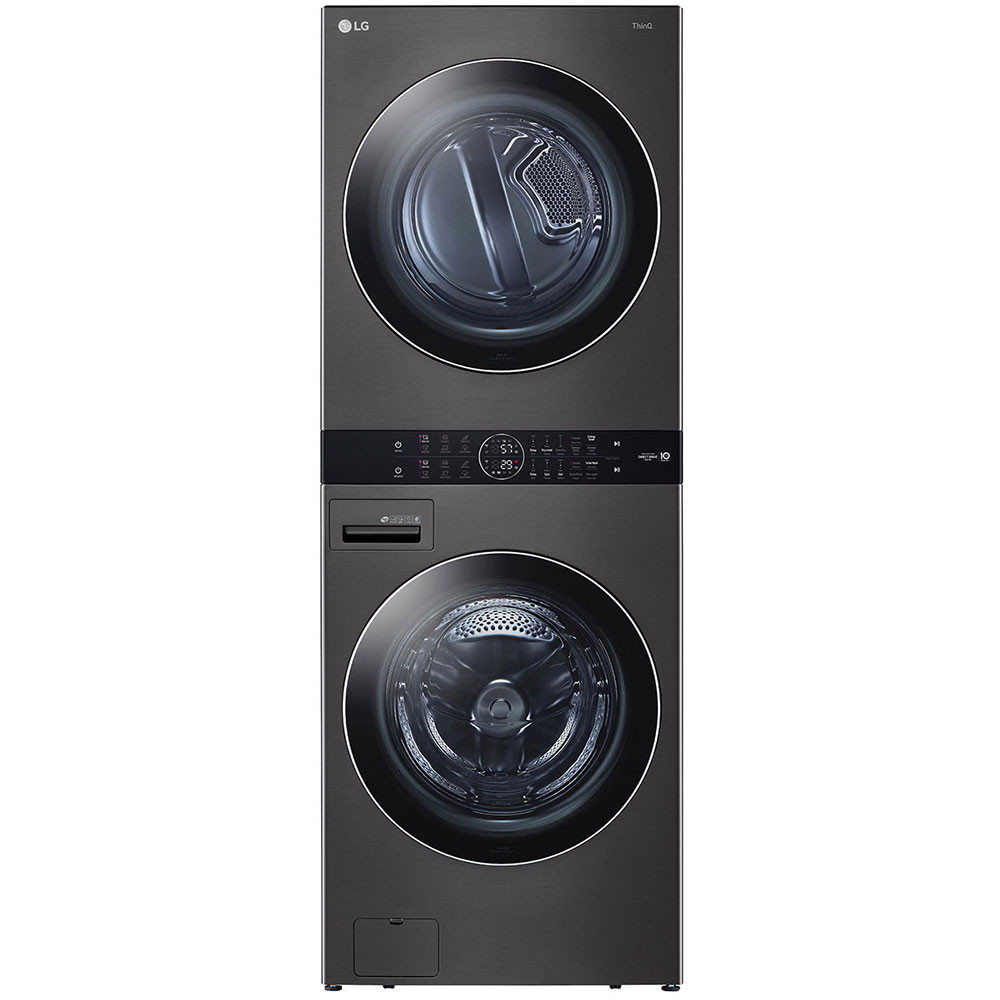
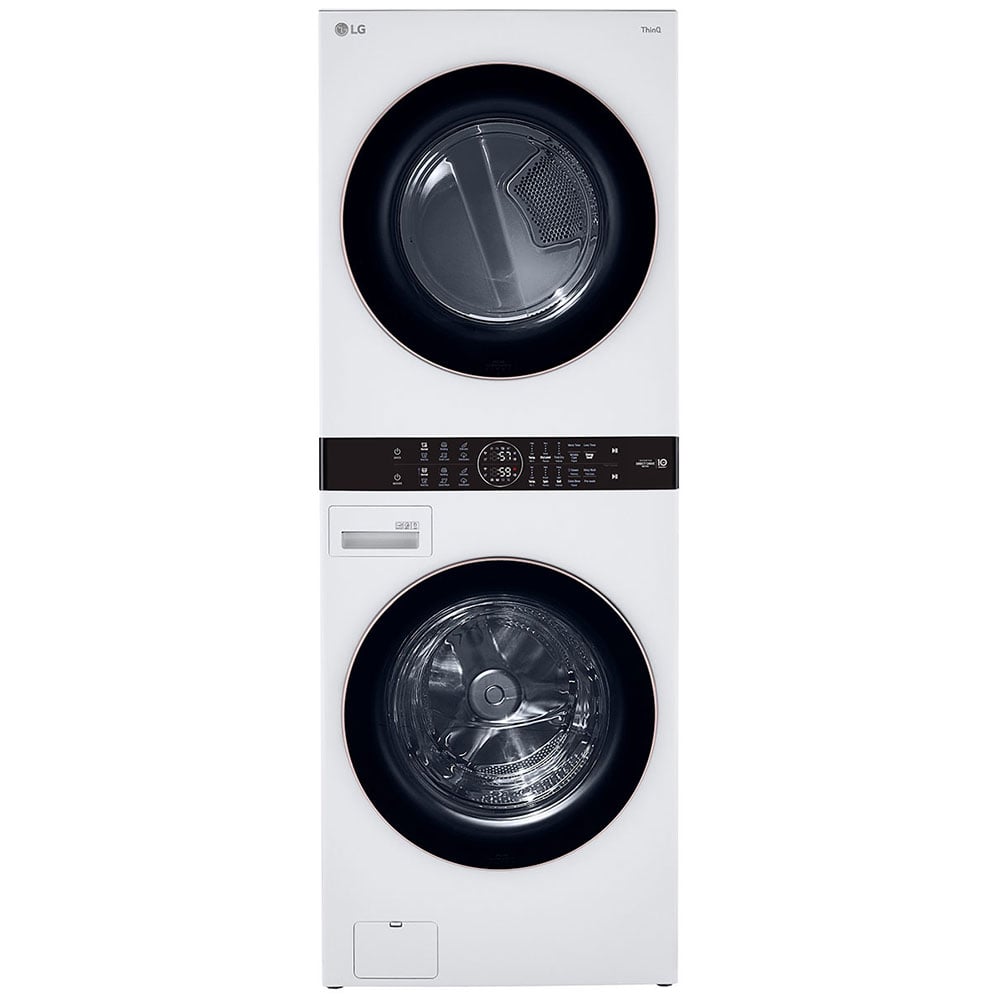
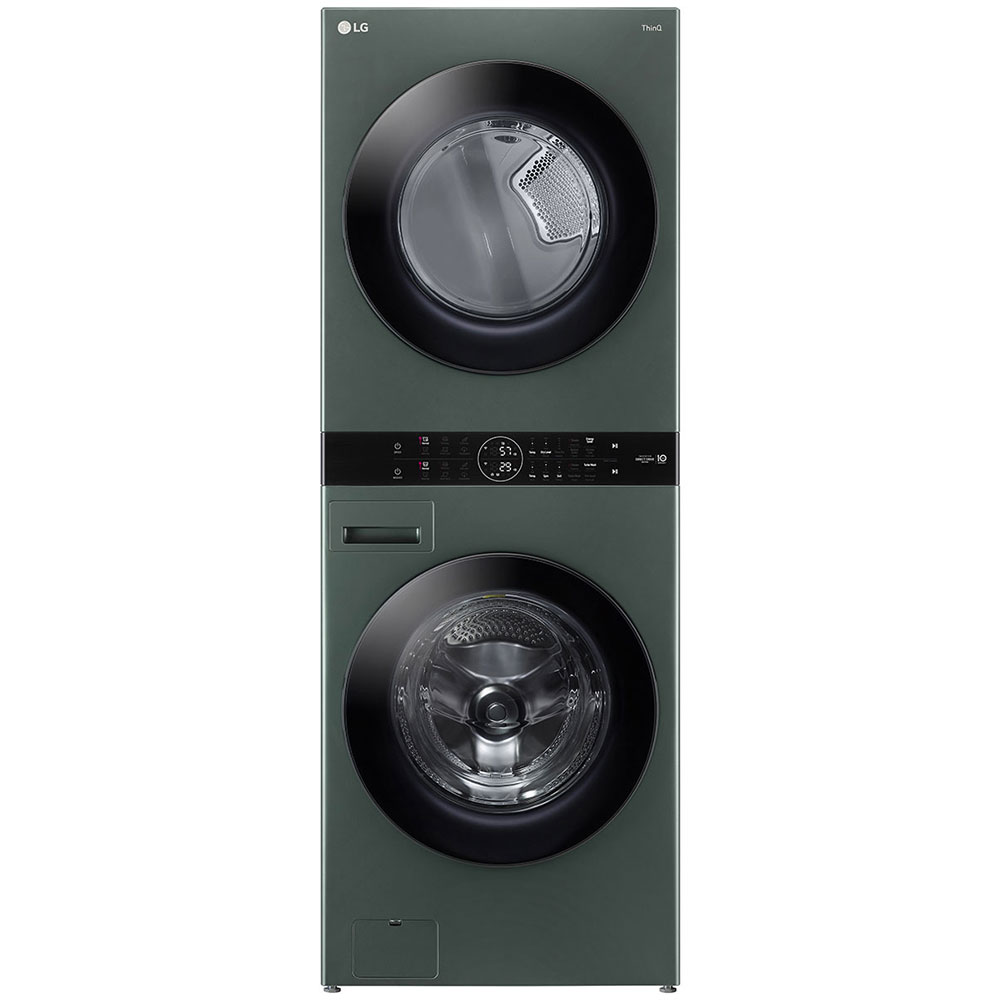
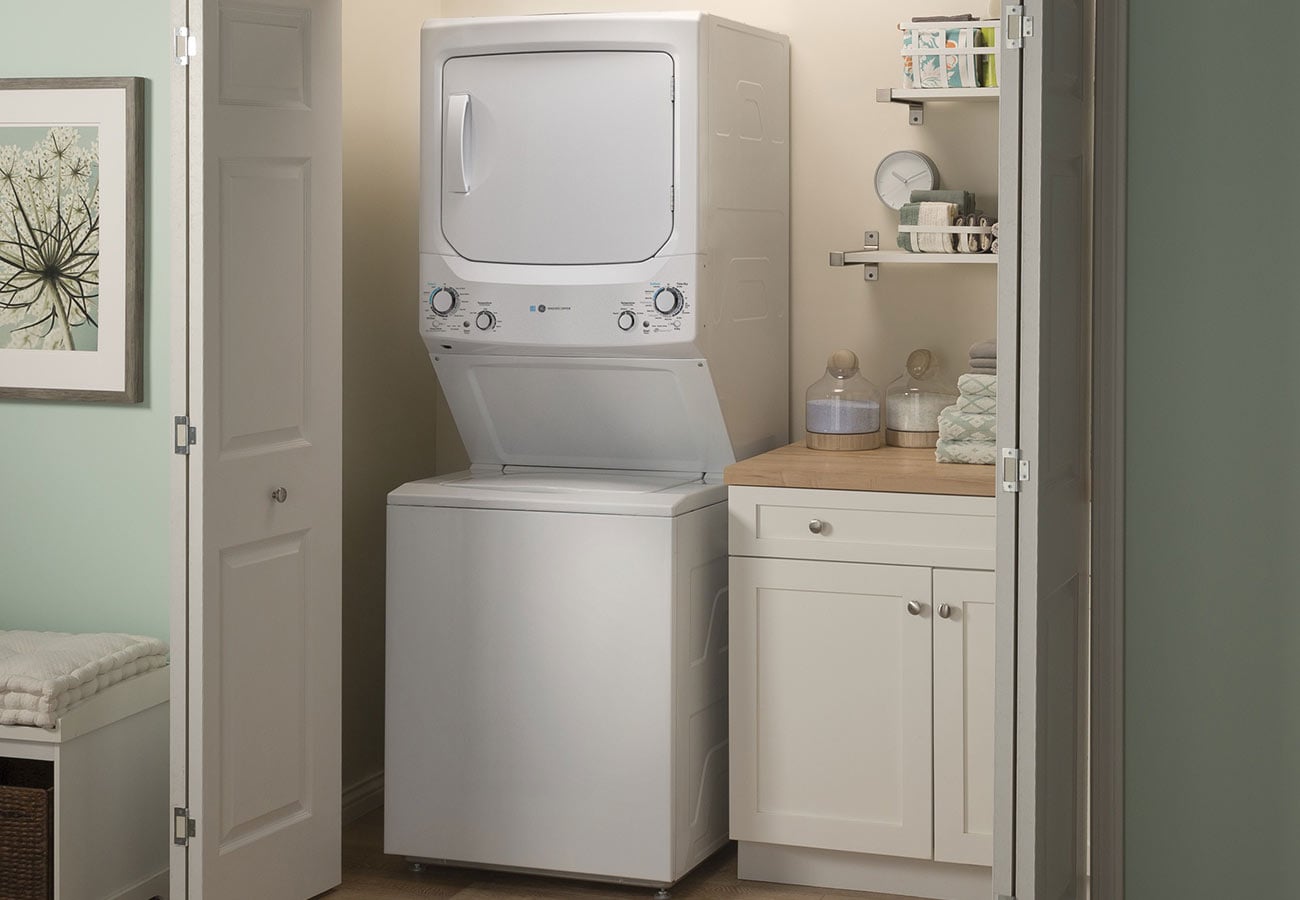
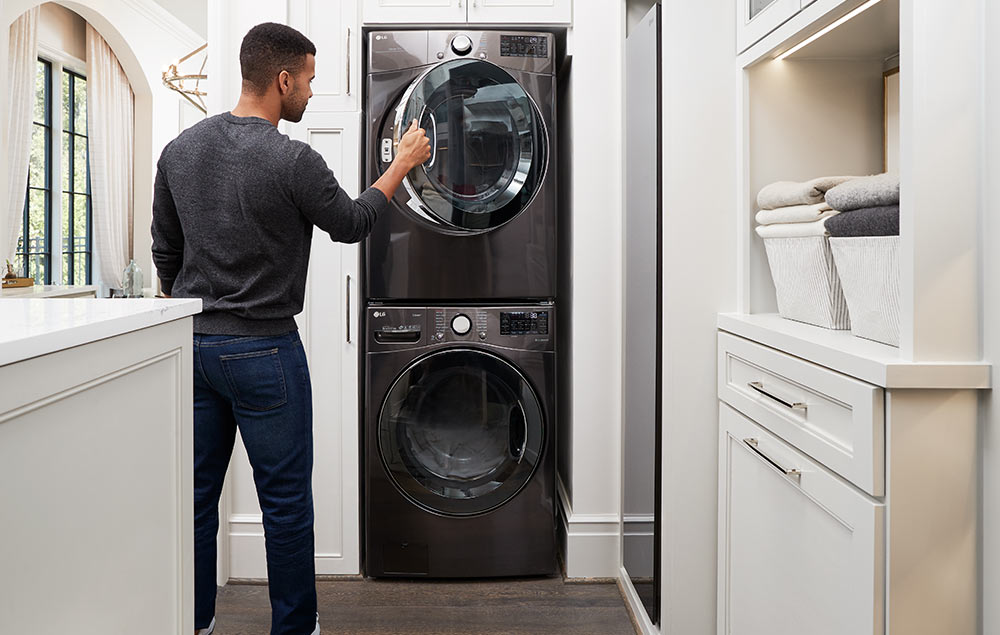
Perfect for apartments and small homes, laundry centers are washers that come with an attached dryer. Stacked washer dryers are different from stackable washers and dryers in that the two devices are permanently attached. Stackable washer dryers are stand-alone machines that can be installed on top of one another with an optional stacking kit. Nearly all front load washers are stackable by default or with a stacking kit; just be sure to confirm dryer compatibility.
The main advantage of laundry centers is the floor space they free up. Plus, ventless models make it easy to squeeze them in anywhere. In most cases, laundry centers are also less expensive than buying a separate washer and dryer.
Laundry centers come with either gas or electric dryers. Most models with an electric dryer require a 240-volt electric outlet. Similarly, gas dryers require a natural gas line. Double-check that your laundry room has the appropriate connections before taking home one of these machines. If necessary, have a contractor or electrician install them.
While laundry centers offer a smaller footprint than side-by-side setups, their space-saving design has some trade-offs. Most notably, stacked washer dryers have smaller capacities. Compact units (24" wide) are more common than the standard washing machine size (27" wide). However, even standard-sized laundry centers tend to offer less capacity than stand-alone models.
The height of the dryer in a laundry center is another potential drawback. Shorter individuals might need a step stool to remove fresh loads of laundry from the machines.
Washer Dryer Combo Units (All-in-One Washer Dryers)
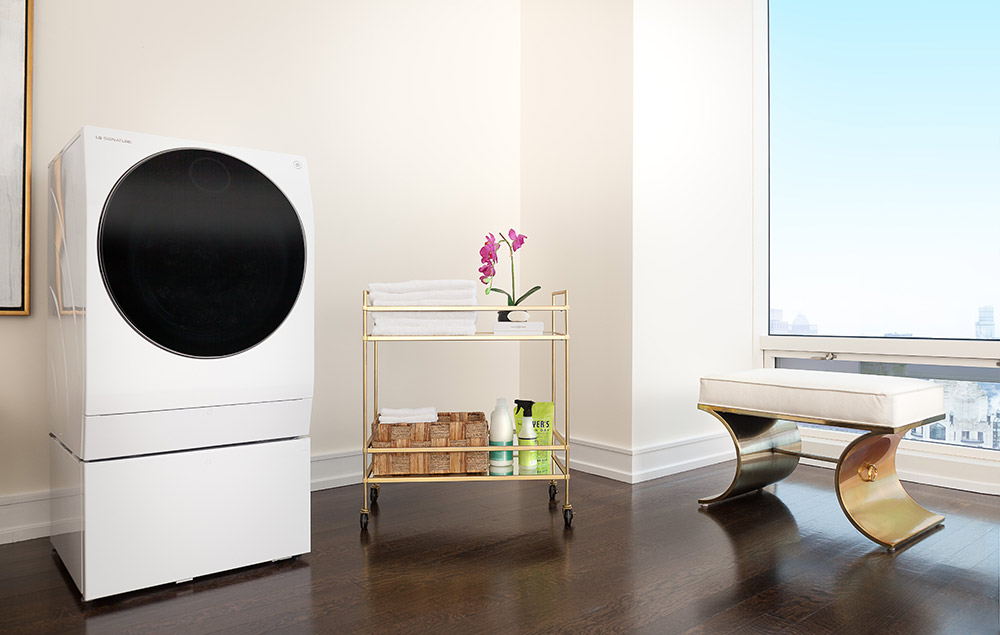
If you have limited space and don't have room for laundry center, consider a washer dryer combo unit. These machines look like a standard front-load washer but they also feature a built-in ventless dryer. Load your laundry, start the cycle, and come back to fresh, clean, ready-to-wear clothes. The dryer uses either a condenser or a heat-pump to remove moisture from your clothes. Heat-pump models are significantly more expensive but use far less energy and water. While these machines used to take hours to dry, they've gotten a major upgrade in recent years from brands like Samsung, GE and LG. Better performance and slightly larger capacities have made these washer dryer combos far more convenient. The rise in popularity of ventless combo units is great for apartment dwellers, as you don't have to worry about the dryer venting outside.
Another inconvenience about washer dryer combos is that the dryer only has half the capacity of the washer, even though they use the same washtub. Thus, to enjoy the convenience of not changing your laundry, you can only wash half loads. Alternatively, you can remove some items and air dry them after the wash cycle ends.
Portable Washers
Another laundry option for small living spaces is a portable washer. When in use, these machines draw water through a detachable hose that you connect to a water faucet in your home. A second hose delivers wastewater to the drain in your sink or shower.
When you're done using the machine, wheel it back to the closet or corner in which it's stored. Just be sure the washer and hoses fully dry to prevent mold.
If you've never used a portable washer, there are a few things to be aware of. First, operating the devices on a carpet is inadvisable. If you don't have another option, just be sure its vents are not obstructed. Portable washers also require more energy than installed models. But, they do enjoy shorter cycles. Lastly, the capacity of a portable washer is generally only large enough for one or two people.
Commercial Washers
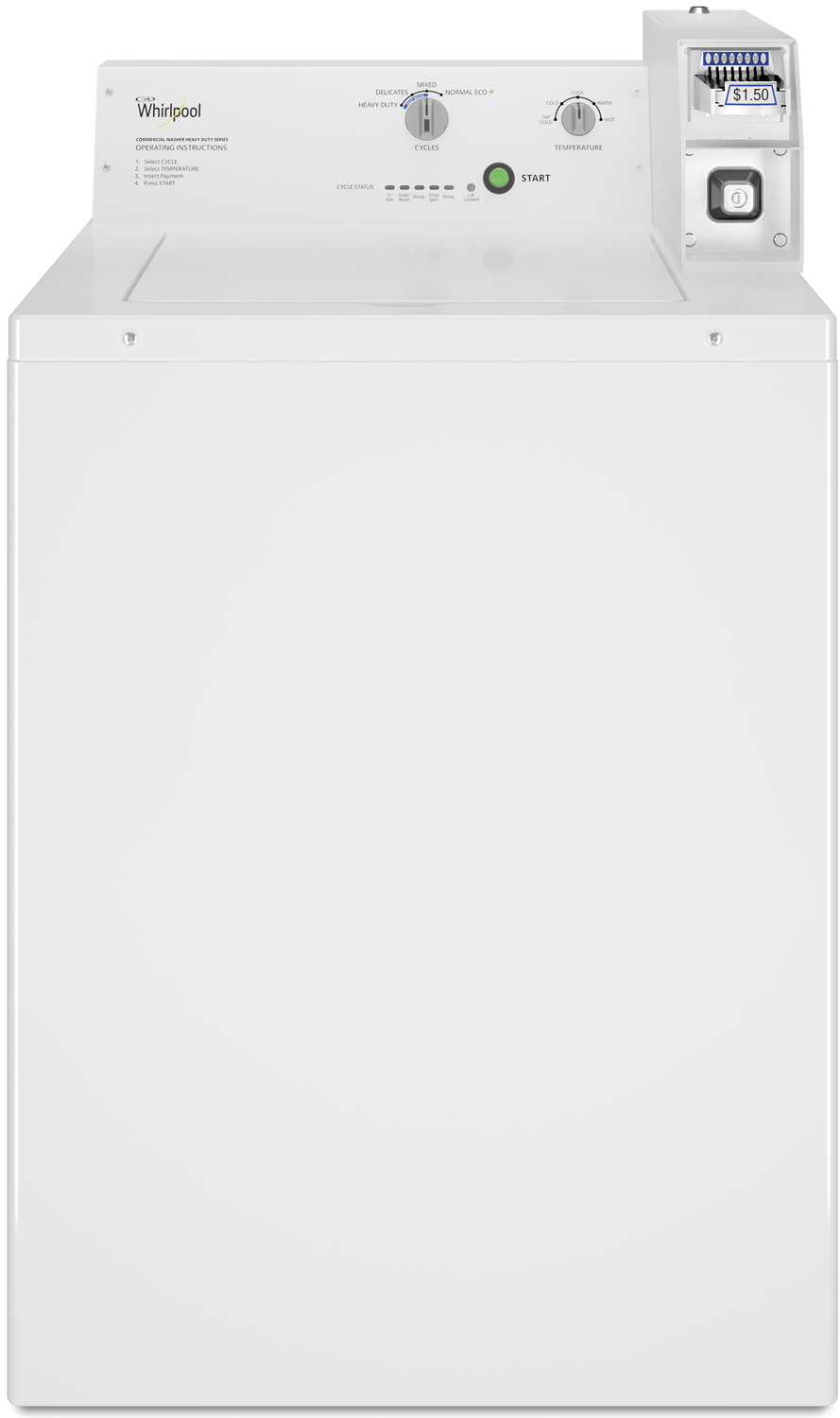
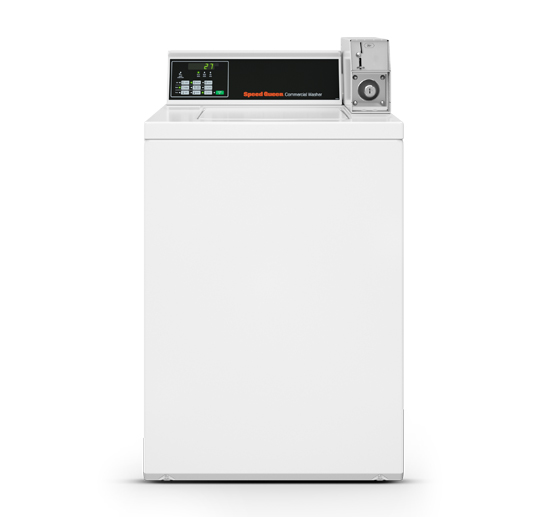
Found primarily in laundromats or the shared laundry rooms of apartment buildings, commercial washers are designed to withstand heavy use. Their exceptional durability comes at a higher price than personal machines and allows manufacturers to offer longer warranties in many cases. These pay-per-use devices take payment via card readers or coins and come in both front and top-load designs.
What Size Washer Do I Need?
The size of a washer can refer to its capacity or its external dimensions.
Capacity: Laundry Per Load
The easiest way to figure out what capacity washer you need is by looking at your current washer. Find the model number and check online for the stated capacity. The model number might be just inside the door or on the side or back of the machine. Feel free to give us a call at 800-860-3577 if you're having trouble finding it.
If you like the size of your machine, look at washers with a similar capacity. Too small or too big? Shop accordingly. Just remember, the capacity of your washer should only be 1/2 the capacity of your dryer. So if you plan to upgrade to a large capacity washer, you might need to upgrade your dryer as well.
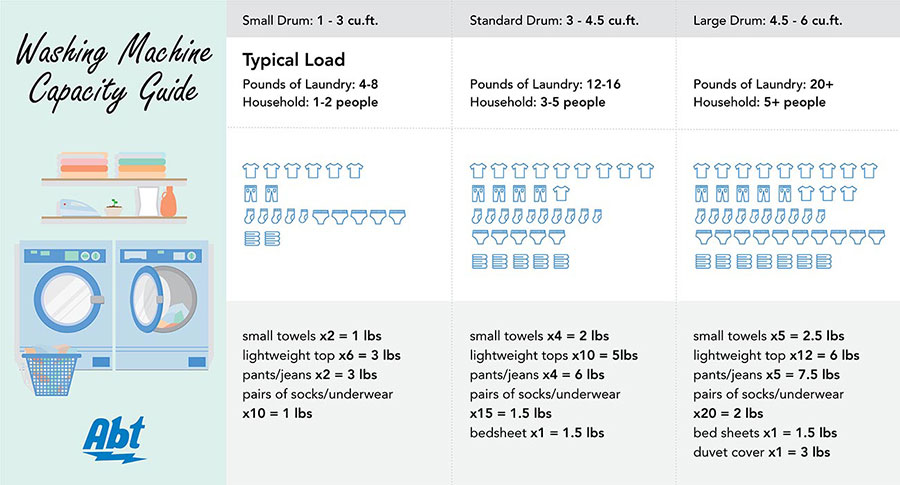
If you don't have a washer to use for reference, the different measures of capacity can get a little confusing. Washing machine capacity is typically measured in cubic feet. However, imagining your loads of laundry by volume isn't very intuitive. Because of this, the weight of laundry also comes up in capacity discussions. Loosely speaking, a cubic foot of capacity is about the size of a full outfit for an adult.
The smallest washers offer between 1.5 to 2.5 cubic feet of capacity and are large enough for 1-2 person households. These washers can handle 4-8 lbs of laundry.
Standard sized washing machines offer between 3 - 4.5 cubic feet of capacity and are appropriate for families of 3 -5 people. Washers of this size can handle 12 - 16 lb loads of laundry.
The largest washers, those with 4.5 - 6.0 cubic feet of capacity are meant for big families or those with extensive laundry needs. These machines can handle 20 lbs of laundry or more.
- 1 T-Shirt = 0.5 lbs
- 1 Bed Sheet (Full) = 1.3 lbs
- 1 Large Bath Towel = 1.6 lbs
- Jeans = 1.6 lbs
- Sweatshirt = 1 lb
- Full Adult Outfit = 3 - 5 lbs
- Full Child's Outfit = 1 - 3 lbs
Again, when determining what size washer you need, the best course of action is to look at the washer you're currently using. The above figures can be helpful if you don't have a machine to use for reference.
Dimensions: Compact and Standard Washing Machine Sizes
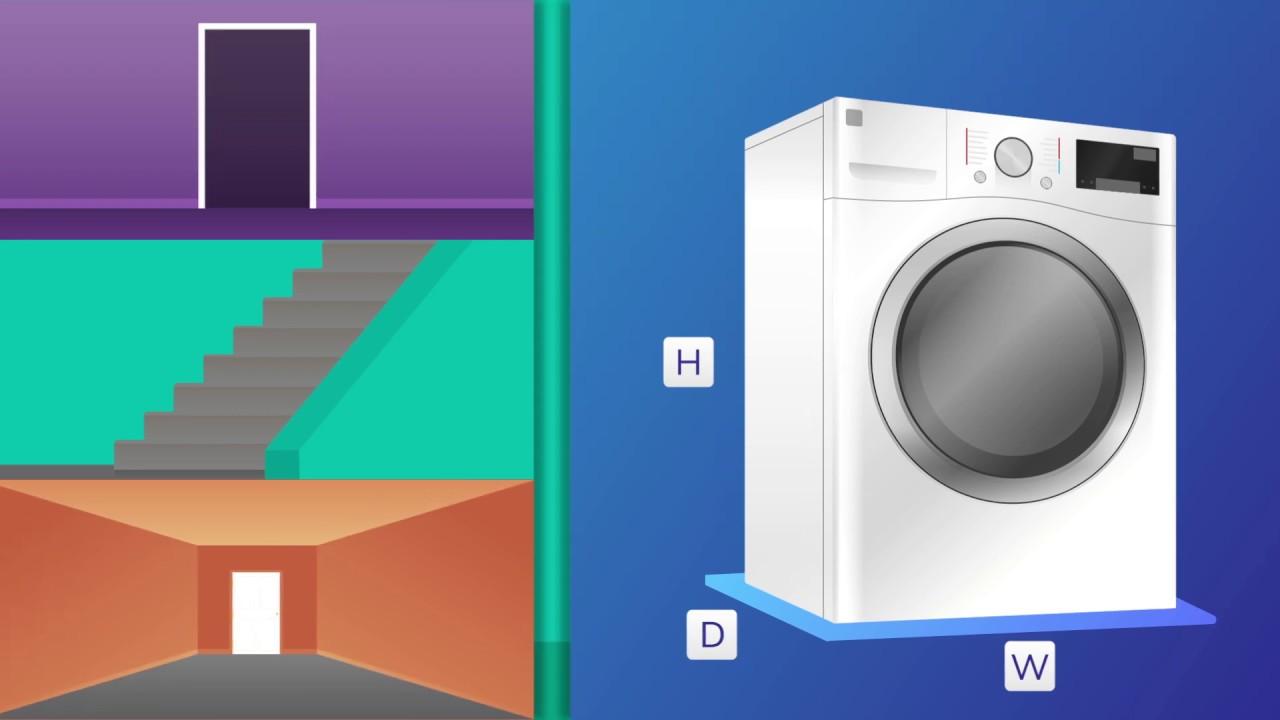
The external dimensions of washers fall into two general categories: compact and standard. These categories refer to the machine's width.
- Compact washers are 24" wide.
- Standard washers are 27" wide.
While most washing machines are one of these two sizes 1/2" deviations are common. High capacity washers, which typically fall into the standard category, can be up to 30" wide.
When determining what size washer you need, it's important to leave yourself some extra room. You should have 6" of open space behind the machine to make room for water hookups. Similarly, make sure you have a 1" between the washer and dryer. And, if you're considering a front-loading washer, leave room for the door to swing open all the way.
Lastly, make sure you can get the washer to the laundry room. Measure doorways, corners, and any tight passages on the path from your door to the washer. It would be a shame to realize that your ideal washing machine is too big after spending the time and effort to get it home.
Features
Automatic Dispensers
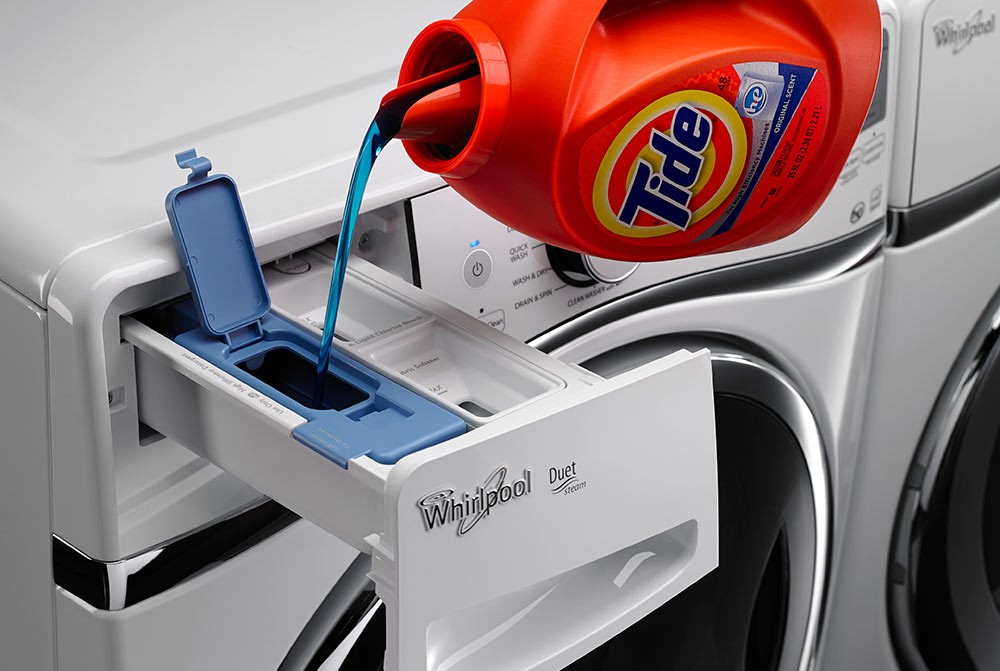
Instead of pouring detergent on your clothes before starting the machine, automatic dispensers release a measured amount of detergent, bleach, or fabric softener at the ideal time during a cycle. Some automatic dispensers can hold months worth of detergent at a time, simplifying laundry day as much as possible.
Automatic Load Sensing
The washer senses the size of loads and fills the tub with the appropriate amount of water. This feature can save money by limiting water usage to only that which is necessary.
Automatic Temperature Control
A washing machine with automatic temperature regulators will make sure that the water entering the machine will be the proper temperature. For example, on a frigid day in Chicago, the water entering a standard washer set to "warm" may not reach the temperature desired. Temperature regulators will add more hot water as needed to make sure the desired temperature is met.
Controls
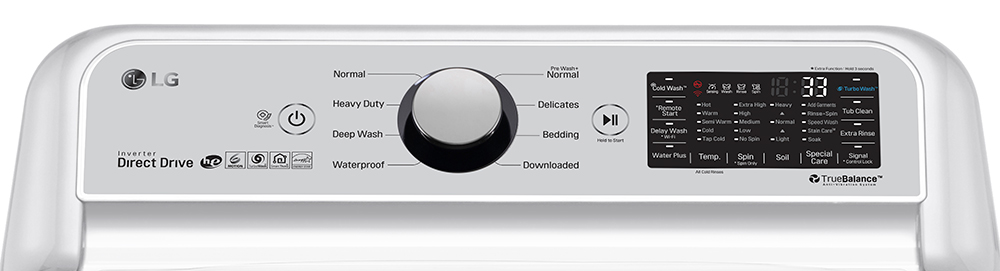
Digital controls and displays will allow you to program different cycle settings. Just program your favorite settings and access them with the push of one button. For an easier wash process, choose a machine with a dial or push buttons.
Cycles
Many high-end washers have a dozen wash cycles or more. Most are a combination of water temperature, cycle length, and spin speed. While it's convenient to have a cycle for every kind of load you might wash, the lack thereof isn't crippling. Here's a rundown of some of the most popular cycles.
- Bulky/Sheets/Heavy - Soak in Warm or Hot Water, Medium Spin, Longer Cycle
- Ideal for preventing loads from becoming unbalanced, the bulky cycle starts by soaking your laundry. This soak allows water and detergent to penetrate the fabric fully.
- Delicates/Hand Wash - Cold Water, Slow Spin, Short Cycle
- When washing items like lingerie, sweaters, or workout clothes, the delicate cycle is a good option. The gentle spin and short cycle length prevents undue wear and tear on your clothes.
- Normal - Any Temp Water, Fast Spin, Long Cycle
- Good for cotton, jeans, and durable synthetics, the normal cycle is actually one of the more intense options on most washers.
- Permanent Press - Warm Water, Medium Spin, Medium Cycle
- A combination of the Normal and Delicate cycles, the permanent press cycle is perfect for items that wrinkle easily like dress shirts and pants. A fast-spinning wash cycle is followed by a slow spin cycle.
- Quick Wash - Any Temp Water, Fast Spin, Short Cycle
- Used for smaller, lightly soiled loads, the quick wash cycle uses a fast spin speed and short cycle to get your clothes ready in a rush. When using the quick cycle, use half the normal amount of detergent to prevent residue from clinging to your clothes.
- Steam - Hot water, Fast Spin
- The steam functions on a washer are used to either sanitize your clothes or give them a quick refresh. The steam sanitize function kills bacteria and allergens by raising the temp to 140° or more. The steam refresh uses lower temperatures to help remove wrinkles and odors from your clothes.
Energy Star Certification
The Energy Star label - awarded by the U.S. Department of Energy and the Environmental Protection Agency - indicates that a washing machine uses 35 percent to 50 percent less water and 50 percent less energy than a non-labeled machine. Washers with an ENERGY STAR label are guaranteed to be energy efficient, saving you money over the life of the machine.
Extra Rinse
Helpful for front-loaders and high-efficiency top-loaders, the extra rinse option lets you wash away excess detergent residue that can cling to fabrics. Individuals with sensitive skin find this option especially important.
Smart Functionality
More and more appliances are adding smart functionality to give you more control from afar. Smart washers let you monitor or adjust cycles from your mobile device, or even via a digital assistant like Amazon Alexa Google Assistant. Some can even delay cycles until utility rates drop at off-peak hours.
Tub/Drum Material
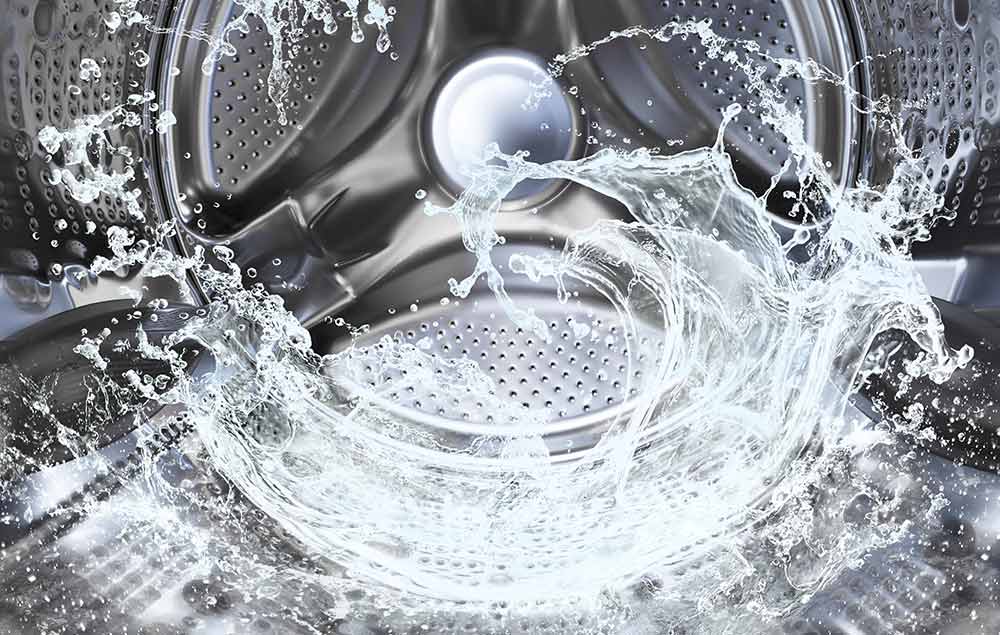
Most washing machine drums are either stainless steel, plastic, or porcelain-coated steel. Stainless steel is the most durable of these materials and will last the life of the washer without issue. Plastic tubs should also last the life of the machine. But, like porcelain-coated tubs, plastic ones are porous. Thus, both are susceptible to absorbing stains and odors over time.
Porcelain-coated tubs also run the risk of small chips in their enamel. Metal buttons and zippers have the potential to wear away the coating of these tubs. Over time, chips in the porcelain can lead to rust which can stain clothes.
Accessories

High Efficiency Detergent
High Efficiency (HE) detergent - Most modern washing machines do their best to conserve both water and electricity. The most effective of these are considered High Efficiency (HE) Washers. Because these machines use less water than a traditional washer, they also require a different kind of detergent (high efficiency detergent) that can effectively clean your clothes and rinse away using only the limited water that a HE washer requires.
Using regular detergent in a HE washing machine can create excess suds that don't have the opportunity to disperse in a normal cycle. By using HE detergents that are designed to create minimal suds and quickly wash away, you'll be sure to get the most out of your HE washer every time. To identify high efficiency products, look for the (usually) blue and white h-e logo. Learn the difference between a high efficiency washer vs. a regular washer with our helpful guide.
Pedestals
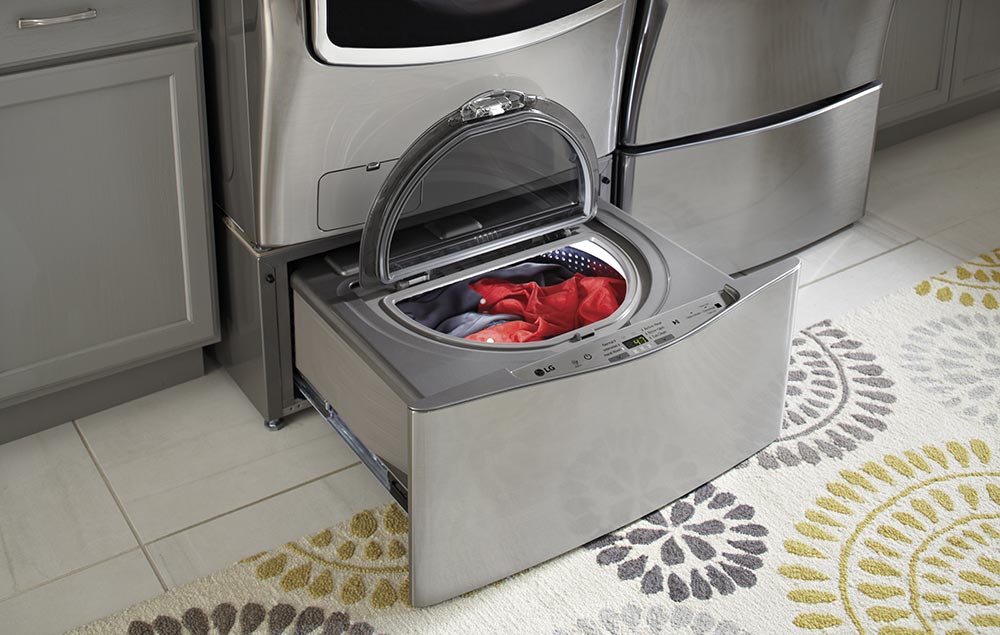
Raising your washer off the ground a few extra inches can make it much easier to load or unload. Laundry pedestals are a great way to keep your clothes within reach, especially for shorter individuals. Plus, the pedestals often work as a storage drawer or even an additional washtub.
Additional Wash Tubs
For families that go through a ton of laundry or for folks that like to wash a couple of items at a time, additional wash tubs can provide a great addition to the laundry room. These accessories rest above or below the washer and work independently to wash small loads. Additional wash tubs can clean workout clothes before their smell has time to set, or handle a few delicates while the washer tackles a full normal load. These useful add ons are only available with certain brands and models. So if you're not sure if an additional wash tub is right for you but want to keep your options open, make sure the washer you choose is compatible.
Stacking Kits
If you like the idea of a laundry center/stacked washer dryer, but don't want to sacrifice capacity or functionality, consider a stacking kit. You can install a compatible dryer above most front-load washers with an inexpensive stacking kit. Stackable washers and dryers are the best way to save space while enjoying the benefits of a standard size washing machine.
Washing Machine FAQs
Still curious about washing machines? That's why we've answered all your most popular questions about these cleaning appliances below, so keep reading and upgrade your laundry room today.
How much water does a washing machine use?
According to ENERGY STAR, your average washing machine uses about 20 gallons of water for every load. This number can fluctuate, though, based on the type of washer, the rinse setting, the age of the machine, the load size and more. If you're interested in reducing the water use in your household, you can browse our Energy Star Center for an ENERGY STAR-rated model, which only uses about 14 gallons per load. ENERGY STAR-rated appliances are designed to be energy efficient and eco-friendly.
What is the best washing machine?
There isn't a single washing machine model that we can say is the absolute best among the rest. The best washing machine for you is one that can handle all types of loads with efficiency. Ask yourself "How much laundry do I do every single week? How deep of a cleaning do I need for my clothing, sheets, towels and more?". The answers to questions like these will give you a better idea of what you're seeking in an appliance so you can take the best machine home for you and your lifestyle. For more pointed recommendations, check out our best washers and dryers of 2024.
How long does a washing machine last?
The longevity of your washing machine relies on various details, including the brand, the type of machine and how frequently you use it. That being said, with proper maintenance and upkeep, the average washing machine can perform for 10 to 13 years.
What is the best brand of washing machine?
There is no "best brand" of washing machine, much like there is no best washing machine model. The best brand for you depends on the specific cleaning functions and features you need daily or weekly. However, we can say that two of the top dishwasher brands available at Abt are LG and GE, as they both engineer powerful cleaners that are bound to satisfy almost any household.
What brand of washing machine is the most reliable?
As stated in the answer above, we cannot definitely choose a brand that is "most reliable", but LG and GE models are a great place to start, as they're some of the top choices among Abt customers.
Is there a washing machine and dryer in one?
Yes, it is possible to find a washing machine and dryer all in one. These are called washer-dryer combo units. We have several available at Abt for those seeking a versatile cleaning appliance.
Can you stack a washing machine on top of a dryer?
Yes, it is possible to stack a washing machine on top of a dryer. In fact, we have over 50 stacked washer-dryer units available at Abt for those interested in saving space in their laundry room.
In Summary
Purchasing a new washing machine may seem overwhelming, but it's not just about the best brand—it is also about the best fit for your family. Consider the washer size, capacity, features and options that make the most sense for your household. Whatever type of washing machine you choose, make sure it's tailored to your needs and remember that there is no right or wrong decision. It's all about what works best for you.
If you're also planning to upgrade your dryer, check out our Dryer Buying Guide. And if you have any questions, please reach out to one of our experts at 800-860-3577 so we can help you find the best washer for your needs.