THE OFFICIAL BLOG OF ABT


Which Outdoor TV Is Right for You?
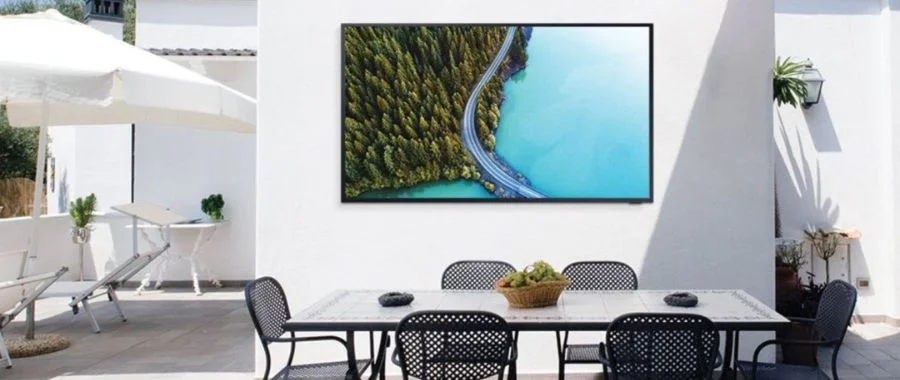

Outdoor TVs are a top trend of the summer, and they've got the staying power to last through fall, winter and spring. But how do you know which outdoor TV is the right pick for you and your home? We'll dive deep into all the ways you can enjoy watching your favorite shows, movies, sports and even play video games when you're outside. But keep a few practical aspects in mind when it comes to making that final decision, like what you need out of your outdoor TV and where it should live.
Full Shade, Full Sun & Everything in Between
If you've ever watched a TV show in a room with a bright light aimed at the screen, you'll know that glare can interrupt anything you watch. Now imagine that the bright light is the sun. That's what some outdoor TVs are competing with. That's why it's important to choose the right sunlight level for your space. Consider where you might be placing your screen. Will it be in front of your pool, where most of the day's sunlight hits the backing wall? You'll need extra brightness on your screen to stand up to that sunlight. Or maybe it's under a porch that's in the shade for the majority of the time. For that, you won't need extra brightness. In fact, it'll probably interfere with your viewing experience. You'll need a full-shade model, a different kind of outdoor TV (or a partial-shade setting for a space that's in between).
How Large Should My Outdoor TV Be?
Whether you've got a massive yard, a classic patio or a condo balcony, you don't need to assume that you'll be watching TV across your entire property. It's more likely that you'll be sitting or lounging in one particular area, whether you're using a patio sectional, a backyard kitchen or something similar. It's important to configure your outdoor furniture before you proceed with choosing the size of your television.
Next, measure how far away your seating or watching area will be from where you'll place the television. A good rule of thumb is to double the size of the TV (which is measured on the diagonal). Our TV buying guide has a specific calculator to use: just enter your distance and you'll receive a recommended TV size. These are recommendations, so if you feel like you may like a slightly larger or smaller screen, go with your preferences.
4K, QLED, HDR...What Does It Mean, and What Do I Need?
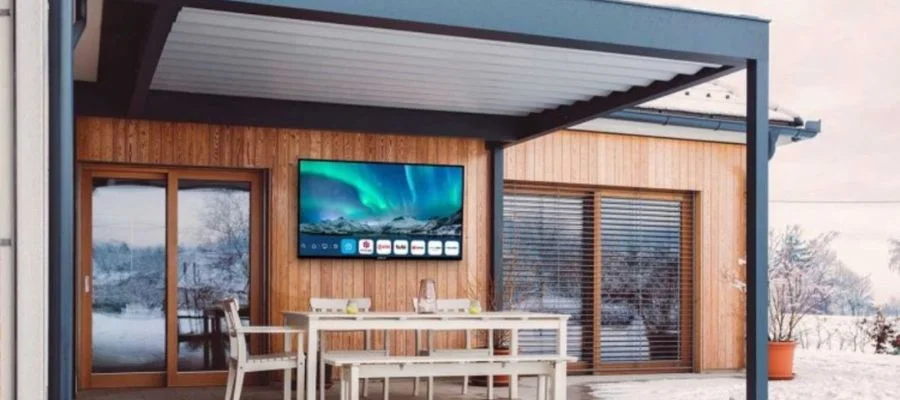
If you're new to TV shopping, the names of some of these outdoor TVs and their features can seem difficult to decode. But it's rare that you'll find a model that doesn't sport a 4K, or UHD (ultra HD) screen. With sharper definition than an HD screen, these outdoor TVs make every scene look its best. The internal processor upgrades quality as you watch, sharpening lines in real-time.
Next, we have HDR, or High Dynamic Range. HDR allows a TV to bring a much wider array of colors to what you're watching for a more vibrant viewing experience. There are a few different versions of HDR, meaning that they're not all the same. If having a vibrant expanse of color available to you is critical, explore screens with HDR, Dolby Vision and beyond.
Finally, there's the way the outdoor TV itself is illuminated. You may have heard of LED, QLED and LCD TVs before. These acronyms all describe the way the TV is lit from behind. To learn more about these, dive deeper into our TV buying guide. But if you're looking for a quick run-down: LCD TVs use liquid crystal displays, and are some of the older (and more affordable) options on the market. LED TVs use LCD technology and are lit by light-emitting diodes. QLED tech is designed for a complete upgrade in brightness (just one reason why QLED technology is popular for outdoor TVs). The bottom line: if you're looking for a truly bright TV, you'll want to choose an LED or even a QLED screen.
How Weatherproof Are They?
When you hear about outdoor-rated electronics, you may expect them to be strong enough to handle any kind of weather. It's true that outdoor TVs are sturdy and often boast weather resistance and an impressive IP rating, but they can't stand up to everything. That's why it's important to make sure you use the included TV covers. These can help protect from weather like rain and snow, along with dust and more. These are investments, so if you're not watching yours at the moment, you should cover it.
Don't Forget Your Speakers!
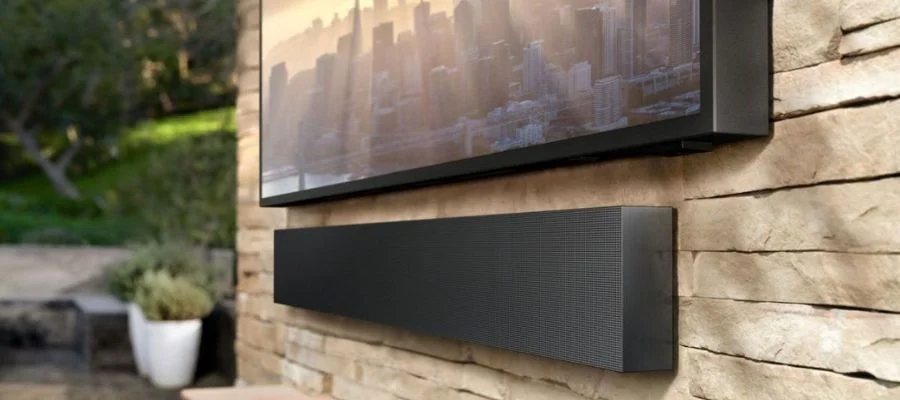
So you know how bright your screen should be and its size what other aspects should you consider when choosing an outdoor TV? Accessories like outdoor speakers are a must, and will help project audio all across your space. That makes outdoor speakers perfect for those who love sports and love to hear them at high volumes all across the yard. Opt between choices like outdoor soundbars and proper speakers, and make sure they're weatherproof and positioned properly, too.
Hoping for a more in-depth guide to everything you should know about outdoor TVs? Explore Abt's article on buying outdoor TVs. Here, we discuss everything from mounting a screen to connecting to Wi-Fi. And if you have further questions, our team of specialists can help. Call us at 800-860-3577 for expert help and we can match you with the perfect TV for your space.


