Counter-Depth Refrigerator Pros and Cons

What Are Counter-Depth Refrigerators?
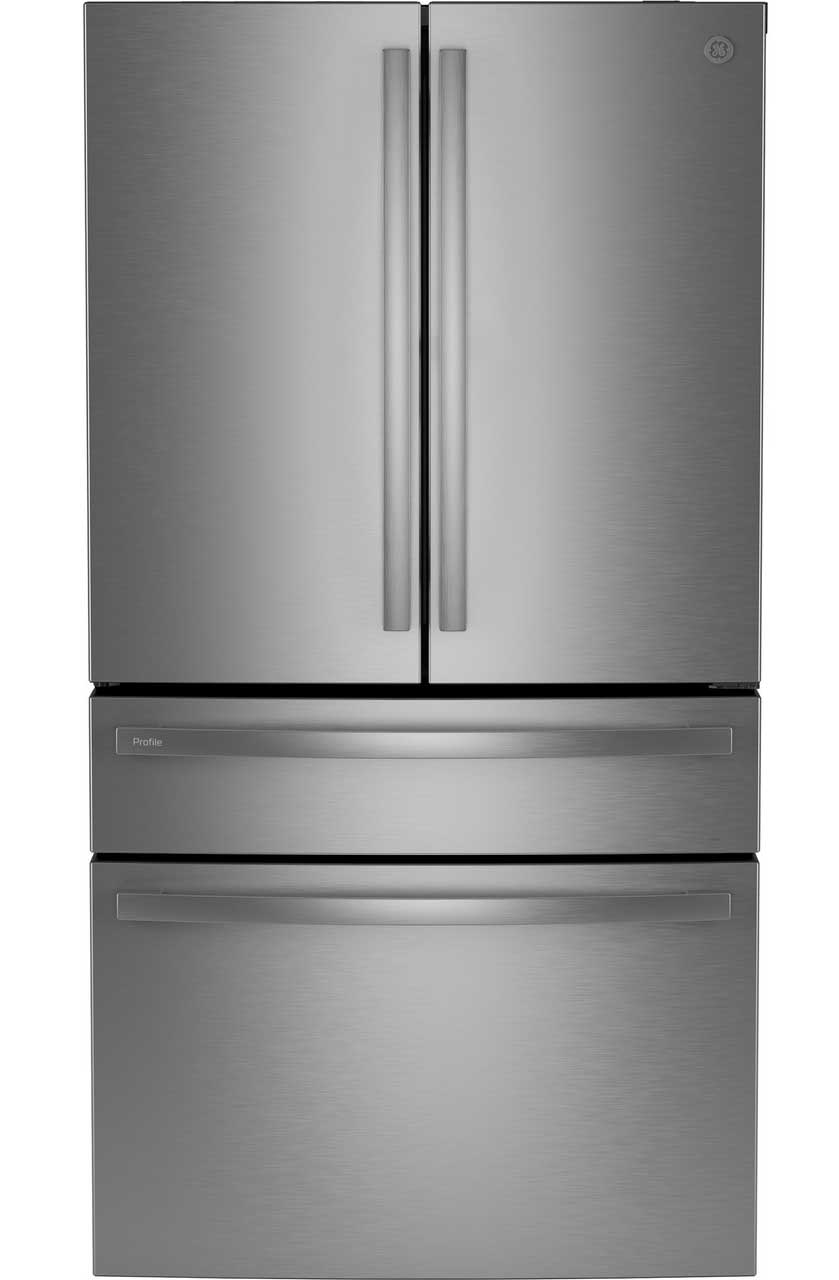
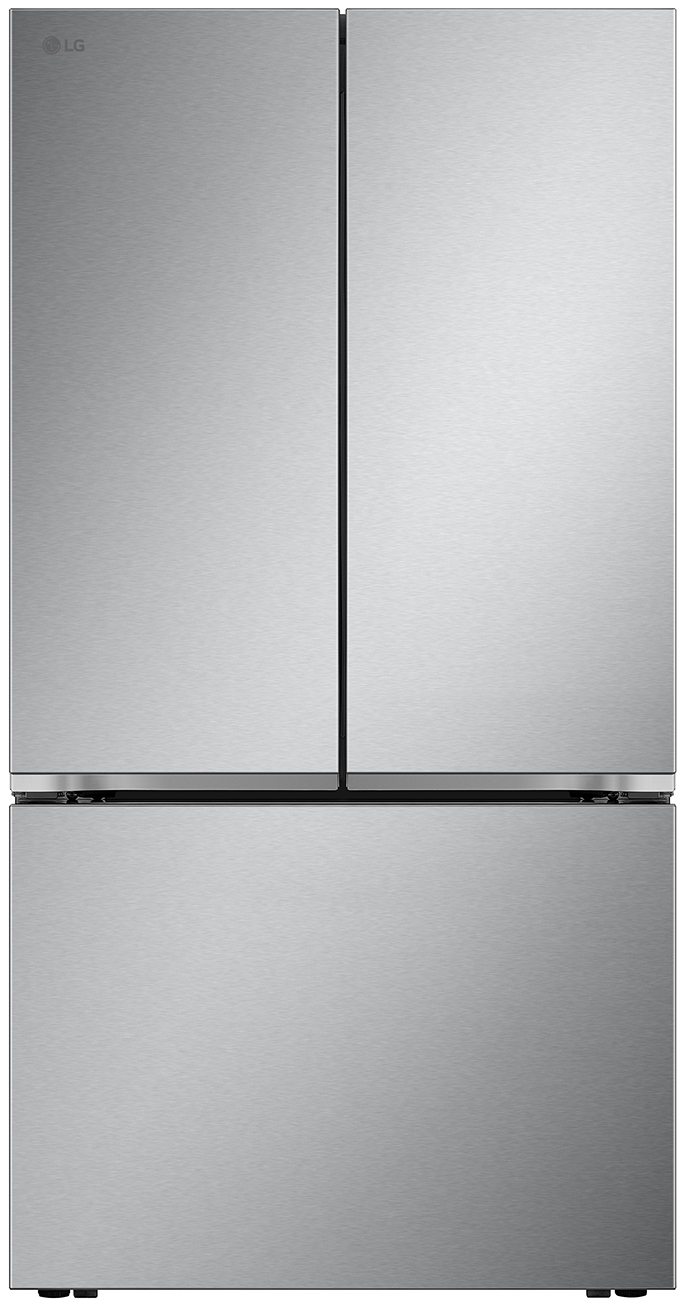
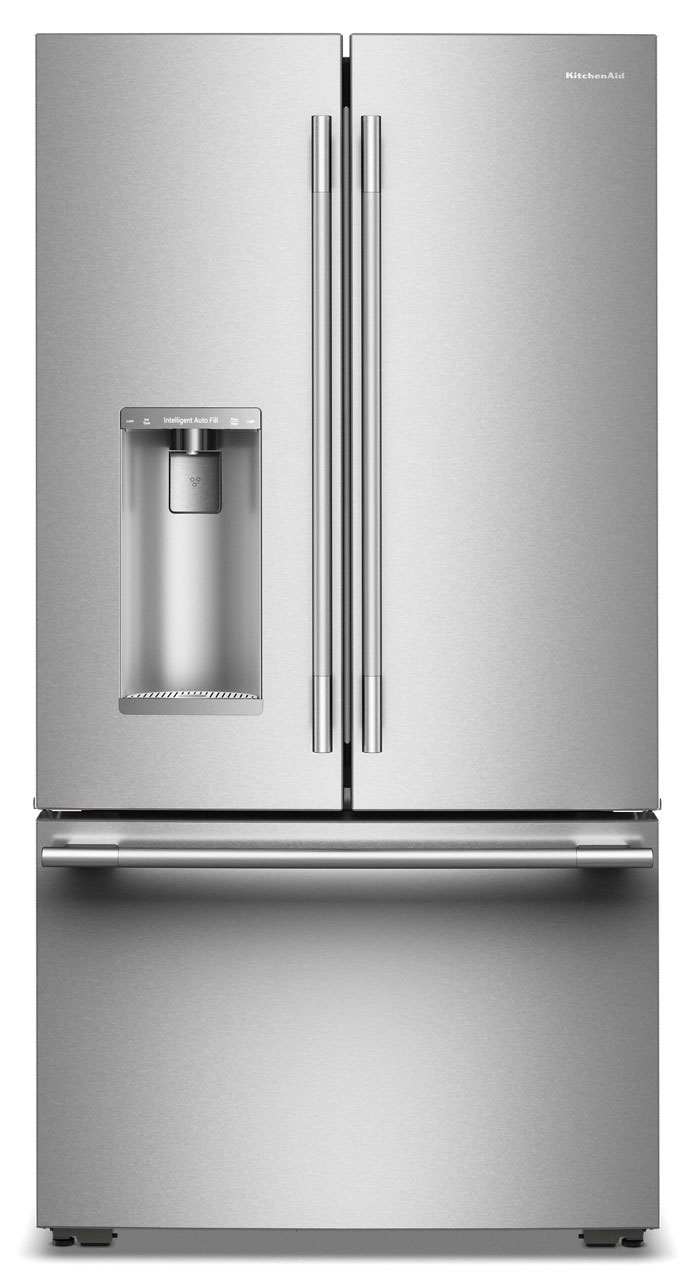
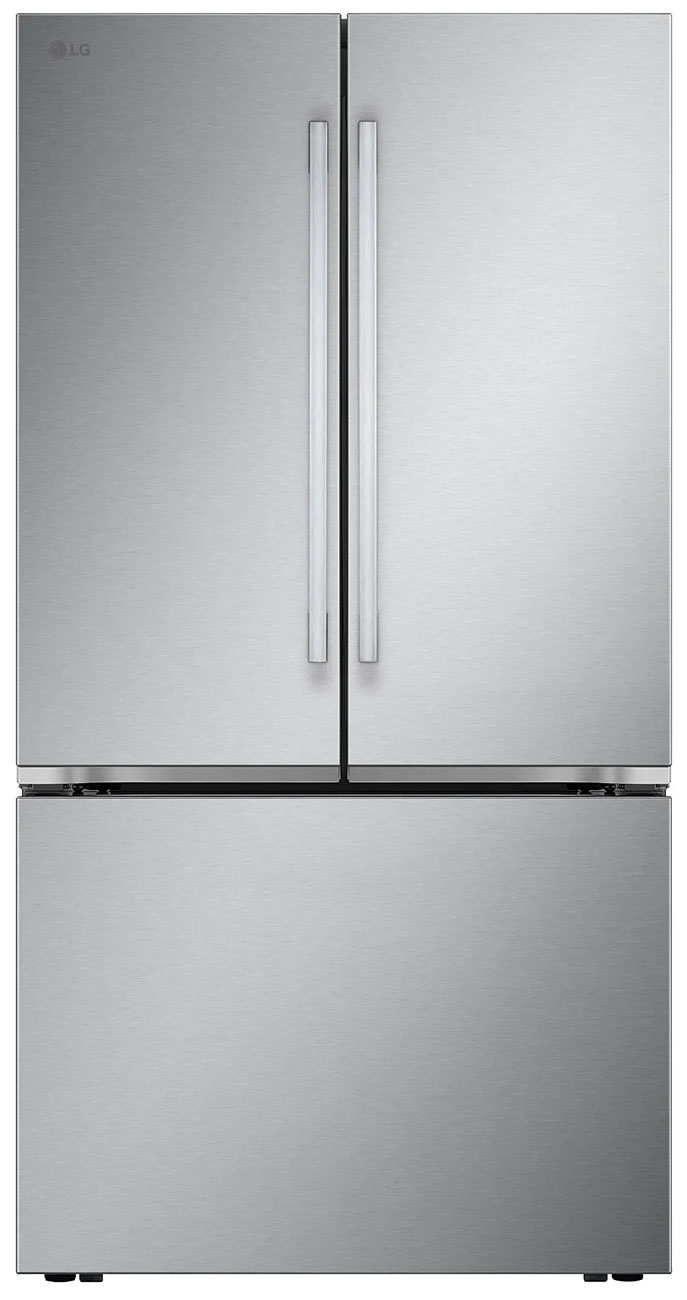
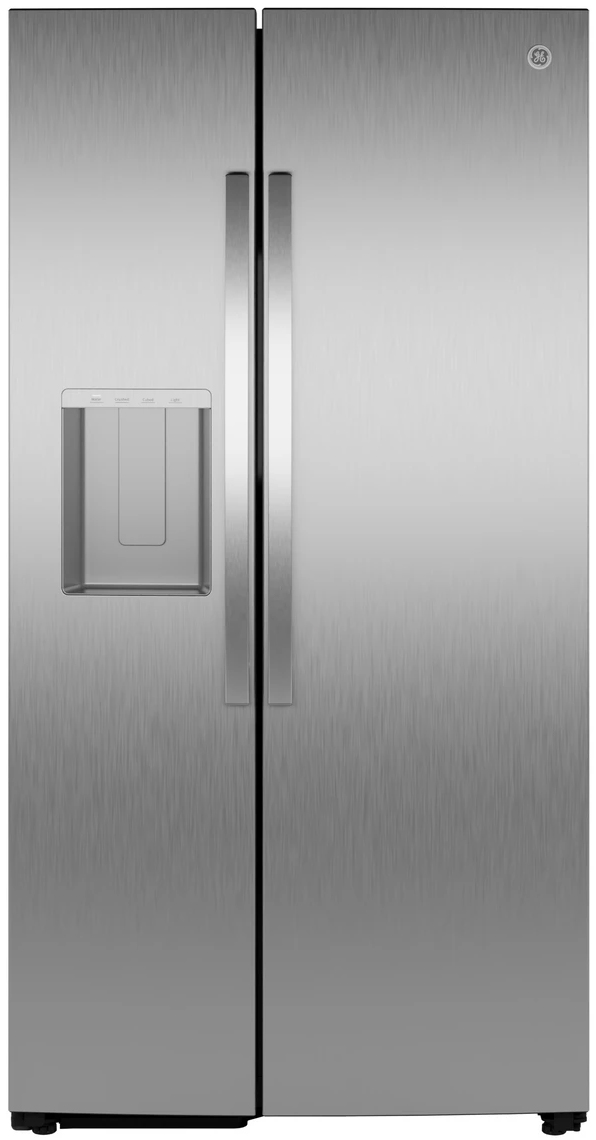
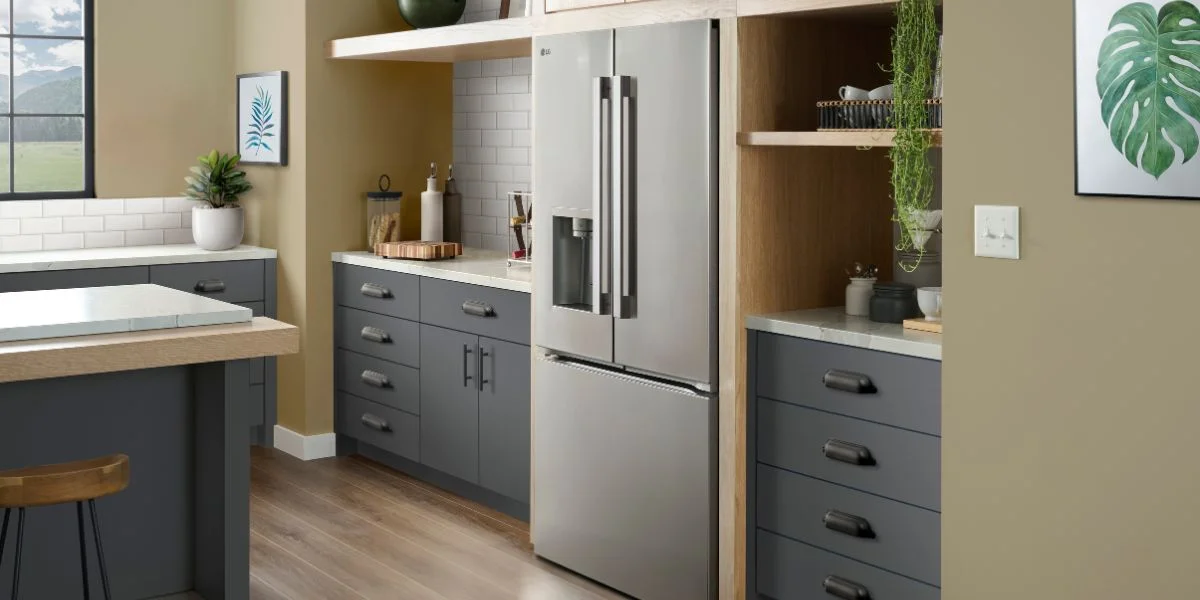
Before we dive into counter-depth refrigerator pros and cons, let's go over the definition of what these appliances are and how they're different from their standard-depth siblings. Counter-depth refrigerators are similar to built-in versions (even slimmer refrigerators that are professionally built into your walls and cabinetry) for a freestanding yet near-seamless design. At just 24-32 inches deep, there's no jutting out, and counter-depth refrigerators rarely feel too big for your space, even in extra-small kitchens. They blend seamlessly into rooms and can fit well into nearly any home. Even better, they can be installed with ease. The main con, which we'll dive deeper into below when we discuss counter-depth refrigerator pros and cons, is the loss of food storage space.
With less depth comes a smaller interior; you'll have less room to store your food, even with help from storage solutions like stacked bins and drawers. One of the largest concerns people have when considering the pros and cons of a counter-depth refrigerator is the trade-off between style and food storage space. A standard-depth refrigerator tends to be 30-36 inches deep vs. the 24- to 32-inch depth of a counter-depth model. That being said, you can still find models that offer the right balance and bring you exactly what you need. Below, we'll go over the counter-depth refrigerator pros and cons, from space to pricing and beyond.

Pros of Counter-Depth Refrigerators
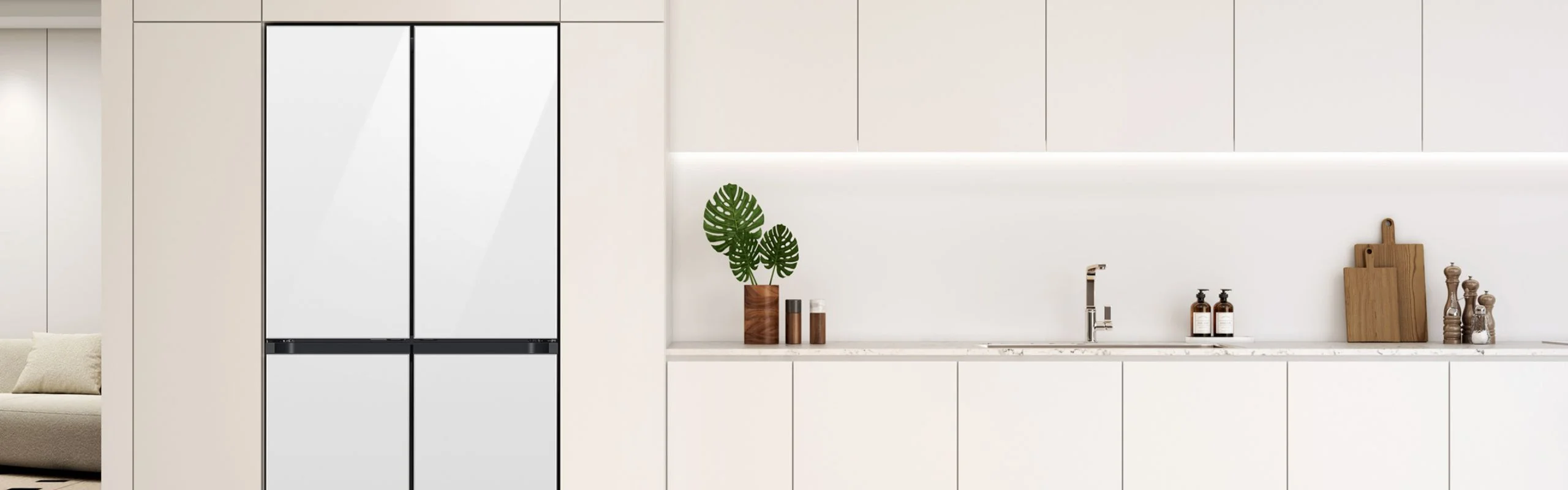
- A Modern, Luxe & Minimalist Look: Almost everyone loves the way counter-depth refrigerators look, even if they don't end up choosing them. These refrigerators are sleek, bring a clean look to the kitchen and tend to be more aesthetically pleasing thanks to that nearly-flush look. Whether you choose stainless steel, a colorful finish, a panel-ready model or something different, that flush aspect can make a kitchen look its best.
- Extra Kitchen Space: This item of our counter-depth refrigerator pros and cons list is bittersweet, but less room inside the refrigerator means you have extra room in your kitchen. Your floor space looks bigger and more breathable, and it's easier to move around in. There's less worry about bumping into appliances, too, especially if you have little ones who are still learning to walk or crawl.
- A Wider Interior: Counter-depth refrigerators often make up for a shallow depth with a greater width, allowing extra room for party platters, cakes, leftovers and more. It's a different way to format your refrigerator, and it's one of the true pros in our collection of counter-depth refrigerator pros and cons.
- Foods Are Easy To Find: Thanks to the shallow depth of these refrigerators, it's hard to lose track of foods that might get lost in a larger appliance. That means less food waste ... and you'll have no trouble finding the ingredients you're looking for in a pinch.
Cons of Counter-Depth Refrigerators
- The Cost: One of the common drawbacks when it comes to the counter-depth refrigerator pros and cons? These refrigerators often cost more than their standard-depth counterparts. You're paying for the premium, built-in look and a different, more complex design than you'd normally find.
- Smaller Storage Capacity: This is the big one. You'll have less room to store your groceries, from fresh fruits and vegetables to proteins and beverages. Some models can make up for the shallower depth with a greater width. That being said, you may need to make more room in your kitchen for that greater width if you previously had a cutout for a standard refrigerator. Counter-depth refrigerators often have 20-24 cubic feet of space, while standard-depth models have 22-30 cubic feet of space. As a general rule, you'll want to budget for 5 cubic feet of food storage for each adult in the home. That makes counter-depth refrigerators best for a household of four adults, depending on your shopping and cooking habits.
- (Slightly) Fewer Options To Choose From: Finding a refrigerator that fits your desired interior space, color and style can be difficult. That being said, you can find counter-depth refrigerators in nearly any style, from French door versions to bottom mount and beyond.
Find Your Counter-Depth Refrigerator at Abt
Loved by interior designers and homeowners alike, counter-depth refrigerators are made for anyone. Our counter-depth refrigerator guide will help you decide if they're the right choice for you, your home and your needs, though. If you have a larger household with lots of kids, have extra-large grocery hauls or just know that you'll need more space, maybe this isn't the right appliance for your home. But if you love the idea of a freestanding refrigerator that gives you a luxe look thanks to its flush design and you'll enjoy that extra kitchen space, then you're in the right place. While they can be expensive, you can find budget-friendly picks here at Abt. Order yours online or reach out to our specialists at 800-860-3577 if you have any questions. Hoping to learn more about how standard-depth models compare? Check out our guide to the difference between counter-depth refrigerators and standard models.
Counter-Depth Refrigerator Pros and Cons FAQs
-
Counter-depth refrigerators are shallower than standard models, fitting flush with classic kitchen countertops.
-
Classic counter-depth refrigerator depths vary between 24-32 inches deep.
-
You're often paying for the premium style and a built-in look, as well as a more complex design than you'd find in a classic standard-depth model.
-
That depends on what you're looking for in an appliance. If premium style is at the top of your list, then absolutely. If the higher price and potentially smaller storage space aren't for you, a standard-depth model is the right choice instead.
-
For many, yes. 20-24 cubic feet of space is large enough for a family of four or even five. But if you have a large family or cook a lot, you may need a bigger refrigerator.