Updraft vs. Downdraft Ventilation Systems

The Importance of Proper Kitchen Ventilation
Whether you're a culinary expert or a casual chef, you know that any dish prepared on a range, rangetop or cooktop produces heat and steam. When left unchecked, these vapors can damage the walls and cabinets of your kitchen. And they're not the healthiest to breathe in either. That's where ventilation systems come in. These appliances filter out excess steam, smoke, grease and odors before venting the air outside or recirculating it back into the room. Depending on the kitchen's layout, there are two styles to choose from: an updraft or a downdraft. Updrafts, also known as range hoods, draw air up while downdrafts pull air down or to the side. Continue reading to learn about the benefits and drawbacks of each to help you find the best fit for your kitchen.
Updrafts: High-Powered Ventilation
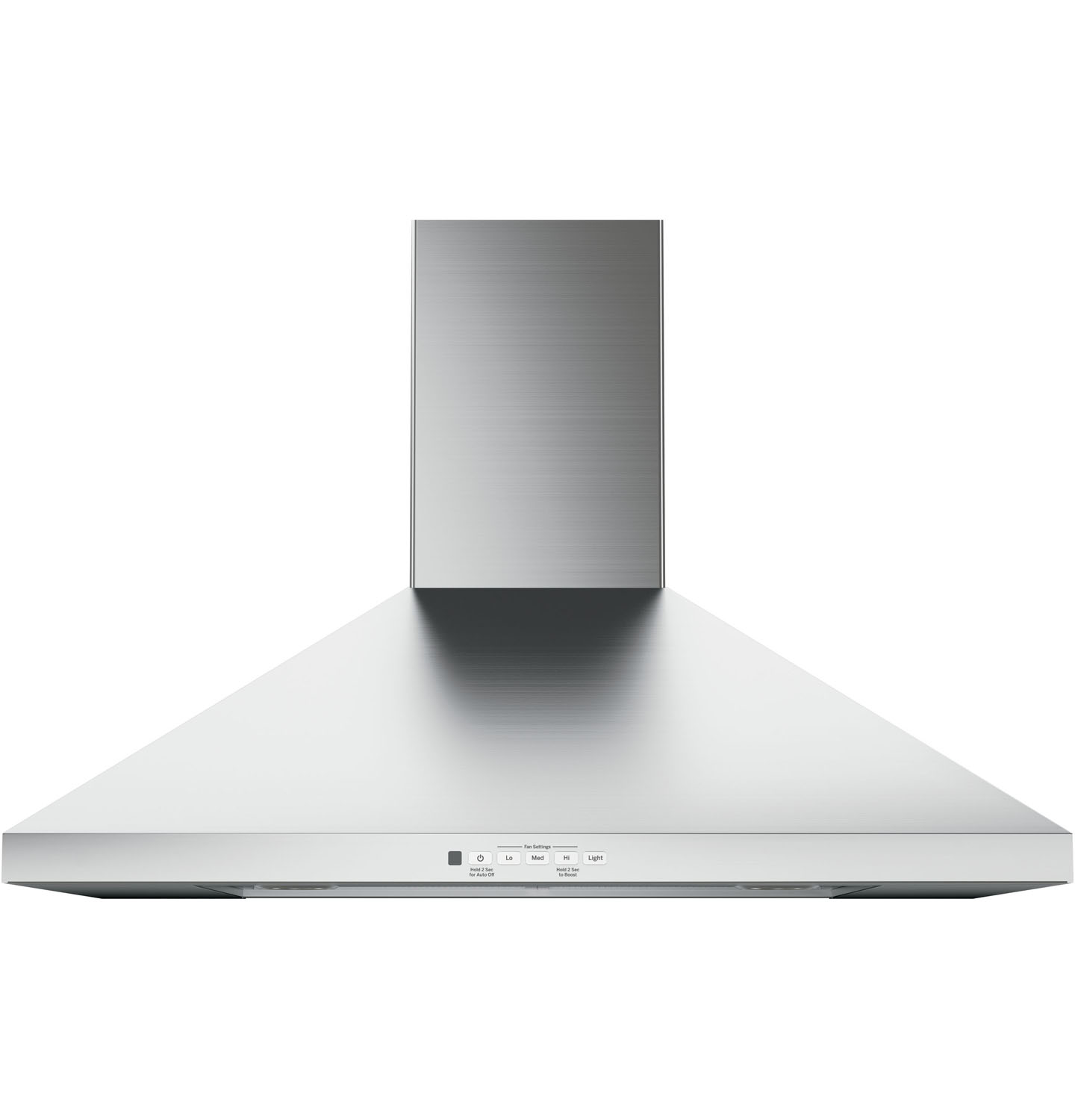
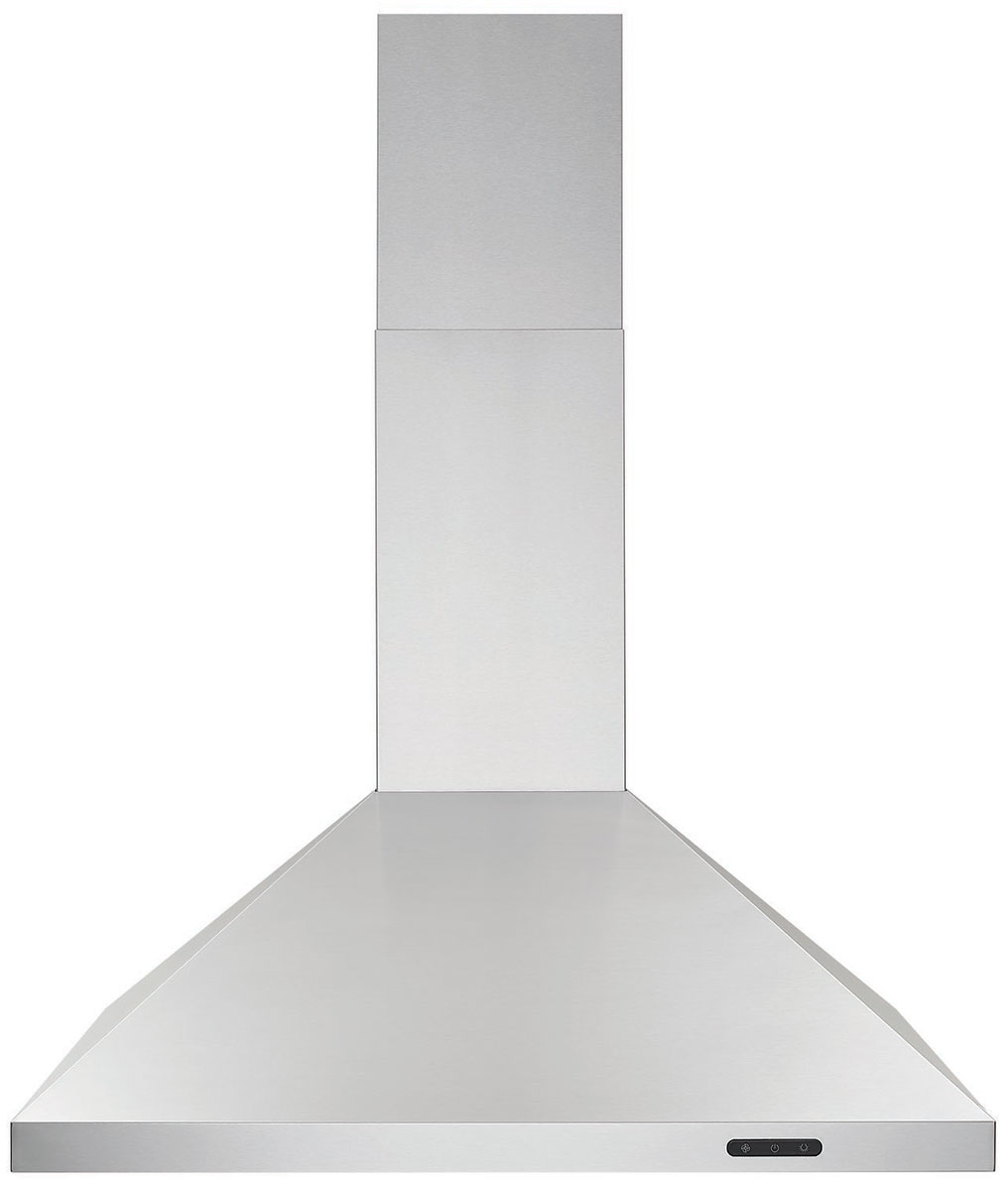
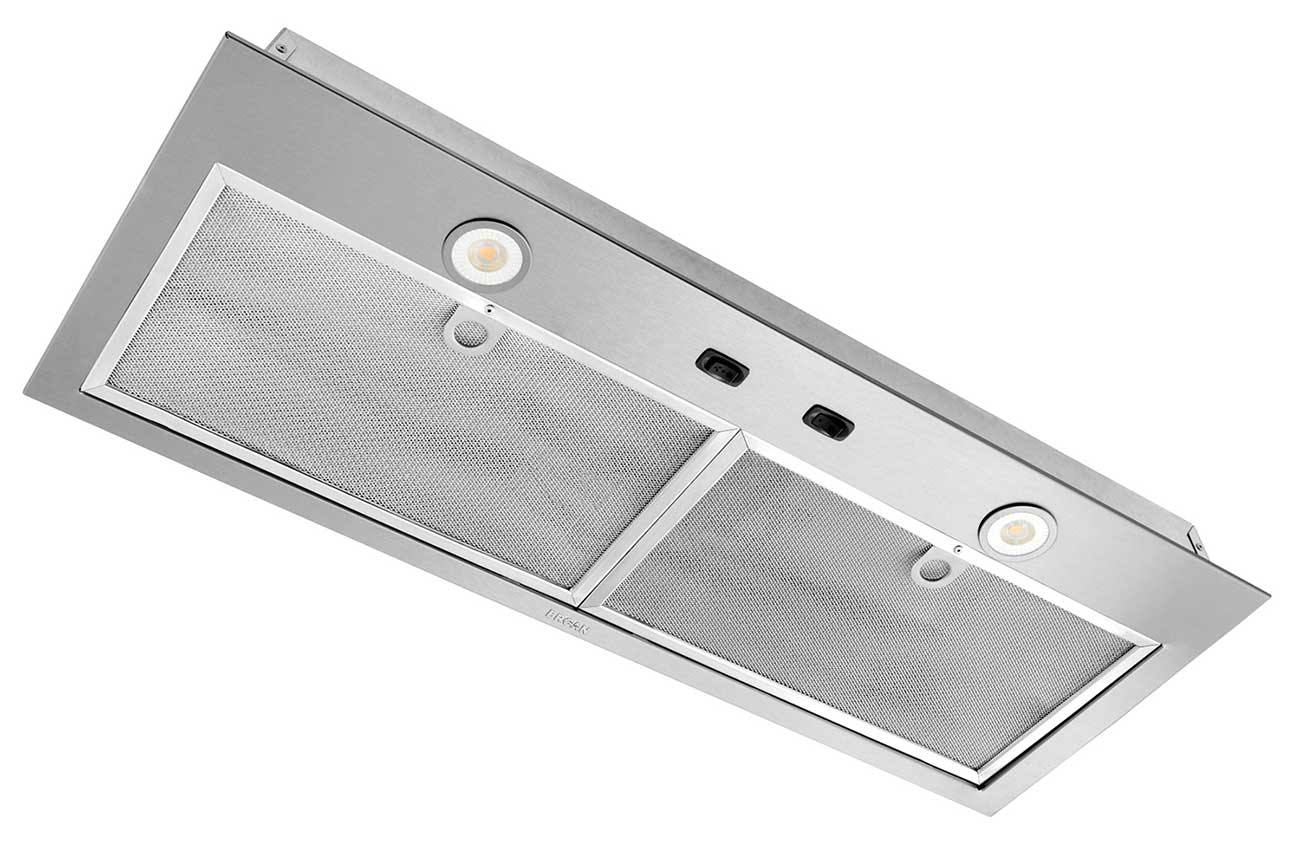
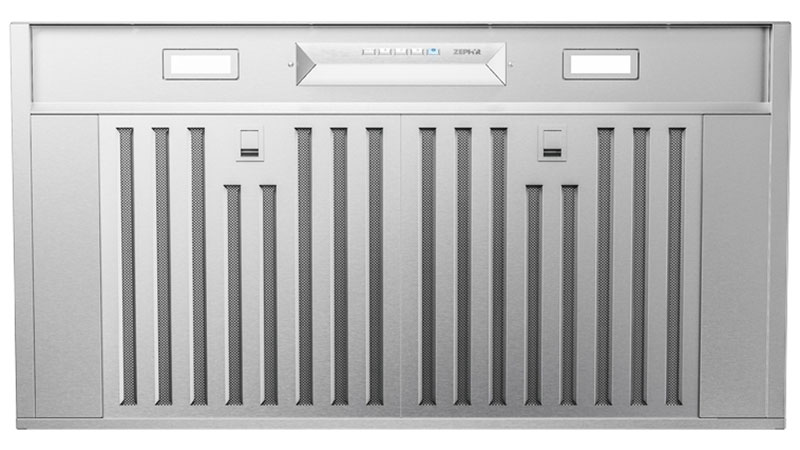
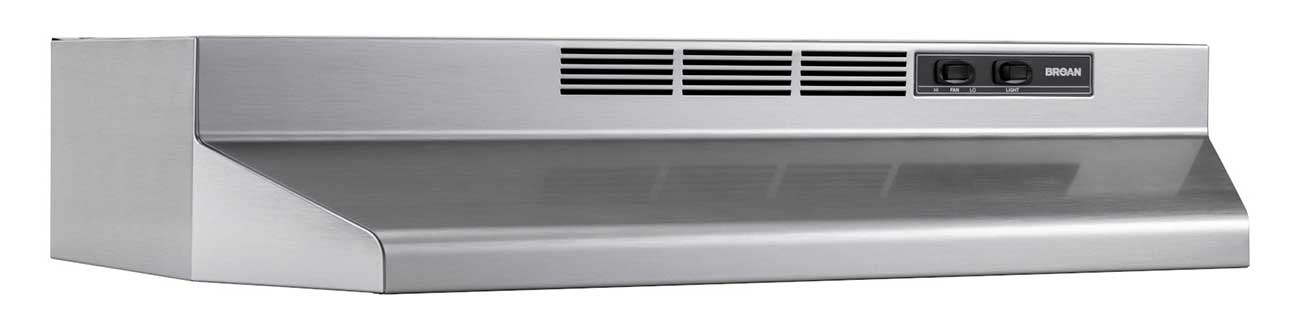
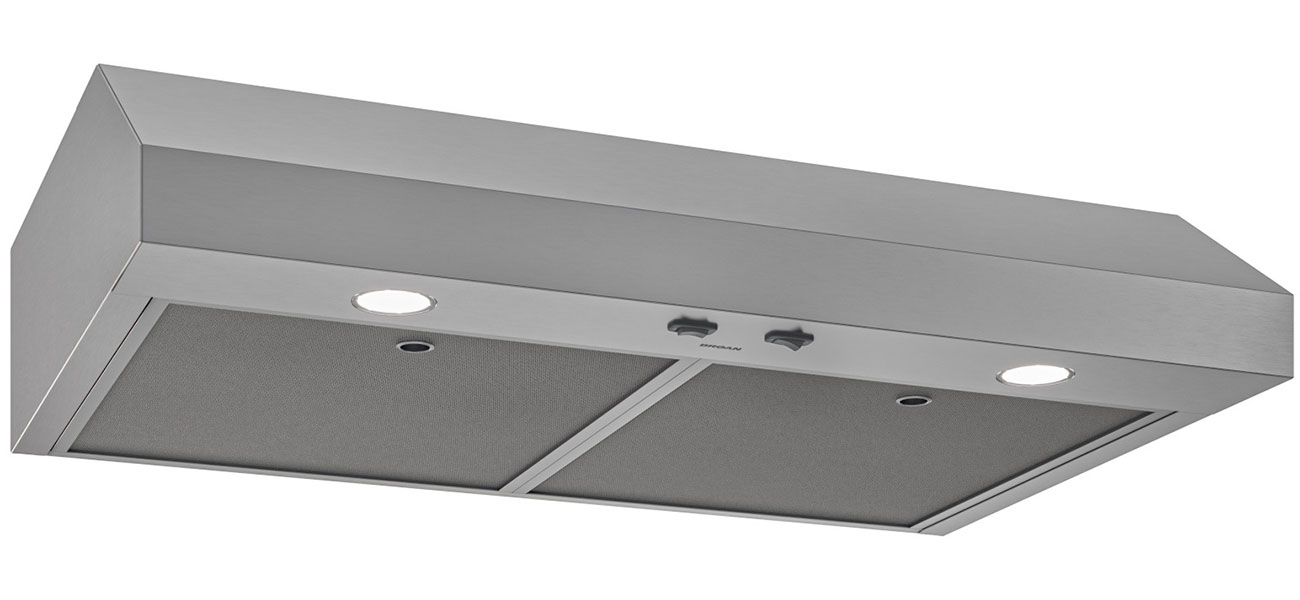
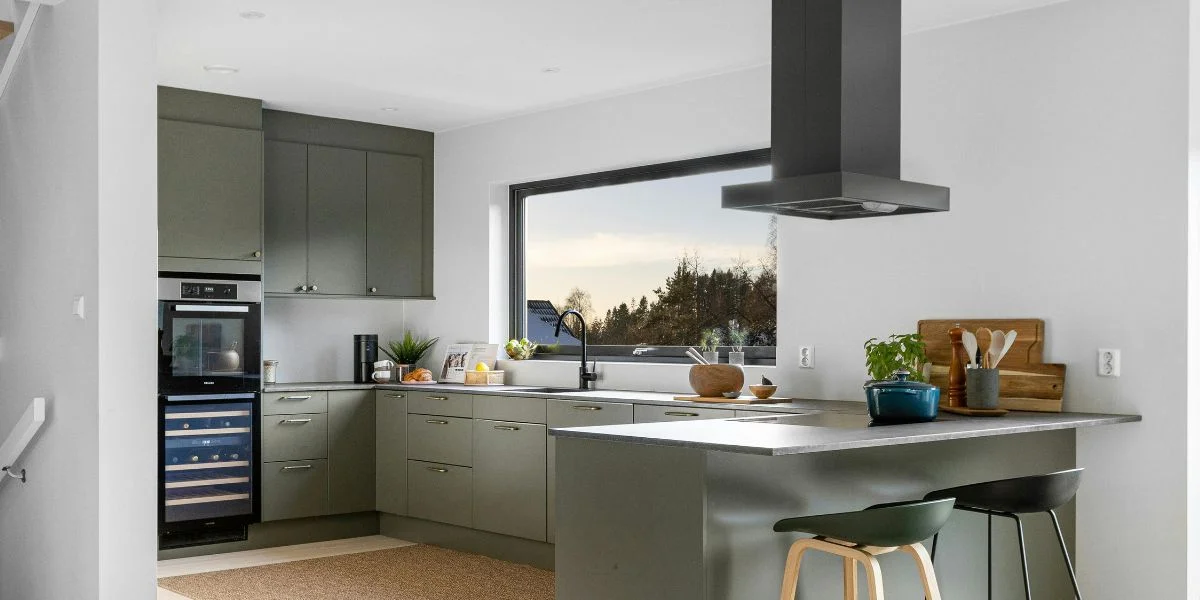
An updraft works with the natural rise of smoke, grease, and other airborne particles created by cooking, efficiently pulling them up and out of your kitchen. Depending on your home's design, there are three ventilation options to choose from: vented, non-vented and convertible. Vented hoods, also known as ducted models, push air outside through your home's ductwork. Non-vented options recirculate the air back into the kitchen after passing it through a charcoal filter. While these options are great for homes without existing ductwork, they aren't as effective. Convertible models can be used with or without ducts.
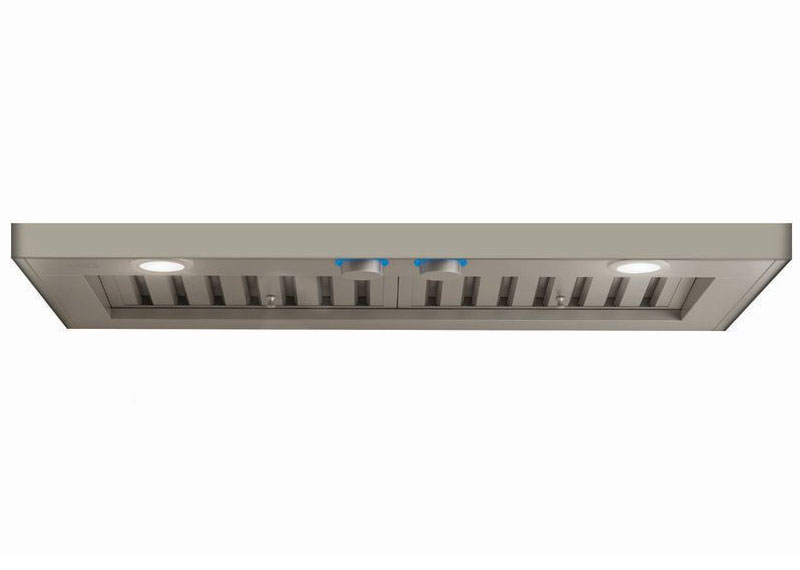
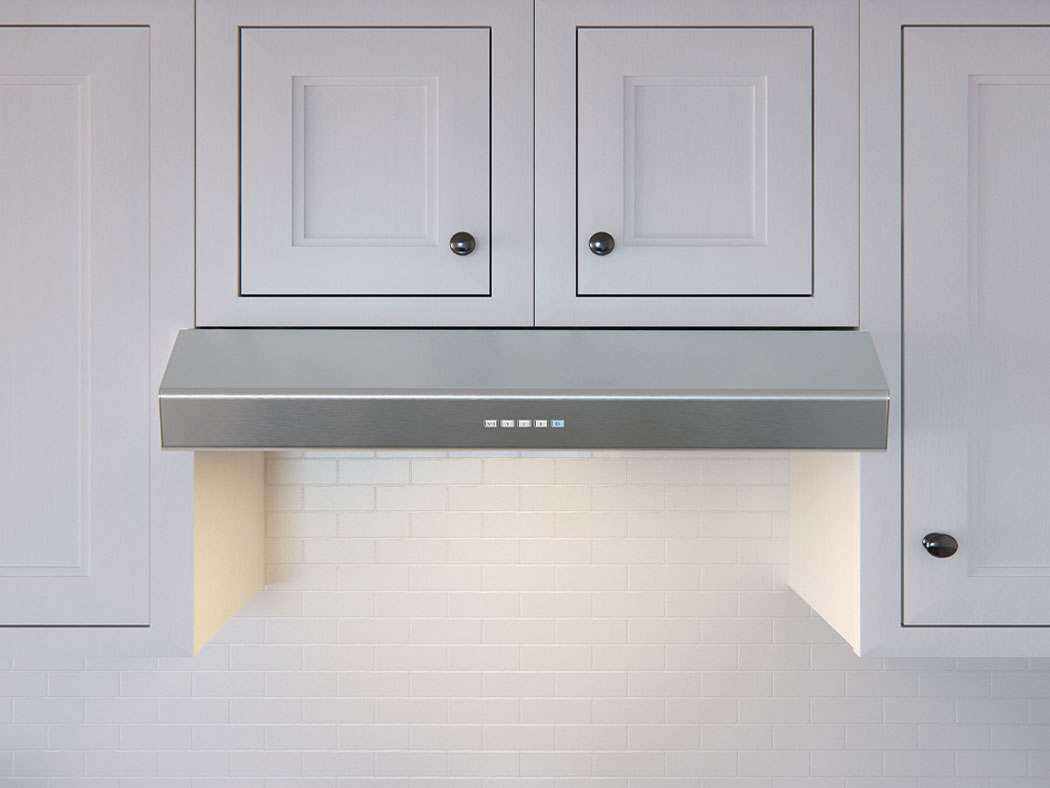
Regardless of which ventilation configuration you choose, an updraft requires overhead clearance, which may be impractical for some kitchen layouts. If you do have the space to spare, you'll need to choose which style you want. Traditionally, there are three main options: canopy, chimney and professional. Canopy-style hoods are more common and are either mounted to the wall, under-cabinet or soffit. Chimney and professional models offer more flexible installation options, as they can also be placed above a kitchen island. Incandescent or halogen lighting may be included with all three styles to help illuminate the cooking space below. Read our buying guide to range hoods for more information on finding the best model.
For smaller spaces, consider an over-the-range microwave. These appliances combine the functionality of a countertop microwave with the abilities of a range hood. An over-the-range model can either recirculate filtered air or vent it out, and often includes additional lighting. However, these models aren't as efficient as a traditional hood and tend to be louder.
The Pros of Updrafts:
- Strong Suction Power
- Best for High-Heat and High Volume Cooking
- Can Double as a Statement Piece
- May Include Integrated Lights
The Drawbacks of Updrafts:
- Not Discreet
- Not Suited for High Ceiling Kitchens
- Reduces Upper Cabinet Space (When Wall Mounted)
Downdrafts: A Low-Profile Venting Solution
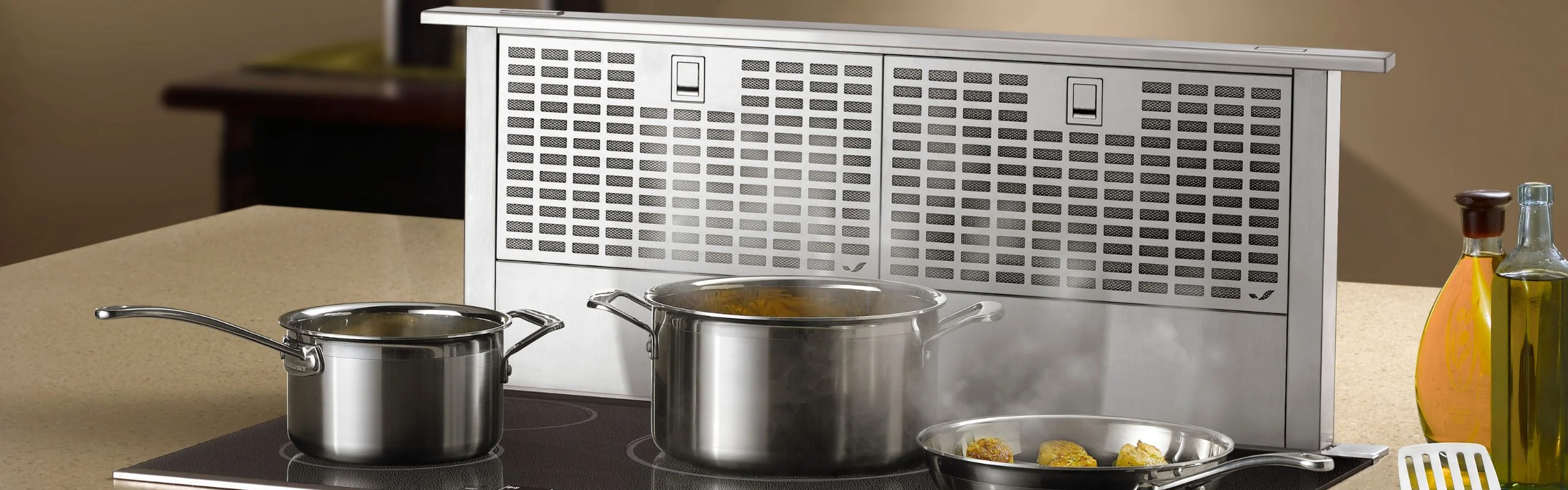
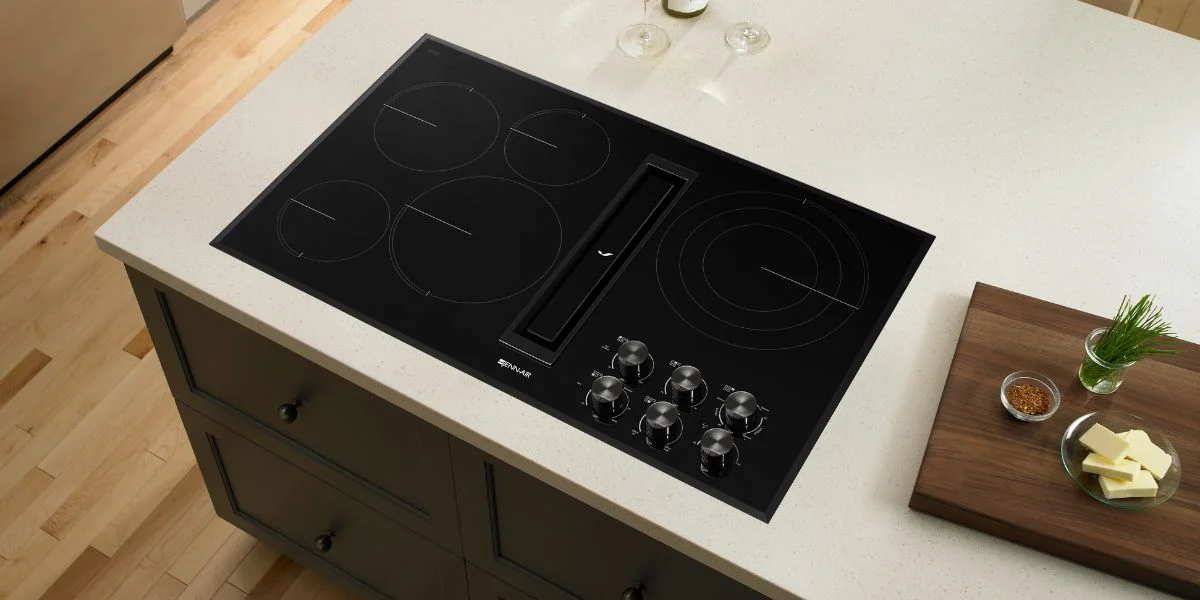
For a more discreet option, you'll want to go with a downdraft. The low-profile appearance comes from its unique installation placement, either on your countertops, island or integrated into the cooktop. Many models have a telescoping design, meaning they pop out when in use. This makes them great options for open concept kitchens or smaller spaces where overhead installation is impractical. Similar to updrafts, both stand-alone and integrated downdrafts vary in their ventilation methods, either venting air outside or recirculating it back into the room.
Though the reserved style is appealing, it does have a few drawbacks. To start, downdrafts often don't have the same suction power as updrafts, so higher speeds are needed to compensate. The lower position and method of downward ventilation mean that some models could struggle with taller cookware or large amounts of smoke and steam. However, if you like to prepare low-steam recipes or cook smaller meals, then downdrafts are a great choice.
The Pros of Downdrafts:
- Offers Discreet Ventilation
- No Over-Head Obstruction
- Great for Open-Concept Kitchens
The Drawbacks of Downdrafts:
- Lower Suction Power
- Less Effective at Filtering
- Could Interfere with Burner Performance
| Updrafts | Downdrafts | |
|---|---|---|
| Performance | Uses higher-suction power but may be a quieter option. | Uses lower suction power but may be louder as high speeds are needed to compensate. |
| Method of Filtering | Draws air upward, following the natural path of smoke, grease, and other airborne particles caused by cooking. | Pulls air down or sideways into vents. May struggle with taller cookware or larger quantities of smoke and steam. |
| Cooking Style | Best for high-volume and high-heat cooking (frying and searing). | Best for low-heat cooking (sauteing and braising) and spaces with minimal odors/smoke. |
| Aesthetics | Requires overhead clearance and ductwork. Often placed under cabinets or mounted above islands. | Installed within the cooktop or on the counter/islandtop. Best for small/tighter spaces where overhead installation is impractical. |
Choosing the Right Fit for Your Kitchen
The decision between an updraft vs. downdraft comes down to your lifestyle. The strong suction power of updrafts follows the natural path as air rises, making them ideal for high-volume, high-heat cooking. Plus, these appliances can double as a statement for your kitchen, especially when installed over an island. Downdrafts are more discreet, pulling air down or to the side. Whether you choose an integrated or stand-alone model, the concealed design makes them a popular choice for open-concept spaces or rooms where overhead installation isn't practical. But remember, the lower position means suction isn't as efficient and could impact your cooktop's performance. Still unsure which ventilation system is best for you? Contact our team of experts at 800-860-3577 to ensure you pick the right model for your home.
Updraft vs. Downdraft FAQs
-
An updraft ventilation system draws smoke, odors and other vapors up from the cooktop or rangetop to filter them out of the kitchen.
-
Downdraft ventilation systems pull air down or sideways to remove excess heat, grease and moisture produced by cooking.
-
Some kitchen ranges come with a built-in downdraft ventilation system.
-
Updrafts tend to be more energy efficient compared to downdrafts.