Getting Started
Originally, fitness trackers did little more than track the number of steps (pedometers). Since then, they've grown immensely and now include such things as GPS tracking for total miles gained, elevation tracking, timers, watches, heart rate monitors and more.
The real benefit of using a fitness tracker is keeping up with your exercise goals. Data makes it far easier to know if you're meeting, exceeding, or underperforming the goals you set for yourself to improve your overall health.
Types of Fitness Trackers
Heart Monitors
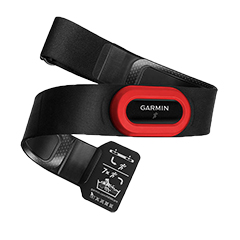 A heart monitor is designed to check your pulse as you complete a workout, measuring an increase in your heart rate. Aerobic activities are defined by those that increase your heart rate, requiring your heart to pump more oxygenated blood to your body. Given your heart is a muscle, you should treat it like one. Aerobic activities give your heart a workout, and over time increases its strength. This also helps lower bad cholesterol and decreases your chances of getting heart disease.
Heart rate monitors help inform you when you've reached your doctor-recommended aerobic exercise level, while also helping you track the length of time you've engaged in said level. 30 minutes of sustained aerobic exercise 3-4 times a week is recommended.
Most heart monitors are similar, as the science behind measuring heart rate is common and well understood. When searching for a heart monitor, consider the monitor location (wrist, arm, chest), price, and additional features (app integration, pedometer, etc.).
Pedometers
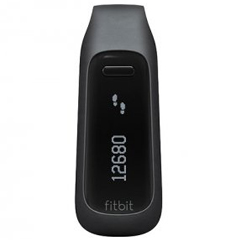 Most of us have heard the story: Get 10,000 steps a day to improve your health. Pedometers are a simple, easy, and effective way for those hoping to get started on basic everyday fitness. As it's unlikely you'll be able to keep the count in your head, a pedometer helps keep an accurate one for you.
When considering the right pedometer to fit your needs, focus mainly on price, axis and additional features. More axis means your pedometer will be more sensitive to different types of movement, allowing for better accuracy. You may just want to purchase a simple pedometer that does nothing beyond that. Alternatively, you may want to invest in something that does more. If that's the case, we suggest considering a fitness band or fitness watch.
Fitness Bands
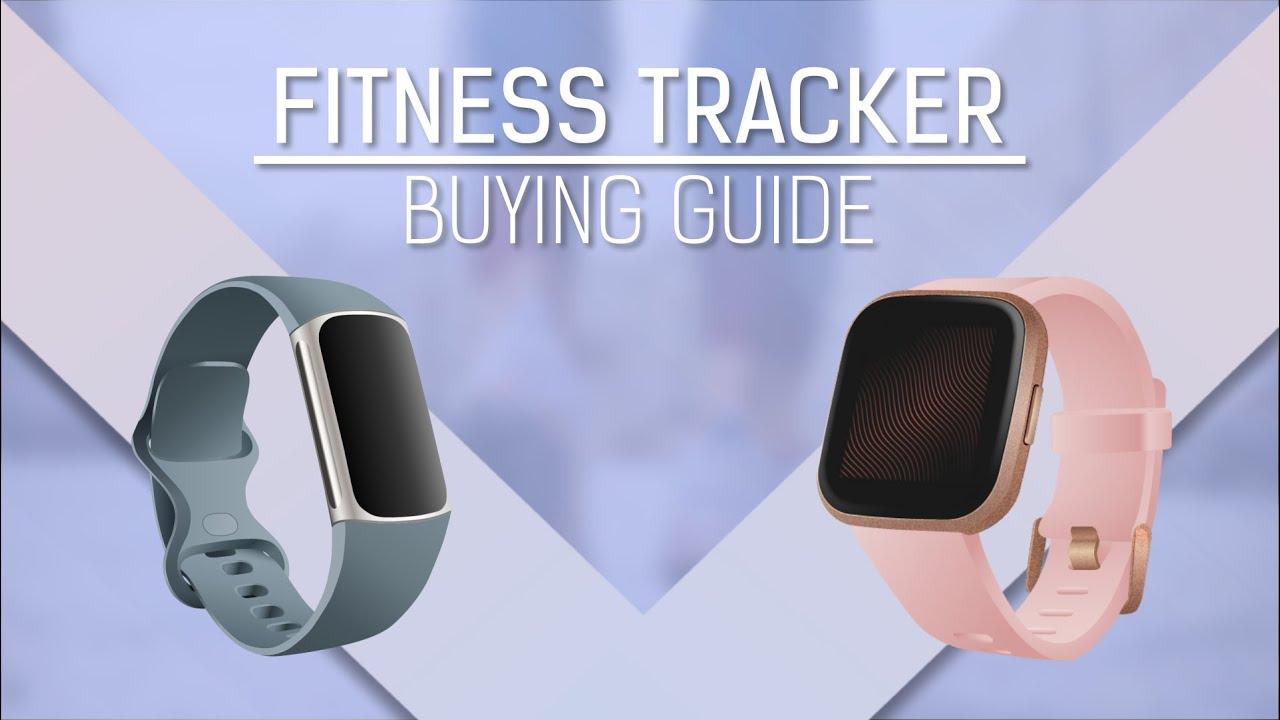
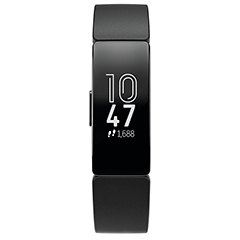 Fitness bands are perhaps the most popular form of fitness trackers. The Fitbit brand is the most well-known of this category, although there are plenty more available. Fitness bands are a bit of a catch-all for those hoping to utilize fitness tracking and maximize their workout goals. Fitness bands are typically small, lightweight, and easy to hide. Certain models are available with features such as heart rate monitors, pedometers, calorie counters, and app integrations. These devices are beneficial for anyone who wants something more complex than a dedicated pedometer or heart monitor, without the added bulkiness of a fitness watch. When searching for fitness bands, focus on price, wireless connectivity, app integration, and primary features.
Fitness Watches
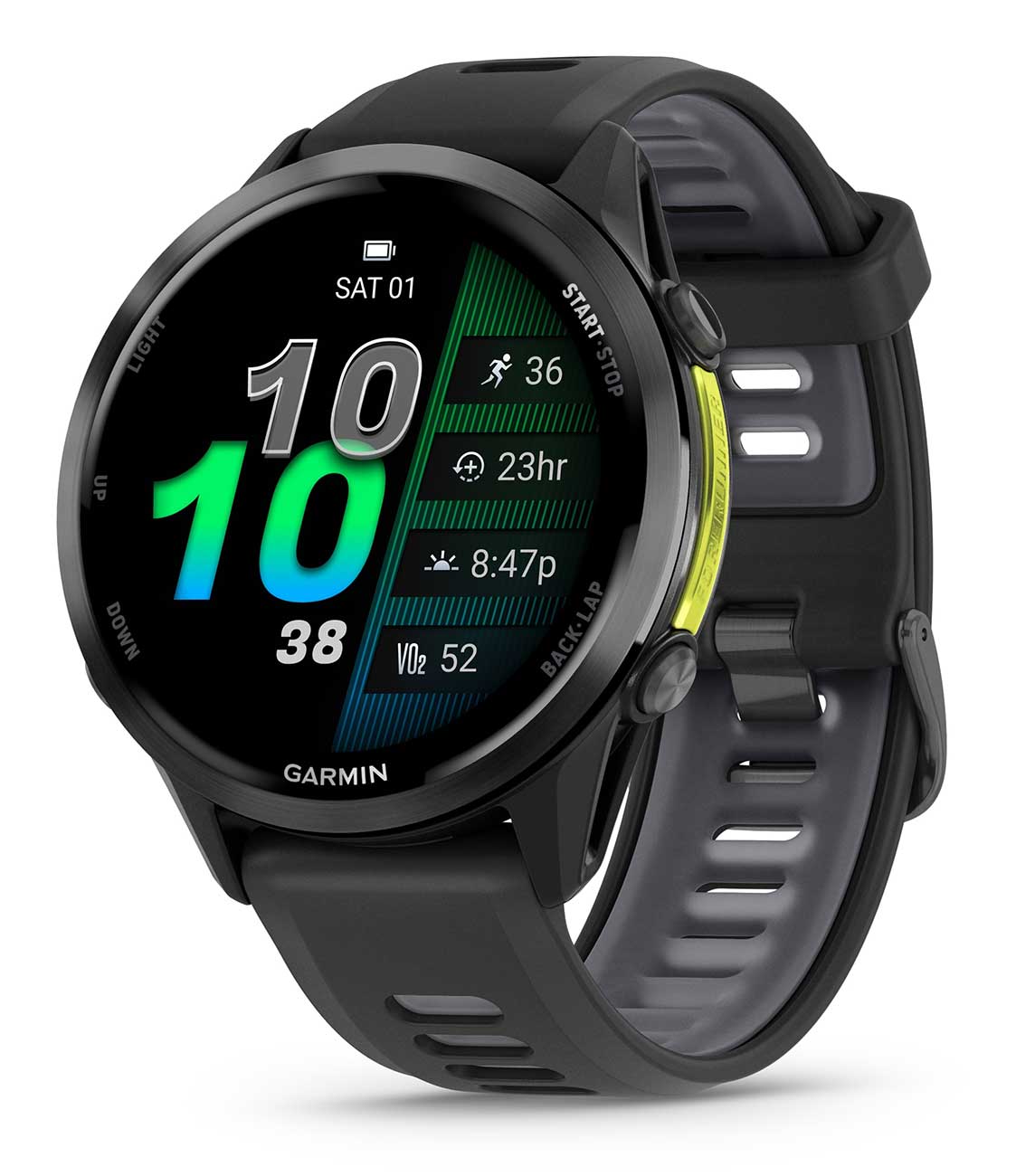
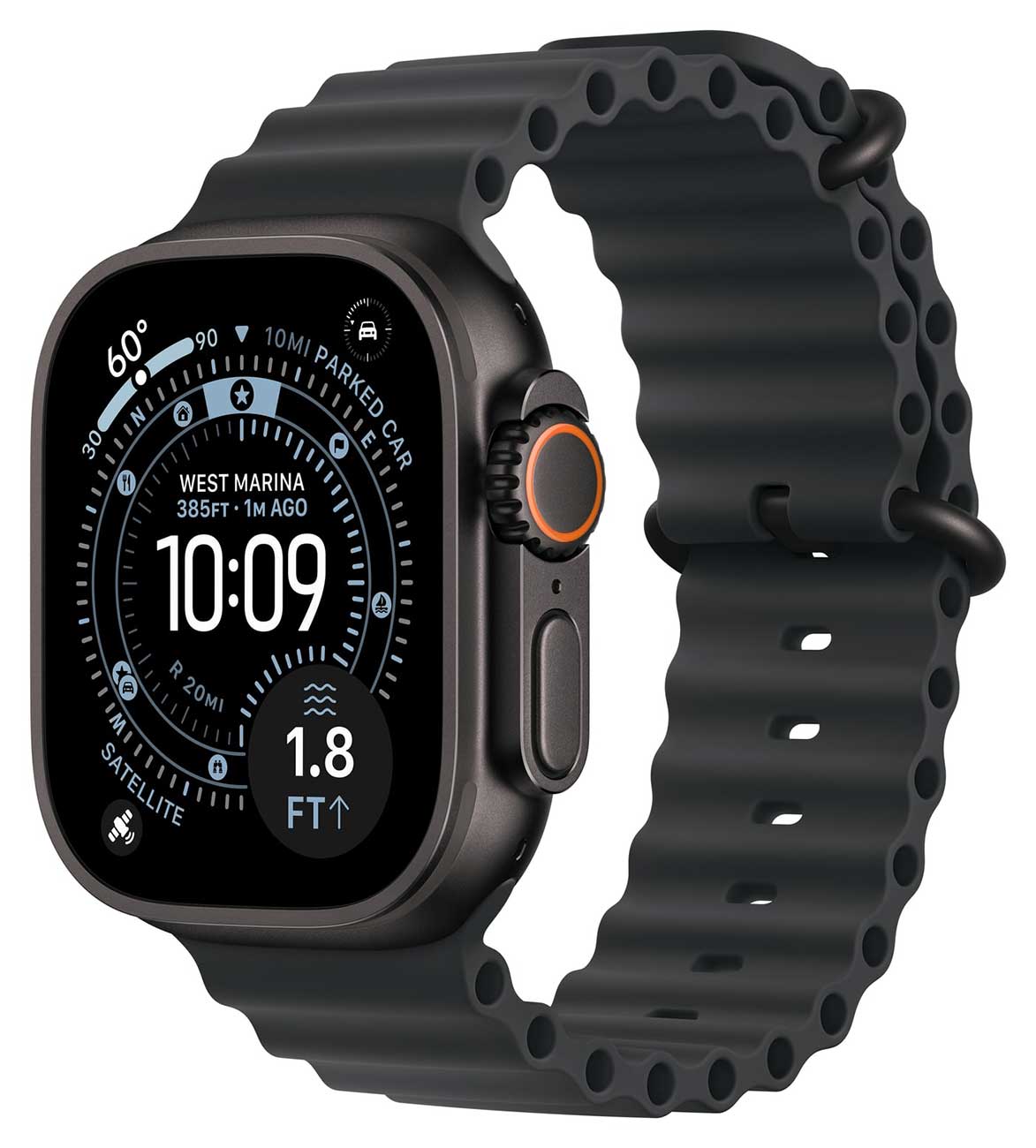
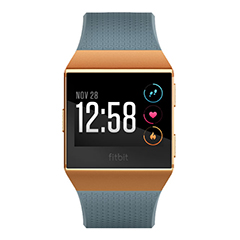 Fitness watches and fitness bands are closely related devices. Opt for a fitness watch over a fitness band if you're looking for a fitness device that resembles a traditional watch. Beyond design, you'll find that fitness watches and fitness bands have no notable differences. Indeed, you'll often find the two devices mixed together in listings when you search for either "fitness bands" or "fitness watches".
Fitness watches provide the same benefits as fitness bands, helping you track your goals while also including high-tech features that can monitor heart rate, calories burned, distances, phone integration and more. When looking for fitness watches, your focus should be on the same features you would look for in a fitness band: price, wireless connectivity, app integration, and primary features.
Smart Rings
Smart rings are the latest innovation in fitness trackers, and they offer a more stylish solution for tracking steps and other health metrics. If you don't want to wear something on your wrist all the time or find most fitness trackers unattractive, try a smart ring. They come in different finishes like silver and gold, so you can choose the option that best matches your personal style. Smart rings can even offer more accuracy because they're on your finger, rather than your wrist.
Fitness Tracker FAQs
What is the best fitness tracker?
That depends on your health, your workout routine and the features you want out of your fitness tracker. Top features include heart rate monitors, blood oxygen trackers, GPS, barometer, sleep tracking, ECG testing and even stress monitoring. Look for the features that are most important to you in your next fitness tracker; top brands include Fitbit, Garmin, Apple and Samsung.
Do I need a GPS on my fitness tracker?
More and more fitness trackers come with GPS capabilities, but not everyone needs them. A GPS on your wrist helps determine your speed, distance and elevation as you move, making it a great choice for trail runners, hikers, swimmers and bikers. It can also help prevent users from getting lost. If you won't be doing these activities, you likely won't need the GPS.
Do I really need a fitness tracker?
Yes, you need a fitness tracker. These help users at any age and stage of their life. Between tracking stats like exercise and sleep and the capability to do ECG testing and blood oxygen testing, fitness trackers have lots to offer everyone. Your health will benefit, especially if you use all of these tools.
How does a fitness tracker count steps?
Fitness trackers count steps with an internal accelerometer. They detect acceleration and changes in orientation across the x-axis, y-axis and z-axis. The accelerometer takes your personal information into account, then runs your data through an algorithm to determine your step count.