How to Clean Your Kitchen Floor

Learn how to clean and maintain your kitchen floor. We share our top tips for cleaning different kitchen flooring types.
Getting Started
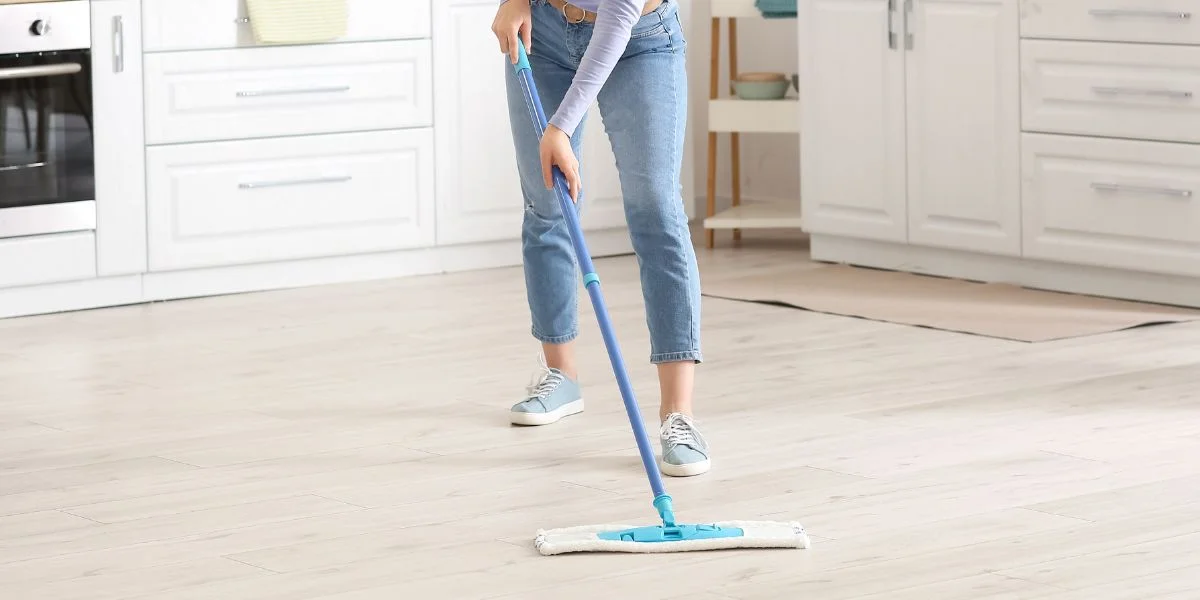
The kitchen is considered the heart of the home, and it's easy to see why. Our kitchens are the go-to place for preparing meals and a common hangout spot for friends and family. During these times, our kitchen floors see lots of foot traffic, regularly spilled foods, grease splatters and much more; if you wear your shoes indoors, you can track in dirt, too. In general, our kitchen floors stand up to a lot of wear and tear. With regular cleaning, you can properly maintain your kitchen floor and keep it looking its best.
Different types of floors require different cleaning solutions, and it's important to use the right products to avoid damaging your floors. We'll break down how to clean tile, hardwood, laminate and more so you can clean with confidence.
How to Clean Hardwood Kitchen Floors
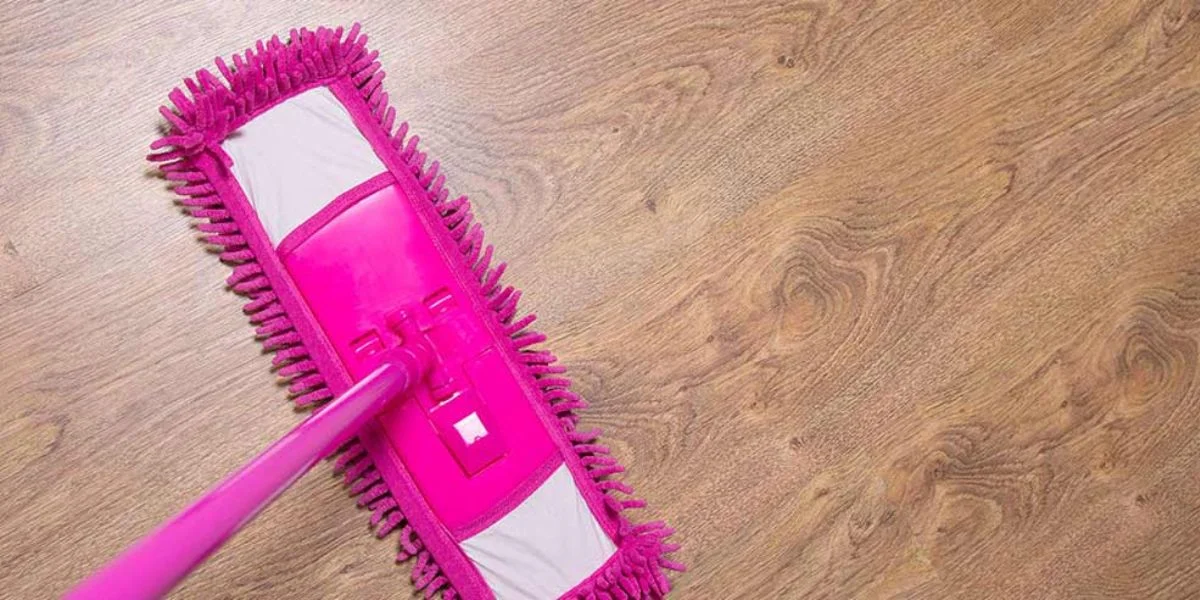
Hardwood flooring requires a regular sweeping and dry mopping at least once per week. As with other flooring types, it's best to address spills as they happen. And, of course, hardwood kitchen floors will still experience tougher stains from time to time.
To tackle stubborn stains, use a mop and a specialized, diluted wood floor cleaner (as recommended by the manufacturer) to deep clean your kitchen's hardwood once or twice a year. Soak the mop in the cleaning solution and then wring it out thoroughly until it's nearly dry. You want to clean the hardwood with only a slightly damp mop. Because wood floors are not as water-resistant as other flooring types, wipe up any excess liquids to prevent water damage.
How to Clean Ceramic Tiles
Ceramic tiles make a durable surface for kitchen floors. But, they can lose their beautiful appearance when surrounded by dirty grout lines.
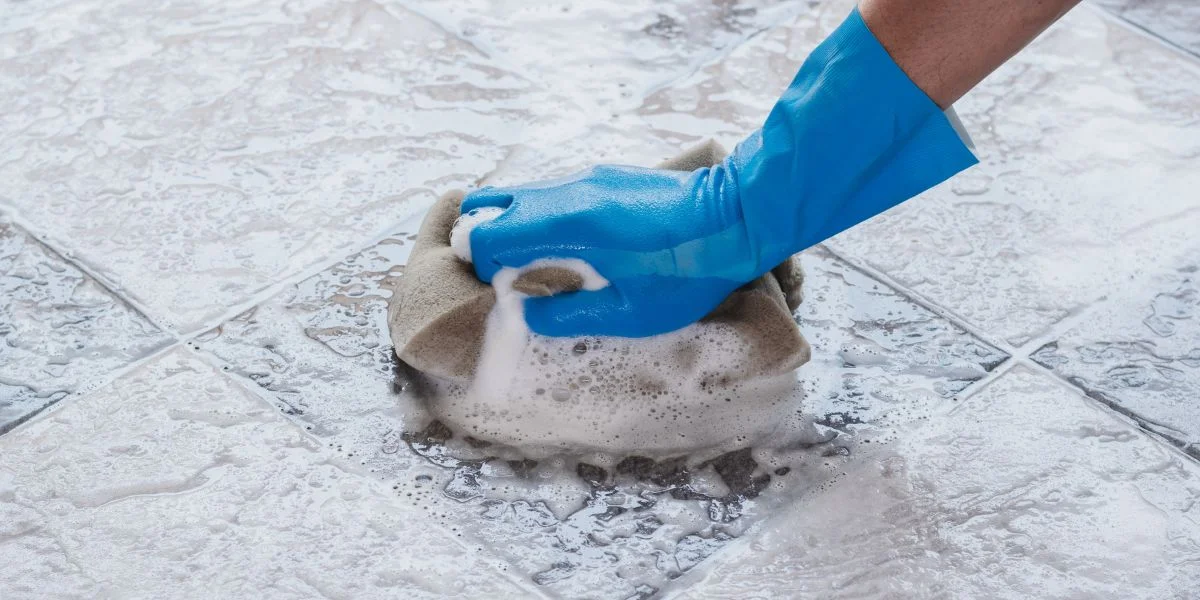
To clean ceramic tiles, start with a warm water solution using a tiny bit of mild detergent or liquid dish soap. Avoid letting glazed tile floor air dry, as this causes water spots where water has rested for too long. Instead, wipe damp areas right after washing. Also, take careful consideration of the types of cloth you use to mop. Use a rag or a chamois-texture cloth, as opposed to a sponge mop. Sponge mops tend to push around dirty water, which ends up getting washed into the gutter-like grout lines.
Now onto the stubborn grout! It takes a bit of elbow grease to clean the grout between tiles. To get started, slowly combine a mixture of water and baking soda until it forms a paste. Next, use a soft-bristled brush, like a spare toothbrush, to scrub the paste into the grout lines. Lastly, rinse the grout and wipe up any excess baking soda paste, drying with a microfiber towel.
How to Clean Kitchen Floor Linoleum
To clean linoleum kitchen floors, use a damp microfiber mop for a quick wipe once per week to maintain a like-new appearance. For a deeper clean, however, make sure to use a nonabrasive cleaning product. If you're unsure of your floor's materials and composition, use a natural solution of mild vinegar and water to get a polished sheen.
How to Clean Laminate Kitchen Floors
Laminate is very much like linoleum, and just as easy to keep clean. It only takes a light mopping with a gentle household cleaner to get your kitchen floors shining. Once again, if you're unable to purchase cleaning supplies, you can create a DIY cleaner solution with a small amount of vinegar and water.
One thing to pay attention to when cleaning laminate kitchen floors is to avoid overly wet, soaked mops. A soaked mop allows an excess of water to seep through to the floorboards, which can cause floor damage. Instead, after mopping, go back with a microfiber cloth to dry the floor of any residual moisture. This method will also help you avoid a cloudy finish.
When it comes to laminate flooring, never use supplies such as wax, ammonia, acrylic, chlorinated or bleach-based products or solutions. These substances can cause damage to the floor's top layer finish. Also, never use a buffer, polishing machine, or steel wool, which could scratch or compromise the top layer as well.
How to Clean Vinyl Kitchen Floors
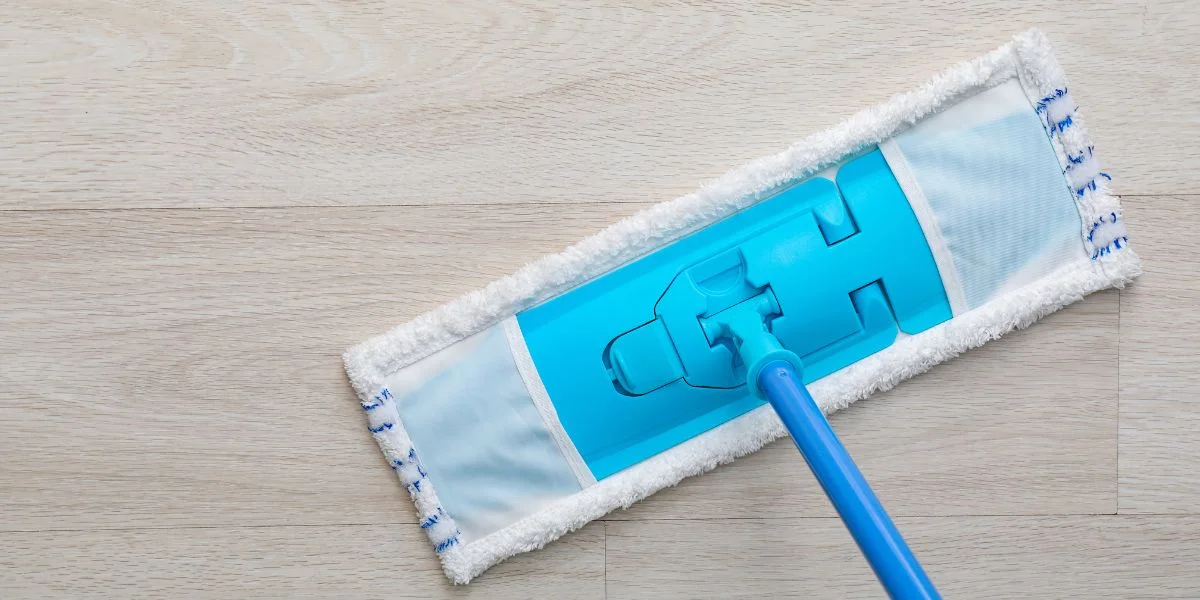
Vinyl flooring has grown increasingly popular in kitchens for being inexpensive, stain-resistant and water-resistant. These features also make vinyl kitchen floors easy to clean. Luxury vinyl flooring, or LVF, is a popular choice in kitchens, so we'll cover how to clean that type of vinyl specifically. To start, sweep or vacuum the floor to remove loose dirt and debris. You'll then mix a cup of white vinegar in a gallon of water and use a mop to clean the floor with the mixture. Next, follow up with just water to remove any residue. To finish, use a microfiber cloth or dry microfiber mop to buff the floor dry.
When cleaning a vinyl kitchen floor, avoid using ammonia or bleach-based cleaners, and avoid using abrasive scrubbers or scouring pads that can scratch the flooring. While steam mops are a popular cleaning tool, we don't recommend using one to clean vinyl: the combination of heat and moisture can warp the vinyl or weaken the adhesive underneath. However, you can use a regular damp mop to clean vinyl.
Preventative Care for Your Kitchen Floors
Whatever flooring is underfoot in your kitchen, the proper preventative care with these extra tips:
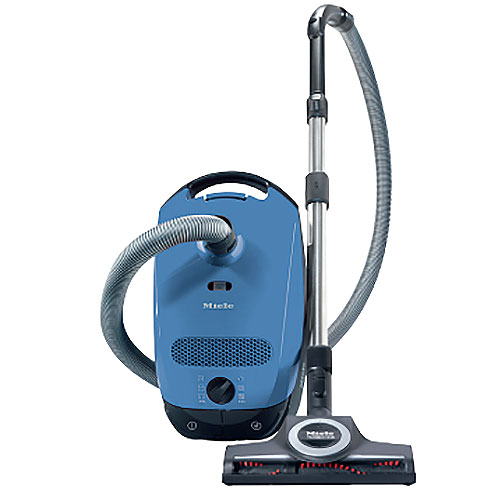
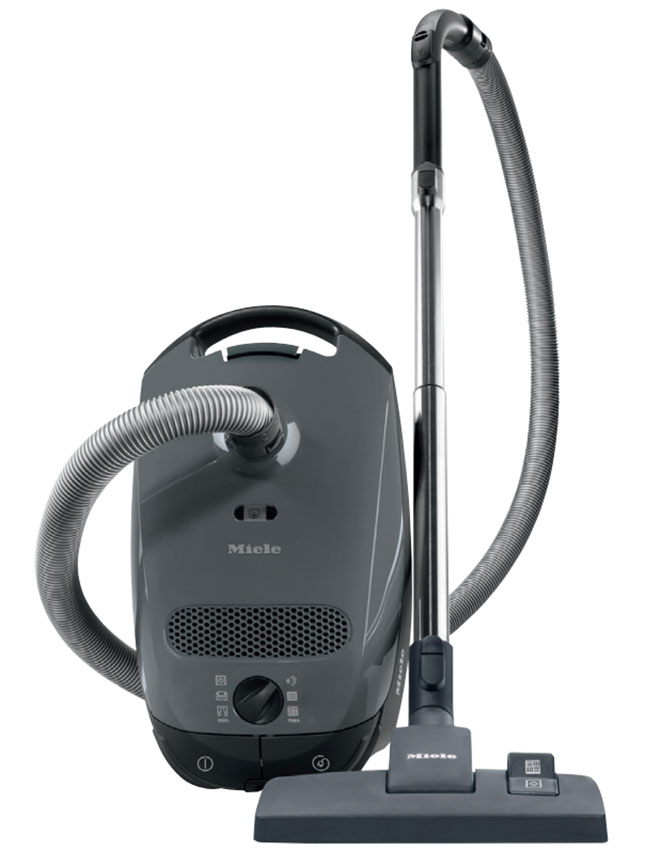
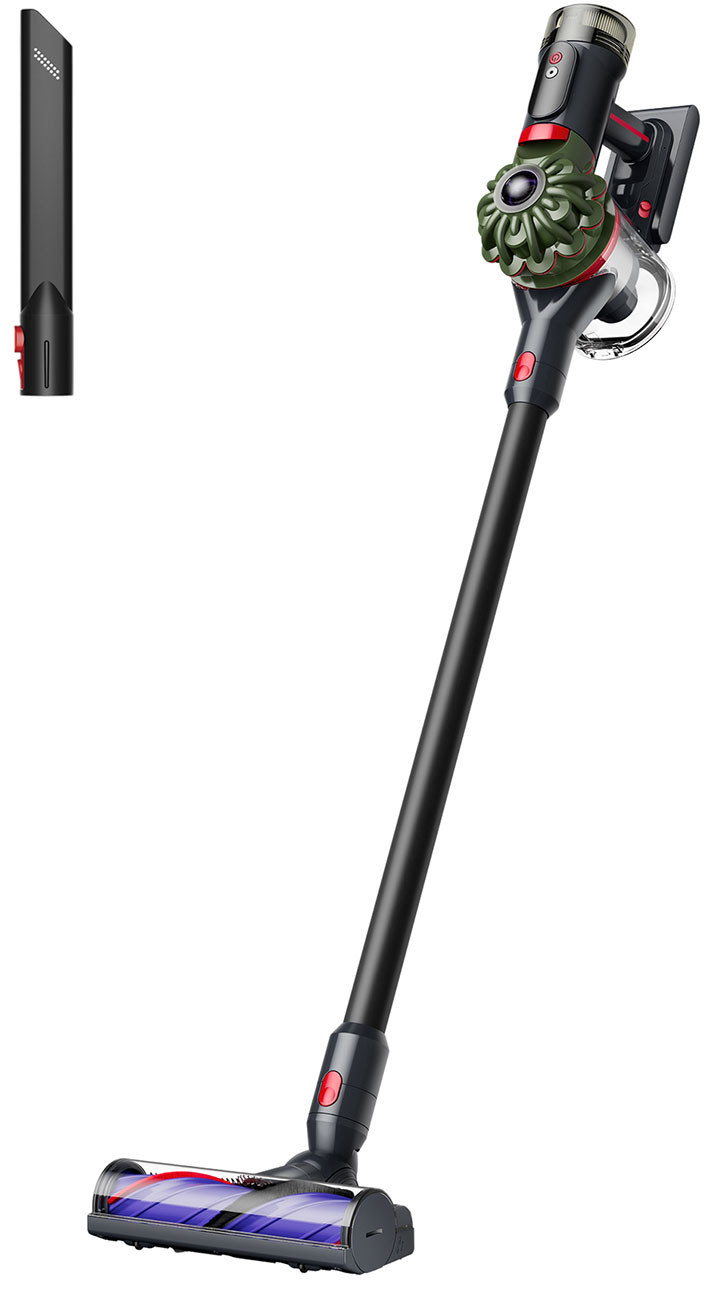
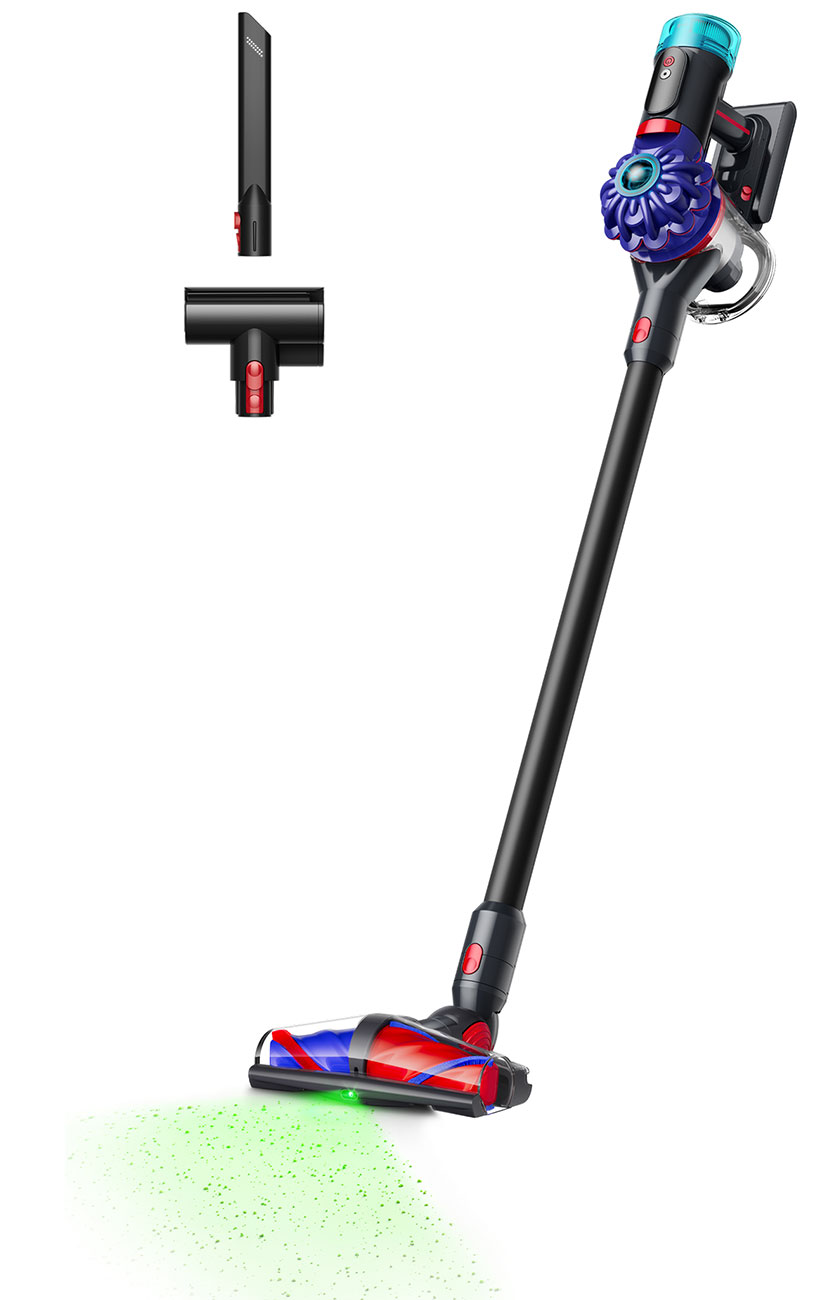
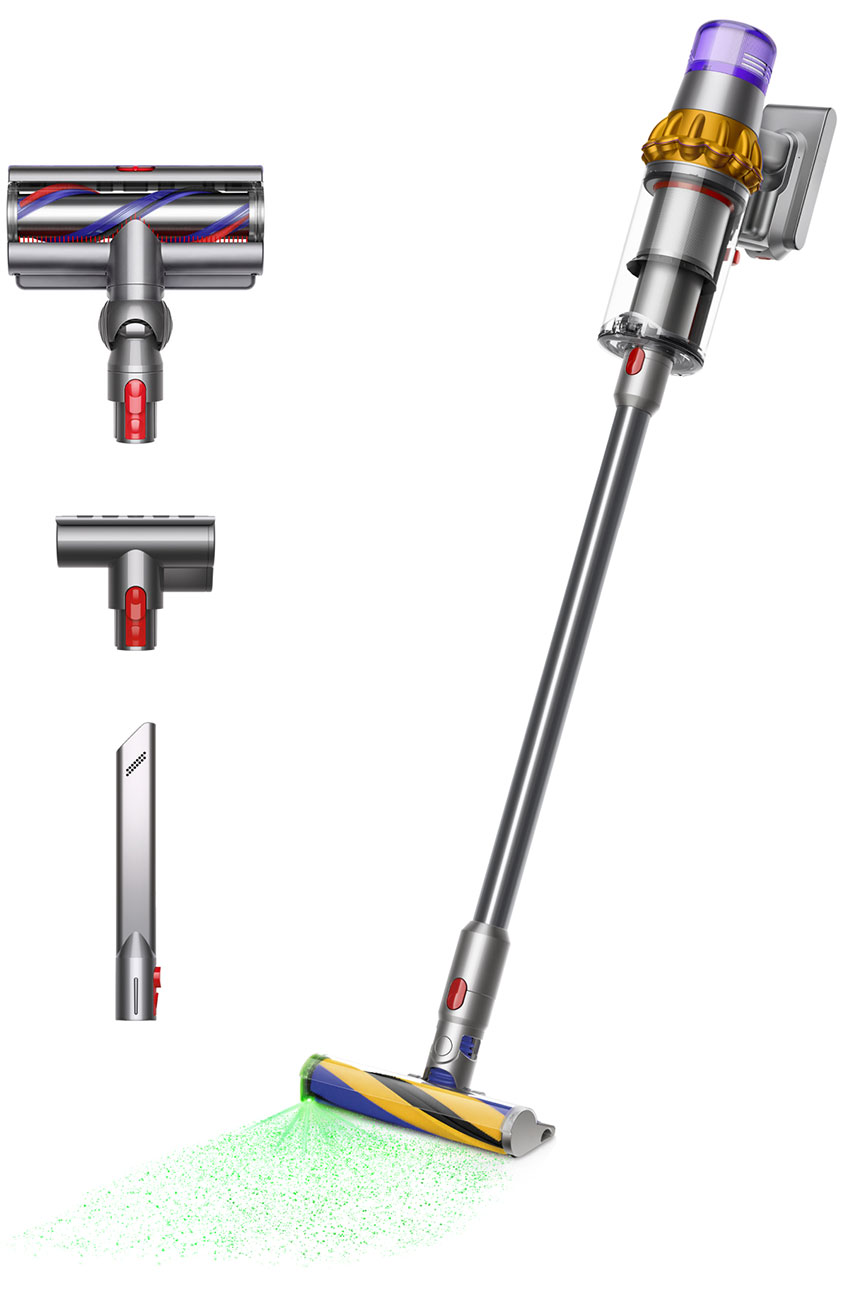
- Sweep every day to collect crumbs, pet hair and tracked-in dirt. You can also use a vacuum designed for use on hard surfaces.
- Promptly mop up residue from grease or food splatters.
- Use the correct products and ingredients for your particular floor to avoid damage.
With proper care and cleaning, your kitchen floors will look their best for years to come. If you have questions about any of the cleaning products we offer, like mops and vacuums, call our award-winning home experts at 800-860-3577.
Kitchen Floor FAQs
How do you clean kitchen floor grout?
The easiest way to clean your grout is with a paste made of baking soda and water and a soft scrubbing brush. You can also purchase grout cleaner and follow the instructions.
Can you clean the kitchen floor with bleach?
Technically, yes, but only for certain materials. As bleach is harsh and can damage surfaces like hardwood, we recommend using one of the methods above instead.
How often should you clean your kitchen floor?
Ideally, light cleaning like sweeping or vacuuming should be done daily. We recommend deep cleaning your kitchen floor weekly.