Main Content

Headphones Buying Guide

A comprehensive guide that will give you all the information you need on how to buy headphones.
Getting Started
Here at Abt we pride ourselves on delivering you the best quality audio products, so we offer a large variety of headphones with almost every color, style, and feature available. To make sense of all the different models available, we've put together a simple guide to help you choose the perfect pair of headphones.
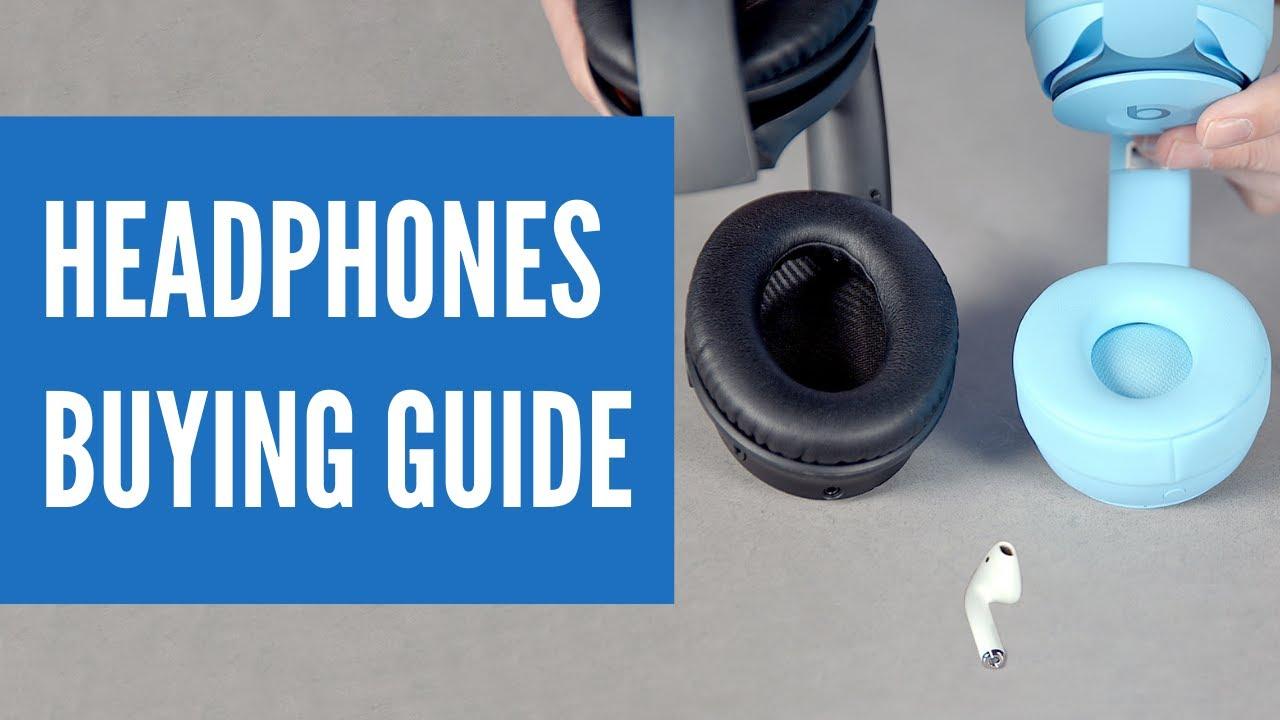
Style
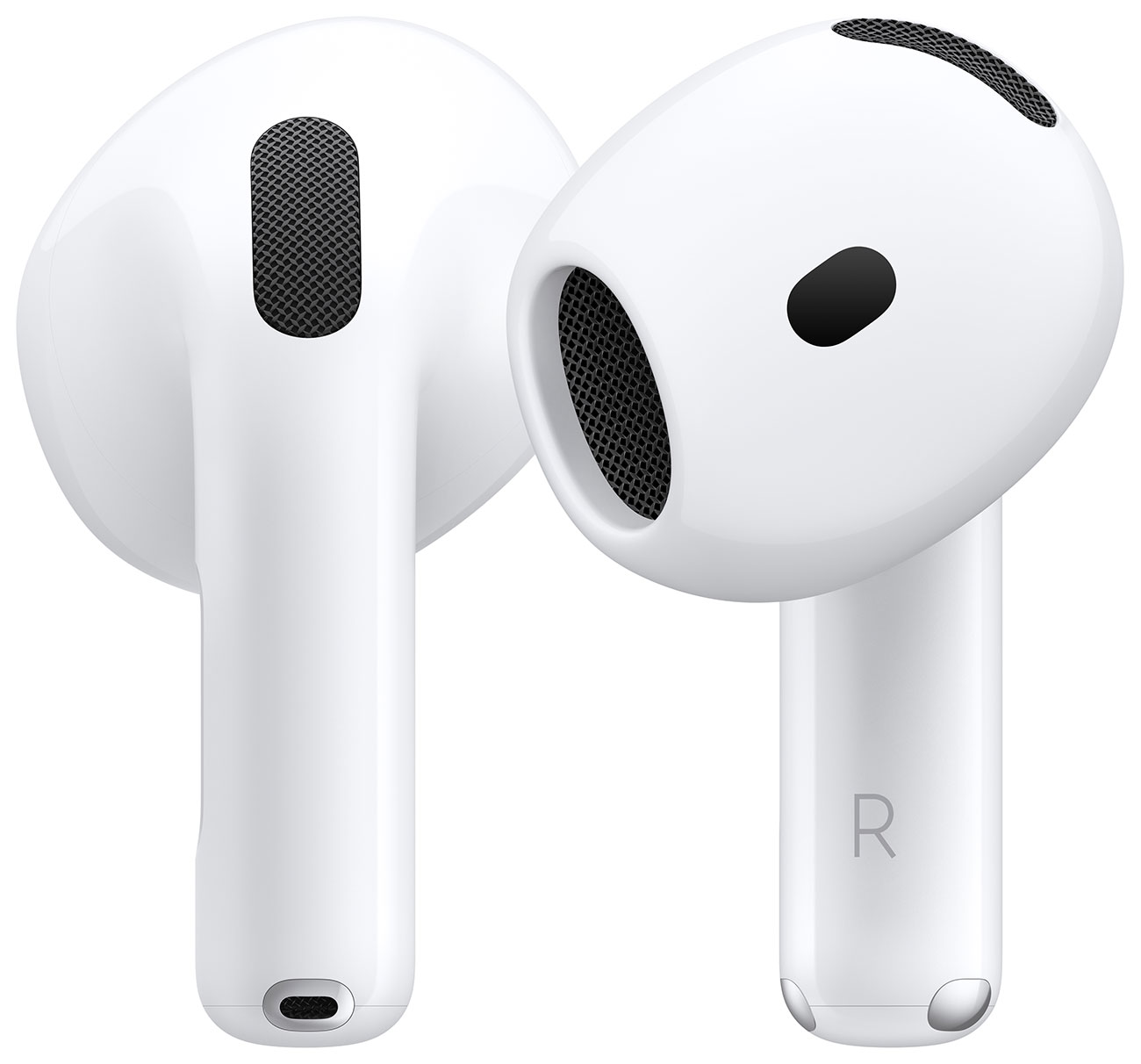
Earbuds

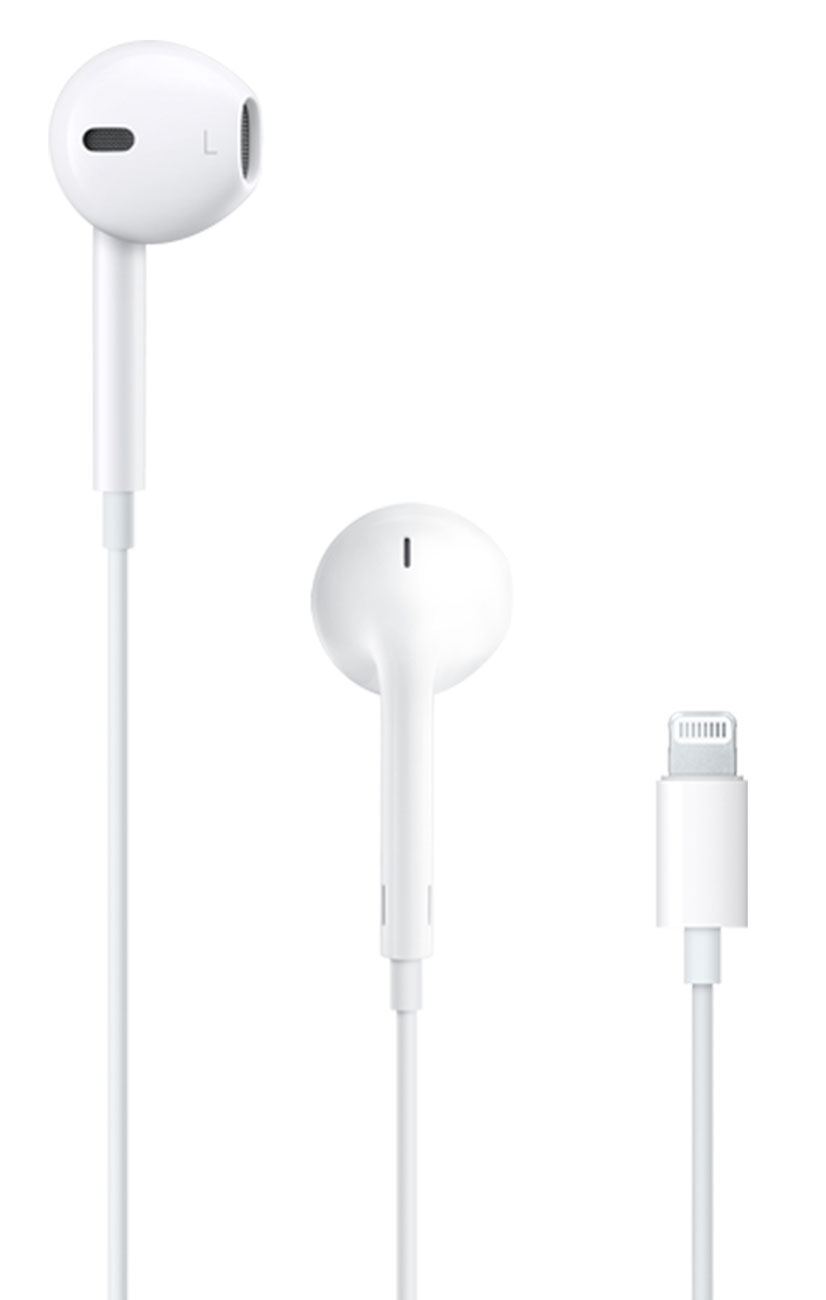
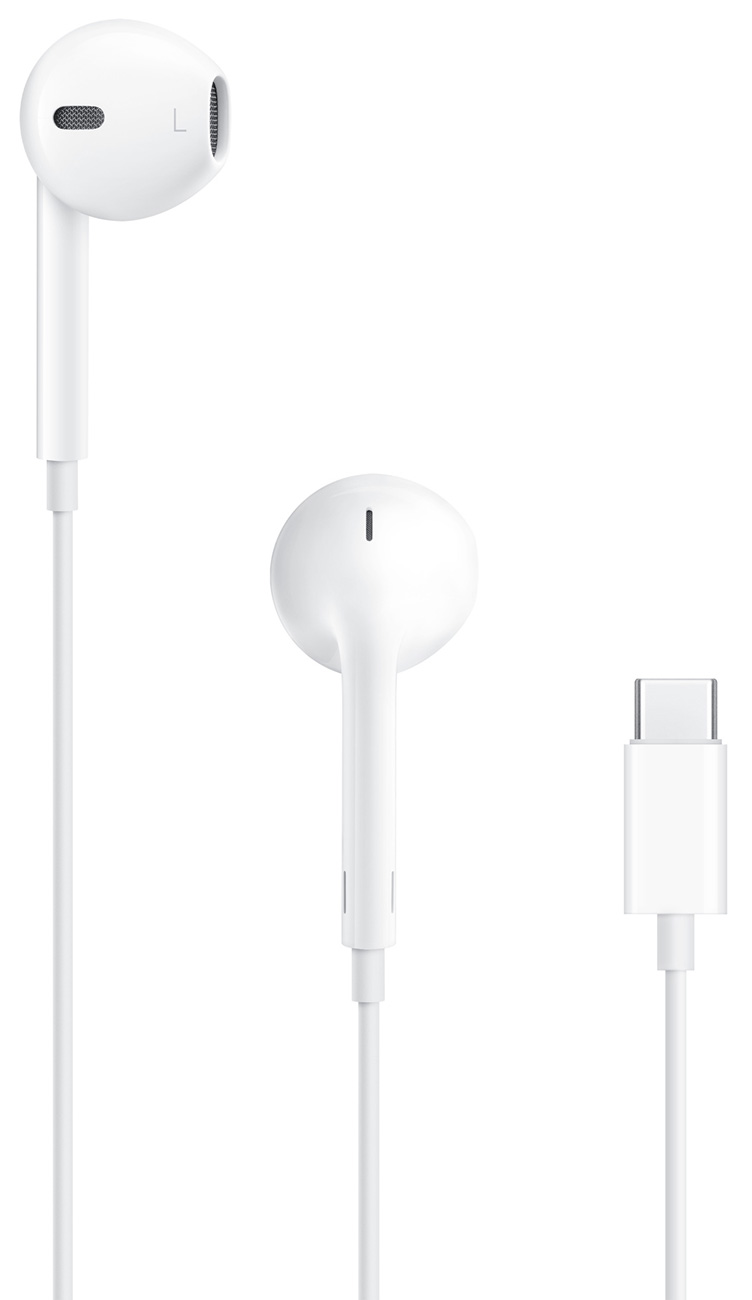
Earbuds are a very common style of headphones and rest inside the ear. Earbuds are ultra compact and lightweight, so they won't interfere with earrings, hats, or hairstyles. Most earbuds offer decent sound quality and comfort. In recent years, brands have developed earbuds with some form of noise canceling. Higher-end earbuds offer better sound quality and often feature active noise canceling, though they are more expensive.
In-Ear Headphones

In-ear headphones are similar to earbuds, however instead of simply resting in your ear, they feature a design that fits inside the ear canal. With this design, in-ear headphones always offer some form of noise isolation. Most in-ear headphones have some sort of material, typically made of soft silicone, which wraps around the part of the headphones that sit inside the ear. These headphones are lightweight and durable, which is why they are great for any type of headphone users.
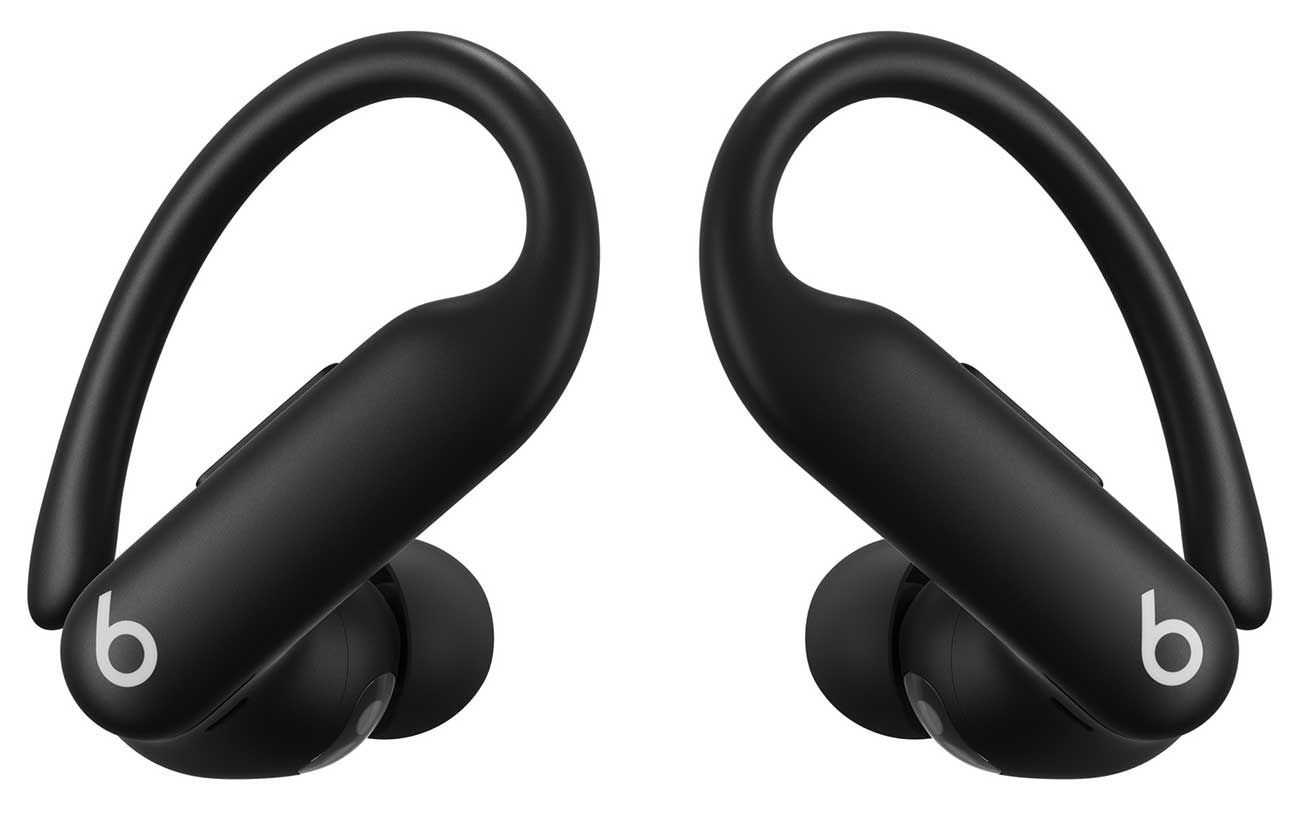
Sports or Around-The-Ear Headphones

Sports or around-the-ear headphones are available in a few different styles. These styles are designed to fit comfortably around your ear, neck, or head and offer a sound quality that is similar to in-ear headphones. Around-The-Ear headphones are built for the those who are physically active and for those who want secure-fitting headphones.
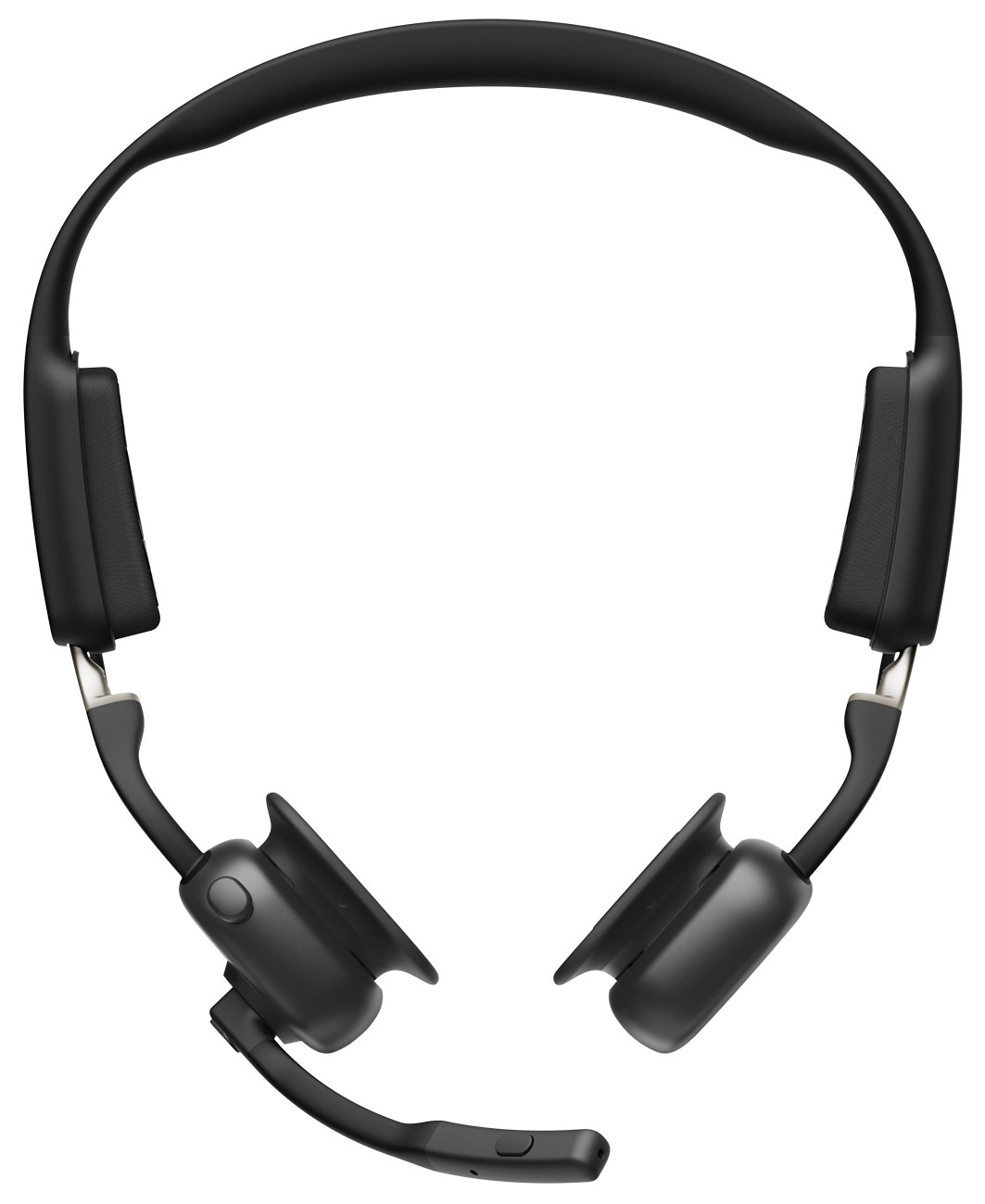
On-Ear Headphones

On-ear headphones rest on your outer ear and are designed for the users comfort. On-Ear headphones do not fully cover your ears, which helps provide better ventilation for you ears, when compared to full-size headphones. On-ear headphones also offer more advanced sound quality than smaller headphones, however they tend to be less effective in noise cancelation.
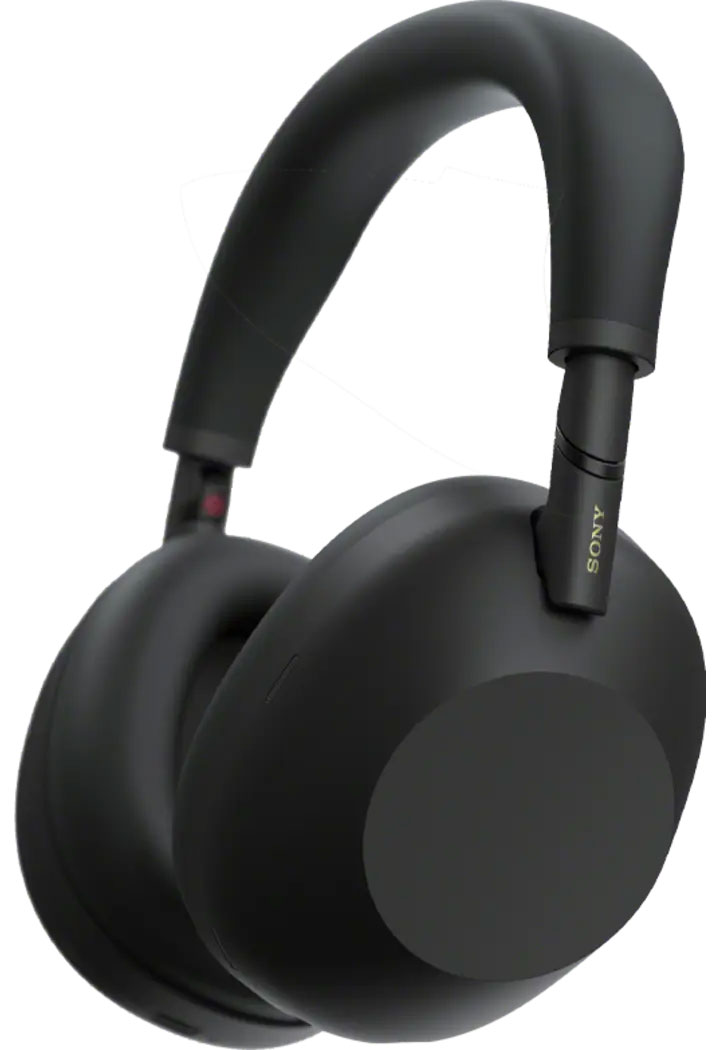
Over-Ear Headphones

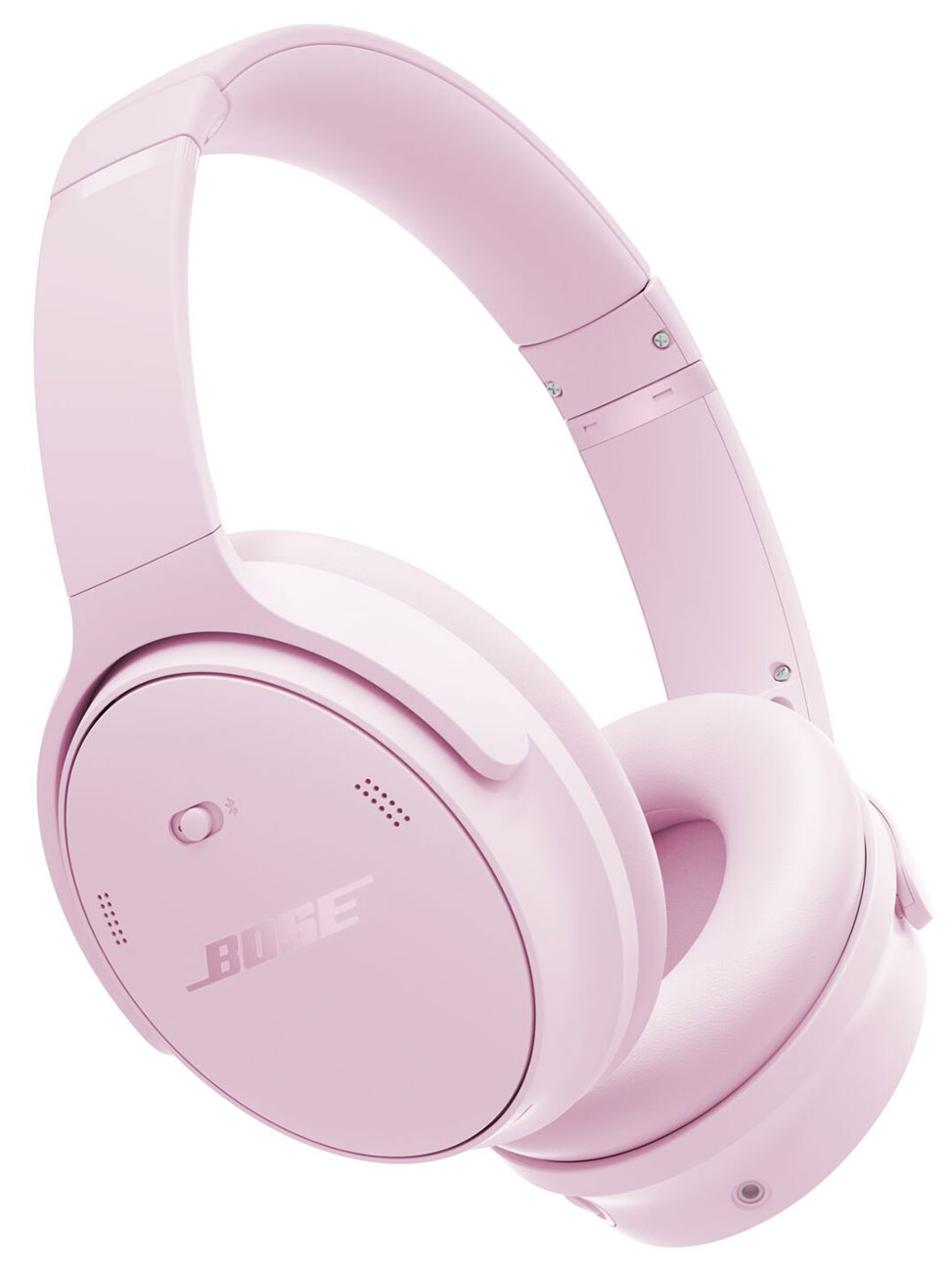
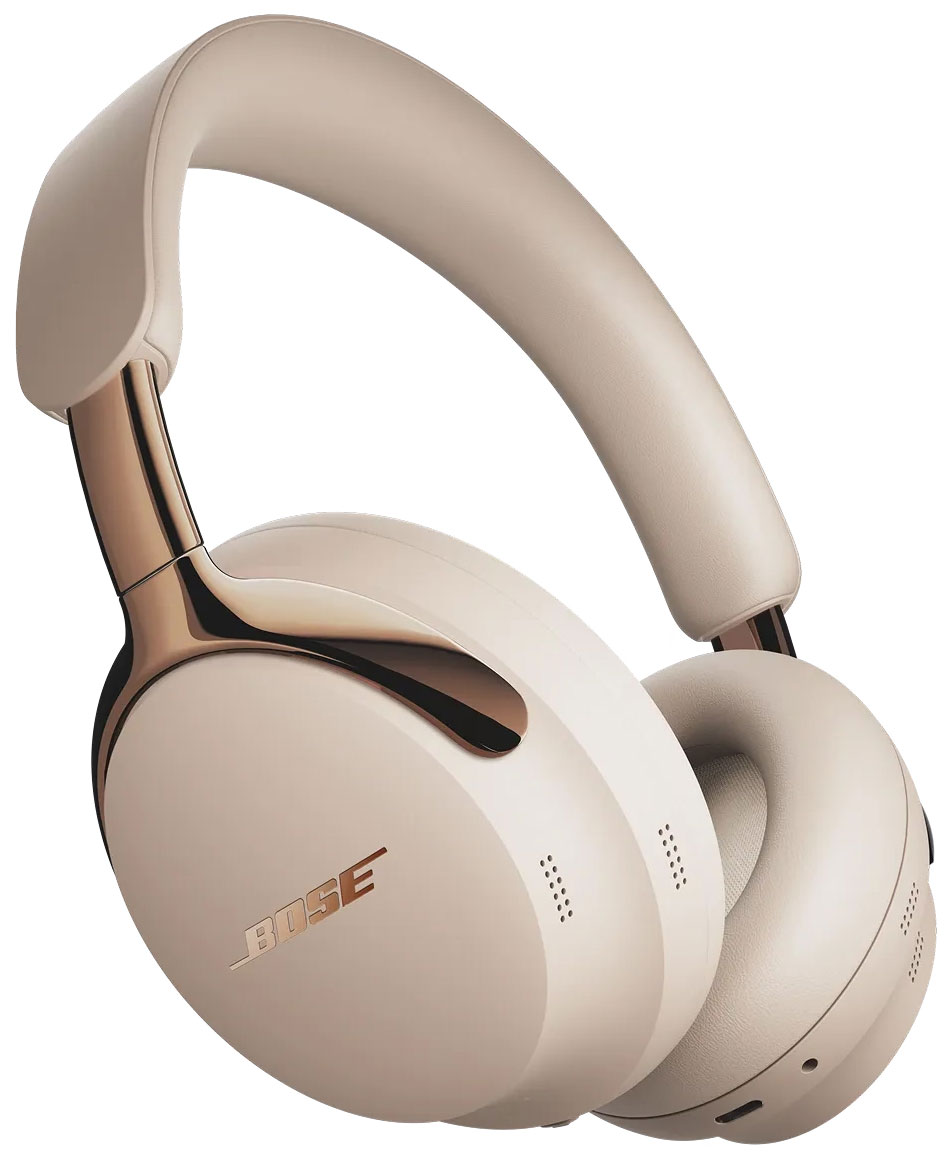
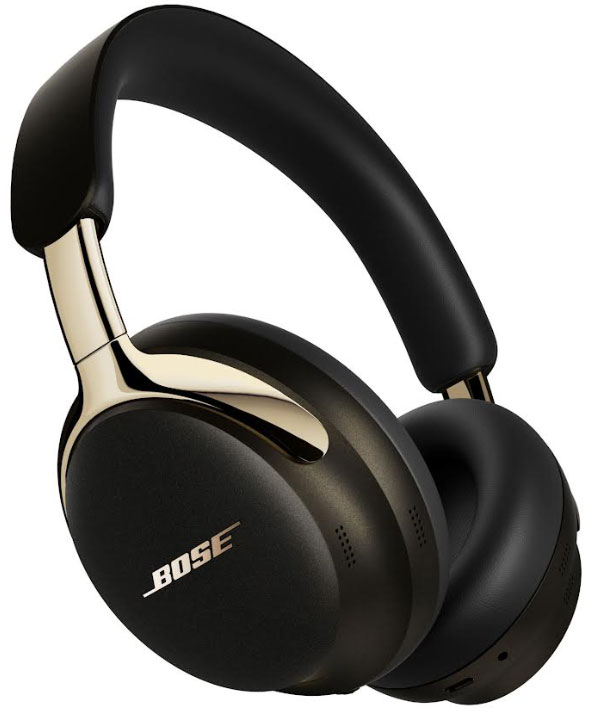
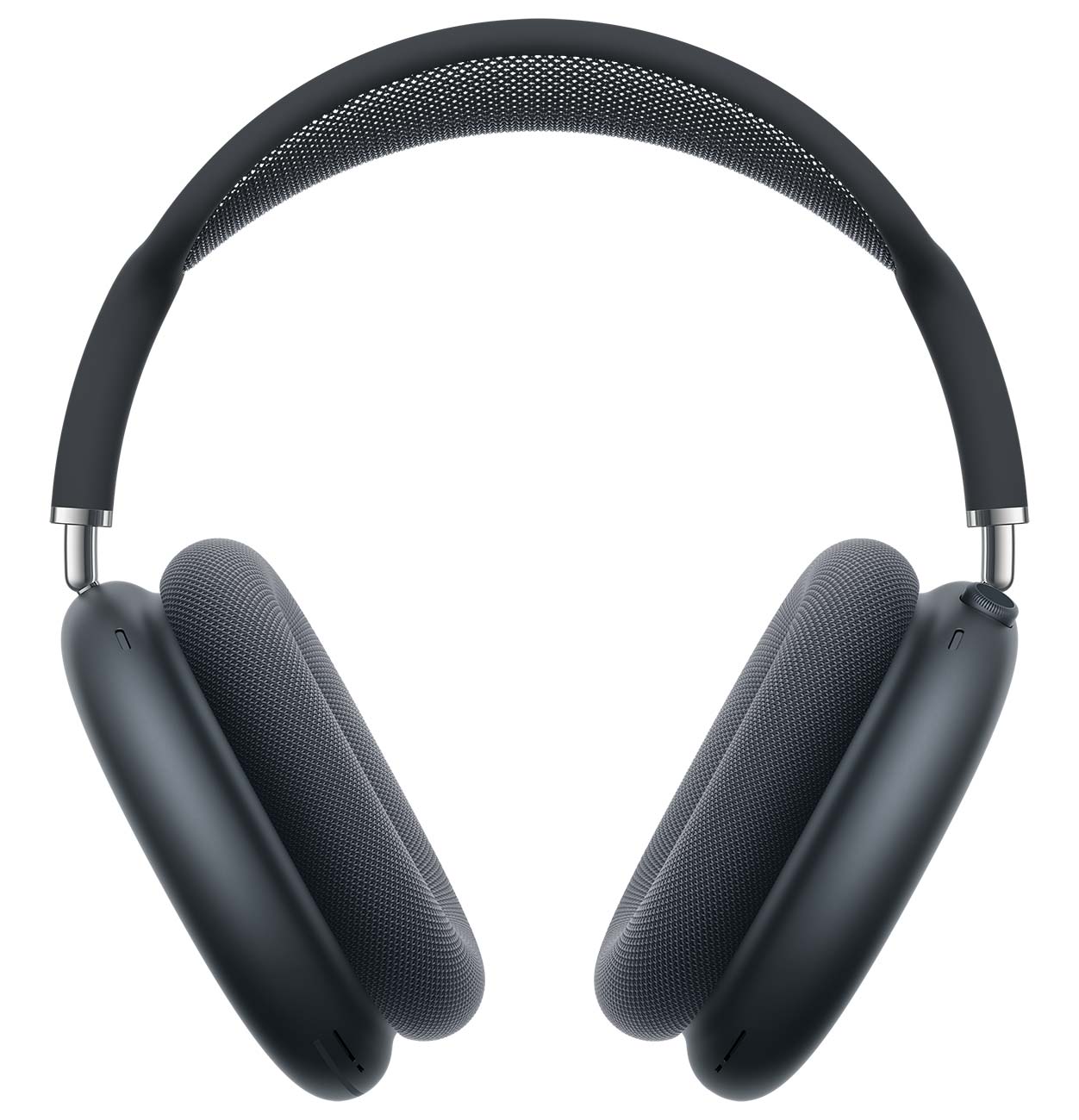
Over-Ear headphones completely encloses your ear, which provides utmost comfort and sound quality. We recommend over-the-ear headphones for frequent commuters or at home users because they provide better noise cancellation than smaller headphones. Overall, if you are looking for a pair of headphones that offers the best sound clarity and quality, bass, and noise cancellation, than Over-Ear headphones are the best option.
Features
Noise-Canceling Headphones
Noise-canceling headphones are great for drowning out background noises. Their special technology uses one or more tiny microphones to capture ambient sounds in what's known as "antinoise" to electronically filter out and help eliminate sounds from airplanes, crowds, trains, and more. There are different types of noise canceling, including active, passive and adaptive. Typically, earbuds or headphones with active noise cancellation cost more than those without the feature, but are worth the investment for those who want the best listening experience.
Noise-Isolating Headphones
These headphones are different from noise-cancelling headphones. Instead of electronically filtering out sound, noise-isolating headphones block out ambient noises before they ever reach your ear canal by using a thick piece of foam. On the upside, noise-isolating can do an equal if not better job at blocking out ambient sounds. However, noise-canceling headphones tend to be more comfortable.
Surround Sound Headphones
If you want to feel the home theater experience without the whole house hearing it too, then choose a pair of surround sound headphones. These headphones electronically produce a sound effect in your ear. They are highly effective at delivering the best possible audio quality without purchasing an expensive home theater system. If your AV receiver or device supports Dolby Digital, you will feel a surround sound effect on any pair of headphones. If not, make sure you grab a pair of surround sound headphones.
Bone Conduction Headphones
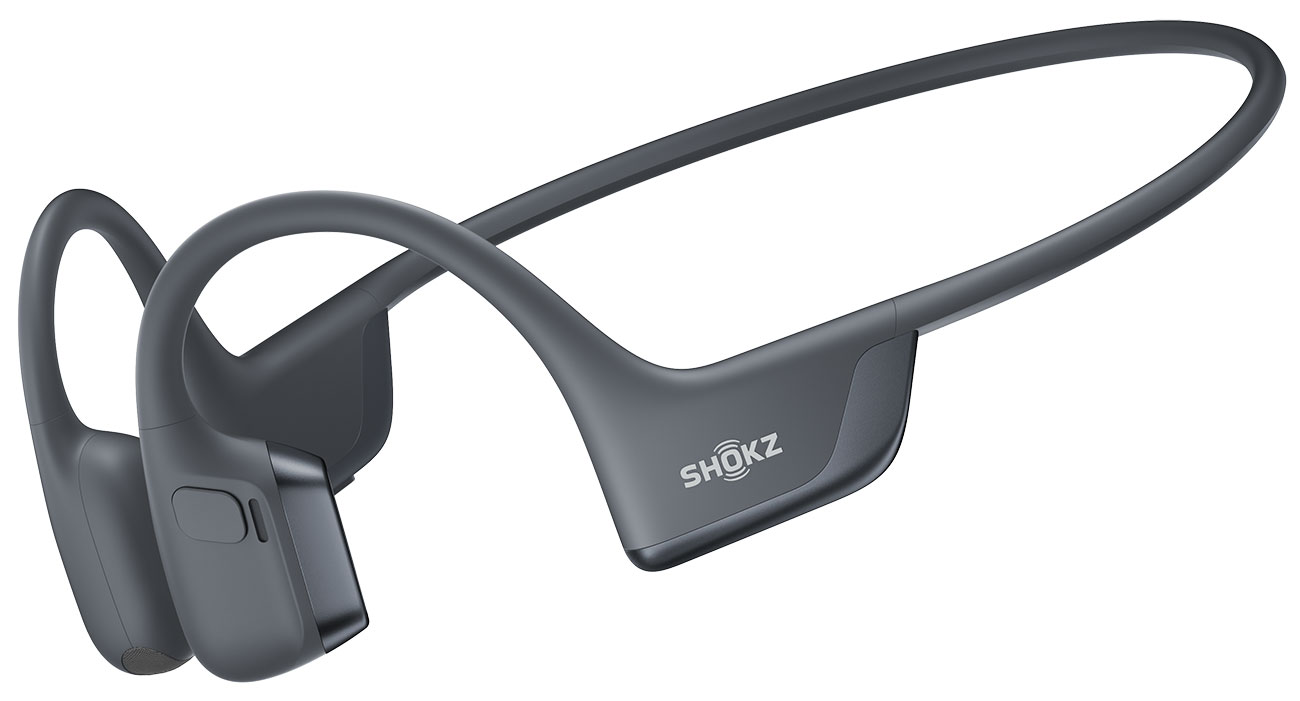
Bone conducting headphones completely bypass your eardrum and deliver sound straight to your inner ear through vibrations in the bones in your head. These are ideal headphones for those who want to hear music clearly but don't want to drown out background noise, such as joggers who still want to be able to hear traffic when running.
Wireless | Bluetooth Headphones
There are two types of wireless headphones: portable and home-based. Home-based wireless headphones come with large base stations but offer superior quality through infrared and radio frequencies (RF). Portable wireless headphones combine style and comfort with functionality. They use either radiofrequency or Bluetooth technology to connect to the device at hand. With both home and portable wireless headphones, you won't have to deal with annoying wires that dangle and get in the way.
Microphones & Controls
Portable headphones designed for use with smartphones and MP3 players include a small cord-mounted (or "in-line") microphone, along with controls for volume, mute and track advance. However, some headsets such as the ones designed for gaming, often feature a boom-mounted microphone to facilitate voice communications during multiplayer gaming sessions.
Q&A Summary
Still interested in learning more about headphones? Read through our answers to the most popular headphones questions and get ready to take home a new pair today for greater sound possibilities.
Is music better with headphones?
Every music lover has different listening preferences. Some love turntables as they capture the original raw essence of the sound made in the studio. In contrast, if you're someone who wants modern, crisp sound quality and fuller immersion, headphones are your best bet. Music can be better with headphones for a variety of reasons, including noise cancellation, spatial audio, portability and more.
What are the best headphones?
There is no single pair of headphones that can be crowned the "best". The best headphones for you rely on what you seek in your music, podcasts and streaming. Things like design style, brand, noise cancelation, connection type, Bluetooth abilities and other special features all factor into the price and quality of the products. Ask yourself, "What sound enhancements would make my listening experience that much better?". Your answer will help you figure out what you need most in your device. If you're not sure what your sound preferences are, you can also check out our best headphones of 2024 article for our best recommendations.
How do bone conduction headphones work?
Bone conduction is the technology that open-ear headphones use to perform and deliver sound. Open-ear headphones rest either above or in front of the ear canal. Through bone conduction, sound vibrations are sent through the bones in your skull instead of through your eardrums. If you're an avid multitasker or someone who enjoys exercising in public, these headphones keep your ears open and aware of the sounds around you. They also offer a higher level of comfort.
Are headphones better than earbuds?
Whether or not headphones are better than earbuds is dependent on what you look for in a listening experience. Choosing one or the other is fully reliant on preference. What is your top priority? We suggest comparing sound quality, comfort, portability, cost, battery life and other factors. Sometimes, it really just comes down to trying both out for yourself and seeing what you like.
What does ANC mean on headphones?
ANC refers to Active Noise Cancellation. If your headphones have this feature, that means they can eliminate unwanted background noise in your environment so you can focus solely on listening to your music.
Where can I buy headphones near me?
There are plenty of retail and department stores across the country that sell high-quality headphones. You can also buy them online through store websites or other online marketplaces. If you're looking for something high-quality to deliver the best audio possible, start shopping the headphones at Abt now. We have over 200 models to choose from so you can get the best experience possible.





Over 90 Years Of Experience


Your recently viewed items:
KitchenAid Counter-Depth Side By Side Refrigerator

KitchenAid Counter-Depth Side By Side Refrigerator
Contains 3 Reviews
3