Bed Buying Guide: Choosing the Right Bed for Your Space

Choosing the Right Size Bed for Your Space
The bed is the focal point of any bedroom, so it's essential to choose one that not only fits the space but also complements the room's overall style. With so many options available, how do you know which one is right for you?
The first and most important factor to consider is the size of your room. You'll want a bed that fits comfortably, leaving enough space for other essentials such as nightstands, dressers, or a bench. Start by measuring the room's length and width from wall to wall, and be sure to account for the ceiling height and any architectural features such as closet doors, windows, or alcoves. These measurements will help guide you toward the right bed size for your space.
What Are the Parts of a Bed?
Once you've determined the ideal bed size, the next step is understanding the components that make up a bed.
- Frame: The foundation that supports the mattress and box spring.
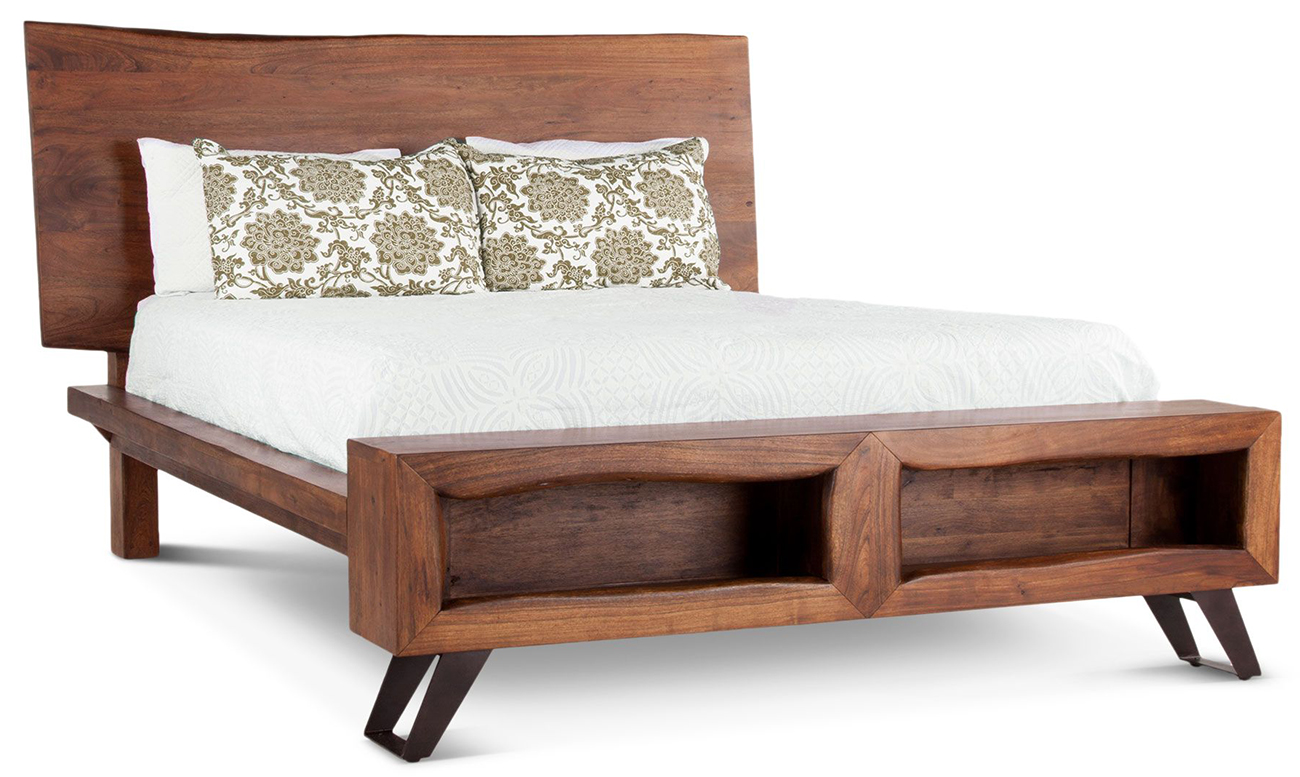
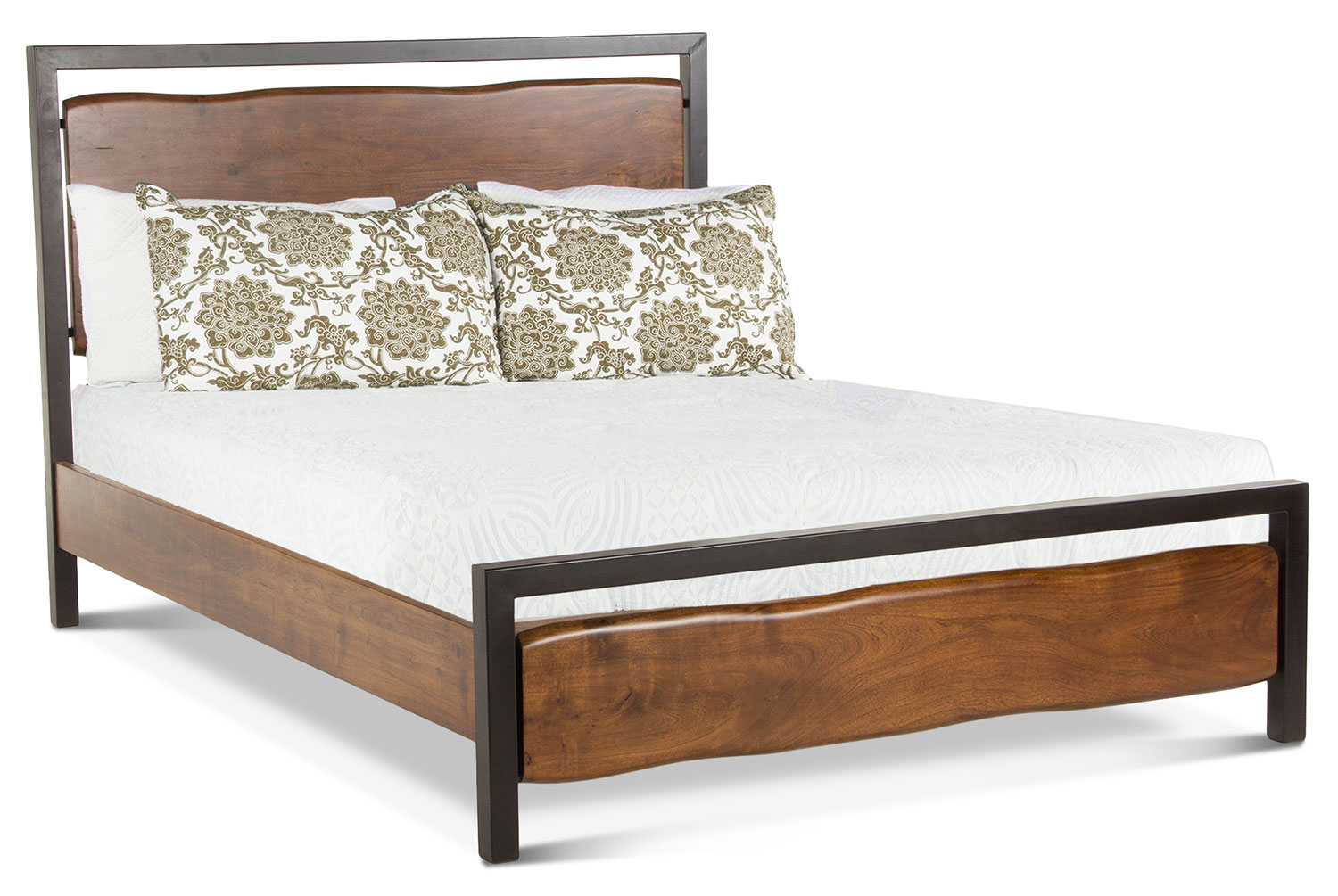
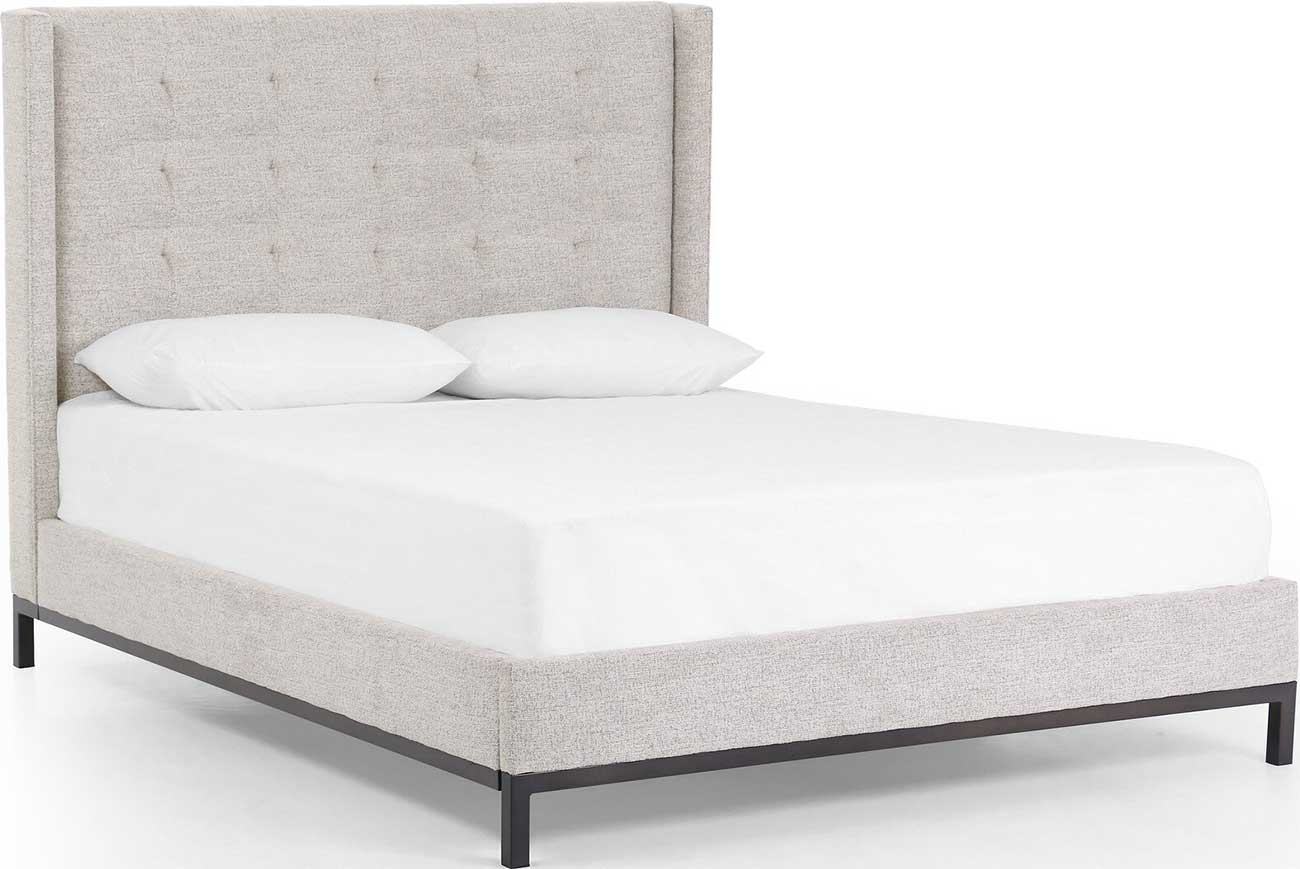
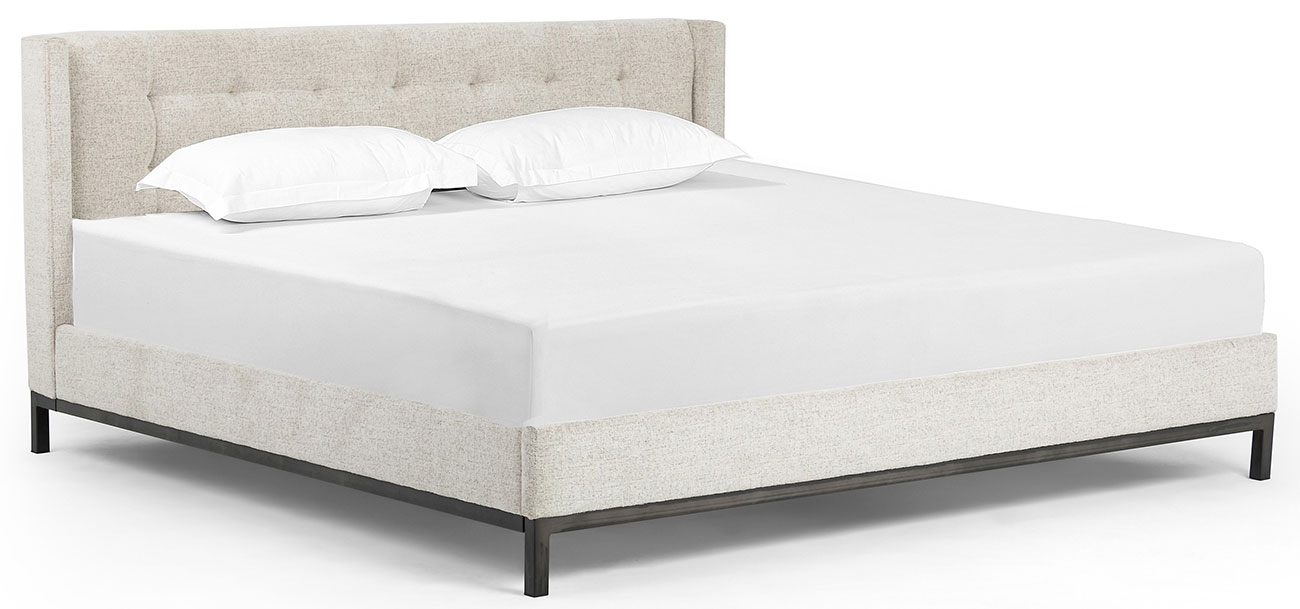
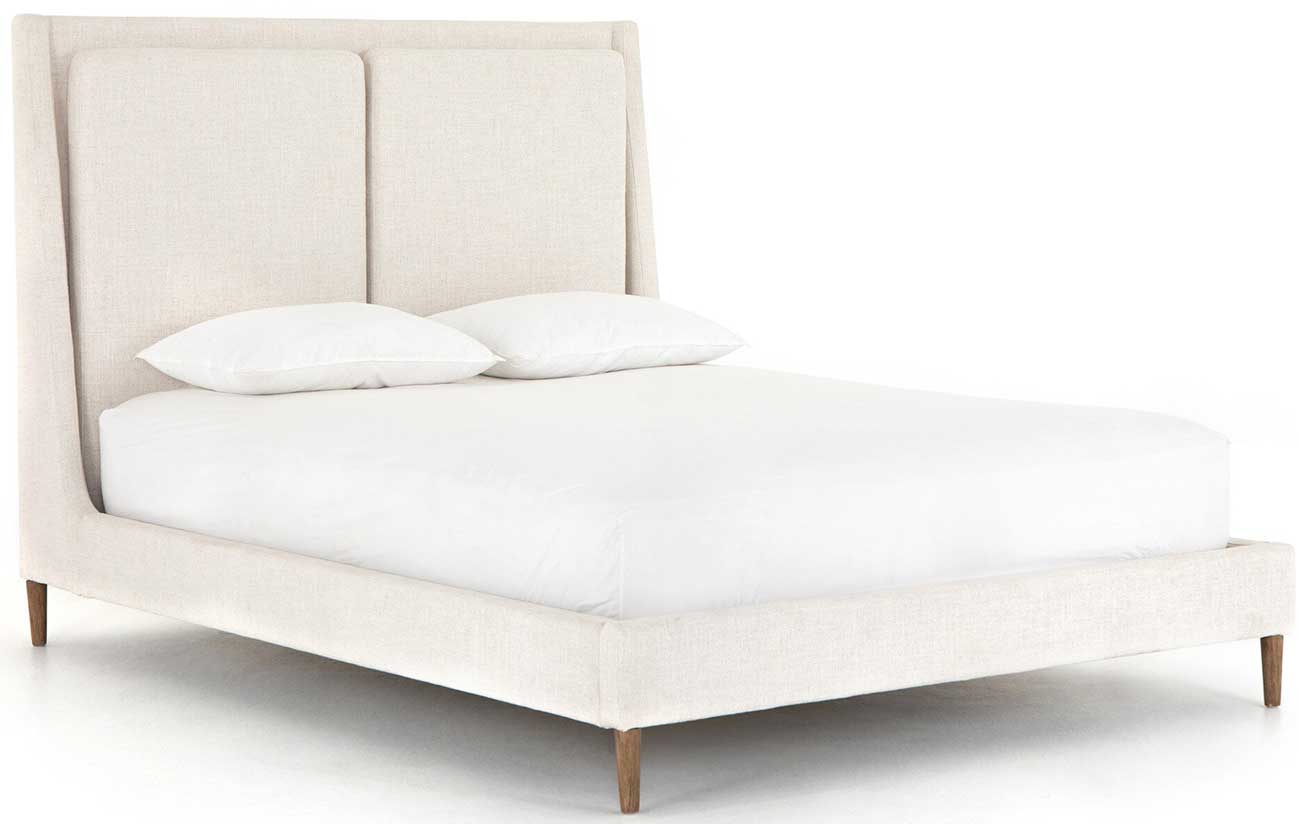
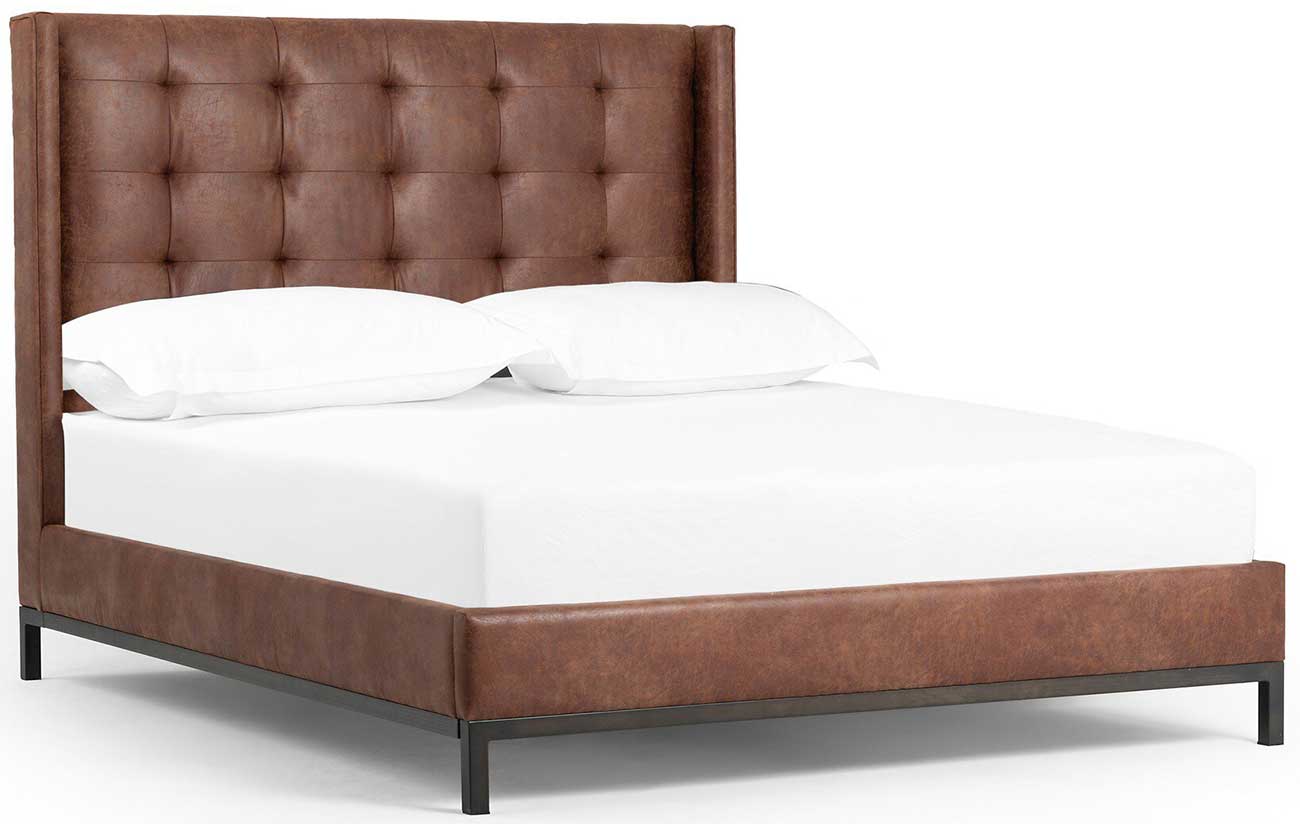
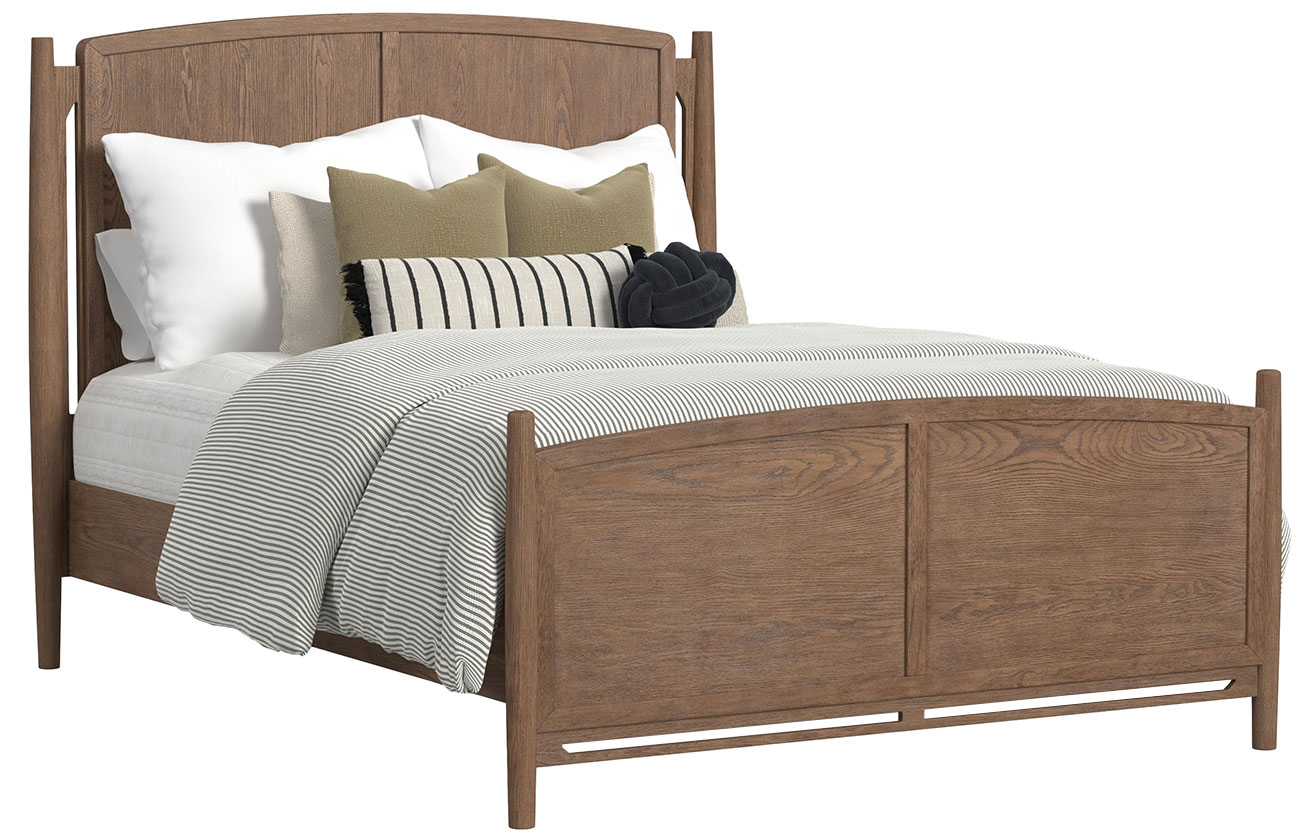
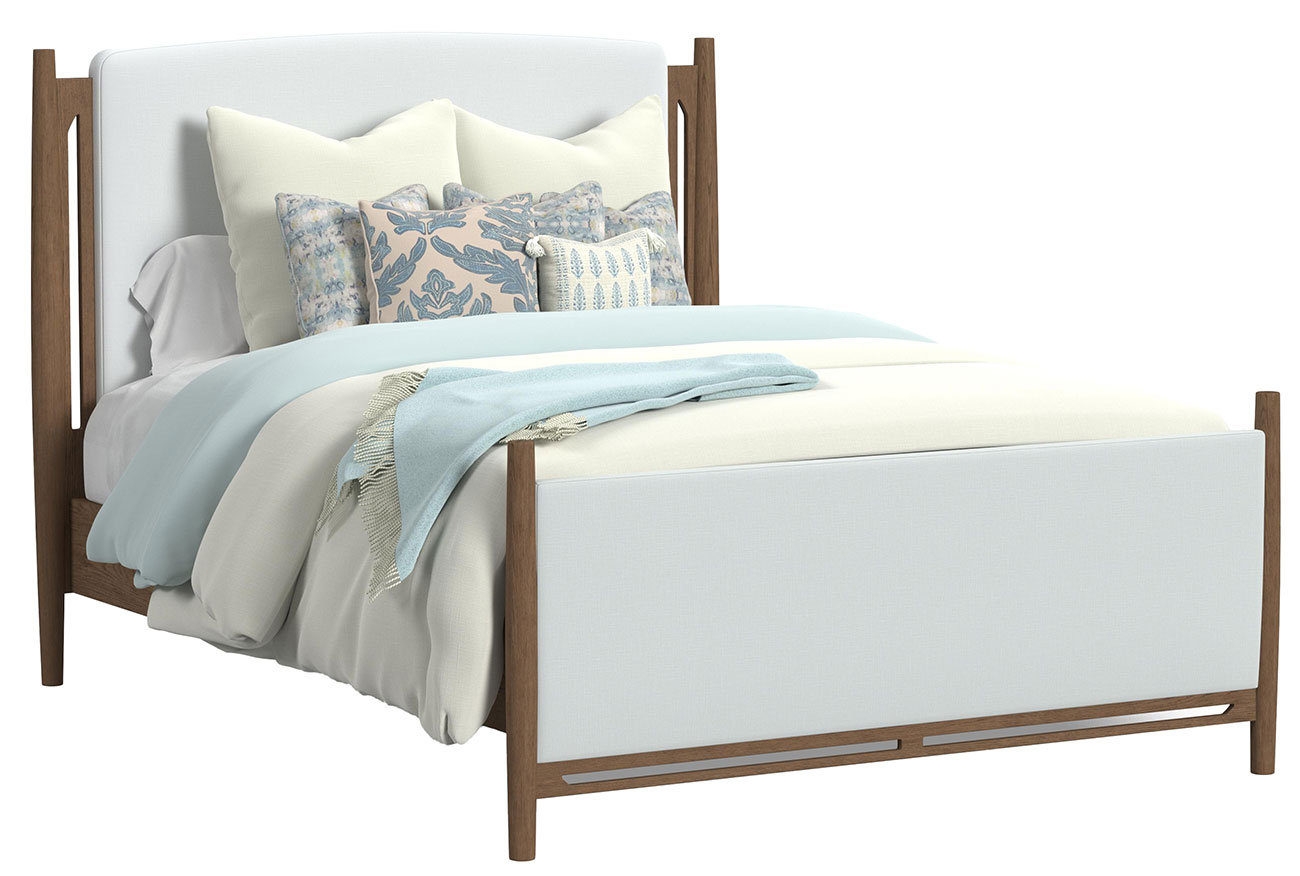
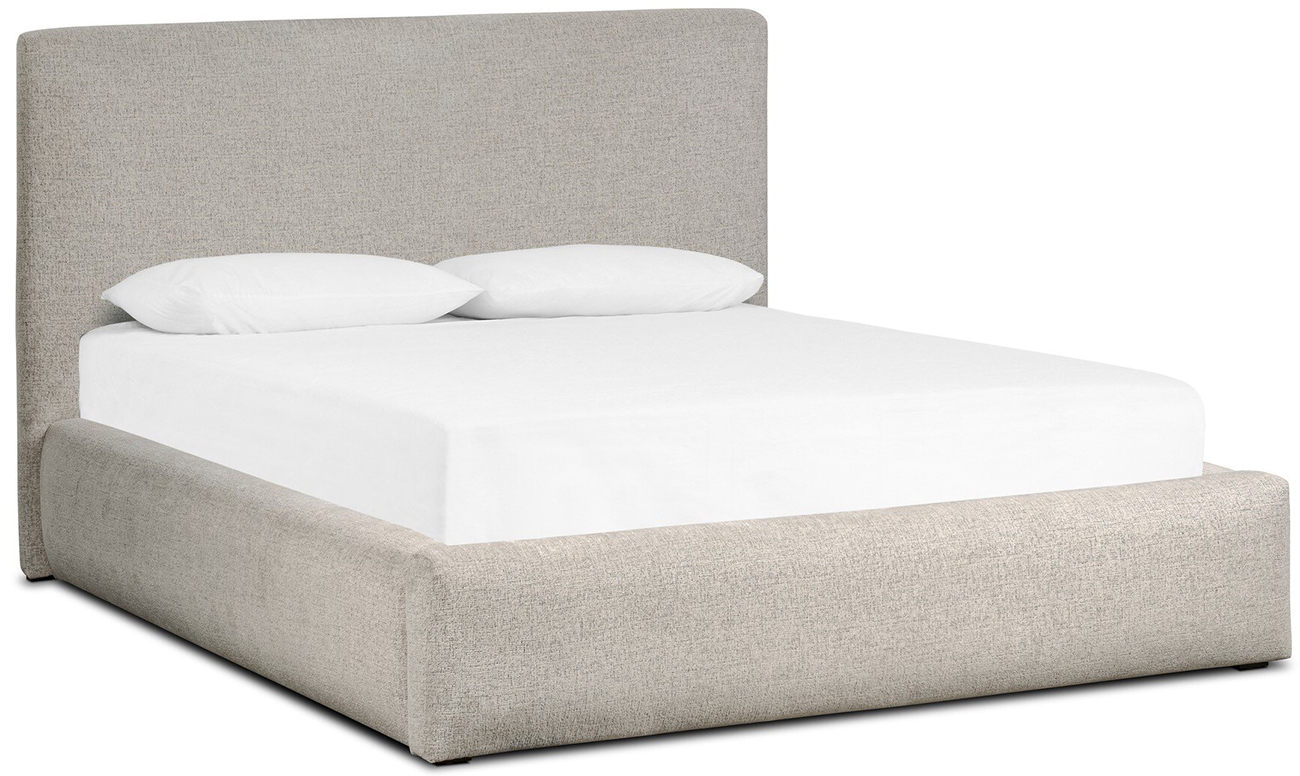
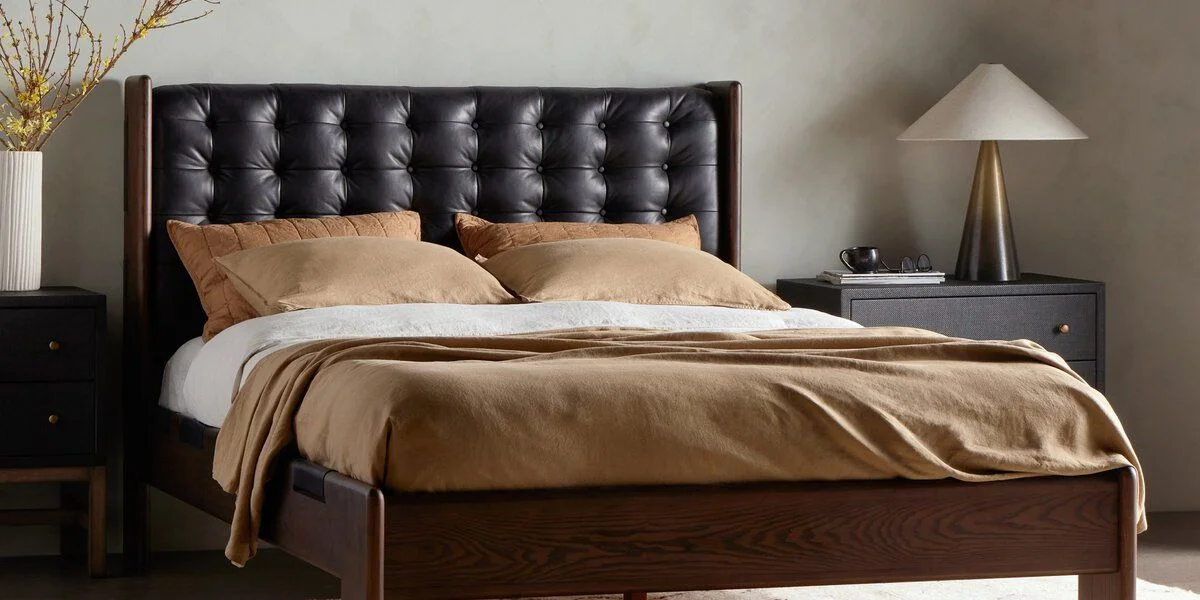
- Headboard: A decorative or functional panel that attaches to the bed frame. It can be used for style, back support while reading, or for propping up pillows. Headboards come in a variety of styles, finishes and heights, typically ranging from 40 to 58 inches above the mattress. Some headboards can be specially ordered at higher heights for bedrooms with extra-high ceilings.
- Footboard: Often added for aesthetic appeal or structural support, a footboard helps keep bedding in place and completes the overall look of the bed. Like headboards, footboards are available in a wide range of styles and finishes. Keep in mind that they do take up additional floor space.
- Side rails: These connect the headboard and footboard, offering additional support to the mattress and box spring while tying the overall look together. Side rails are designed to match the other components of the bed for a cohesive appearance.
By keeping both space and design in mind, you'll be well on your way to creating a bedroom that is functional, comfortable and beautifully styled.
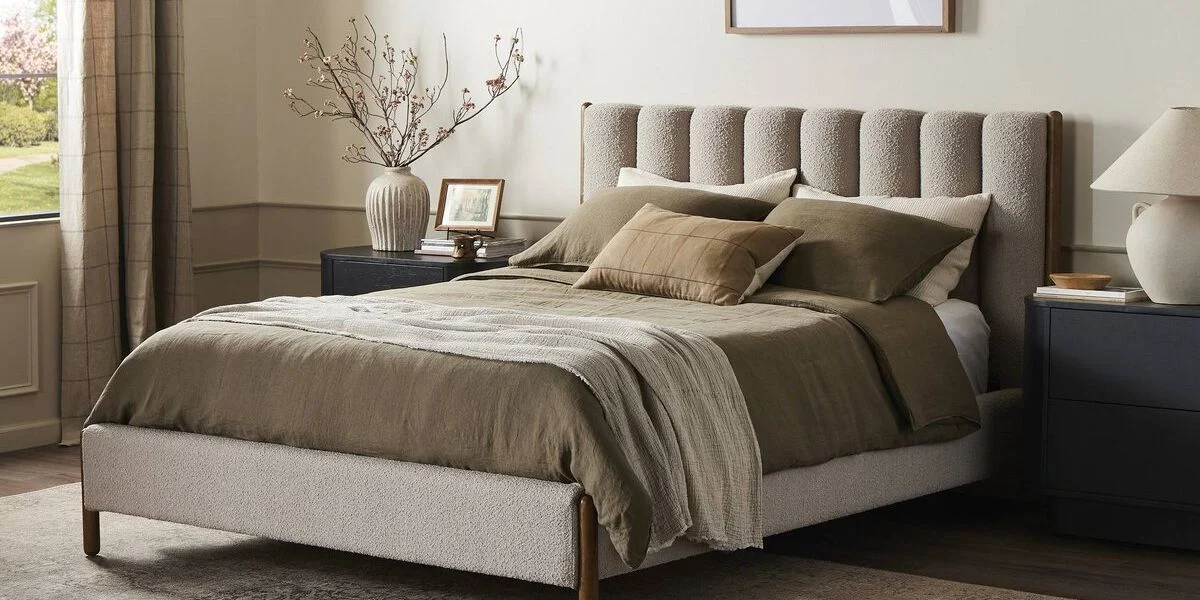
Bed Foundation Types
The most common types of foundations are metal, slatted, platform and adjustable base. Let's break down the differences between these types.
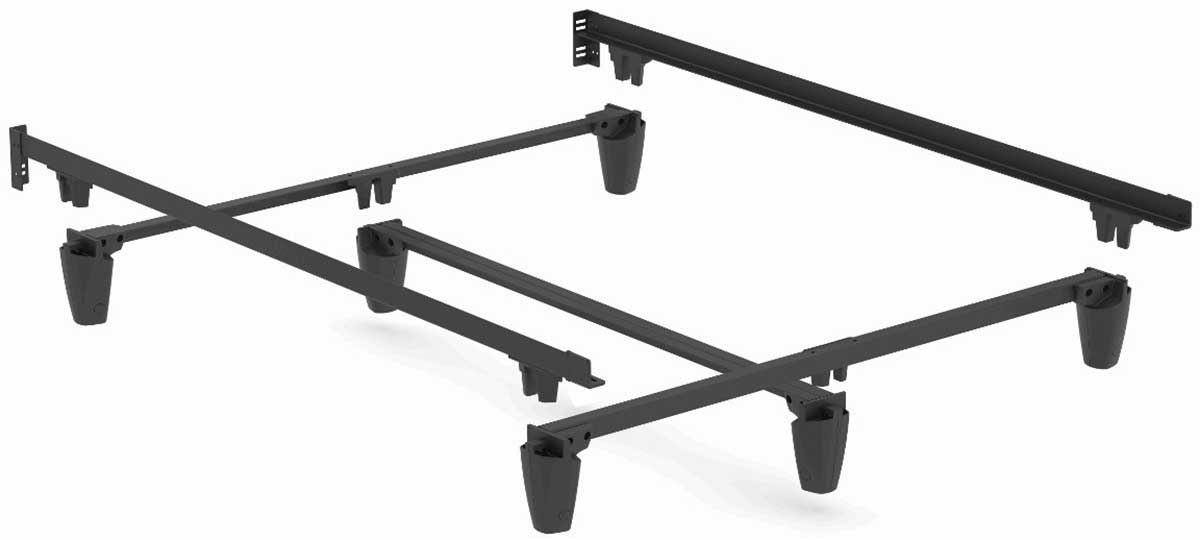
Metal Frame Bed
Metal frame beds provide essential support for your mattress, but they often require a box spring for added comfort and stability, especially since standard models typically lack central support.
Simple in design and budget-friendly, metal frame beds are among the most affordable options on the market. They're available in a wide range of styles and strengths, from lightweight models that can support up to 800 lbs. (including the mattress and occupants), to more durable versions that handle up to 1,500 lbs. and heavy-duty steel frames that are capable of supporting as much as 5,000 lbs.
If you're working with a limited budget, a metal frame bed is a great option. Many standard models are also "buildable," meaning you can easily attach a headboard or footboard later on if you decide to upgrade the look of your room.
Slatted Bed Support
A slatted bed features a series of horizontal wood or metal slats that run across the width of the bed frame to support the mattress. These slats are designed to distribute weight evenly while enhancing airflow, which helps keep your mattress cooler and fresher over time.
Wood slats are lightweight, flexible, easy to install, and provide reliable durability. Metal slats, on the other hand, offer greater strength but are generally less flexible than wood.
The weight capacity of a slatted bed depends on the slat thickness and material. Lighter or thinner slats can typically support up to 700 lbs. (including the mattress and occupants), while thicker, reinforced slats can handle 1,000 lbs. or more.
If you're replacing your mattress and have an older slatted bed frame, it may be worth upgrading your slats as well. Modern slats are built to be more durable and stay in place more securely than older models, ensuring better long-term support for your new mattress.
Platform Bed Support
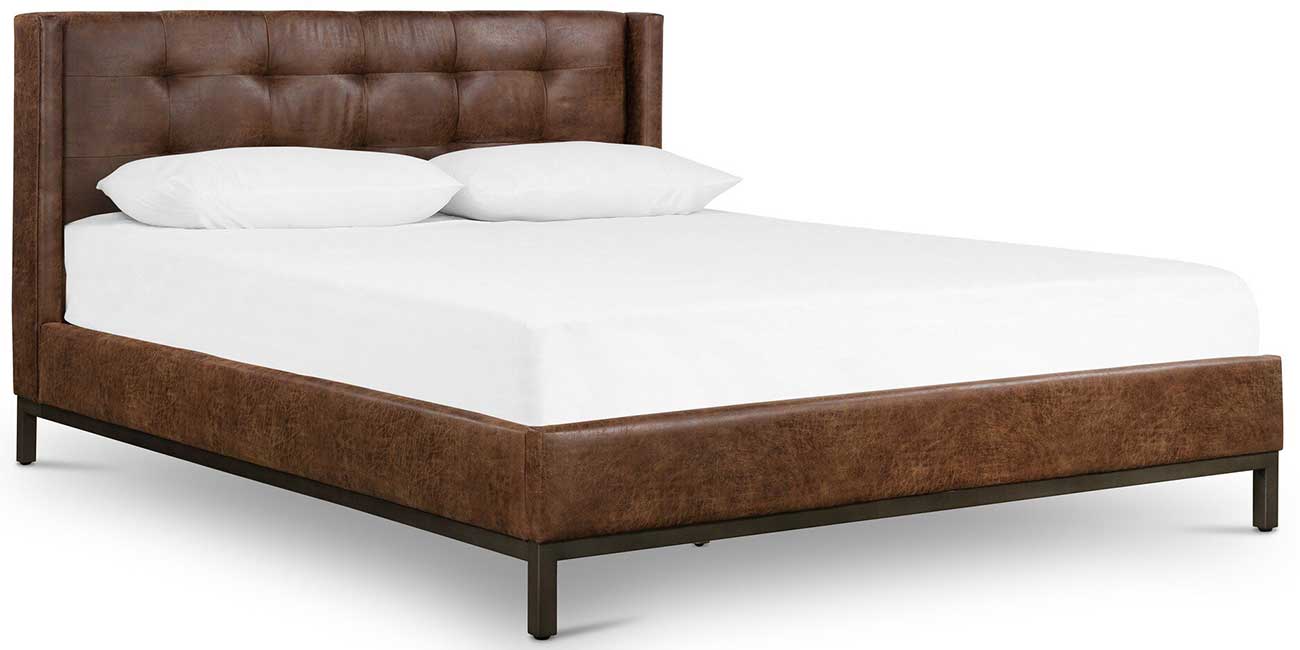
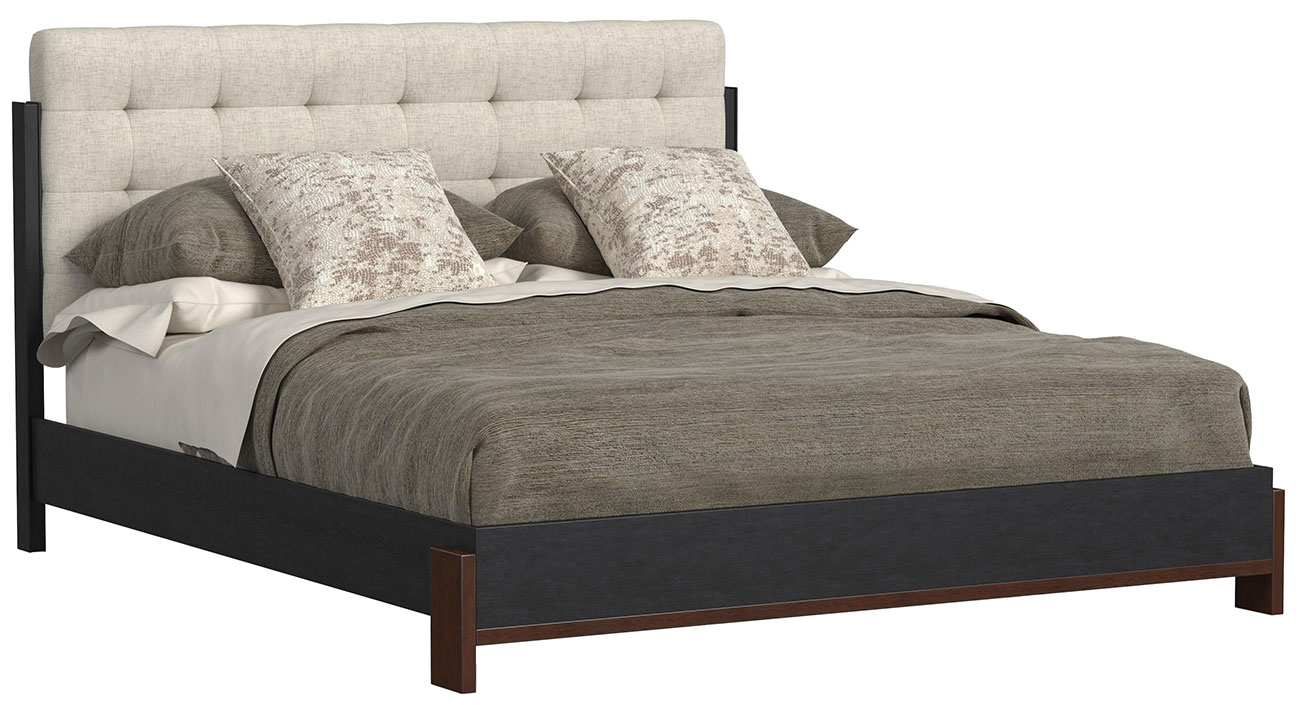
Platform beds are a stylish and functional alternative to traditional metal bed frames. They typically sit lower to the ground and feature either a solid or slatted base that supports the mattress directly; no box spring is needed. You can use almost any type of mattress on a platform bed, including memory foam, innerspring, hybrid and latex. If the bed has slats rather than a solid base, ensure they are evenly spaced to provide proper support and prevent the mattress from sagging.
If you like the clean, minimal look of a platform bed but prefer a higher sleeping surface, many models come in taller versions. You can also add a bunkie board, a slim support layer typically 1 to 3 inches thick that adds both height and extra stability between the mattress and the base.
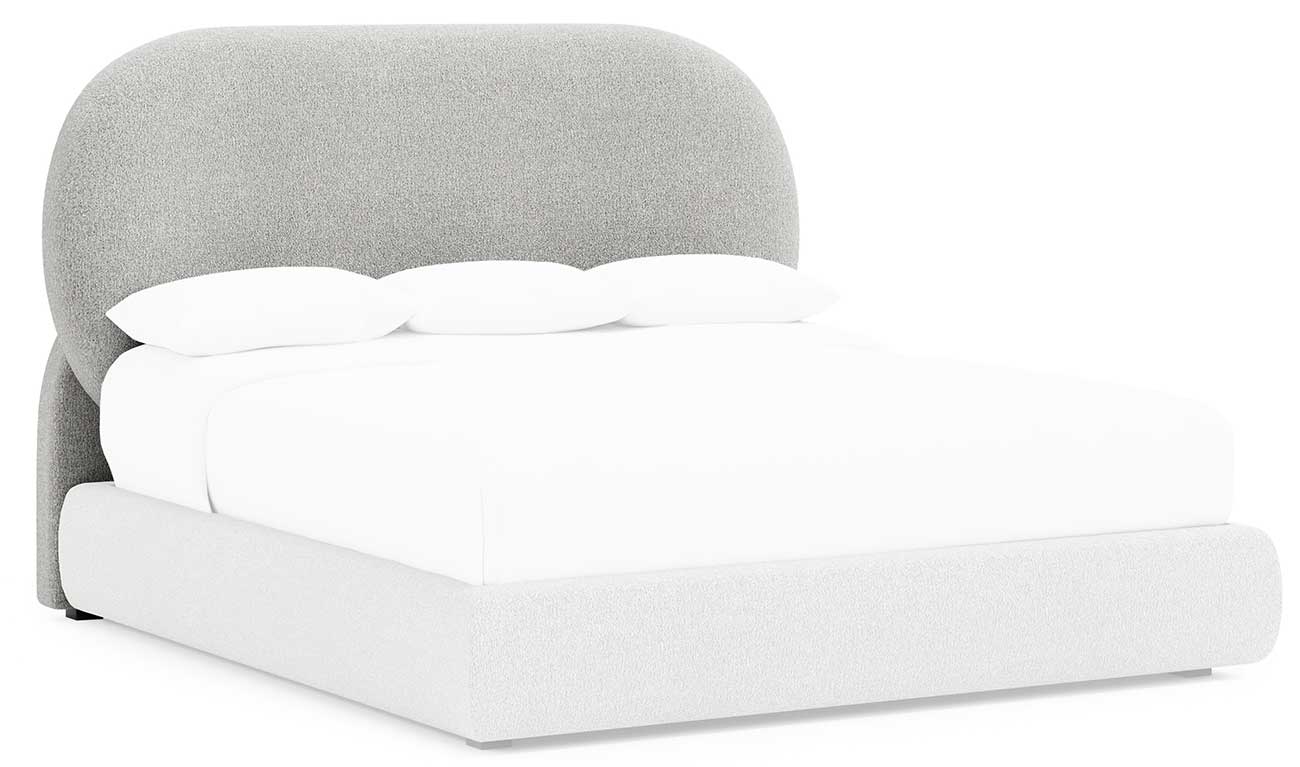
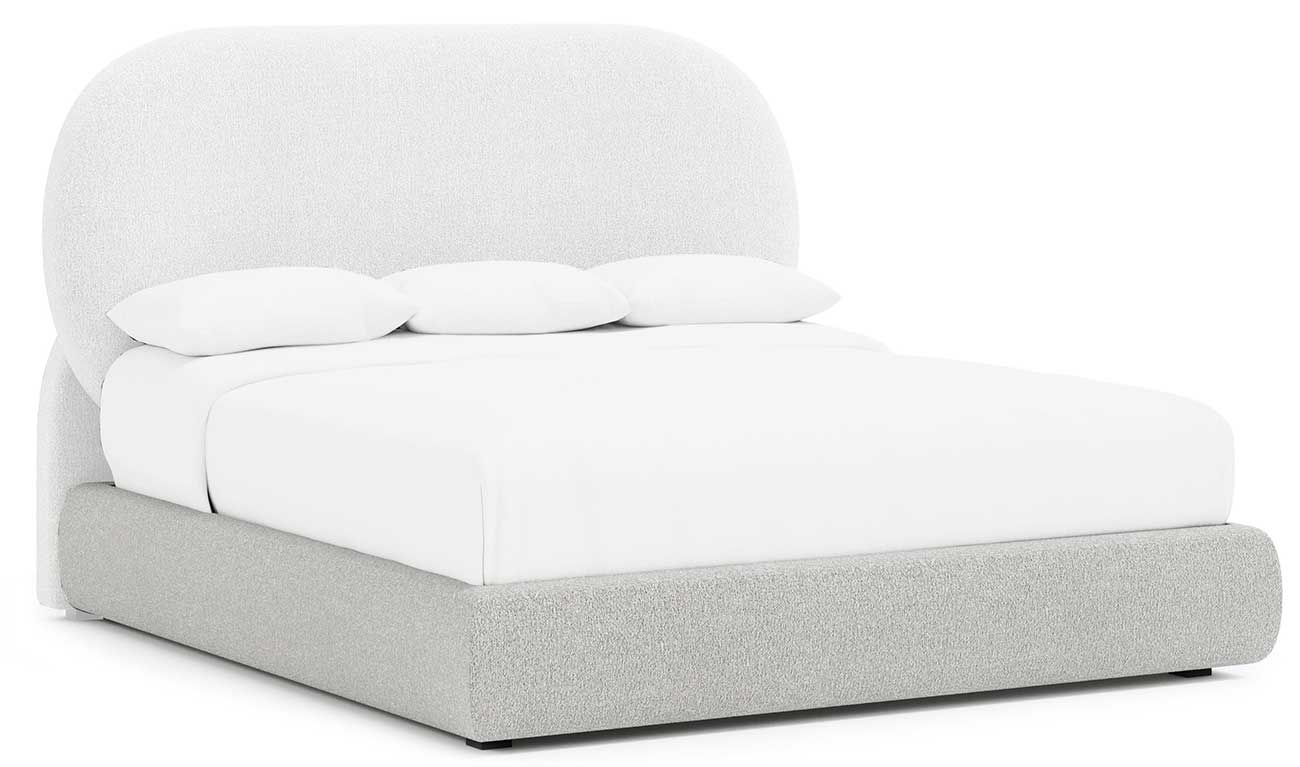
Aesthetically, platform beds are highly versatile. They pair well with a range of bedroom styles, from modern to minimalistic, and many models offer built-in storage options for added functionality.
Adjustable Bases
Adjustable base beds provide personalized comfort and convenience with a motorized foundation that allows you to raise or lower the head and foot of your mattress using a remote control. The base typically features a flat deck with supportive legs and a retainer bar or non-slip surface to keep your mattress securely in place as it moves.
These beds are ideal for a variety of purposes, whether you're watching TV, reading, addressing back or circulation issues, or simply looking for a better night's sleep. Many models offer features like programmable presets, massage functions, lumbar support, under-bed lighting and smart tech integrations such as sleep tracking and smartphone app control.
One often-overlooked benefit is that adjustable bases help resolve overall height issues in your bed setup. The legs are adjustable, allowing you to raise or lower the base to achieve the perfect bed height for your comfort and mobility needs. This makes them especially adaptable to a wide range of bedroom layouts and preferences.
Adjustable bases are compatible with most modern mattress types, including innerspring (with pocketed coils), memory foam, latex, and hybrid models. They can also enhance existing bed setups, working well with metal frames, slatted bases, low-profile platforms, and high-profile bed frames. However, they are not suitable for waterbeds, air mattresses, traditional innerspring mattresses without pocketed coils or ultra-firm mattresses, as mattresses that are too firm are too rigid to move properly with the base.
Available in Twin, Twin XL, Full, Queen, King and California King sizes, including split options like Split King and Split California King, adjustable beds are a great option for couples who want individual control over each side of the bed. With models starting just under $600, they bring customizable comfort within reach for more people than ever before.

What is a Box Spring and Do You Need One?
A box spring is a type of mattress foundation, typically made from a combination of wood or metal, fabric, and, in many cases, coil springs. While some modern versions exclude the coils, the purpose remains the same: to provide flat, solid support for your mattress and help distribute weight evenly.
Benefits of a Box Spring:
- Reduces wear and tear: By absorbing impact and distributing weight, a box spring helps protect your mattress from sagging and premature aging.
- Extends mattress lifespan: The added support helps maintain the structural integrity of the mattress over time.
- Adds height: A box spring raises the bed, making it easier to get in and out of bed, especially useful for those with mobility concerns.
- Enhances comfort: In models with springs, the extra bounce can provide a softer, more responsive feel.
Do I Need a Box Spring?
If you're using a standard metal bed frame, yes. Most metal bed frames lack built-in slats or a solid base and typically include only a support leg at each corner, with maybe one in the center for larger sizes like queen, king, or California king. Even heavy-duty versions, while more supportive, still require a box spring to prevent the mattress from sagging.
If your bed frame already offers sufficient support then no, you do not. This includes platform beds, slatted frames (with appropriately spaced slats), and adjustable bases. These types of foundations are designed to hold a mattress on their own, making a box spring unnecessary.
The Bottom Line
If your bed frame lacks built-in support, a box spring is a smart investment. But if your foundation is solid on its own, you can likely skip it and still enjoy proper comfort and longevity from your mattress.
Find the Perfect Bed at Abt
With size, style, comfort and support in mind, you're ready to buy a bed. Browse our entire selection of bedroom furniture to create a stylish, tranquil space, or visit our store in Glenview to see select bedroom furniture in person. If you have more questions about buying a bed, reach out to our furniture experts at 800-860-3577.