Sofa Buying Guide: How to Choose the Perfect Couch

The sofa is the centerpiece of your living room. This guide will break down all the factors you should consider to find your perfect sofa, from materials to size to aesthetics.
Getting Started
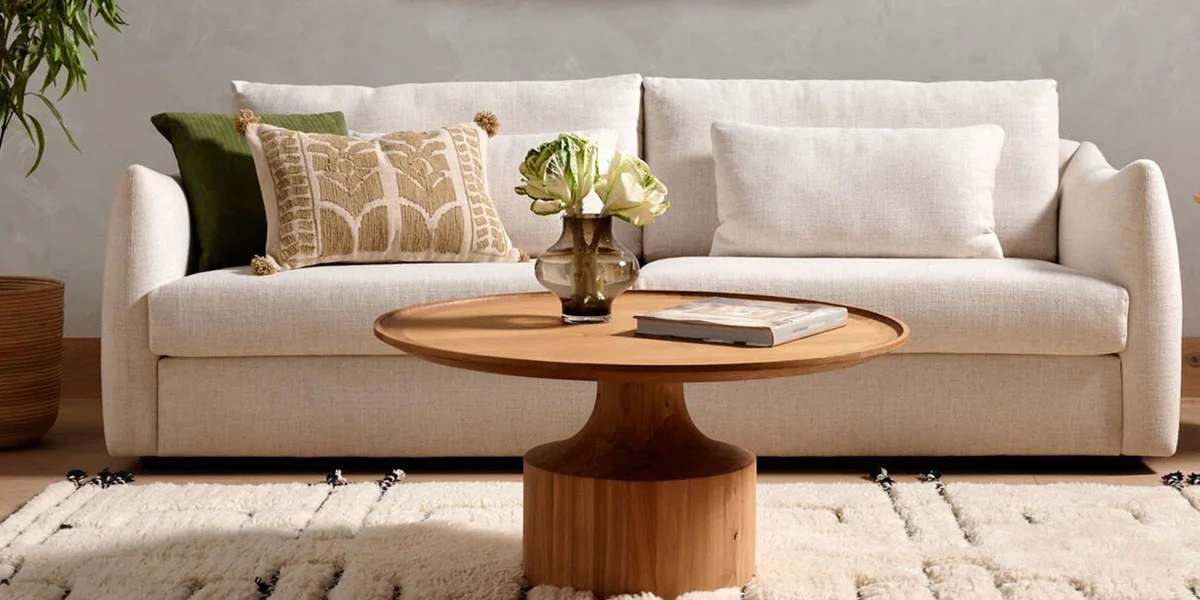
Your sofa is the centerpiece of your living room. Providing both style and comfort, it's important to choose the right fit for your home, whether you have lots of space, not much space, children or pets. Between the shape, size, material and style, there's a lot to think about when shopping for a sofa. Before we get into each factor to consider in your purchase, let's go over the most common types of sofa.
Sofa Types
Sectional
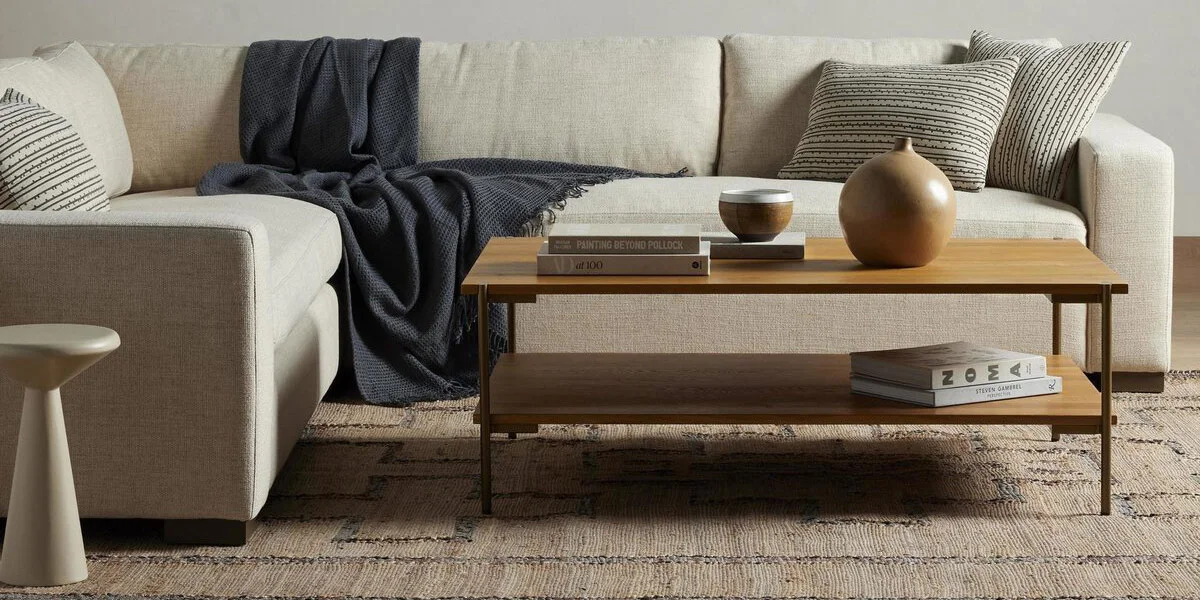
Sectionals offer lots of customization options, with modular options that let you create your own design, with as much seating as you need. Sectionals can be L-shaped or U-shaped, so you can choose the shape that best fits your living room layout.
Apartment Sofa
Apartment sofas have the same silhouette as a full-size sofa with less depth and length. They're larger than loveseats, though, and sit three people comfortably.
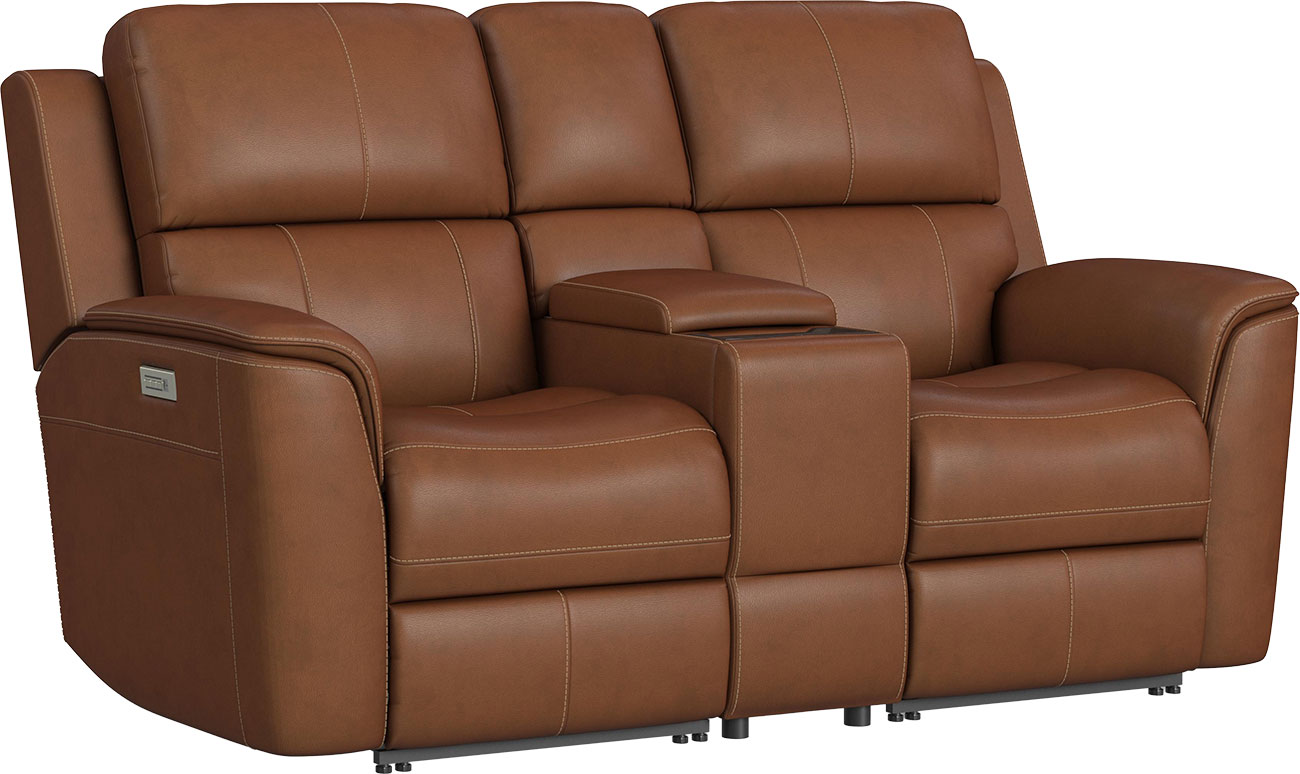
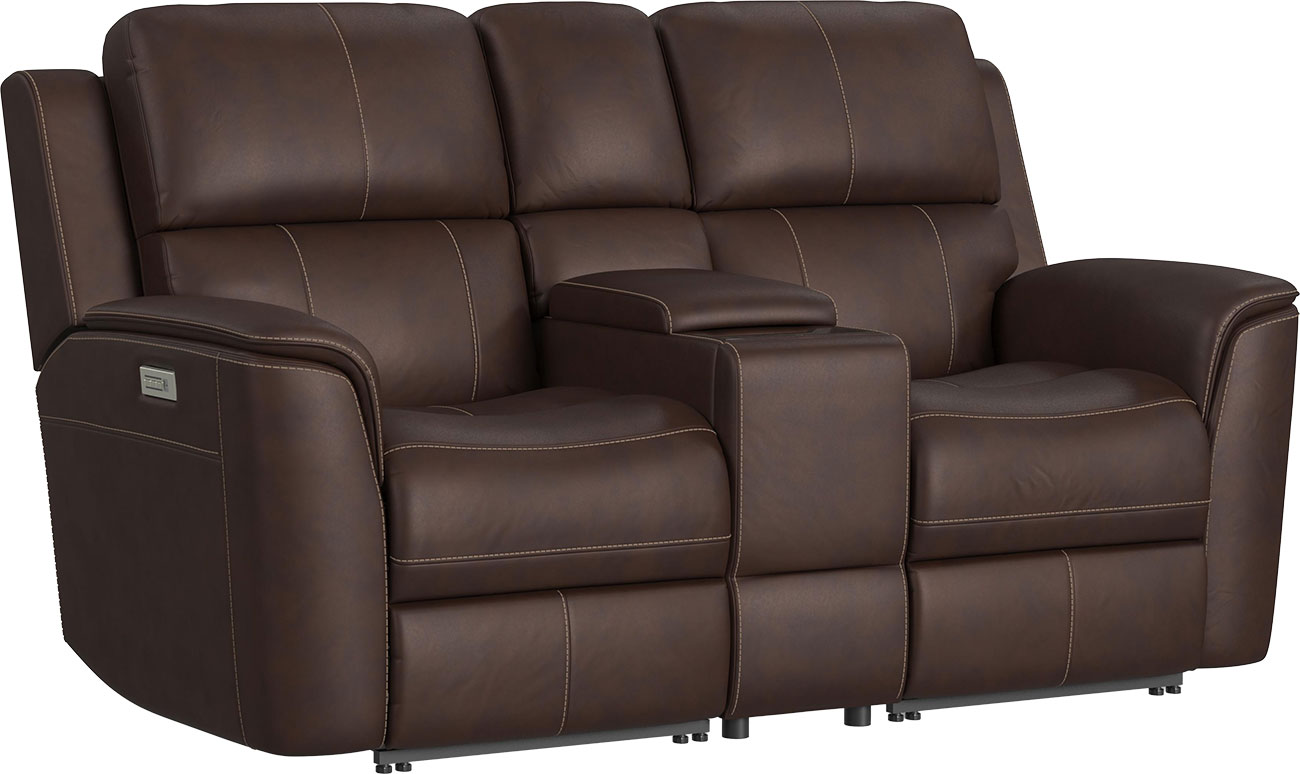
Loveseat
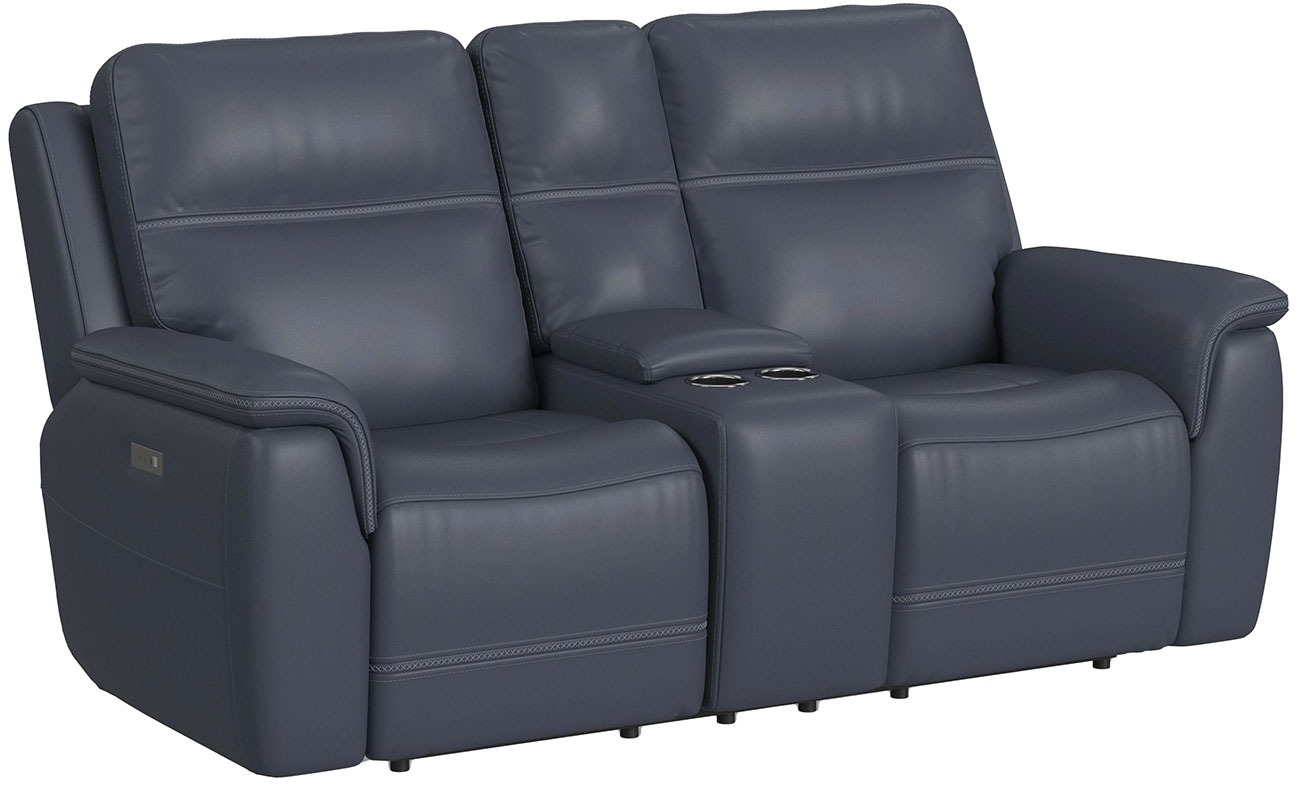
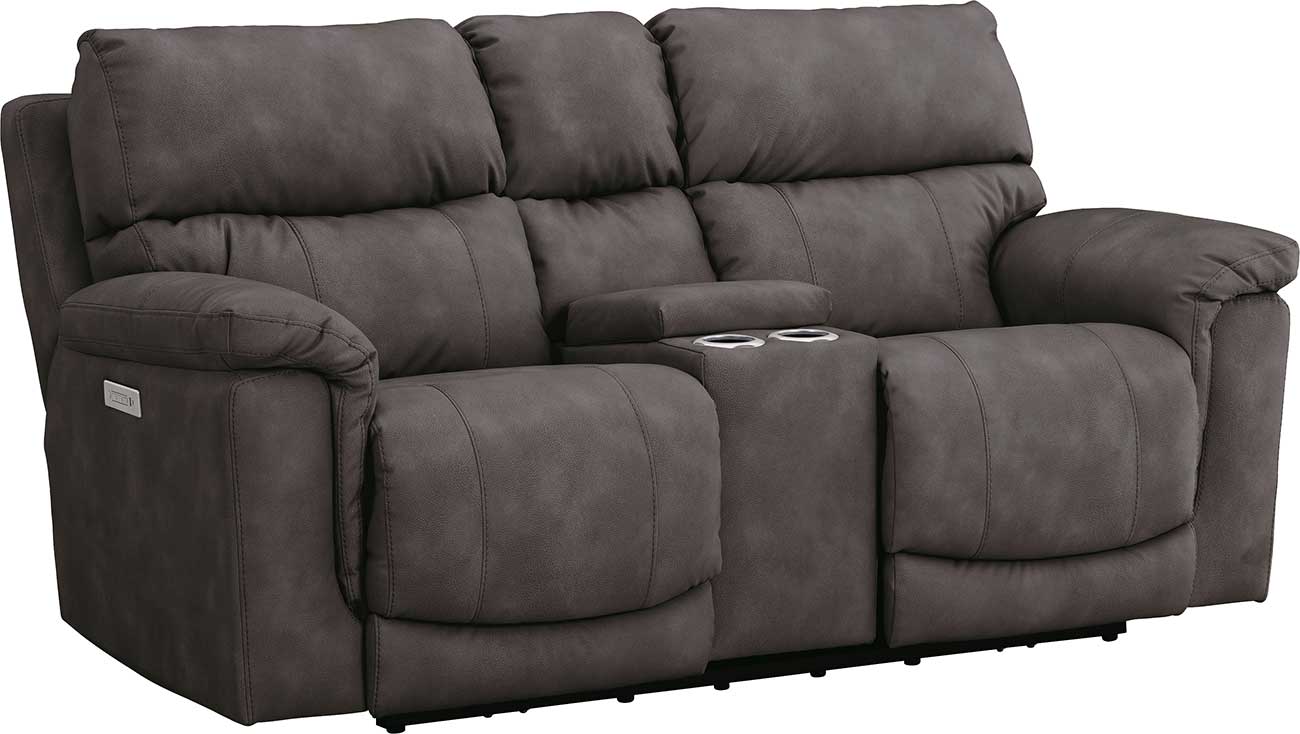
Loveseats are great for smaller rooms or for adding additional seating to a larger room, often in an L-shaped layout. They comfortably seat two people.
Sleeper Sofa
As the name suggests, a sleeper sofa can extend flat into a bed. They're great for accommodating overnight guests even if you don't have a guest room, and you essentially get two pieces of furniture in one.
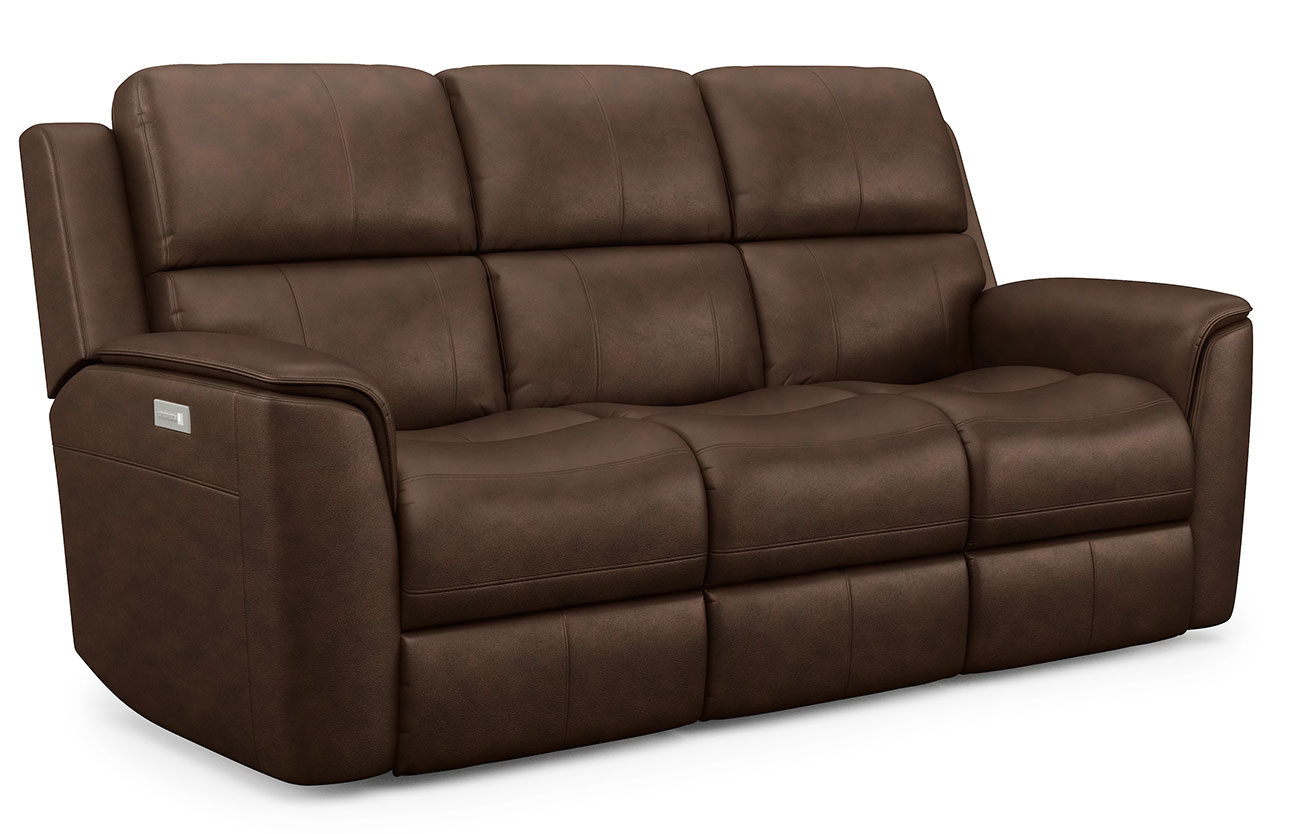
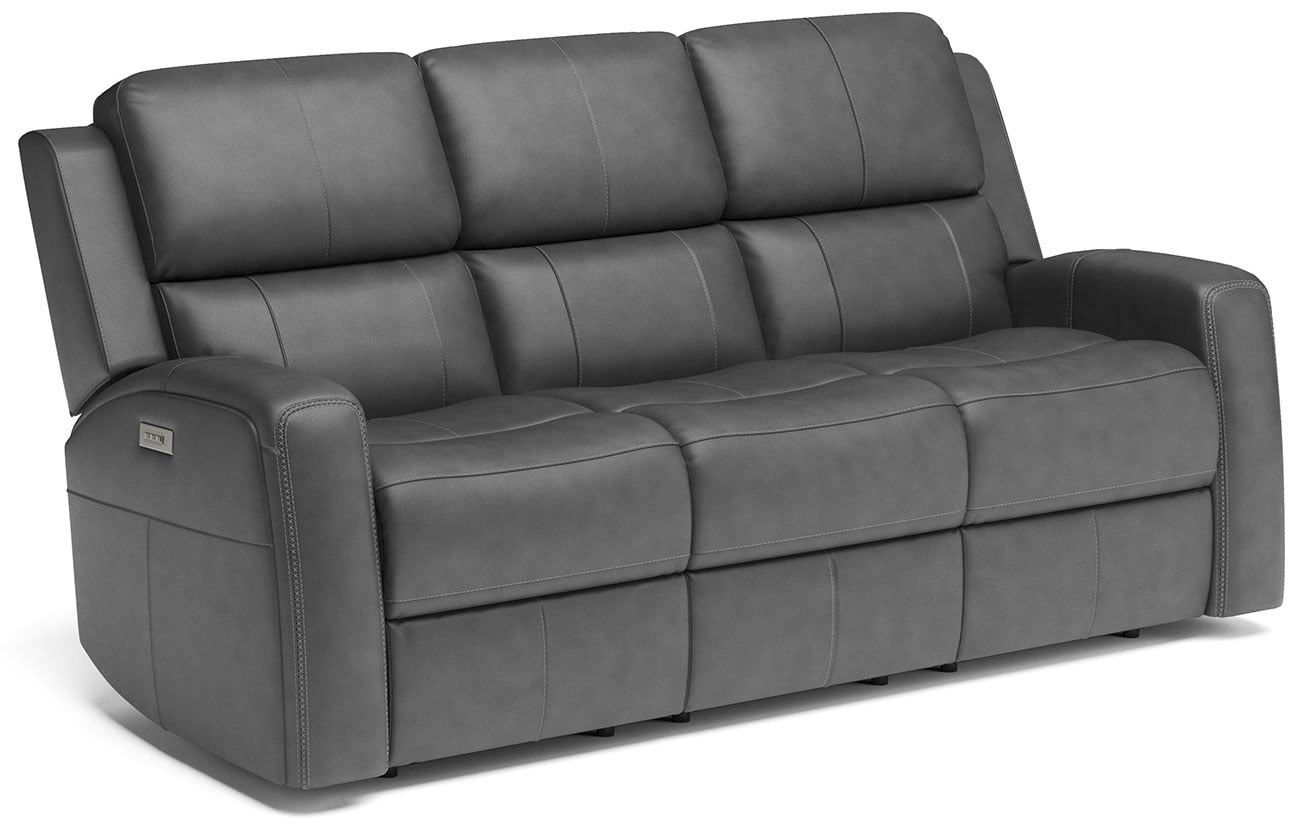
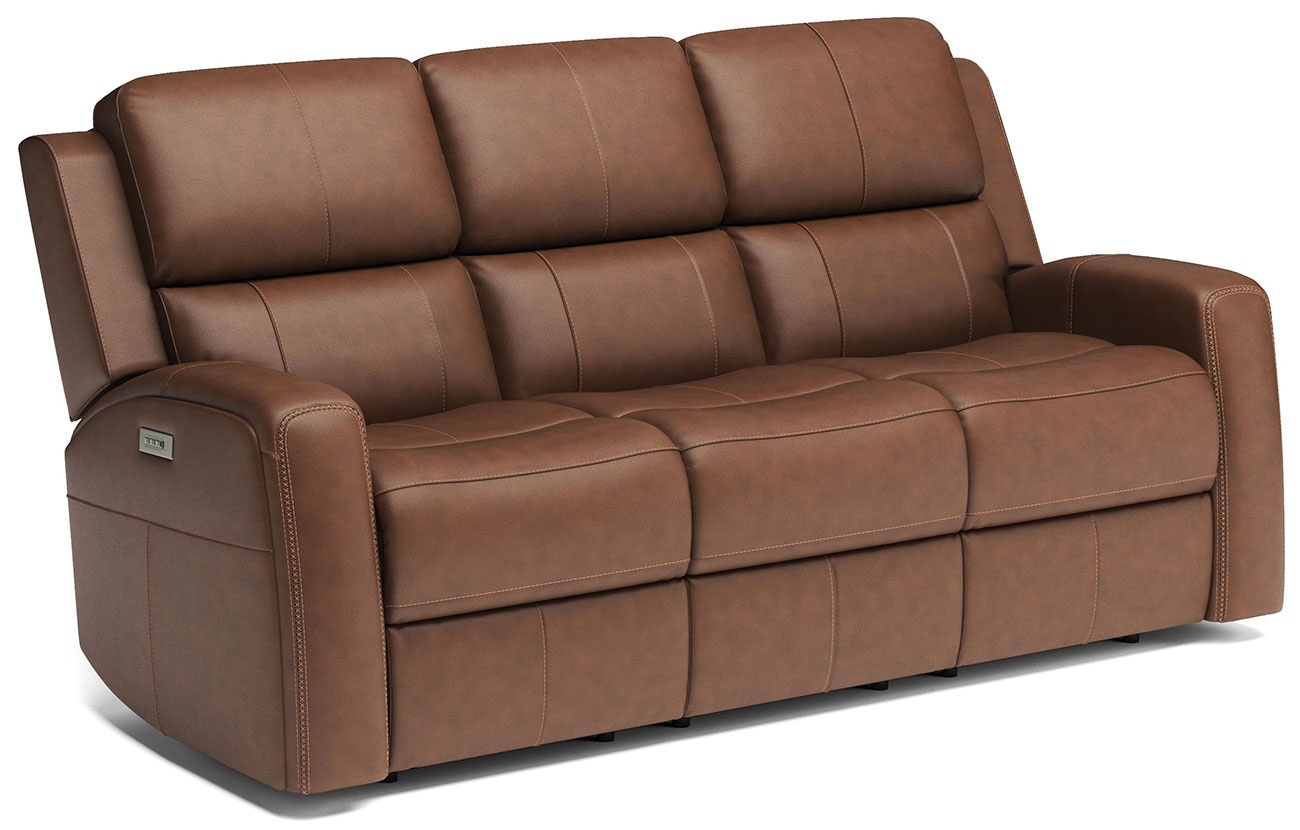
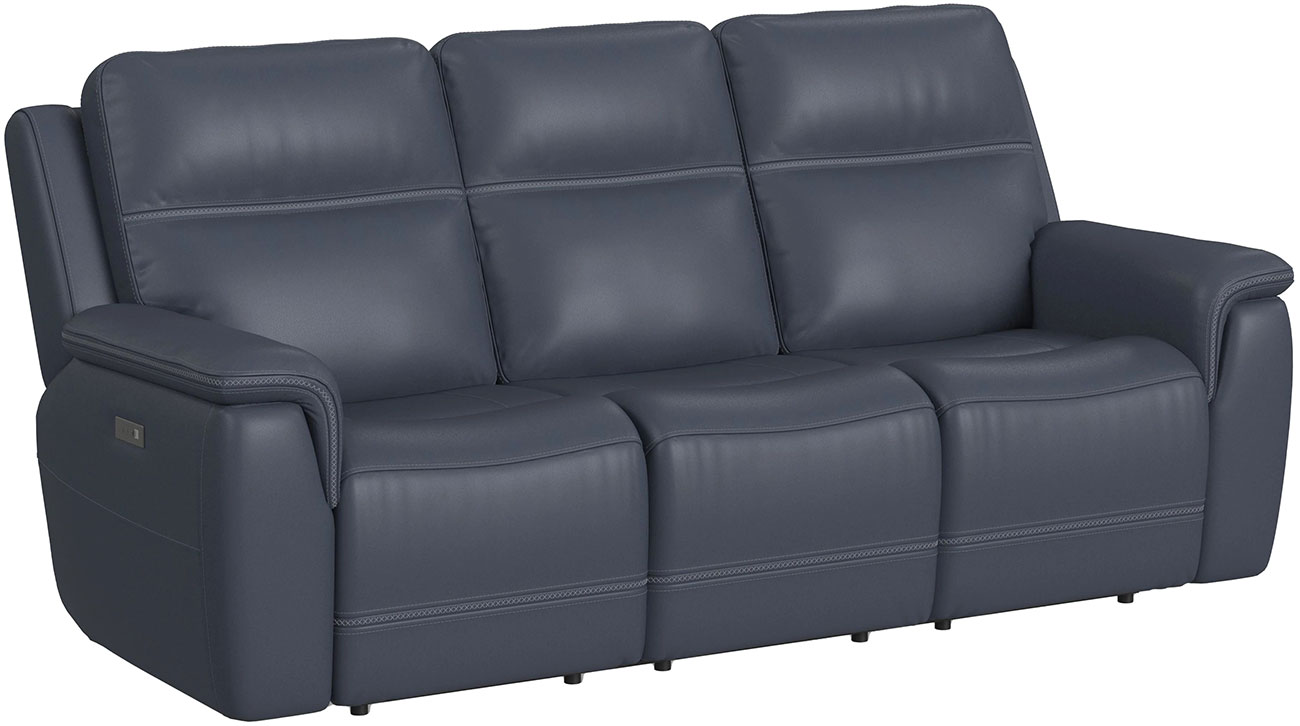
Recliner Sofa
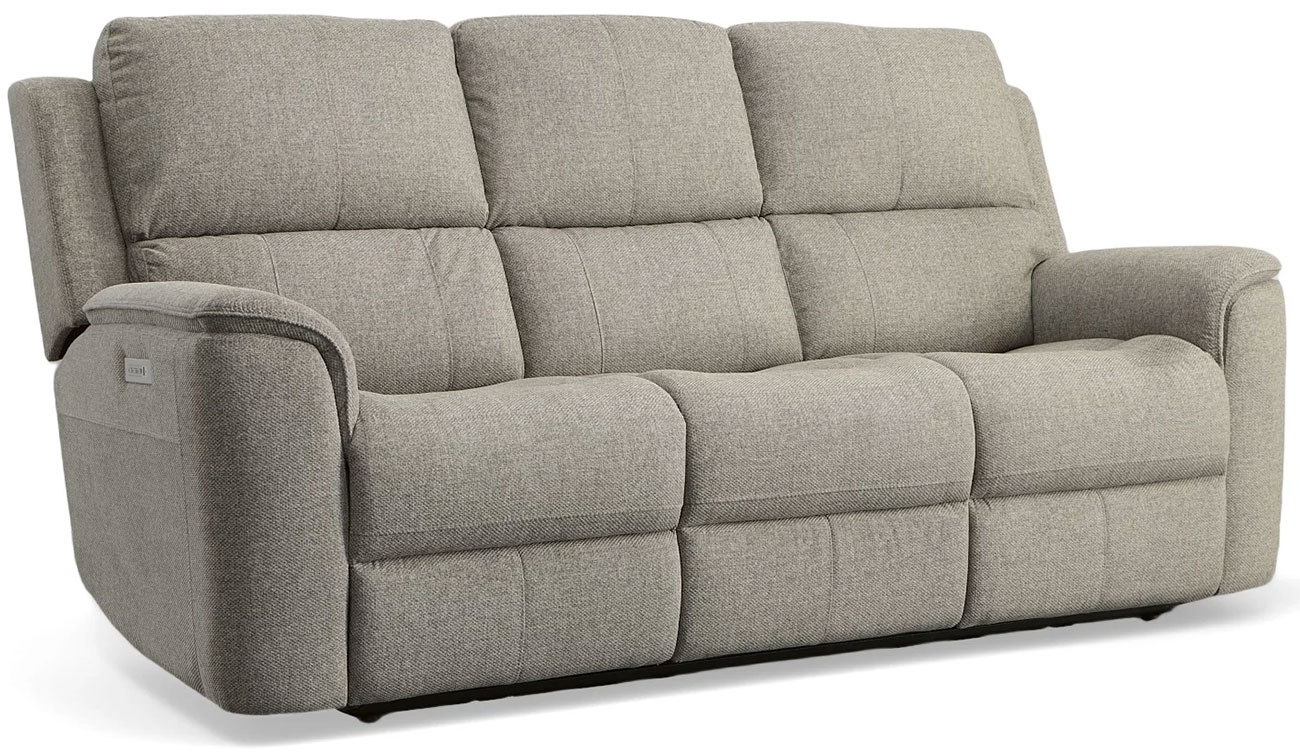
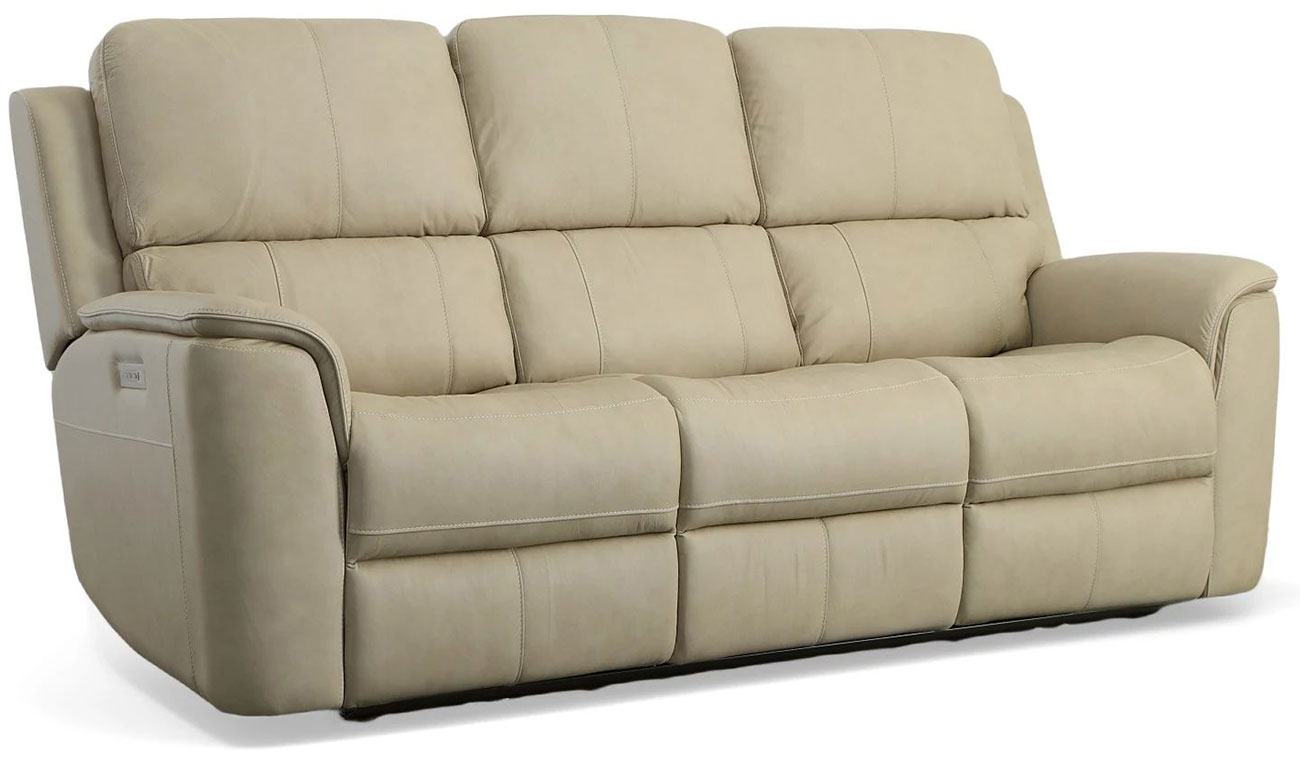
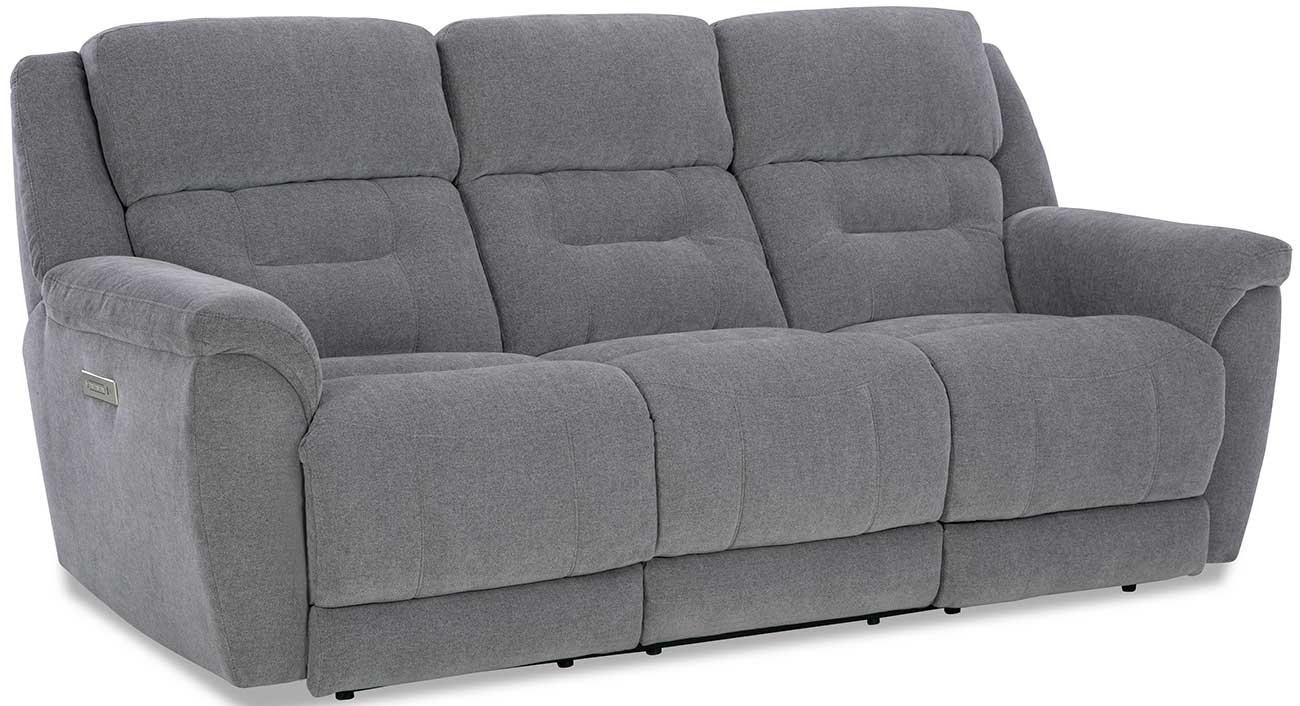
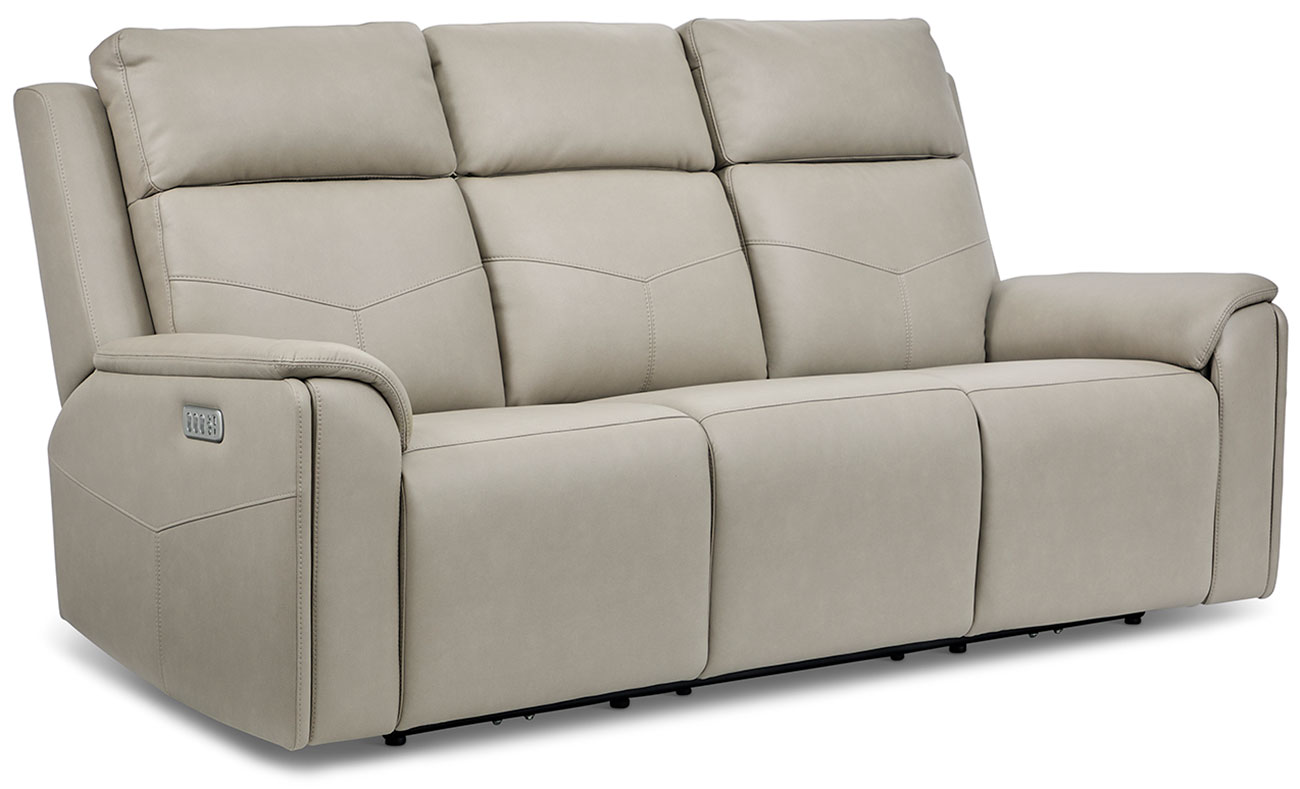
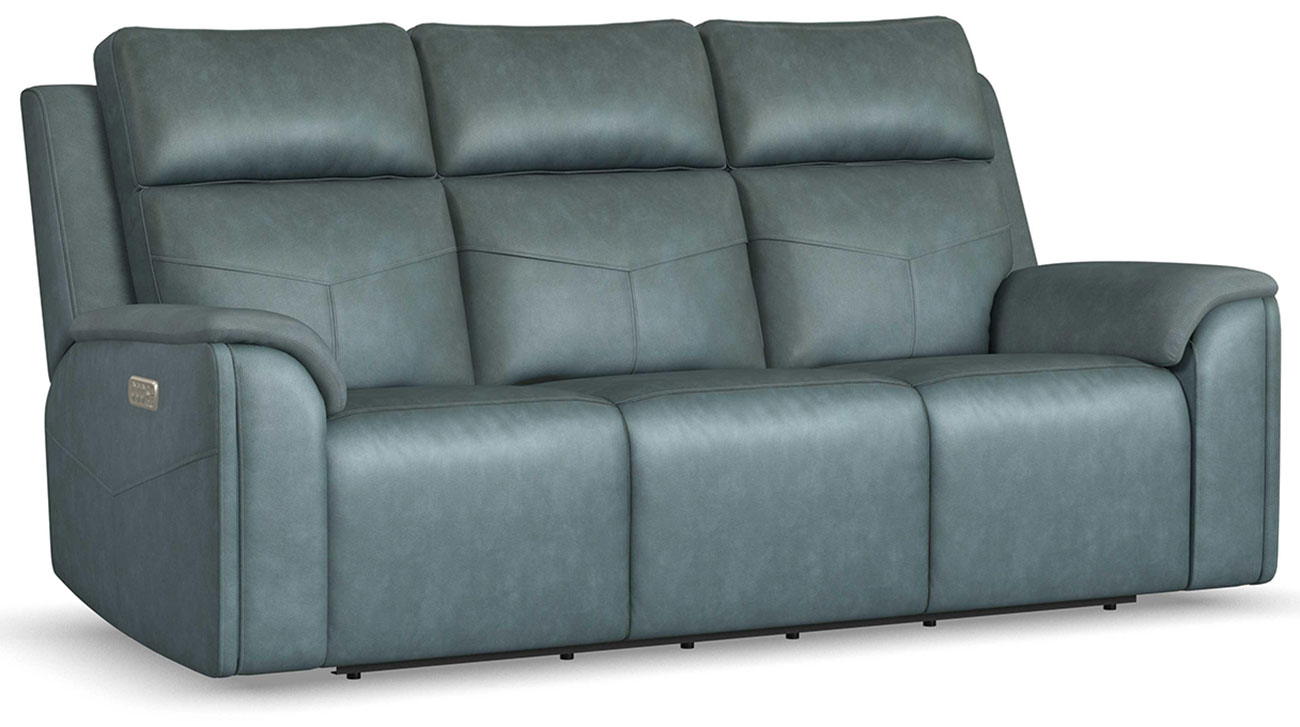
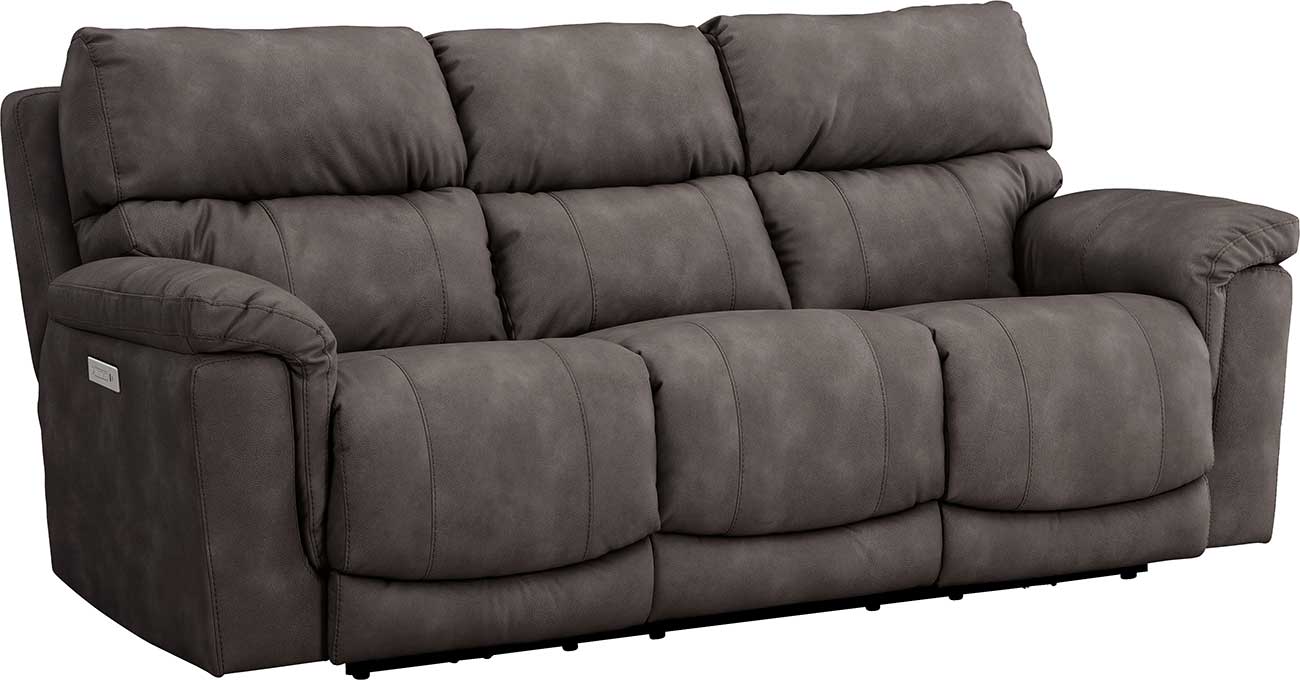
Recliner sofas are usually a type of sectional, with select pieces that recline for adjustable comfort. Keep in mind that your sofa will require additional space so you have room to recline.
Size/Seating
How many people live in your home? Do you host frequently? You need to consider how many people will typically sit on the sofa while shopping. As discussed above, a loveseat is designed to seat two people comfortably. The average sofa is about 82-86" wide, and will comfortably seat about three people. If you'd like to seat four people, look for a sofa 96-120" wide. To seat five or six people comfortably, look for a sofa 120-180" wide. Of course, the number of people your sofa can accommodate will vary depending on who is using it; children will take up less room than adults, for example.
Space
On top of the number of seats, another element of size you'll need to consider is the space the sofa is going in. A sofa that's too small will look comically undersized in your room, while one that's too big will make the space feel cramped. In general, designers use the "two-thirds rule" to determine the appropriate size for a sofa: the couch you purchase should take up about two-thirds of the wall it's in front of. Plus, certain styles, like recliner sofas, will require more space. As a rule, you should aim to leave about five inches between the back of the sofa and the wall (unless you plan on floating your couch, which means placing it towards the center of the room). You should also consider the other furniture in the room, whether that's a coffee table, size tables, armchairs or shelving.
Lifestyle
Do you have young kids or pets? Do you live alone? How often do you host? Your lifestyle will impact which materials are best for you and how large a couch you'll need to purchase. If you have a large family, you'll need to invest in a sofa that can comfortably seat everyone. But with kids, you should opt for more durable fabrics and darker colors that can hide stains.
Construction
It's also important to consider how a couch is made. Its construction will determine both its longevity and its comfort level; you want your sofa to offer enough support so that your back doesn't hurt when you get up. If you're investing in a sofa, ensure you're investing in quality.
Frame
The frame is the foundation of your couch, providing support for the entire structure (and the people sitting on it). Solid hardwood frames are the most high-quality, reliable option that will last you the longest. Avoid plywood, metal and plastic frames when possible; they're not as durable and can warp and bend over time. If you're unsure of the frame material on a sofa, carefully try to move or lift it; a solid hardwood frame will feel significantly heavier. In general, the weight of a sofa is a great indicator of its quality.
Joinery
Joinery refers to the way the parts of the frame are held together. As a rule, avoid sofas only assembled with nails, glue or staples. However, these materials can be used as additional reinforcement for higher quality joinery. Look for frames with wood joinery.
Arms
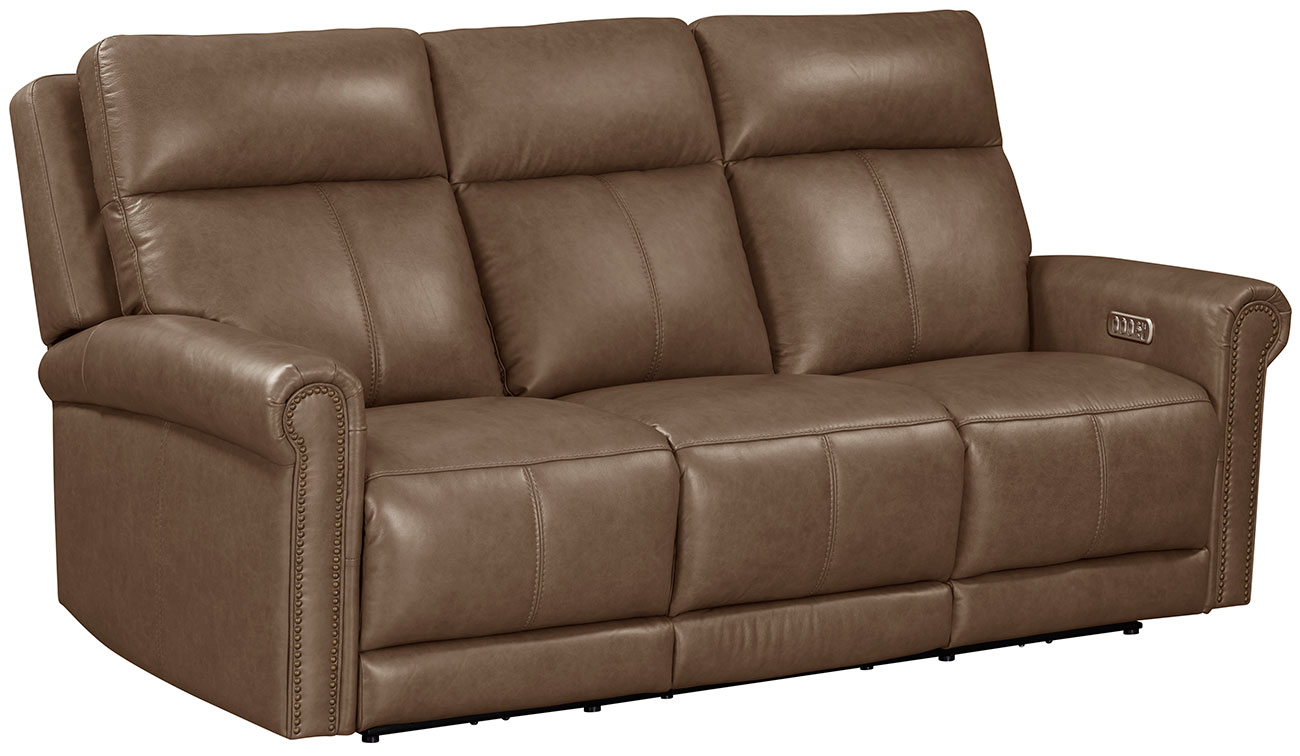
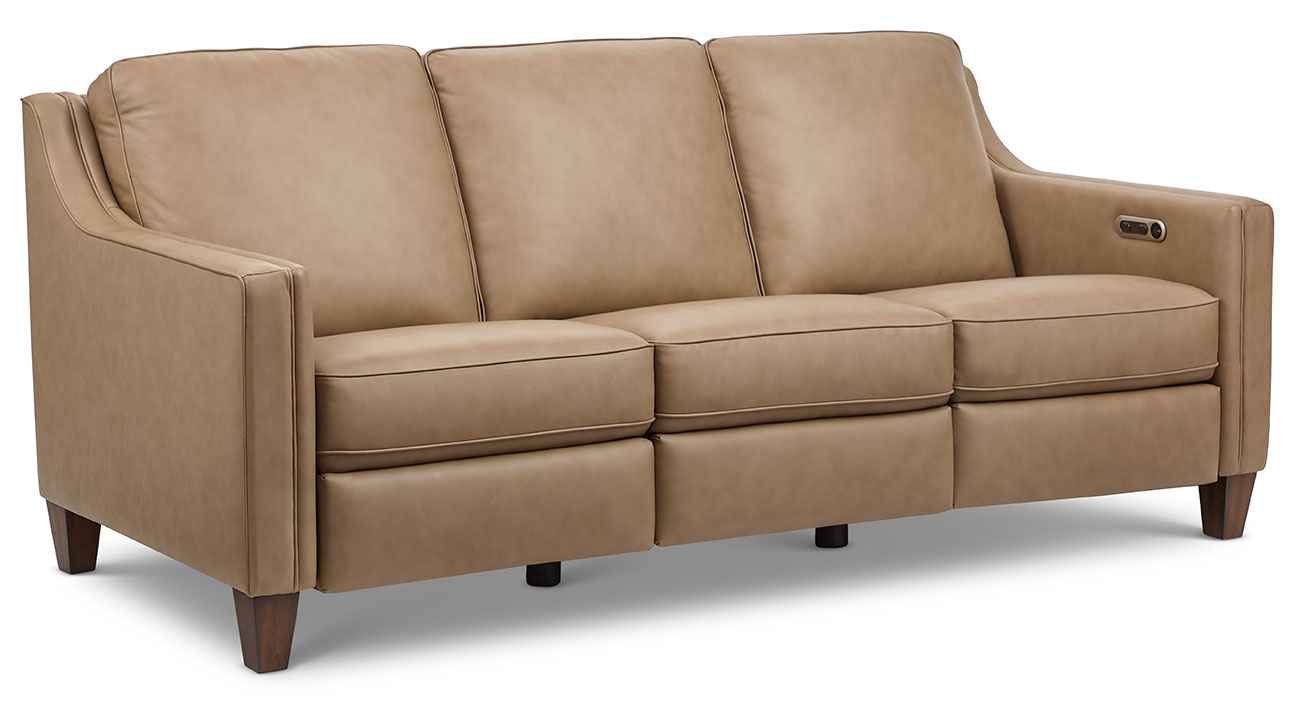
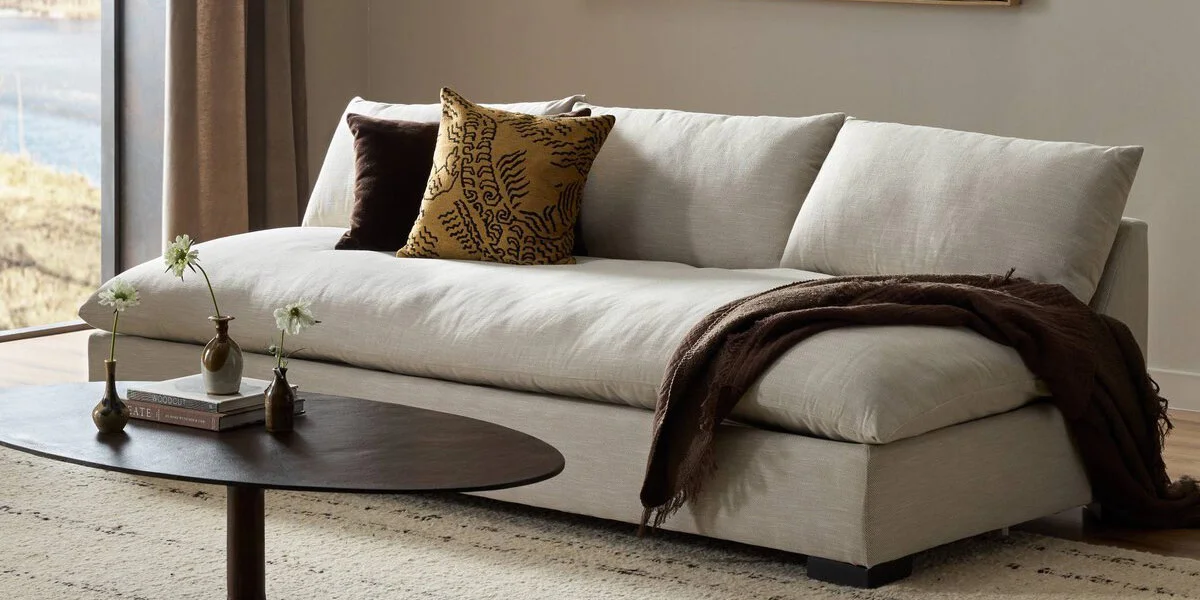
The arms on a sofa are one of the most commonly damaged areas, so it's important to test the arms to make sure there's no give. In addition to wear and tear, the arm style of a sofa is another factor. Roll arms offer an elegant look, with a great spot to rest your head. Slope arms feature a curved silhouette that offers a comfortable place to kick up your feet. Armless sofas won't offer that space to lean, but they can be a good fit if you're seeking a minimalist style or have limited space.
Aesthetics
Of course, you also want your sofa to look great in your space, on top of comfortably seating your family. Consider the other pieces in your space: do you gravitate towards minimalism, or do you prefer eclectic pieces? Is your living room a neutral color palette, or do you prefer a vibrant color palette? Your sofa can be used as a grounding element in an otherwise maximalist room, or as a pop of color amongst neutral tones on your walls and floor. Other aesthetic considerations to make include the design style—everything from minimalist armless options to timeless Chesterfield sofas to trendy curved back couches.
Material
The best material of your sofa depends on several elements, including your lifestyle and your home aesthetics. You'll need to strike the balance between looks and practicality to ensure your sofa looks great for years. In general, we recommend selecting durable, low-maintenance fabrics for high-traffic areas or in homes with children or pets.
Boucle
Boucle has a distinct nubby texture, and is trendy lately. This chic fabric is easy to maintain thanks to its looped yarn construction, which offers durability. Boucle sofas are also fairly easy to clean; if you opt for a lighter color, expect your couch to require a little more effort to maintain.
Canvas
Canvas is durable and sturdy, with a relaxed, casual look. If you love the coastal chic look, canvas is a good choice. Its casual look and easy cleanability make canvas a great material for sofas in homes with pets and kids, or in high-traffic areas.
Cotton
Cotton is a breathable fabric, making it a good choice in warm climates. Its soft texture and durability make it a popular choice in many homes. Cotton couches are easy to clean and come in a wide range of colors, as the material is easy to dye.
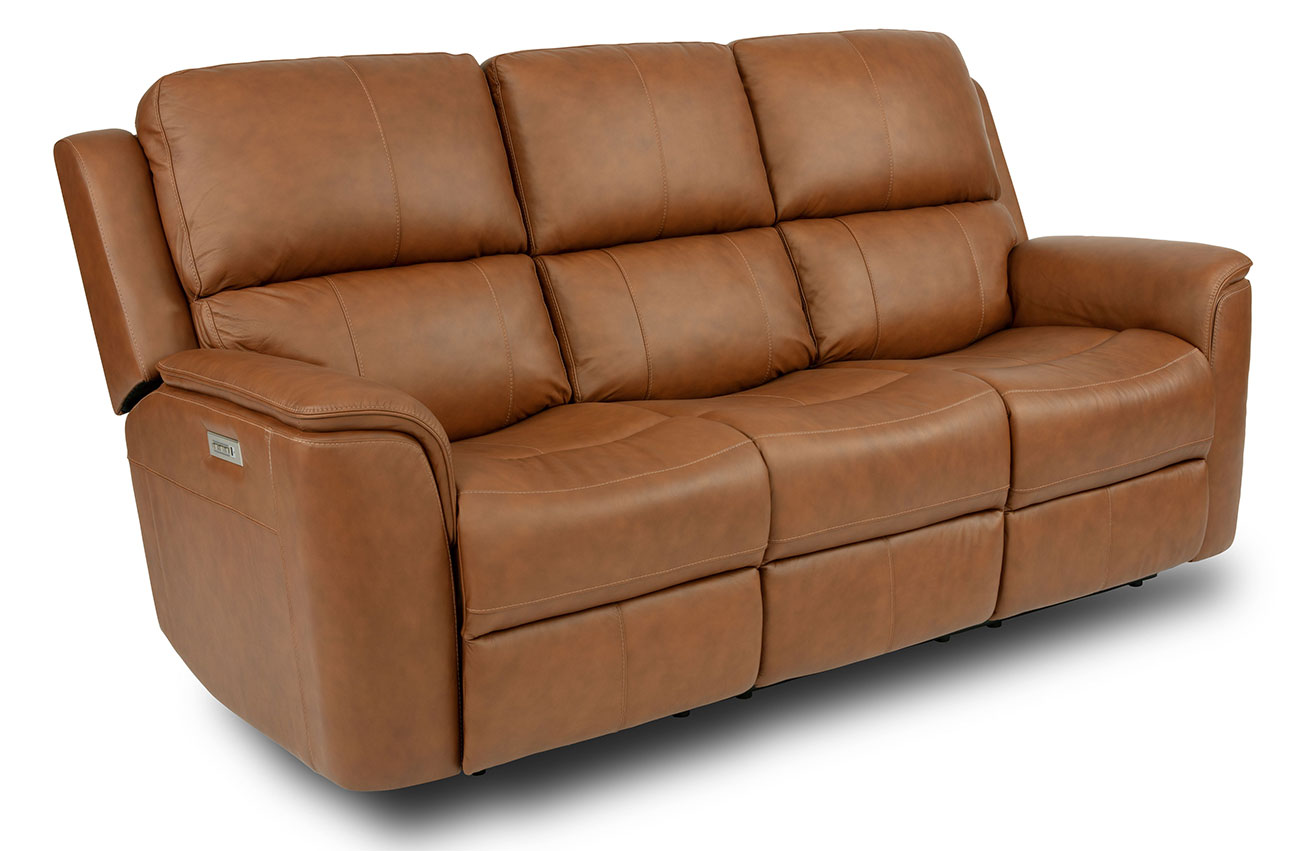
Leather
Leather is both elevated and everyday. Leather develops a patina over time, so it actually looks better with more wear. Plus, it won't pill or snag like some fabric options, and the lack of fibers means pet hair won't get stuck to your sofa.
Linen
Linen is a high-quality, sustainable material that delivers a breezy, casual look, but is more elegant than comparable canvas. It's a great fit for waterfront properties, or in homes with a coastal feel. Linen is soft and cool to the touch, ideal for lounging.
Performance Fabric
While many of the materials mentioned here offer durability, stain resistance and easy cleaning, there are also specific performance fabrics designed specifically for durability. There are performance versions of many popular materials, including velvet and linen.
Polyester
Polyester is ideal for high-traffic areas thanks to its affordability, durability and stain resistance. It's resistant to fading and easy to clean. However, polyester is not a natural material, so those who prioritize eco-friendly designs may not want a polyester couch.
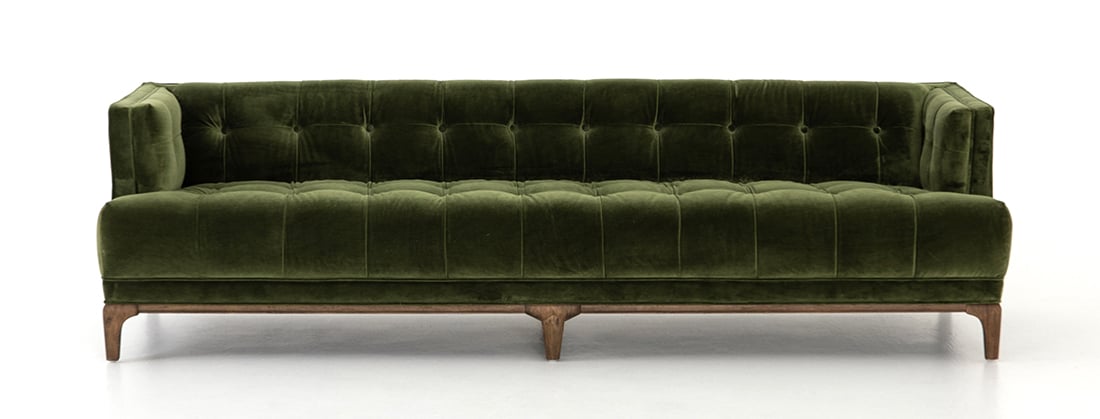
Velvet
Velvet adds a luxurious look to any room with its plush finish, and is available in neutrals and rich colors. Velvet is resistant to water, and it can stain and show dirt easily. It may not be the best choice if you have pets or kids, unless your couch is going in a room they won't be in much.
Sofa FAQs
Where can I buy a sofa?
You can find a large selection of sofas at Abt, both online and at our store in Glenview. We recently completed an expansion of our furniture department, so there are even more sofas you can see in person.
What is a sectional sofa?
A sectional sofa is a modular, multi-piece sofa that can be arranged in different configurations and that come in different shapes and sizes. They're great for large spaces and families.
How do I measure a room for a sofa?
Firstly, you'll need to measure the width of your doorway and any hallways the couch needs to pass through when it's delivered to ensure it will fit. Sometimes couch legs can be removed for this purpose, so check before you make a purchase. To measure the actual room the sofa is going in, measure the length and width as well as the height of the ceiling. These measurements will roughly determine the couch size that won't look too big or too small in the room. It will also help you determine the size of other furniture pieces if you're furnishing a room entirely. As mentioned above, you should follow the two-thirds rule when measuring for a sofa: your couch should be about two-thirds the size of the wall it's in front of.
How much does a couch cost?
You should expect to spend at least $1,000 on a new sofa. However, the size of the sofa is a major factor in price: a large sectional will typically cost much more than a loveseat, for example.
How do I clean a couch?
How you clean your couch will depend on its material. Leather, for example, requires a leather soap and/or conditioner, whereas fabric couches will benefit from warm, soapy water or even a steam cleaner. Your sofa will come with paperwork that includes care instructions; you should always defer to a brand's specific care instructions when cleaning your sofa.
How long do couches last?
How long your couch lasts is based on the quality of the material, the quality of the frame and how much use it gets. You should expect about a 15-year lifespan from a high-quality couch. Certain materials, like leather, have a longer lifespan than most fabric options. Lower-quality couches last about seven years, and very high-quality couches, when well maintained, can easily last 20 years.