Electric Bikes Buying Guide

Get electric bike advice from our in-house experts to learn what matters most when selecting a electrical powered bicycle for your personal style, needs, and lifestyle.
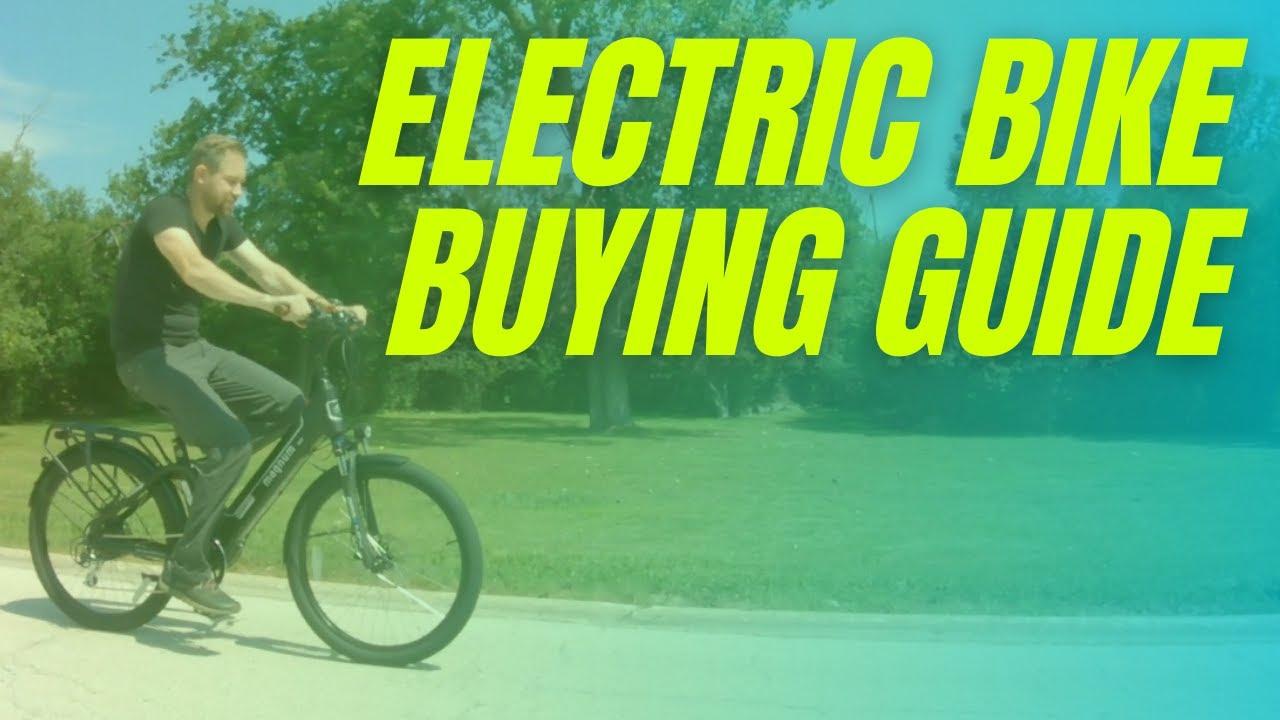
A Background on Powered Bikes
Sustainable, environmentally friendly, and a great way to get exercise. These are three reasons to choose an electric bike over a motorcycle, scooter, or car. There are issues of economics to consider too. The best electric bikes are both cheaper to buy and maintain than cars and motorcycles and it's cheaper to power them as well. E-bikes also make it possible to travel further than you might on a pedal-powered model.
Bike shop sales of electric bicycles are on the rise as more and more people find out about them. There are several things to consider before purchasing an e-bike, such as the climate and road conditions where you live and the laws in your town that may affect where you can ride. Price is a consideration as well. There are e-bikes available from brands such as Magnum and RECON with prices starting from just under $1500 up to $2700. This guide will offer some basic information about electric bikes, but if you still have questions, feel free to give Abt a call.

What is an Electric Bike or E-bike?
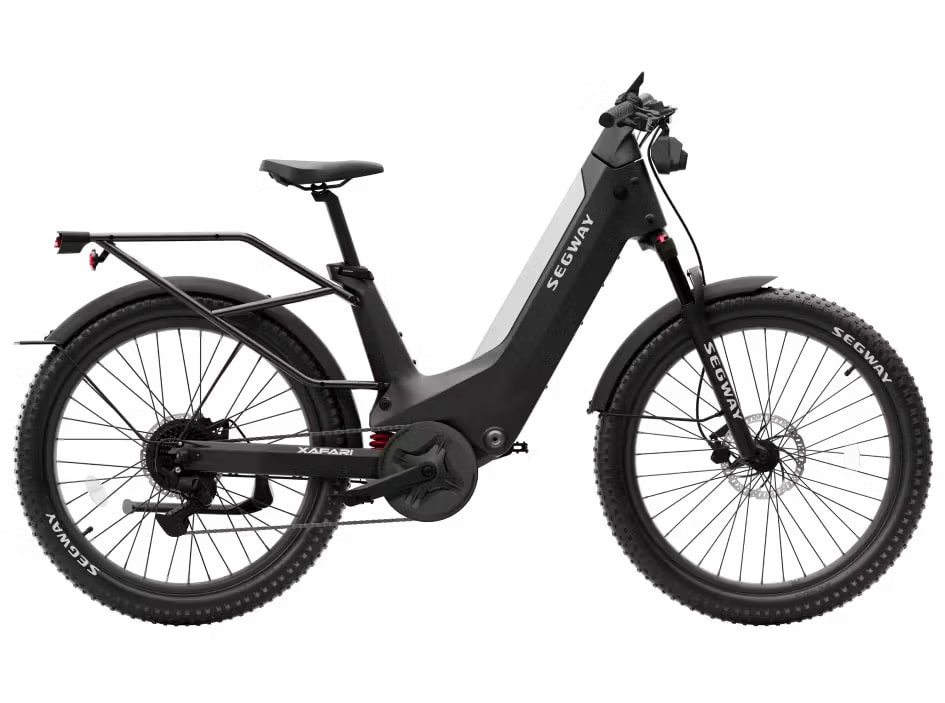
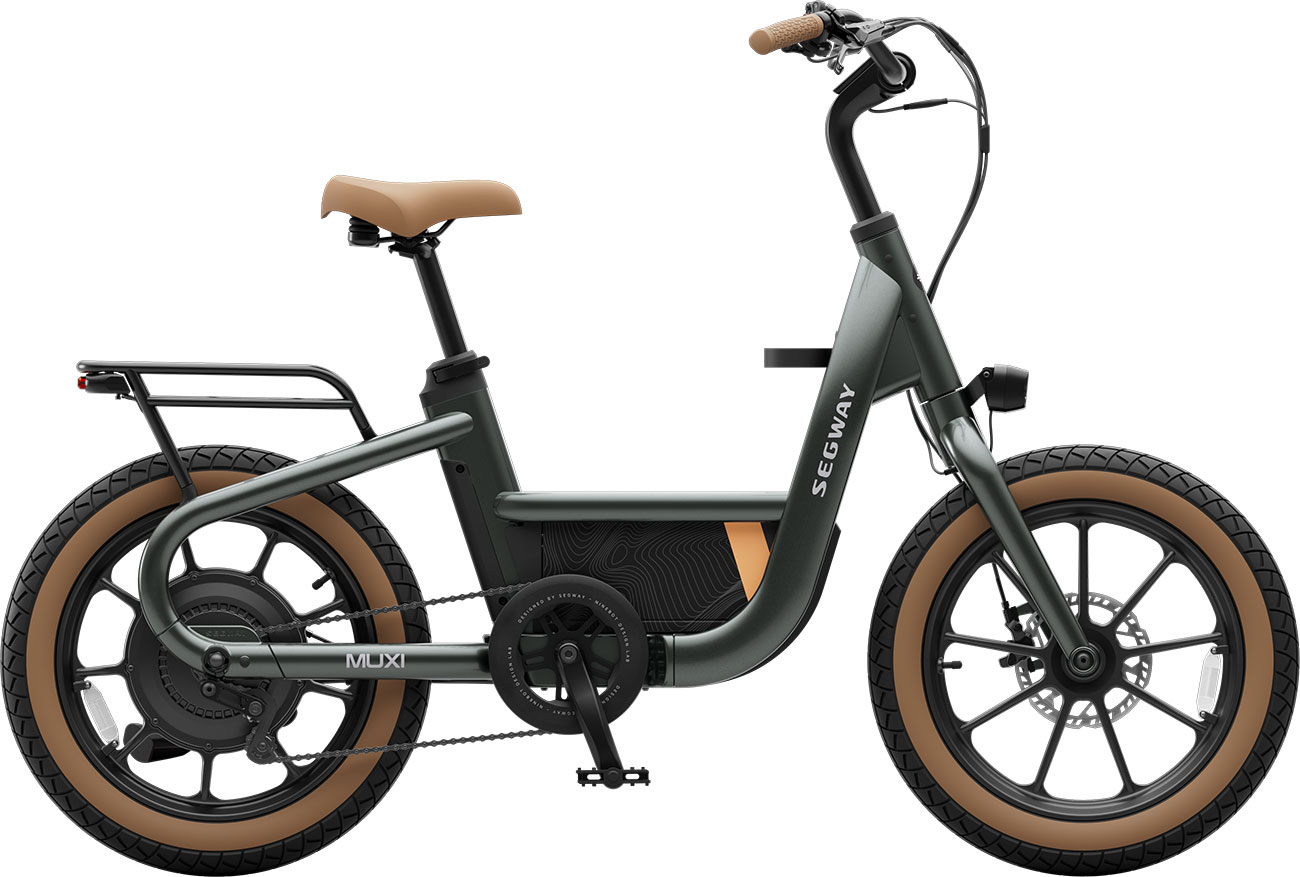
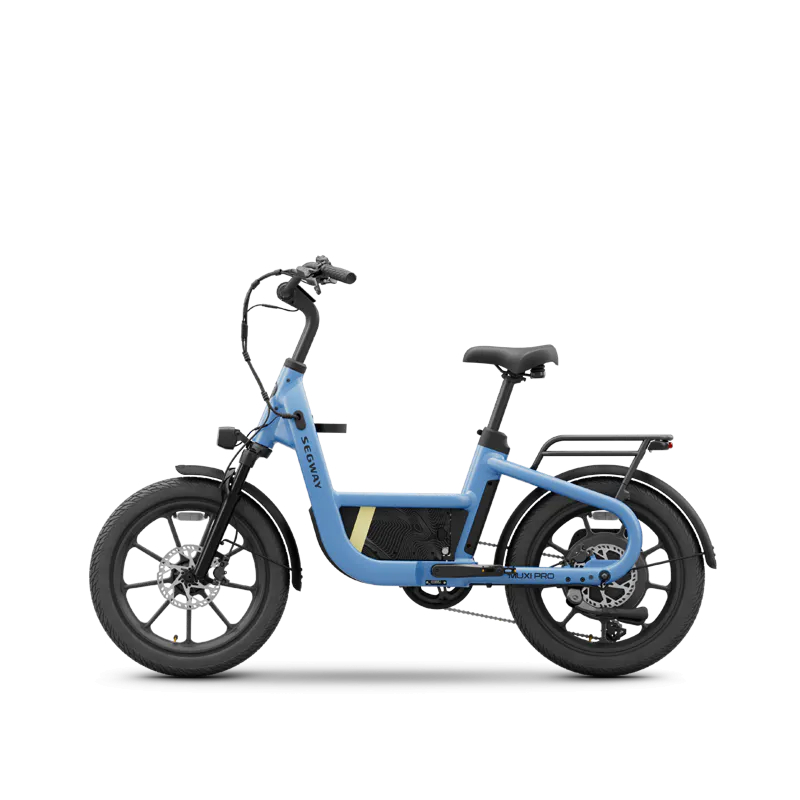
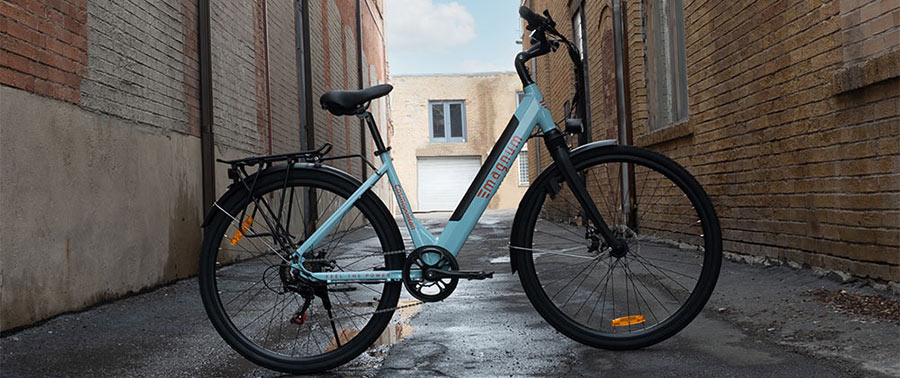
An e-bike looks less like a motor scooter and more like your typical pedal option, but with a few added components to give it power.
E-bike Types
There are several different types of electric bikes available from Abt. There are hybrids and cruisers, cargo and performance, road and mountain, commuter, and recreational e-bikes. Which one is right for you depends on what you need from your e-bike and where you plan on riding it.
Motors & Pedal Assist Modes
Motors on the best electric bikes have different levels of power ranging from 350W up to 1,000W. In the United States, the legal limit is currently 750W but states can set their own limits. The higher the power rating the more weight it can pull, however, a higher-powered model pulling more weight runs the battery down faster. Buying an extra battery from a bike shop will make sure you stay powered up.
There are two types of motors used on the best electric bikes, mid-drive and hub-drive motor. The mid-drive motor sits in the bottom bracket where the pedal crank arms attach to the frame. This placement gives riders a more natural feel when pedaling. With the motor's weight centered in the e-bike, many riders find that it's easier to maintain balance too.
Hub-drive motors are located in either the front or rear wheel hub. Hub-drive motors in the rear wheel create a feeling of being pushed along the road. With the motor in the front wheel hub, it feels like being pulled.
There are typically three or four levels of pedal-assist on most e-bikes. Some levels allow you to save battery power while others provide more boost. The names of these modes vary by manufacturer but may be called eco, turbo, or boost modes.
The pedal assist mode determines how much power you get from the motor. You need to pedal at the same time as the motor is assisting you. With the throttle mode available on some types (more on that later) the motor powers you forward without the need for pedaling.
Pedal-assist means riders can go farther and climb hills easier. Switching between the different modes lets riders set the pace. You can work harder and get more exercise or let the motor do more of the work. While using pedal-assist may seem like it prevents riders from getting the most out of their riding workout, it also means riders travel further distances. Some riders are more interested in getting from point A to point B in a cheaper, less stress-inducing way than driving a car.
Why Buy an Electric Bike?
People are attracted to the best electric bikes for several reasons. As we mentioned, they're used as an affordable way to get from point A to point B. They are used for fun bike rides around town and the country. They also get used to transport light cargo and even though they are partially powered by a motor, people use them for exercise too. Issues of sustainability and the health of the environment also inform buying choices. E-bikes, and bicycles in general, are a great option for commuting in urban and suburban areas.
Most of the trips we take are of a distance of three miles or less yet people use their cars for the majority of these short journeys. The best electric bikes are an easy, less expensive way to run errands, meet friends, or get daily exercise. Even so, less than two percent of these trips are made with bikes. However, e-bike sales in the U.S. are growing as more consumers become aware of their benefits.
Benefits of Electric Bikes
- Get exercise — Yes, you do get help from a motor but that just gives you a push, you still need to use those leg muscles to keep your momentum going.
- Save money — The cost of maintenance at a bike shop versus car maintenance isn't even close. It's far cheaper to maintain an e-bike. And that's not even considering the price of fuel.
- Improve your commute — Lower the stress of your work commute and get fresh air while you do it.
- Help the environment — Leave the car in the garage and reduce your carbon footprint by e-biking.
- Reduce stress — Exercise is a great stress reducer and so is avoiding traffic jams.
Where is it Legal to Ride Electric Bicycles?
Where you can ride legally depends on the local laws and regulations of the area where you live. There are three different classes of the best electric bikes and different rules apply. Generally speaking, however, all three classes of electric bicycles can be ridden on streets, roads, and designated off-roading areas. Whether you can ride them on bike trails would be up to local jurisdictions, although many laws are changing as the popularity of these bicycles grow.
3 Classifications of Electric Bikes
- Class 1: This is an e-bike model featuring a motor that only activates by pedaling. The motor also disengages once you hit a speed of 20 miles per hour. These e-bikes are generally allowed everywhere which is why they are a popular choice.
- Class 2: This class of e-bike also features motor assist up to 20 mph, but it also has a throttle-only mode. This is how motorcycles and scooters are powered. It offers full power on demand.
- Class 3: These models are similar to the class 1 type except the motor provides assistance up to speeds of 28 mph. It's important to note that current federal law limits speed to under 20 mph.
How Do Electric Bikes Work?
Electric bikes are like pedal models in the sense that once you learn how to ride them you don't forget. It requires balance and once you get that, you just have to learn to keep that balance as the motor propels you forward. That said, there are some other differences you need to keep in mind in order to operate them safely. Here are some tips to help.
E-bike Riding Tips
- Longer Braking Times — E-bikes are heavier than their pedal-powered cousins and because of this, you'll need a little more time to come to a complete stop. They are also much faster than pedal pushers, so you need to keep your hand close to the brake while you ride.
- Faster Cadence — The faster you pedal the better your e-bike will perform. This is true when climbing hills in particular. It's also better for battery life and allows for a smoother ride. It will get you a better cardio workout too.
- Use Low-assist When Possible — Your e-bike battery appreciates low-assist modes so use them as much as you can. The battery will last longer and you'll get more exercise when using an eco or turbo mode.

How Far Can You Travel on an Electric Bike?
If you're wondering how far you can go on a single charge, the answer is, it varies. Using a low-assist pedal mode prolongs battery life, but there are other factors at play as well. It's important to keep in mind that a bigger motor may give you more power, but will have a decreased range than a smaller one. If you live in a hilly area, or just like tackling hills in general, this lessens the range as you will need to use higher modes.
Weight also impacts range and that includes the weight of the rider and any gear they carry in addition to the electric bicycle itself. Cold weather decreases the battery life too. Low tire pressure makes you work harder and drains the battery. This is true for pedal models too, but in that case, the battery is the human that's powering it.
Some electric bicycle models advertise a range of between 30 to 50 miles on a single charge. This would be for a model of about 265 pounds with a rear-hub motor, 20-inch tires, and a fully integrated battery. The best electric bikes might get well over 100 miles on a charge.
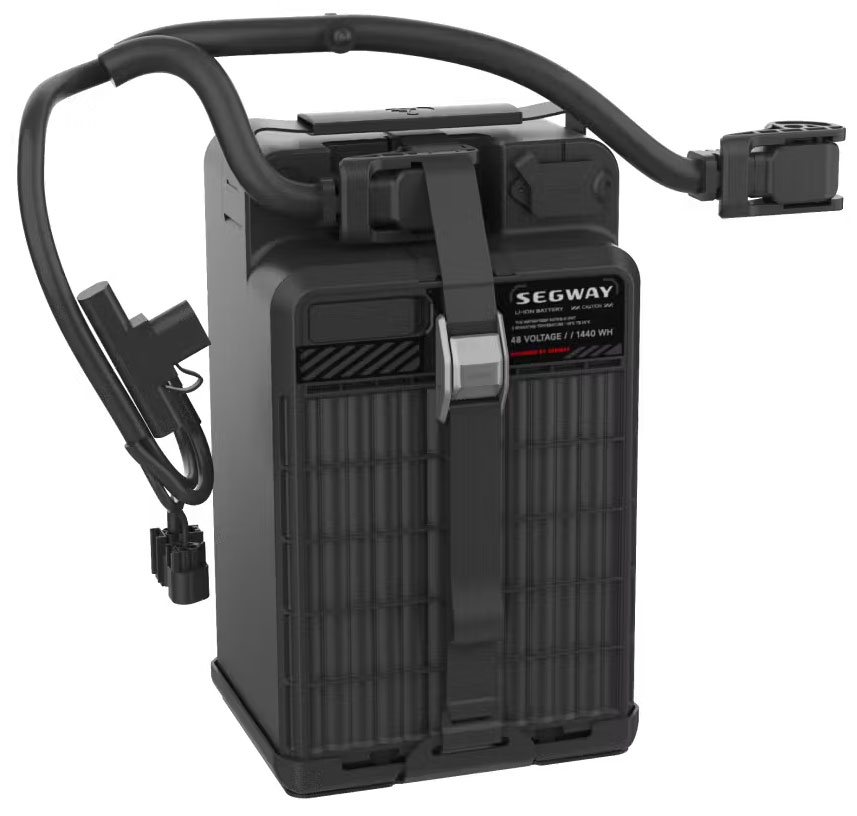
A model with a 500-watt motor paired with a 48 volt 13 amp hour battery pack might get you as far as 60 miles on a charge. For best results, charge the battery indoors if you can. A removable battery makes this easier. Store your bicycle inside during cold weather too if you are able.
Battery charge times vary a bit among different models but the typical charge time for a full charge is from three to five hours. The larger the battery the longer the charging time required. If you commute to work having an additional battery at your workplace is a good investment. Your bike shop will have several types available.
Choosing the Best Electric Bicycles
When visiting our Abt electric bike specialists, it's a good idea to test a few different models to find the right one for you. An e-bike model that is focused on performance will offer a smoother ride. The pedal-assist activation will also be easier. Like any bicycle, it also has to be a good fit for your body. Adjustments can be made to fine-tune that fit, but you need to know what size of frame you need. An e-bike model that doesn't fit you properly may put undue strain on your back, shoulders, knees, feet, or hands. As a rule, you should be able to straddle the frame with both feet flat on the ground. Your Abt electric bike specialists can help you make the necessary adjustments.
Electric bicycle accessories can also make your ride more enjoyable. Models with lights make it safer to ride at night. Rear-wheel locks prevent theft and some batteries have locks to prevent theft as well.
A good electric bicycle shop, like Abt, will carry a variety of makes and models so the quality of the frame may vary. Most are made from aluminum but others may be made from carbon fiber or steel. Lighter materials make for a lighter ride of course.
Safety Considerations
When operated properly, the best electric bikes are as safe as conventional models. Riders must obey all state and local rules of the road. A helmet should always be worn in addition to reflective clothing or accessories.
5 Tips for Safer Riding
Some other tips for riding electric bikes include:
- Keep your head up and stay alert
- Never ride against traffic
- Ride in groups when possible and ride in single file when in a group
- Keep a safe distance behind other riders and vehicles
- Use hand signals to alert other motorists, riders, and pedestrians of your intentions
Most electric bicycle injuries involve cars and trucks so it's best to avoid riding in high-traffic areas. Ask our Abt electric bike shop specialists about safety equipment for safe riding.
Electric Bike FAQs
How fast do electric bikes go?
That depends upon their class. Class 1 e-bikes have a top speed of 20 miles per hour and have pedal assist only, no throttle. Meanwhile, Class 2 models have the same top speed, 20 mph, and you can use either pedal assist or a throttle to help you go faster. Finally, Class 3: with pedal assist, riders can reach 28 mph.
Do you need a license for an electric bike?
That depends on your state. Certain states do require a license for e-bikes, including Alabama, New Mexico, Massachusetts, Missouri, Alaska and North Dakota. In Illinois, you do not currently need a license for an electric bike.
Where can I buy an electric bike?
You can buy an electric bike here at Abt (we carry e-bikes year-round). You can also check your local bike shops for electric bikes.
Are electric bikes street legal?
As a general rule, yes. But whether electric bikes are street legal or not can sometimes depend on where you ride. Different states and trails have their own restrictions, so check your state's (or even your city's) regulations. For example, Illinois allows e-bike users to ride on roads, bike paths and trails, while Indiana allows you to ride anywhere that regular cyclists can. Other restrictions that states may outline include sidewalk permissions, class permissions and more.
Can electric bikes get wet?
Most e-bikes have a level of water resistance, meaning that they're designed to stand up to splashes and some rain. You should have no fear of riding in light rain, though these are not waterproof. However, some components are less weather-resistant than others, like LCD displays. It's best to park your e-bike inside when you're not riding it to prolong its lifespan—especially since e-bikes are costly investments.