How to Clean Ceramic Cookware

Ceramic cookware is a must-have in any kitchen thanks to its ease of use. Learn about how to clean ceramic cookware in our guide below—with proper cleaning, you'll extend its lifespan and get more out of your investment.
Getting Started
Ceramic cookware is popular in the kitchen thanks to its versatility, non-stick properties, durability and even heating—in short, these saucepans and skillets are popular because they perform well. That being said, they still need to be taken care of. In our step-by-step guide, we'll walk you through how to clean ceramic cookware the right way. Here's a hint: it doesn't involve using a dishwasher.
1
Cool Down and Soak
You love cooking gourmet meals, so it's time to learn how to clean ceramic cookware properly. Once you've finished cooking with your ceramic cookware, allow it to completely cool before taking the next step—running cold water over hot ceramic cookware can cause damage. Once your pan has cooled, fill up your sink with warm water, adding dish soap to the faucet as it fills. The result will be a sink full of warm, sudsy water that's perfect for gentle cleansing. Then, place your ceramic cookware in the sink and submerge. Let it soak for about 15 minutes.
2
Gentle Scrubbing
The next step in learning how to clean ceramic cookware? Learn what not to use, and set it to the side. To avoid damaging the nonstick coating, make sure that abrasive pads, steel wool or metal of any kind is out of the equation. Instead, use a soft sponge as your go-to cleaner. But not everything comes off with a gentle sponge, so it's time to learn how to clean ceramic cookware with cooked-on (or burnt-on) stains.
3
Handling Stuck-On Food
Every now and then, you're bound to have food stick to the saucepan, skillet or pot. And getting rid of it without damaging the non-stick surface can be hard, but there are tricks up any chef's sleeve. Baking soda is one of the materials you'll be leaning on: for stuck-on stains, mix baking soda and water, then cover the affected area in the paste. Let it sit for a few minutes, then use your soft sponge to scrub it off.
4
For Burnt-On Food
As you learn how to clean ceramic cookware, you should know that sometimes a baking soda paste just won't be enough. Burnt-on food (from pasta sauces to meats and beyond) can feel impossible to remove. Now the real question is about how to clean ceramic cookware that just won't give up its stuck-on stains. First, you'll want to fill the cookware with warm water and dish soap, then bring it to one of the burners on your range. Bring your soap and water mixture to a very gentle boil, then let it simmer for a few minutes. As the water heats, it should lift away stuck on foods—or at least loosen things up so that you can scrub with a soft sponge once the water has cooled.
5
Removing Stains and Discoloration
After many uses, saucepans and skillets may develop stains that stand out against the surface of your cookware—especially if the surface is lighter colored, like a beige or white. Thankfully, learning how to clean ceramic cookware with these stains isn't difficult. The solution is hydrogen peroxide. Cover the bottom of the pan with 3% hydrogen peroxide, and make sure the solution you're using is fresh for the best possible results. When added, you should see a few bubbles as the peroxide gently bleaches the pan. After half an hour, remove, rinse and dry. You should notice a brighter surface.
6
Utensils to Avoid
One of the best things about ceramic cookware is the non-stick ceramic coating, and it's part of what makes it so hard to clean, too. To ensure that the coating lasts as long as possible, avoid using metal utensils when both cooking and cleaning. Metal spatulas and spoons can leave scratches here. Instead, home chefs should switch out their metal utensils for wooden, silicone or plastic versions. All three materials are gentle on ceramic, which will help extend the life of your ceramic cookware.
7
Drying and Storing
Whether you needed to boil off some tough stuck-on stains or had an easy time scrubbing off your food with just a soft sponge, learning how to clean ceramic cookware is half of the game. Drying and storing your pots and pans can be just as important—and if you do it incorrectly, it can be damaging. When it comes to drying, you'll want to use a completely dry, clean cloth or paper towel to remove any remaining moisture.
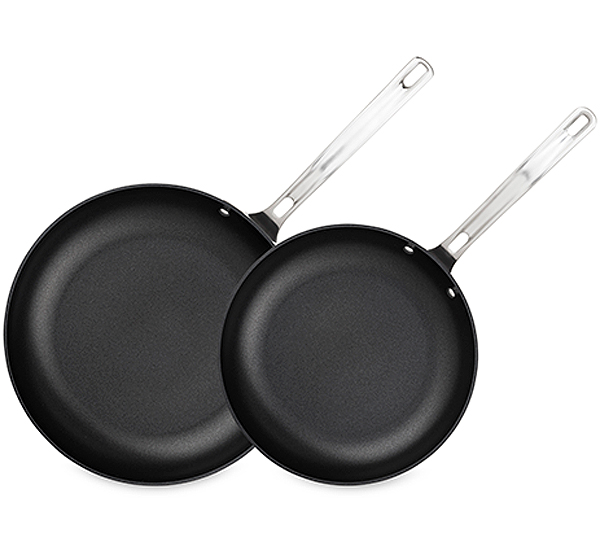
The next step in learning how to clean ceramic cookware: practice proper storage techniques. One of our number one tips? Don't stack different pieces on top of each other, even if they look like they'll nest well together. It could scuff or chip the coating. If stacking is a necessity, place a soft cloth or paper towel between cookware to protect individual surfaces. We have other maintenance tips, too: Use these to ensure that your ceramic cookware stays at its best and you'll be able to use them for years to come:
- Inspect your cookwear when for signs of damage every time you use it. Whether you're just using that skillet to scramble an egg or are making the evening's entree, you don't want to see a chip or a crack. If you do, it's time to replace it with a new model that's safe to use and performs well.
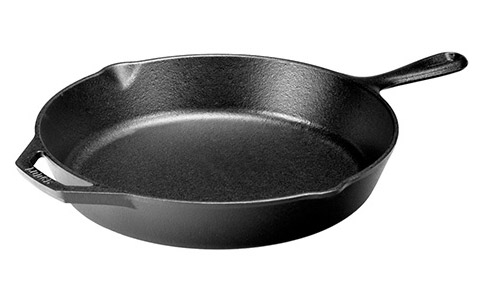
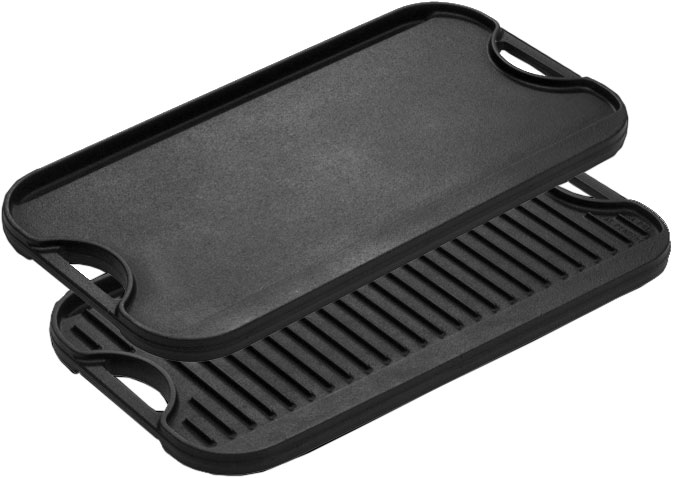
- Cooking with high heat? Consider choosing stainless steel, carbon steel or cast iron instead of ceramic cookware for boiling and searing. If you cook with ceramic fry pans or skillets at high heat too often, it can cause the coating to deteriorate over time.
- Prevent scratching by storing ceramic cookware away from other metal objects in your kitchen cabinetry. Storage solutions like cookware racks can be a good idea.
From reading the article above on how to clean ceramic cookware, you might think that the cleaning process makes it not worth investing in. That's not true—we believe that it's a must-have for every home. This material is so loved for its non-stick nature, the very thing that can make it difficult to clean, that these skillets and saucepans are home staples. If you're ready to add to or expand your collection with a new cookware set, you can find what you're looking for at Abt. Choose from our collection of individual cookware pieces and complete sets to complete your kitchen. And when you clean your ceramic products properly, they will both look great and perform their best for years to come. Don't forget that it's all about gentle cleansing and keeping abrasive materials like scrubbing pads and steel wool out of the equation. To learn more about the different types of cookware available, check out our cookware buying guide today.
Q&A Summary
Can ceramic cookware go in the dishwasher?
Ceramic cookware should not be washed in the dishwasher. Between harsh detergents and high temperatures, the non-stick coating will deteriorate and the skillets and saucepans will have a shorter lifespan.
Is ceramic cookware safe?
Yes, ceramic cookware is safe when you buy from a reputable company. Unlike traditional nonstick coatings, ceramic cookware contains no forever chemicals like PFAS, PFOA and PTFE. However, some pieces can contain trace amounts of heavy metals like lead or cadmium—to avoid these, choose from a reputable brand made in the United States (where metals like this are monitored).
How long does ceramic cookware last?
Ceramic cookware often doesn't last long, especially without proper maintenance. The lifespan generally lasts 1-5 years, but can last longer when used, cleaned and maintained well.
How do you season ceramic cookware?
Ceramic cookware does not need seasoning. You should season materials like cast iron and carbon steel.