How to Clean a Dutch Oven

The Advantages of Owning a Dutch Oven
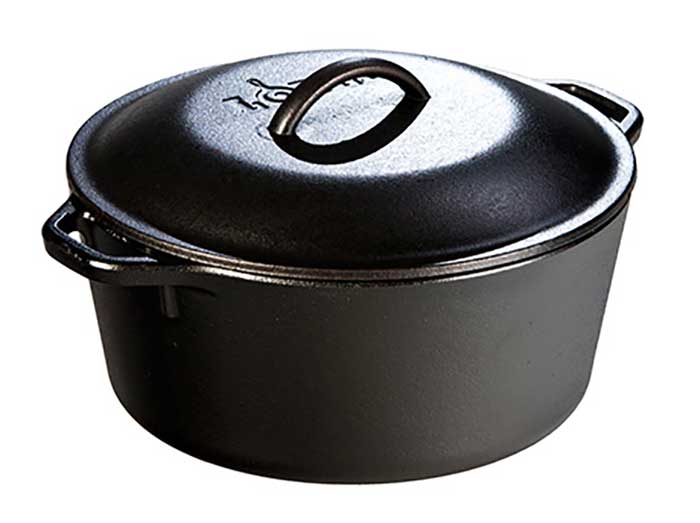
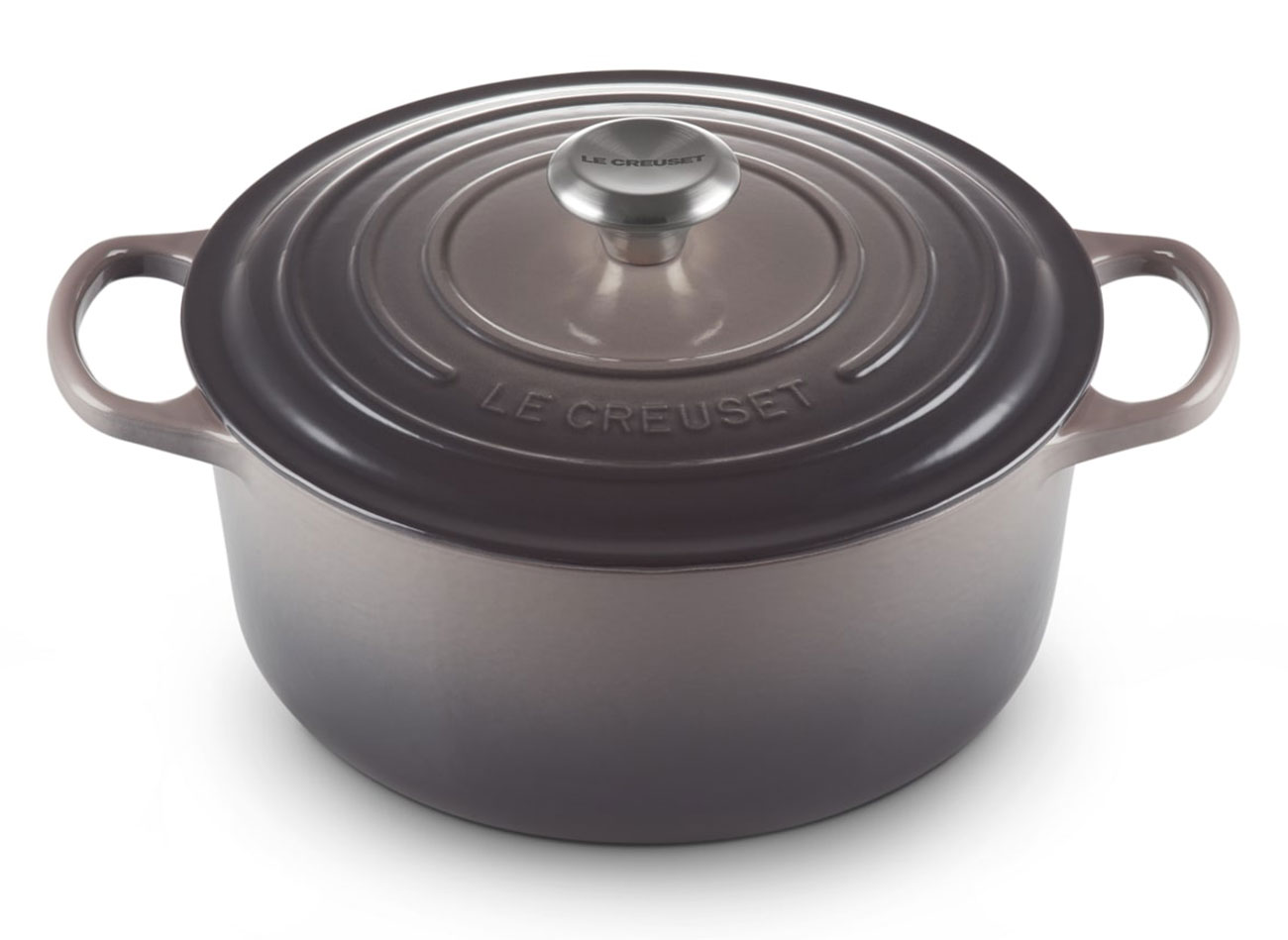
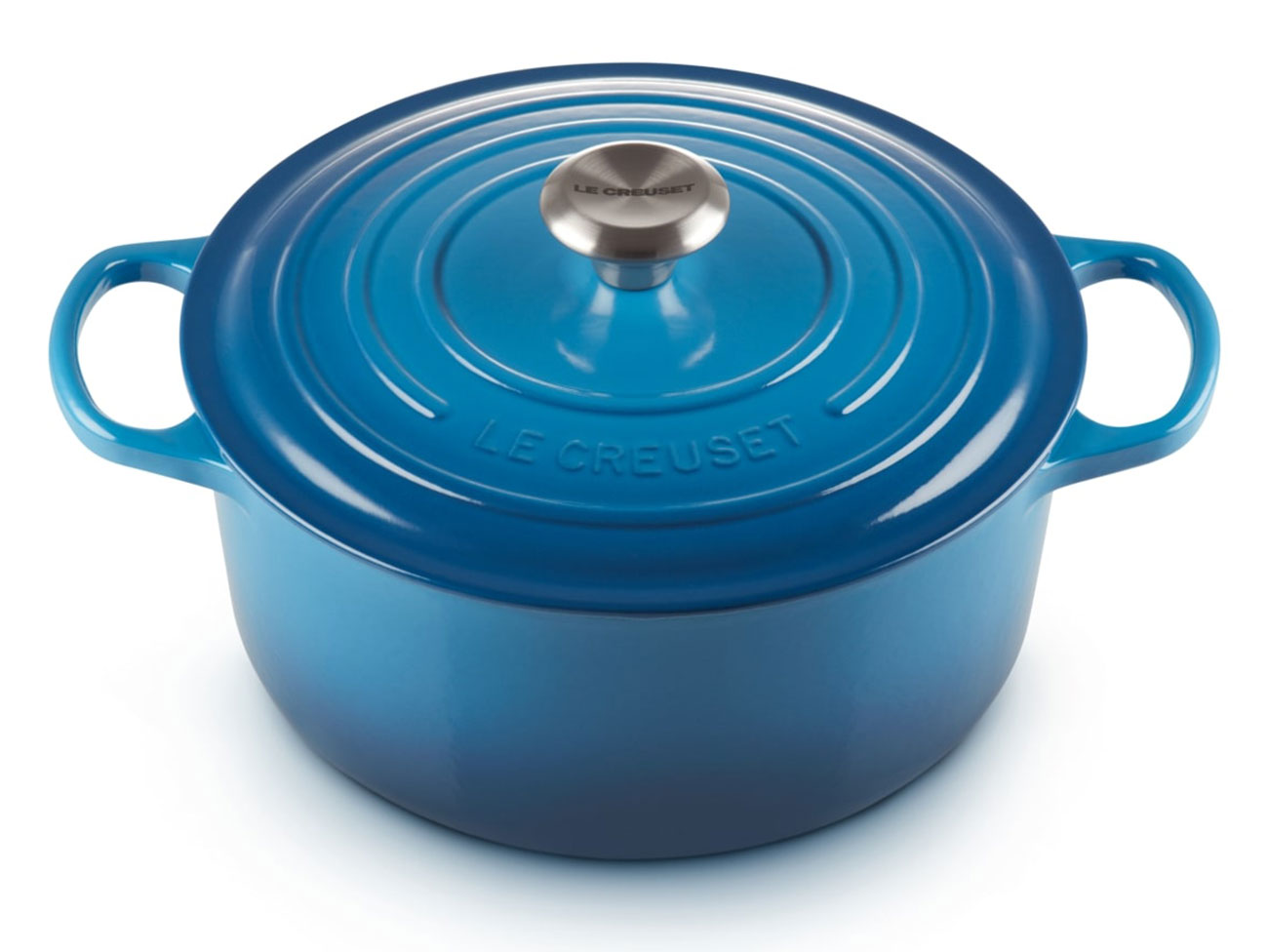
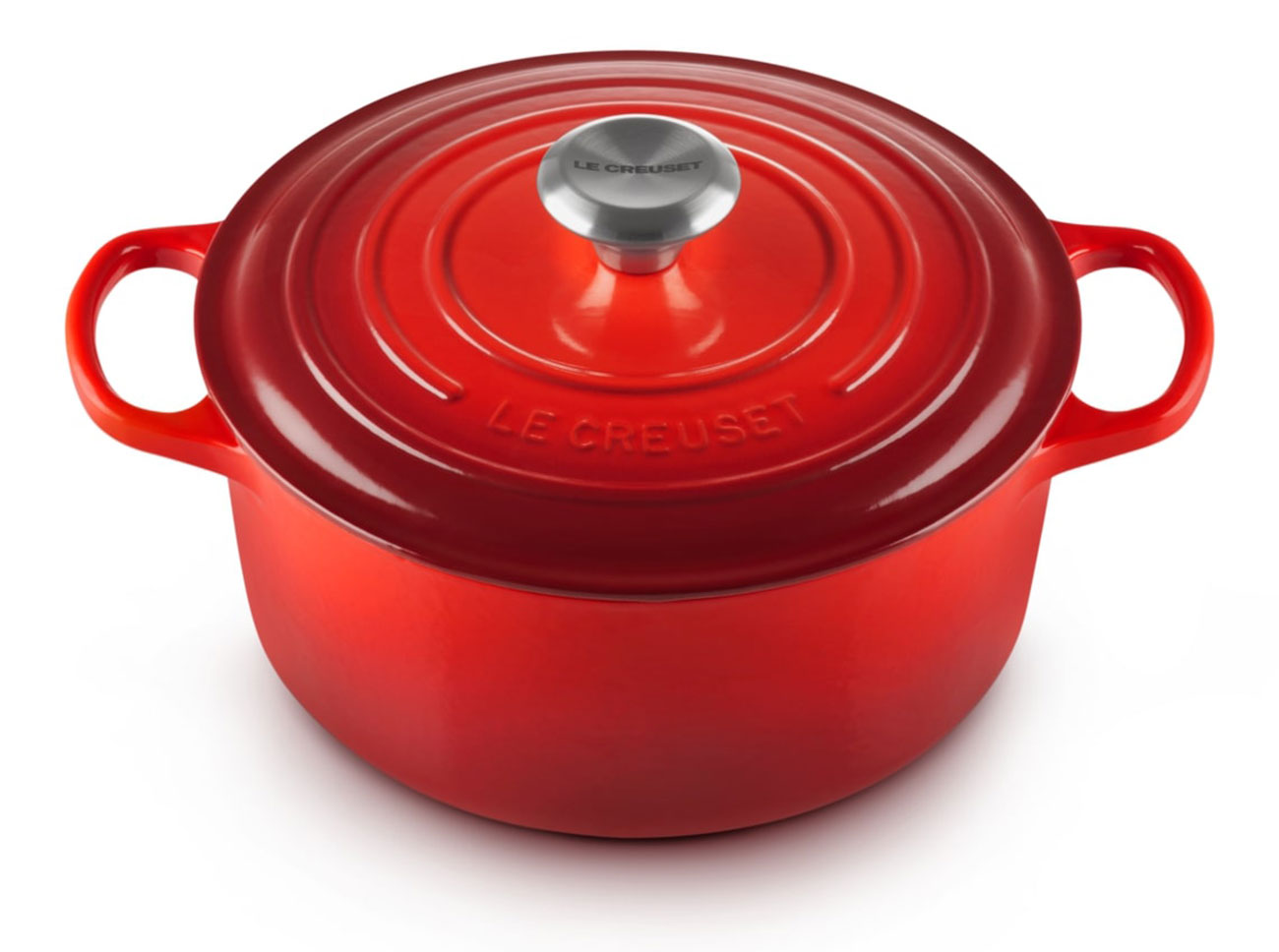
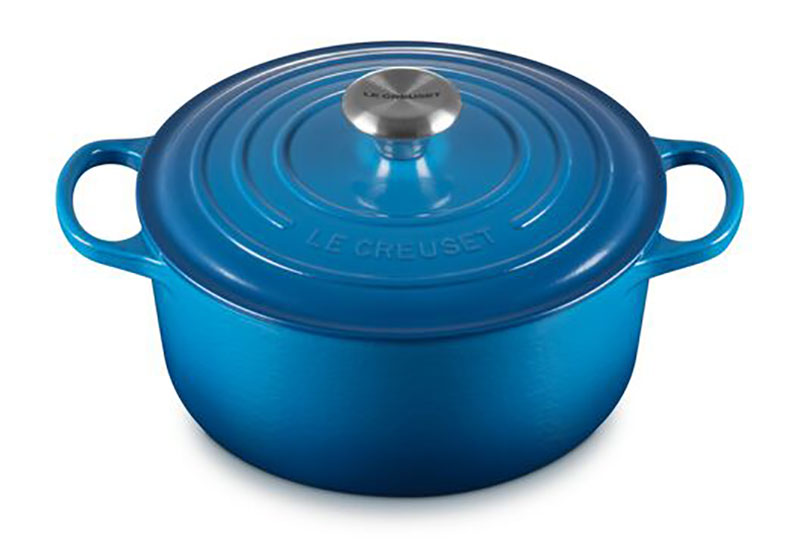
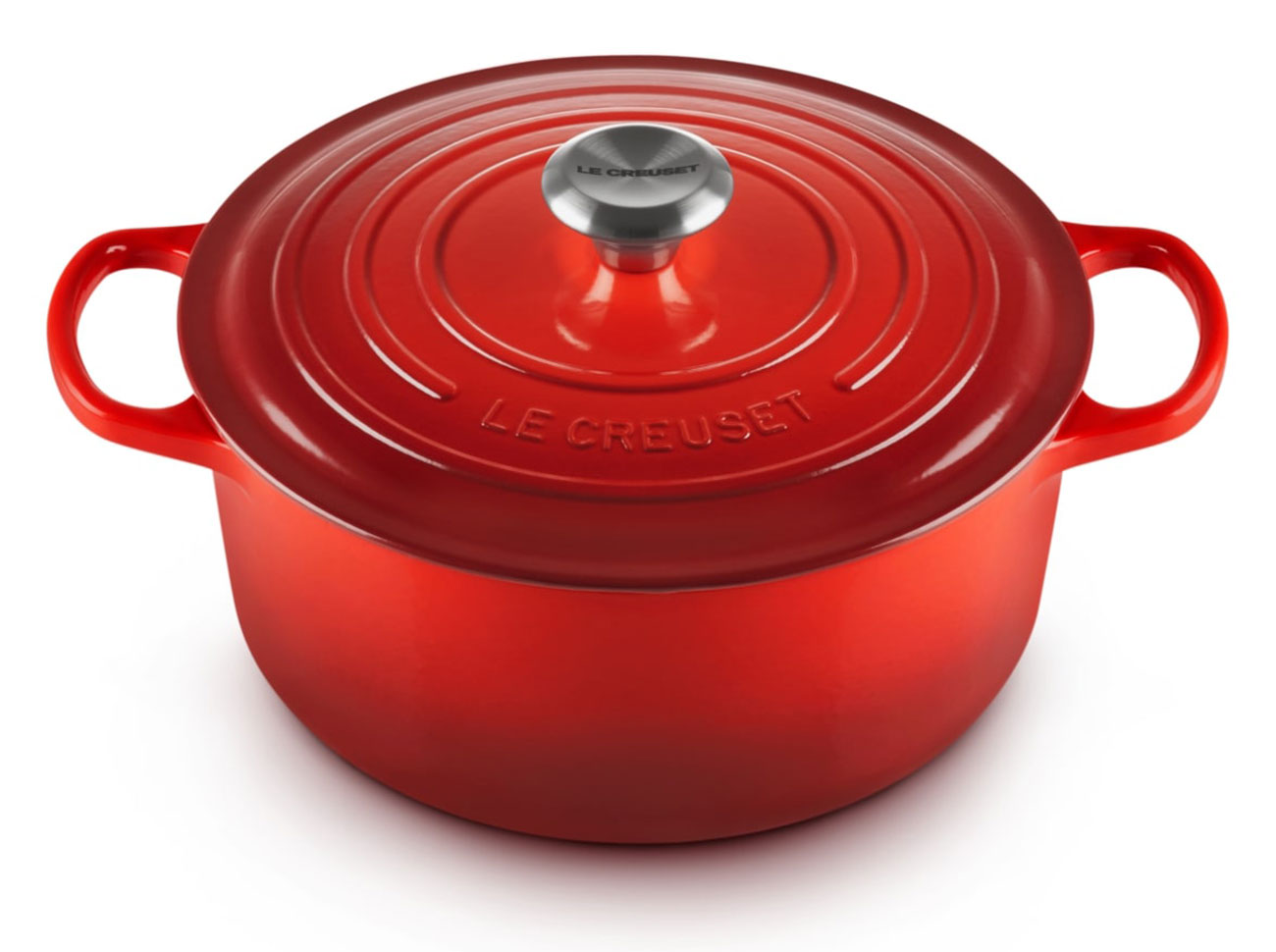
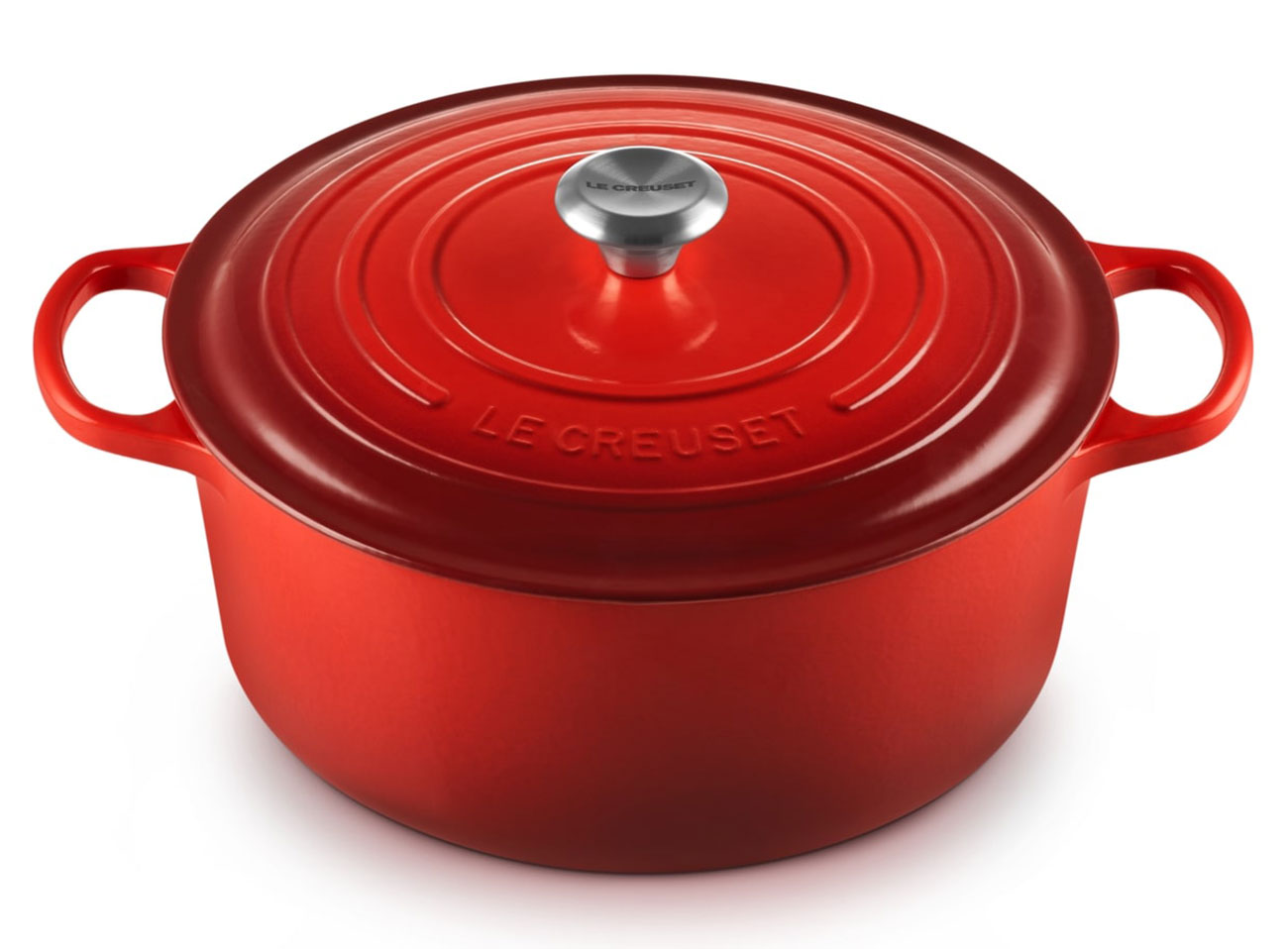
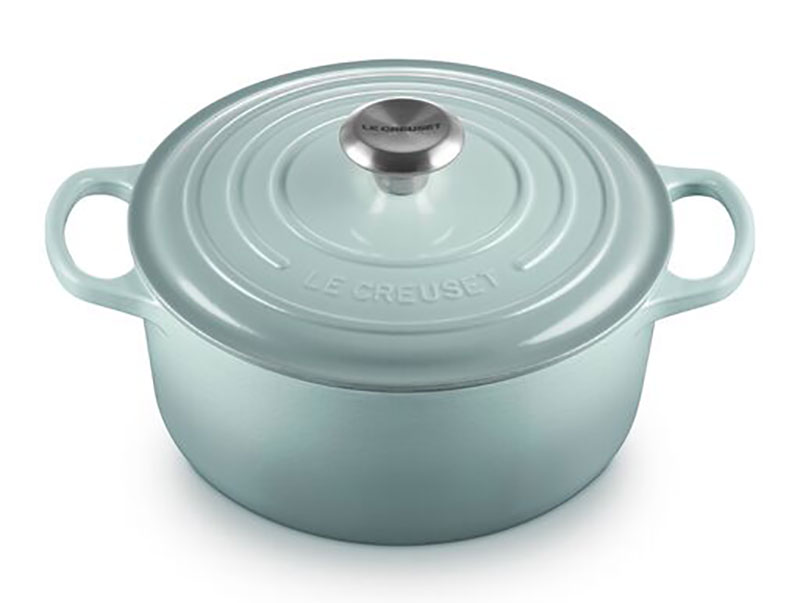
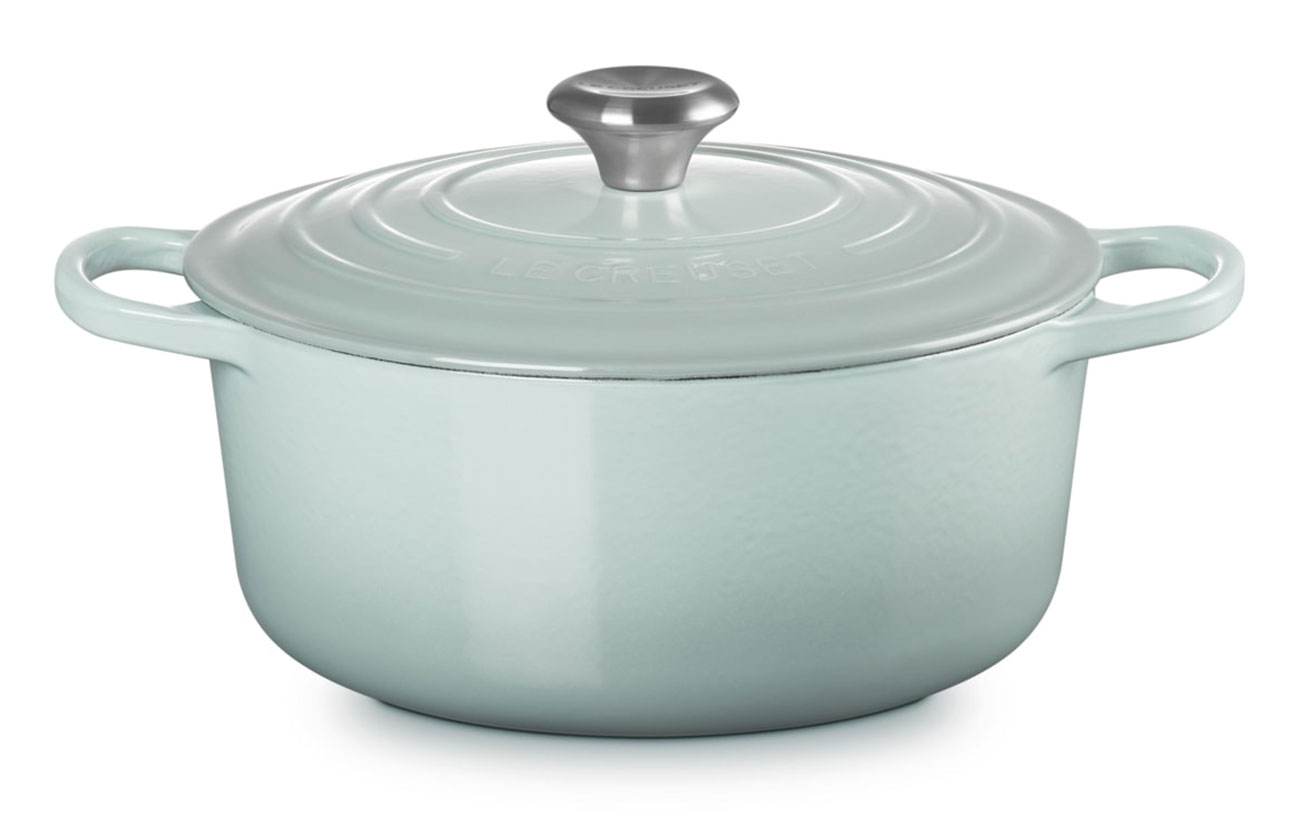
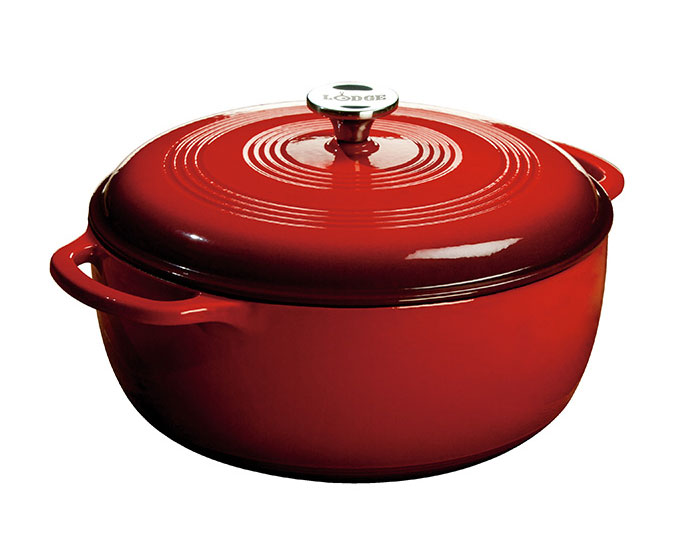
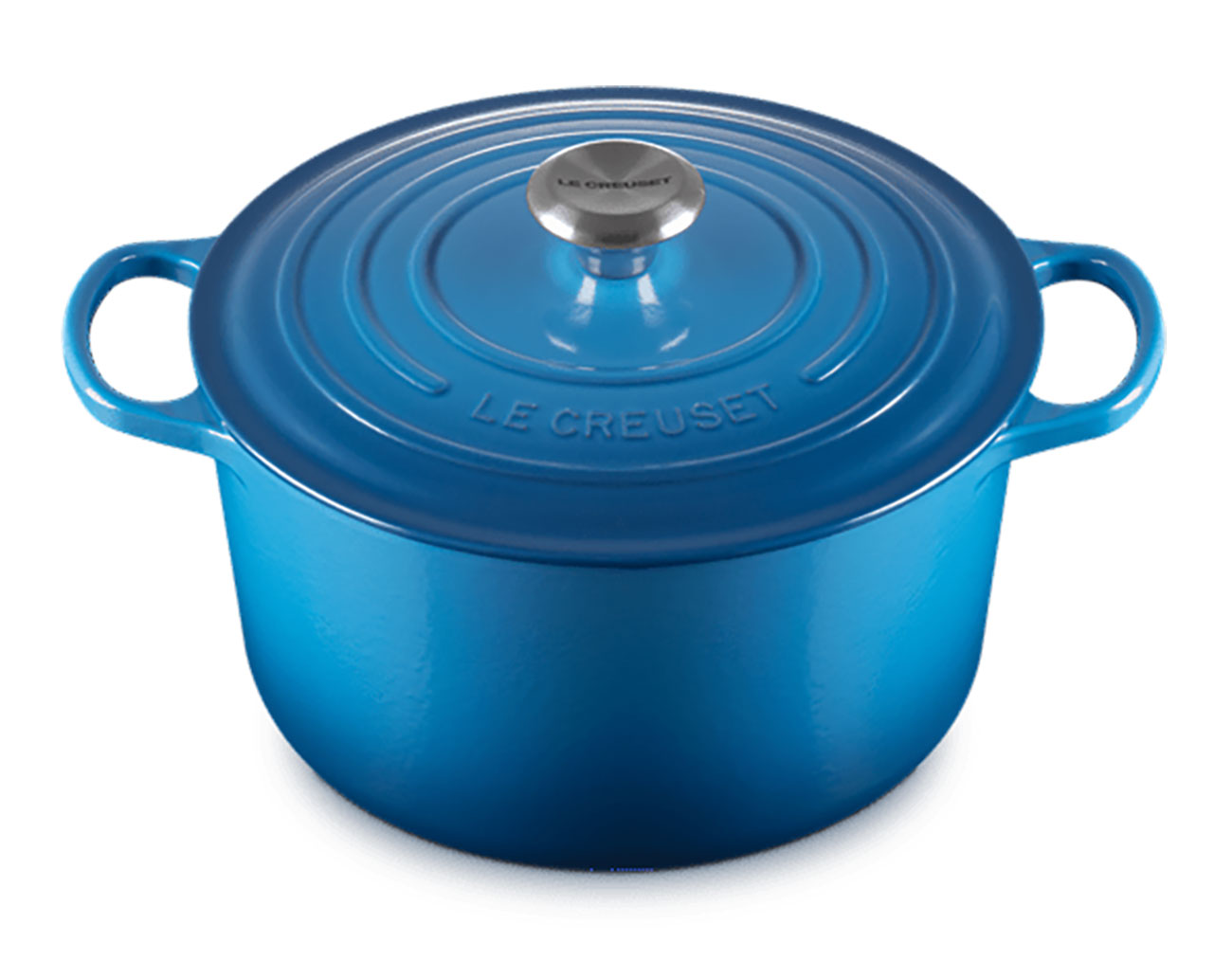
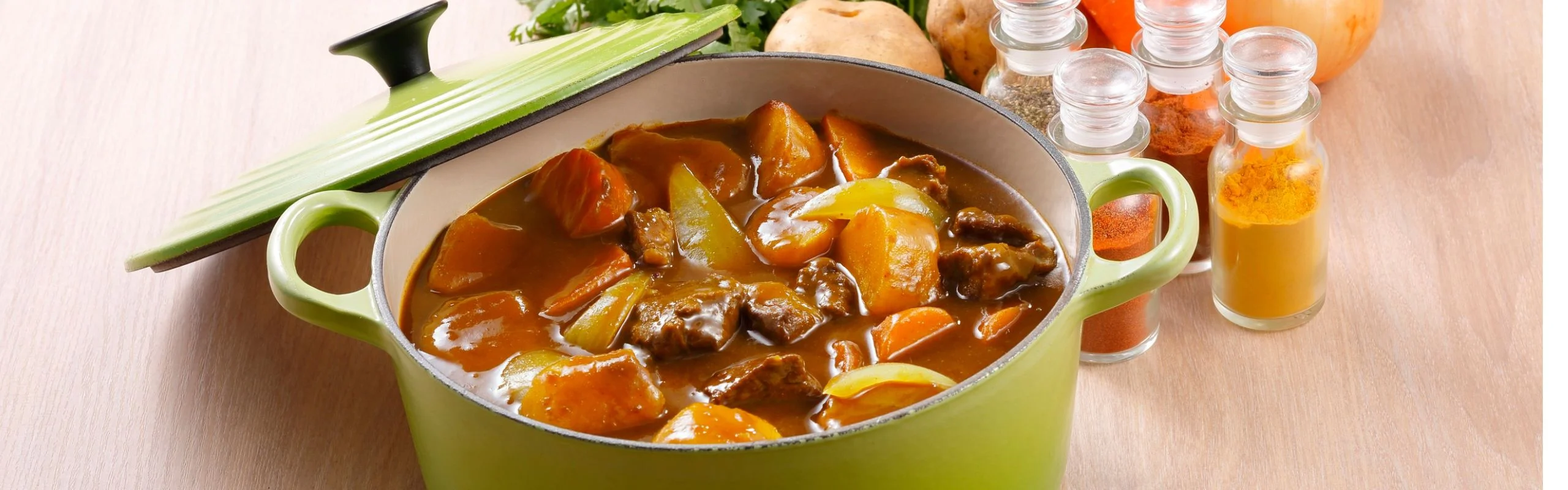
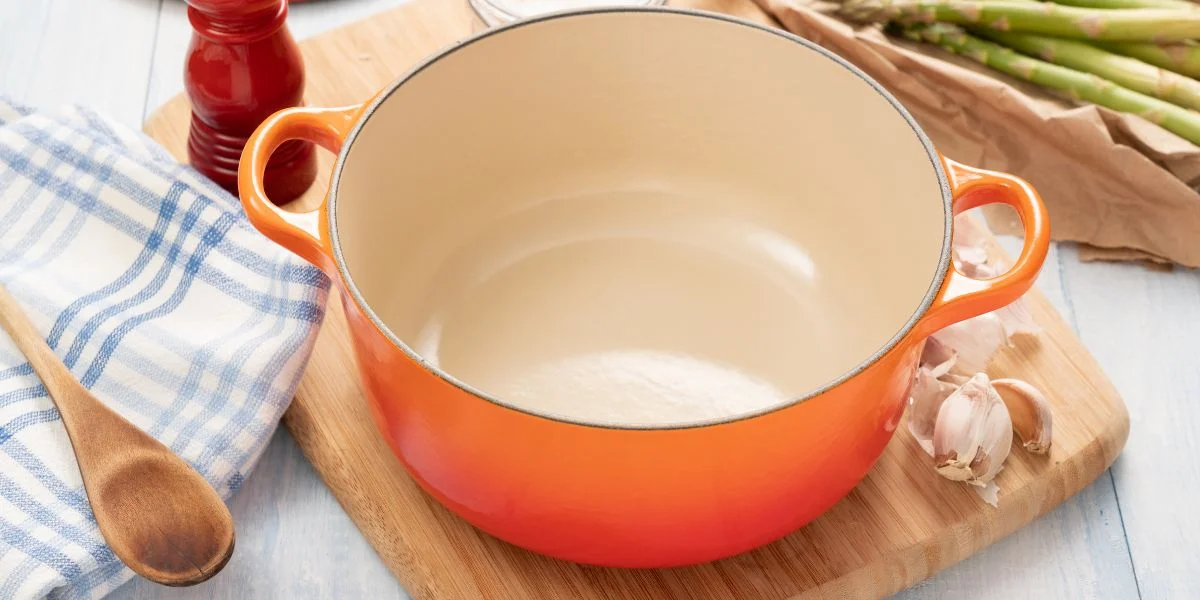
Dutch ovens, also known as cocottes, are renowned for their multi-functional abilities, making them a great addition to any kitchen. These pots are often made from enameled cast iron, a special finish that offers superior heat retention, exceptional durability and resistance to staining and sticking. The combination of materials allows the cookware to be placed on your cooktop and in the oven, withstanding temperatures up to 500°F. This unique versatility makes these pots ideal for slow-cooking stews, braising meats and baking various breads, such as sourdough.
The enamel coating doesn't just improve the cooking process-it also makes clean-up a breeze. Although many Dutch ovens are dishwasher-safe, handwashing is always recommended to keep the cookware in the best condition possible. We'll touch on this more later in the article. Whether you're dealing with a light clean or burnt-on residue, maintaining your cocotte is relatively quick and effortless. Continue reading to learn how to clean a Dutch oven, along with some extra tips and tricks to ensure your enameled cookware lasts for a lifetime.
What You'll Need:
- A Soft, Non-Abrasive Sponge or Cloth
- Warm Water
- Dish Soap
- Baking Soda or White Vinegar
- A Wooden Spatula (Optional)
- A Non-Abrasive Towel
For Standard Cleaning
Learning how to clean a Dutch oven is easy thanks to the enamel coating. In most cases, the stick-resistant surface can be cleaned with a combination of warm water and dish soap. However, you'll want to let the cookware cool before starting. At a minimum, we recommend waiting about 15 minutes, but the closer to room temperature, the better. You never want to place a hot Dutch oven into cold water. Abrupt temperature changes can cause accidental cracks or even shatter the pot due to thermal shock.
Once the cookware has cooled, wet a non-abrasive cloth or sponge with some warm water and dish soap. Gently clean the entire surface, making sure to focus on any areas with leftover food or grime. Add more dish soap to the sponge if needed to remove all residue. Thoroughly rinse the pot with warm water and set it aside to dry. It's important to let the Dutch oven dry completely before storing it to prevent rust. A microfiber towel can be used instead of waiting for it to air dry.
Tackling Baked-On Grime and Residue
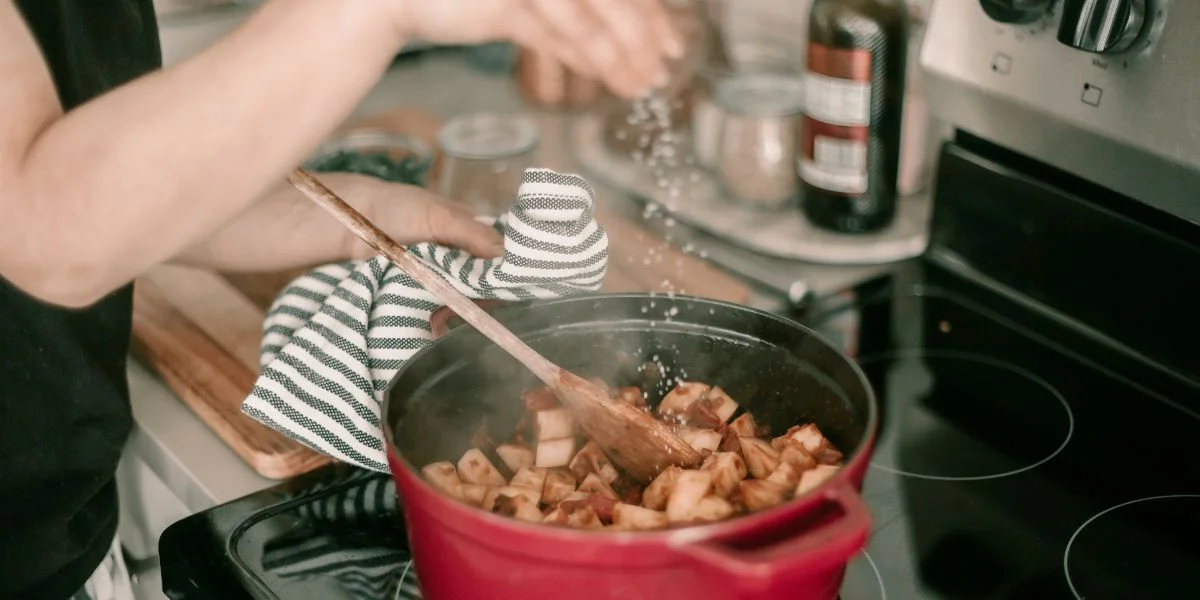
Occasionally, you might forget that you're sautéing some onions, leading to burnt-on bits that are difficult to remove with the steps above. If you find yourself in this position, don't panic. Learning how to clean a Dutch oven with stubborn residue is still a simple process. The main difference is that the pot will soak before you clean it. While a mixture of water and dish soap often does the trick, there are two other methods you can try to loosen burnt or stubborn grime.
The first method to try uses baking soda. Fill the pot about halfway with water, ensuring all burnt-on residue is covered. Add one to two tablespoons of baking soda and stir until combined. Then, place the Dutch oven onto your range or cooktop and bring to a light simmer. After about 10 minutes, turn off the burner and wait till the pot has cooled. Dump out the liquid, and use a wooden spatula or non-abrasive sponge to gently scrape off lingering grime. Finally, follow the above steps to clean your Dutch oven. Remember, the cookware should be 100% dry before putting it away.
The second technique requires equal parts white vinegar and water. The pot should be about halfway full, covering any grime or lingering food. Transfer to your cooktop and bring to a gentle simmer for about 10 minutes. Turn off the heat and wait till cool. Dump out the liquid and grab a non-abrasive sponge or wooden spatula to scrape off any residue. Then, clean the Dutch oven with dish soap and warm water. Either use a microfiber towel or wait until the cookware is dry before placing it back into your cabinets or pantry.
Ensuring a Lifetime of Kitchen Use
In addition to understanding how to clean a Dutch oven, there are a few habits that can help prolong its lifespan. First, steel wool or abrasive cleaning tools should not be used, as they can scratch or damage the enamel coating. Instead, opt for a soft sponge and microfiber cloths. To further prevent accidental damage, such as thermal shock, never place a hot Dutch oven into a cold environment or vice versa. Thermal shock can cause cracking, chipping, warping or even shatter the cookware. That's why many recipes have you place the pot into the oven as it preheats. When using your Dutch oven on a burner, avoid higher settings, as heat retention is one of the perks of these pieces. Instead, try to stick with lower temperatures and only increase to medium if necessary.
Regardless of the method used to clean a Dutch oven, it should dry completely before being placed back in your cabinets. Excess water leads to rusting, which weakens the enamel coating. If you notice rust is starting to form, create a paste with baking soda and water. Then, use a non-abrasive cloth to scrub off the rust. Our final tip relates to the shine of the enamel coating. While it will decrease over time, repeated trips to the dishwasher can cause the shine to dull faster. A duller look might not look as elegant; however, the cooking performance won't be affected.
Final Thoughts for Maintaining Your Dutch Oven
Standard wear and tear is normal for any piece of cookware, but peeling enamel means it's time to look for a replacement. Thankfully, there's a wide variety of options to choose from, ranging in size, shape and color. Not sure where to start looking? Check out our guide to buying cookware to learn more about finding the best set for your needs. For a more personalized experience, contact our team of experts at 800-860-3577.
How to Clean a Dutch Oven FAQs
-
The best way to clean a Dutch oven is with warm water, dish soap and a non-abrasive cloth or sponge.
-
To clean a burnt Dutch oven, either combine water with one to two tablespoons of baking soda or equal parts white vinegar and water. Then, let the cookware simmer for about 10 minutes, let it cool and clean it with water and dish soap.
-
To clean a rusty Dutch oven, create a paste with baking soda and water. Then, use a non-abrasive cloth or sponge to gently remove the rust from the cookware.
-
Use warm water and dish soap to clean the outside of a Dutch oven. Let dry completely and gently rub with vegetable oil to enhance the shine, if desired.