How to Improve Indoor Air Quality

Understanding What Affects Indoor Air Quality
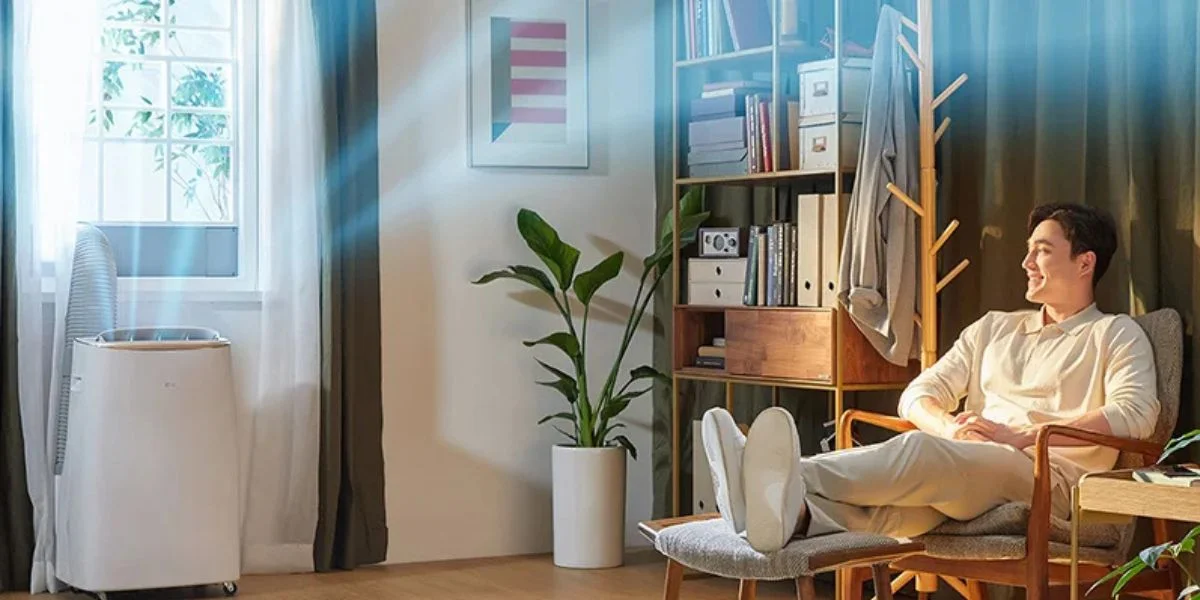
The average person spends about 90% of their time indoors, which includes the home. From standard everyday life to annual family gatherings, your home isn't just a building; it's a haven from the outside world. That's why learning how to improve indoor air quality is important. While we often think of carbon gases and mold as the main culprits for poor air quality, there are several unexpected factors that contribute just as much, if not more. Below, we explore the various ways to improve indoor air quality and make your home a healthier space for everyone who enters.
Start By Testing the Current Quality
Whether you choose to go the DIY route or call in a professional, we recommend testing the current quality first. By testing first, you'll learn what needs to be filtered out and which methods are best for your home. Your location can help give you an idea of what you should be looking for. For example, if you live in the city, then carbon emissions are going to be more of a concern. Whereas living in an urban area means you should be on the lookout for radon. Radon is a naturally occurring gas that comes from the ground. This radioactive gas can enter your home through basement floors, foundations or even cracks within your walls. Some tests only look for this gas while others are designed to test for multiple pollutants. During this phase, we recommend double-checking your smoke and carbon monoxide detectors to ensure that they're functioning properly.
Five Ways to Improve Indoor Air Quality
Reduce the Pollutants in Your Home
As you research the various ways to improve indoor air quality, the word 'pollutants' is often used to describe poor air quality. When you first think of 'pollutants,' you might immediately think of gas emissions or smoke. While secondhand smoke, gas stoves and wood fireplaces do affect air quality, there are more subtle ones that are commonly found in many homes. Although effective at eliminating bacteria, many cleaning products contain chemicals that aren't intended to be inhaled regularly. Choosing products made from non-toxic ingredients still sanitizes surfaces effectively without having the same negative effect on air quality. This goes for air fresheners, too. The chemicals that make your home smell great shouldn't be breathed in 24/7. Instead, try making a simmer pot to make your space smell a specific way.
Attached garages are another culprit of poor indoor air quality, particularly if you tend to shut the garage door before turning off your vehicle. Before closing the door, always turn the ignition off and wait a few minutes before closing the garage door. If possible, wait until the garage door is shut before opening the door to your home to prevent the car's emissions from getting into your home. Another common at-home pollutant is formaldehyde. This gas is typically used as an adhesive or preservative in composite wood, furniture frames and other building materials. If you've recently purchased a brand new piece of furniture or are currently have home renovations happening, be aware of potential exposure to formaldehyde. Placing an air purifier near these areas can help reduce their presence and improve indoor air quality.
Take Control of Natural Allergens
Sticking to routine cleaning is a quick, simple way to remove allergens from your home and improve indoor air quality. Whether you spread out the chores or get it all done in a day, regular vacuuming, dusting and mopping prevent these tiny particles from getting into the air and spreading around your home. Adding a doormat or small rug to any entrance helps trap outdoor allergens and keep them in a centralized location. They also help remind loved ones to take off their shoes, which further ensures the unwanted particles remain in one, easy-to-clean place. Remember to use cleaning products made from non-toxic ingredients, particularly if you plan on cleaning more than once a week. As you clean, keep an eye out for mold and mildew. These harmful pollutants thrive in damp, warm environments and typically grow when there's too much moisture in one place—which could indicate a leak. This is why it's recommended to run an exhaust fan while showering, and even a little after.
Though they are certainly part of the family, your furry friends might be contributing to poor indoor air quality. Even hypoallergenic pets naturally produce dander, which includes fur and skin cells. Even their saliva can cause irritation. Thankfully, maintaining these allergens isn't a difficult process. The first step is to ensure your pets are groomed regularly, which includes brushing, baths and haircuts. Whether you take them to the salon or prefer at-home grooming, the amount of dander produced will be more controlled, and it keeps your pets healthy. Whether they have free rein of your home or stick to one area, you'll want to clean these spaces weekly. Vacuuming is the quickest way to remove any lingering pet dander from the floors, furniture and upholstery.
Give Your Home's Air Flow and Ventilation a Boost
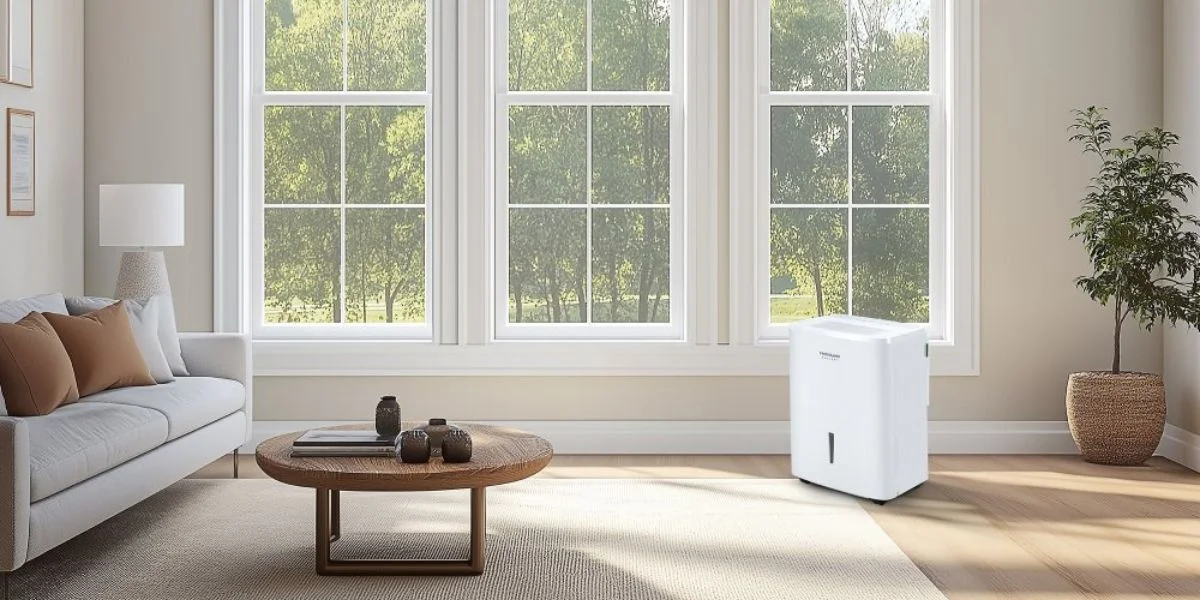
When's the last time you thought about your home's airflow? Like other aspects of your home, your ventilation system is important to maintain, which includes both central air systems and individual AC units. An updated or properly cared-for HVAC system helps flush out pollutants and allergens, as each vent should lead outside. Many of these systems require filters, which need to be replaced regularly to prevent build-up and maintain steady airflow. Any ducts or vents should also be checked and thoroughly cleaned regularly, about every three years. This clears out any debris and allows you to check for any tears or holes. Another way to rapidly boost the ventilation of your home is to open your windows or doors for a short period every day, about 10 to 15 minutes. This habit is a great, no-cost way to flush out indoor pollutants and bring in fresh air. However, this step should be skipped if the surrounding air quality is poor on a certain day or if you live near a highway, coal-burning plant or other areas with low air quality.
Incorporate Some Greenery into Your Space
Perhaps one of the easiest ways to improve indoor air quality is to bring some life into your home. Plants are known for being excellent air purifiers, and they can also act as unique statement pieces. With countless species, sizes and color options, you won't have any trouble finding the perfect plant to naturally purify the air without affecting your home's aesthetic. The snake plant and the pothos are two plants that require little maintenance and are known for being powerful purifiers. Just place them in the corner of a room or on your coffee table and let them work their magic. The Monstera deliciosa is another great low-maintenance plant that adds an exotic touch to the room. Of course, any succulent will get the job done if you're worried about remembering to water. No matter which plant you choose, these natural air purifiers are a reliable way to improve indoor air quality with little work on your part.
Add an Air Purifier to Your Setup
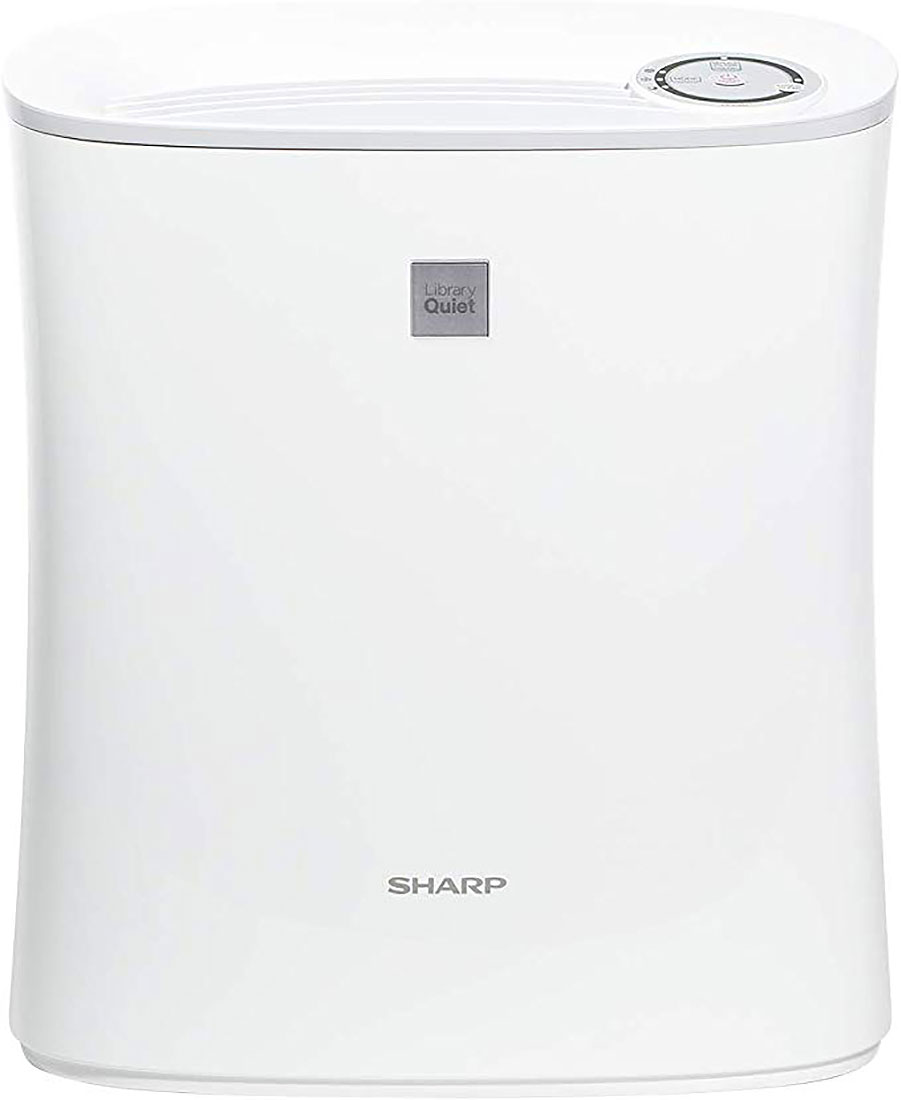
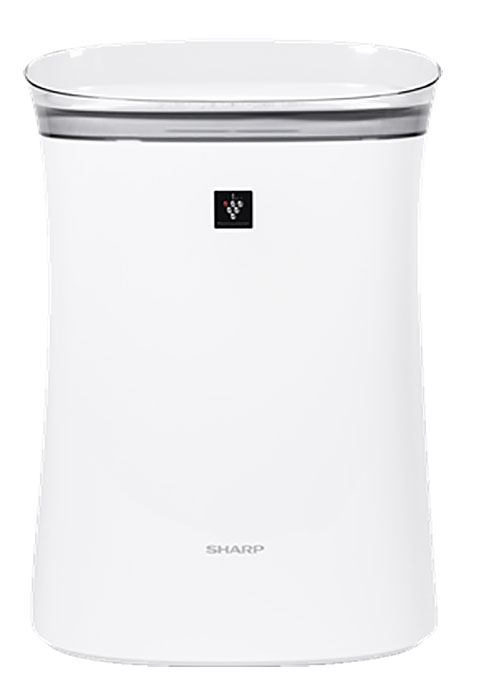
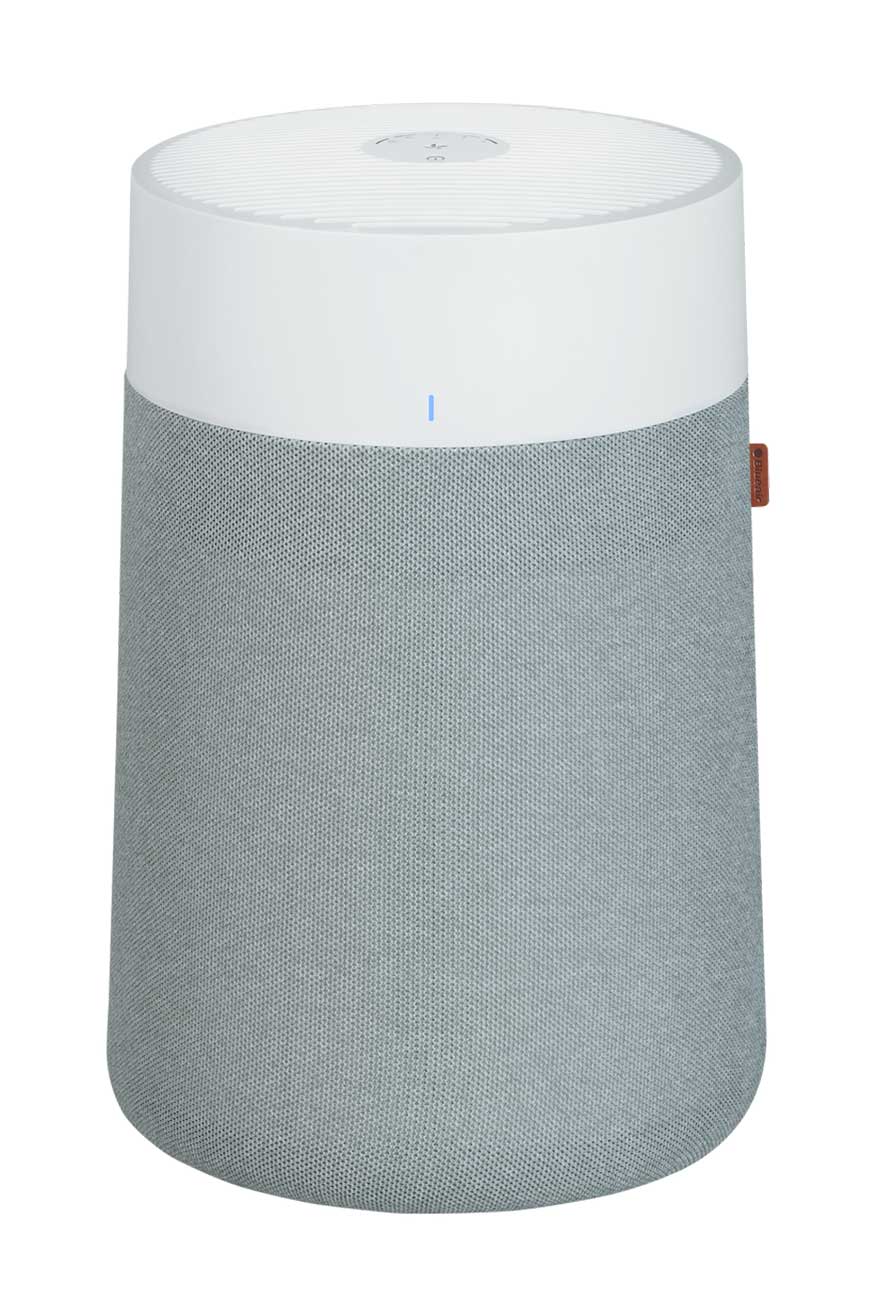
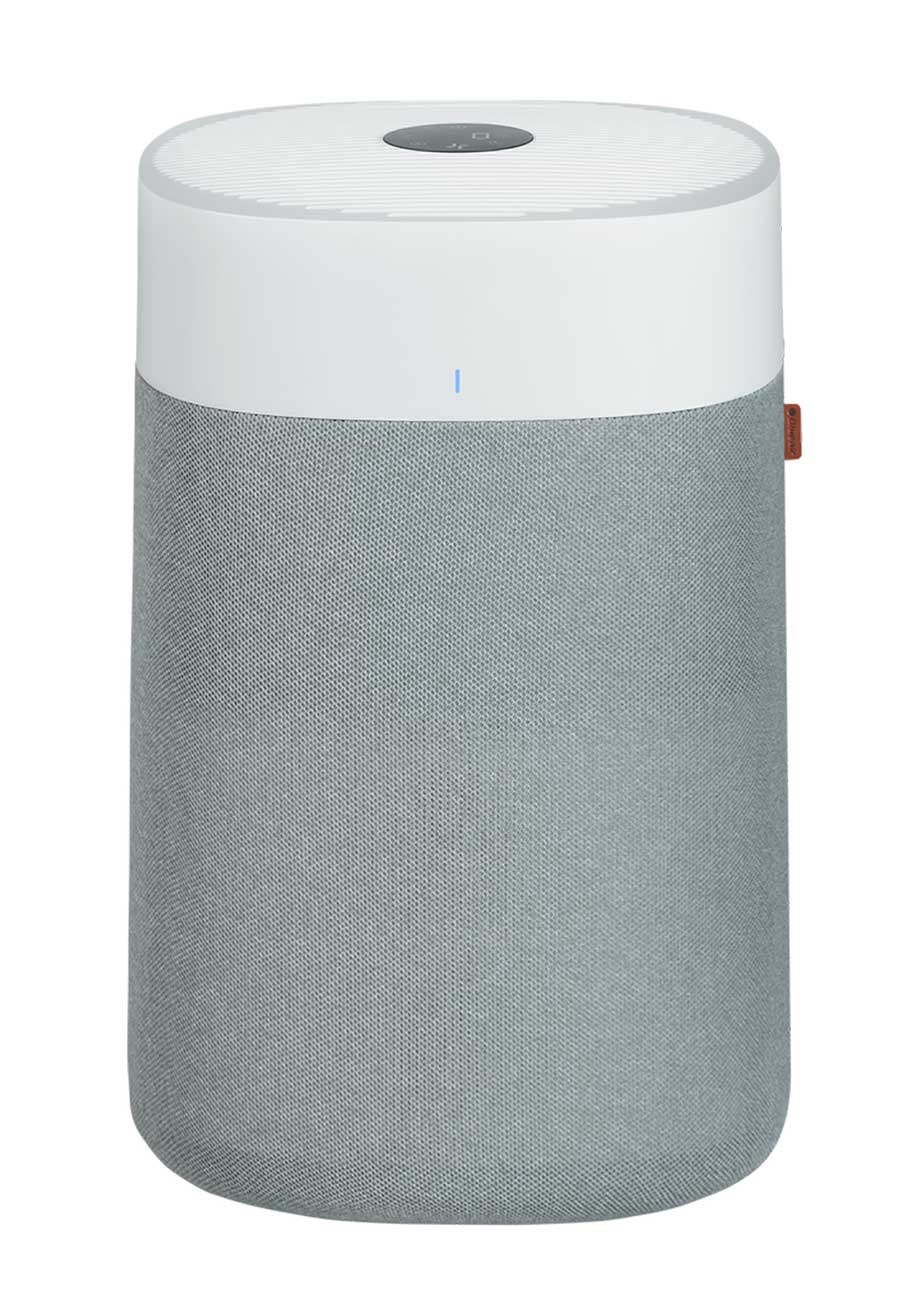
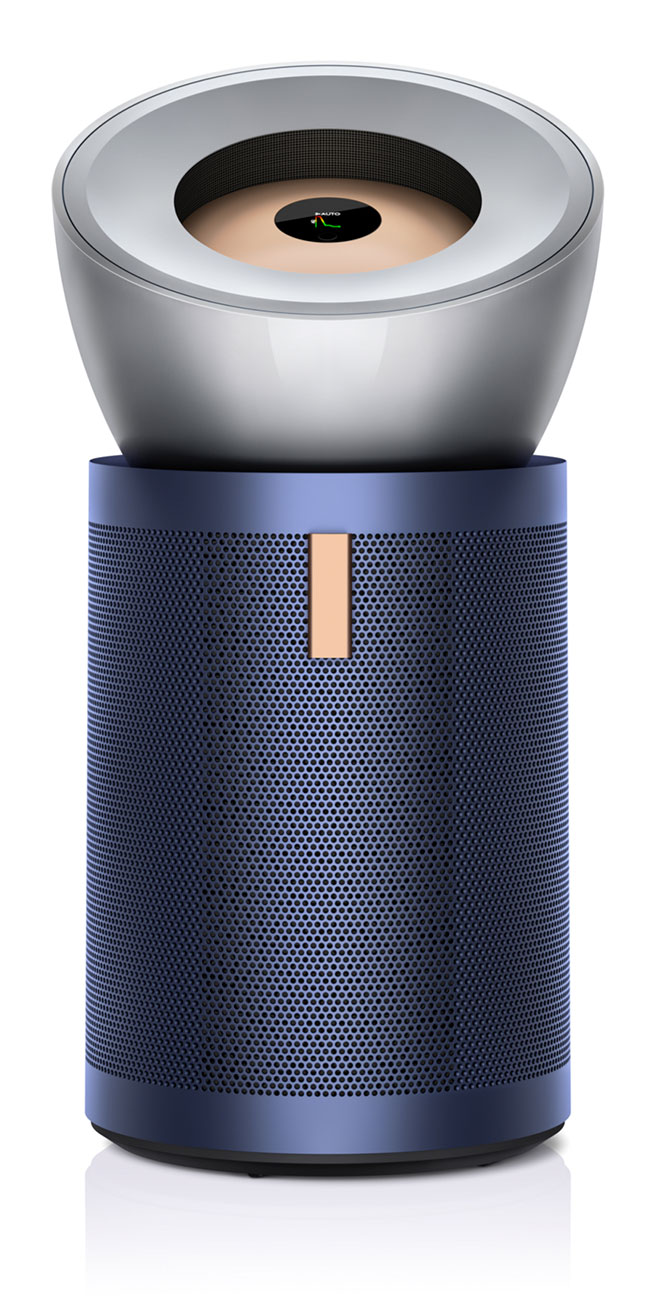
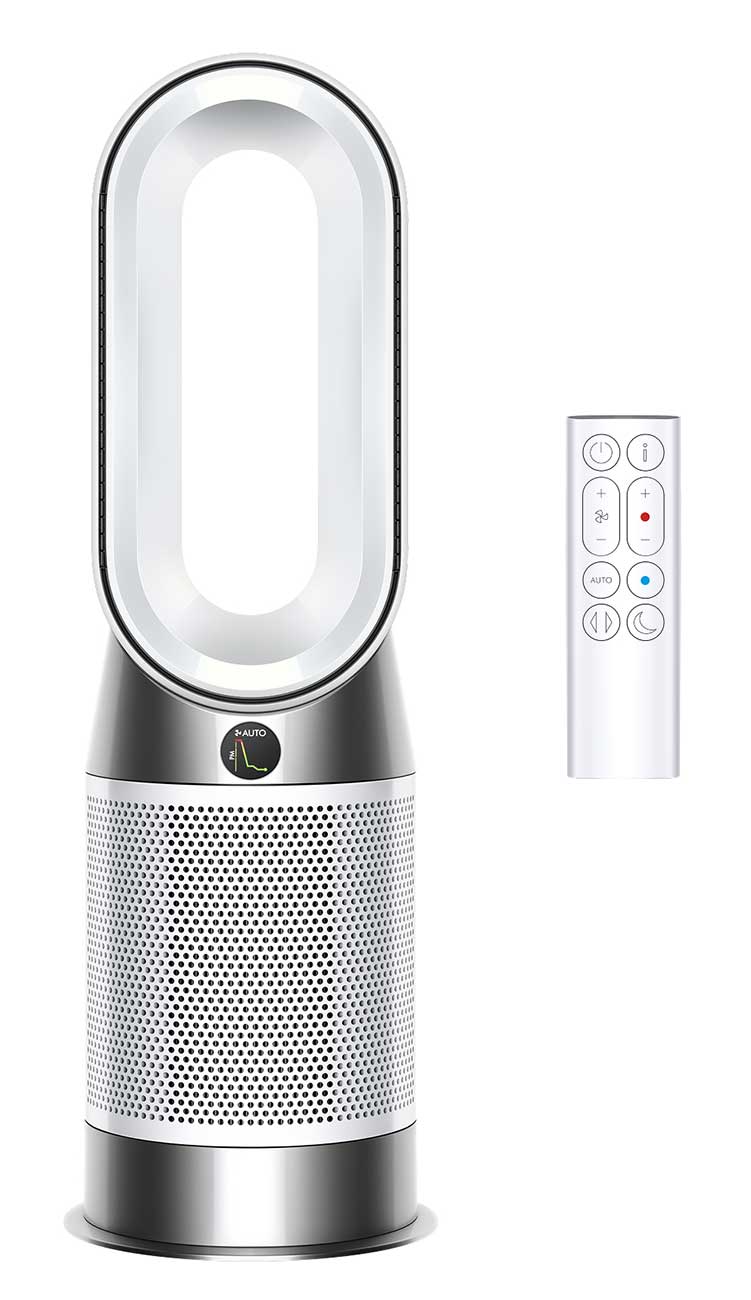
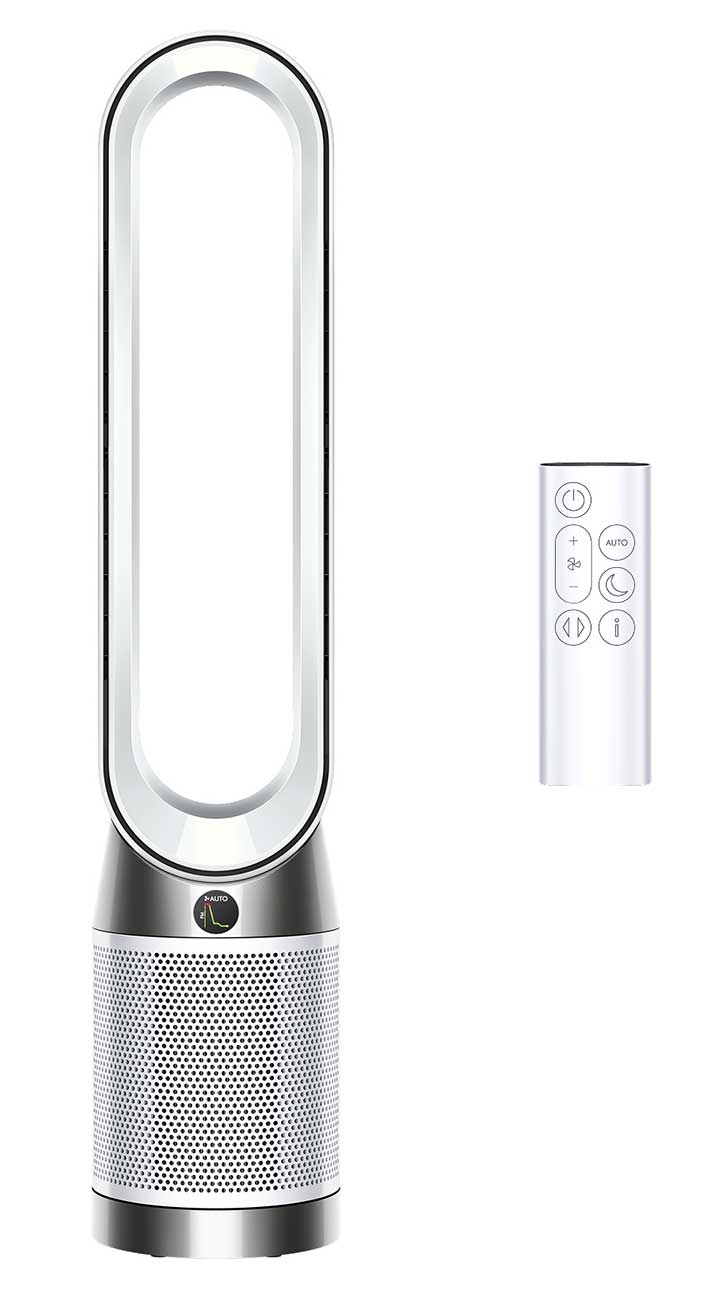
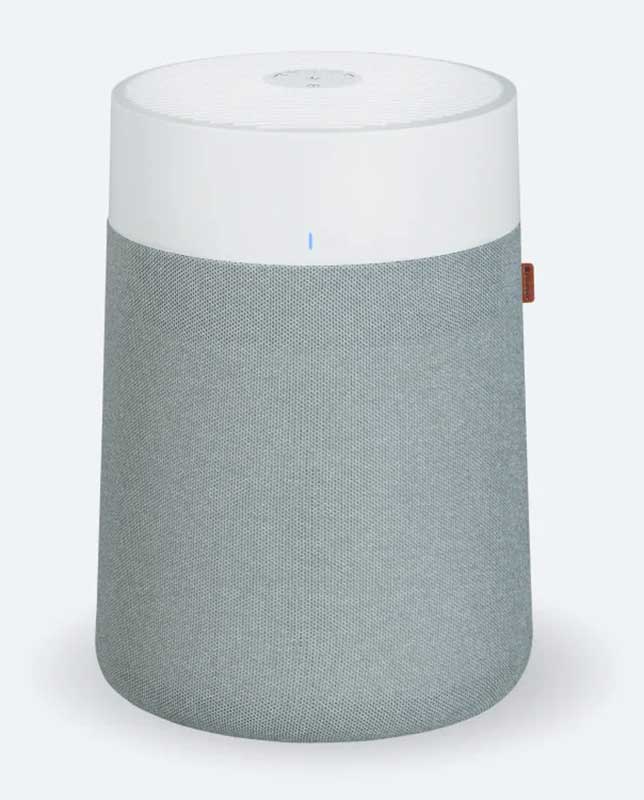
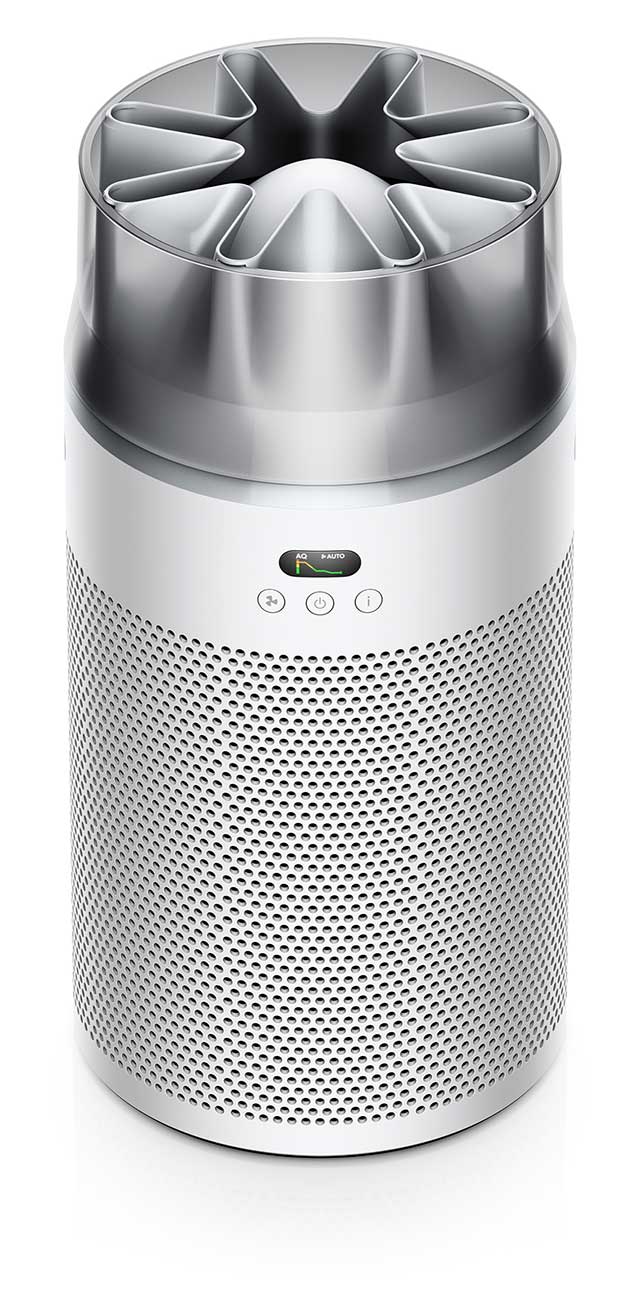
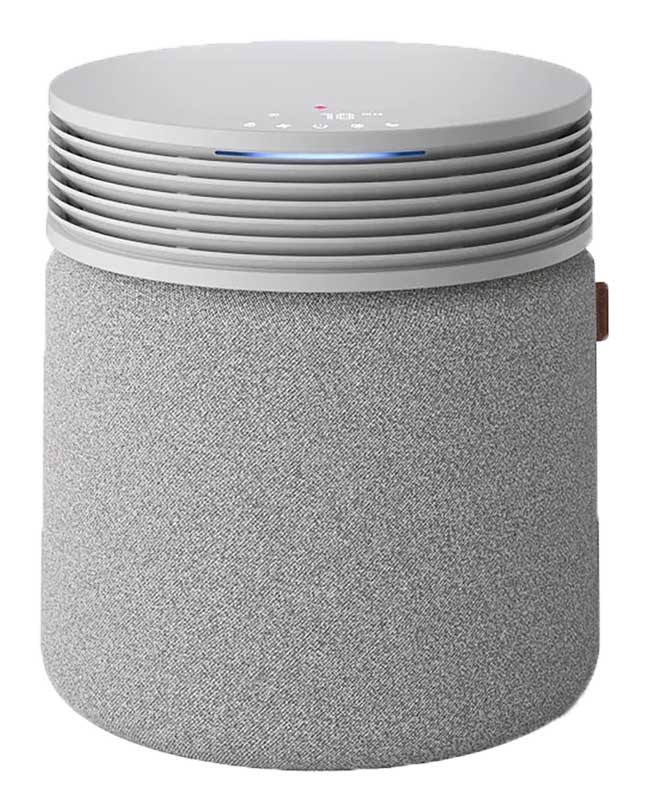
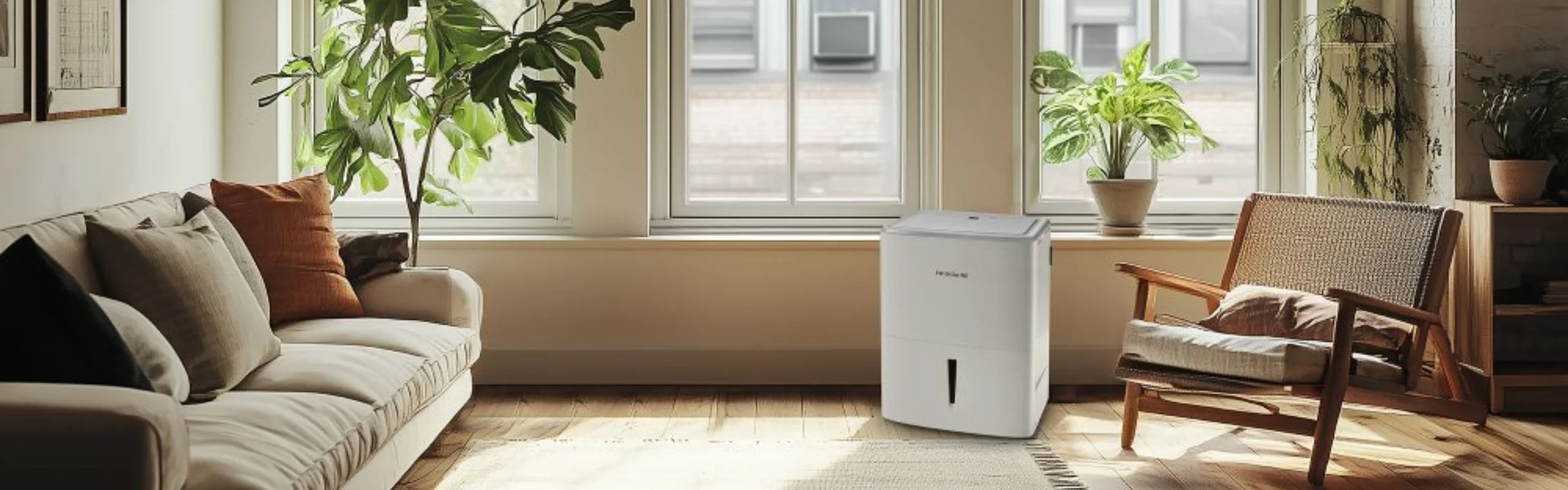
Investing in an air purifier is a quick, simple way to instantly begin improving indoor air quality without requiring much manual work. Once installed, they automatically get to work removing unwanted pollutants and allergens from your home. Depending on the size of your home, there are various sizes and designs to choose from. Some models even come with dehumidifying abilities, which help lower moisture levels and reduce the risk of mold in your home. If desired, you can also invest in a separate dehumidifier and have the two devices work side-by-side. Regardless, air purifiers are a foolproof way to boost air quality and come in a variety of sizes and styles to match your home. Read our air purifier buying guide to learn more about these innovative devices.
Start Improving Your Indoor Air Quality
No matter what your reasons are, understanding how to improve indoor air quality means you'll be creating a healthier environment for everyone who walks through your door. If you have any questions or would like to learn more, contact our specialists at 800-860-3577. Our Learn Center also has a collection of articles to help keep your home's HVAC system functioning properly.
How to Improve Indoor Air Quality FAQs
-
Since we spend most of our time indoors, ensuring good indoor air quality means creating a healthy home environment.
-
Boosting your home's airflow and using an air purifier are two quick ways to improve indoor air quality.
-
Adding plants to your home is a great way to naturally improve indoor air quality. The snake plant, the pothos and the Monstera deliciosa are great, low-maintenance options.
-
Certain cleaning products, air fresheners and pet dander can all negatively affect indoor air quality.
-
Air quality tests and monitors can be purchased online or you can choose to have professionals come for a more thorough inspection.