Main Content

Kitchen Range Buying Guide

When shopping for a new kitchen range, use this comprehensive guide from the appliance experts at Abt for all the information you need.
Getting Started
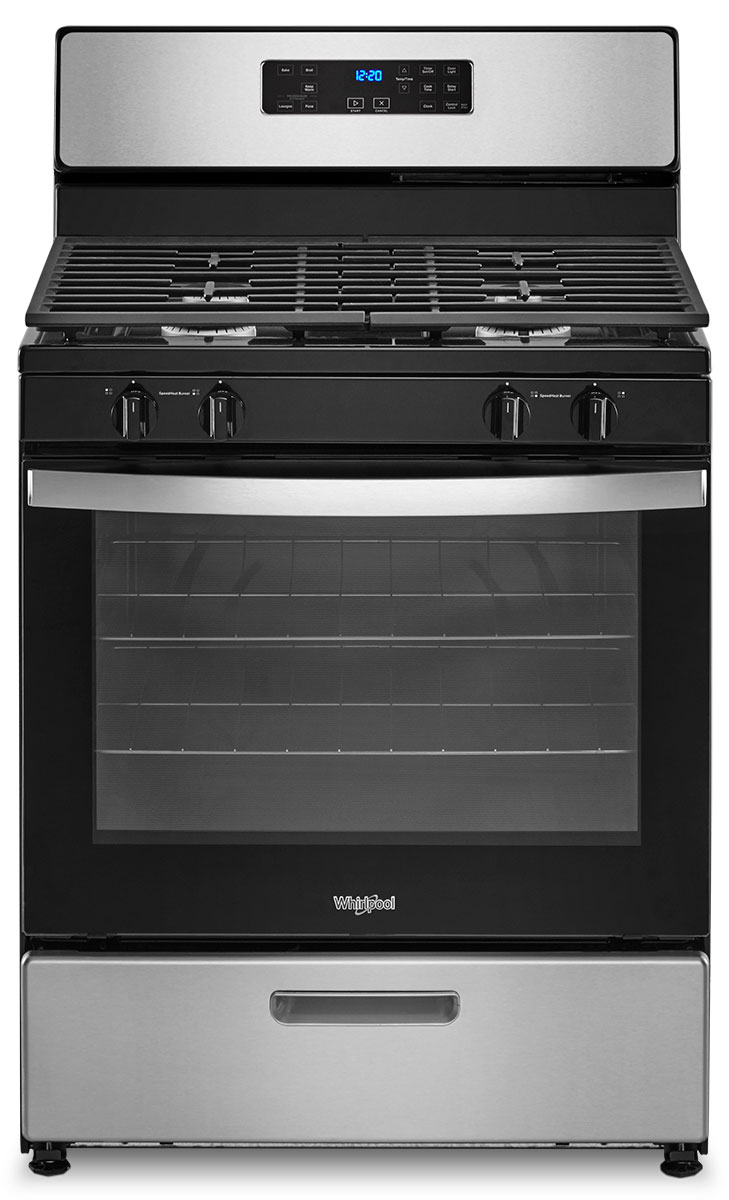
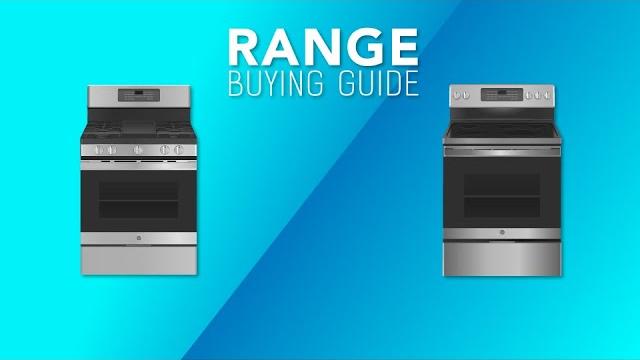
One of the hardest working appliances in your kitchen is the range. A kitchen range is two appliances in one: a set of burners with an oven underneath. The first decision you'll need to make is whether you are looking for a gas, electric or dual fuel range. Next, decide whether you need a freestanding or slide-in range. Drop-in ranges are another option for custom-designed kitchens, but keep in mind that only a few select manufacturers still make these as they are no longer in demand due to the need for a prepared base and cabinet front. Today, most drop-in models are purchased as replacement ranges in older homes, not kitchen remodels. If you currently have a drop-in range, you should know that you can replace it with a freestanding or slide-in range by removing the bottom base and cabinet front. Doing so will open up a world of options when it's time to replace your drop-in range.
Electric vs. Gas Range: Which One Should I Choose?
When deciding between a gas and electric range, there are some external considerations to take into account. To start, let's look at what connections you will need to have in order to supply your stove with the appropriate amount of power. Both electric and gas ranges need to be connected to a source of electricity. Gas ranges only require a standard 110v outlet to function while electric ranges require more voltage than the standard 110v can supply.
Electric Range Connections:
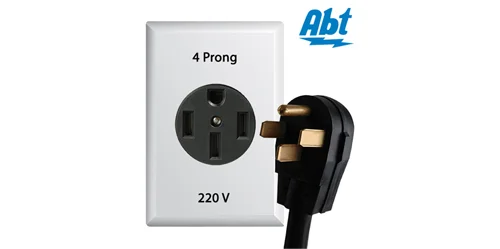
As stated above, electric ranges require more power than your standard outlets can provide. Electric ranges need a 220v power supply in order to function. You can quickly tell whether an outlet can handle an electrical range because it looks different than the outlets for your usual electronics. To make it simple, we have provided an image guide below for reference.
Gas Range Connections:
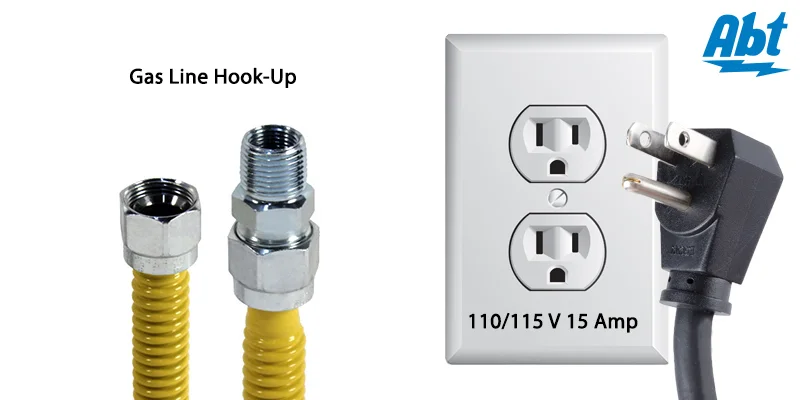
Gas ranges require, well, gas. You will need to have a gas line hook-up for this type of range. Alongside the gas connection, the range will also need electricity in order to power the internal components and create a spark for the gas to ignite. Gas ranges require a standard 110v to operate properly. You can quickly identify a 110v outlet by sight, as you would typically plug most appliances into these outlets.
Fuel Types
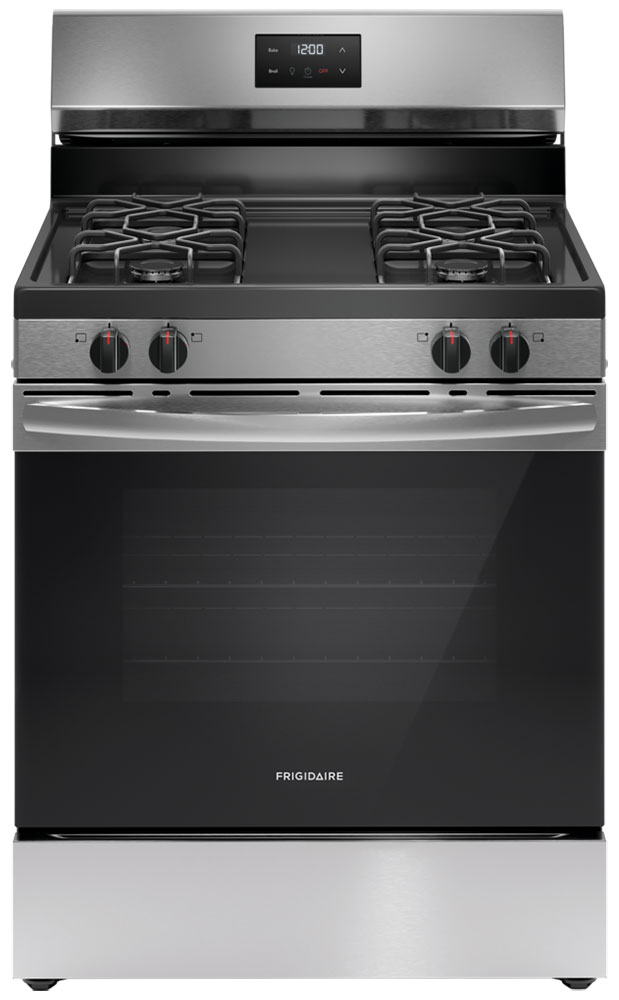
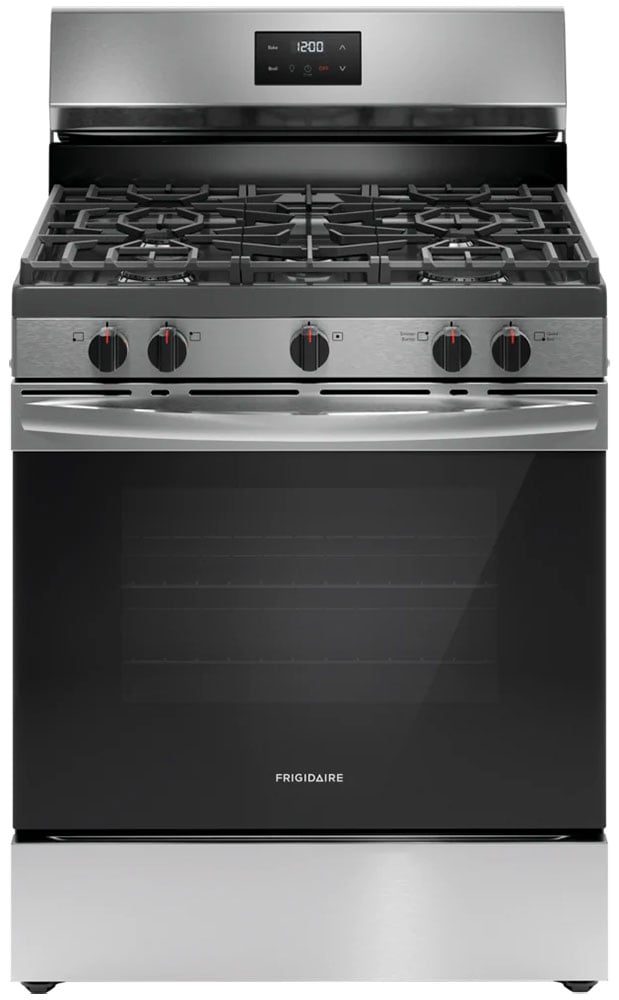
Gas
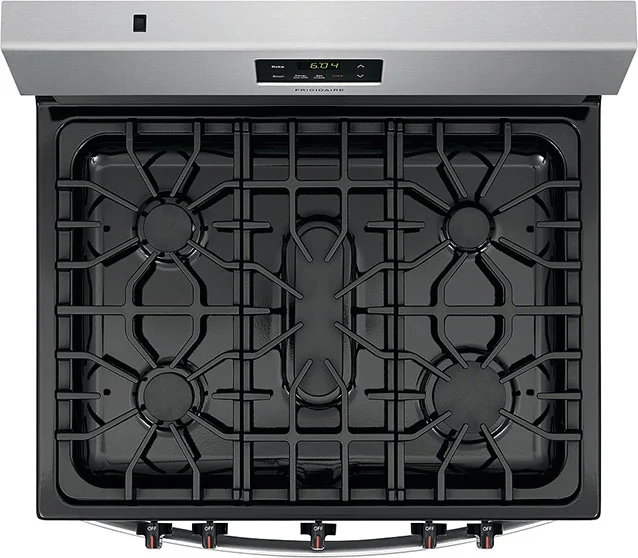
A gas range must have access to a gas hookup. They typically have a 15,000-BTU power burner and a 5,000 BTU simmer burner. You can choose a range with sealed burners or one with open burners. Sealed burners come with a cap that rests on top of the flame for greater control. Open burners leave the flame open with nothing inhibiting the flow of oxygen. Since nothing blocks the flow of oxygen on open burners, they can get hotter than sealed burners. Sizes range from 20" to 60".
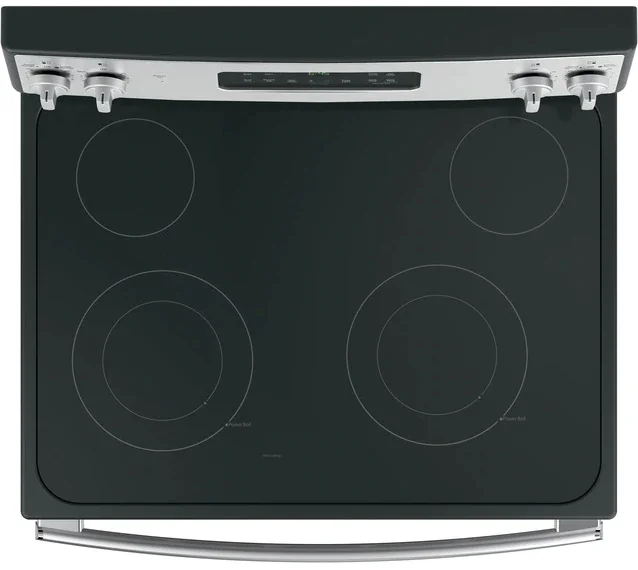
Electric
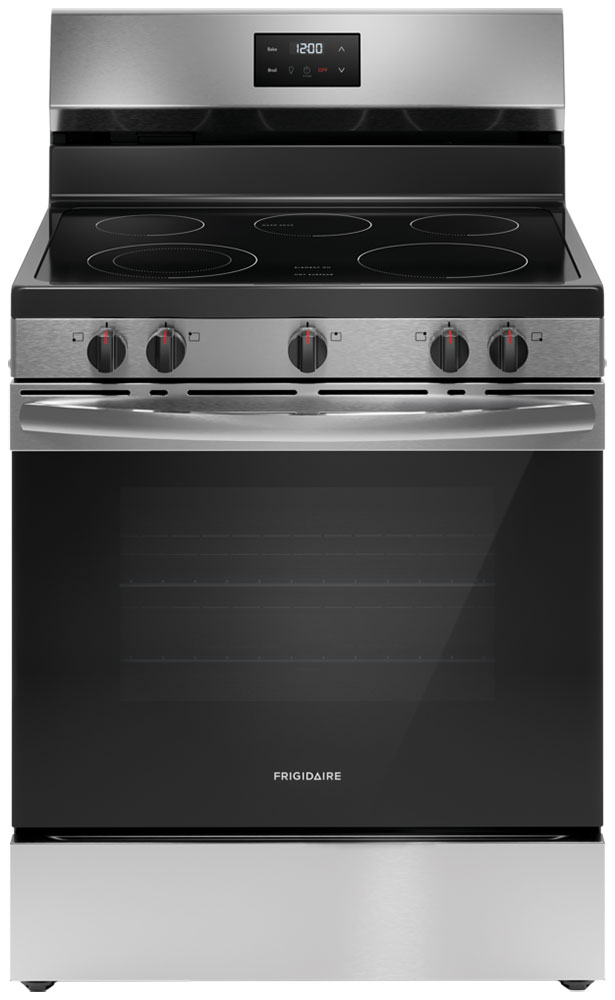
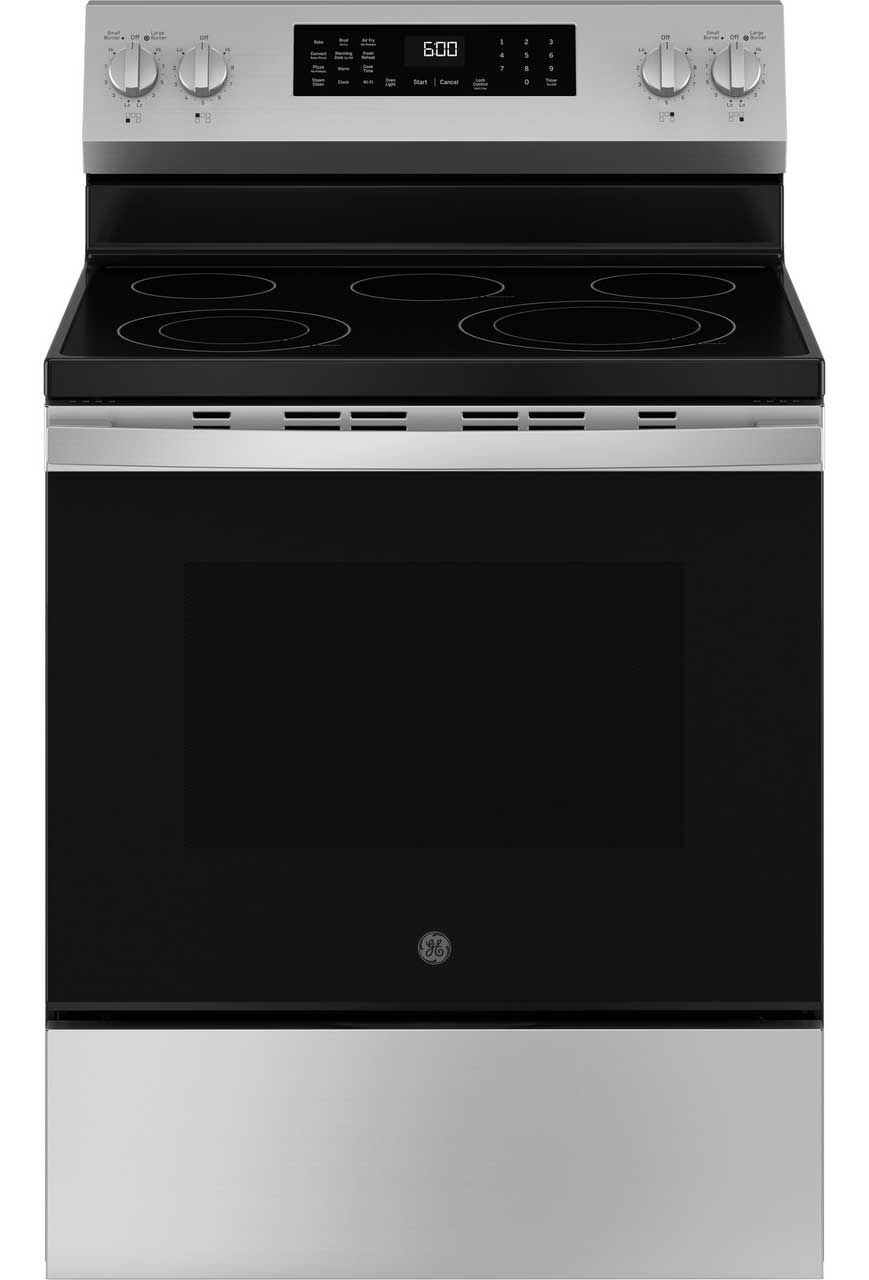
Electric ranges are available with a coil, smooth-top, or induction element. Coil elements provide even heat distribution when cooking. The more rings a coil has, the more even the distribution. Smooth-top elements are located under the cooking surface, which allows for easy cleanup on the continuous surface.
The power burner on an electric range has at least 3,200 watts of power while the simmer burner has 1,200 to 1,500 watts. Electric ranges require a 208/220-volt or 208/240-volt electrical connection. Those who bake often will enjoy the even and consistent heat of an electric oven. Sizes range from 20" to 36".
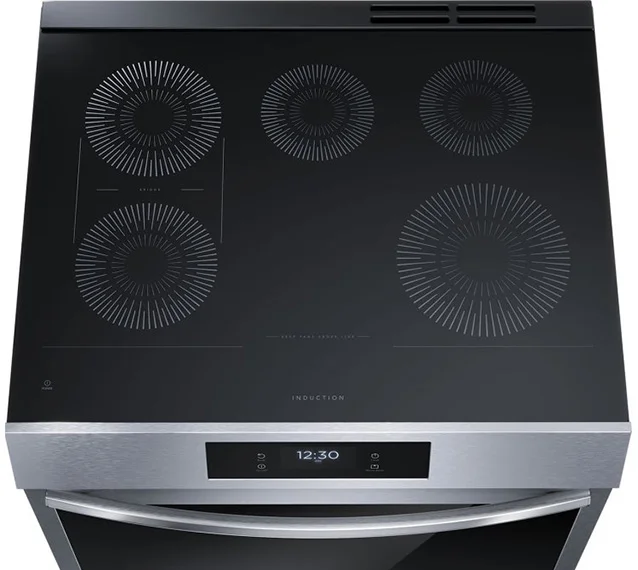
Induction
Induction ranges are electric ranges with an induction top. Induction performs differently than a traditional electric top that uses a centralized heat source underneath the glass. Instead, induction uses magnetic fields to induce a warming reaction in steel-based pots and pans, allowing the pan to heat the food but not the cooktop surface. Induction uses less energy than traditional electric cooktops and is three times more efficient than gas. In addition, it heats up faster and cools down instantly. The caveat? Induction requires magnetic flat-bottom pans and unlike traditional electric ranges require a 40 circuit to work. Almost all induction ranges will require a minimum of 40 to 50 amps. Sizes range from 30" to 48".
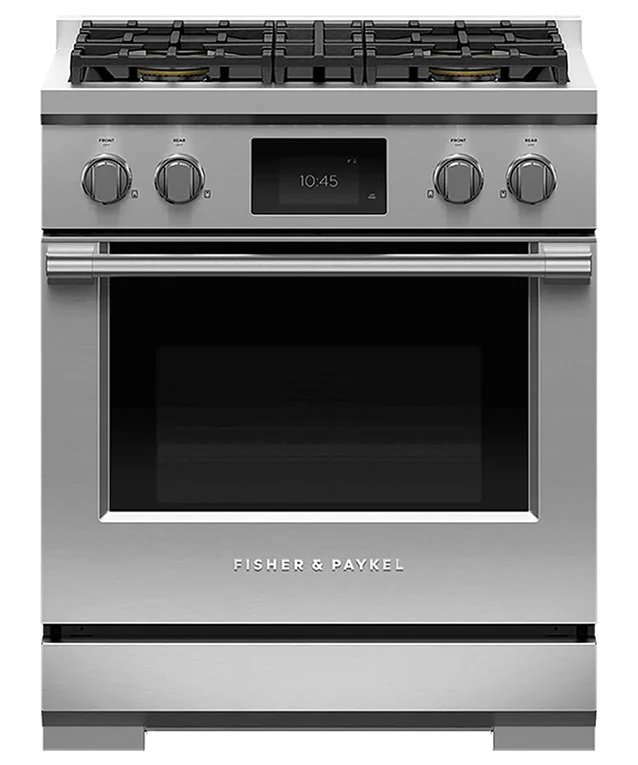
Dual Fuel
Dual-fuel ranges combine the best of both worlds as they offer the responsive hands-on experience of an open flame, combined with the even, dry heat of a convection electric oven. Dual fuel ranges require a dedicated gas line and 220/240-volt outlet and with the exception of a few select models, a minimum of 30 to 50 amps.
Range Styles
Freestanding Ranges
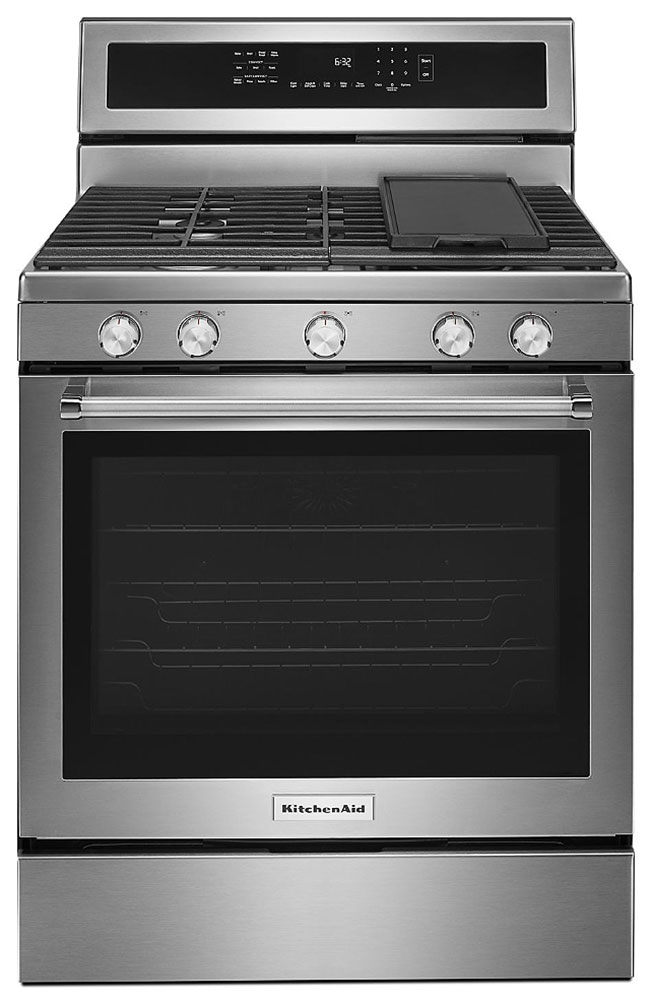
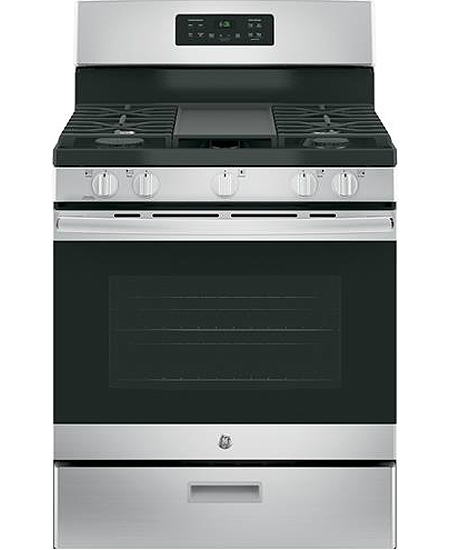
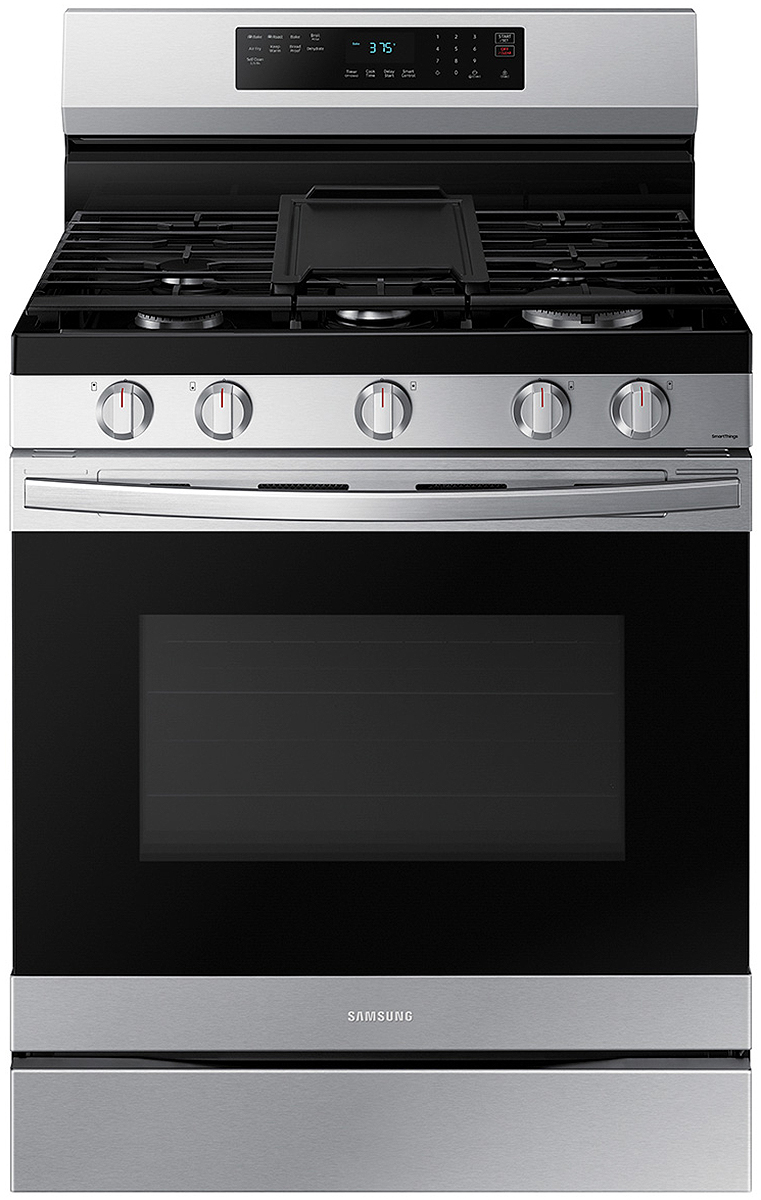
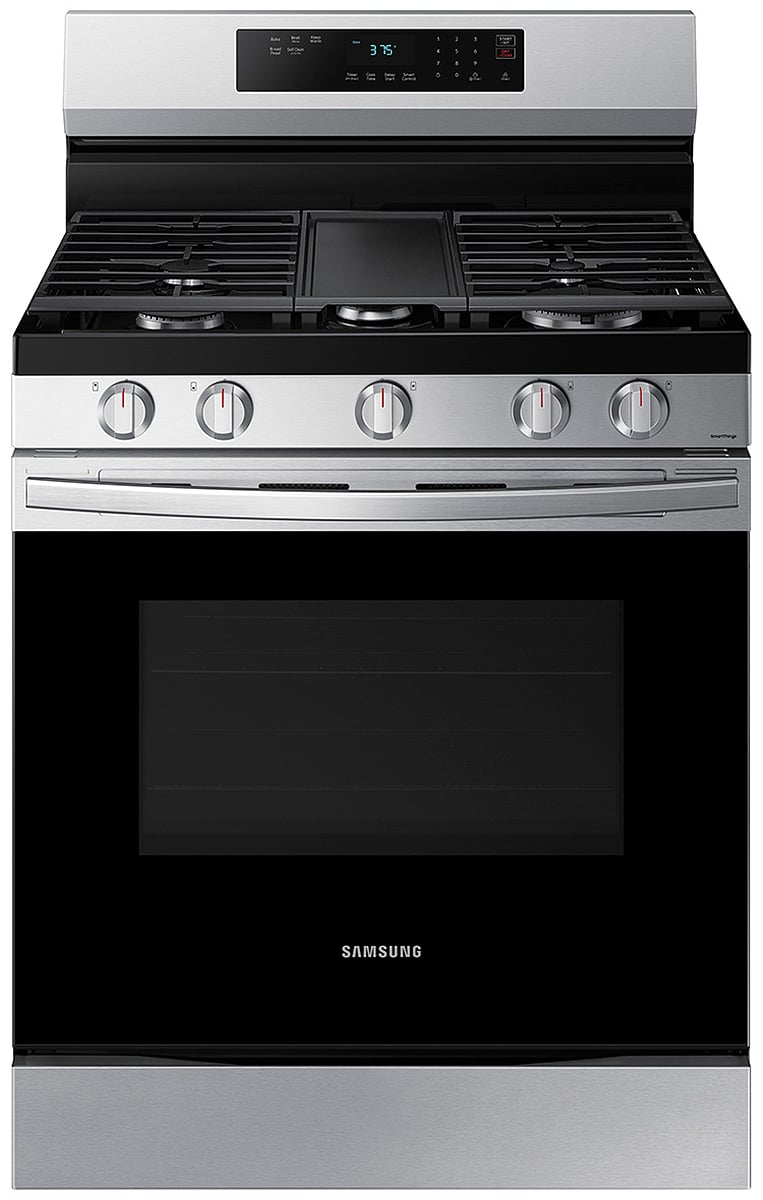
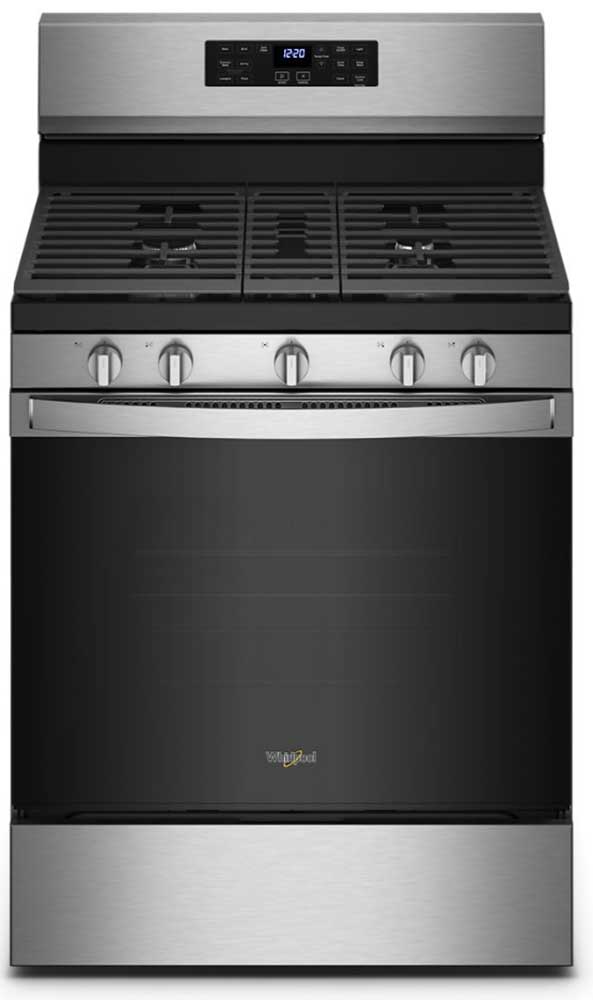
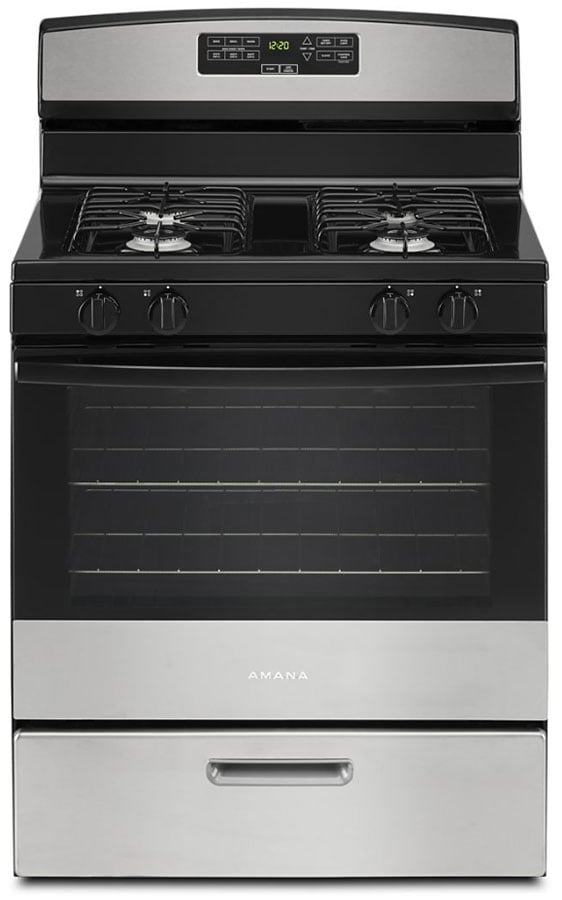
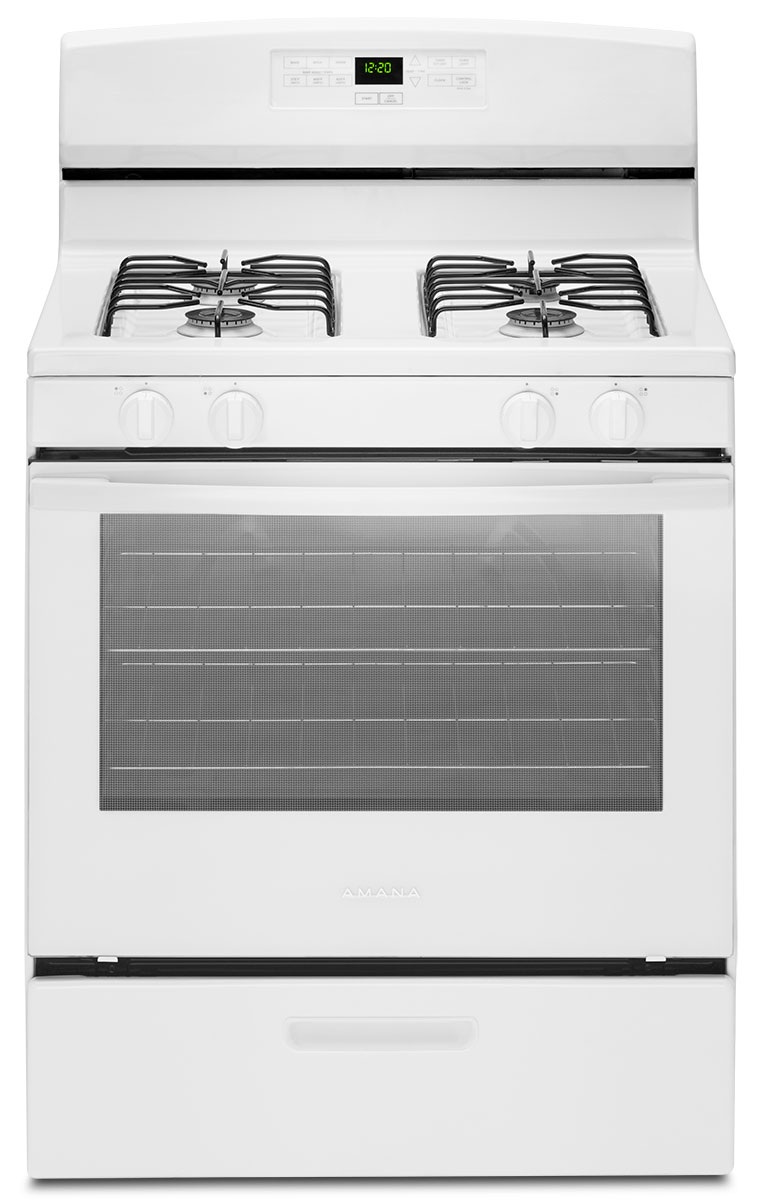
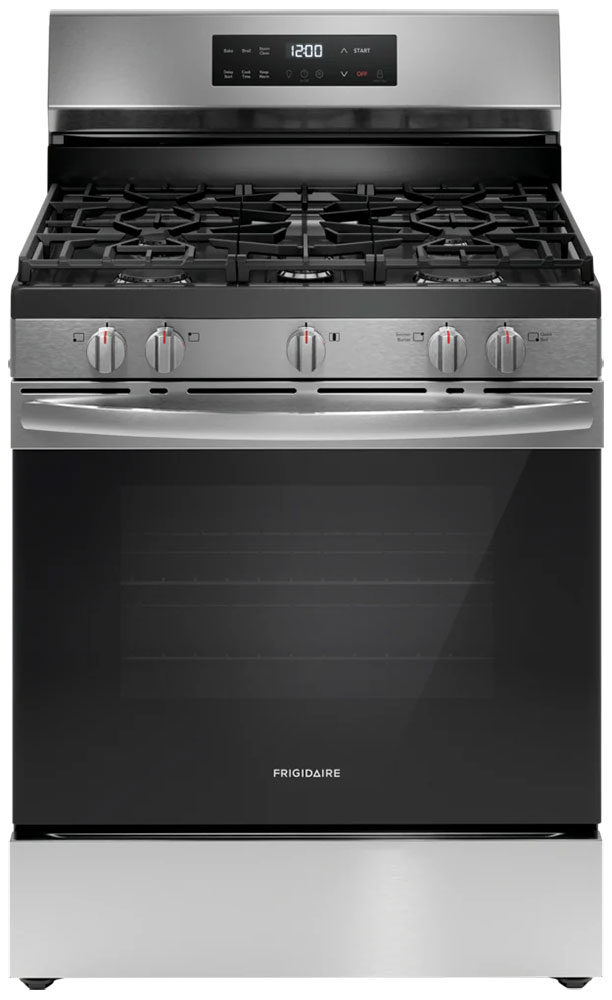
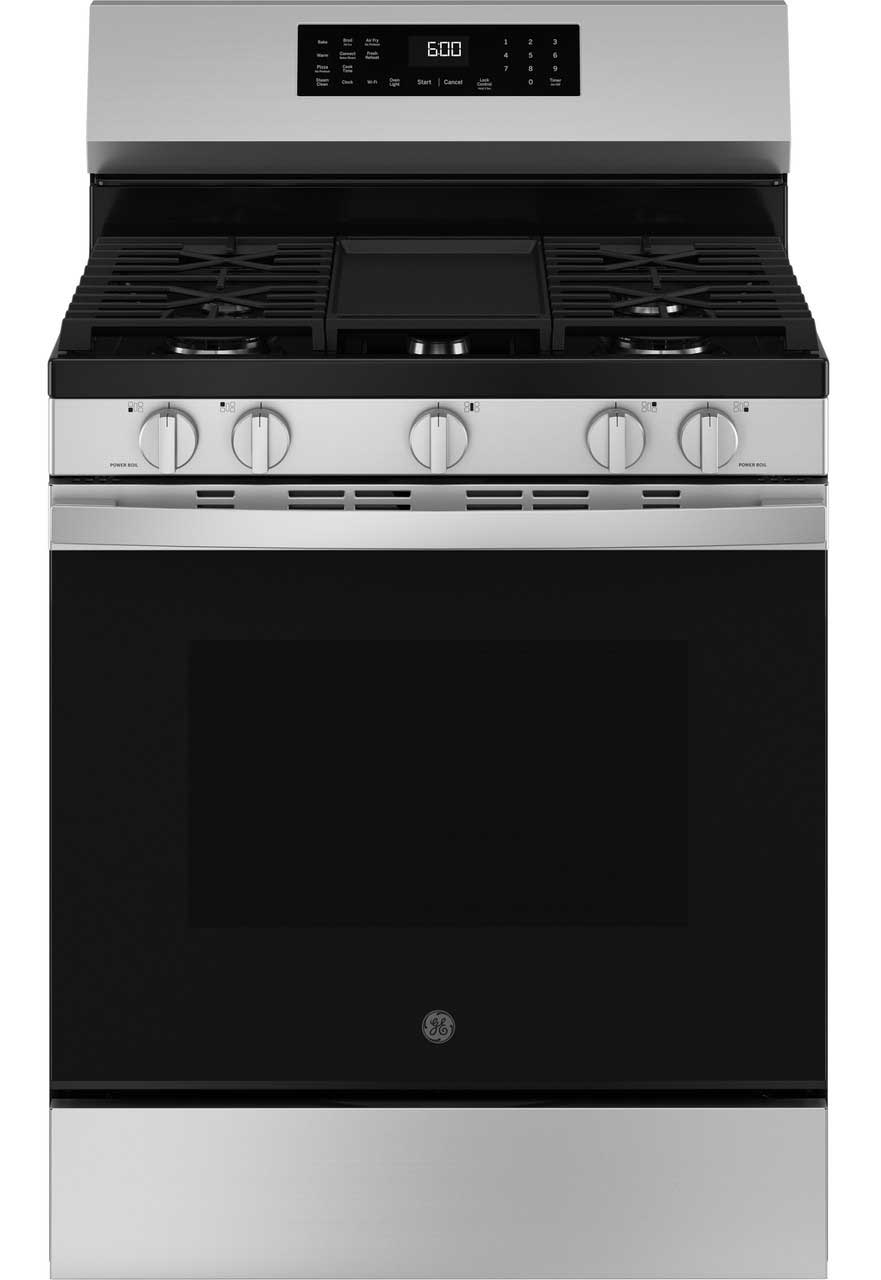
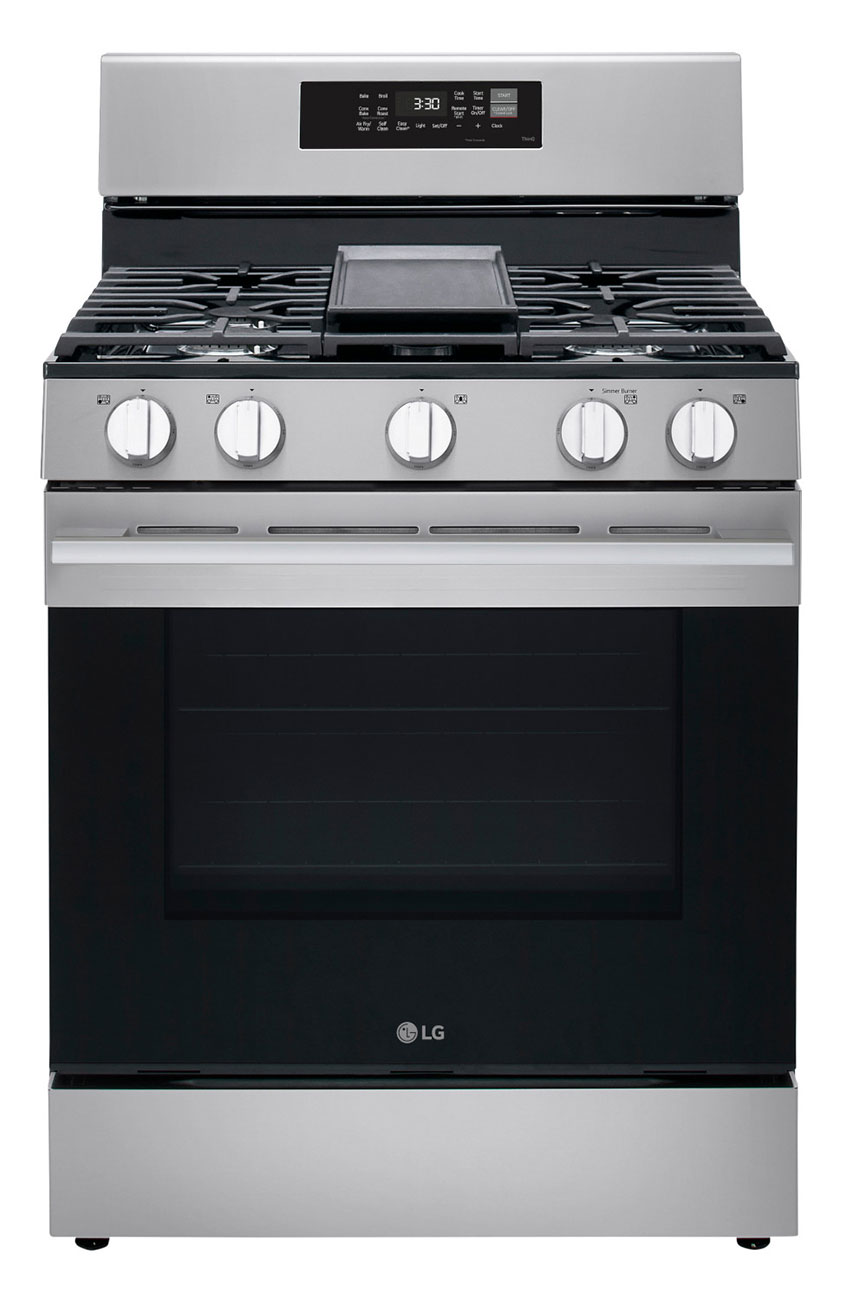
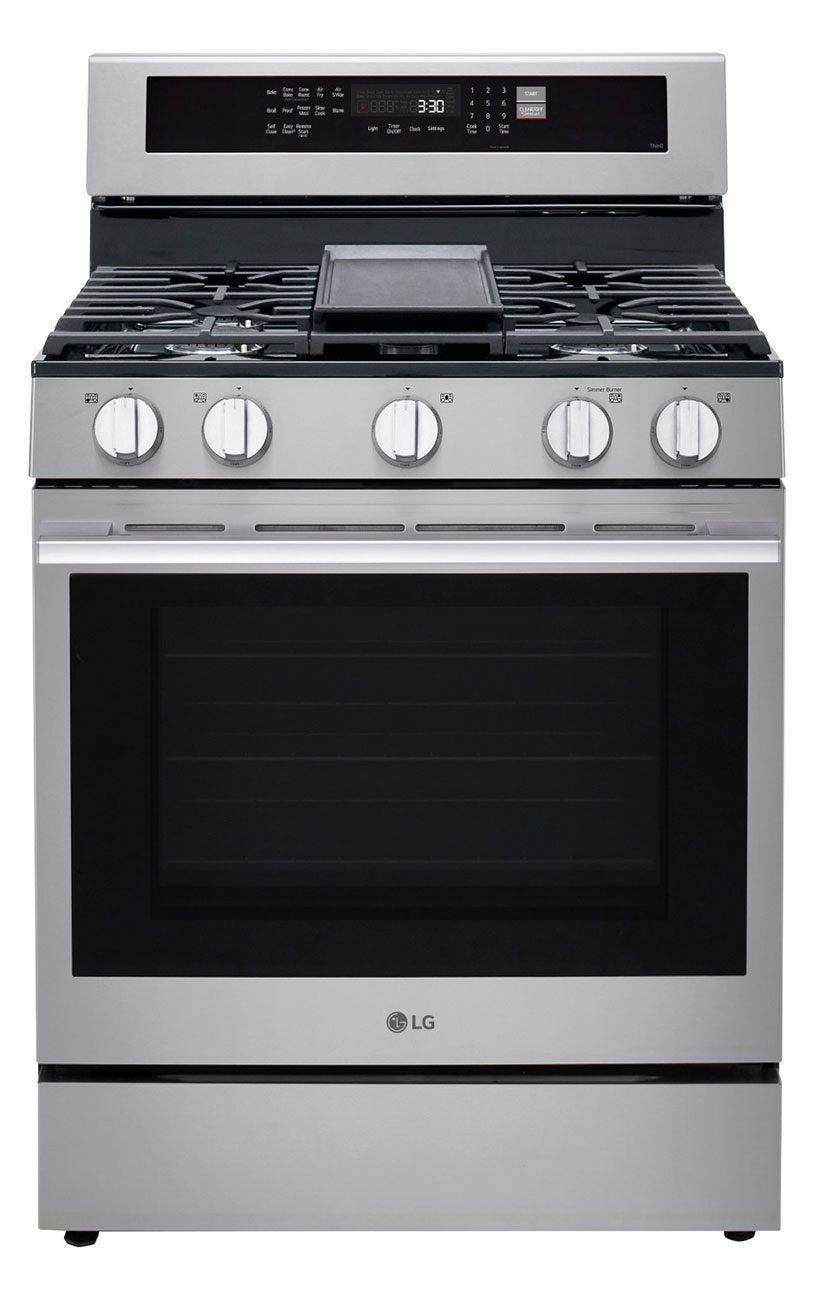
Freestanding ranges are available in gas, electric, dual-fuel, and induction. They typically have a higher back, finished sides, and widths ranging from 20 to 30 inches. They fit easily into their required spaces, usually with minimal installation. Depending on the brand and model, you can get them with double or single ovens, 4 or 5 burners, a lower storage drawer, a warming drawer, a broiler drawer and multiple color options.
Slide-In Ranges
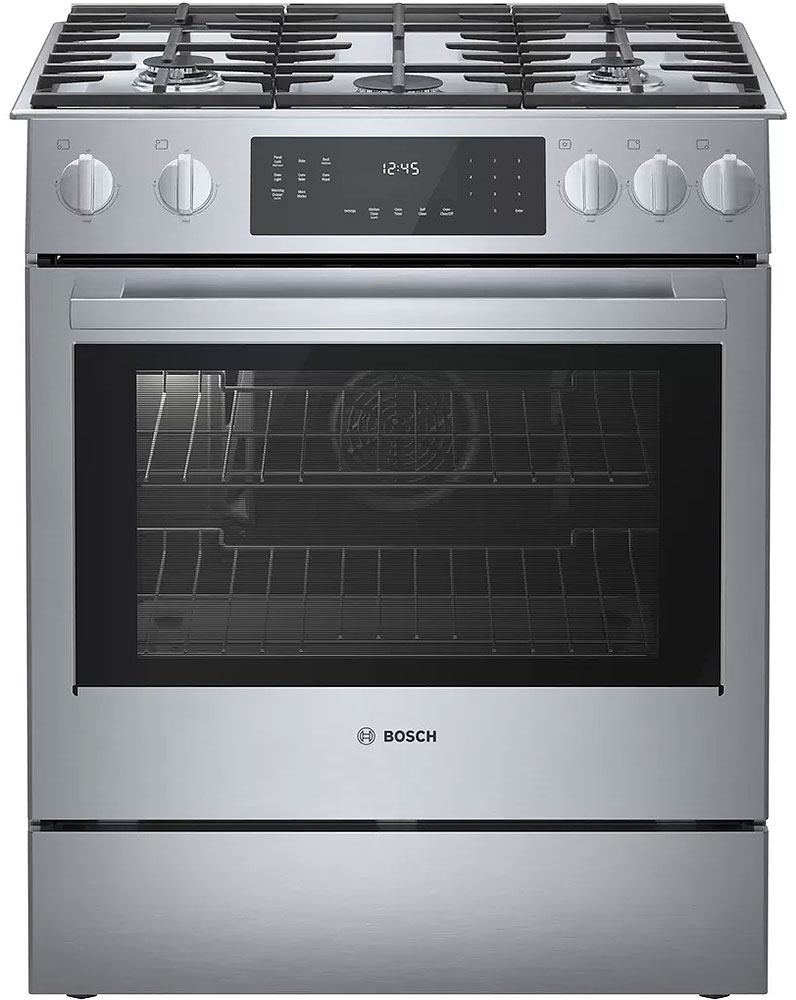
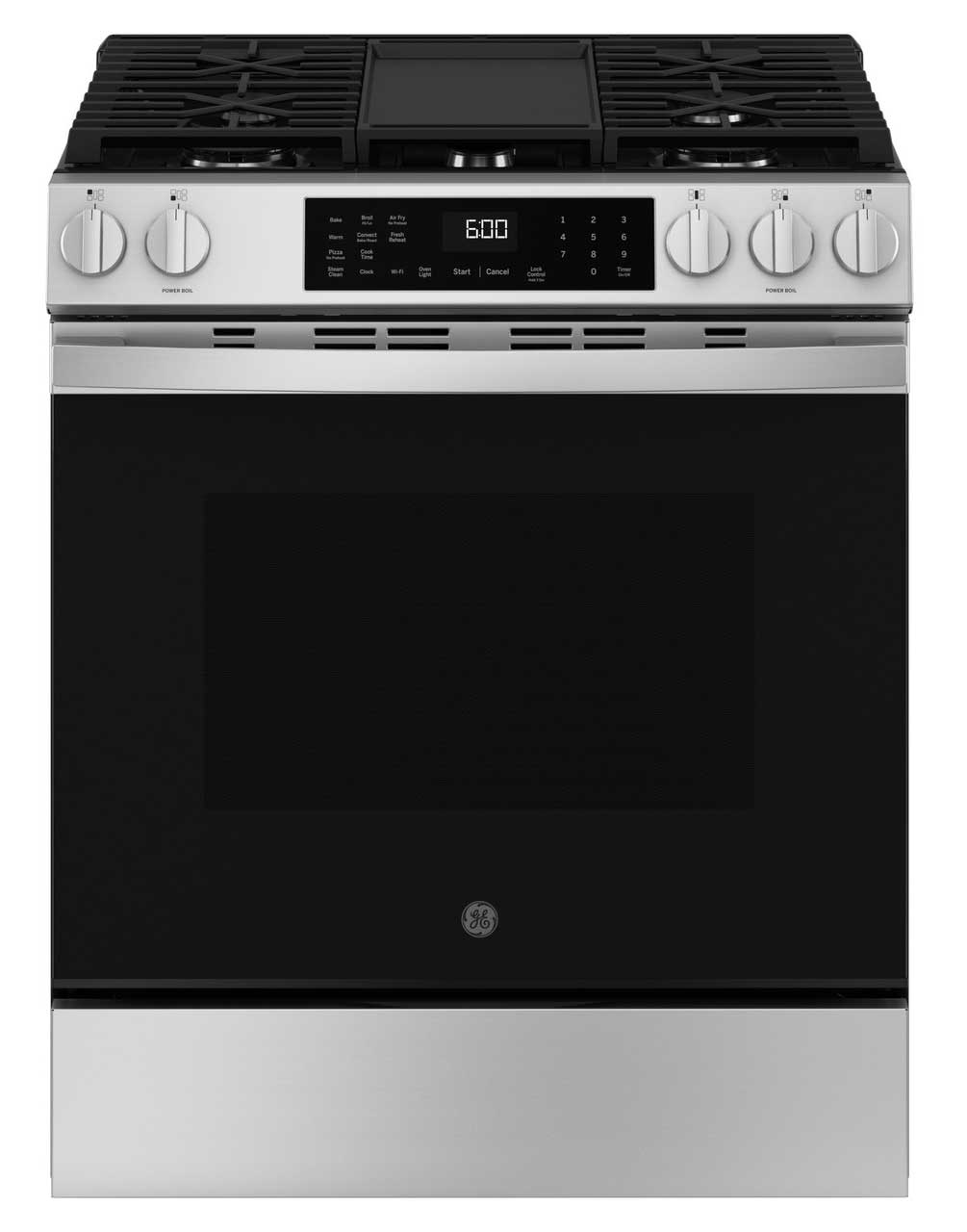
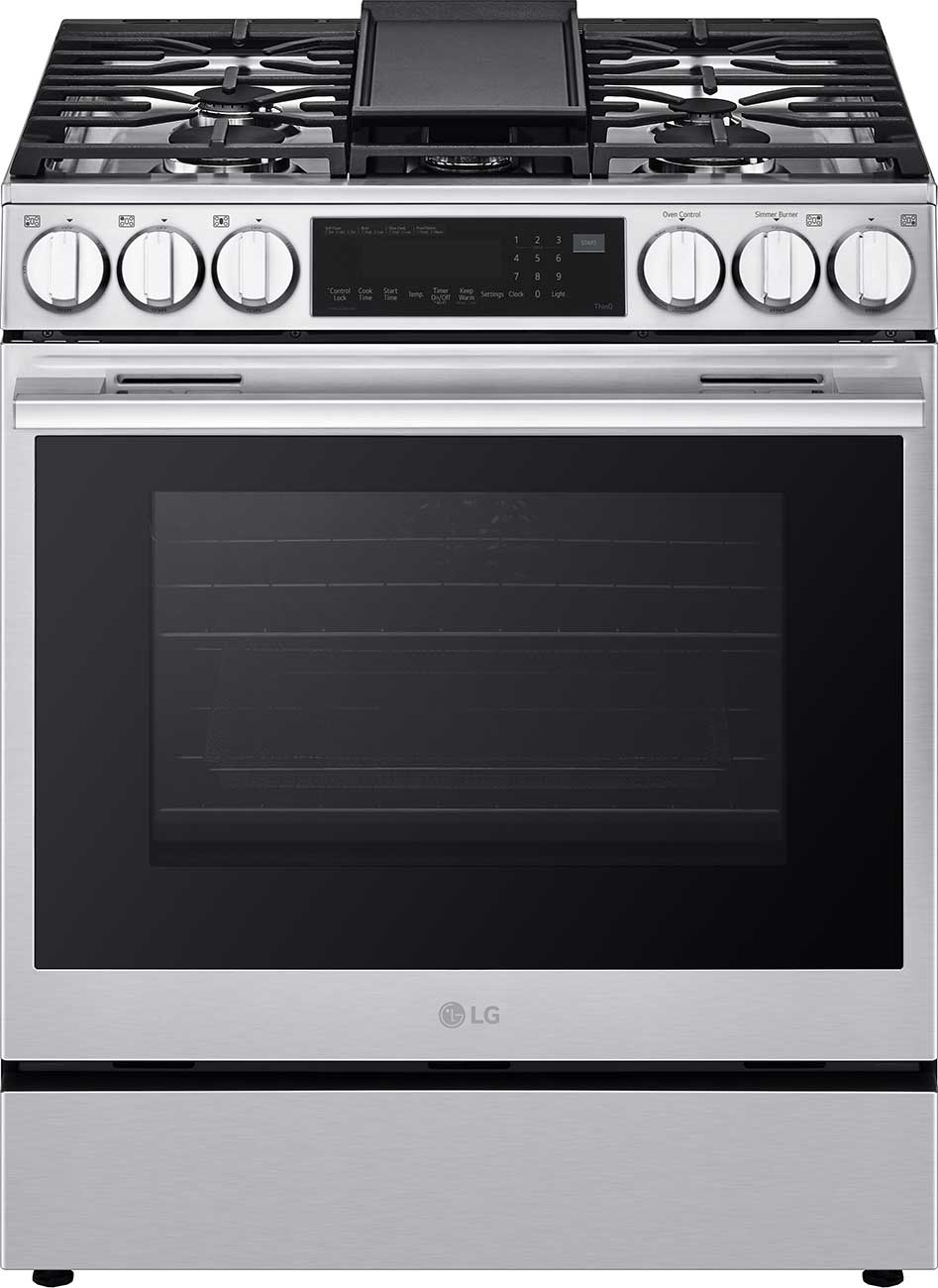
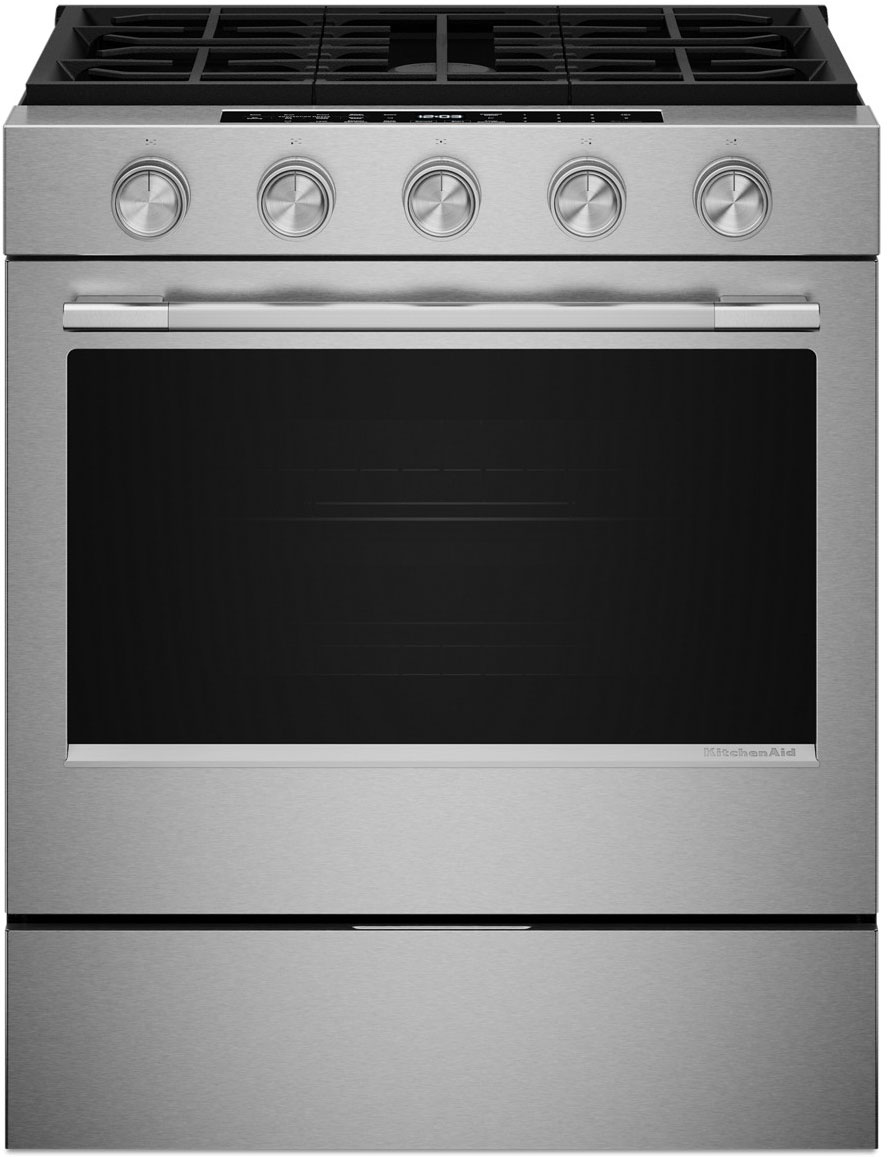
Slide-in ranges are similar to freestanding ranges, except that the controls are located at the front or on the top edge of the range, allowing for the back of the range to sit more flush with your countertops. Slide-in ranges require a more detailed installation, but can be installed between an island or against the wall. Slide-in models are available with 4, 5 or 6 burners, single or double ovens, a handful of color options and even a bottom storage drawer. Like freestanding ranges, slide-ins are available in gas, electric, dual fuel and induction fuel options.
Range Features
Convection
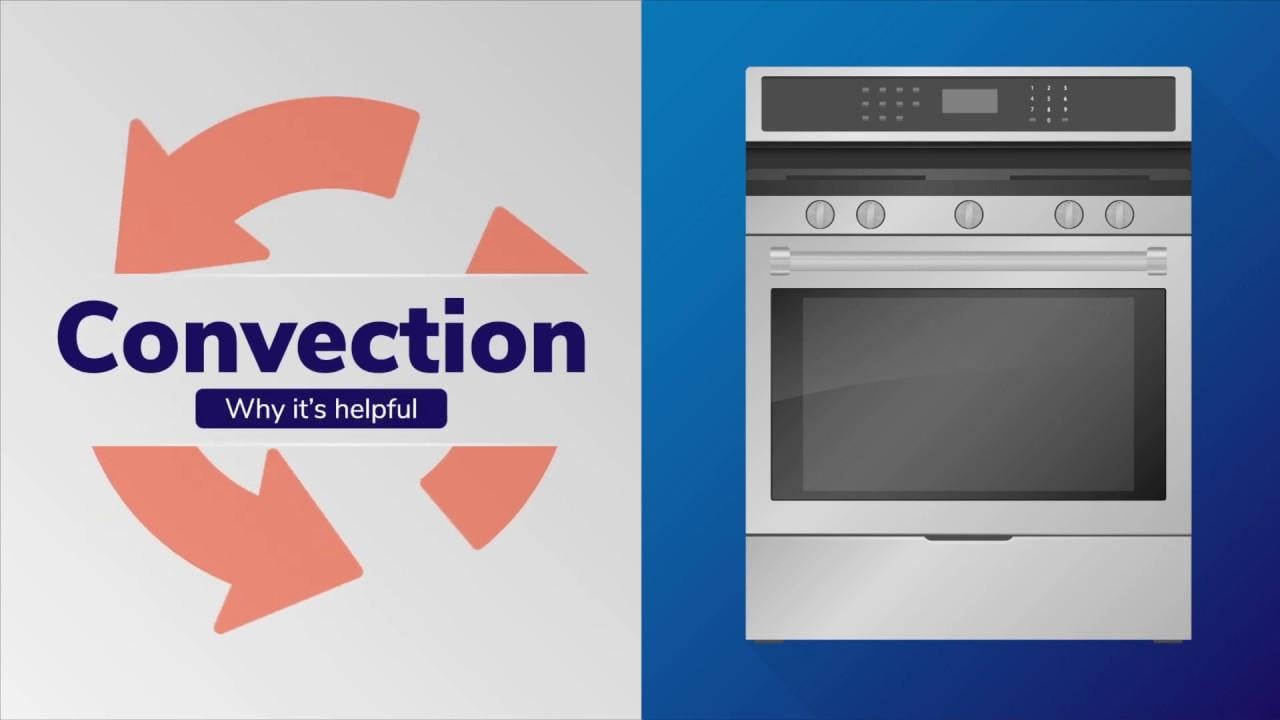
Convection cooking uses a fan in the back of the oven to circulate air over, under and around foods. This method cooks food approximately 25% faster than conventional baking and uses 25% less heat. Convection ovens allow you to choose between conventional baking and roasting or convection baking and roasting. A turkey roasted in a convection oven will brown all over rather than just on top.
There are two types of convection ovens: Standard convection and European convection.
- Standard Fan-Assisted - These convection ovens use the fan along with two heating elements.
- European - This convection oven style has a third heating element behind the fan, heating it more evenly.
It's also important to note that the fan can be turned on and off. In general, convection ovens cook food faster and more evenly, which is perfect for pies, cookies and pastries. Convection ovens are also great for dehydrating and roasting.
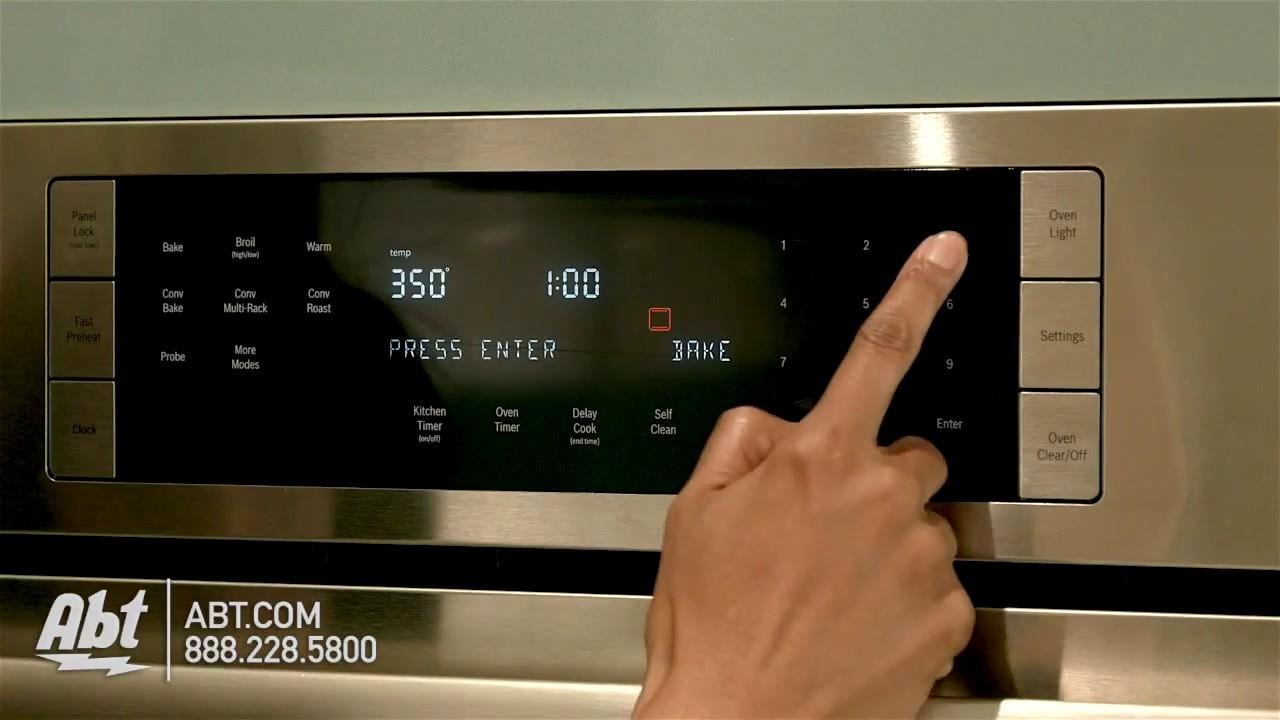
Electronic Controls
For the most accurate temperature adjustment, go with a digital or touch-activated screen control. This control is simple to use and its flat surface is great for fast and easy cleaning. Available with electric cooktops, many controls also offer LED illuminated knobs to indicate the cooktop is on.
Safety Features
When working with hot equipment, safety features are crucial. Some ranges are programmable and allow you to avoid mistakes by automating your oven's start and stop times. Many cooktops include hot-surface indicator lights to remind you when the cooktops are still hot. Some range cooktops even offer safety knobs for extra control when turning your stove on or off.
Grates
The grates on a gas cooktop vary in material and design. The material is determined mostly by the price you pay for a range. The grates on an entry-level range are thin, lightweight, and will usually cover only the burners. However, most grates today are made heavy cast iron or cast iron with a porcelain coating. The beefier the range, the heavier its grates tend to be. In most cases, these grates are continuous, covering the whole cooktop. This allows you to slide pots on and off the burners easily. Pro-style ranges typically have even heavier cast-iron grates that use the continuous design.
Warming Drawer
Warming drawers can keep hot foods warm and moist without continuing to cook. You can also use warming drawers to store pans, heat towels, serving bowls, and plates. Warming drawers can even be used to slow cook foods.
Self-Cleaning
When activated by steam and low heat, the walls of the oven release dirt. All you have to do is wipe it away. This method isn't as thorough as the traditional style of self-cleaning that used extraordinarily high temperatures, sometimes for hours on end, to turn food particles into ash. However, the modern method which combines steam and low heat is usually done within an hour, doesn't produce fumes, and is less invasive. These improvements have encouraged most manufacturers to adopt the newer method.
Note: Continuous cleaning was a common feature on older models. Although it is still relevant for older ovens, continuous cleaning is no longer available on today's newer ranges.
Note: Continuous cleaning was a common feature on older models. Although it is still relevant for older ovens, continuous cleaning is no longer available on today's newer ranges.
Coil
A coil is a type of heating element found on electric cooktops that delivers heat through a piece of metal wound in a spiral and set under the surface.
Smoothtop
These cooking elements are covered with impact-resistant, easy-to-clean ceramic glass. For best results, use cookware with a flat bottom that closely matches the size of the pan to the size of the element.
Finishes
Stainless steel is currently the most popular finish when choosing a range, but if you want something different, today's ranges come in many colors and finishes including white, black, matte black, black stainless, fingerprint-resistant stainless and slate, along with a wide range of custom colors to compliment any kitchen style.
WiFi Connections
Many modern ranges offer wireless capabilities with remote control operations, like Bluetooth and near-field communication (NFC), straight from your smartphone. This handy feature allows you to preheat the oven, set timers or adjust the temperature even when you step away from the kitchen.
Kitchen ranges can be complex and offer a variety of features. Once you determine your cooking style and needs, you'll be able to narrow down your decision. Contact Abt with any questions about your perfect range.
Kitchen Range FAQs
What is a kitchen range?
A kitchen range, also known as a stove, is an appliance that combines both an oven and a cooktop. They are most often fueled by electricity or natural gas.
What is the best range to buy?
The best range to buy depends on where you live, how much you cook and many other factors. In a small apartment, you'll need the smallest range you can find, but if you have unlimited space and love to cook, you'll likely want to add a few extra burners or even a second oven. For product recommendations, check out our article on the best ranges of the year.
What is the difference between a range and a cooktop?
A cooktop is the top burner cooking surface used to fry, sear and sautee foods, while a range combines a cooktop and oven in one single appliance. Cooktops are installed directly into islands and countertops, while ranges can often be moved around.
What is the average life of a kitchen range?
With proper maintenance, a kitchen range can last 15 years.
Which is better, a cooktop or a range?
That depends on your home and your needs. Buying and installing a cooktop makes the most sense if you're also going to buy and install a wall oven (or a double wall oven). Kitchen ranges are a more budget-friendly option and are best for those with limited counter space.