


Sonos Ray vs. Beam: Comparing Sonos Soundbars

A Closer Look at the Sonos Soundbars

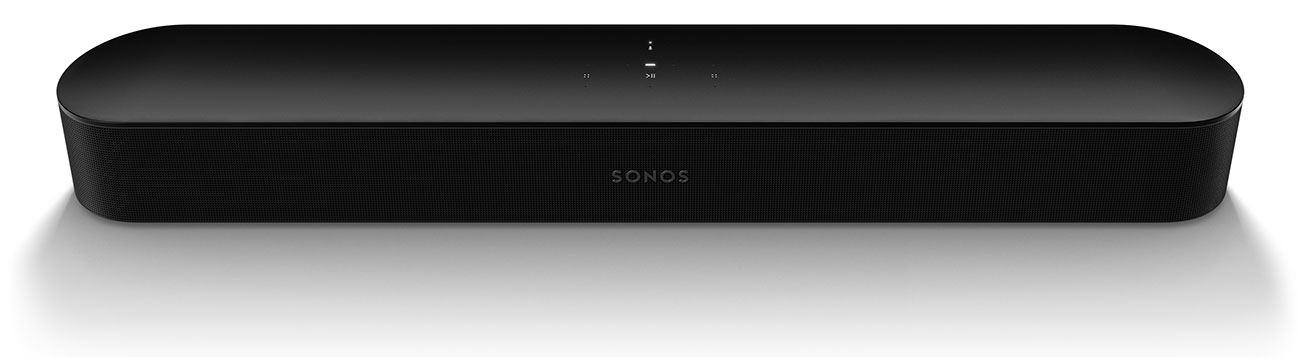
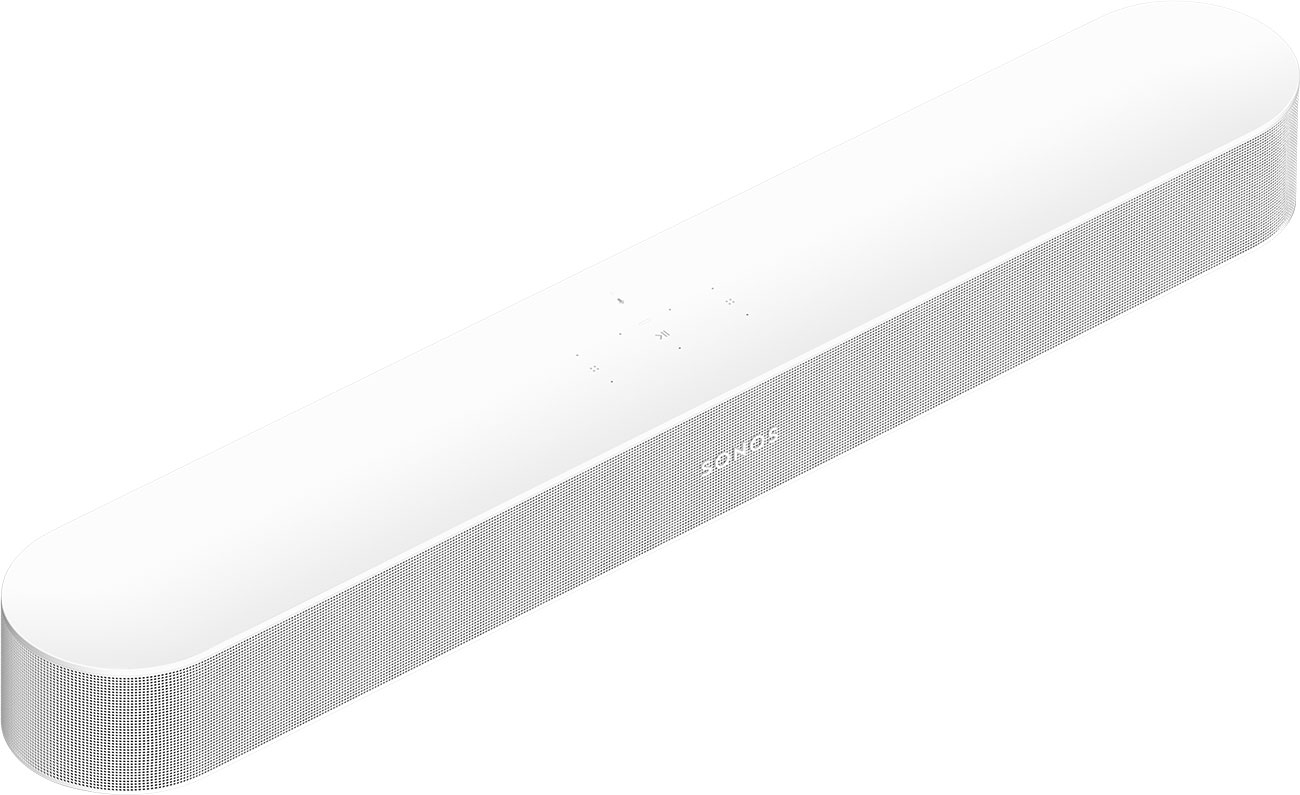
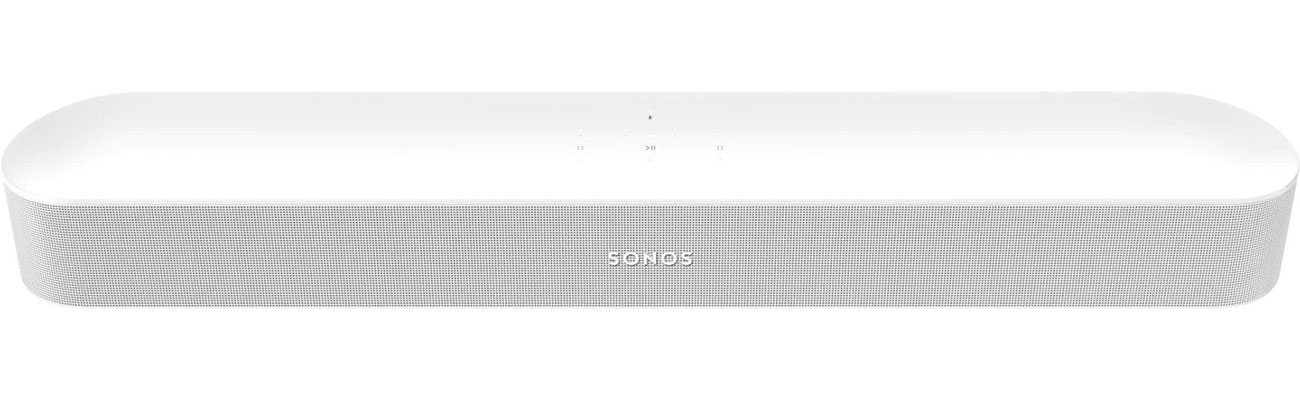

Ray vs. Beam Sound Quality
Producing great audio quality is the most important aspect to consider when comparing these Sonos soundbars. To be honest, both of these soundbars sound great, and any TV will sound better when you add a soundbar. They both have the Speech Enhancement and Night Sound features. Speech Enhancement clarifies dialogue, while Night Sound reduces the intensity of loud sound effects and boosts quieter sounds so you can enjoy your show without waking up the whole house. They also have TruePlay for iOS, which fine-tunes the soundbar based on your room's acoustics so you can enjoy music and podcasts from your iOS device. However, there are some key differences. The Beam has five drivers, while the Ray has four, so the Beam will produce slightly richer sound. The Ray features two tweeters and two midranges, while the Beam features one tweeter and four mid-range woofers. Additionally, the Sonos Beam has support for Dolby Atmos and DTS: X, while the Ray does not; the Beam can create spatial audio that fills the room and feels more immersive. So if you want the absolute best sound possible, the Beam is a better choice.
Comparing Soundbar Size
These soundbars are the most compact in the Sonos lineup, which makes both of them flexible for most spaces. However, Sonos recommends using the Ray for TVs 55" and up, while the Beam is better suited for 65" and up; your soundbar needs to be large enough to supply the equivalent sound for the size of your television and the room it's in. Choose the soundbar that best fits your television.
Ray vs. Beam: Price
This is the easiest deciding factor: the Sonos Ray currently retails for $219, while the Beam is $499. If you're looking for good sound on a budget, the Ray is a good choice, but if you're willing to spend more, it's worth it for the Beam's upgraded features.
Controlling Your Soundbar
Both soundbars feature simple controls on top. However, when you're engrossed in a movie or show, the last thing you want to do is get up and walk over to your soundbar to turn up the volume. Luckily, both the Ray and the Beam can be controlled with your TV remote for a more seamless experience. The Beam takes it to the next level, though, with added voice control; with it, you can turn the TV on or off, adjust the volume or turn on features like Speech Enhancement and Night Sound without lifting the remote.
Connectivity
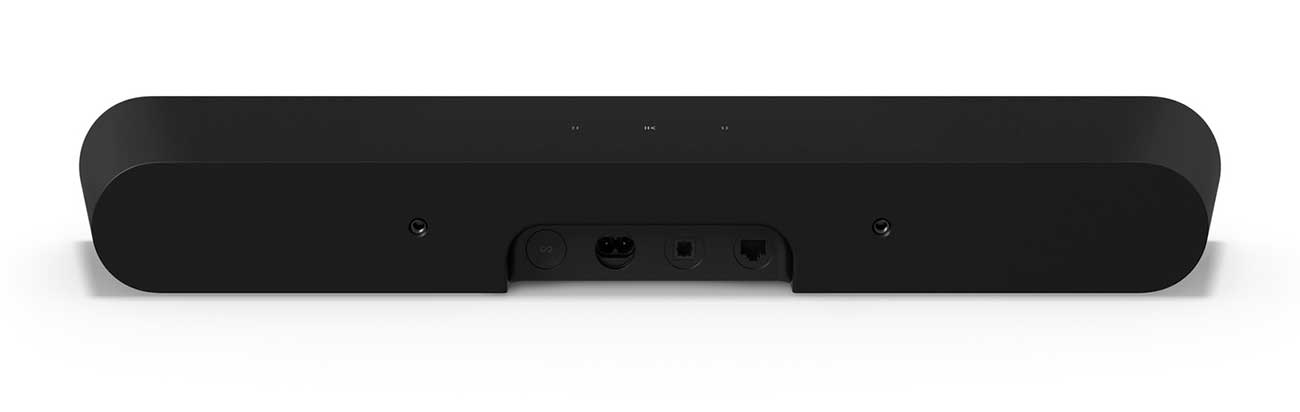
There are significant differences when comparing the connectivity of the Sonos Ray vs. Beam. The Beam can connect via HDMI eARC, optical or ethernet. The Ray can only connect to your TV via optical port, but Sonos says this is deliberate for easy setup and compatibility with as many TVs as possible. Depending on your setup, more connection options may not be better, so choosing which soundbar has better connectivity depends on your needs. Like all Sonos products, both the Ray and the Beam can wirelessly sync with other Sonos speakers. In that regard, they're evenly matched, and it's an easy way to give either soundbar an additional sound boost.
Aesthetics
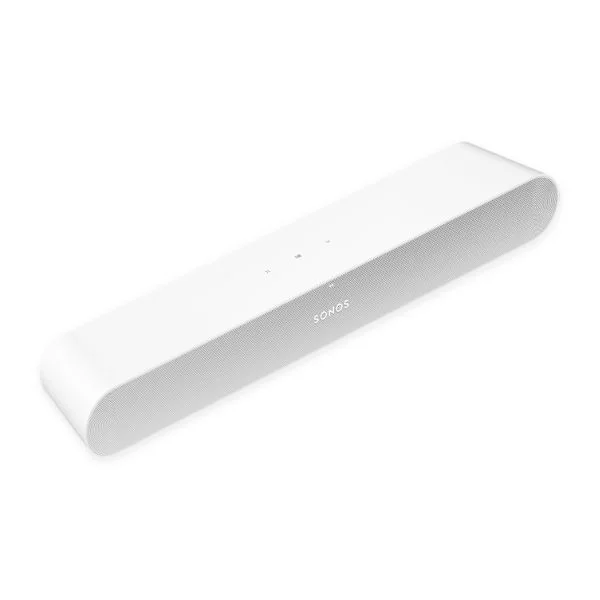

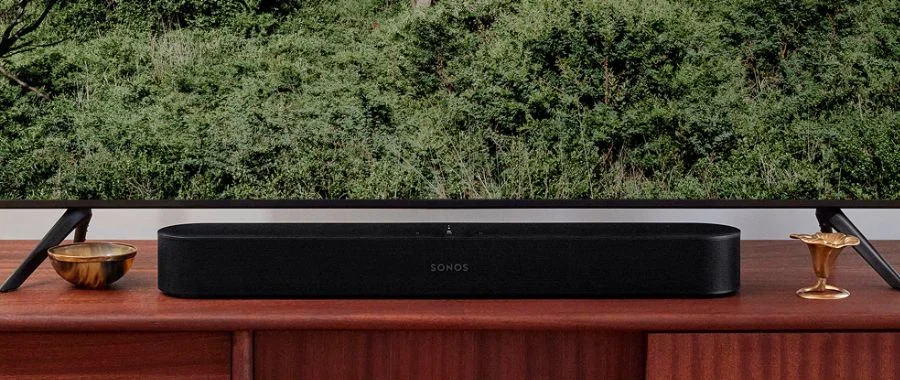
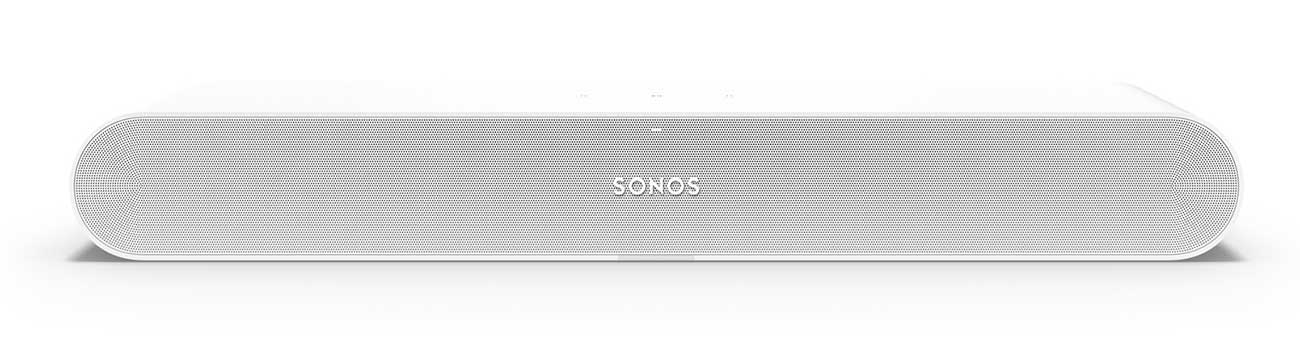
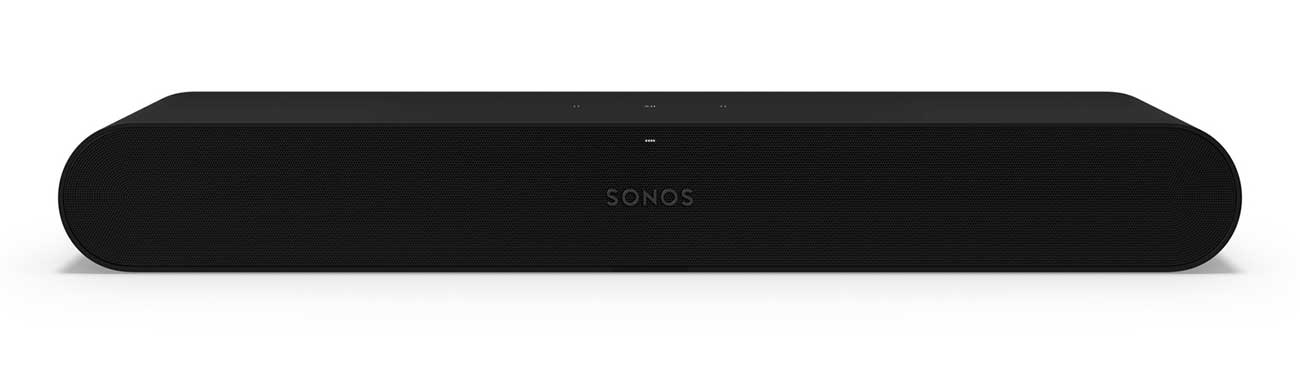
If you're investing in a home theater upgrade, it should also look good. You can't go wrong with the Sonos Ray or Beam; they're both pretty compact, so they won't detract from the other decor in your room. They both feature rounded edges and come in black and white, so you can choose the color that best suits your room. Both soundbars can also be wall mounted.
Ray vs. Beam: Which Sonos Soundbar Do You Choose?
Both of these soundbars produce good sound and offer a sleek appearance, so neither is a bad choice. If you have a smaller TV or want to spend less, go with the Ray. If you have a slightly larger TV and want the best sound possible from a compact soundbar, the Beam is for you. If you have additional questions about either of these Sonos soundbars, reach out to an Abt audio expert at 800-860-3577.
Sonos Ray vs. Beam FAQs
-
No, the Sonos Ray doesn't have Bluetooth connectivity, but it does have Wi-Fi connectivity for audio streaming.
-
Yes, the Sonos Ray and Sonos One can connect.
-
Yes, you can use your TV remote to control the Sonos Ray.
-
No, the Beam doesn't have Bluetooth connectivity, but it does use Wi-Fi connectivity for streaming.
-
Yes; you can group your Sonos Beam with other Sonos speakers like the Move or One.
-
Yes, the Beam can be wall mounted.


