How To Measure a Room for Furniture

Why Measure A Room For Furniture?
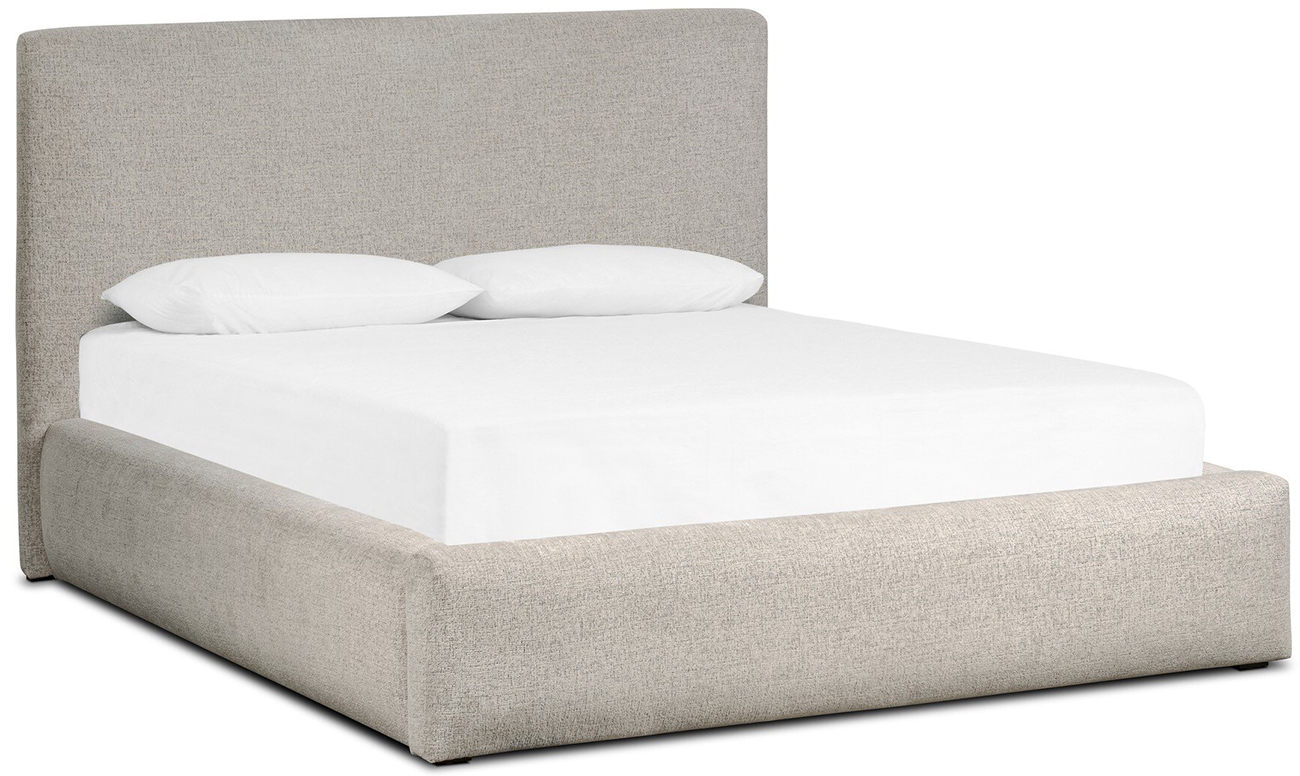
So, why learn how to measure a room for furniture at all? While there's a chance you could just eyeball it, that's a lot of guesswork that a financial investment is riding on. Maybe the door will be large enough to fit the mattress in, maybe the dining room is big enough to fit eight chairs instead of six. Instead, it's a good idea to make a plan, even if you're buying a small piece of furniture like a chair. It might look like the perfect fit if you're looking at it on a showroom floor, but in a smaller room, it could take up too much space-and no one wants to take a large piece of furniture back to the store, or worse, keep it if it's the wrong fit. When you properly measure a room, you'll know just how much space you have to work with.
Know Your Goals
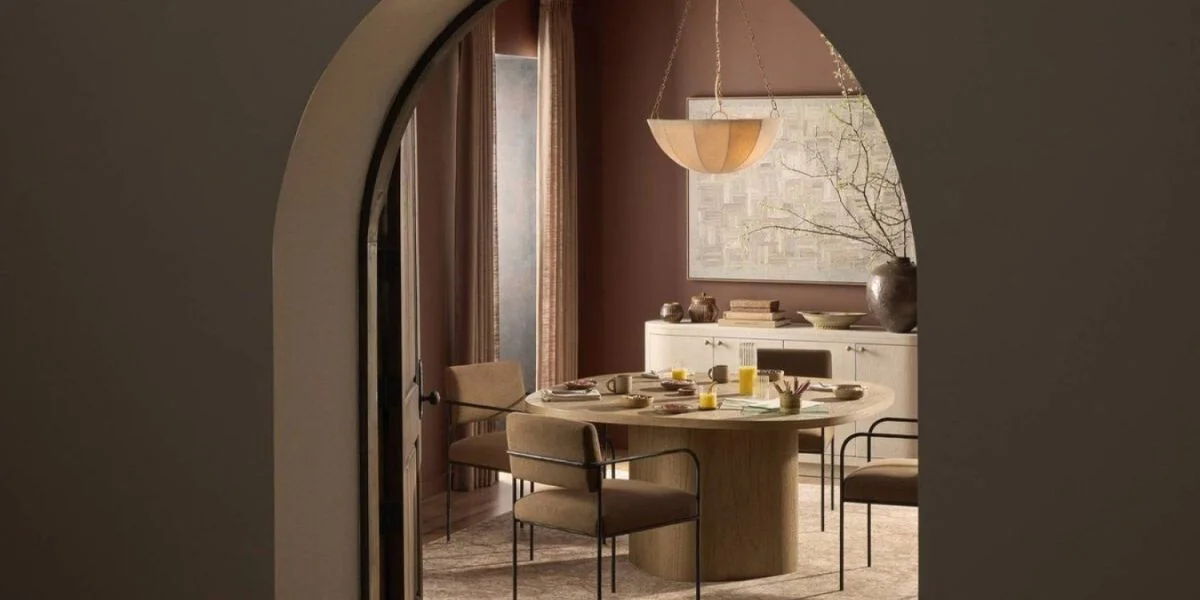
Before you shop for furniture or measure a room, you'll want to keep your goals in mind. Are you reshaping an entire room's furniture and design? Just replacing the seating? Or are you just hoping to replace a single piece, like a large coffee table? You're trying to learn how to measure a room for a reason-hopefully it's to make the most of it for new, great additions to your home. Either way, begin by keeping the largest furniture pieces in mind, like sofas and chairs.
Measurement Must-Haves:
You will need:
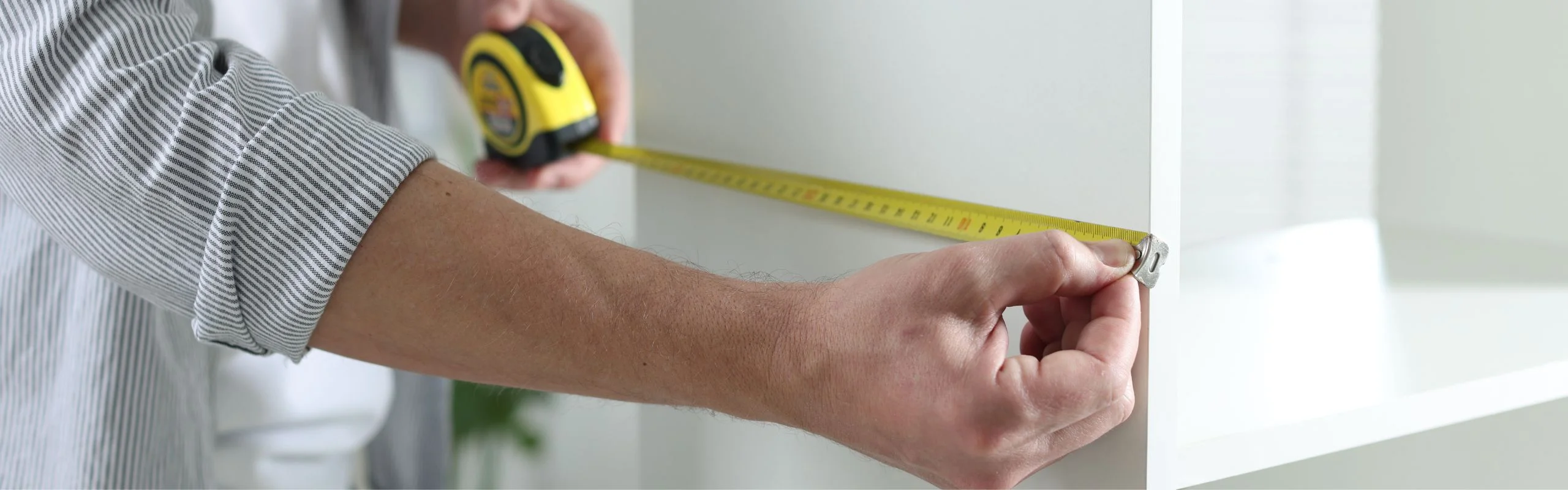
- Cased retractable tape measure: A must-have for every home, a cased tape measure will help you get some of the most accurate measurements possible.
- Paper and a pencil with eraser: For noting the measurements and sketching the space
- A Friend: This is a two-person job, especially when it comes to reaching corners, moving furniture and spotting. You can do it with one person, but it will take longer.
- Step stool: For reaching high corners and awkward spaces.
- Painter's tape: Optional, useful if you're marking on the floor where furniture should be.
Getting Started
Before you even touch the measurement tape, start by sketching out the space on your piece of paper. Note fixed features and architectural elements like windows, steps. doorways, built-in bookshelves, stairways, fireplaces, and anything hanging overhead or built into the walls.
Measure Your Space
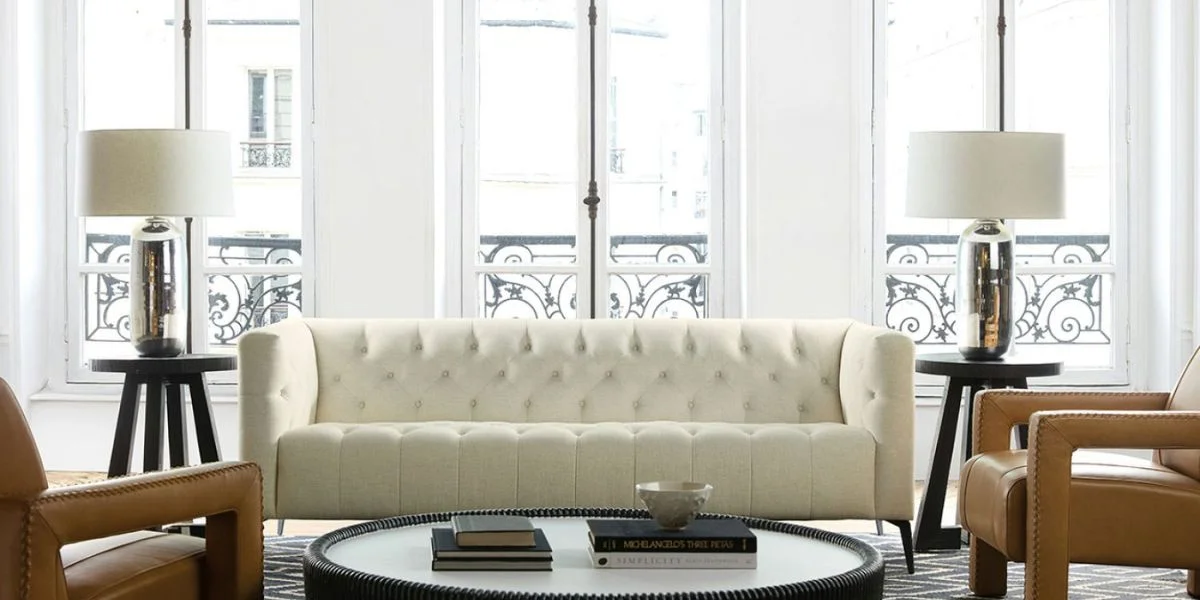
To begin, pull out your tape measure and write down the details: the length, width and height of the room, starting at the baseboards and stretching to the other side of the space. You can do the measuring yourself, or have a friend stand at one side of the tape measure and call out or mark the numbers down. Keep in mind that flat spaces can be uneven, even when it comes to walls, ceilings and floors. It's best to measure from multiple points in the room, noting any discrepancies-especially in older homes and buildings.
Next, measure those fixed features, like windows, steps, doorways and fireplaces. Don't forget to take into account elements like how far out a door will swing. And make sure you're consistent when measuring, especially if you're working with a friend. Go from the outside edge to the outside edge of different fixtures whenever you measure a room for furniture.
Once you've measured the room, multiply the length by the width to get the space's square footage. That's the amount of room you have to work with, whether you're moving things around or purchasing new furniture. Don't forget to subtract the size of larger fixed features from your square footage, like built-in bookshelves, as they limit the area you have to work with.
How To Measure Furniture & Doorways
If you're preparing for furniture delivery or are still in the planning phase, it's a good idea to know where everything could go. Look at the furniture you own, have ordered, or are shopping for and take note of measurements. If you haven't measured your existing furniture yet, use the same methods noted above to capture length, width and height. From here, you can use the painter's tape to mark where things will go in an empty room to help you visualize things. Not only will you know exactly where everything goes, but you'll get a good idea of how things will fit together and the distance you'll have between chairs and sofa, a bed and nightstand, et cetera. If you can, mark the measurements on your sketch-it's one good reason to use pencil and paper instead of pen-just in case of any errors.
Once you've finished measuring the room, there are a few other spots you'll need to consider-any furniture you bring in or take out will need to fit into your space. That means you'll need to take the dimensions of any doors you'll need to pass through, from the opening of the living room to the front door of an apartment building to the elevator doors. Even measure hallways and spaces that will need tight turns-it's better to discover that something won't fit before you buy it. No one wants to get caught with a sofa that will fit in their living room, but won't fit through their front door.
How Much Space Do You Need Between Furniture?
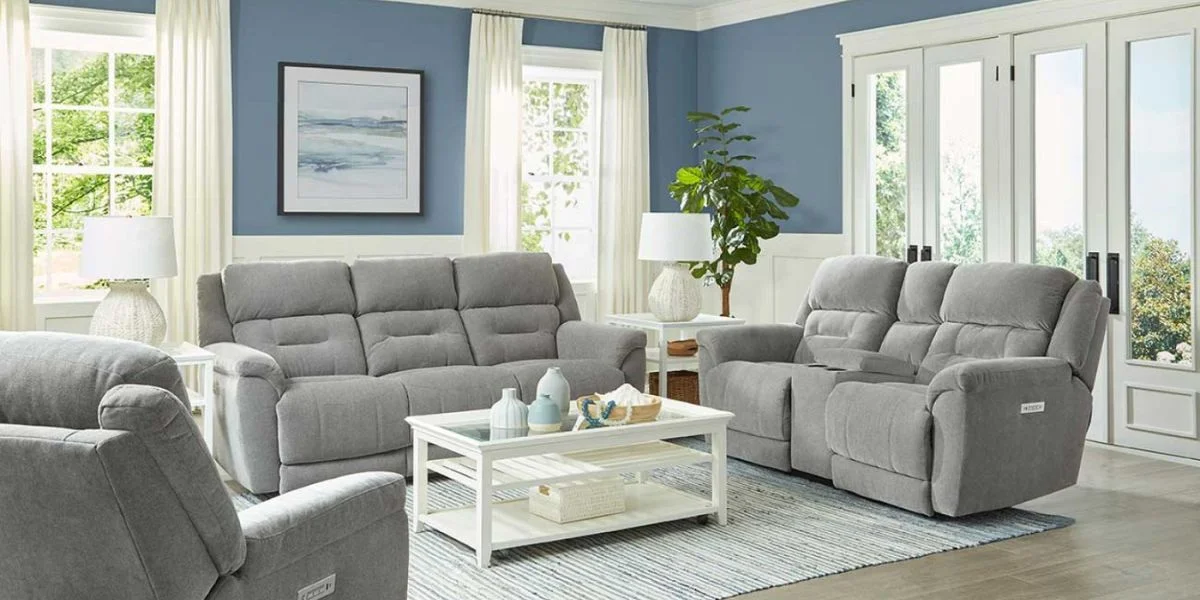
When considering how to measure a room for furniture, know that it's not all about fitting things inside. It's important to keep in mind that no one wants to feel squeezed in or smushed, whether they're sitting at a kitchen or dining table or trying to relax on the couch. You need space between furniture. Leaving 24 inches between seating spaces is a good rule of thumb, and you should allow 30-36 inches for walkways. For more in-depth info in different spaces, like at dining tables or in bedrooms, our team of specialists has a collection of furniture buying guides in our Learn Articles. Explore these as you measure, or for more tailored advice, reach out to the Design Desk at Abt at 800-860-3577.
Some things to consider no matter what room you're measuring, include how many people will be spending time in that space and how it will be used. If an entertainment room is always crowded with kids and friends, you'll want the space to feel as large as possible (and have walkways that are large enough that they can pass through). It's just one of the ways that the size of a room dictates how large your furniture can be.
Choosing New Furniture
With all of these factors in mind, and after you've learned how to measure a room for furniture, it's time to choose new pieces-or determine if old models that you love are the better choice for you still. If you're moving into a new place, it might be a good time to replace things that easily age and shop for a new mattress or even a sectional. Maybe you're moving because your family is growing, too, and you need larger furniture-like a bigger sofa.
It's time to look closely at the area you can use. Whether you're sketching the space out on a piece of paper or using painter's tape to mark where you'll be placing things, you'll measure a room for furniture properly. Next, it's time to choose your favorites. For small spaces, opt for furniture that's made to make the most of your area-our Design Desk experts can help you find exactly what you're looking for and set you up for shipping and delivery. Wherever you go to shop for new furniture, don't forget your sketch and your measurements.
Measured & Moved: Time To Enjoy
Once you've moved everything in and things have settled down, it's time to enjoy your new space. Relax with the family, invite folks over and enjoy a new space in your home that reflects the inner "you".
To learn more about our rules of thumb when it comes to home design, check out some of our articles on furniture, from our dining table buying guide to furniture ideas for small spaces. We have info directly from our specialists, too; expert Riley Castino gave us her top tips when it comes to home design as well. For more personalized help, come see experts like Riley at the Abt Design Desk, or schedule a phone consultation at 800-860-3577. Have your measurements on hand, and we'll be ready to help you go from an empty home to a completely furnished space-or just find that one piece that adds the perfect finishing touch.
How To Measure A Room for Furniture FAQs
How do you measure the square footage of a room?
When measuring the simple square footage of a room, measure length and width, then multiply them together.
How do you measure for a dining room table?
Measure the length and width of your dining table, then subtract six feet from both sides. That's the maximum size you'll be able to fit and allows for a three-foot clearance on every side of the table. If your space is small and you need to fit more people, shop for dining tables that expand with a leaf or leaves.
How do you measure furniture dimensions?
To measure furniture dimensions, use a cased tape measure to record the maximum width, depth and height. Include protruding features here, and measure from the highest and widest points.