Smart Lighting System Buying Guide

Smart lighting systems are here, and the ones you can find or build today are easier to install than ever. Plus, they make life extremely convenient. Explore diverse options, from manually-installed colorful bulbs and connected hubs to complete smart home automation customized by local experts at Abt.
Getting Started
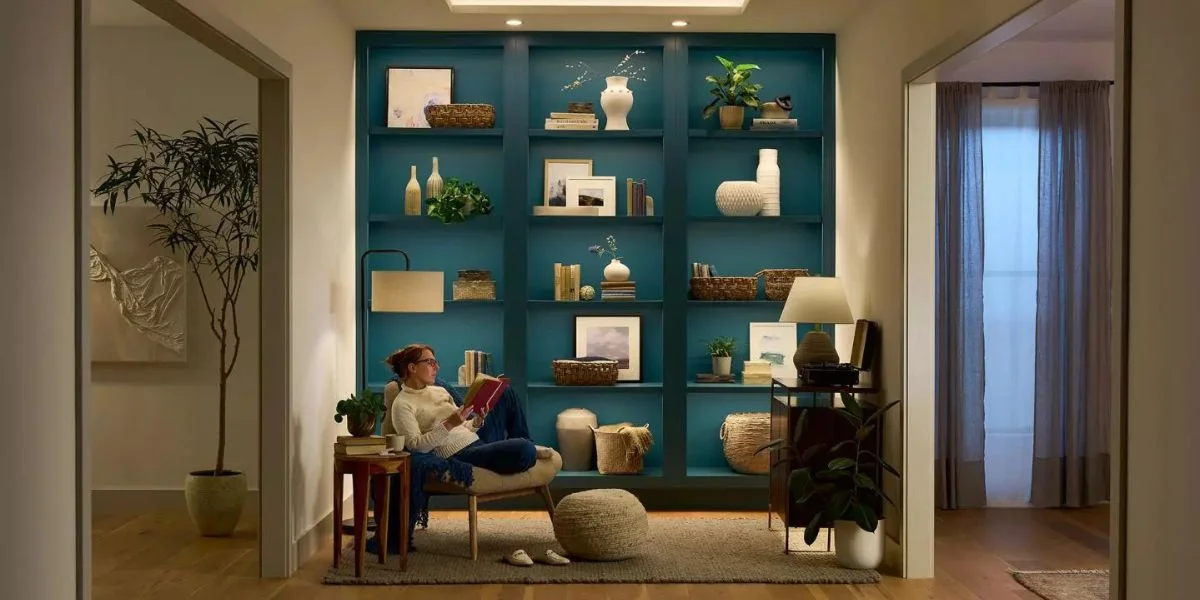
Have you ever been shopping at the store to replace a lightbulb and seen the "smart" version? They're popular and easier to use than ever compared to the classics. These flexible lighting solutions help spaces look their best and can make your life easier with timed schedules, smartphone controls and the ability to shift between colors. There are two main ways to add a smart lighting system to your home: with individual products like bulbs, strips and lamps, or by customizing a true home automation setup to fit your needs. Equip your home with either with help from Abt—shop for colorful bulbs and strips, or chat one-on-one with experts who specialize in custom smart lighting systems by Lutron.
Creating Your Own Smart Lighting System: DIY
Before you shop for new smart lights, think about your space and your goals. Do you want to create a video gamer haven in your office? Maybe you'd like to design an entertainment space that can transform from a living room in the day to a moody home theater in the evening. Or perhaps you want an outdoor lighting solution that helps you enjoy the great outdoors ... and that looks perfect in the holiday season. Finally, there's the obvious: maybe you want a smart lighting system that turns the lights on or off according to a schedule or remotely from your phone. Whatever your goals are when it comes to design, keep them in mind as you explore your options.
Modify Existing Fixtures With Smart Bulbs
One of the simplest ways to get started with smart lighting systems? Simple bulbs. With these, you can even keep your current fixtures—there's little work to be done around your home besides screwing in the new bulbs. Many are designed to cover a wide color spectrum, and the best models integrate a smart lighting system into a smart home ecosystem, too. Depending on what you want your smart lighting system to look like, getting a single one and seeing how you like it might be a good idea. Or if you're more experienced, grab one for all the fixtures you need in your home, from table lamps to chandeliers and beyond. With colorful models, you can design a schedule that best fits your needs: in the daytime, these bulbs can act as normal lighting with a white or off-white hue. And when the sun sets, let the colors out in fun teals and blues, or purples and pinks. It all depends on what you love and what you think would look best in your space.
Smart Plugs
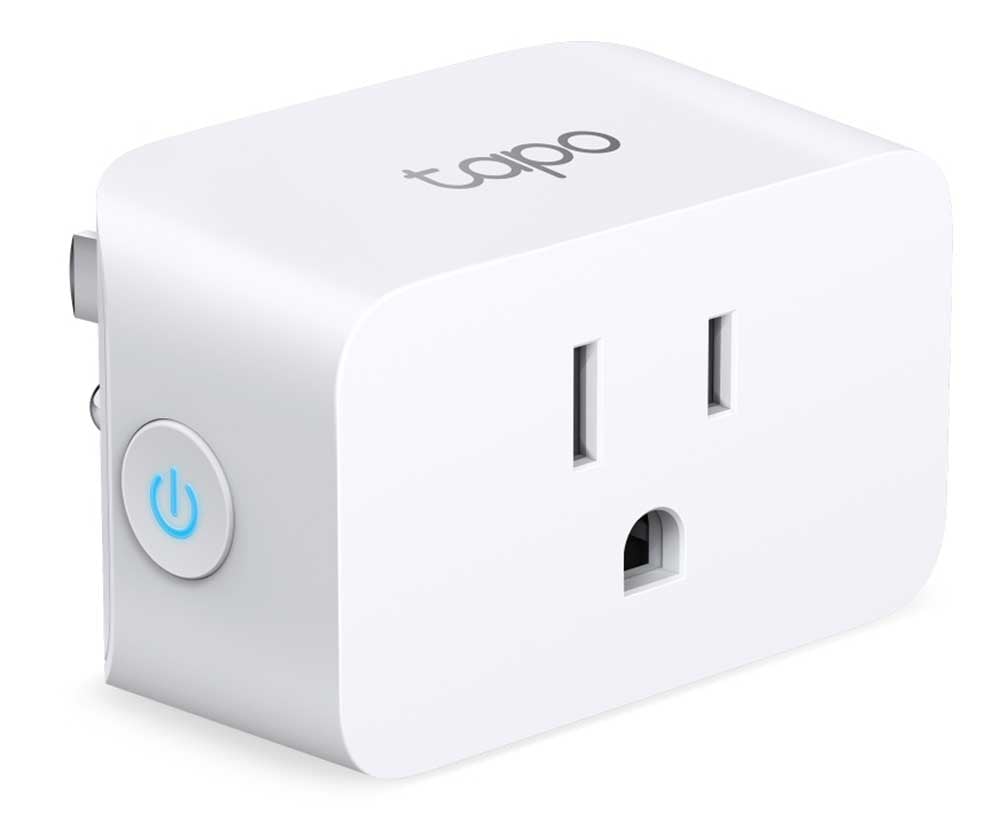
Maybe you're not interested in color-changing lights and still want to give smart lighting systems a try. The most convenient way to start might be a smart plug. With these, you can control a lamp from your phone or even via a voice assistant. Depending on the plug, you could turn the light on or off at the switch as well. Of course, smart plugs can give you control of other electric products remotely, too, but they can also help build your traditional lighting or even vintage lamps into a smart lighting system.
New Fixtures
It's not just bulbs and plugs that can create a smart lighting system. You can install smart fixtures in your home on your own for a clean look and smart lighting that's permanently installed in your home. A good example would be an overhead lighting fixture, like a recessed ceiling light. These can often replace a classic fixture; many smart ceiling fixtures come in a popular circular shape. If you're looking for a more extravagant design, choose a normal fixture and add a smart light bulb instead.
Hardwired Smart Switches
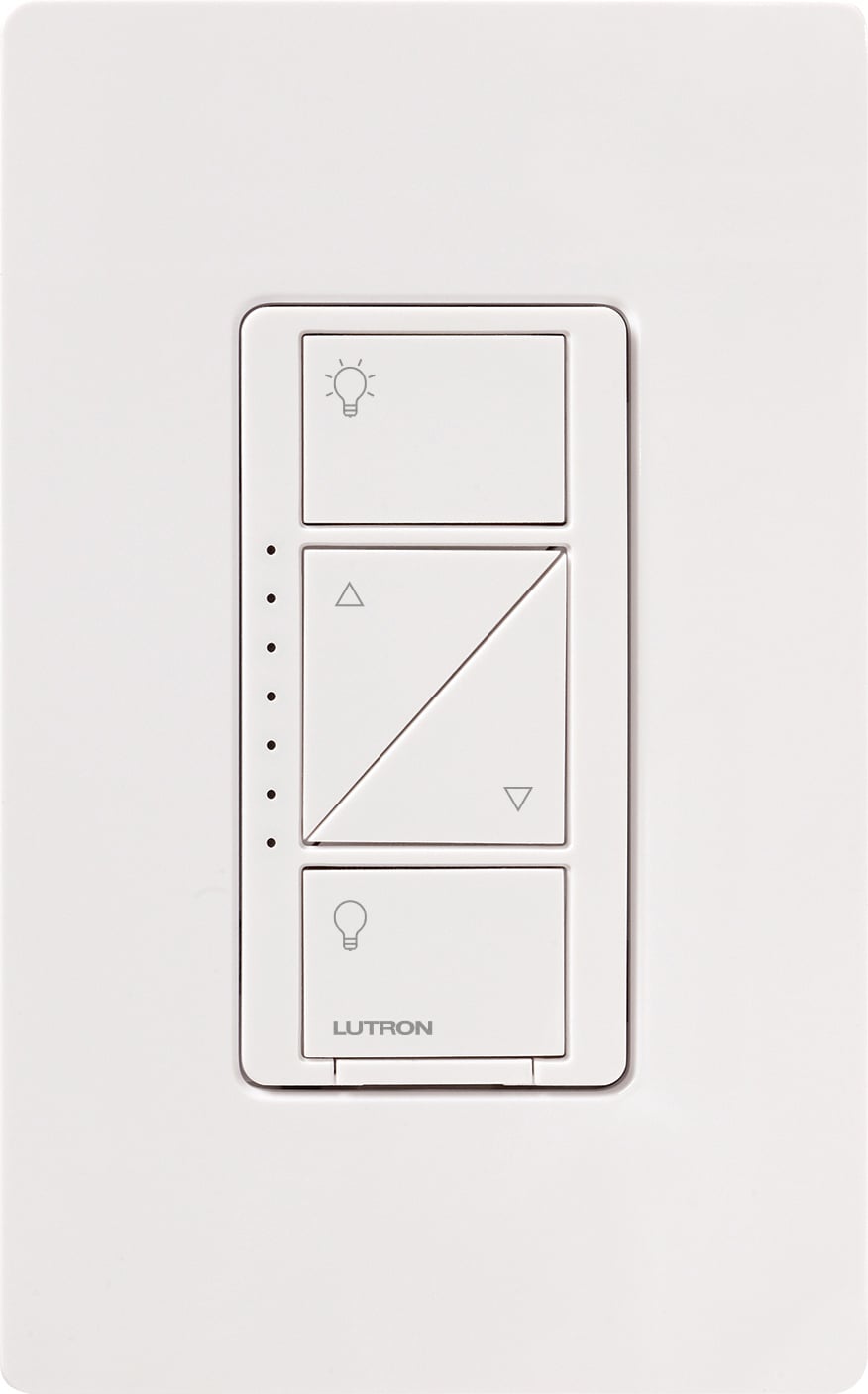
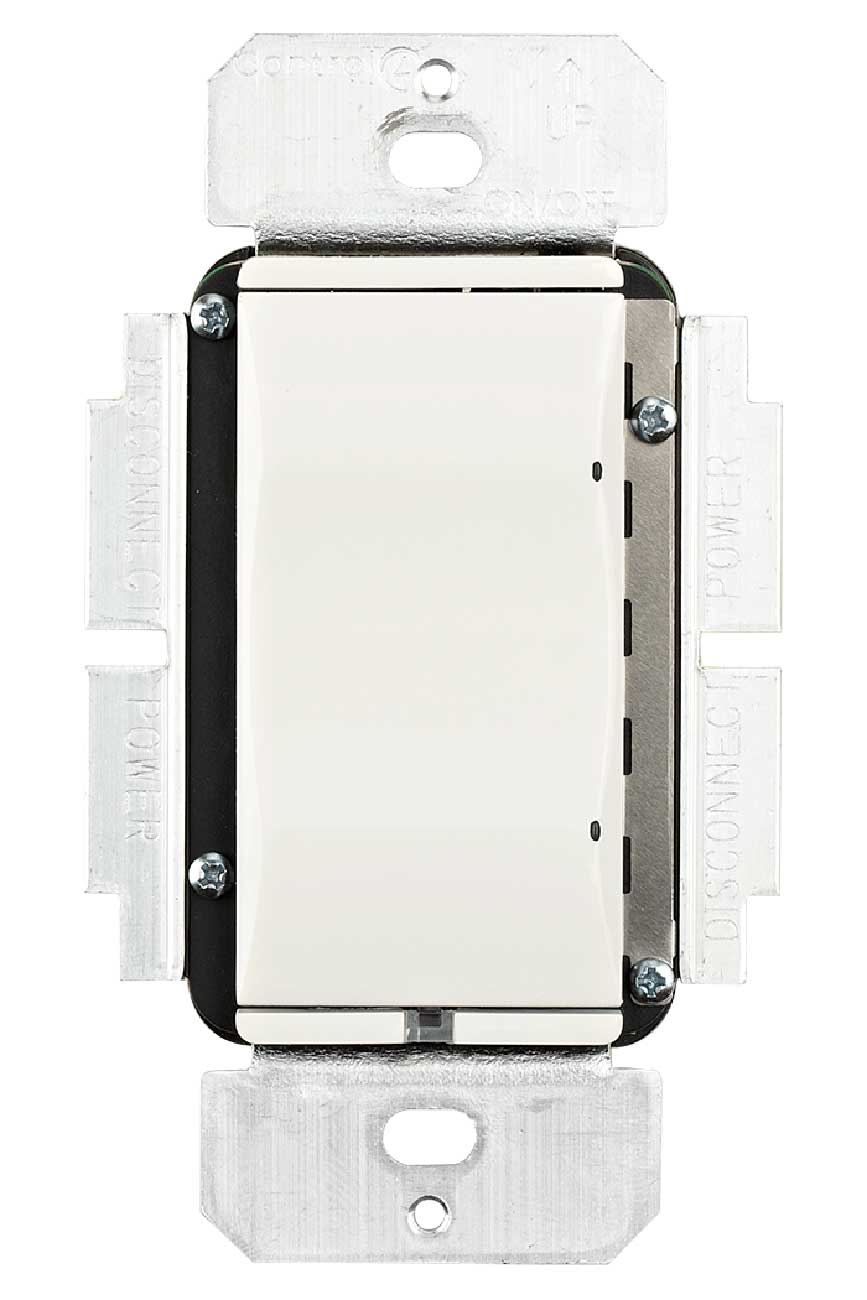
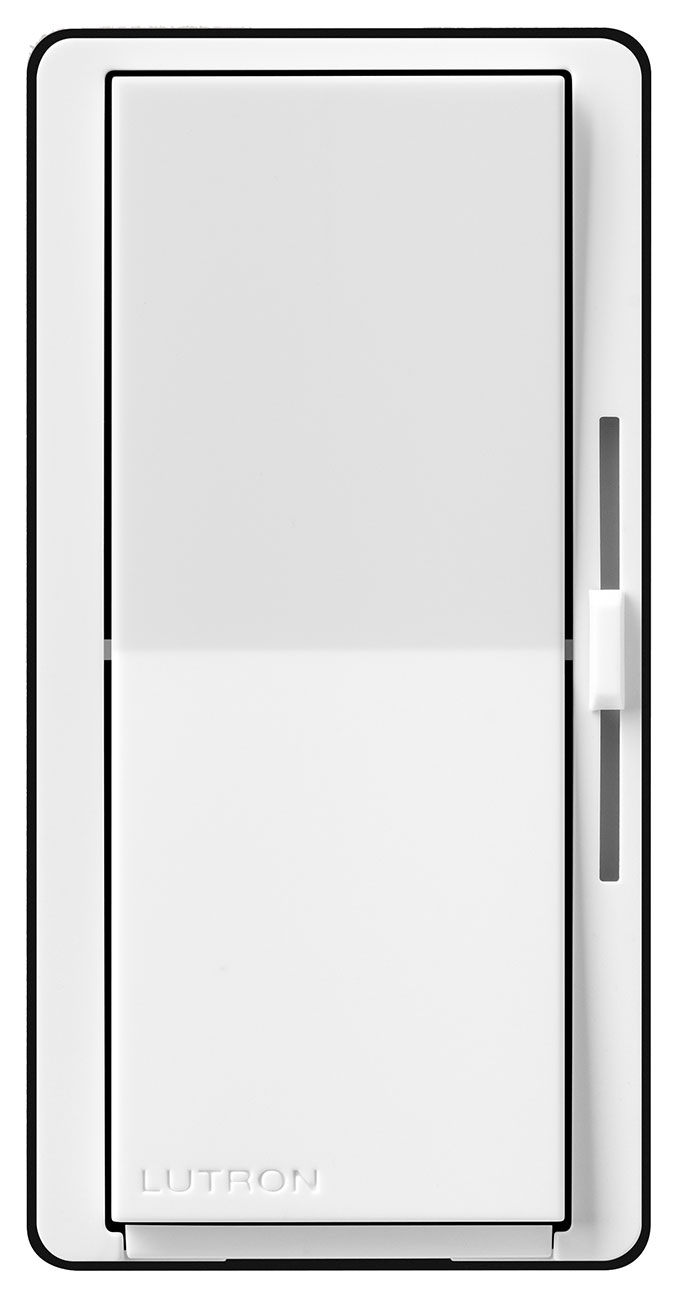
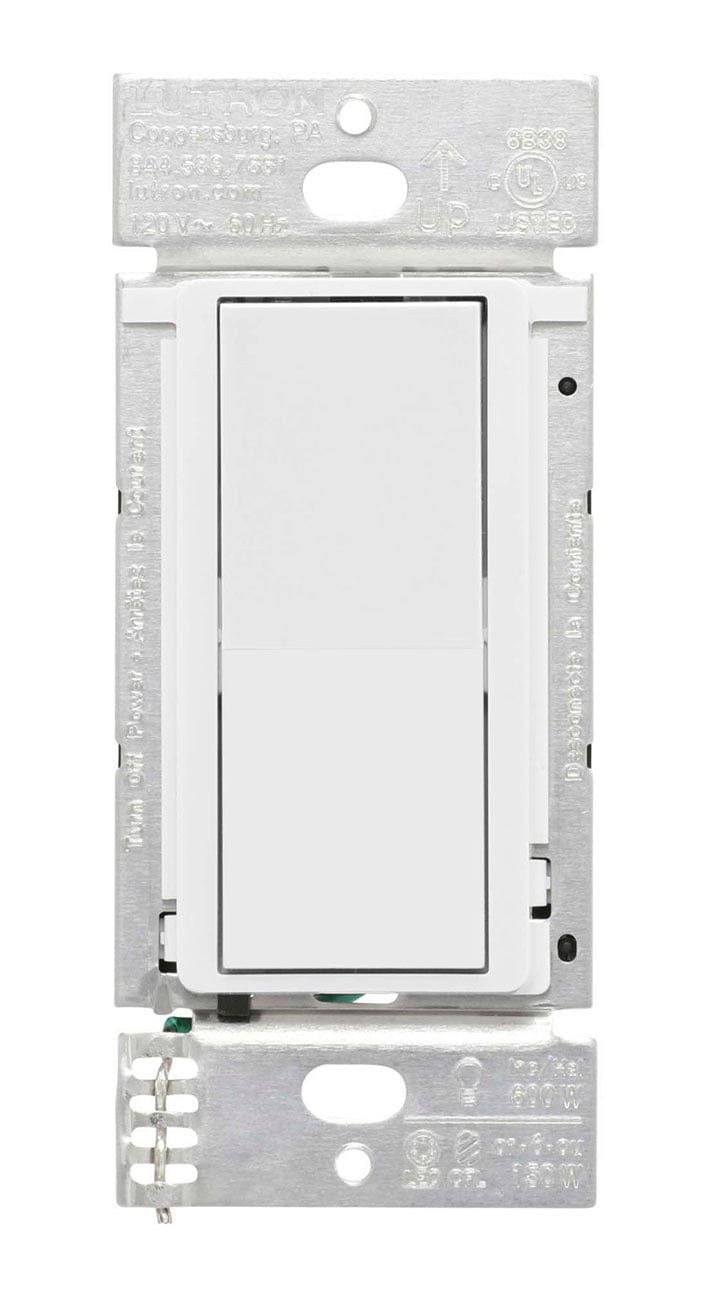
If you can't change the bulb in your fixture or don't want to, there are other ways to integrate these fixtures into a smart lighting system. It's going to require a bit of handiwork as you install hardwired smart switches, though. Many find the process to be easier than expected. Explore your options when it comes to functionality with these switches. Maybe you want to be able to turn your lights on and off, or maybe you're hoping for something with the same dimmer functionality you enjoy in classic versions. Explore your options, and no matter what you choose, you'll have the benefits of smart lighting systems: automation, easy controls in an app and potential voice connectivity. When it comes to installation, check to make sure your existing wiring matches what the hardwired switch will require, like a neutral connection. Wall plates are often sold separately.
Panels and Strips
Whether you're making your bedroom your own, customizing a man cave or creating a gaming space that's truly yours, a must-have is wall lighting you can control. Explore options like classic strip lights and shaped light panels that you install on the wall. Customize either to match your vibe and fit your schedules: maybe you'll want bright hues during the day and muted colors at night. Alternatively, keep them completely muted during the day and vibrant at night. Explore different brands to enjoy fun effects, too. Some colorful panels react to touch or sound, while others can be shaped and made larger with expansion kits. However you create your smart lighting system, wall and ceiling elements bring an extra element of visual art to your space.
Light Bars
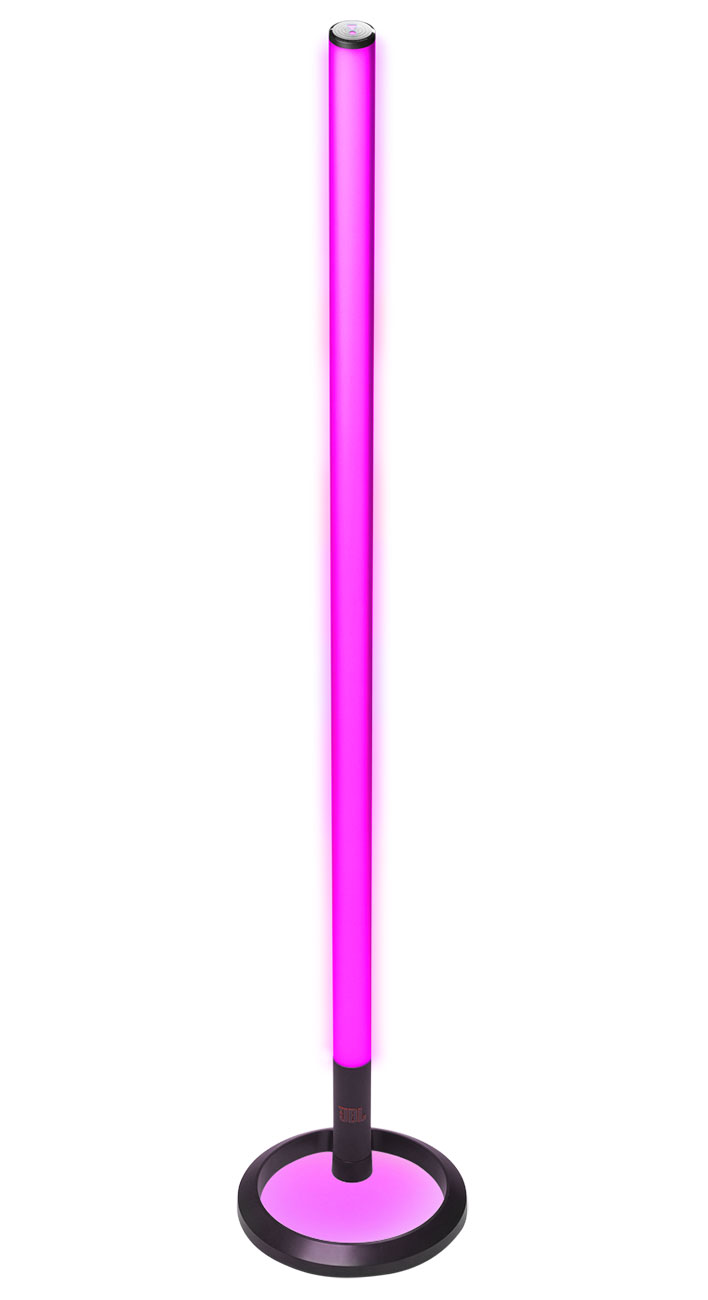
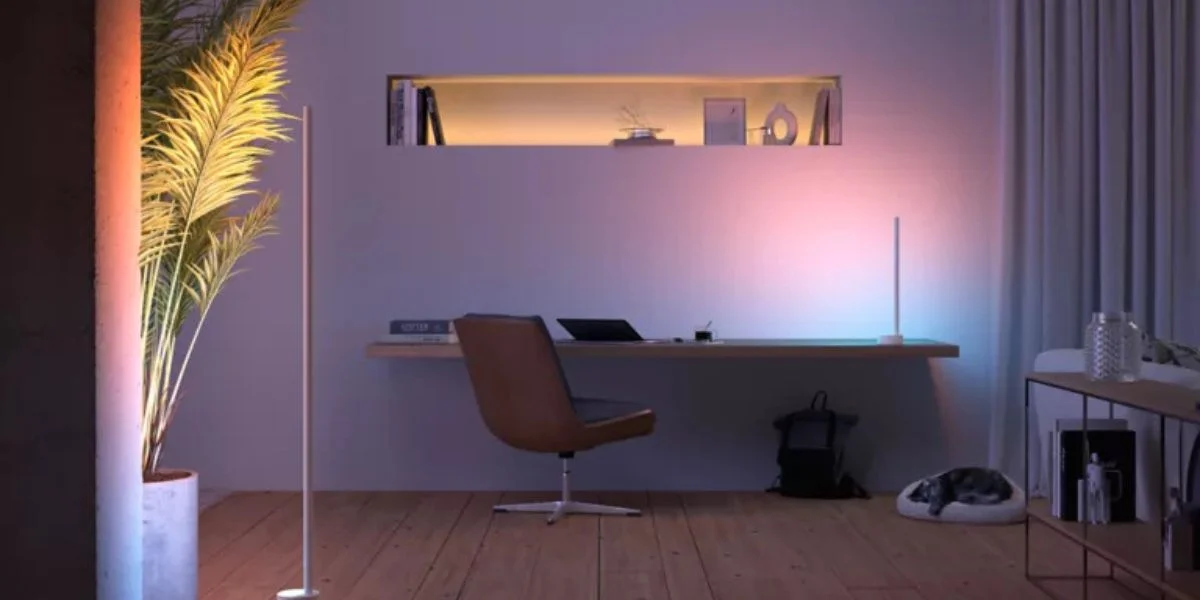
If you're hoping to create more of a mood with your smart lighting system, opt for light bars. These can create an ambient light with a hazy blend of hues or a sharp effect. Place these behind your TV to give the television a gentle glow, add one to your corner to send cascading hues against the wall, or place a small one atop a desk to create a night light. Many smart light bars have different features, so consider what you want out of yours before adding it to your smart lighting system. Do you want something vertical and tall for more of a "floor lamp" effect? Or something horizontal and designed to sit across a surface? Many are flexible and can be adjusted to fit your vision for your home's smart lighting system.
Outdoor Smart Lighting Systems
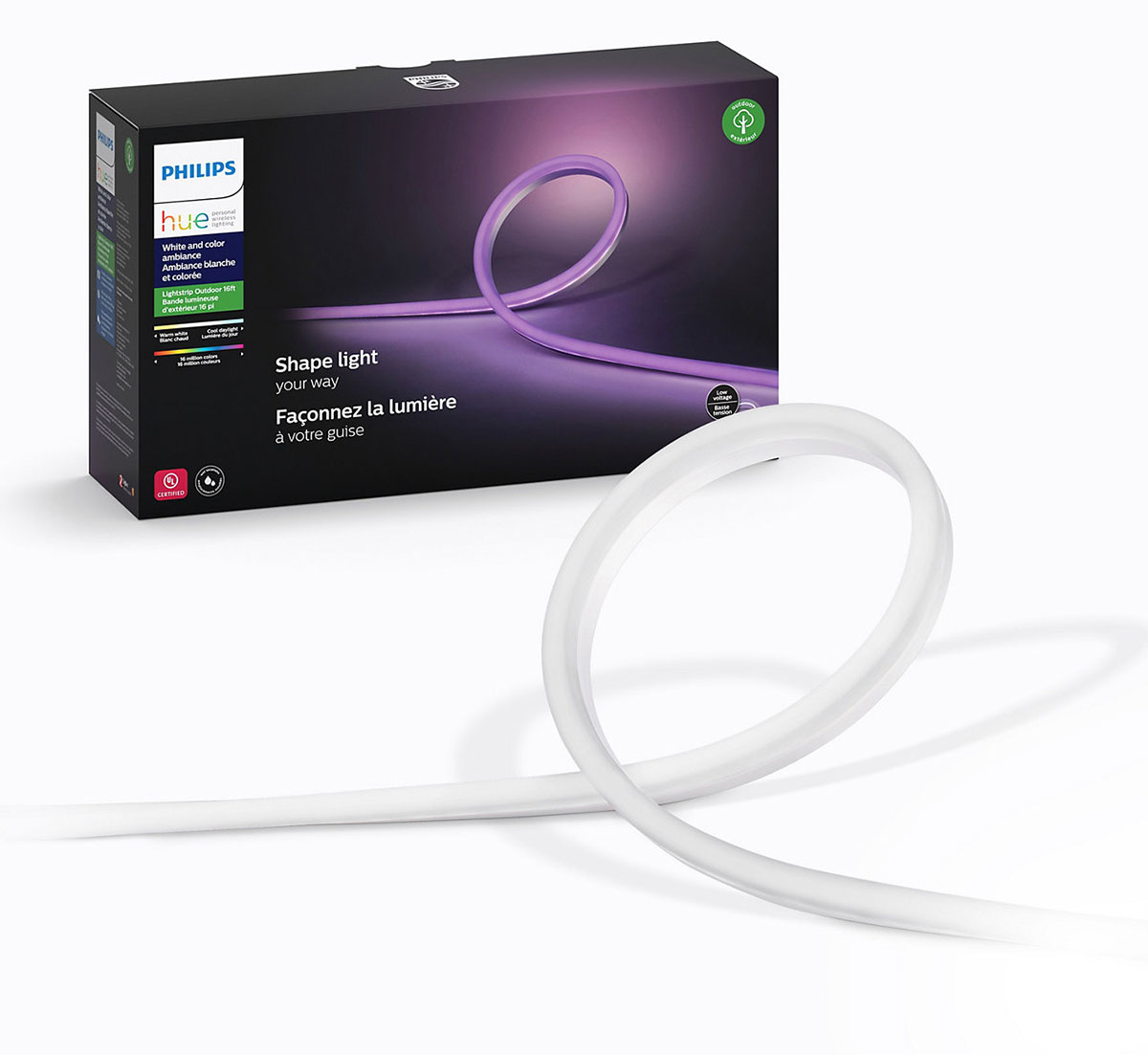
Bring the convenience of smart lighting systems outdoors with dedicated fixtures and bulbs made to last through the weather. You can install pre-designed fixtures yourself or add outdoor-rated smart lightbulbs to existing fixtures to make your outdoor space completely your own—and have it completely under your control. With the ability to set up schedules for different sections of your outdoor area, you'll be able to light up the night automatically or manually in the dedicated app on your smartphone. Even change light colors at different times during the night, a perfect choice for an evening outdoors beside the grill or the fire table.
Connecting to & Controlling Your Smart Lighting System
We've mentioned connecting to your smart lights before, and connectivity is a major benefit to these smart lighting systems. When properly connected, you can control your home's lighting with ease via an app or a voice assistant. Individual products work like any smart device. You can control them via an app in your phone 99% of the time. But what's important is how they connect to each other and to your smartphone.
- Bluetooth: The same way you would connect to most portable speakers, Bluetooth connectivity is wireless and can be easy to start and connect to many products ... but signals can be weak compared to a Wi-Fi-connected system. Meanwhile, connection capacity can range from slim to unlimited depending on the smart lighting you're using and your phone's software, like iOS or Android. Choose to connect via Bluetooth if Wi-Fi is either not available in your space or if your device doesn't connect to Wi-Fi. The biggest pro? You can often get started immediately with a quick connection. The biggest con is that when you're out of Bluetooth range, you no longer have control of your smart lighting system.
- Wi-Fi: Nearly all smart lights connect via Wi-Fi for a reason. With smart homes (and nearly all devices in them) designed around Wi-Fi, it's all about flexibility and building strong connections. Linking your lights via your Wi-Fi system gives you a stronger connection than you'd find with Bluetooth. Plus, Wi-Fi connectivity brings you far more benefits than you'd find other ways, like easy and strong connectivity with your home voice assistants. Plus, your smartphone Bluetooth connections are far less crowded, and everything you need to control your smart lighting lives in one connected place.
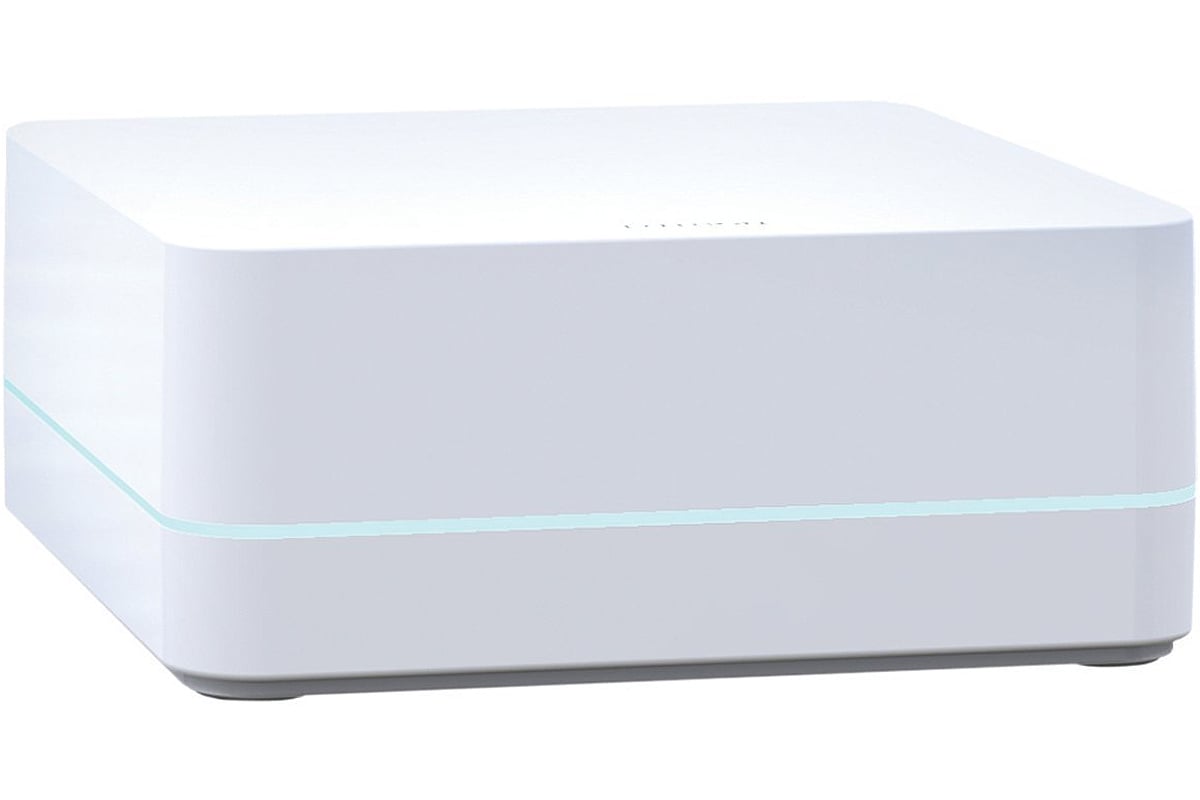
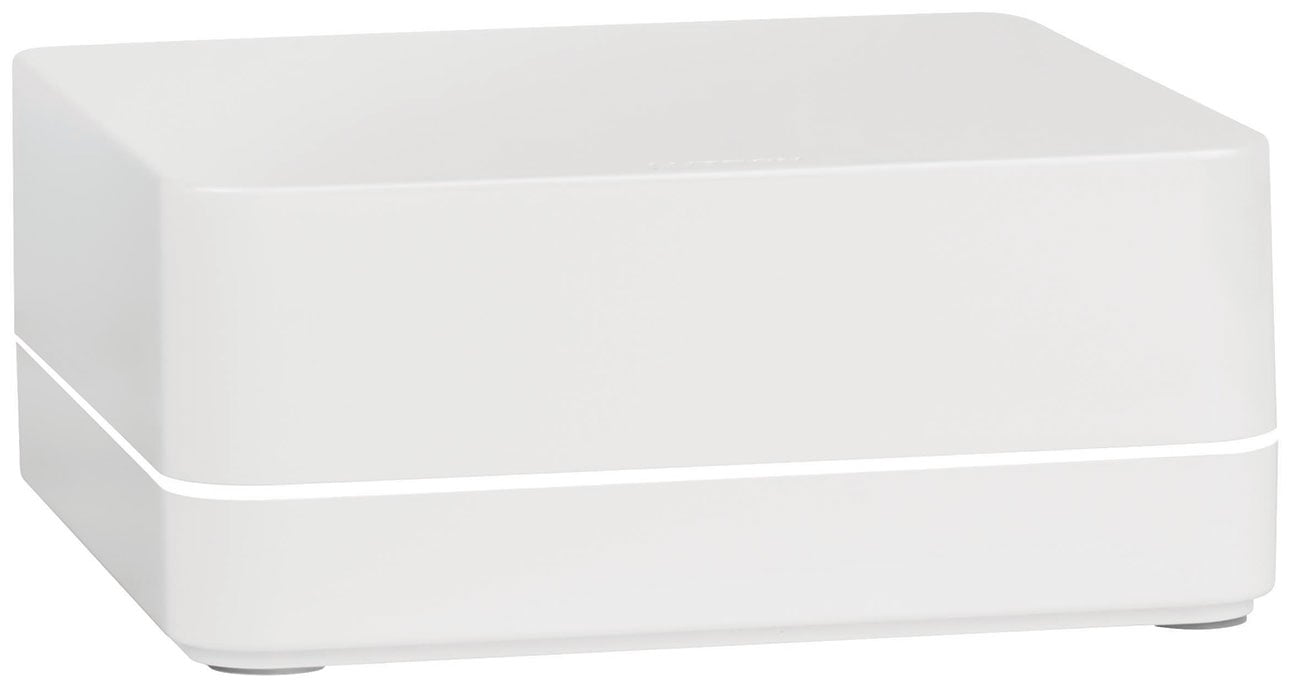
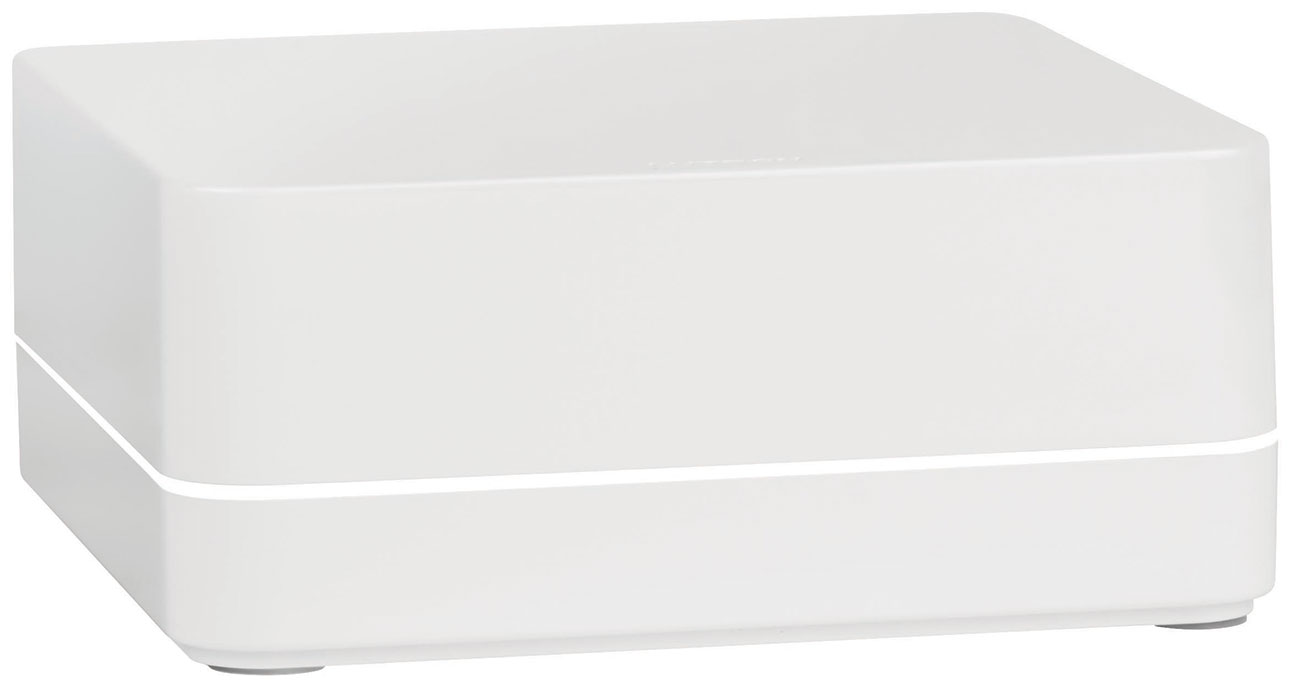
When it comes to connectivity, there's one tool that makes building your smart lighting system easier than ever: a hub. What are smart lighting hubs? These hubs, sometimes called bridges, make it easy to group lights together, are gentler on your home's Wi-Fi network, and ensure that your system is easier to manage. Instead of controlling 20 individual lights that can all weigh down your Wi-Fi network, the bridge is your single connectivity point. These are great for anyone who has lights from different brands, too: you can connect them all to the hub. If you're expanding your smart home and are looking to use multiple smart lights, we highly suggest that you use at least one hub. Just like the individual lights, the hubs can often connect to Google Home, Alexa or Siri, allowing you to issue voice commands. These often integrate easily with other smart home products, too, allowing you to give your smart thermostat a command as you lower the brightness with your smart lighting system. Even control your lights when you're away from home. Explore the options that will make your DIY smart home work well for your needs and integrate properly into your day-to-day life.
How To Control Your Smart Lighting System
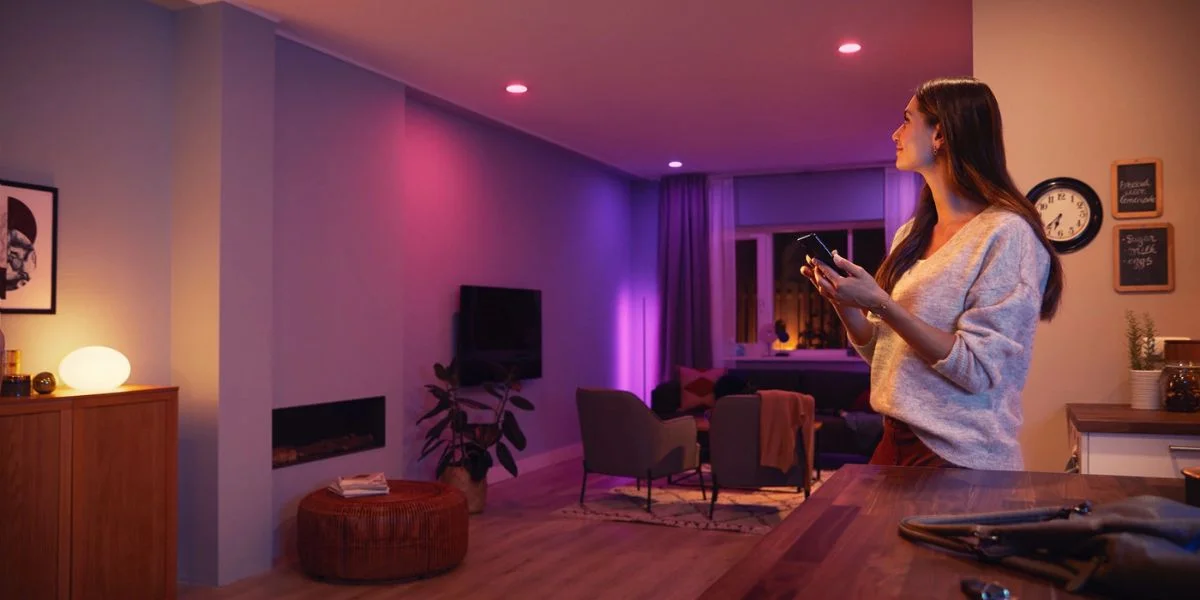
Your smart lighting system is only as intelligent as it is functional—so what are the different ways that you can manage your lighting system? That depends on a few factors, like whether you've set up automatic schedules, installed physical switches, need to use a combination of apps, or prefer voice control. With so many methods, where do you start? Consider again what you want from your smart lighting system: is it the ease of lights turning on and off every day at the same time? The fun of exploring so many colors and how they change the mood? Or being able to adjust your lighting remotely, even when you're out of town? We go through some of the most popular ways to control smart lighting systems below to give you a glimpse of what's involved.
Set Up Schedules
What makes smart lighting systems so beloved? For many, it's the ability to build custom automated schedules. If you just have a couple of smart bulbs, making sure that they turn on and off at the same time each day may not be important to you. But many choose to build smart lighting systems for this reason alone, and setting up those schedules should be a relatively painless process. Head into the individual apps for your smart lights and set times and days of the week. You can even have the sunset or sunrise trigger a change. Assign different schedules for weekdays and weekends—let yourself get that extra sleep before turning the bedroom lights on. With a properly designed schedule, you'll often end up saving energy as well—especially if your lights turn off automatically at times when natural sunlight is at its peak. Whatever your routines, you can create custom schedules that match your needs in your lighting app(s).
Group Products Together
Setting up schedules is a key element for smart lighting systems, but there's lots more you can do in these apps (in most cases). Explore options like grouping smart devices into zones or rooms and managing them from there. You only have to do this once, and it makes it easier to manage all kinds of functionality moving forward, from building individual schedules for different spaces to playing with colors and ambiance in different rooms.
Choose Colors & Ambiance
Have fun playing with different colors and diverse light intensity in the apps as well. Depending on your space, you may want classic bright whites. In a gaming area, you might opt for a custom color setup that matches your mood. And in a TV room, you may want to turn off almost all lights and create an entertaining atmosphere with blues, greens and pinks. It all depends on your space and what you love. Some apps even come with preset color combinations for different moods, events or times of day. Explore everything you can do and get creative.
Chat With Your Voice Assistants
Once your smart lighting system schedules are all set up, you don't have to play with the app just because you need to turn the lights on or off. Instead, just ask Amazon Alexa, Google Assistant or Siri. And with rooms properly named and lights grouped together, just a few words will do. "Siri, turn on the lights in the kitchen." "Alexa, turn off the outdoor lights." With voice assistance all set up, your smart lighting system transforms your home into a smart home.
Smart Sensors Detect Your Presence
Smart motion sensors can be installed in your home and will activate when you walk by. There's no need to open your phone or even speak to your voice assistant. Just walking by sends a signal to your devices that it's time to turn on (or off) the lights. Like any of your connected electronics, it will need to be programmed and set up, but you'll appreciate it when you get up in a dark room in the middle of the night to have your nightlight turn on automatically. Even adjust the motion sensitivity to best fit your needs so that your cat walking by won't accidentally trigger your bedroom's lights and turn them on. A smart motion sensor, like a programmed lighting schedule, can help save energy as well by keeping the lights off in a room until you walk inside.
Go Classic With a Wall Switch
We mentioned earlier that you might prefer to rewire your existing fixture, transforming regular lights via a "smart" fixture. But there are switches that can control your smart lights, too. When wired up, a classic switch will power off your smart lighting, then restore power when the switch is turned back on. This can cause problems for some, since some smart lighting systems default to the highest brightness when turned off and back on again, though others allow you to customize that default color. But some users may like the simplicity of being able to turn everything off and back on again manually, especially when sharing a household with folks who don't use your phone or aren't the best with technology. For something smarter, explore options like wireless dimmers.
Have the Professionals Build Your Smart Lighting System
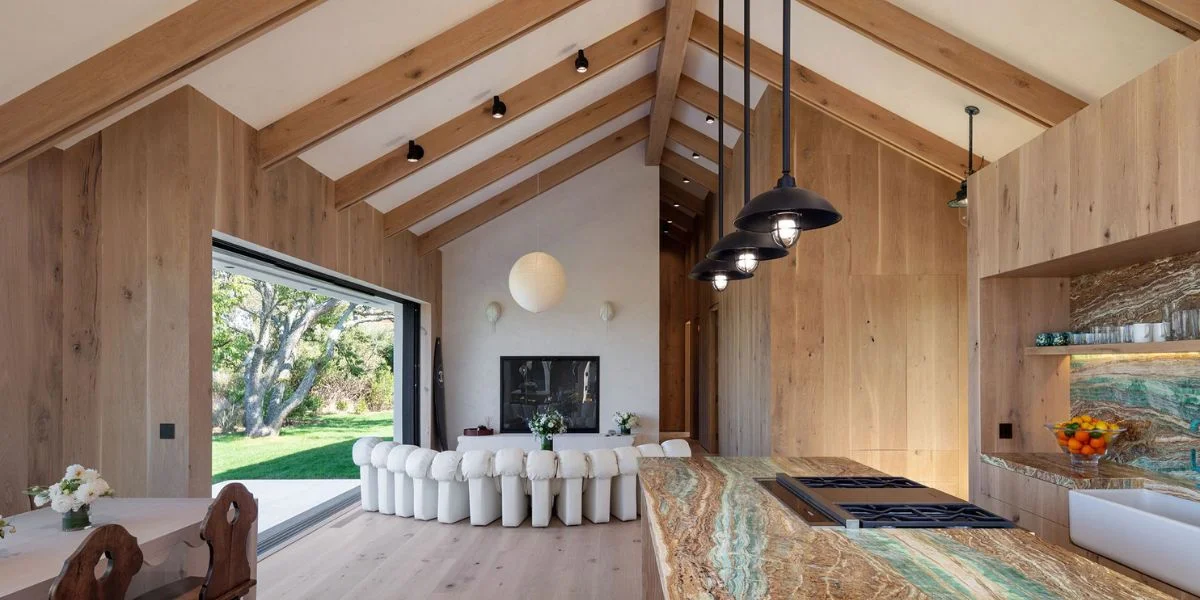
We went over everything you need to know to create a DIY home lighting system that fits your needs, but doing so can be difficult and involves a significant amount of forethought and elbow grease. If you find that overwhelming, come to the experts at Abt and we'll discuss your options with pro-level smart lighting systems that require no work on your end. The goal is to simplify your experience for lighting that's both smart and easy to use. We can help tailor the ambiance in every room in your home with custom setups that match your moods. You'll still be able to experience your favorite aspects of smart lighting, like fun colors and Wi-Fi connectivity. So, what should you expect from a pro-style smart lighting system?
The Best Parts of Smart Lighting, Made Even Better
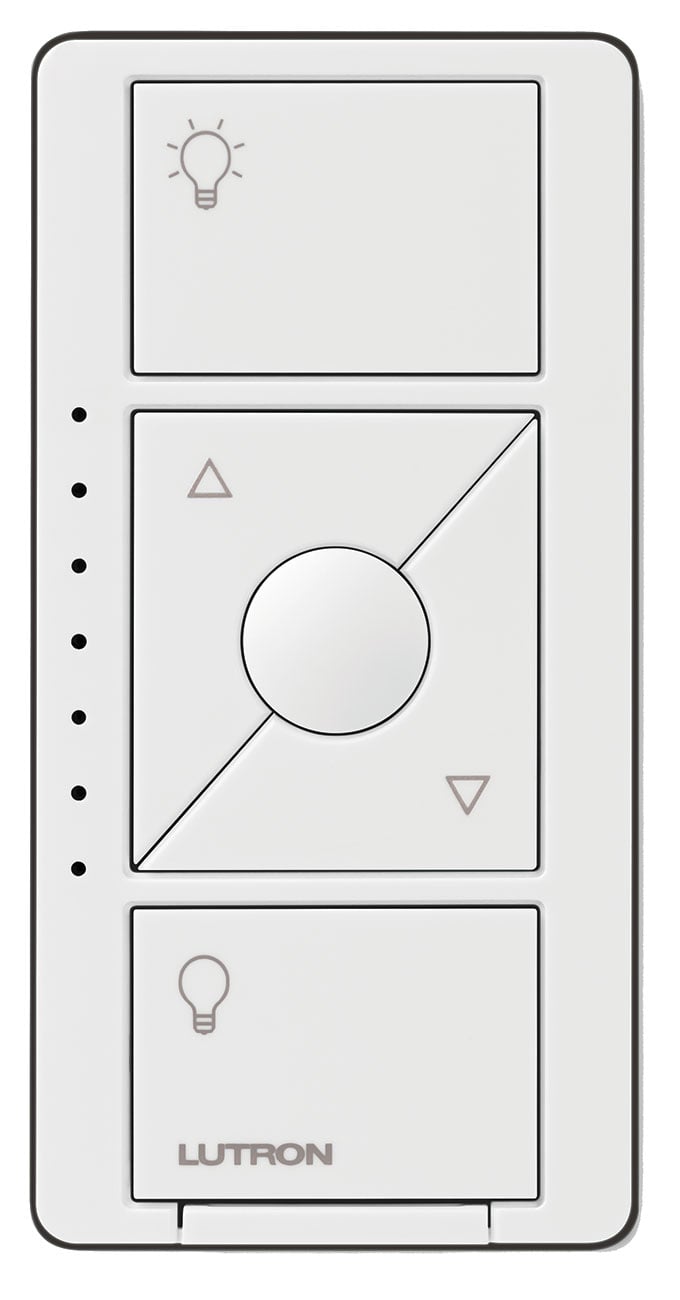
Everything you'd want from DIY smart lighting can be found in a pro-style system. With products from well-known brands like Lutron and Crestron, our in-house experts bring a wide breadth of options to clients. Our specialists build the custom smart switches and schedules you're looking for, and can create scenes for different occasions like parties and moments of intimate relaxation. No matter what, our team starts the design with your home and needs in mind. Every move is made to elevate functionality and style in your space. Even better? Just like with DIY lights, you can control what's installed with an app or just your voice. Additionally, you can use a customized keypad on the wall or a remote to adjust the ambiance and intensity of your light. Our goal is to deliver more control, made easier. Instead of fiddling with multiple apps or spending time installing different components, our home experts do it for you. We service local and national clients as well—no matter where you are in the United States, we'll make sure that your smart lighting system is installed quickly and professionally.
For a truly coordinated smart home, explore ways to incorporate elements like custom shading and security from Abt into your home. With custom shading, our specialists help craft shading schedules to let you make the most of natural light and maintain your privacy at the same time. With proper shading, you'll reduce your energy costs as well by keeping too much sunlight out. The smart home automation keeps motorized shades moving quietly, all while you stay relaxed. Abt's experts know how to help you craft a custom, well-connected home to meet your needs, and our specialists are here to help. If you want the experts to help craft your smart lighting system, fill out the form below and we'll contact you to discuss refined options for your home. To speak to our specialists, call us at 800-860-3577.
Let us assist you
Schedule an Estimate
Smart Lighting FAQs
What is a smart lighting system?
A smart lighting system is a network of connected lights that allows users to control, customize and schedule their space's lighting through a smartphone app, voice command or other devices.
What are smart lights?
A smart light is a bulb or fixture designed to be controlled by a smartphone or voice command, often with abilities beyond simply being turned on or off. Connect multiple to create a home system that communicates via Wi-Fi or Bluetooth to create schedules, change colors and more.
How do smart light bulbs work?
Smart light bulbs are designed with communication technology like Bluetooth or Wi-Fi at its core. Users control smart lights individually or set schedules to have smart light bulbs turn on, off or change colors automatically.
How do I automate home lighting?
There are two options: you can create your own DIY system with smart bulbs and smart plugs, or go to home automation professionals like the team at Abt. We use brands like Lutron to customize each space to fit your needs and make smart lighting hassle-free.