How To Save Money on Electricity

Lower Standby or Phantom Power
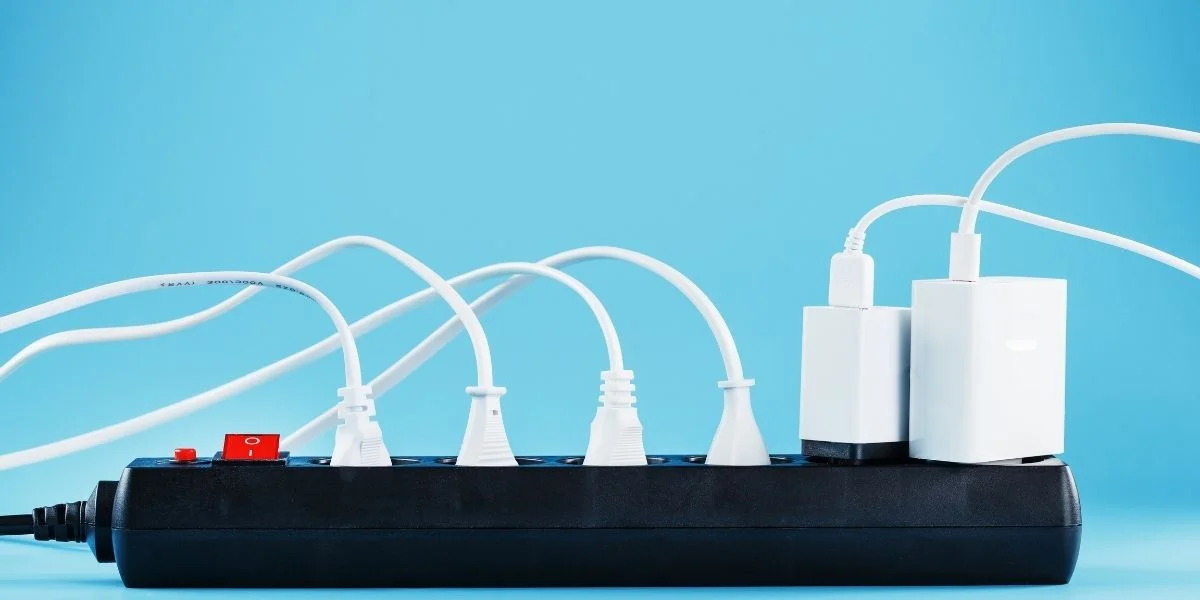
Have you heard of standby power, also known as vampire power or phantom power? Standby power is the electricity that electronics or appliances consume even while they're not being used, or even while they're turned off. According to the Department of Energy, standby power can consume up to 5-10% of a home's energy use and, depending on where you live, can cost you $100-200 or more every year. So, what things in your home use standby power? Common culprits are video game consoles, smart TVs, soundbars, cable boxes, desktop computers and monitors. There are other culprits, including kitchen appliances and chargers. As a general rule, if you touch something or its charger and there's heat, the product is draining standby power—it's ready to go to work when you need it to. In our guide on how to save money on electricity, we recommend you unplug these vampires or phantoms when they aren't in use. To make cutting these devices off from power easier, we recommend using a power strip that's easy to flip on and off, or plugging that power strip into a smart plug you can turn on wirelessly or set to a schedule. You'll save money on electricity and make your life easier.
Energy Star
One of the easiest ways to save money on electricity is with appliances and electronics that use less energy. These are easy to find thanks to Energy Star—where the Department of Energy and the U.S. Environmental Protection Agency bring information about a product's energy use directly to the buyer. And if a product earns the Energy Star rating or certification, it means that it's 10-20% more energy efficient than the average model. So, if you're wondering how to save money on electricity with these, the answer may not be to buy new appliances and electronics all at once—but when it's time to replace old models with new, make sure you think of Energy Star products, and know that some are more efficient than others. You can often find rebates on Energy Star appliances for even more savings when you initially buy, too. Check https://www.energystar.gov/ and find rebates via energy providers like ComEd for products you see at Abt. You may be able to save even more when you purchase here.
HVAC Solutions
One of the biggest energy drains in any home involves changing the temperature of air and water, and your HVAC system plays a big role here. Consider how you cool and heat your space; are there ways that you can do things more efficiently? That could involve investing in proper insulation for your home, staying on top of your system's maintenance schedule and swapping out clogged filters with new ones for improved airflow. Our team of HVAC experts knows all about how to make homes more efficient, so if you're looking for specialists, you're in the right place. To schedule maintenance and improve your home's HVAC efficiency, schedule HVAC online at Abt.
If you have window air conditioning units, these can drain power quickly, but they don't have to. So, how do you save money on electricity with a home full of window air conditioners? Stick to a few tenets, like proper insulation and temperature management. Make sure any gaps in windows are properly insulated to keep that cool air in, with the accordion panels stretched all the way and any gaps covered with side panel kits, foam boards, foam strips or weather-seal tape. When the air conditioner is on, use eco-friendly modes to ensure temperatures stay consistent. As far as what temperature to set it to, the Department of Energy recommends 78°F in the summer to maximize savings. That being said, 78°F isn't realistic for everyone who needs a cooler home. Consider what's comfortable for you and your family, as well as any pets.
When temperatures drop in the winter, you'll want to keep warm air in; make sure you insulate those window air conditioners or remove them from your windows, replacing them with tight storm windows. And whether you use central cooling and heating or window units, one of the best ways to keep your home's climate steady is with proper leak sealing and door sealing. Gaps between doors and walls or windows and walls allow warm/cool air to escape, so invest in proper weatherstripping. A great side effect is that the gap insulation muffles outdoor noise while keeping your home warm and eco-friendly.
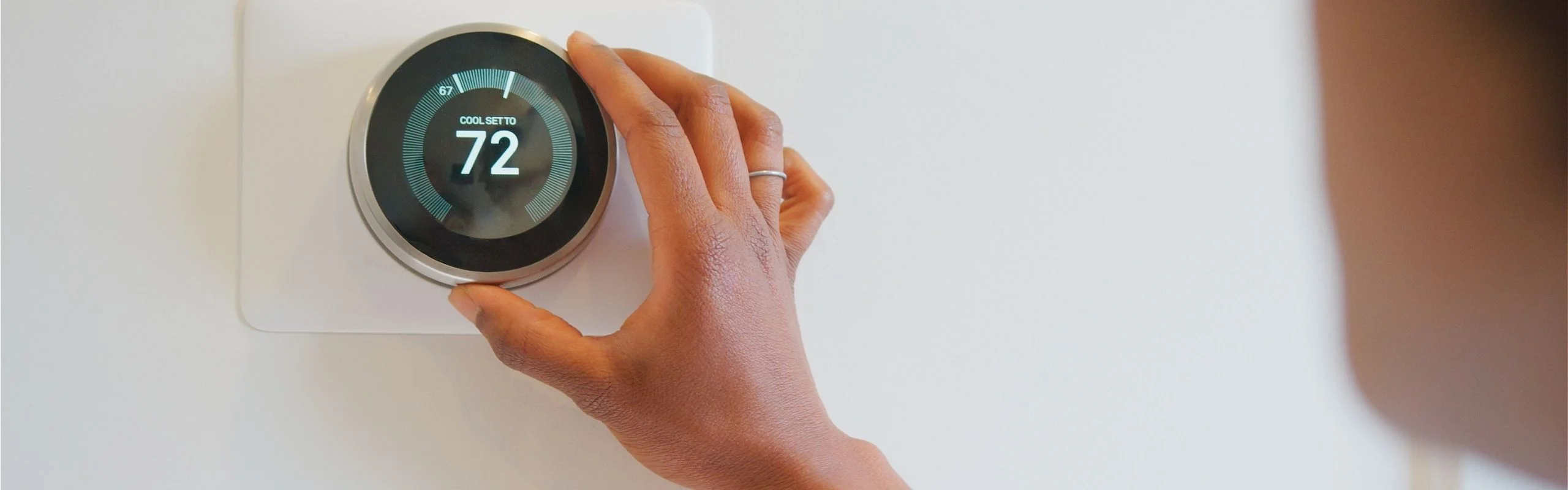
Finally, we recommend replacing your old thermostat with a smart one. From your smartphone, you can set and manage temperature schedules and manually change the temperature. If you're interested in how to save money on electricity, one of these is a must-have. When you're out of the house, let a smart thermostat save you energy—then adjust it when you're on your way home.
Save on Lighting
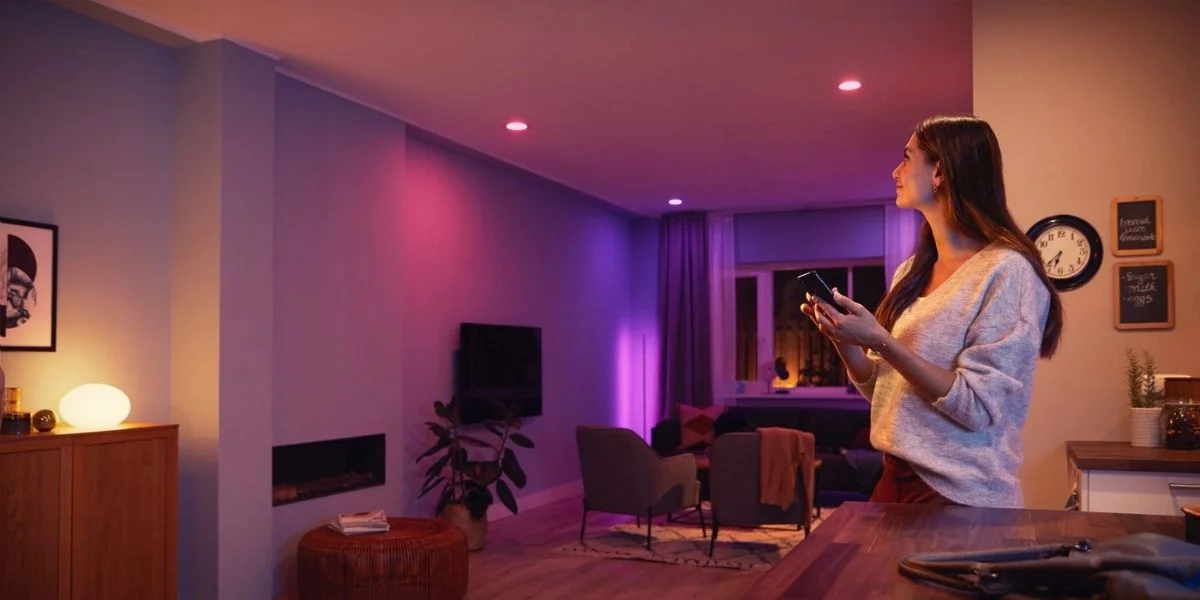
Swapping from classic incandescent bulbs to LED ones in your home's lighting system is one of the easiest changes to make, and the payback is enormous. LED light bulbs are now the standard and can use one-sixth of the energy required by an incandescent bulb to give off the same amount of light. But there are more ways to save energy. If you want to know how to save money on electricity with lighting, it goes beyond the LED bulb. Smart lighting has become incredibly popular both indoors and outdoors, and incorporating smart lights into your home is a great way to manage energy output. Instead of going from lamp to lamp, connect smart bulbs to Wi-Fi and you'll be able to control them from your smartphone. If you do this all throughout your home, you'll be able to turn the lights on or off on a set schedule or at will. Keep lights off when you're not in a room or not at home and you'll save a surprising amount of energy over time—plus, many smart bulbs or lights can have their colors changed for fun effects.
More Efficient Appliances
We discussed how to save energy with home must-haves like HVAC systems and electronics that might use heavy phantom power—but a refrigerator isn't something you'll want to unplug and plug back in like a TV. Even so, we know how to save money on electricity when it comes to appliances that can weigh down one's energy bill.
Appliance Energy Tips
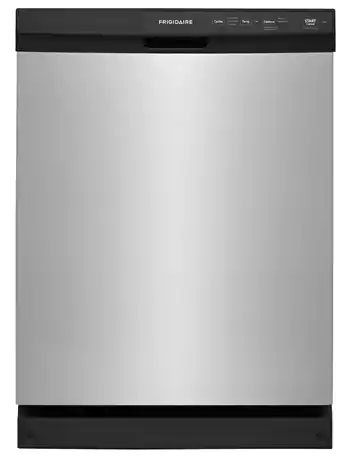
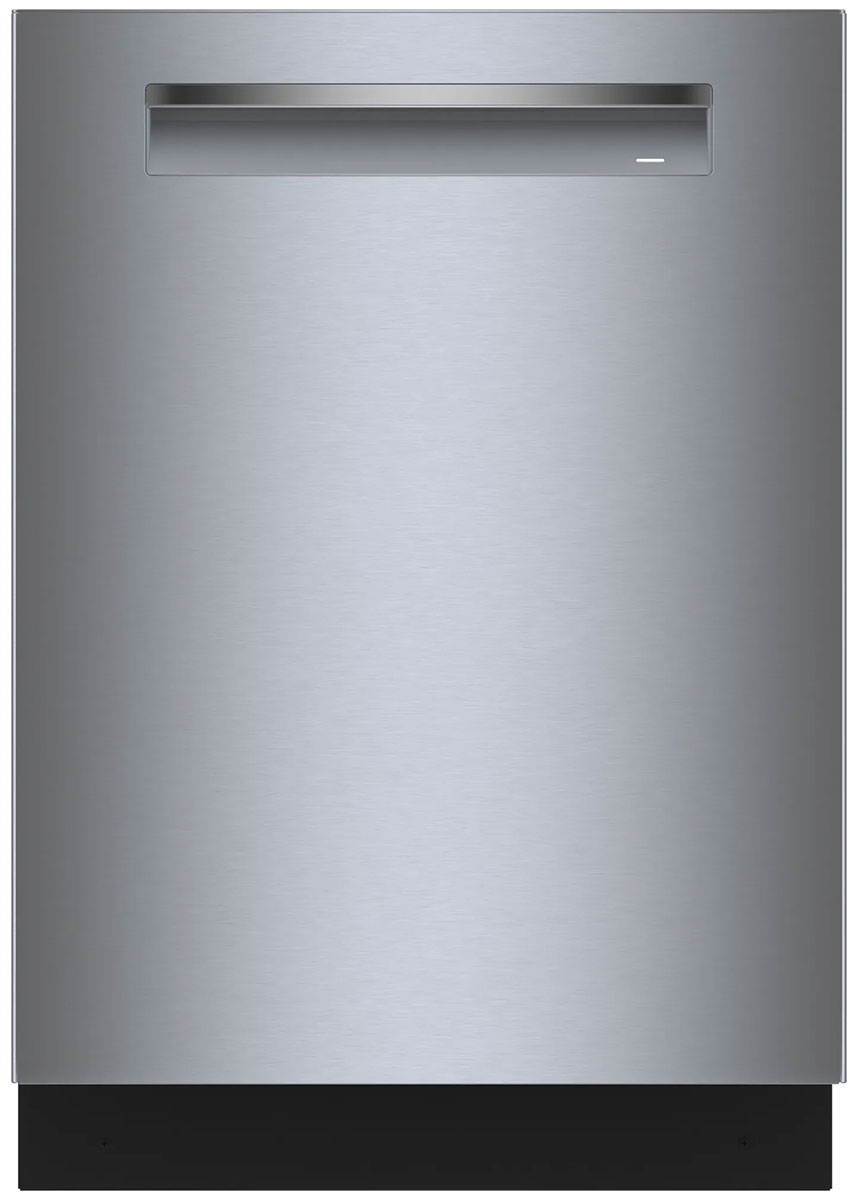
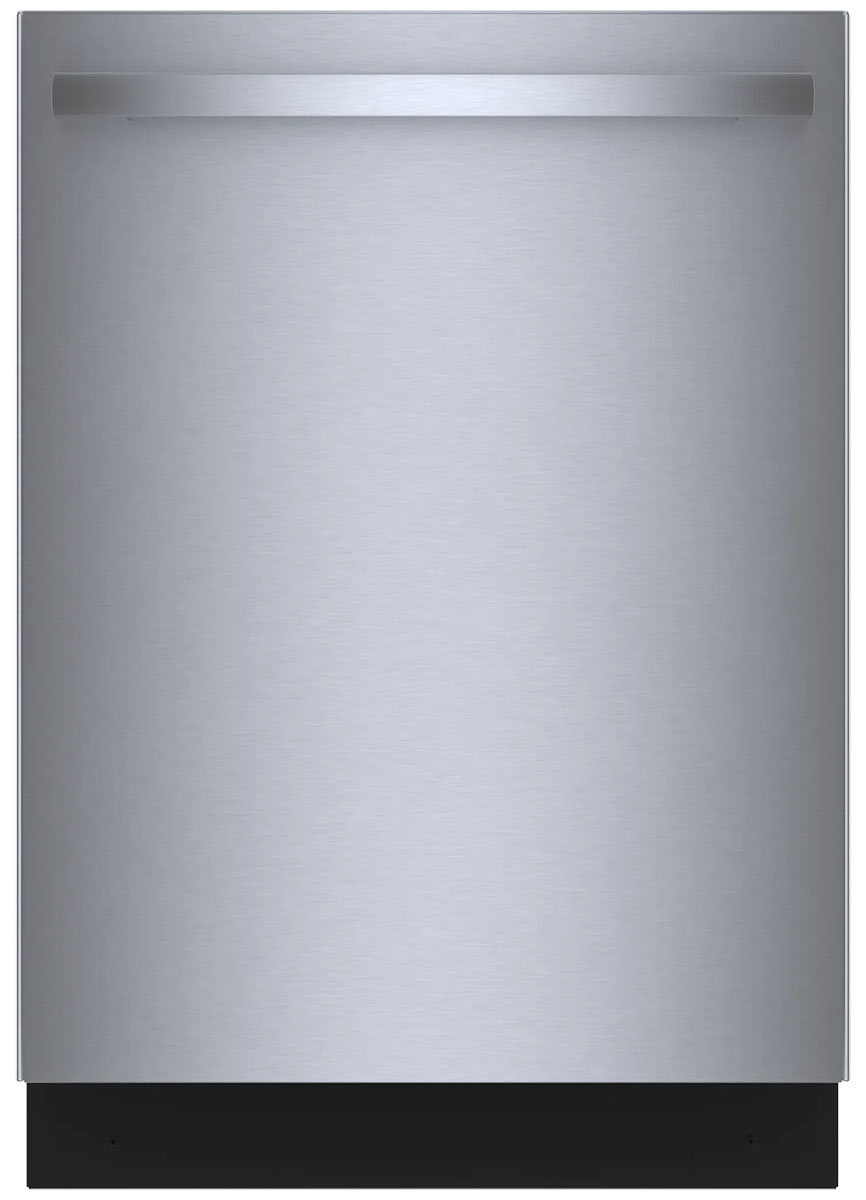
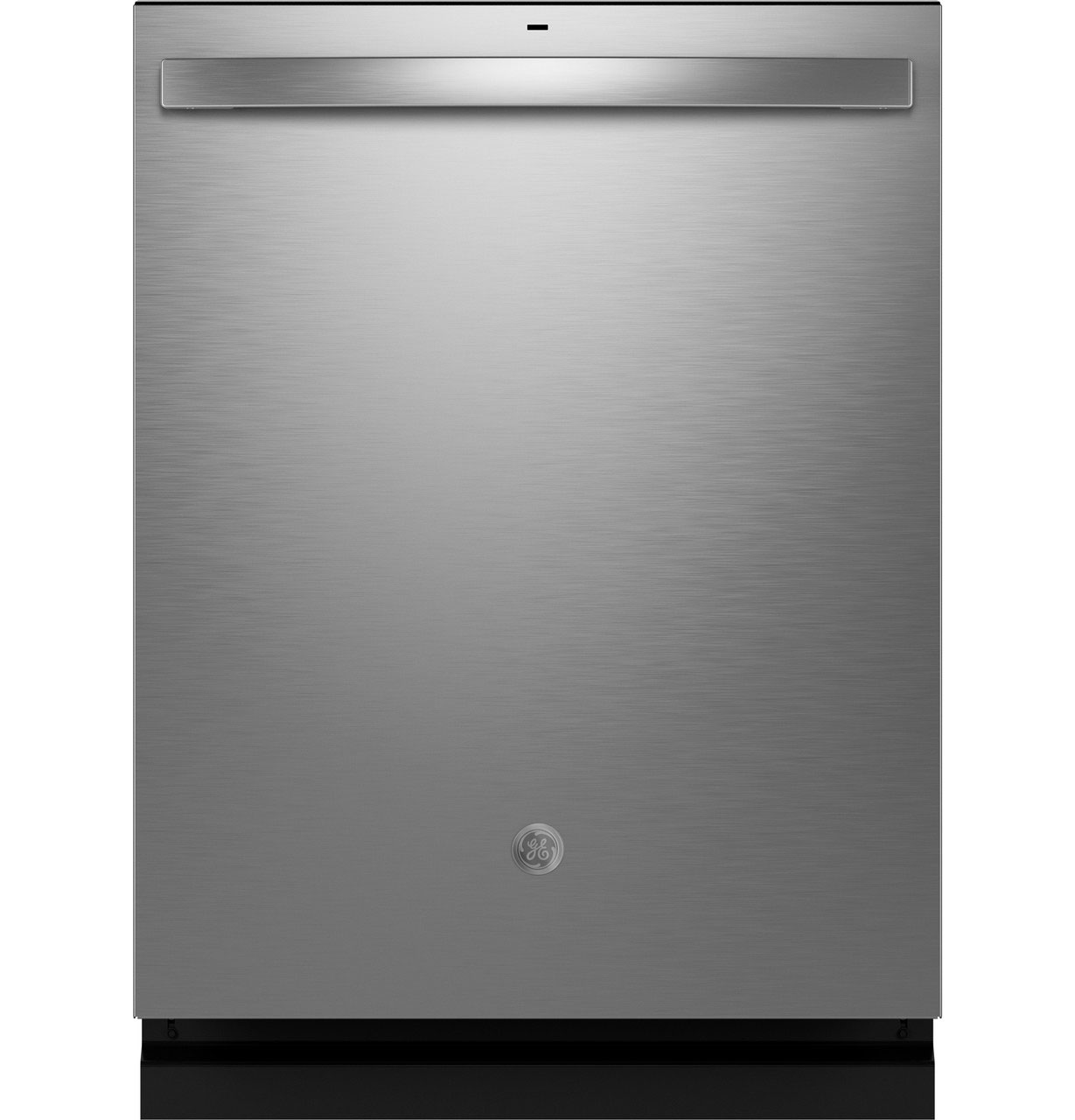
- As you load a dishwasher, scrape leftover scraps away instead of rinsing, and always run full loads. Your dishwasher won't need to work as hard or as often.
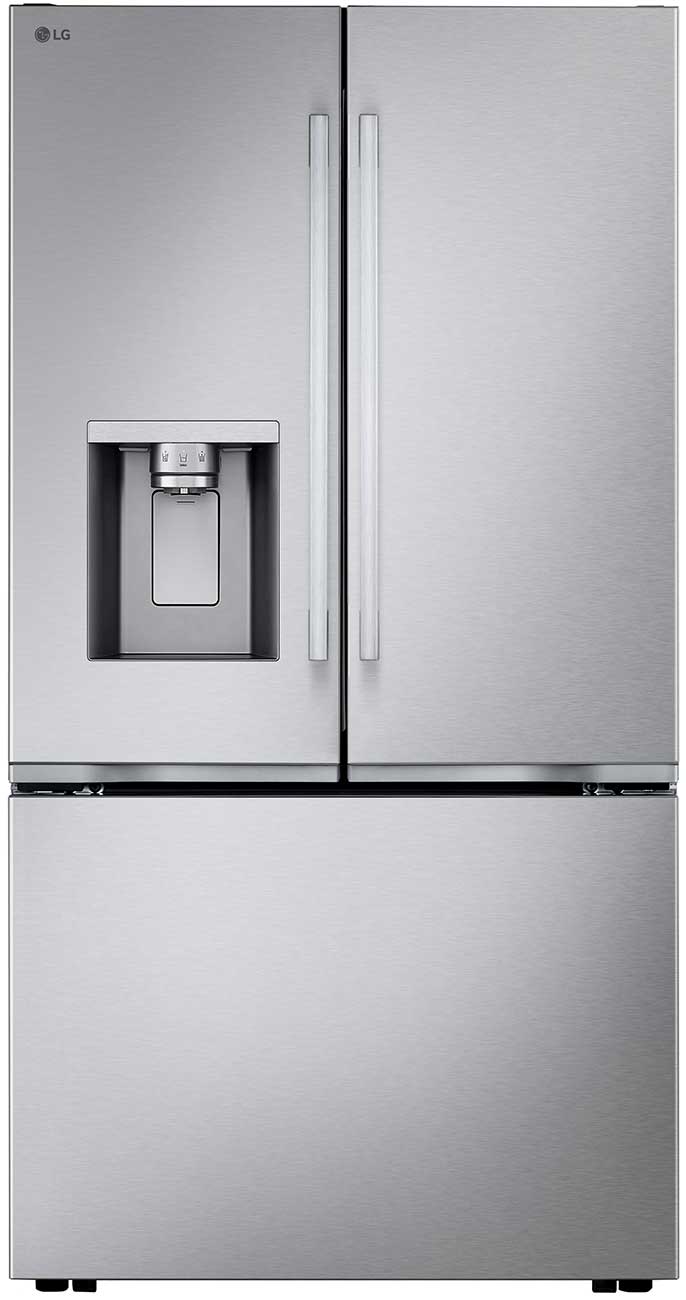
- Keep refrigerator doors as sealed as often as possible. Cool air escapes when doors are opened, and the refrigerator has to work hard to replace it.
- Secondary refrigerators, like those in basements or garages, should be unplugged unless or until you're using them.
- On your cooktop, make sure you match your pan size to the size of the burner. Larger burners sear proteins and boil water easily, but it would be a true waste of energy to put a massive saucepan at your smallest burner and wait for it to heat water.
- Make sure your oven stays clean and efficient so that energy doesn't go to waste. When it's time to check your recipe's progress as it cooks, don't open the door; instead, look at it through the window.
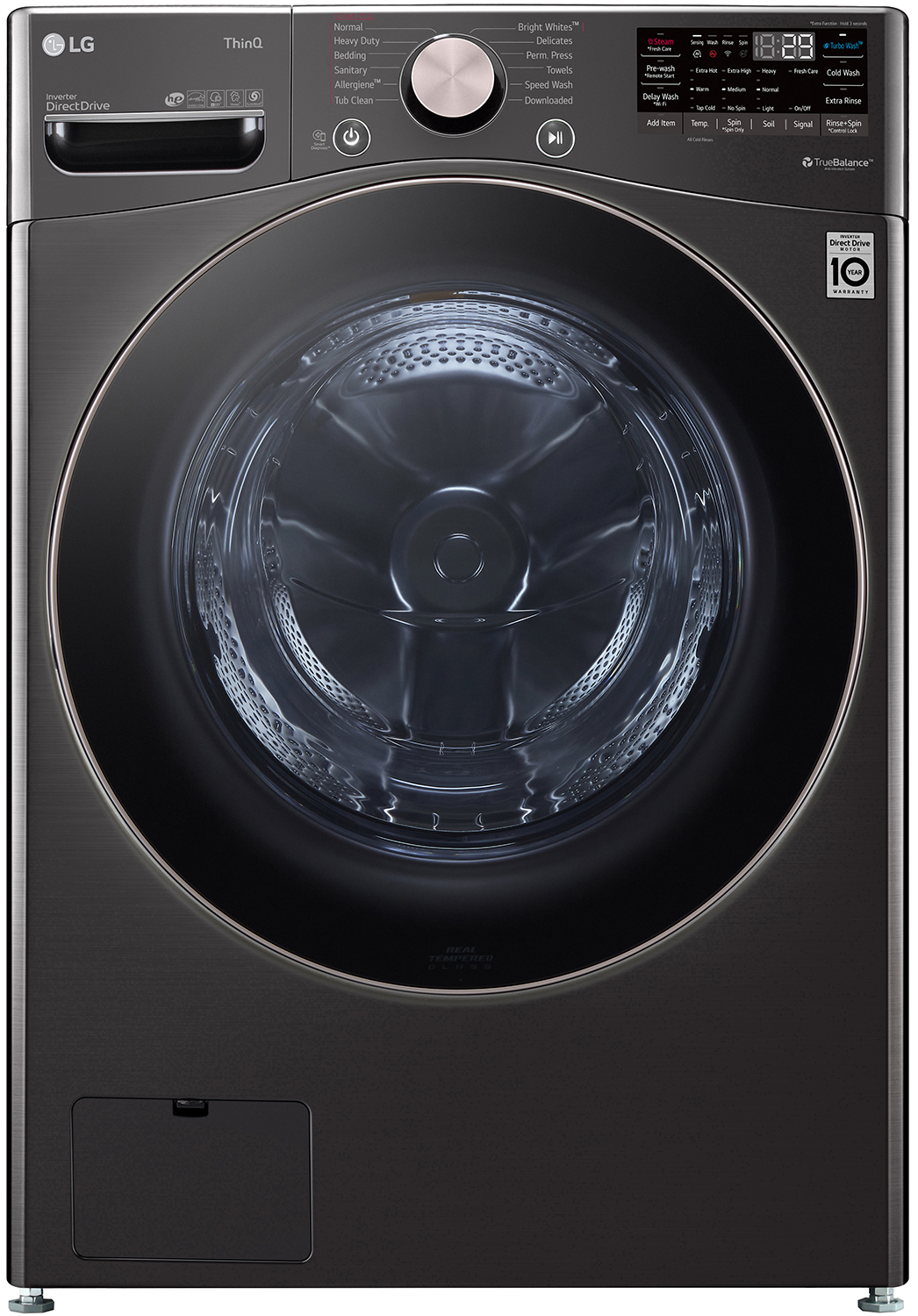
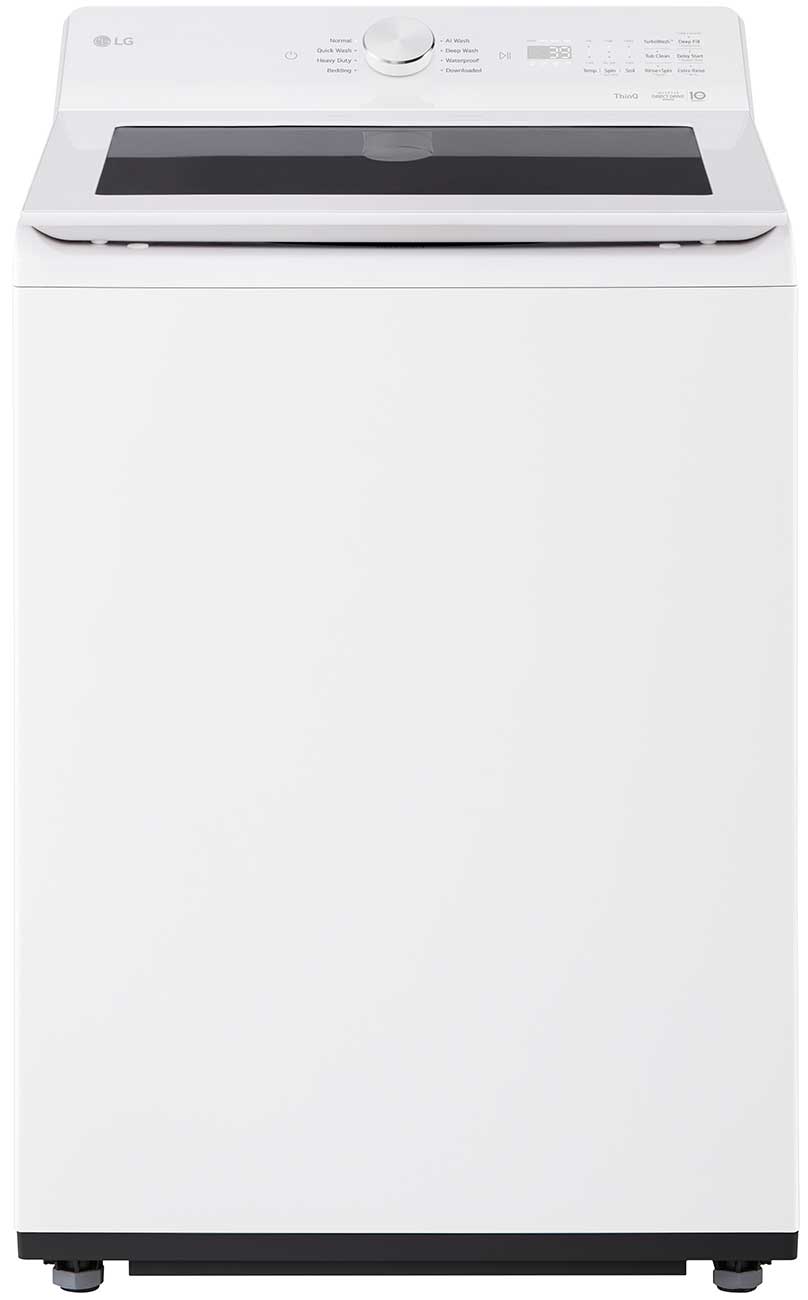
- When it comes to washing clothes, switch from using hot water to cool water and you'll save on electricity. Many detergents do well in cool water, and it can be much healthier for your clothing in the long term.
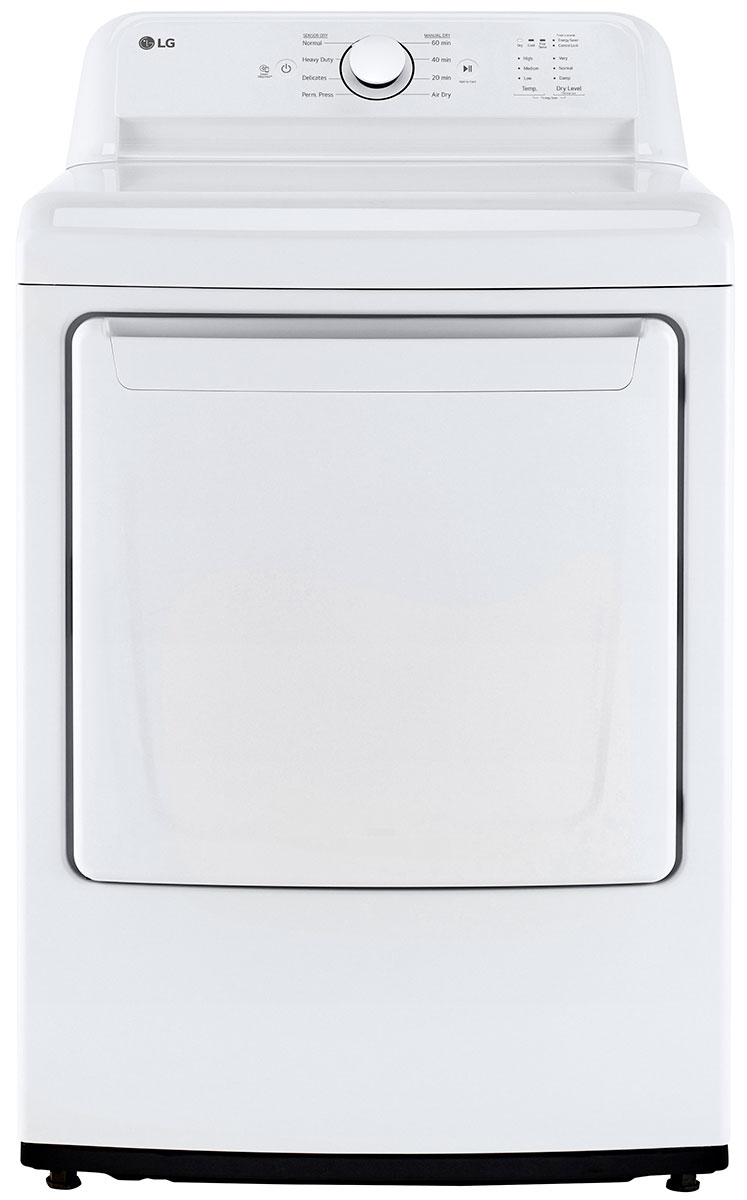
- Next, the dryer. Look for dryers that have moisture sensors that can automatically stop once clothes are dry, instead of waiting for timed cycles to stop.
- Another easy fix for the dryer? Get in the habit of cleaning out the lint trap. It makes sure that there's better airflow and you'll have a more efficient appliance.
- As a bonus tip, we suggest cooking snacks and small meals in smaller appliances instead of the oven. Instead of warming up a large cavernous space, opt to heat an air fryer, microwave, slow cooker or another small kitchen appliance for more efficient cooking.
- When it's time to purchase a new appliance, keep energy efficiency in mind and look for models that prioritize the best ways to use power. For example, a range that uses induction cooking can save money on your energy bill over time compared to classic gas and electric models.
Simple Adjustments With Lasting Savings
Many of our tips on how to save money on electricity involve simple adjustments, from keeping the water cold when you use the washer to unplugging your gaming console to minimize the use of phantom power. But if you really want to go all in and save as much power as possible, that may involve lifestyle changes like switching from gas cooking to induction, or adjusting your HVAC tendencies and getting comfortable with a home temperature that's a little higher in the summer. You'll find incredible rewards, though, with dips in your energy bill that will save you hundreds every year. You won't just be boosting your savings, either. Less energy wasted can really make an impact over time. We've done the same with our Green Initiatives, and we know that every home that changes to a more efficient lifestyle makes a difference. If you have any questions about appliances that might help you save more on your energy bill or don't know which Energy Star choice is right for you, we can help. Give our experts a call at 800-860-3577 or read up with our guide to why your electric bill is so high in the winter.
How To Save Money on Electricity FAQs
-
Phantom power, also known as standby power or vampire power, is the energy used when an appliance or electronic isn't powered on. It uses electricity just by being plugged in and ready to operate. Examples include gaming consoles, smart TVs and desktop computers.
-
Saving electricity helps by reducing carbon dioxide and pollutants that are released in the process of generating energy. There are clean energy sources, like wind and solar, but about 60% of the United States' energy comes from fossil fuels like coal, natural gas and petroleum. Lowering your electricity use often means lowering your carbon footprint.
-
It can be hard to tell how energy-efficient your home is, especially when there are so many factors at play. You can use online tools like the Energy Star Home Energy Yardstick and the Department of Energy's Home Energy Score. An easy way to get a good ballpark is by evaluating your utility bill, but for a more in-depth answer, you can hire an expert to request an energy audit. These specialists can suggest areas for improvement, and they often focus on spaces where air leaks out and HVAC systems can be improved.