


Sonos Ray vs. Bose TV Speaker: Which Soundbar is Best for You?
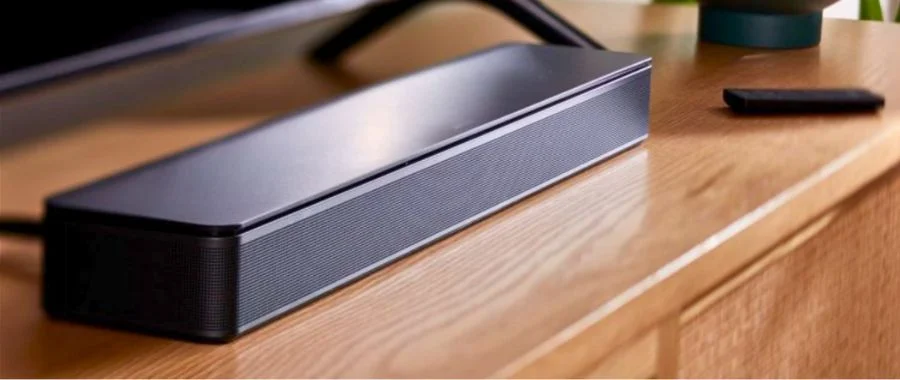

From the greatest love stories to intense fight sequences, no cinematic experience is complete without a captivating soundtrack to accompany it. That's why having a reliable soundbar is important. These innovative audio devices boost both sound quality and volume, ensuring that every key detail is heard—even when characters whisper or music becomes quiet. Sonos creates high-performing audio products, such as the Sonos Ray, that produce realistic sound for all your favorite movies, shows and music. Bose is another dedicated brand that strives to create premium speakers and sound systems, and their Bose TV Speaker doesn't disappoint. Both the Sonos Ray and the Bose TV Speaker are designed to deliver clear, crisp sound quality for all of your go-to content. Join us as we dive into what makes these soundbars standout options before you decide between the Sonos Ray vs. Bose TV Speaker.
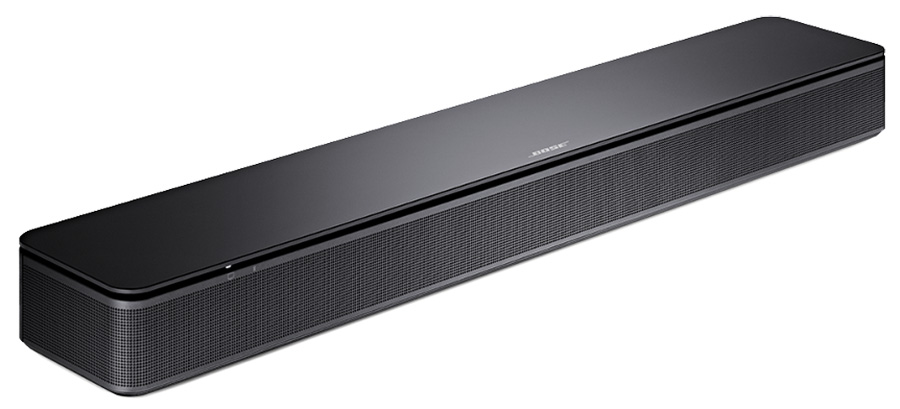
Bose TV Speaker - 838309-1100
Designed for Elevated Audio: Sonos and Bose
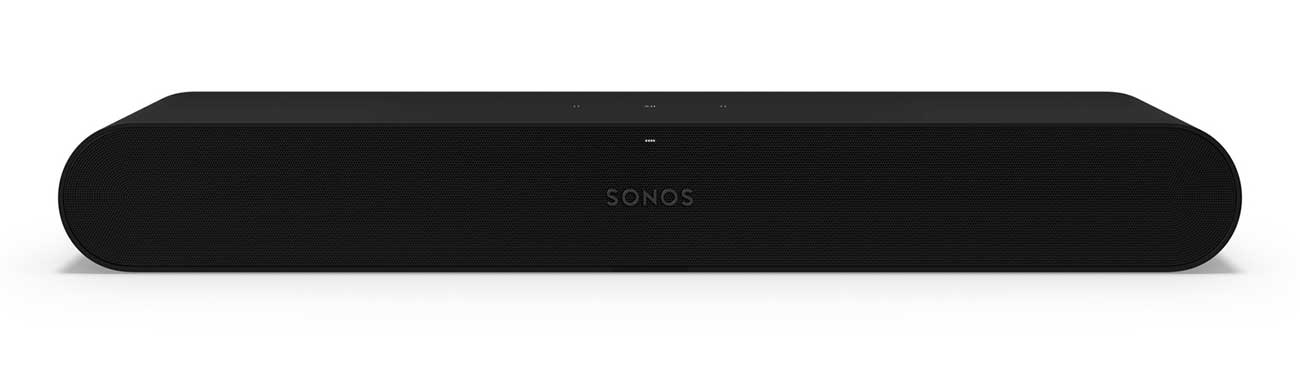
When choosing between the Sonos Ray vs. Bose TV Speaker, the most important factor to consider is audio quality. The Sonos Ray soundbar includes two tweeters, two woofers and four class-D digital amplifiers. These components, along with anti-distortion technology, transform the room into an immersive soundstage. Once connected to your chosen TV, this soundbar utilizes TruePlay software to adapt sound to fit the room's acoustics. So whether you've filled the space with decor or prefer a more minimalist appearance, the layout of the space won't affect audio playback for movies, shows and more.
The Bose TV Speaker is built with two full-range drivers and a center tweeter. Each element fits flawlessly into this compact soundbar, delivering realistic acoustics for all types of content. The two drivers are purposefully angled to produce spatial audio that fills the room, so even those in the back hear clearly. If you're someone who loves elevated bass, press the Bass button to give an extra boost to lower notes as you feel the rich, deep sound. So, make sure to pause and think about how you prefer to listen to your audio content when deciding between the Sonos Ray vs. Bose TV Speaker. The Sonos Ray is best if you prefer customized audio or want to expand your sound system with additional speakers. However, if you love enhanced bass and room-filling audio, then the Bose TV Speaker is the soundbar for you.
The Battle for Boosted Dialogue
Of course, we can't forget about the importance of dialogue as we compare the Sonos Ray vs. Bose TV Speaker. Both of these soundbars are crafted to make dialogue sound clearer as people speak, whether in a movie or during a sports game. TruePlay software in the Sonos Ray works with the Speech Enhancement setting to ensure you don't miss a single word. Even when characters speak softly, you don't need to worry about turning up the volume in order to hear them properly. Meanwhile, the center tweeter of the Bose TV Speaker enhances the clarity of words as they're spoken, based on the room's acoustics. However, this tweeter doesn't work alone. With Dialogue mode, the soundbar recognizes different styles of speech, such as news programs or character conversations, and automatically optimizes content accordingly. When this mode is on, vocals aren't just heard—they're completely understood, so you won't need to rewind to catch quieter moments. At the end of the day, these soundbars are evenly matched when it comes to listening to elevated dialogue.
Installation Options for the Ideal Setup
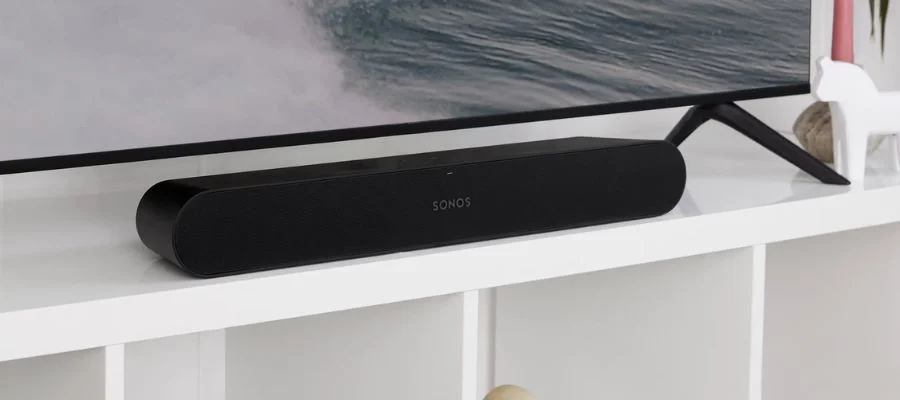
While you might be leaning towards one soundbar already, the installation process may influence your choice between the Sonos Ray vs. Bose TV Speaker. For the Sonos Ray, unbox the soundbar, plug in the power cable and connect it to your TV using the optical cord. Then, follow the instructions on the Sonos app and your device will be ready. The Bose TV speaker is also designed for a quick and easy setup due to its compact size. Depending on your room layout, you can either place it on a small table or mount it on the wall under your wall-mounted TV-just like with the Sonos Ray. Once you're satisfied with the position, use the included optical audio cable or an HDMI cord to connect directly to your television. Additionally, with HDMI-CEC, this soundbar will automatically turn on when your TV does, eliminating the need for extra steps. So, if you're hoping to use an HDMI cord to connect your TV to your soundbar, then the Bose TV Speaker is the soundbar for you. The Sonos Ray is the better option if you want a more personalized experience or want to integrate your Sonos soundbar into your home's existing Sonos system.
Even More Audio Perks
As our comparison between the Sonos Ray vs. Bose TV Speaker comes to an end, there are a few other smart upgrades and key features to mention. The Sonos Ray soundbar comes with a Night Sound mode designed for late-night listening sessions. This mode reduces the intensity of louder sounds while maintaining clear dialogue, so you can finish the movie or episode without waking the house. Meanwhile, the Bose TV Speaker has tiny LED lights that turn on and change color to keep you notified when specific features are activated. These lights also blink as you adjust the volume. If you want to grow your home theater system, both soundbars allow you to connect additional speakers from their corresponding brands. This way, your living room will be filled with true, theater-quality sound as you watch your favorite TV series or listen to your music collection.
Sonos Ray vs. Bose TV Speaker: Which One is Right for You?
While both of these soundbars are made for amazing audio, deciding between the Sonos Ray vs. Bose TV speaker comes down to how you like to listen. If you enjoy late-night movie sessions or personalized audio, then the Sonos Ray soundbar is a great option. Meanwhile, the Bose TV speaker delivers boosted bass and is more compact in size, making it perfect for smaller spaces. Plus, it includes an HDMI ARC input, unlike the Sonos Ray. Although we've explored the key differences between these two products, you may still have questions about these soundbars. Reach out to our specialists at 800-860-3577, and they'll be happy to help you decide between the Sonos Ray vs. Bose TV speaker. You can also read our in-depth buying guide to soundbars for more information on purchasing one of these powerful speakers for your home.
Sonos Ray vs. Bose TV Speaker FAQs
-
Plug in the power cable before using the optical cable to connect the Sonos Ray soundbar to your TV.
-
Once the power cord is plugged in, select either the optical cable or the HDMI ARC to connect the Bose TV speaker to your TV.
-
To adjust the bass on the Bose TV speaker, use the Bass button, located on the remote or top of the device.


