


The Fitbit Charge 6 vs. Versa 4: Which Wearable For You
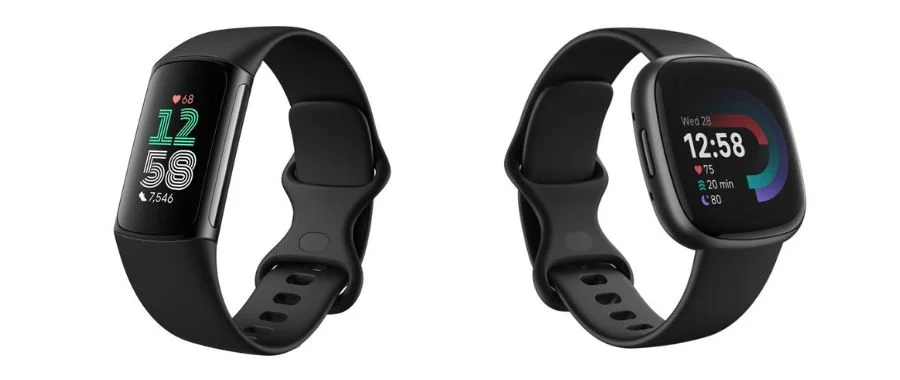

Fitness trackers have been helping users optimize their health and reach lifestyle goals for years—all thanks to gadgets that collect important exercise and wellness data. For over a decade, Fitbit has been dedicated to producing reliable wearables to help its users lead healthier lives. At first, these trackers focused on one's daily step count for cardiac health. Now, these fitness trackers and smartwatches collect a wide range of data, including stress and blood oxygen levels. The Fitbit Charge 6 and Versa 4 are two popular models, each offering a sleek, consistent look and upgraded ways to track key wellness and fitness data. But which product is best for you? Below, we dive into the similarities and key differences to help you choose between the Fitbit Charge 6 vs. Versa 4.



The Base Design
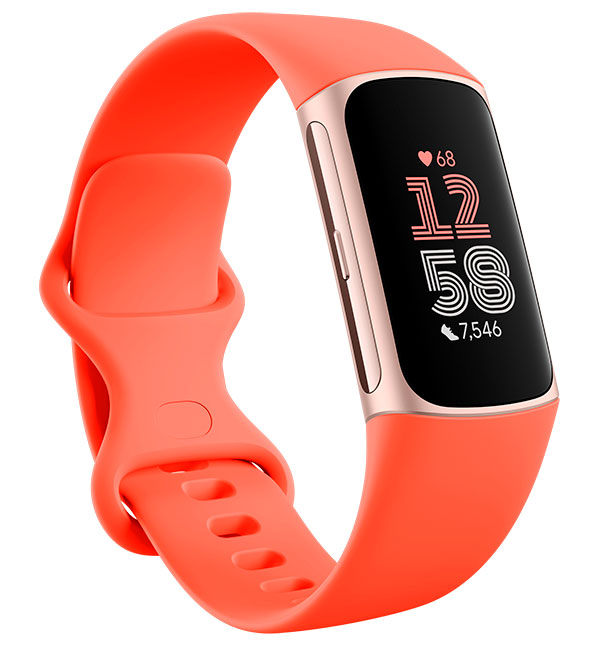
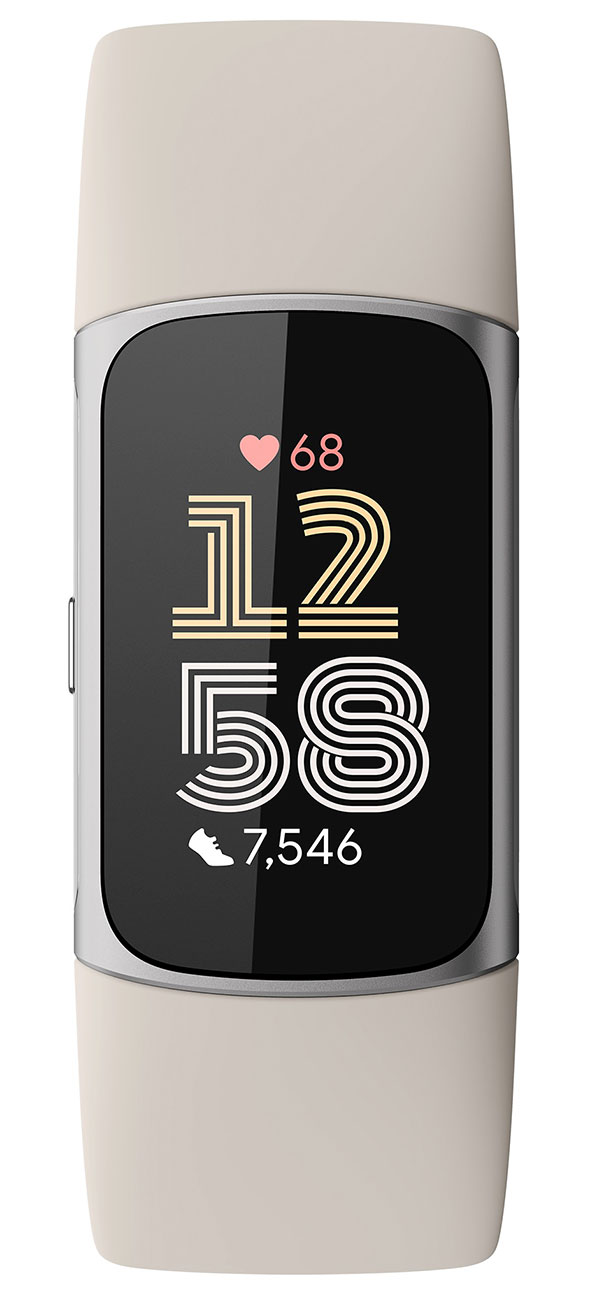
Our comparison between the Fitbit Charge 6 vs. Versa 4 begins with the design. Classified as a fitness tracker, the Charge 6 has a 1.04-inch rectangular touchscreen display. The side navigation button lets you quickly alternate between your daily stats and the home screen. The Versa 4 leans more towards the smartwatch category, featuring a 1.58-inch square screen. The larger size makes it easier to read notifications and navigate between the various apps. Both displays use AMOLED technology and are protected by Corning® Gorilla® Glass 3, which is scratch and damage-resistant. The silicone band fits comfortably on the wrist and comes in small and large sizing options.
>In terms of battery life, the difference between the Fitbit Charge 6 vs. Versa 4 is 24 hours. The Fitbit Charge 6 lasts for up to seven days, while the Versa 4 offers about six days. However, the exact battery life will vary depending on daily usage and other enabled features. Thankfully, both batteries charge to 100% in just two hours, meaning you'll never have to go long without your tracker. The Fitbit Charge 6 and Versa 4 are compatible with iOS and Android smartphones. Each model includes Bluetooth connectivity, has built-in GPS and GLONASS (a satellite-based navigation system) and an NFC sensor, which enables contactless payments. When deciding between the Fitbit Charge 6 vs. Versa 4, keep your personal preferences for screen size and battery life in mind.
Fitness Tracking Abilities
One of the main reasons people invest in fitness trackers is to monitor, well, fitness. When comparing the Fitbit Charge 6 vs. Versa 4, both models are designed to gather key exercise data. To start, these wearables recognize over 40 unique workouts, ranging from common exercises like running to more niche ones like rock climbing. With 50-meter water resistance, each model can be worn during water-based workouts. As you move, you'll earn active minutes, which count towards your daily move goal. When you reach your target cardio zone, you'll gain active zone minutes instead. These minutes count as double, encouraging users to complete cardio-based workouts.
The Charge 6 and Versa 4 include a three-axis accelerometer sensor that monitors your movements in nearly every direction. This ensures more accurate results when logging workouts and tracking your daily step count. Your VO2 Max, or cardio fitness level, is automatically calculated to help you gain a better understanding of your overall cardiovascular health. This number is a great indicator for those looking to improve their quality of life and have more fun getting and staying fit.
The primary difference between the Fitbit Charge 6 vs. Versa 4 for fitness tracking lies in the heart rate sensor. The Charge 6 uses an optical heart rate sensor while the Versa 4 uses a multi-path one. At the core, both sensors use near-infrared light to see the expansion of your arteries as your heart pumps blood through them. However, the multi-path version is more advanced, bringing you more accurate monitoring.
Although both models are equipped with Bluetooth, the Charge 6 is the only one that can be connected to compatible exercise machines, including ellipticals and treadmills. This lets you see your metrics in real time on the exercise machine's screen instead of the watch face. Another difference to note is that the Versa 4 has an Altimeter sensor. If you're a fan of tracking your elevation or are interested in how many floors you've climbed in a day, then this feature is a must-have for your wearable.
Monitoring Health and Wellness
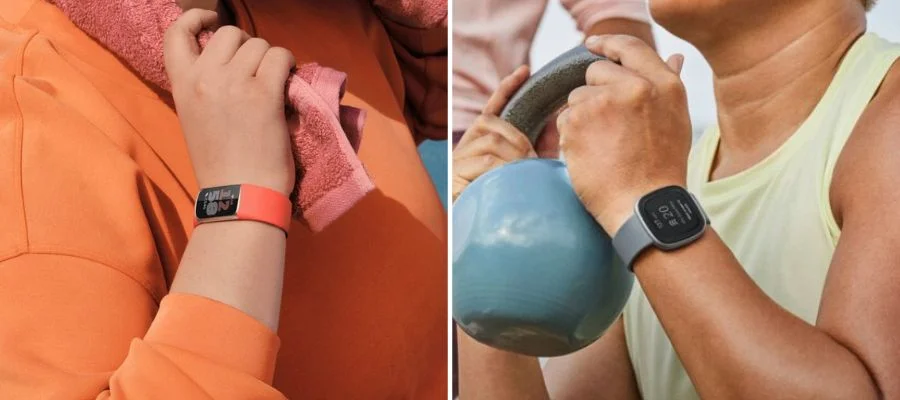
Next up for our Fitbit Charge 6 vs. Versa 4 comparison is health and wellness tracking. Like with fitness monitoring, each model provides you with key insights into how your body functions throughout the day. This includes breathing rate, oxygen saturation levels and variations in skin temperature. In the Fitbit app, you'll also be able to track blood glucose levels and menstrual health information. Any collected or entered data in the Fitbit is stored indefinitely, allowing you to share trends or new anomalies with your primary care provider. As the day goes on, both trackers can monitor your stress levels by looking for sudden changes in your heart rate, sweat levels, heart rate variability and skin temperature. For this metric, the Charge 6 uses an electrodermal activity sensor for more accurate sweat gland readings during stressful situations.
If managing stress or anxiety is a focus point for you, then this is where the Versa 4 takes the lead. This model includes an option for breathing sessions in the Relax app. Research has shown that taking a few minutes to breathe mindfully can help lower your blood pressure and reduce the risk of cardiovascular disease. This feature can be used anywhere and lets you adjust the duration, ranging from one to ten minutes. When deciding between the Fitbit Charge 6 and Versa 4, be sure to think about how important stress tracking is to you.
The Charge 6 might not share the Versa 4's ability to assist with stress management; however, this model does include an echocardiogram (ECG) sensor and ECG app compatibility. An ECG sensor measures the rhythm of your heart to detect any irregularities. This feature is especially useful for those with a current heart condition and could be the deciding factor between the Fitbit Charge 6 vs. Versa 4. Each morning, the Fitbit Charge 6 provides a Daily Readiness Score, which is calculated using your heart rate variability, resting heart rate and, if applicable, recent sleep quality. The purpose of the score is to help you know if your body is ready for an intense training session or needs some time to recover. The Versa 4 does offer a Daily Readiness score with the Premium membership.
Other Features to Consider
As our Fitbit Charge 6 vs. Versa 4 comparison comes to an end, there are a few other features to consider before making your final decision. Should you misplace your smartphone, the Find My Phone feature will play a pinging sound to help you locate it. Both models also let you set timers, customize alarms and display notifications for messages or incoming calls.
Speaking of calls, Versa 4 is a step up from the Charge 6 due to its built-in microphone and speaker. This lets you answer incoming calls without reaching for your phone. Instead, just lift your wrist and press the answer button for clear, hands-free communication. The included mic and speaker give you access to Amazon Alexa functions. Just say, "Hey Alexa," before making your request, such as checking the weather or controlling your smart home. The Versa 4 wouldn't be complete without its fast-charging capabilities. This feature lets you get about a day's worth of battery in just 12 minutes. These extra functions make the Versa 4 well worth the higher price.
Which Fitbit Wearable is Best for You?
Both models are great for tracking exercise and health data, so the decision between the Fitbit Charge 6 vs. Versa 4 comes down to the additional features that you want. If you're looking for a more affordable wearable that helps you manage your workouts and provide health insights, then the Charge 6 is the model for you. However, if you're looking for more smartwatch features, such as making calls and using a smart assistant, then you'll want to go with the Versa 4. If you still have questions about either of these models, give our team of experts a call at 800-860-3577. To learn more about buying a new exercise wearable, check out our guide to buying a fitness tracker.
Fitbit Charge 6 vs. Versa 4 FAQs
-
To restart the Fitbit Charge 6, connect the device to the charging cable and press the side button three times. Wait until the Fitbit logo appears.
-
The Fitbit Charge 6 is water-resistant up to 50 meters.
-
The Fitbit Versa 4 is water-resistant up to 50 meters.
-
To restart the Fitbit Versa 4, press and hold the side button until the Fitbit logo appears (about 10 seconds). Then release the button.
-
Yes, you can make calls with the Fitbit Versa 4 when connected to your smartphone.


