


LG B5 vs. C5 vs. G5
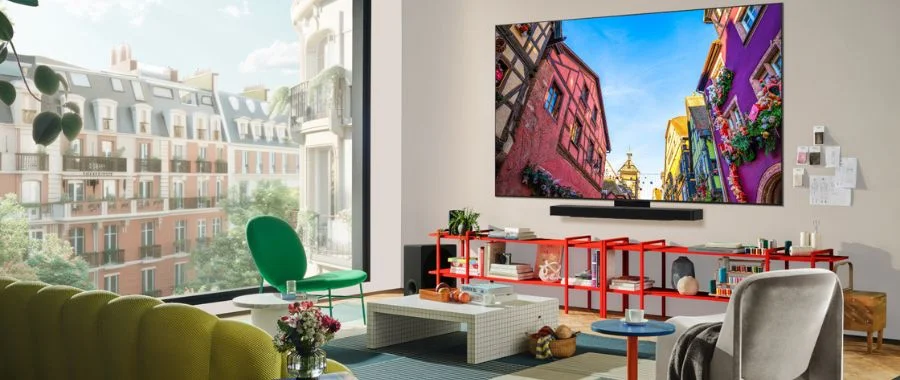

This B5, C5 and G5 are no longer available, but we have a new comparison of LG's latest OLED models with our guide to the LG B6 vs C6 vs. G6 and which you should choose.
LG is a brand that's absolutely loved for the perfect black levels on their popular, classic OLED TVs. And this year, LG has revamped one of its most popular series of OLED TVs, the LG B5, C5 and G5. Last year's LG 4 series impressed some, especially the popular C4 and G4-thanks to features like wide viewing angles, great contrast and impressive black levels. To read more about the 4 series, check out our analysis from last year. And while last years' TVs impressed some, LG has brought everything to the next level in 2025; if you're looking for a new television, which would be best for you? We put all three to the test in this post on the LG B5 vs. C5. vs. G5.
The Screen's Size
LG B5 OLED AI TV 83-Inch 4K Smart with webOS 25 - OLED83B5PUA
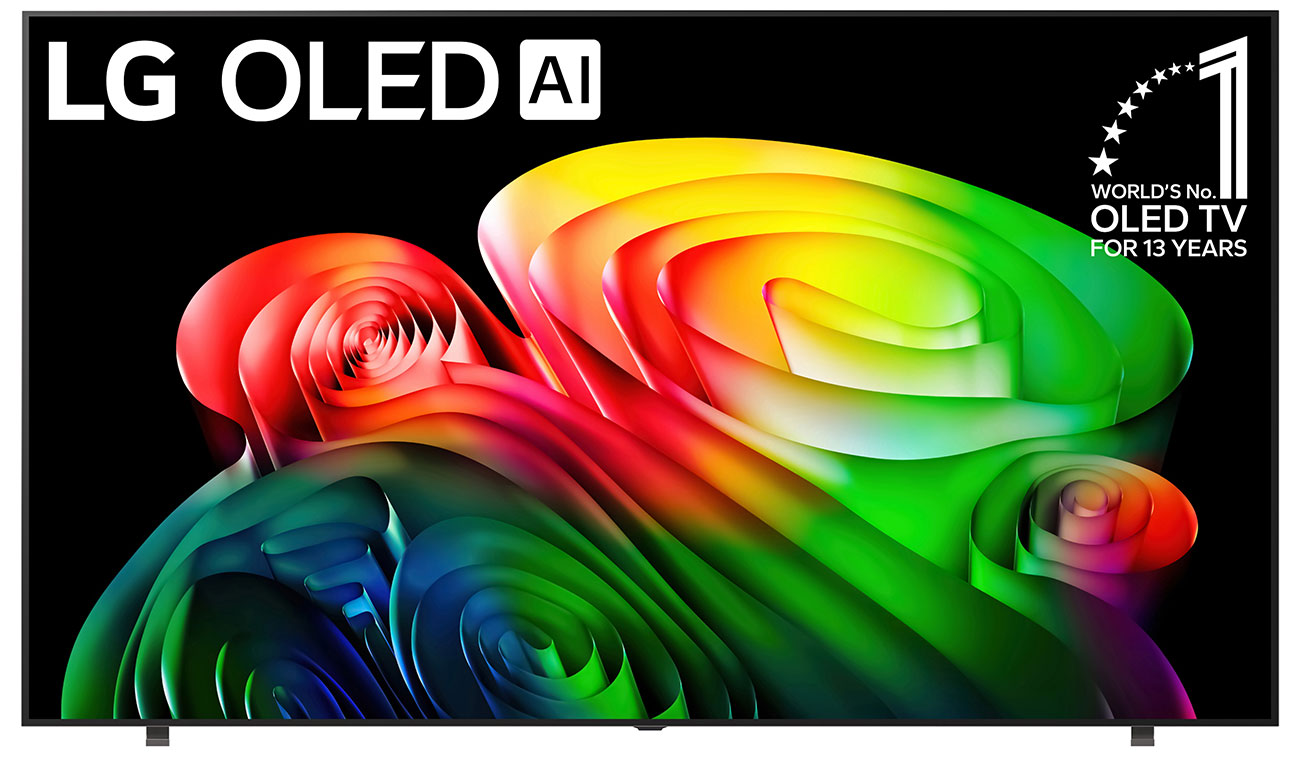

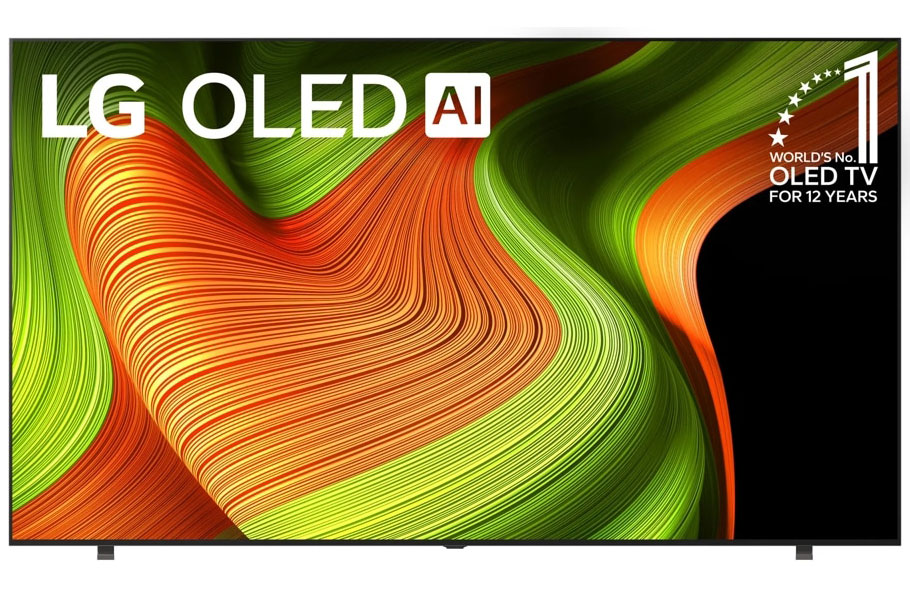
OLED TVs are best known for their deep blacks, especially when compared to classic LED TVs. LG helped pioneer the OLED technology itself, where organic light-emitting diodes illuminate each pixel individually. But before we get into the contest of the LG B5 vs. C5 vs. G5 in terms of screen quality, it's important to talk about screen size. These TVs are only available in certain sizes, and that may limit which model will best fit your space. For example, the LG B5 comes in only three sizes at Abt: a 55-inch, 65-inch, and an 83-inch version. If you're hoping for something a little larger or even a little smaller, you may be better served by the other two televisions. When it comes to the C5 vs. the G5, The popular C5 comes in a 42-inch, 48-inch, 55-inch, 65-inch, 77-inch, and 83-inch model. Finally, the G5 comes in five sizes: the 55-inch, the 65-inch, the 77-inch, the 83-inch, and the 97-inch for a true theater-like experience. If you have a larger room with more distance between your seating area and the television, you'll definitely want an extra-large screen. But if you're looking for a TV screen for a smaller space, like a bedroom, then a smaller OLED TV might be a better fit for your home. Take that into consideration moving forward-and for more detail on TV sizing, read up with our guide to TV sizing and buying.
Frame Size, Stands & Fit
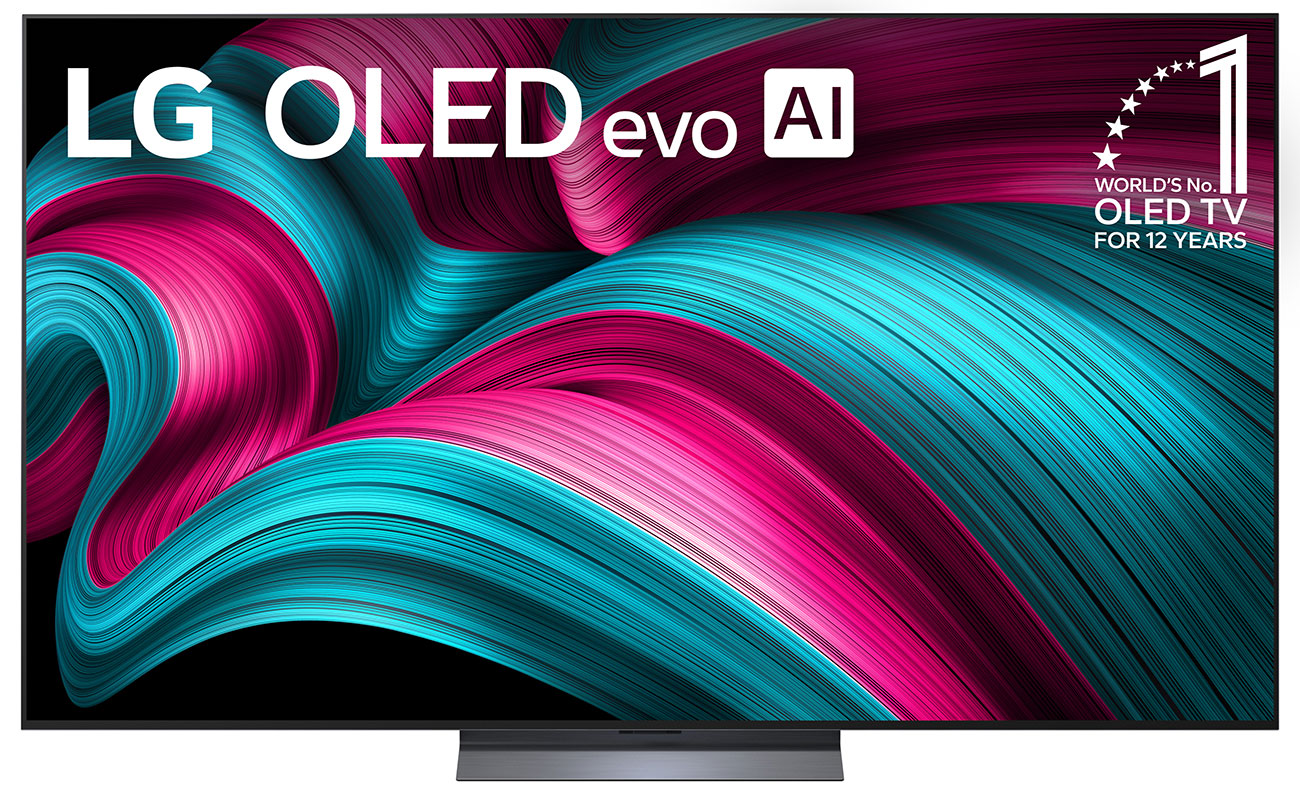
The LG B5 vs C5 vs. G5: they don't all look the same, even when the screen is turned off. There are some key design differences between these OLED TVs that might make one better for your home than another. For example. every member of the B5 series features two feet that act as a stand. The C5 series has a different stand; much like the C4, the pedestal stand is in the center of the TV for a sleek look that gives the television a design upgrade-and it fits perfectly on narrow furniture. However, the 42-inch LG C5 uses the same two-foot stand system that the B5 does. Next, the G5. The best of the series, the G5, is truly meant to be wall-mounted instead of placed on a stand. That's why instead of a stand, legs or pedestal, it comes with its very own VESA wall mount. While the B5 and C5 TVs can also be wall-mounted, you'll have to buy your wall mount separately if you choose one of those TVs.
No matter what, you can be sure that the experts at LG have designed the stand or wall mount to be stable. Thanks to a stable stand and proper setup, you can focus on factors like screen quality, audio and connectivity with the LG B5 vs. C5 vs. G5.
Ways to Connect: Wi-Fi, HDMI and More
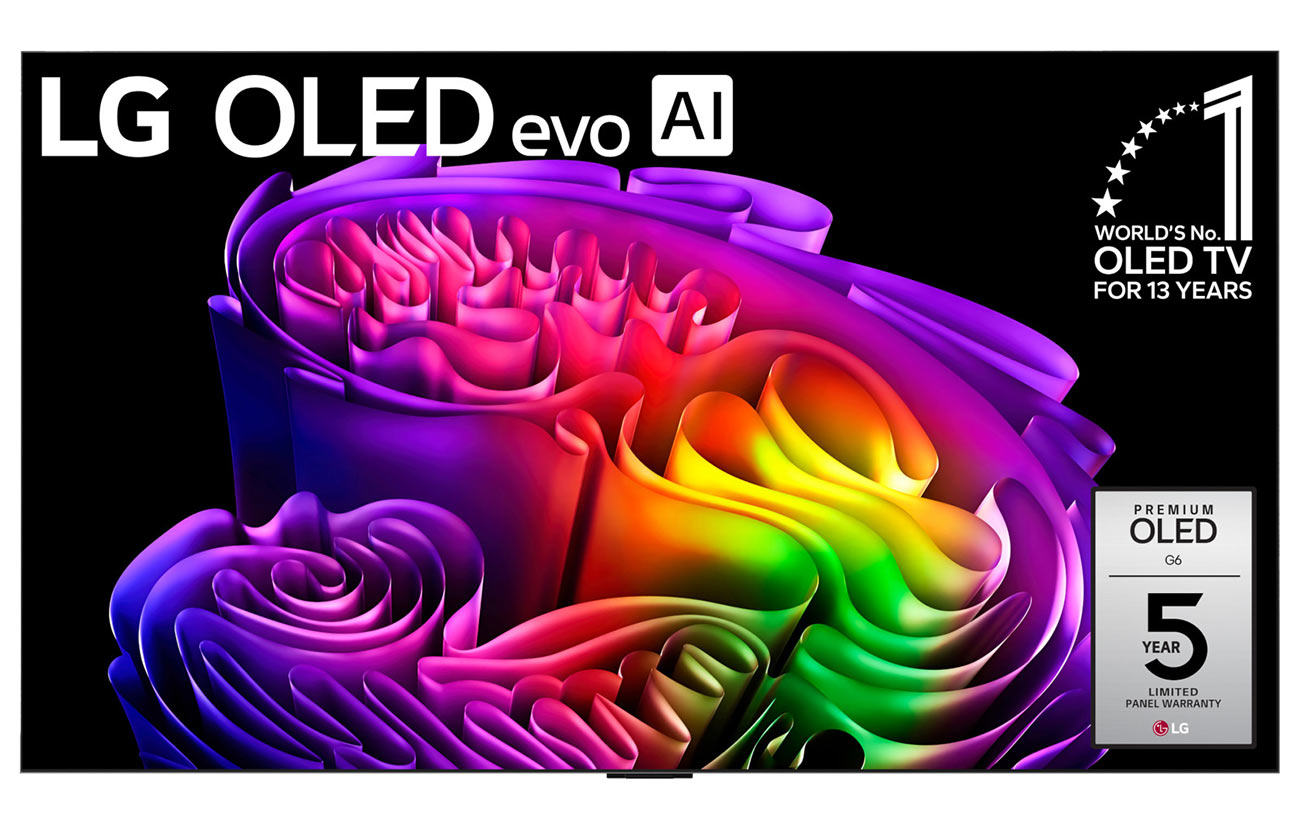
LG OLED evo AI G5 4K 83-Inch Smart TV - OLED83G5WUA

TV connections are more important than you might think, especially when it comes to a true investment like the B5 vs. C5 vs. G5. Maybe you're connecting something like a soundbar, TV streaming devices or a video game console. For these, you'll want some HDMI ports. Thankfully, even the LG B5 has lots of space, with 4 HDMI ports, 2 USB-A ports, one Ethernet port, an optical outpt, an RF connector for antenna or cable, and a RS-232C cord. The four HDMI cords support 4K at 120Hz and VRR for gaming, meaning that gamers will be happy with the high definition and the variable refresh rate. Users can connect via Wi-Fi 6E as well as Bluetooth 5.3. Things go up from there in the fight between the LG B5 vs. C5. vs. G5. The LG C5 upgrades with higher-quality 4K at 144Hz high-refresh gaming as well as an extra USB-A and a headphone output that's perfect for wired home theater systems. Finally, the LG G5. Both the G5 and C5 have an upgraded eARC-enabled HDMI 2 port made for optimized audio. But when it comes to the HDMI ports, the G5 goes further with HDMI ports that support up to 165Hz, the perfect level for serious gamers.
If you're hoping to learn more about the connections and ports, dive deep into the specs on our product pages and you'll be able to compare the TVs easily. Before we talk about the most important aspect (the screen), we'll touch on these televisions' audio quality.
The Audio
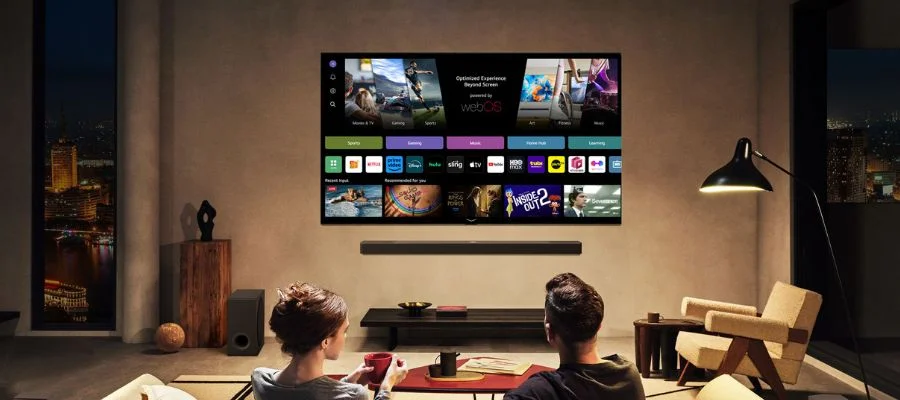
Audio is a massive part of the sensory experience, and the sound of your TV can be an integral part of how you experience entertainment. We've picked apart the sound systems for all three of these TVs so you can see what's most important to you in the battle of the LG B5 vs. C5 vs. G5.
First, the LG B5. This OLED television features what looks like a simple design with just two channels, a left and right speaker. But the AI-powered processor improves the picture and sound as you watch it. Meanwhile, Dolby Atmos brings a more spatial sound to everything you watch. With that being said, you can always upgrade with a soundbar ... and if you choose an LG soundbar, you can easily enjoy WOW orchestra. With WOW orchestra, you'll hear sound from both your TV's built-in speakers and your soundbar, filling your space with truly immersive audio. The C5 also has two built-in speakers (though the G5 upgrades with a 4.2 channel system). Both televisions have WOW Orchestra and Dolby Atmos, but smart AI tech within boosts your sound quality thanks to the Personalized Picture & Sound Wizard. This feature analyzes your sound preferences to create an audio experience that's designed just for you. The biggest jump in audio quality definitely comes with the 4.2-channel system of the G5, which gives you two front speakers, two in the rear, and two integrated amplifiers. The C5 has fewer channels but all of the smart tech to make up for it. And when it comes to the B5, the right audio system (especially with WOW Orchestra) will make up for any gap in quality. It's rare to see a television without a proper soundbar in any case, so consider investing in a decent model.
The Picture
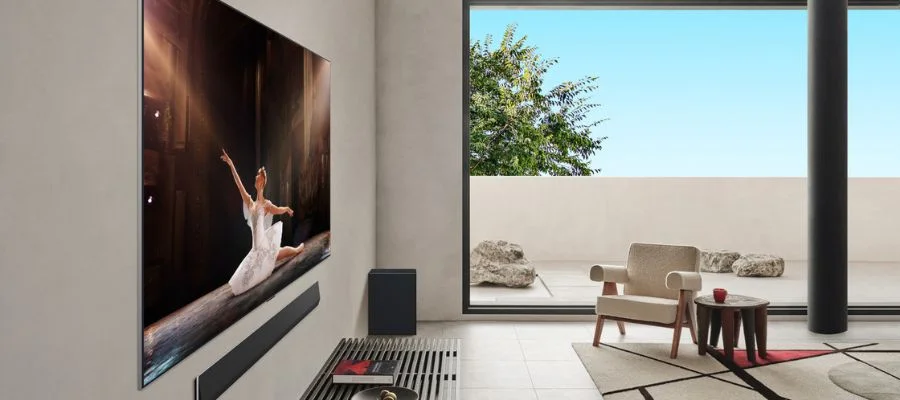
This is the most important aspect of any television, especially if you're considering upgrading from another OLED or aren't sure if buying one of the 2025 models is "worth the upgrade". As in past years, these TVs are a case of good, better and best, making the case of the LG B5 vs. the LG C5 vs. the LG G5 more of a comparison than a contest when it comes to these televisions' screens. Below, we've broken it down into a few of the most important factors to look for in a next-gen OLED TV.
- Brightness: The difference in brightness is one of the things that truly sets these televisions apart. The G5 brings some of the best brightness yet to OLEDs thanks to its Brightness Booster Ultimate technology. With Brightness Booster Ultimate, the G5 is a vivid 45% brighter than last year's G4. And while the C5 doesn't showcase the exact same Brightness Booster Ultimate, the larger mosdels (everything above 48 inches) feature classic Brightness Booster technology. Some might find that these brightness-boosting technologies are worth the buy: one of the few complaints that people can have against OLEDs is that they can look dim, and these features push LG's televisions to go as far as they possibly can.
- Processors: Each of these flagship OLED TVs packs an extra-intelligent processor that powers upscaling, AI technology and so much more. This is where all of the "thinking" happens, from upscaling standard definition to 4K to advanced, user-friendly operating systems. Each TV has a stronger, faster processing system than the last does, with the B5 featuring the Alpha 8 AI Processor Gen2, the C5 featuring the Alpha 9 AI Processor Gen8, and the G5 featuring the Alpha 11 AI Processor Gen2.
- Glare: Both the G5 and the C5 are designed to be fight glare and reflection, and they're certified as Glare Free by UL. That makes it easy to watch your favorite sports, movies and shows in bright rooms, even if the lighting hits the TV at an angle. While the B5 comes in last for both brightness and glare-reduction, it's still an impressive OLED. That's thanks to all 8.3 million self-lit pixels, each of which is designed with Dolby Vision for boosted brightness and an increase in contrast and color.
Which Is Yours?
Like in previous years, with these TVs it is again a case of good, better or best-but the real question is "Is it worth the upgrade?" While that depends on your needs, what truly stands out here is the upgraded anti-glare technology and Brightness Booster. If you were disappointed in last year's lineup, you'll be happy to see that this year's TVs feature processors that are true improvements-and anything designed with brightness boosting tech is worth an upgrade, especially the C5 and G5. The C series is especially loved by gamers, and they'll appreciate the improved processor, brightness and lack of glare. The G5 is more for film fanatics who want the absolute best from their entertainment, but the 45% increase in brightness makes this model anyone's TV. As in past years, the B series is definitely designed more for the casual viewer who still wants an amazing OLED experience that brings the best of LG's colors, contrast and deep blacks. Still not sure who wins for you in the battle of the LG B5 vs. C5 vs. G5? Our television experts know exactly how to help. Call us at 800-860-3577, or head into our Chicagoland showroom to see these TVs yourself.
LG B5 vs. C5 vs. G5 FAQs
-
The LG C5 television does not have MLA (Micro Lens Array) technology. Instead, the C5 has a classic WOLED (White OLED) panel. With a WOLED panel, light passes through red, green and blue color filters as well as a white subpixel to create what you see onscreen.
-
No, the LG G5 does not come with a stand. Instead, it comes with a wall mount.
-
At the time of publication, the LG G5 ranges in price from $2,197 to $24,997 depending on its size.


