


What Do Meta Glasses Do? The Pros & Cons
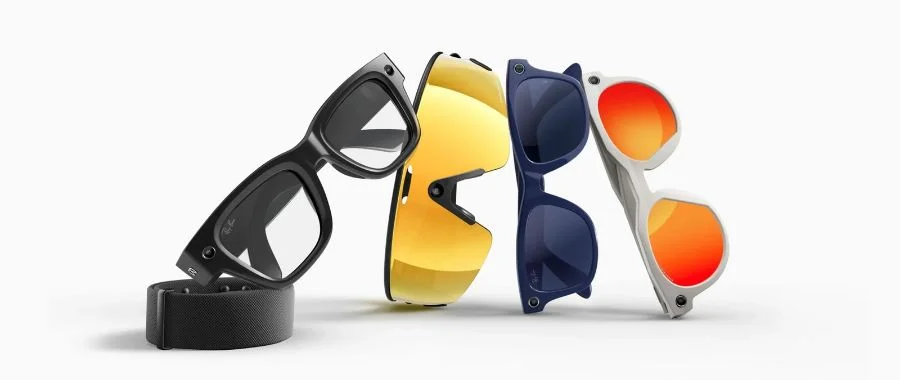

Maybe you've heard of them, or maybe these products are completely new to you, but Meta Glasses are here. Smart glasses have arrived, and unlike past concepts and failures to launch, these are real, and they're getting popular. So what are they, and what do Meta Glasses do? Think of these as a frictionless personal assistant. Imagine you have a deadline that you’re trying to meet for work or school, and you're juggling and struggling to make it from point A to point B. Maybe you have a new pitch or proposal for a client; maybe you're struggling to remember background info. Maybe you're about to walk out the door in the morning and just want to know what the weather will look like outside. Or maybe your phone isn't nearby, but snapping a photo of that note, email or just your dog is absolutely what you need. You can accomplish everything on that checklist with your glasses, all with the simple click of a button or a voice command. Meta Glasses have been a companion or assistant, helping make life easier ever since they were introduced in 2021. The smart glasses aren't a solution to all day-to-day problems, but you'd be surprised at how often you'll find yourself reaching for your Meta Glasses with questions and walking away with answers.
Meet Meta Glasses
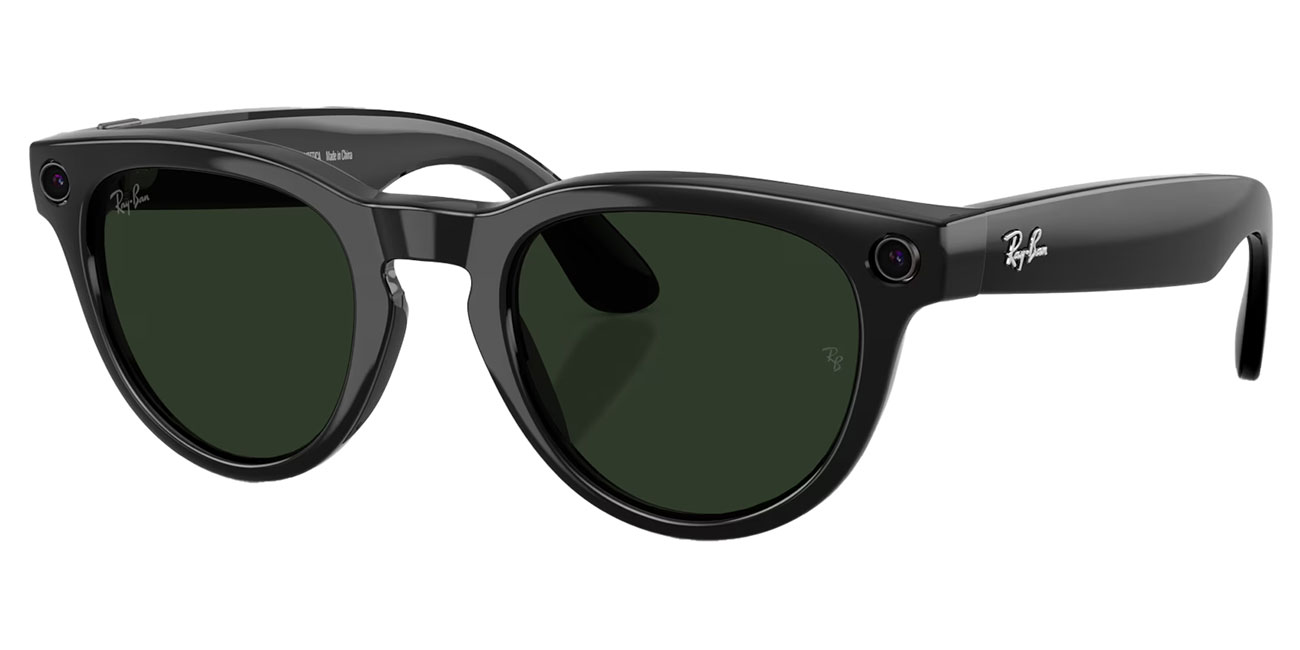
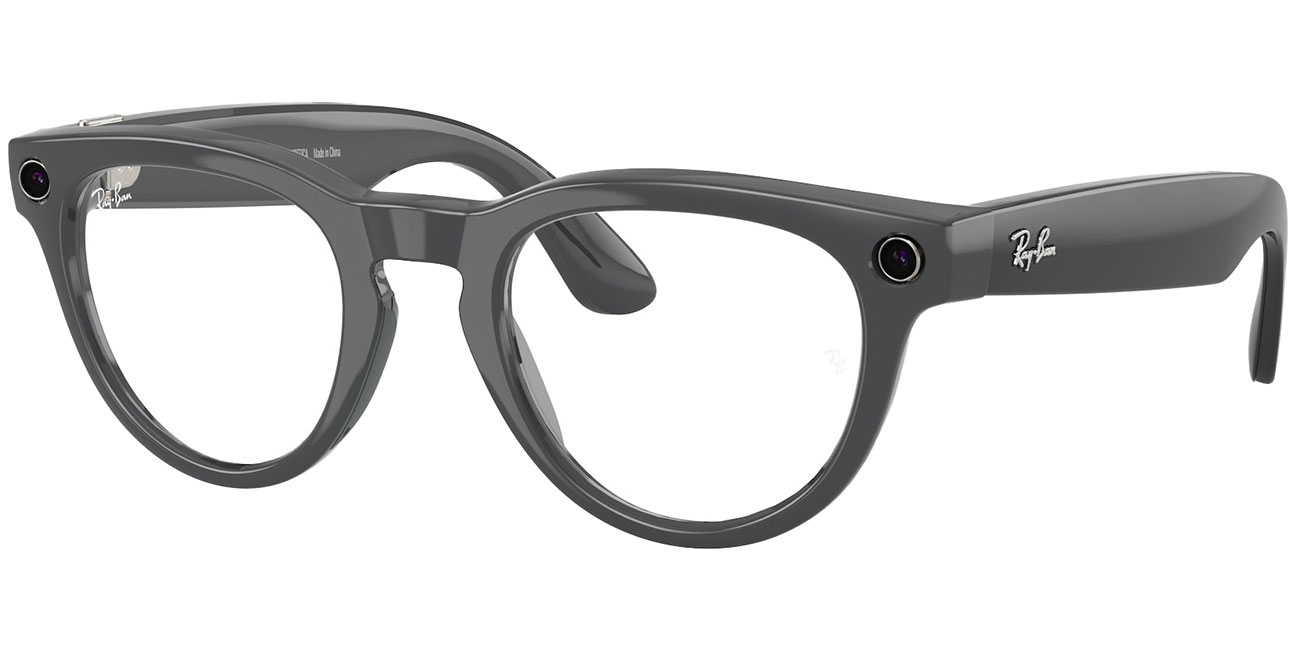
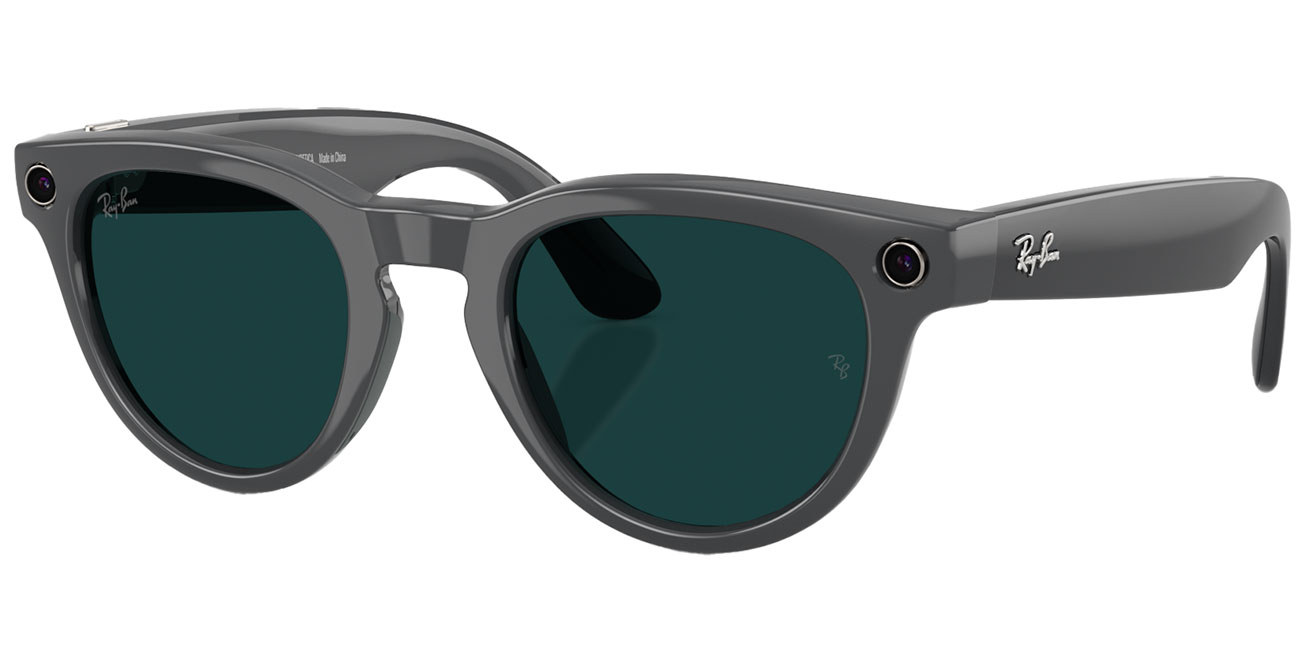
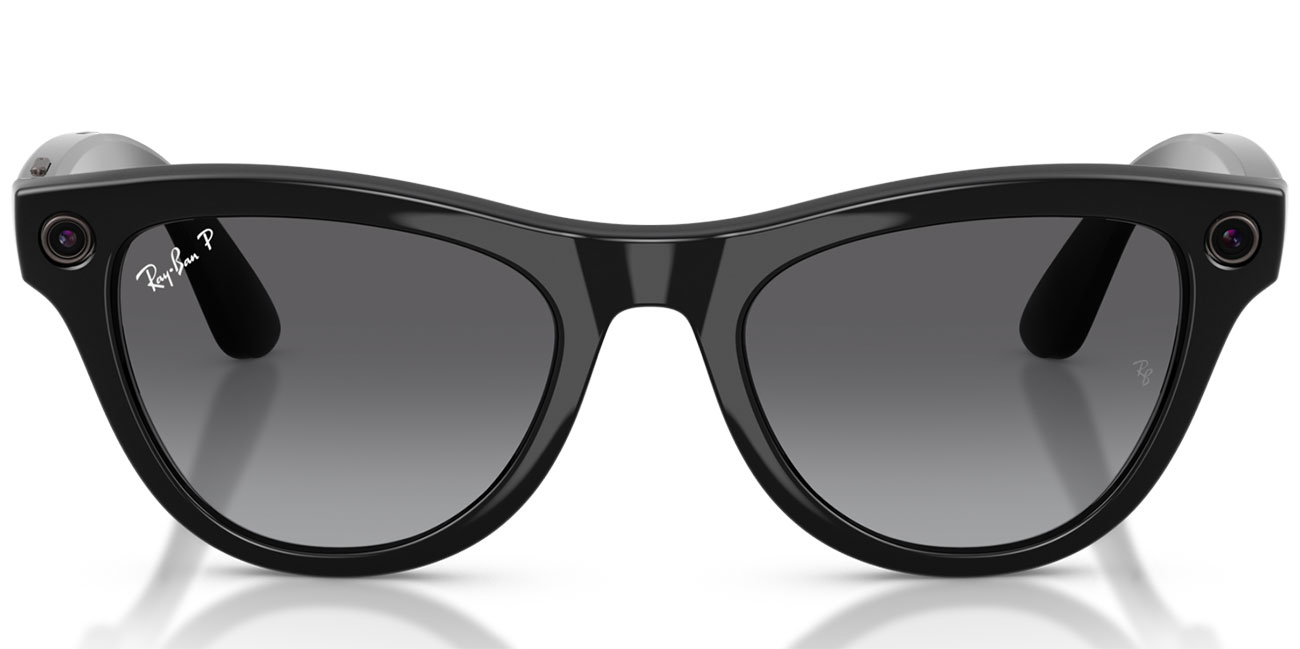
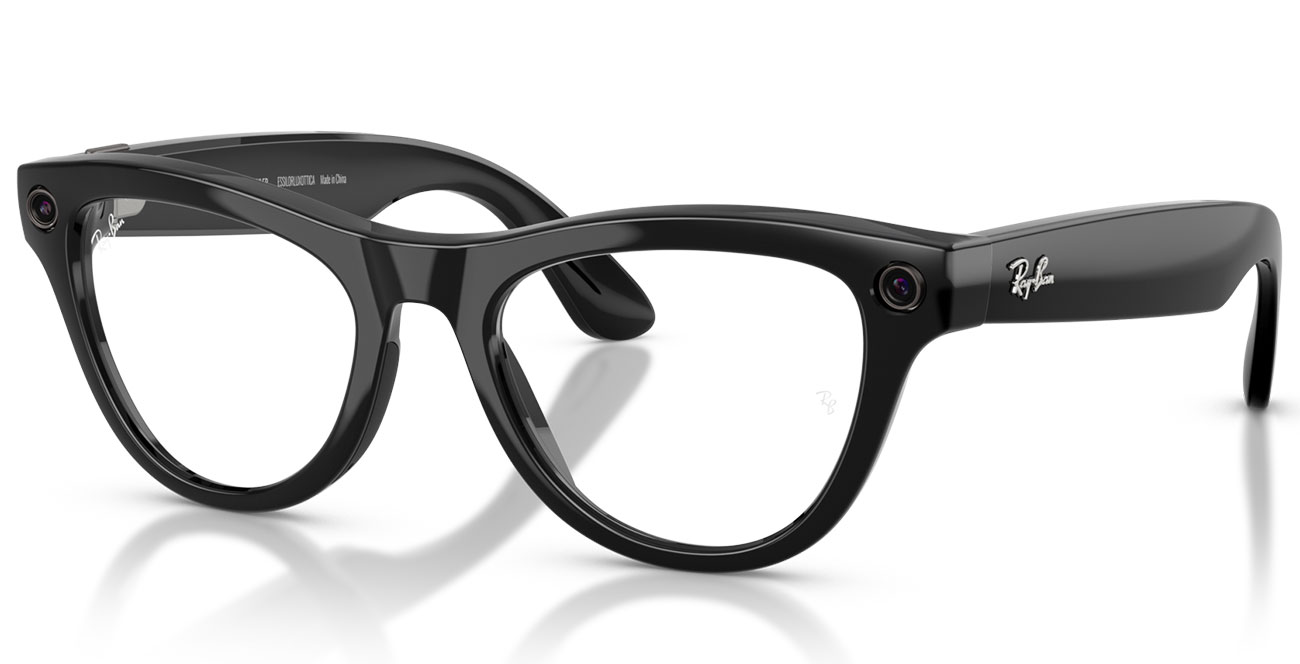
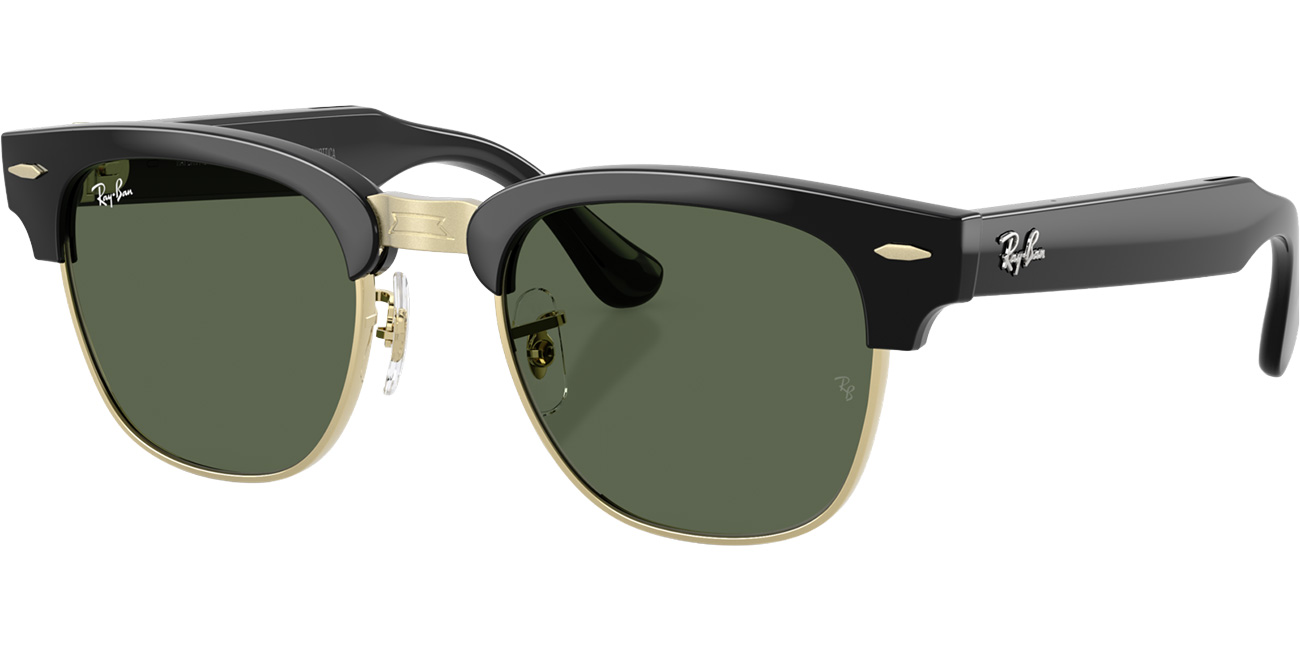
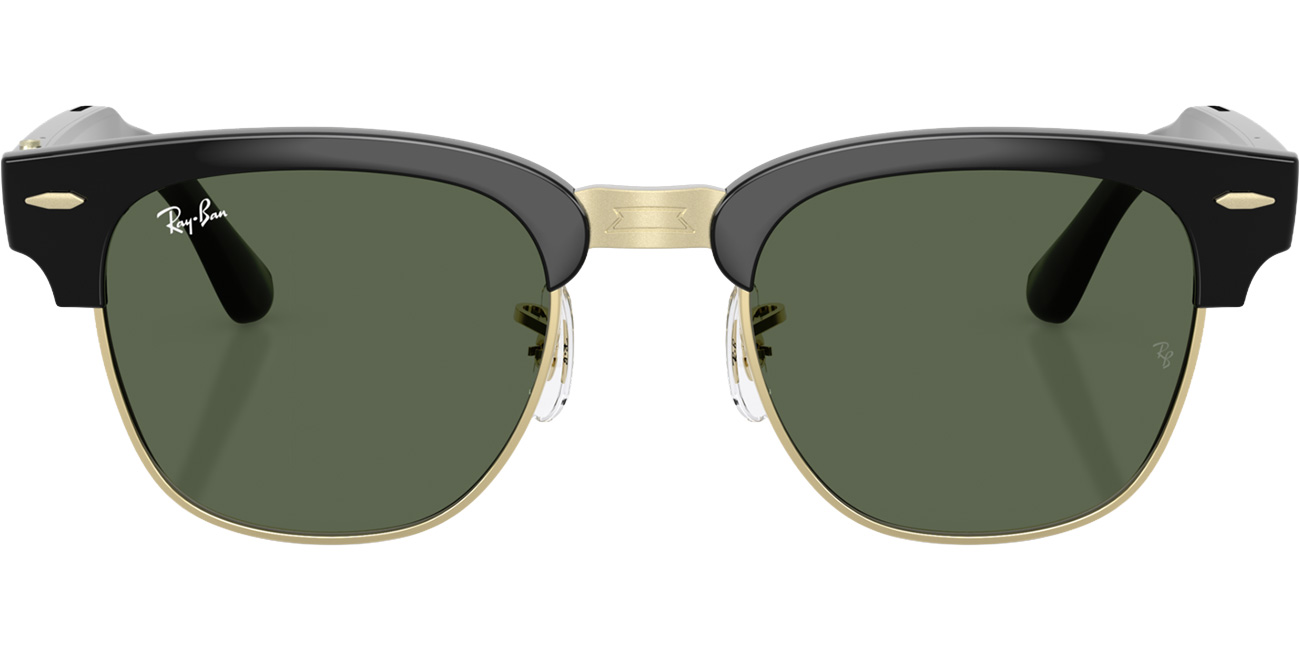
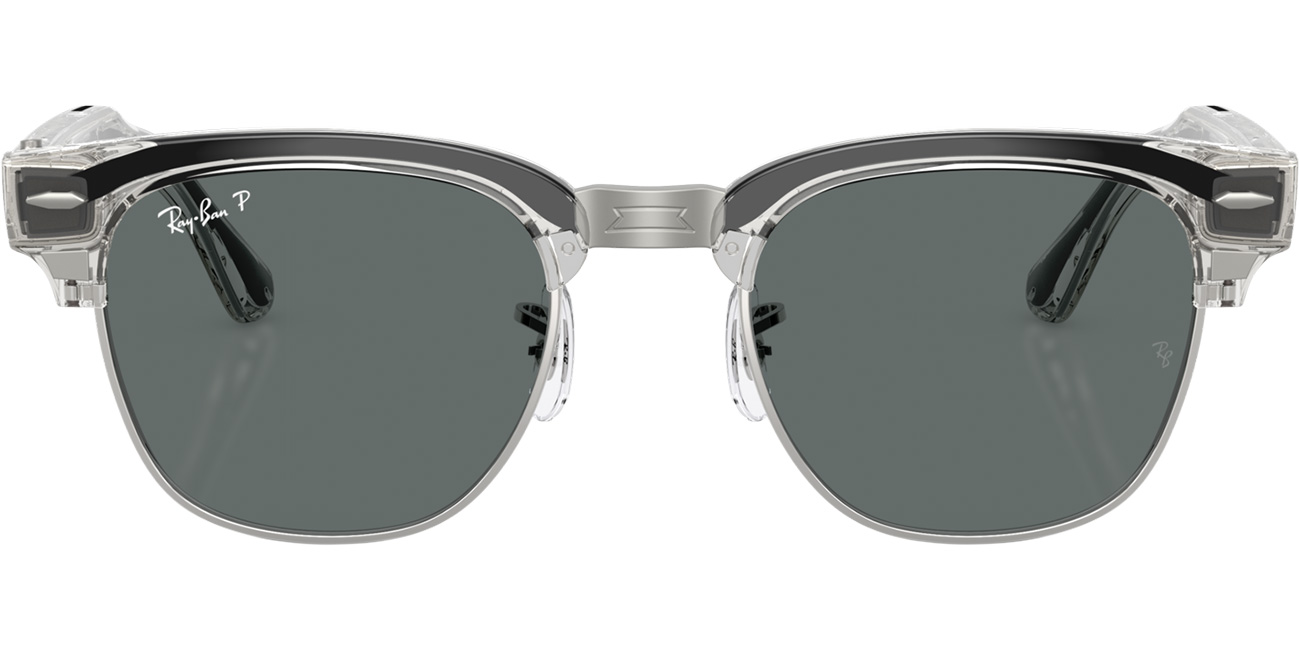
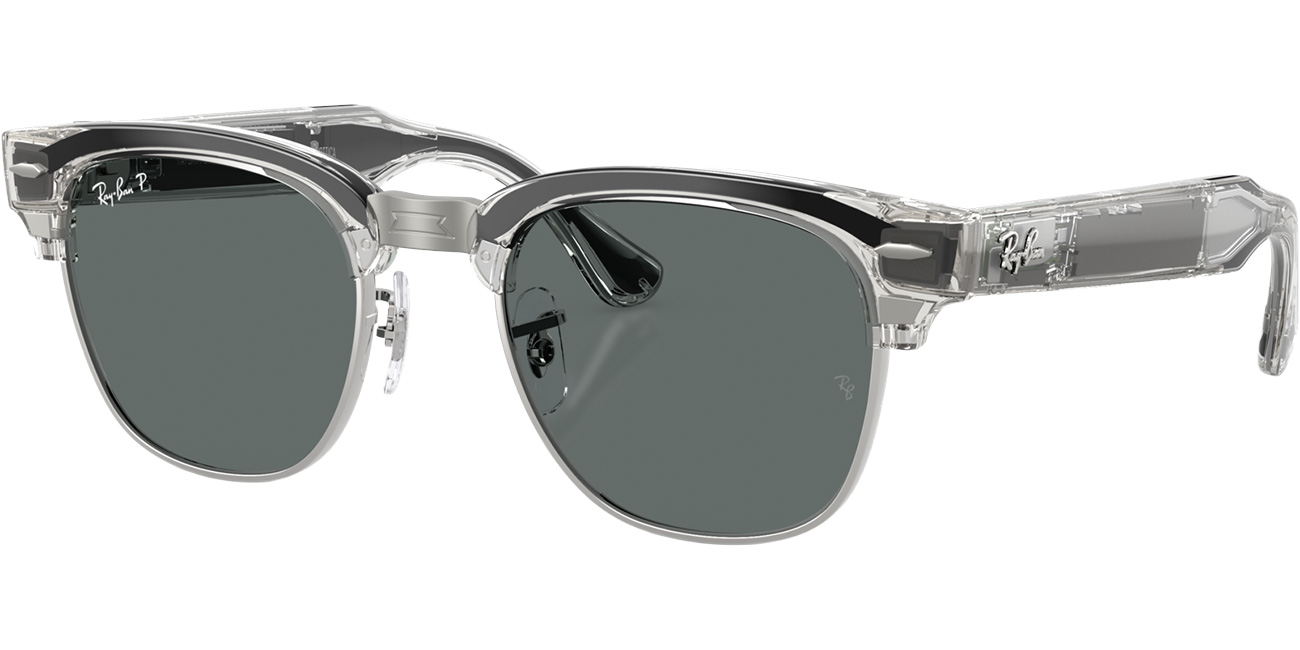
Ray-Ban Meta Wayfarer Sunglasses (Gen 2) 50mm in Shiny Black with G-15 Green Lenses - RW4012-6017150









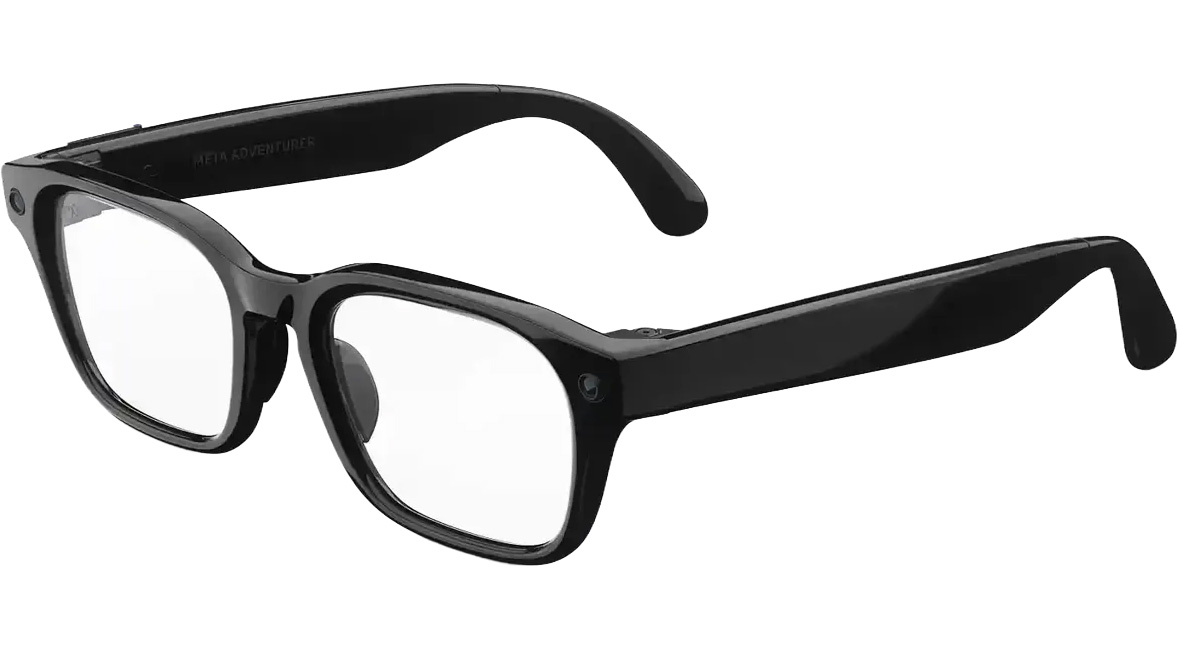
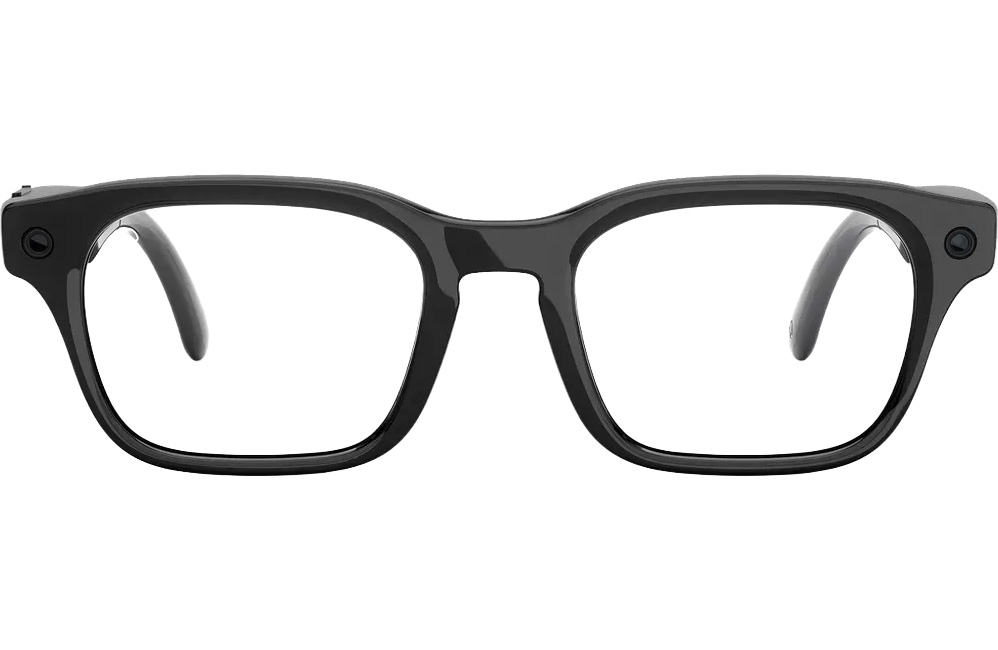
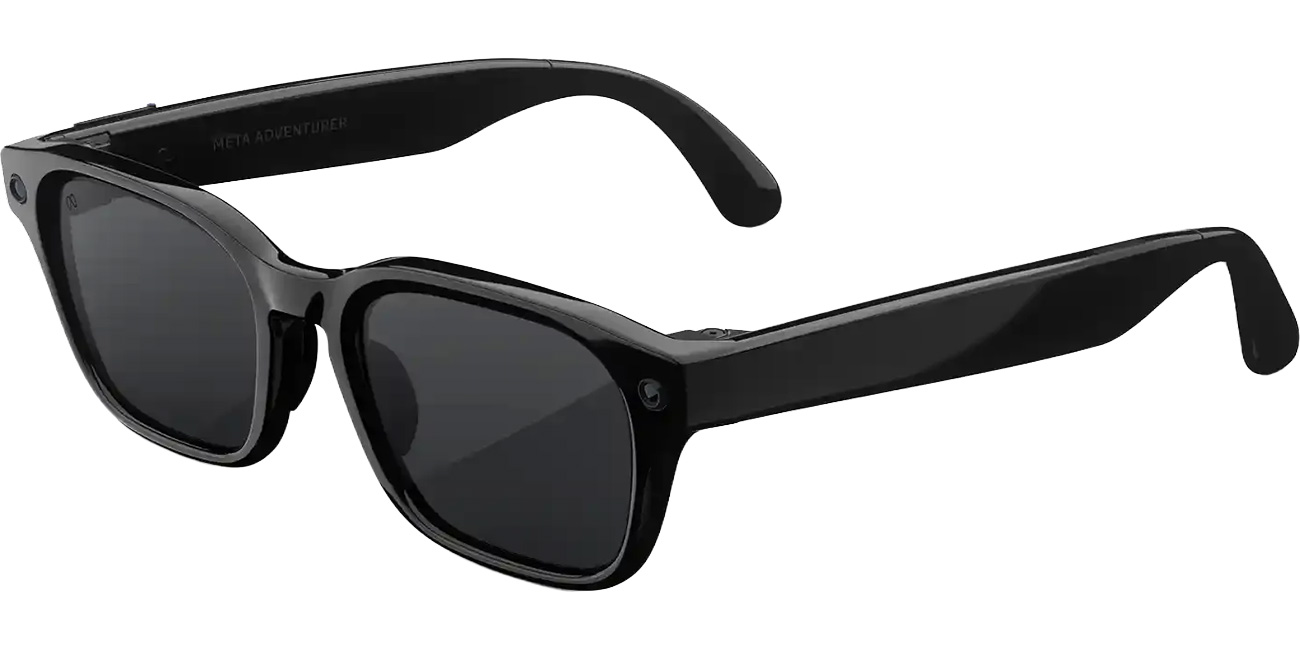
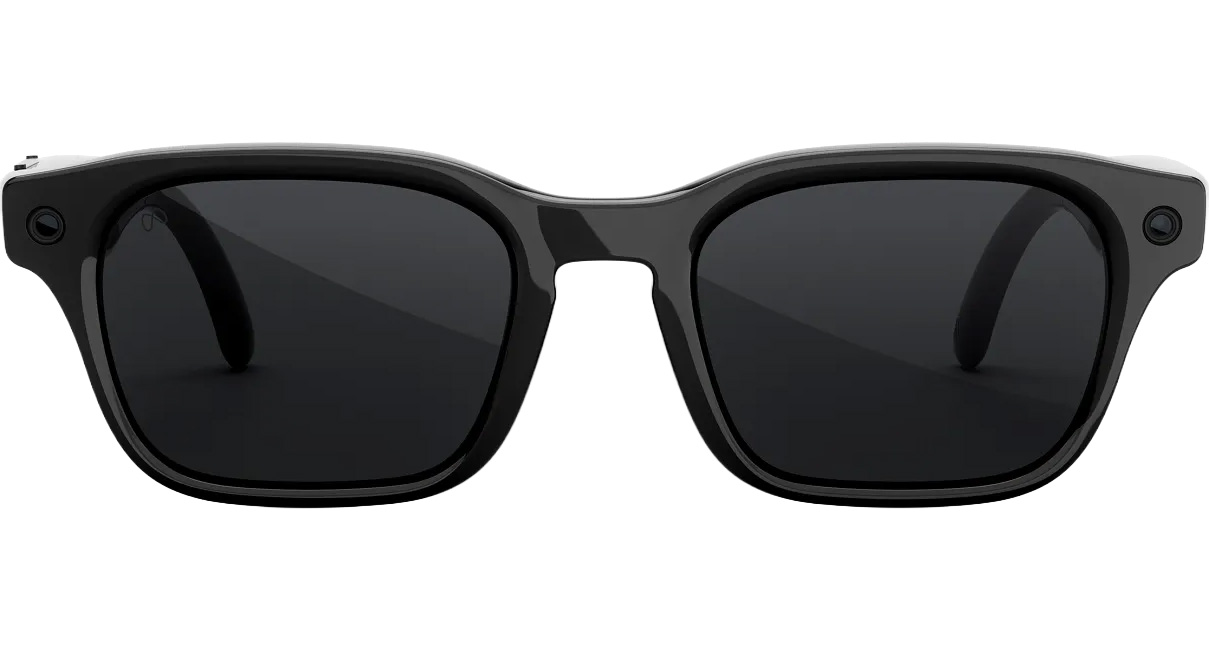


What Are Meta Smart Glasses?
But first off, what are Meta Glasses? How can these work with your needs, and where do you start if you want a pair? This post covers just that, breaking down features, styles, common pros and cons and important questions to ask.
You've likely heard of Meta, the parent company behind social media giants Facebook and Instagram. They've been working to perfect smart glasses for years now with help from industry experts. So, what do Meta Glasses do? These smart glasses are known for their ability to take a picture or video with the tap of a button, while open-ear speakers, a microphone and an AI assistant all work together seamlessly. Your phone stays out of your hand more, and your eyes stay focused on the world around you.
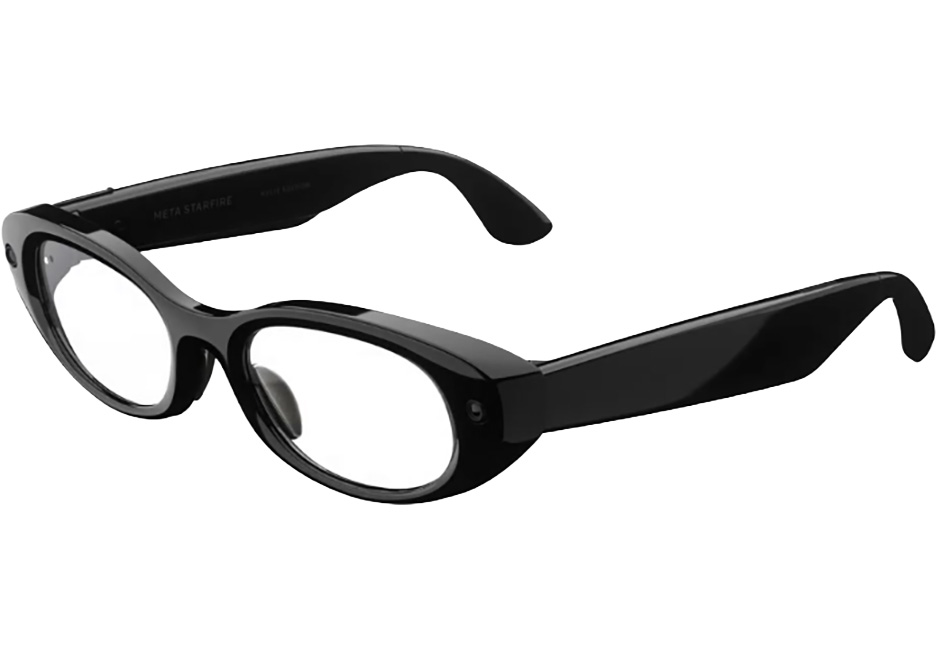
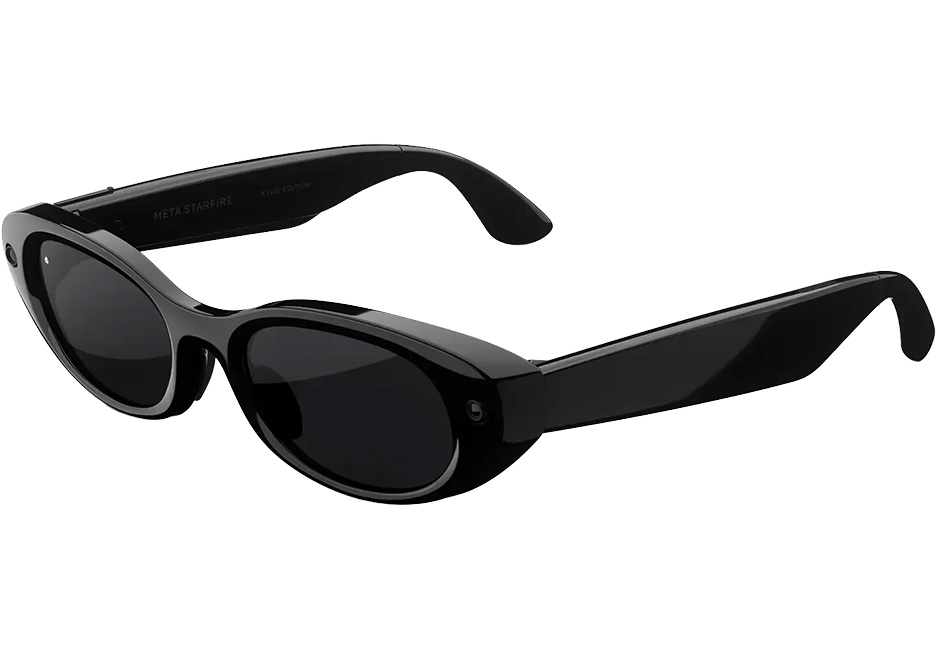
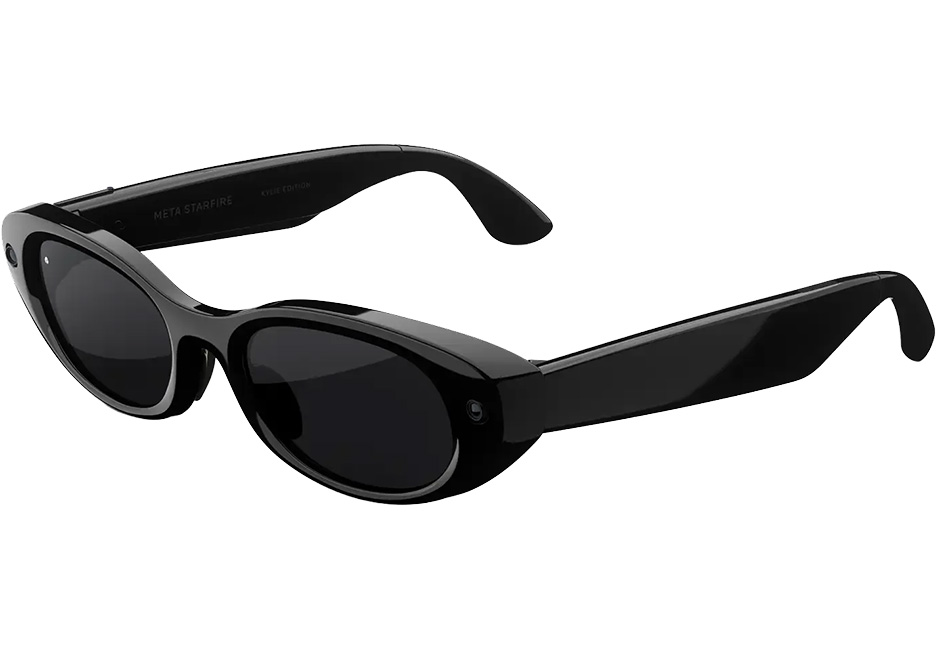
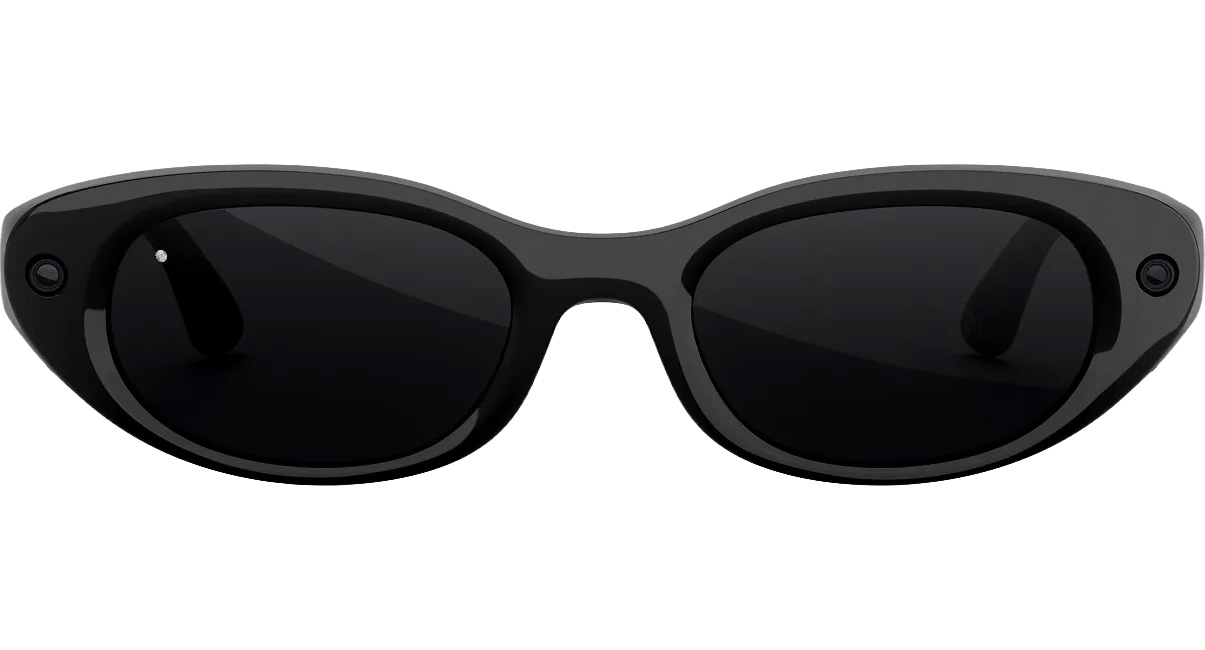
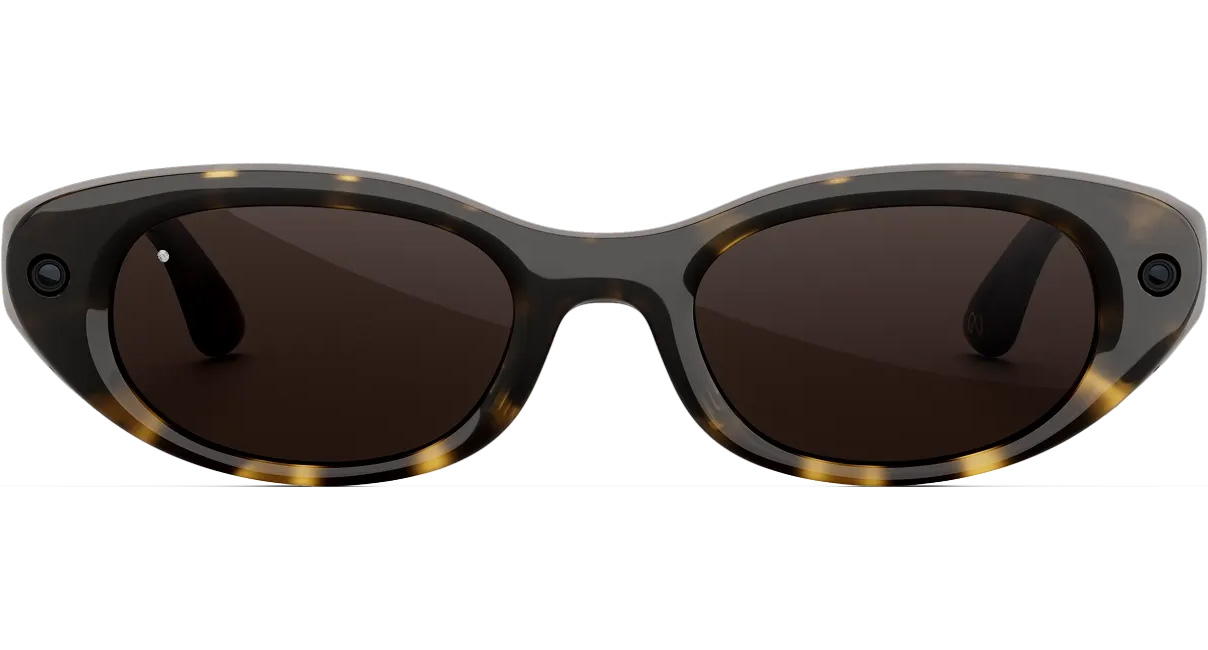
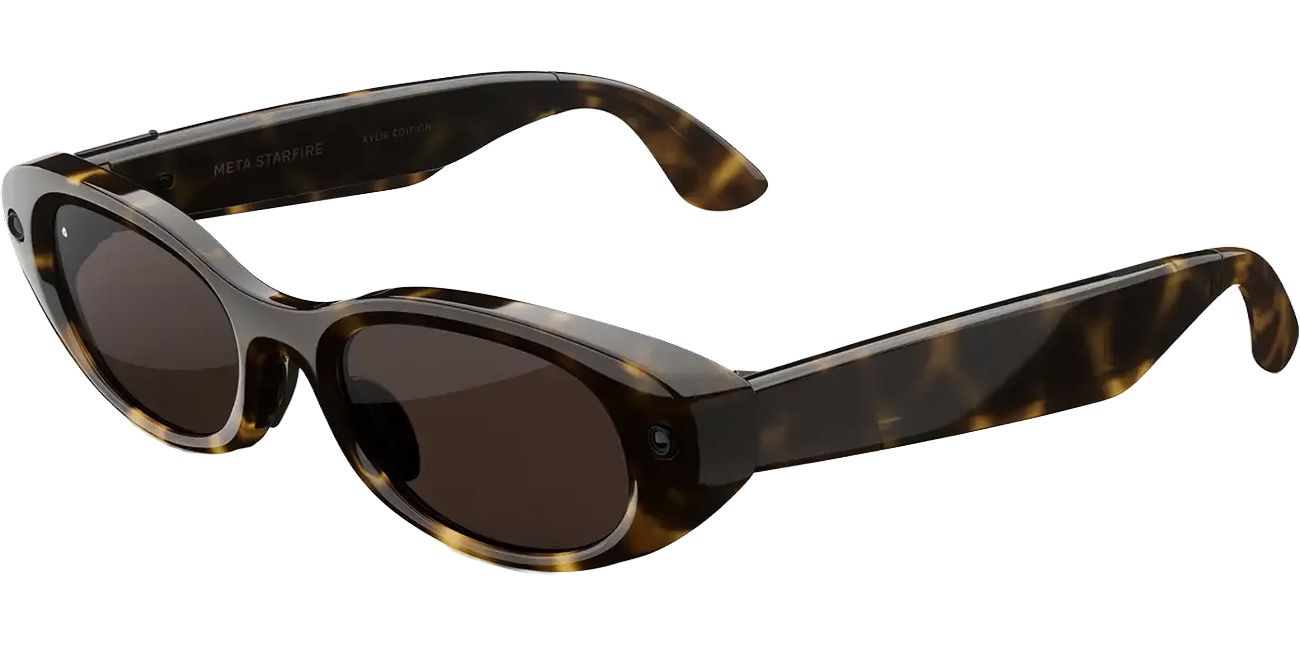
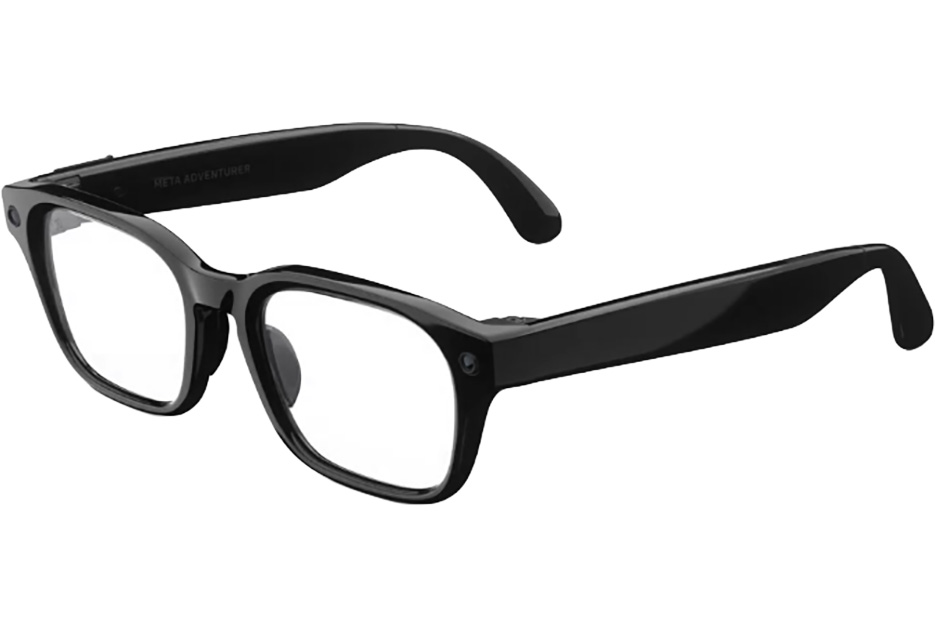
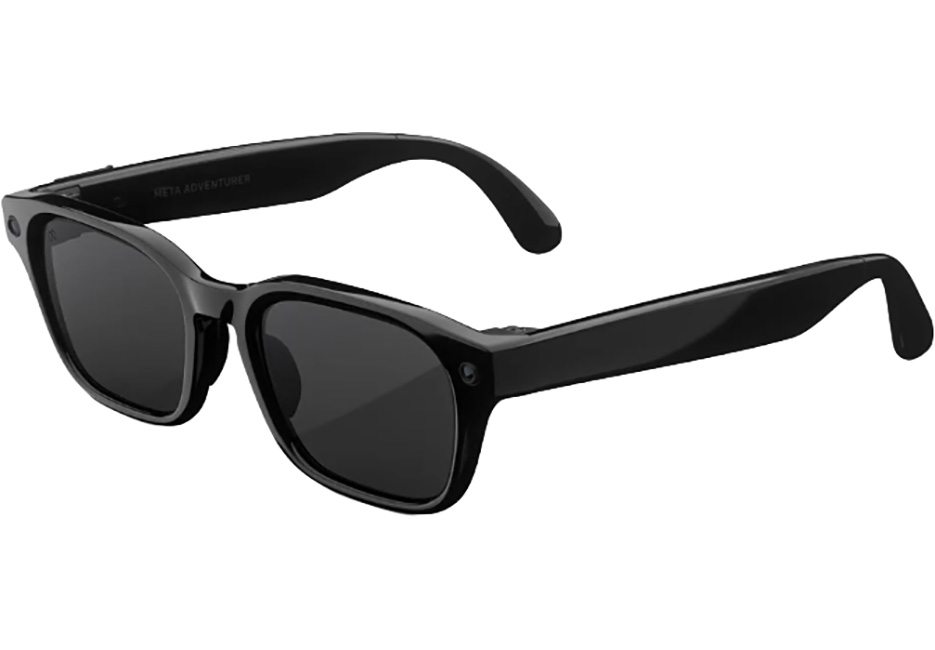
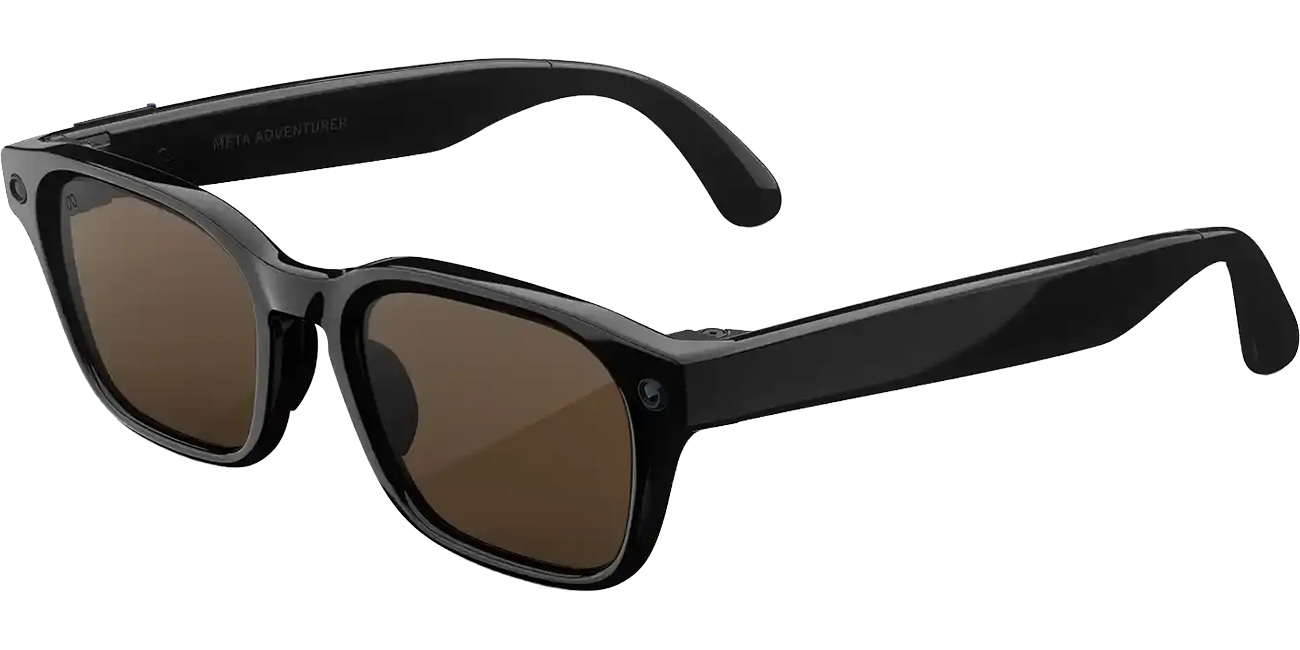
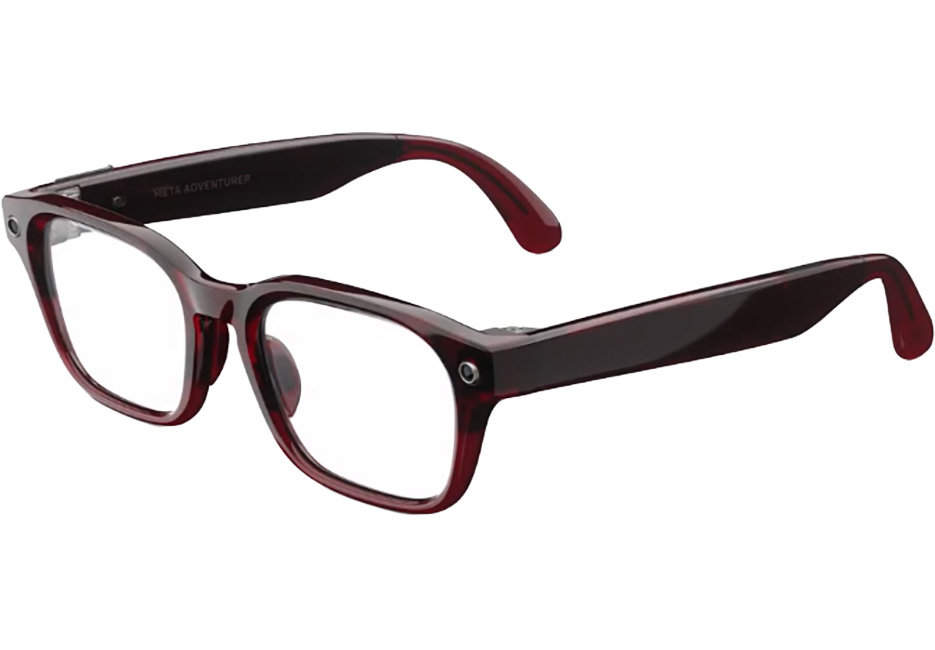
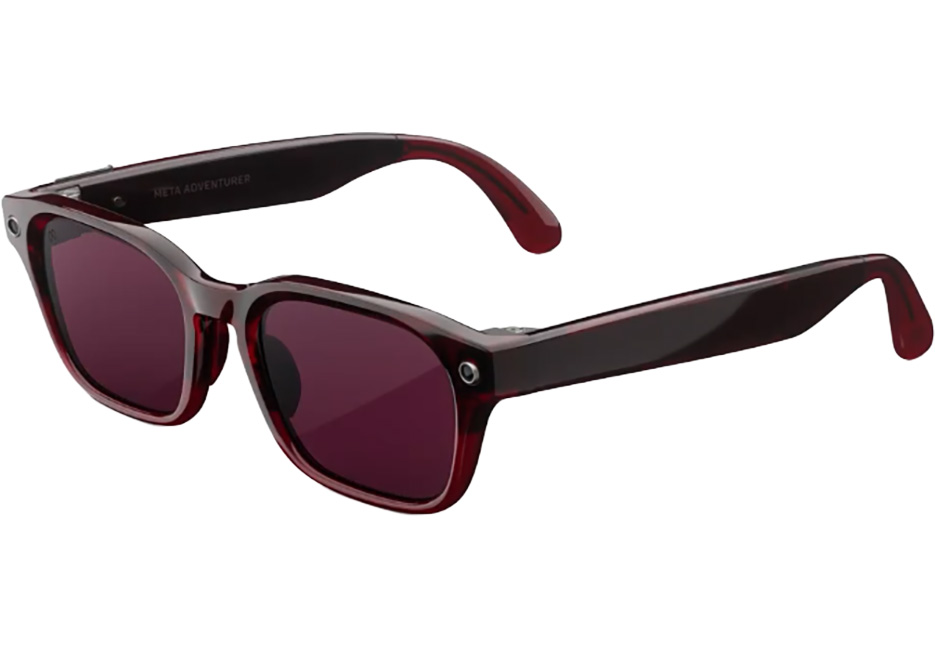
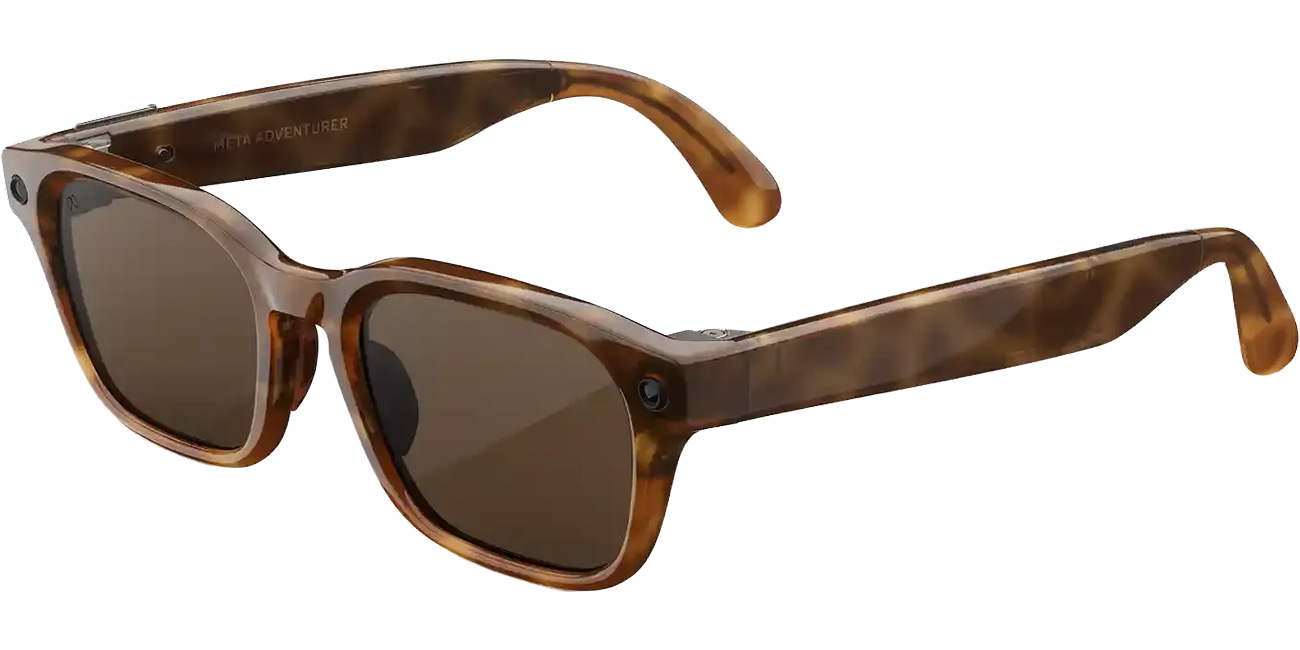
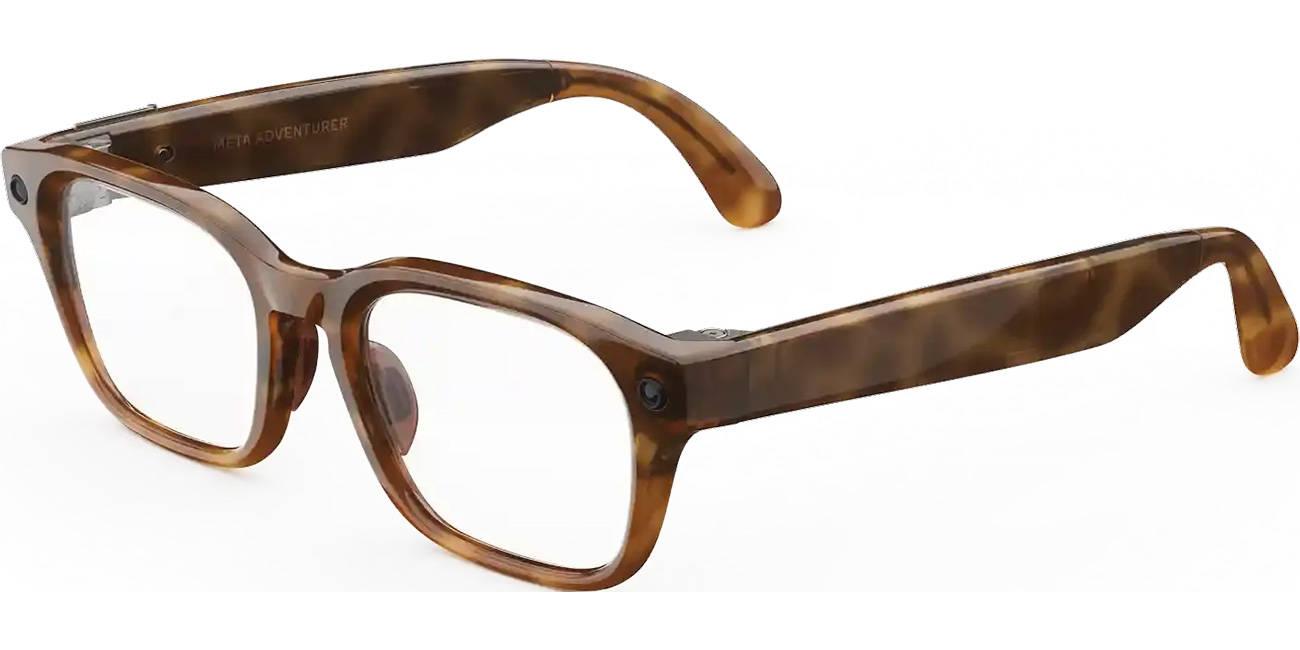
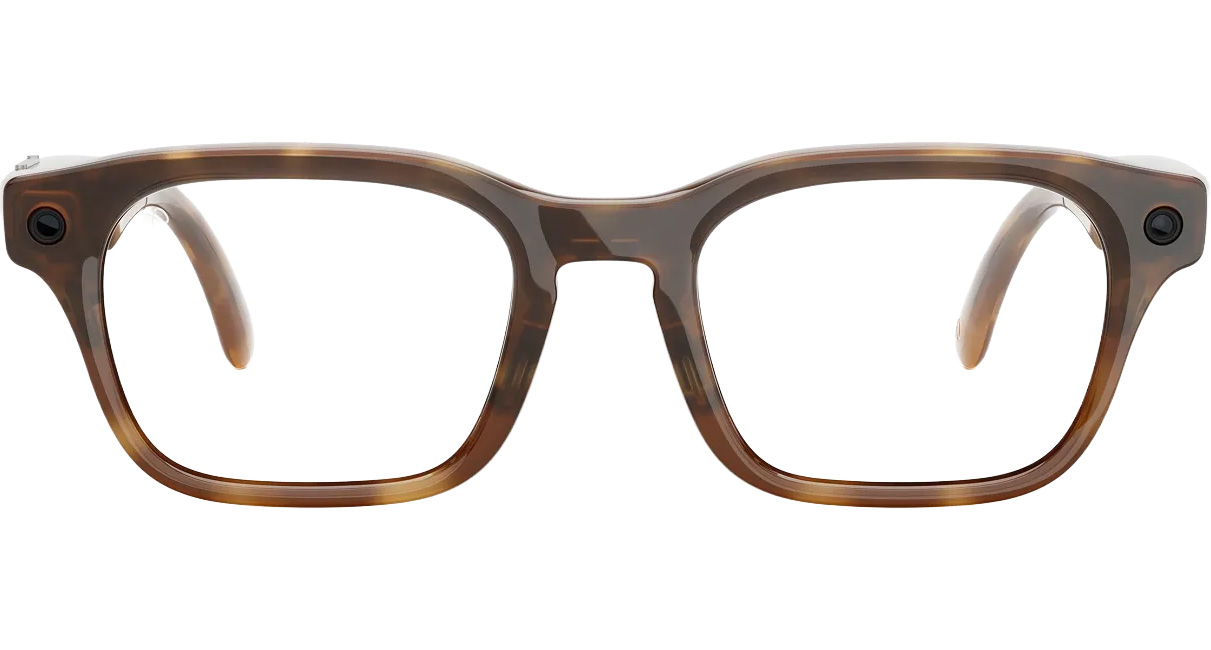
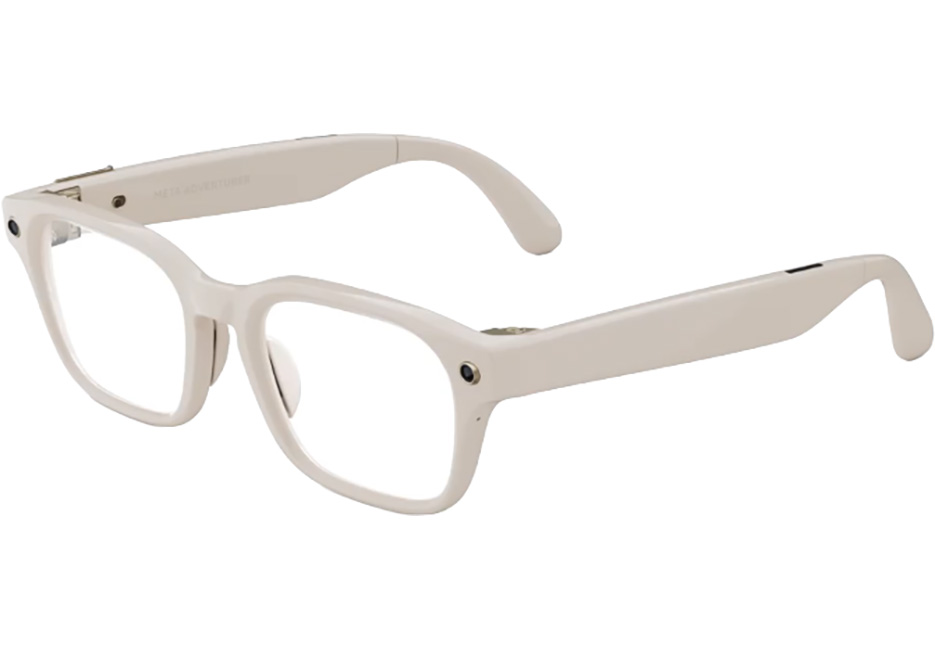
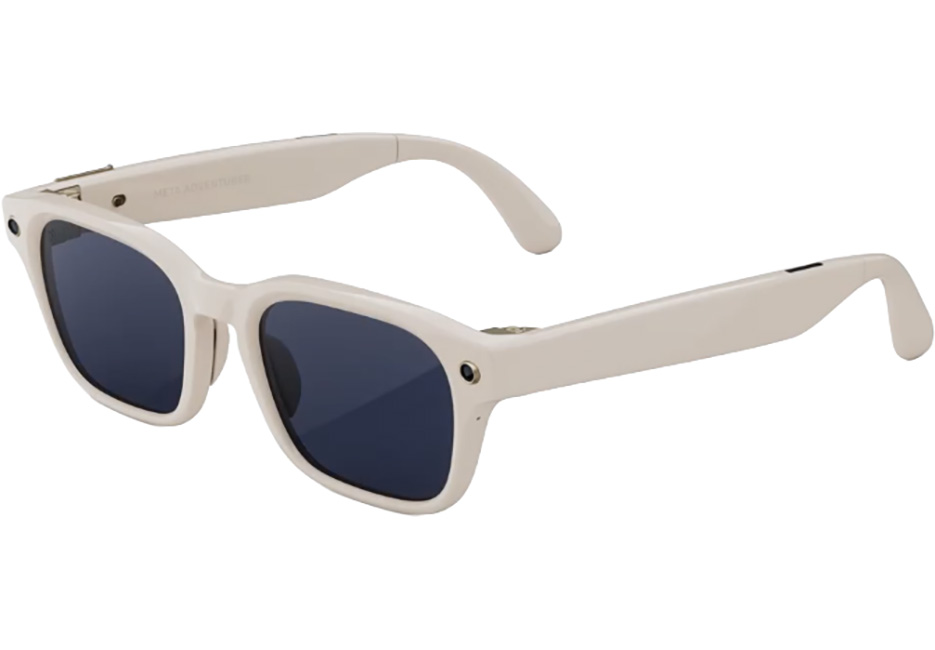
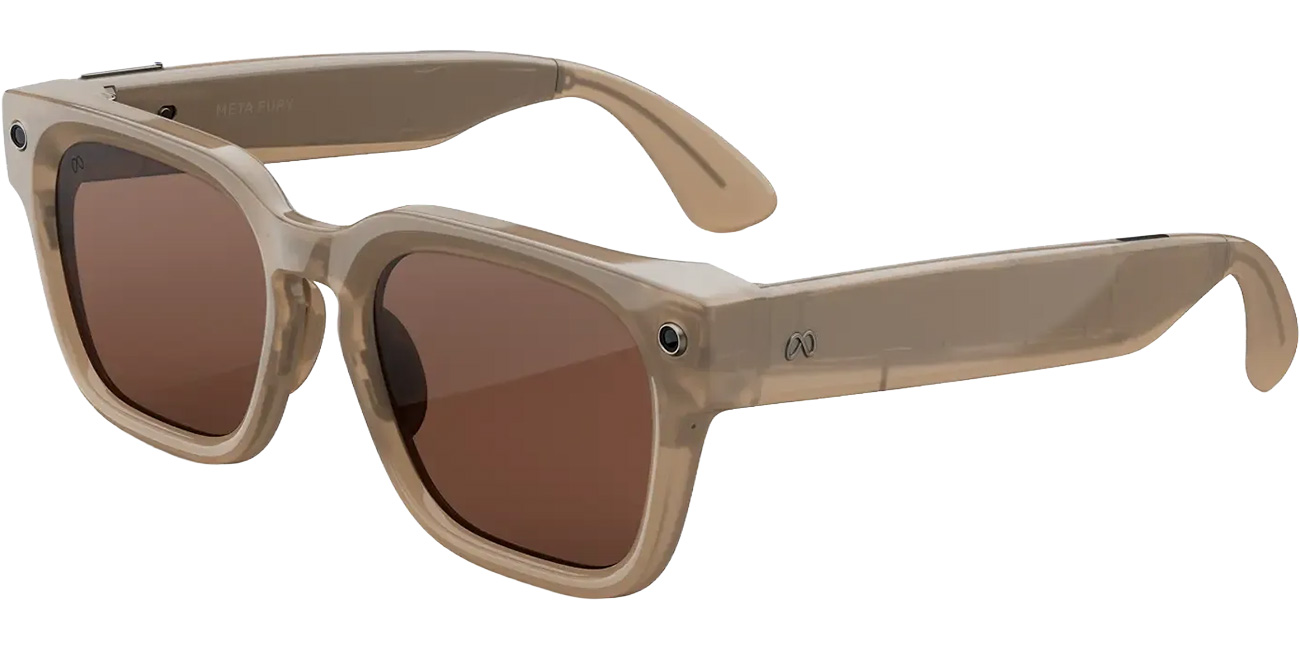
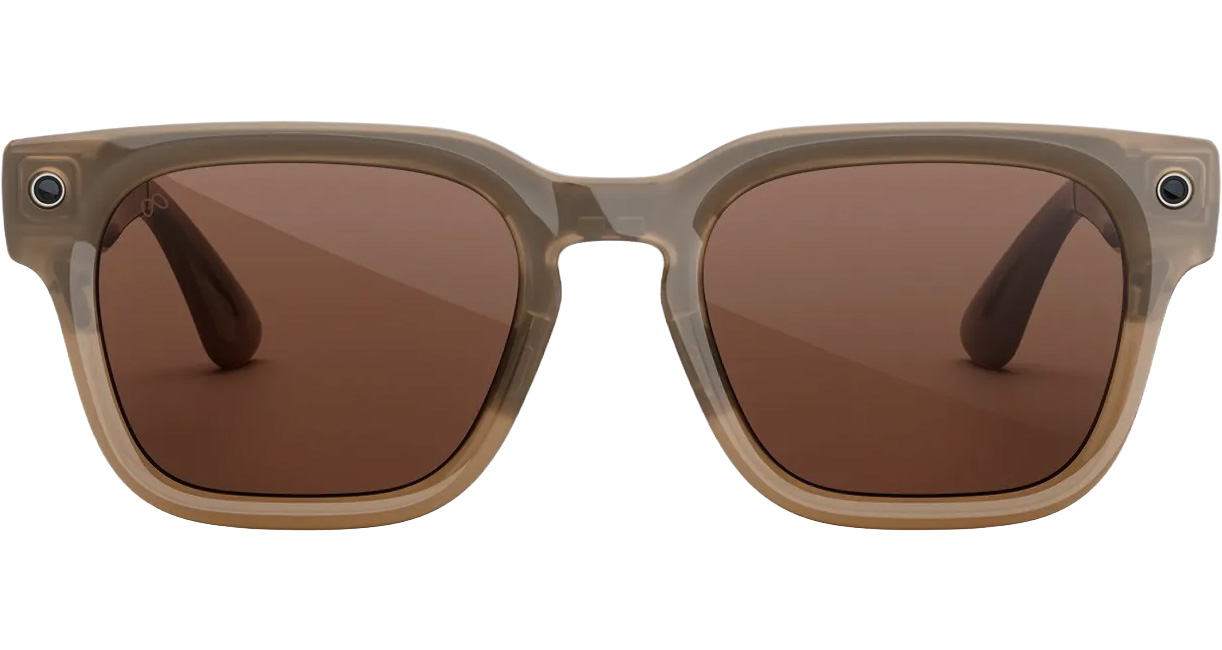
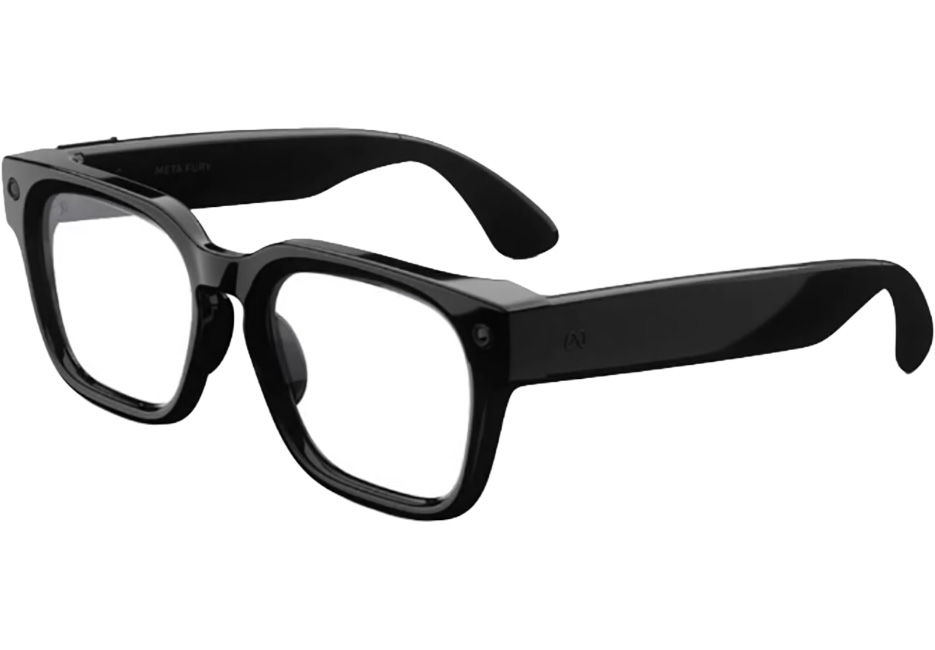
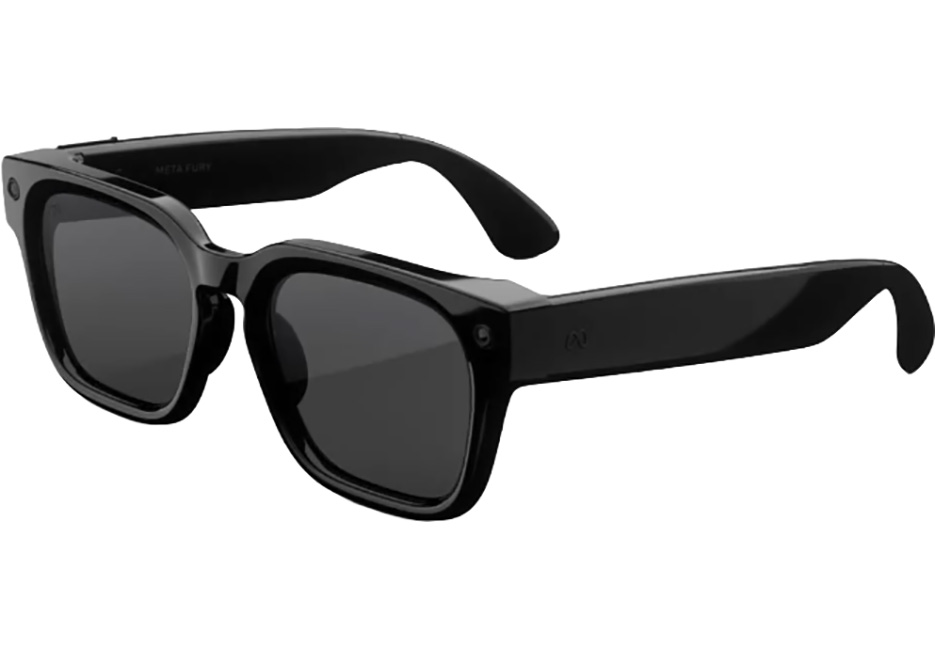
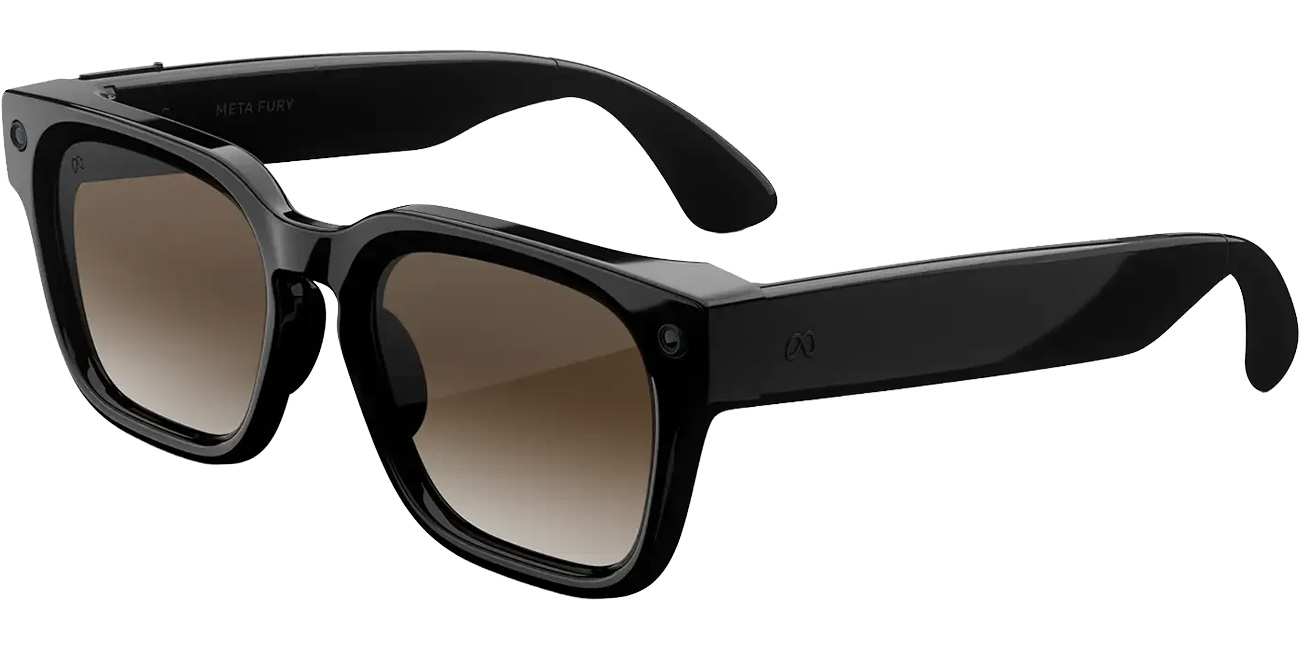
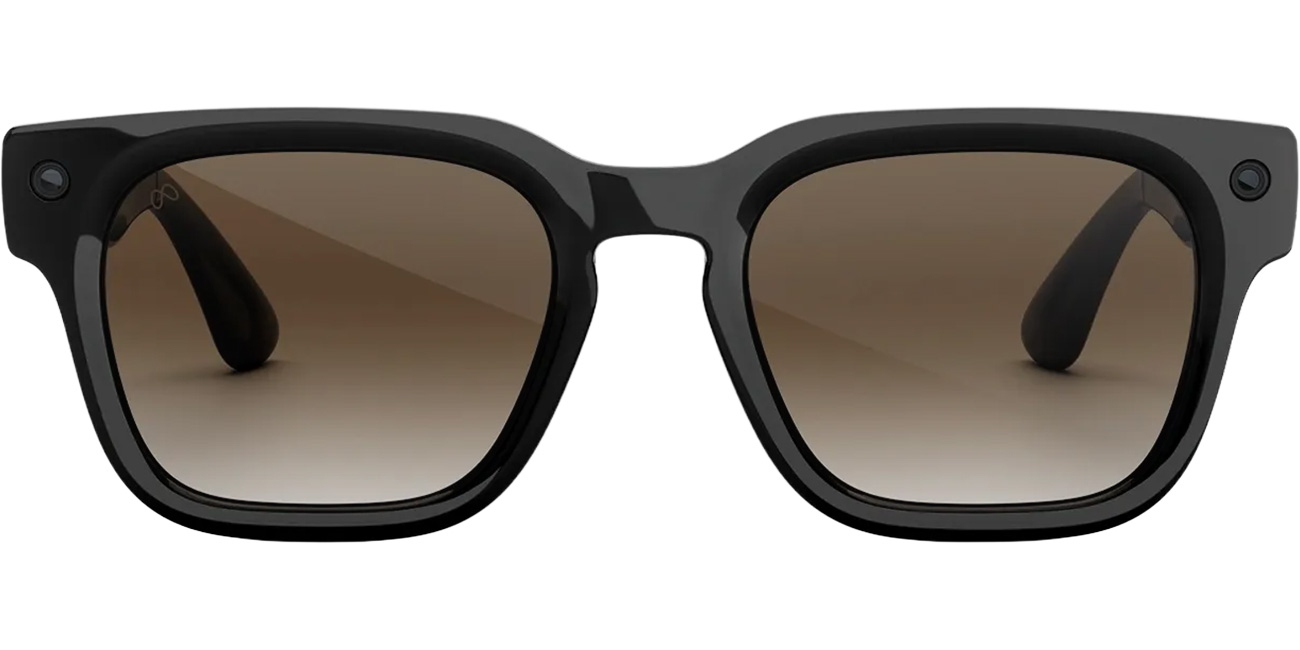
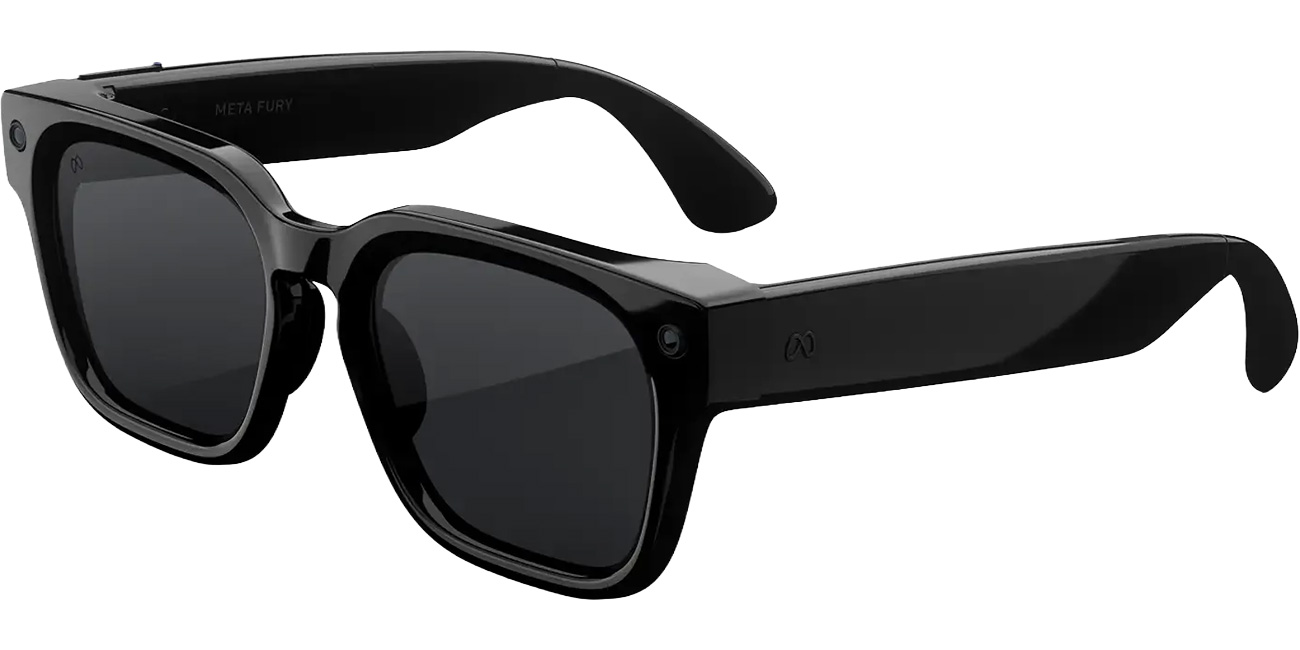
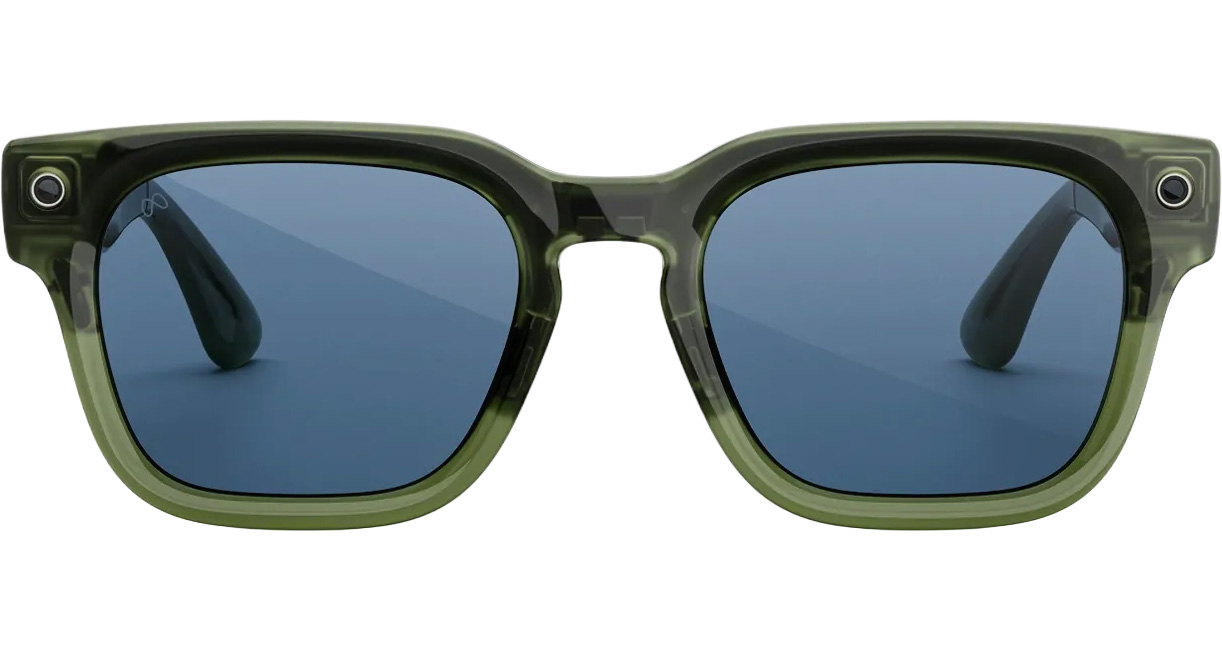
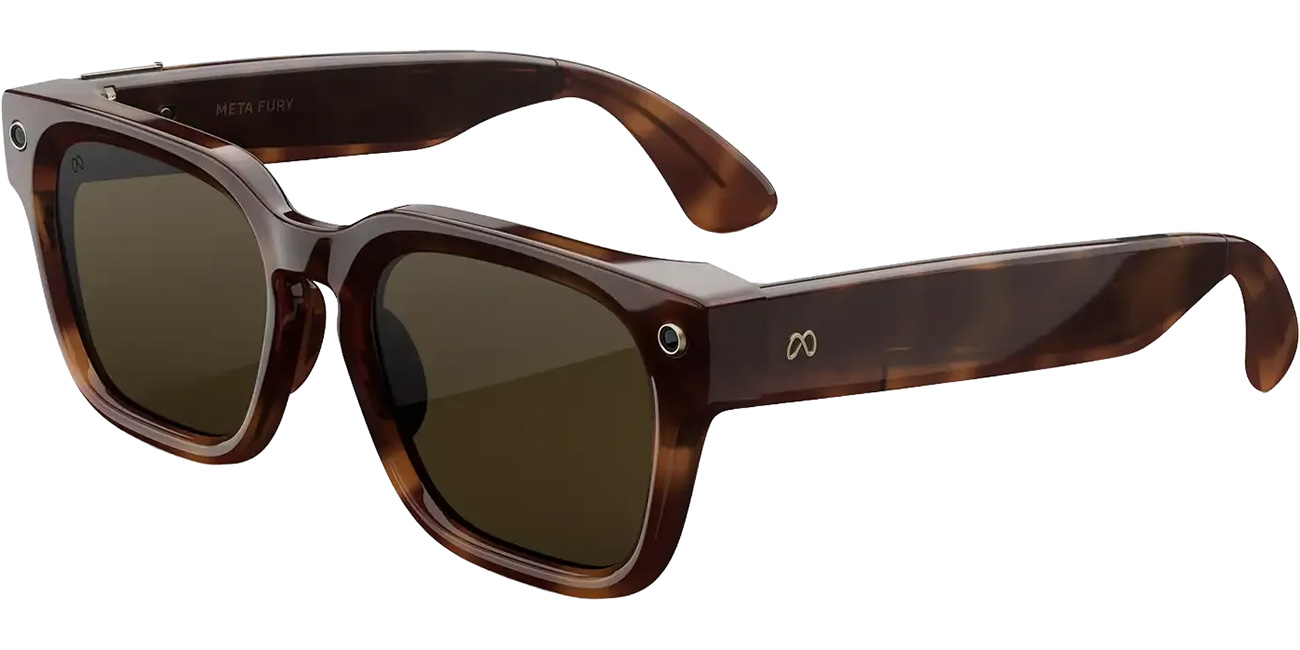
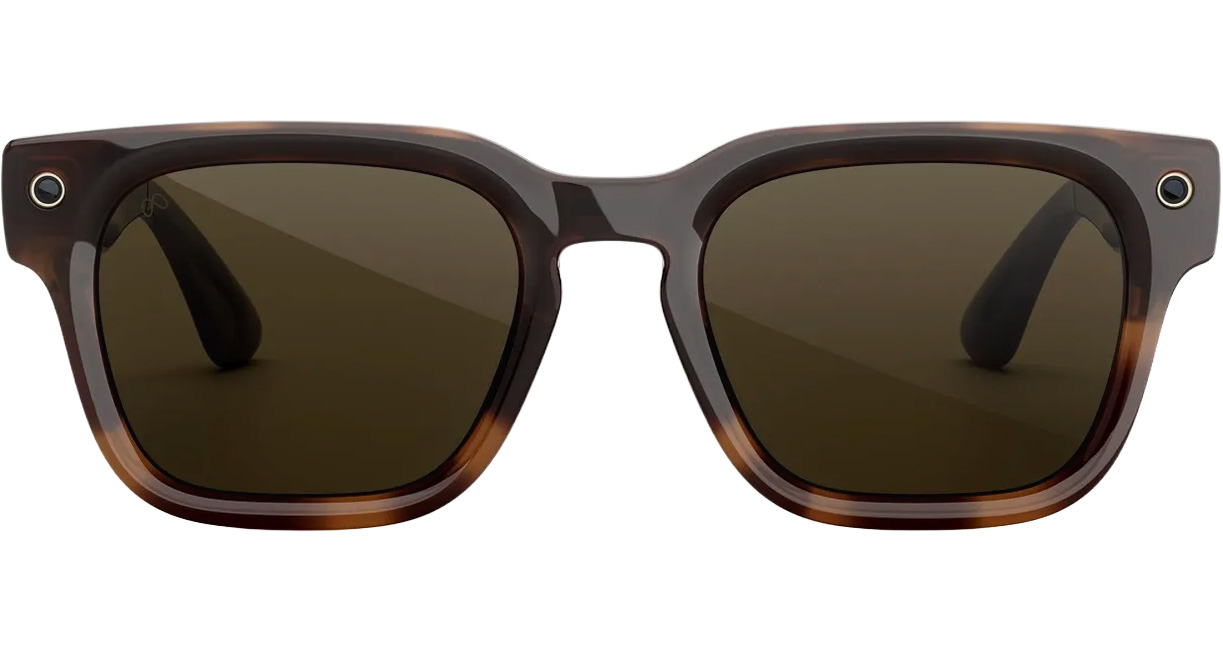
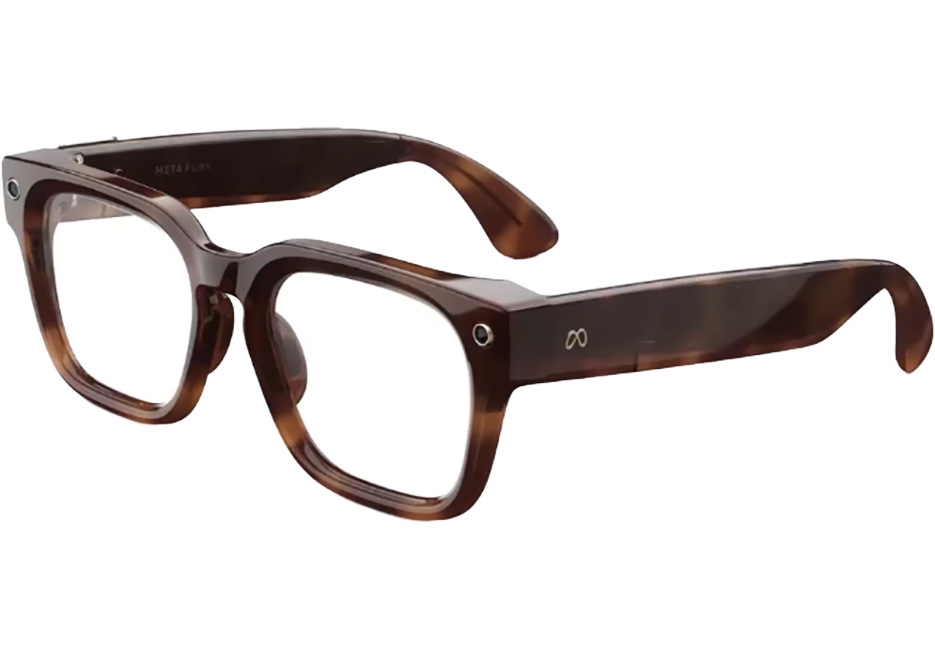
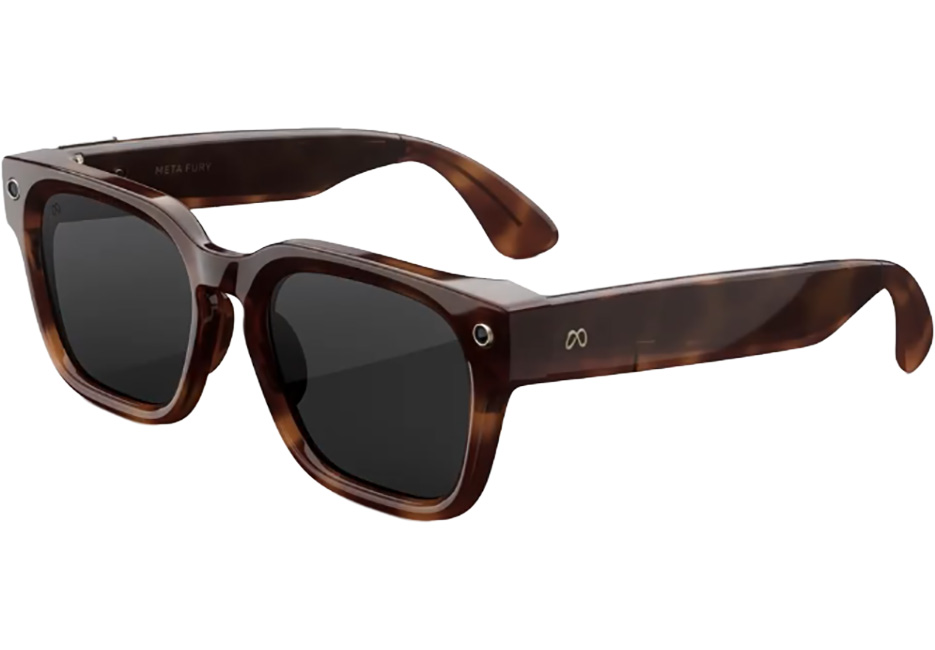
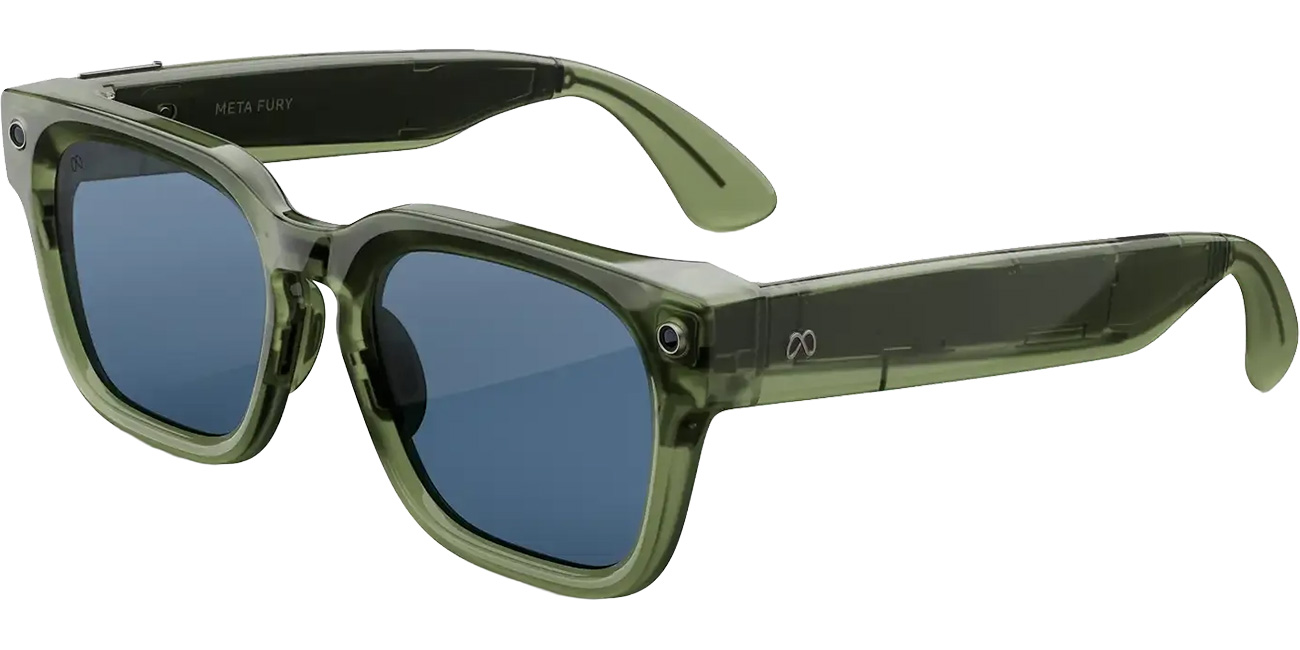
When it comes to smart glasses and sunglasses, Meta has ties to Ray-Ban and Oakley, but they also have their own style lineup to fill any gaps. At the moment, Abt is showcasing classic styles from Ray-Ban like the Wayfarer, Headliner and Skyler. Before now, we had Gen 2, with eight hours of battery life and five mics to hear both you and everything around you. With the latest Gen 3 launch, we are now getting the Aviator and Audio-Only styles, such as the Clubmaster, along with boosted nine-hour battery life and extra mics for better accuracy. Oakley’s Meta lineup brings the technology to sports and fitness, offering styles such as the Vanguard and HSTN models. Now Meta has their own exclusive styles like the Fury, Starfire, Adventurer and new styles to be launched in 2026 and 2027. Meta also has ventured into the world of AR, or augmented reality, with both the gesture-based Meta Ray-Ban Display and the recently unveiled prototype, Meta Orion. Orion is meant to rival smartphones and create a unique computing experience for the user with transparent lenses and help from contextual AI. Meta Glasses are more than just a style piece; their design helps influence those looking for a pair, but the practicality and functionality are really the driving forces telling people to try them out. They're getting popular.
The Big Three: Seeing, Hearing, Asking

"What do Meta Glasses do?" Let's break it down. There are three main functions that Meta’s Gen 2 and 3 Glasses really hit: Seeing, Hearing and Asking. We'll start with the Seeing aspect. The glasses themselves have one or two 12MP cameras built into the frames. These offer the user hands-free content creation or recording. Gone are the days of going to a concert and putting your phone in the air to record your favorite musician. With the click of a button, your glasses start recording or snap a photograph. Livestreaming is simpler, too. Meta owns both Facebook and Instagram, so having these glasses gives you the ability to livestream to your social media accounts and put content directly onto your page without having to edit, save or post separately. Hearing is the next feature. For those who don’t like wearing headphones, you now have two speakers built into the legs of the glasses. This pushes audio down to your open ears. Whether you are listening to music, watching a movie or having a phone call or meeting, you can use the speakers and built-in microphones without having to wear physical headphones. Lastly, the Asking feature. Meta AI rivals ChatGPT here, adding Meta AI to the glasses and allowing you to use both the Seeing and Hearing aspects to prompt the AI. While wearing the glasses, you can say “Hey Meta” or “Okay Meta” to ask questions, solve problems or brainstorm ideas. You can also say “Hey Meta, what am I looking at?” to have Meta AI look through the cameras and see what’s in front of you. Using the database and the AI server, it will break down what’s in front of you and give you as little or as much information as you need. These three features give the user a lot of flexibility and create a very dynamic experience … but does that hold up in everyday life?
Camera Quality & AI Conversation
Since the inception of Meta Glasses, people have been wondering just how good the cameras really are. Do the cameras on the glasses hold up against smartphone cameras? In truth, there really isn’t a comparison between the two. At the moment, smartphone cameras are powerful and offer the user an experience that only a DSLR or mirrorless camera can compete with. The question is more about whether you value convenience over quality, and vice versa. Hands-free photography and being able to live in the moment are what users love about the glasses. With a long press of the photo button, you can start recording what's in front of you and then enjoy the experience while still filming. The AI features are really helpful and balance out the cameras in a sense. Without having to pull out your phone or start typing, you can simply ask questions and Meta’s AI will respond. Not only that, but you can continue the conversation and ask follow-up questions based on the response that you get. Afterwards, the app on your phone will show you a text version of the conversation that you can review at a later time

Connected audio and phone calls are practical glasses features that make life easier, but the tech can still grow and improve. With nothing going into a wearer's ears, we would classify the glasses as open-ear hearing technology. You'll have the ability to hear your surroundings as you use the glasses, which is great for taking in your environment and surroundings—but not when you want to block out or cancel noise. They're rechargeable, and depending on how many features you are trying to take advantage of, the battery life can differ. Most can get a full day's use out of them before needing to recharge, but power users complain that four to six hours is all they get. These people are making calls, listening to music and repeatedly using the AI function throughout that period, causing the battery to drain quicker. They've answered the question, "What do Meta Glasses do?" For power users, a pair helps them move from task to task all day long. You can charge on-the-go, though. The glasses case does allow the user to recharge without having to plug in. Finally, the style and fit: is this something that you want to wear all day? I think Meta has really done a great job with this one, given all the different styles and collaborations they've developed.
Exciting Styles & All-Day Functionality
When it's time to purchase Meta Glasses, it can feel a bit complicated or overwhelming at first. Ask yourself a few questions and you'll narrow down the field and know what you're looking for. First, ask yourself, what is my primary function here, and where do I see myself wearing these the most? For everyday wearers, storytellers and content creators, I would recommend the traditional styles. The Wayfarer, Headliner, Fury, Starfire, Adventurer and Aviator. These styles tend to look classic. They use a simple, structured silhouette while still giving you the full benefit of the glasses. Those who are more outdoorsy and athletic should look more towards Oakley. The Vanguard and HSTN styles are built with better attention to battery life and weather sealing. This doesn’t mean you can swim with them, but you can go on that 20-mile hike and not worry about a little bit of rain or sweat.
For those who want AR, Meta is working hard to create better and stronger pieces that give the user just that. I would recommend staying in tune with launches and events from the brand as they continue to develop and create that technology. For now, the display acts as an early adaptation of the product and will only continue to get better from here.
Boiling Down The Pros & Cons

So, why should you like these glasses, and why might you not? On the bright side, these provide a great hands-free experience that allows you to live in the moment rather than behind a cellphone or a larger camera setup. The audio does deliver crisp and clear sound, yes, but you get a bit of noise leakage for those around you and there is no noise cancellation. However, that can be a good thing. You get the benefit of not having to jam headphones into your ears or feel fatigue from using earbuds all day. For content creators using Instagram and Facebook, this feels like a no-brainer. Direct access to the applications via livestreaming gives you a truly hands-free experience while still creating content.
As for cons, one of the biggest concerns many have voiced surrounds the topic of privacy. Meta has put in different safety measures to ensure that when you are recording, you and others around you are aware thanks to a built-in safety light. If bad actors cover, tamper with or even drill out the safety light, Meta's newest software can tell, and shuts the glasses down. The data the glasses capture has also been a point of concern for those worried about data leaks and data storage. The battery limits are another con, but that won't be a problem for everyone. It's dependent on what features are turned on and for how long. Then there's the lenses. Prescription costs for Meta Glasses are also high. Meta allows you to put your prescriptions in on their website, though some eye doctors do not want to tamper with or add prescriptions to glasses, so it’s important that you reach out to your eye doctor and ask if they can help prior to purchasing. Lastly, most of the models you see do not have the display feature or AR. Those models are at a higher price point and ship directly from Meta, making it hard to sample or demo the product prior to purchase.
From Saxon's POV...
What do you do with Meta Glasses? All kinds of things, but the pros definitely outweigh the cons. In my opinion, Meta Glasses have an easy-to-use and customizable app that helps deal with the cons. Within the app, you can adjust the battery life and features so that you can get more out of the glasses. You can customize the voice control and adjust the AI features to meet your needs. Voice commands like “Hey Meta” and “Okay Meta” paired with commands like "What am I looking at?" really enhance the hands-free experience. They become less of a toy and more of an AI assistant that works with you during day-to-day tasks. Even handier are the translation capabilities. At the moment, this is still being worked on and developed, but the product does offer translation for a handful of languages like English, Spanish, Italian, German, Portuguese and French, with more on the way. Video settings can be adjusted at any point as well to make sure that you have the best video settings for what you are trying to record or take photos of.
No matter which way you look at Meta Glasses, they are here to stay. These glasses may not be at the point yet where they can replace your cellphone or personal computer devices, but they're a wonderful companion to your cellular device. The convenience they can provide, the ability to be hands-free, and extras like AI assistance and translation can add to your daily habits and maybe even improve how you live your life. This is only the start, and we've seen how far tech like smartphones can leap in just a few years. We are seeing the same advanced speed with these smart glasses and their tech. We will continue to see expanded growth, different styles, more AR and display features with these technological advancements. The real question is, is this something you would try? Could this be a fun addition to your next vacation? Could you see yourself using this for work or your business? Maybe something to help your daily habits? That depends on you, your routines and whether you think they'd be helpful in your everyday life. But with expanding styles and great features, we've got more people than ever looking for these glasses, and we're excited to see where things go from here. Not sure which sunglasses are best for you? We can help you decide in-person or with our online guide to shopping sunglasses.
What Do Meta Glasses Do FAQs
-
Meta glasses work by pairing cameras, open-ear audio, microphones and the brand's own AI to bring you funtions you can use all day long, turning glasses into a personal assistant, a quick camera, an easy way to speak to AI about the world around you and more.
-
Meta has partnered with eyewear brands like Ray-Ban and Oakley for unique styles and concepts you can't find anywhere else, but Meta's own frames and styles are getting better with each new launch.
-
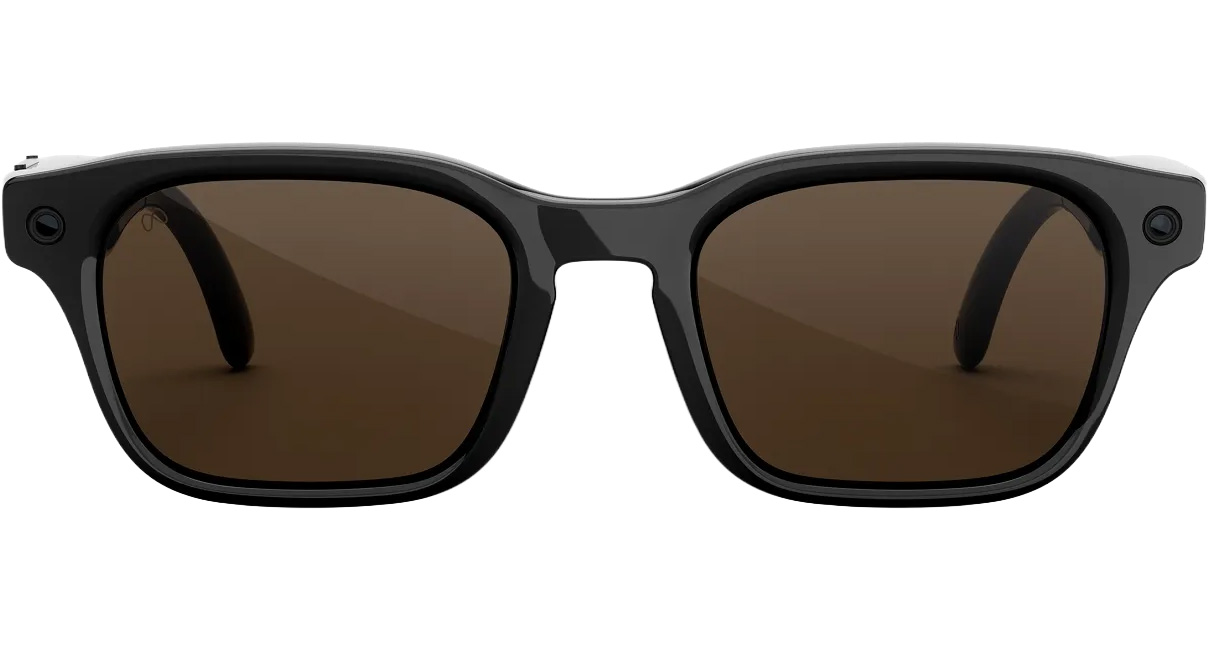
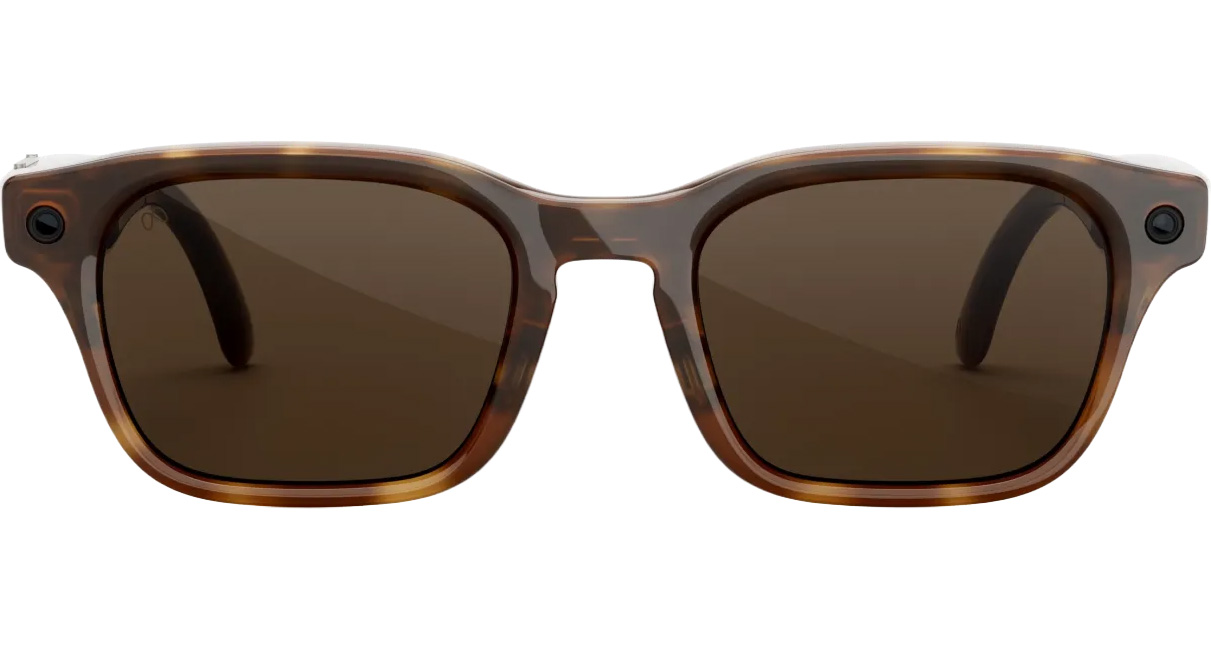
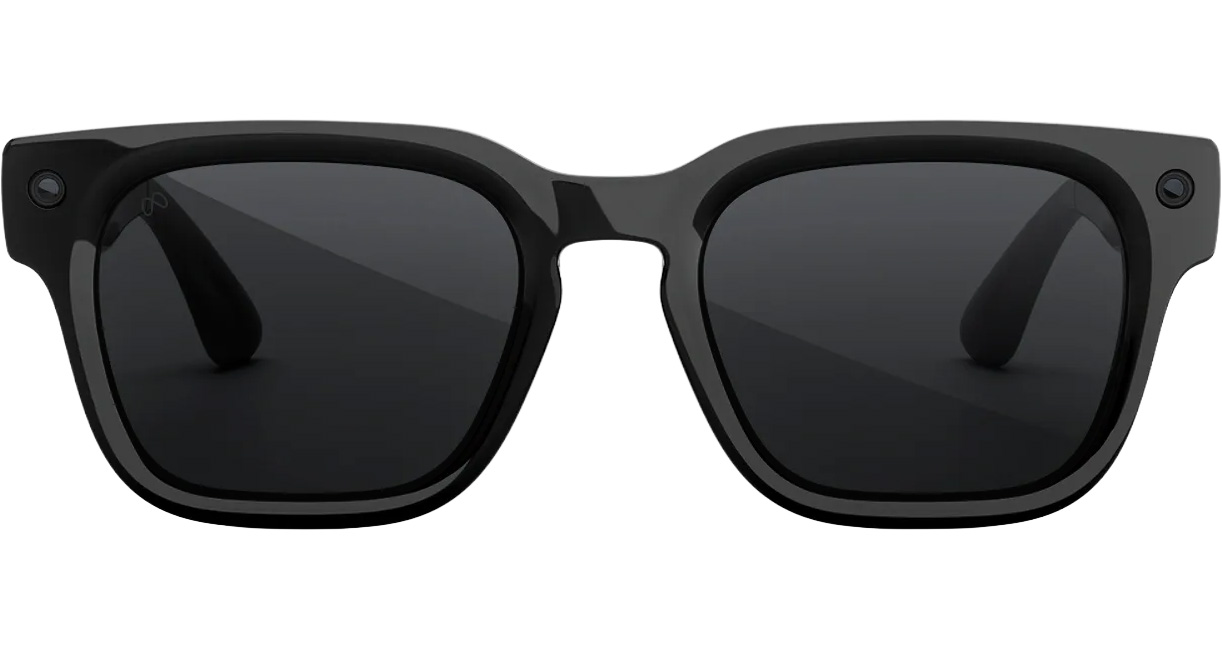
There are many different styles of Meta Glasses, from the classic Wayfarer design to more athletic choices from Oakley that are great for everything from biking to skiing. They'll look just like normal eyewear, though for models with dual cameras, you'll be able to see understated camera lenses in the corners of the frames. When video is recording, you'll see a bright white LED light turn on.
-
You can find all kinds of Meta Glasses here at Abt, from their line of Ray-Bans and Oakleys to newer picks Meta makes themselves. Even order online, choosing between different frame styles and lens colors. If you need prescription lenses, we suggest you go through Meta instead.


