Which Cookware Works on Induction?

But First…What is Induction?
Induction is a cooking method that uses electromagnetic energy to heat cookware directly, rather than heating the cooking surface or the air around it. Because the cookware is heated directly, water boils in less time and food cooks faster. These shorter cook times also make induction appliances generally more energy efficient, because they're on for less time. It's definitely a learning curve, but it's worth it. We also have an entire article dedicated to explaining induction cooking, so check it out if you want to know more.
How to Determine if Your Existing Cookware is Compatible
Chances are, you already have some pots and pans that you enjoy using. You might not have to get rid of them just because you're switching to induction. To see if your cookware is compatible, simply press a magnet to the base of the pot or pan; if it sticks strongly, the cookware is compatible. Some cookware is also stamped with an induction compatibility symbol that looks like coils. If your magnet doesn't stick and you don't see the induction symbol, it's time to invest in some new pots and pans.
Which Cookware Materials Work With Induction?
Any cookware that has a magnetic base will work with induction, but there are specific materials that are reliably magnetic.
- Carbon steel: Made mostly of iron, which reacts strongly to electromagnetic energy.
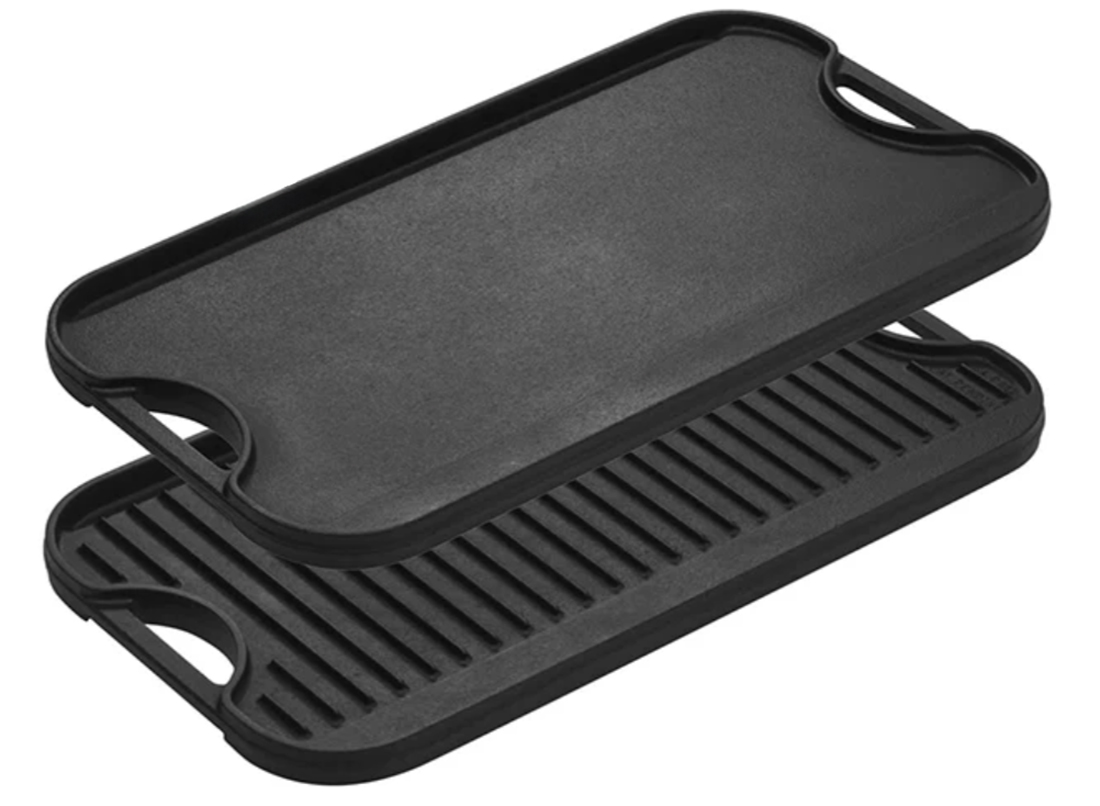
- Cast iron: Like your favorite Lodge skillet.
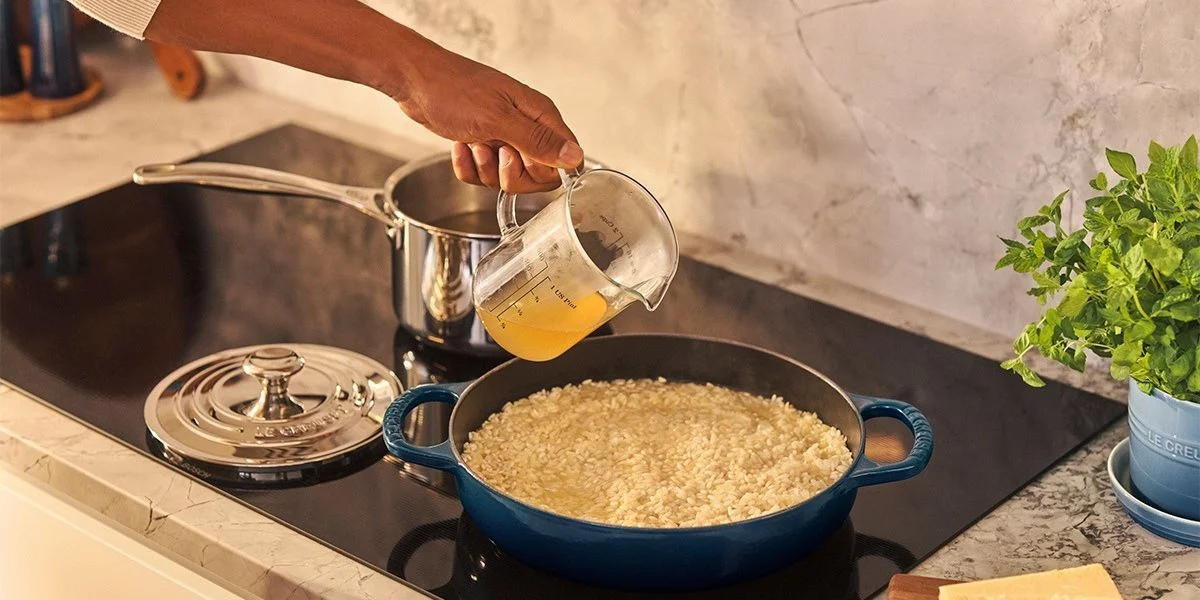
- Enameled cast iron: Like Le Creuset Dutch ovens.
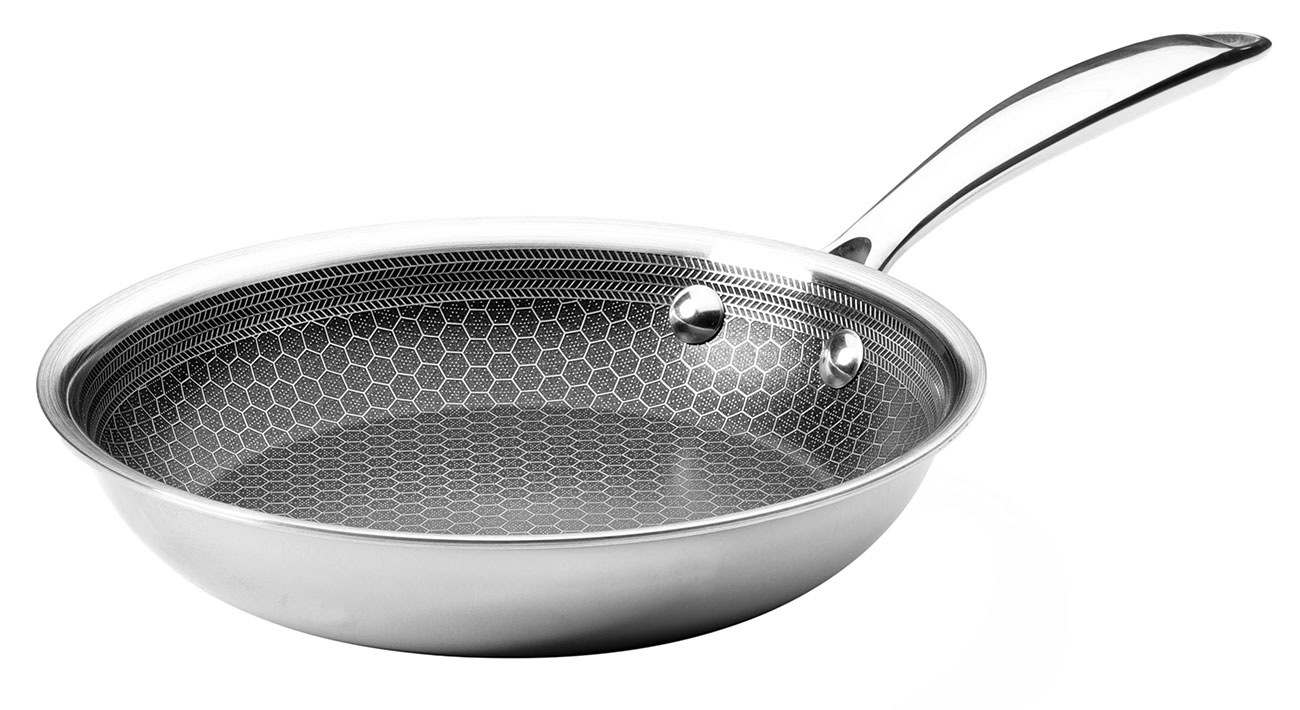
- Stainless steel: Most, but not all, stainless steel cookware should work. Do the magnet test to be safe.
Which Cookware Materials Don't Work With Induction?
In short, any non-magnetic cookware won't work with an induction cooktop.
- Aluminum: Aluminum is a non-magnetic metal.
- Glass: This one should be obvious; glass simply isn't magnetic.
- Ceramic: Pure ceramic or stoneware cookware, like CorningWare, won't work.
- Pure copper: Think brands like Ruffoni.
The Exception: Magnetic Bases
Some cookware that is largely made out of non-magnetic materials have a magnetic bottom to ensure compatibility with induction. As induction grows in popularity, some aluminum and copper cookware lines have started offering options with a magnetic base for induction compatibility. As always, make sure you're checking for compatibility before you invest in new cookware.
Shop Induction-Compatible Cookware at Abt
Abt offers an extensive range of cookware both online and in-store inside our Gourmet Shop, located in our atrium. Our cookware experts will help you determine if the pots and pans you're interested in can be used with induction. We also offer induction ranges and cooktops, so if you're ready to make the switch, you can get everything you need at Abt. If you have any other questions about cooking with induction, call our appliance experts at 800-860-3577 for help.
Induction Cookware Compatibility FAQs
-
Turn over your pot or pan and place a magnet on the bottom; if it sticks, your cookware is induction-compatible. If it doesn't stick, you'll need to buy new cookware (or reconsider switching to induction).
-
Overall, the best materials for induction cooking are cast iron, carbon steel, and stainless steel with a magnetic base or core.
-
You'll find a large selection of induction-compatible cookware online and in-store at Abt.
-
We wouldn't say you need "special" cookware for induction, but you definitely need specific cookware for induction, namely magnetic materials that can interact with the electromagnetic energy that induction appliances use.
-
The induction symbol looks like a series of coils or loops, and is typically on the bottom of the pan. On some cookware, the word "induction" is printed next to or below the symbol.
-
It depends; do the magnet test on the bottom of the pan to see if it will work.
-
Yes, most Le Creuset cookware is compatible with induction, including their enameled cast iron Dutch ovens.