


Samsung QN70F vs. QN80F vs. QN90F


These TVs are no longer available, but the latest versions are. We have a new comparison of the latest models with our guide to the QN70H vs. QN80H QLED TVs and which you should choose. Scroll to see the replacement TV models or shop the current Samsung TV lineup.
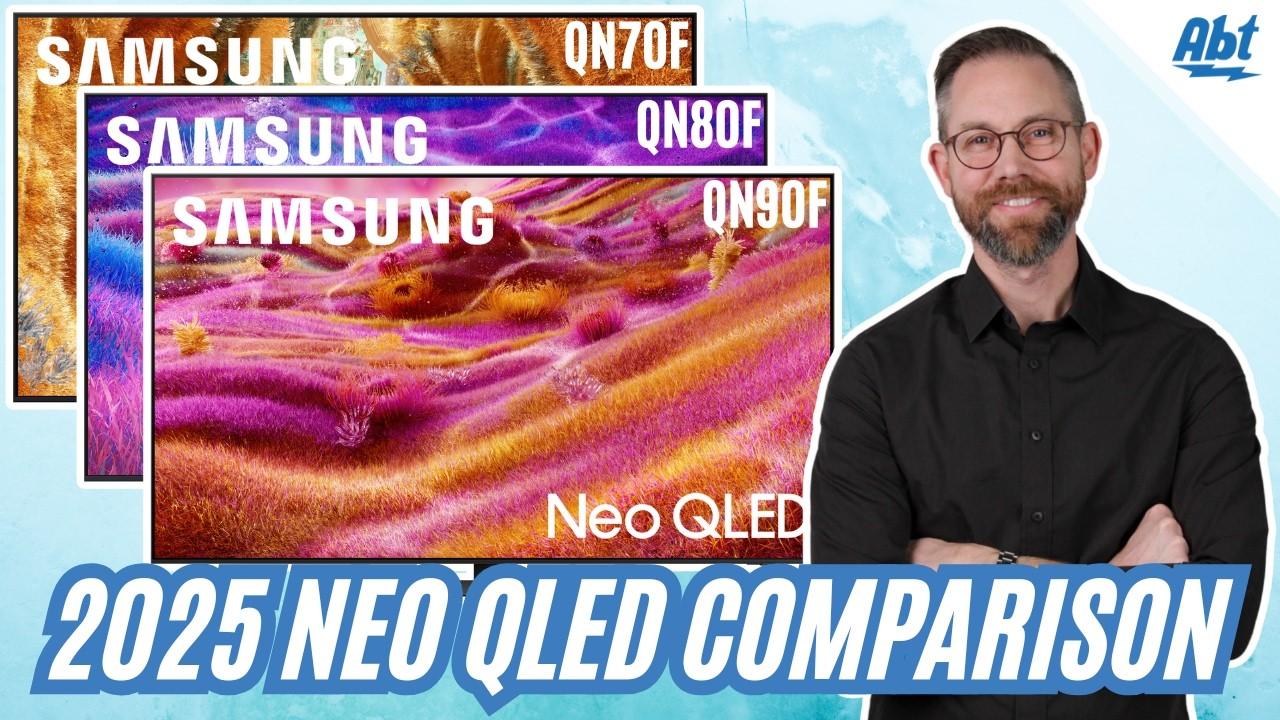
Meet a refresh to Samsung's Neo QLED televisions, the QN70F, QN80F and QN90F. These 2025 models bring new technology and enhanced AI features to each version and size, though there are key differences that make certain TVs better for some. Hoping to find the latest 2025 TV that's right for you? We're taking a deep dive and comparing the QN70F, the QN80F and the QN90F.
If you're unfamiliar with the term, you might be asking, "What is a Neo QLED TV?" or "What is a Neo QLED Samsung TV?" Neo QLED technology evolves from the classic LED and QLED TVs, with Samsung's own Quantum Mini LEDs bringing bright backlighting and precise control over light, color and contrast. With Neo QLED, you'll experience accurate dimming and more precise color vibrancy than you'd find in a normal QLED TV, too. That tech is packed into all three of these TVs, but their picture is vastly different; that's just the reason why we're comparing these: it's time for the QN70F vs. QN80F vs. QN90F.
Screens: Sizes, Features & Which One's Best?
First, we'll dive into the real reason you're here: the screens. These are the factors that set the Samsung Neo QLED TVs apart when it comes to the QN70F vs. the QN80F vs. the QN90F. These three TVs have very diverse pictures, so if you're investing in one, you'll want to know exactly what you're signing up for. There are some features that each TV shares, and we'll dive into that after comparing the screen and audio differences.
The Samsung QN70F
Samsung QN70F Neo QLED 65-Inch 4K Smart in Black - QN65QN70FAFXZA
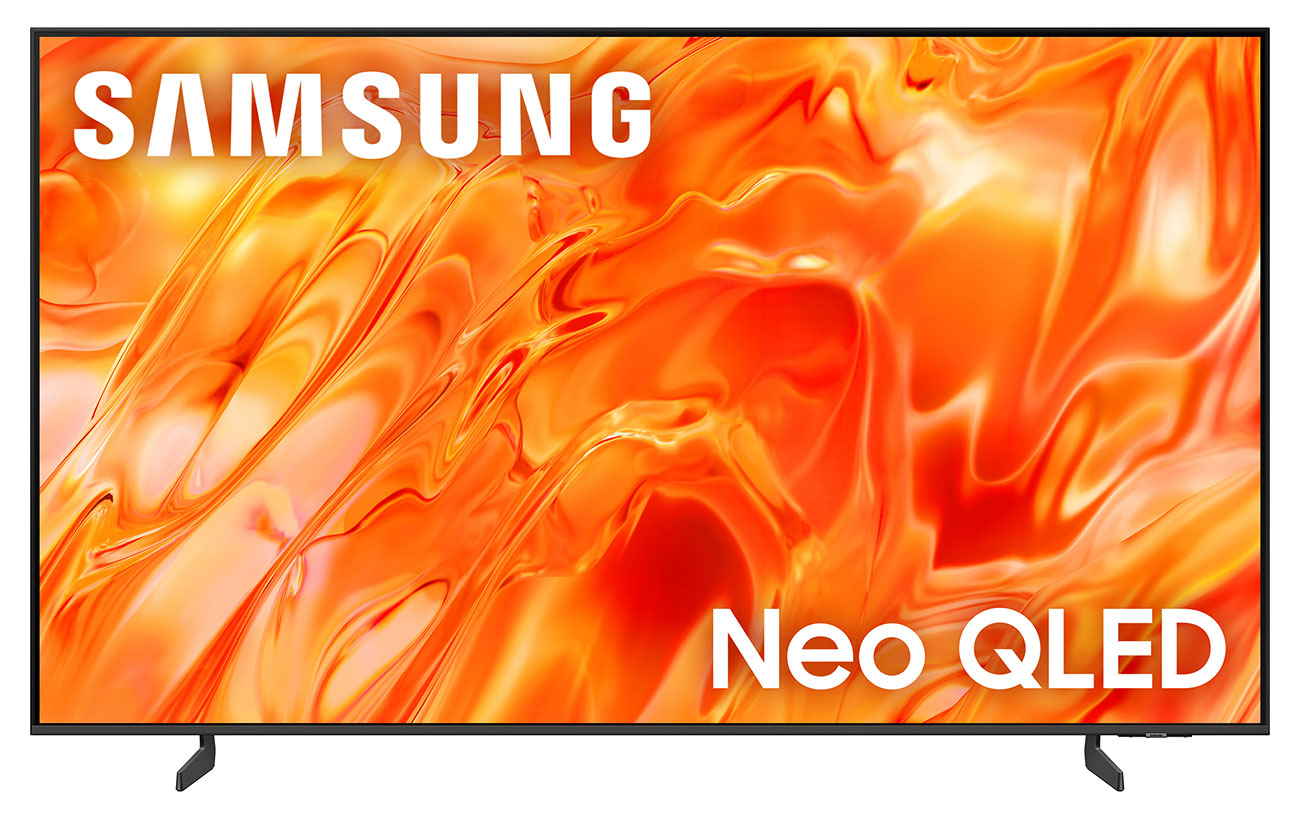

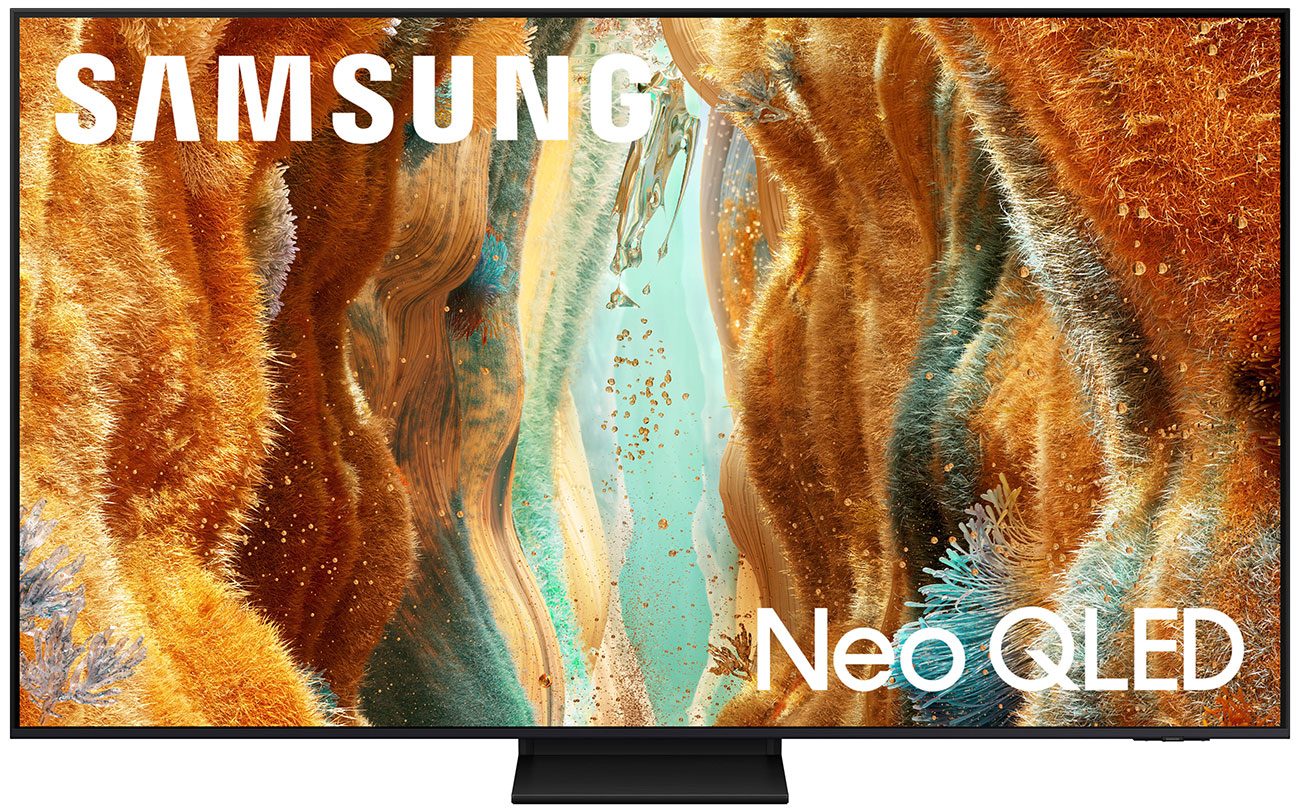
The starter for the Samsung 2025 Neo QLED lineup comes in just a few sizes, the 55", 65", 75" and 85". That gives you a little room for flexibility but not too much if you're looking for a smaller TV for a smaller room or a massive TV for a fully-equipped entertainment space. But no matter what size you choose, you'll appreciate this television's slim profile. Thanks to Samsung's Quantum Matrix Technology Slim, the QN70F has a skinny depth that's barely noticeable—perfect for mounting on the wall.
There's a reason why, though. This mini-LED TV is edge-lit, meaning that all of the lights are on the edge of the display. Instead of having a complete mini-LED panel like the QN80F and the QN90F (which requires a thicker body), the QN70F prioritizes a budget-friendly and slimmer Neo QLED picture. It still performs well and uses supreme UHD dimming to control the contrast brightness for a stunning picture. Finally, the 120 Hz panel ensures that both video games and live sports look their best, even when things are moving quickly. Everything inside is powered by the NQ4 AI Gen2 Processor for 4K AI picture and sound upscaling, all in real time. The Samsung QN70F is slim, fast and powerful, so what's the next step up?
The Samsung QN80F
Samsung QN80F Neo QLED TV 65-Inch 4K Smart in Titan Black - QN65QN80FAFXZA
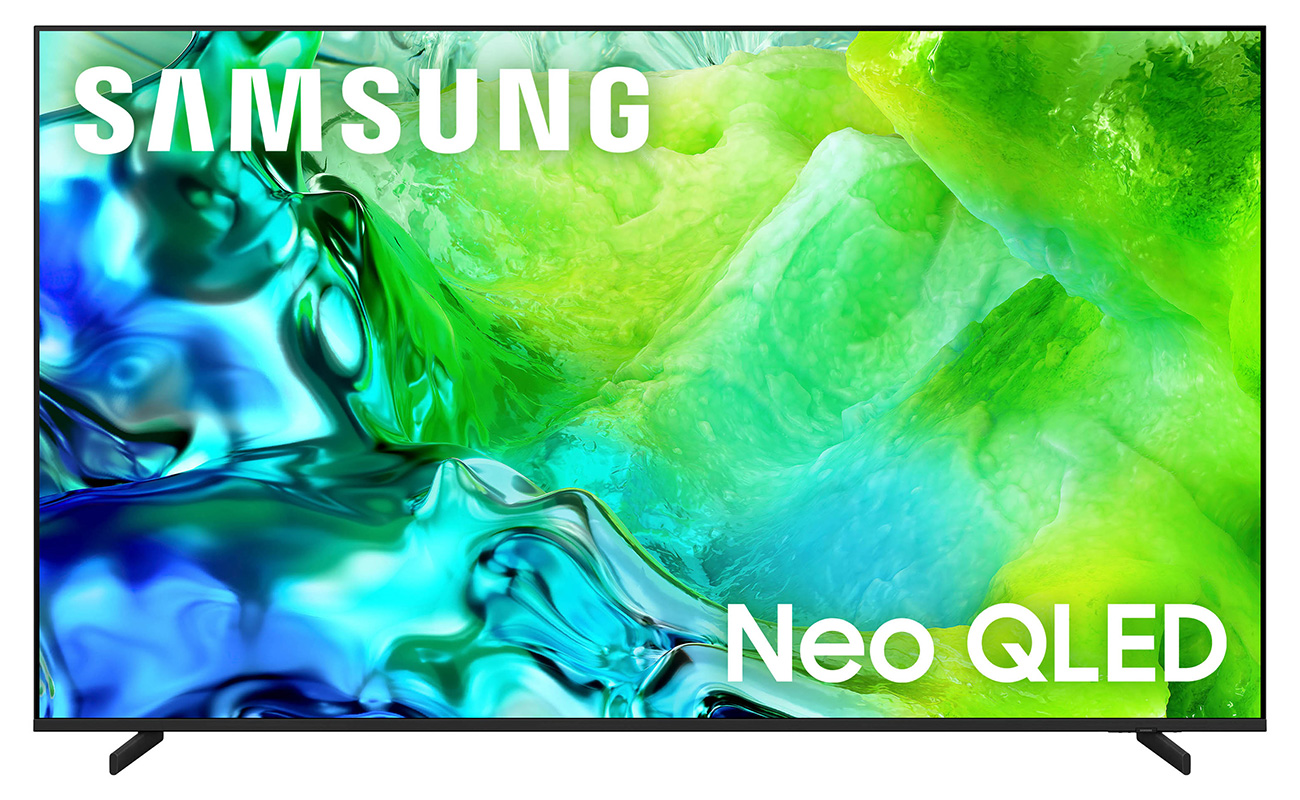
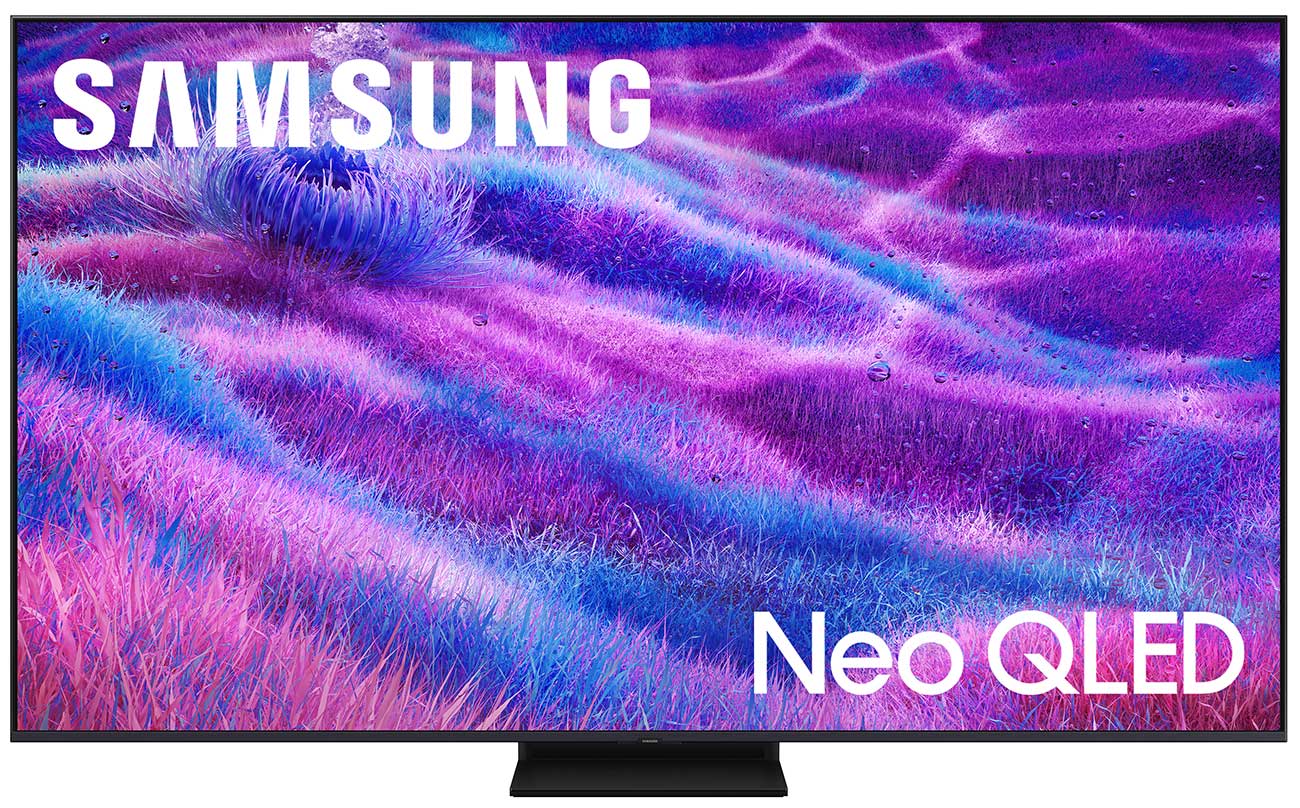
Samsung makes sure the QN80F is a step above when it comes to screen quality thanks to its full-array mini-LED backlighting. Instead of an edge-lit panel, you get the complete effect. With sizes like the 55", 65", 75", 85" and 95", you've got a few more options to choose from, especially for a large TV room or home theater. Other upgrades the QN80F sports include precise local dimming, improved black levels, boosted contrast and brighter highlights. All in all, you're paying more for a better picture. That makes this TV a great option for movie lovers who hope to appreciate every aspect of their favorites and the latest films. And thanks to the brighter screen, the Samsung QN80F looks better in rooms that get more light than the QN70F. That added brightness is a must-have for HDR content as well—you'll be able to see every bit of vibrant color possible.
That being said, in the battle of the QN70F vs. QN80F vs. QN90F, there's a reason that the QN80F falls right in the middle. Number one, it has the same processor as the QN70F for AI-powered upscaling. And the QN70F does have one advantage over the QN80F with that skinnier screen. However, the screen itself has a full array panel, and with the upgrades we already mentioned, the QN80F is hands-down the better picture for its money. Here, Samsung makes sure that you're getting what you pay for.
The Samsung QN90F
Samsung QN90F Neo QLED TV 65-Inch 4K Smart in Titan Black - QN65QN90FAFXZA
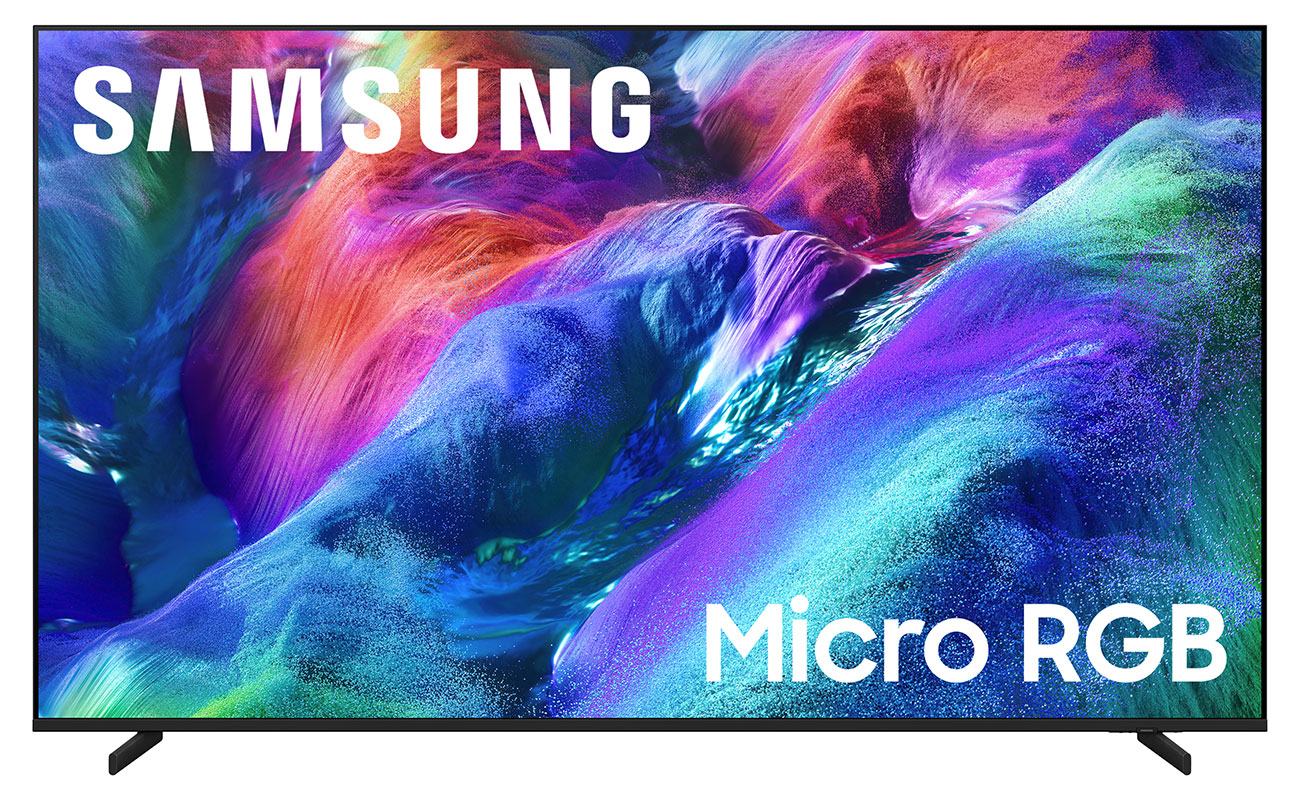

Positioned just below the brand's 8K lineup, the QN90F sprints ahead of both the QN70F and QN80F. It comes in more sizes; you can choose between the 43", 50", 55", 65", 75", 85" and 98" models. If you're hoping to put your TV in a bright space, this may be the right choice for you: the Samsung QN90F features an anti-reflective coating that's normally found on the flagship S95F OLED. That coating cuts down on reflected light that could ruin a watch party, and the television is powered by a boosted processor, the NQ4 AI Gen 3 processor. This chip's 4K AI Upscaling Pro handles smarter, more advanced processing in real time, all for an incredible picture that's difficult to surpass.
In the QN70F vs. QN80F vs. QN90F battle, the Samsung QN90F has other top-tier features that help upgrade what you're watching, too. Just like the QN80F, this television is equipped with Real Depth Enhancer Pro for more dimming zones that bring deeper blacks, better contrast and even brighter highlights to everything onscreen—with less blooming around bright spots. But this television comes equipped with the Expert Calibration feature, allowing you to really get in deep and tweak your screen's settings until they're just what you want, all via Samsung SmartThings. The other two TVs give you some calibration settings, but the QN90F allows for detailed fine-tuning. Finally, there's the refresh rate. While the other two TVs can run 4K at 144Hz, the QN90F goes up to 165Hz. In terms of the QN70F vs QN80F vs QN90F, that may not feel like much, but pro PC gamers will notice the difference. No matter what you use the Samsung QN90F for, it's pro-tier.
The Audio: Do You Need a Soundbar?

When it comes to these three televisions' audio, they're all as unique as their picture quality. Let's start with the QN70F, which is designed around a 2-channel 20-watt speaker. The stereo-level sound is enhanced by Adaptive Sound Pro and Active Voice Amplifier. With Active Voice Amplifier, viewers can easily hear dialogue, especially when watching the news or sports.
The QN80F levels the dialogue up with a 4-channel 30-watt audio system. With two extra up-firing speakers, this television works to envelop watchers in an immersive sound bubble that's perfect for Dolby Atmos content. Like the QN70F, the QN80F features Adaptive Sound Pro and Active Voice Amplifier for content that sounds amazing.
The QN90F sports the best system overall, with a 4.2.2-channel 60-watt audio system on TVs that are 55" and larger. That means you've got two main speakers on the left and right, two subwoofers and two up-firing speakers. Adding extra bass along with the up-firing speakers creates a powerful sound system, and the subs bring better lows to everything you watch, from big game halftime shows to the latest video games. With built-in speakers, subwoofers and Adaptive Sound Pro, do you really need a soundbar?
That's a good question: do you need a soundbar? In the fight between the QN70F vs. the QN80F vs. the QN90F, the QN70F definitely requires a bit of assistance from an external system, and whether you want to invest in a soundbar or a home theater system is up to you. But that's worth considering when thinking of the up-front cost of your new television. For the QN80F, you may be able to skate by with the built-in speakers, especially if you're not too worried about bass. However, for both of these televisions, you should truly upgrade your entertainment experience with a great soundbar. But if you want an all-in-one package, you may not need a soundbar if you're opting for the QN90F thanks to the added subwoofers. They'll make every musical moment swell and every explosion reverberate.

Alternatively, you can get the best of both worlds and opt for a Samsung soundbar with Q-symphony. With Q-Symphony, both soundbar and television work together, powering all speakers and subwoofers to deliver the best audio possible. The better your TV, the better your audio with a Q-symphony soundbar.
What Do They Share? Operating System, Solar Remote & More
Now that we've taken a deep dive into what sets these televisions apart, let's talk about a few of the things that they share, like the Tizen OS. If you've owned a Samsung TV before, you may be familiar with the smart TV OS. The Tizen operating system is designed for smooth functionality, easy navigation and providing users with one main hub for streaming apps. All three have access to Samsung Gaming Hub, the perfect spot for players to access their favorite games without a console present, though fees may apply. Meanwhile, all three TVs share a solar remote for easy charging.

Then there are the visual enhancements that all three TVs share, like HDR10+: a boosted version of the classic High Dynamic Range. It brings the viewer a higher level of contrast amongst brighter, darker and more colorful areas. Some compare it to Dolby Vision, so you could describe it as theater-like. For the QN70F vs. QN80F vs. QN90F debate, all three have HLG as well, or Hybrid Log Gamma, an HDR format designed for better picture quality. Plus, they all feature 4 HDMI connections, making all three televisions a great choice for gamers who hope to connect their next-gen consoles.
Which Should You Take Home?
That's a lot of information ... so which one should you take home? In our video comparing the QN70F vs. the QN80F vs. the QN90F, Carl broke it down for us:
If you're ready for a next-level upgrade, any of this year's Neo-QLED TVs are great choices, and they're all available right here at Abt near you. Order yours online or come into the store to see some of the best TVs of the season. And if you have questions, find answers from the experts and call us at 800-860-3577 or study up with our TV buying guide.


